

The Science of Comfort: What a Dog Actually Does to Your Body
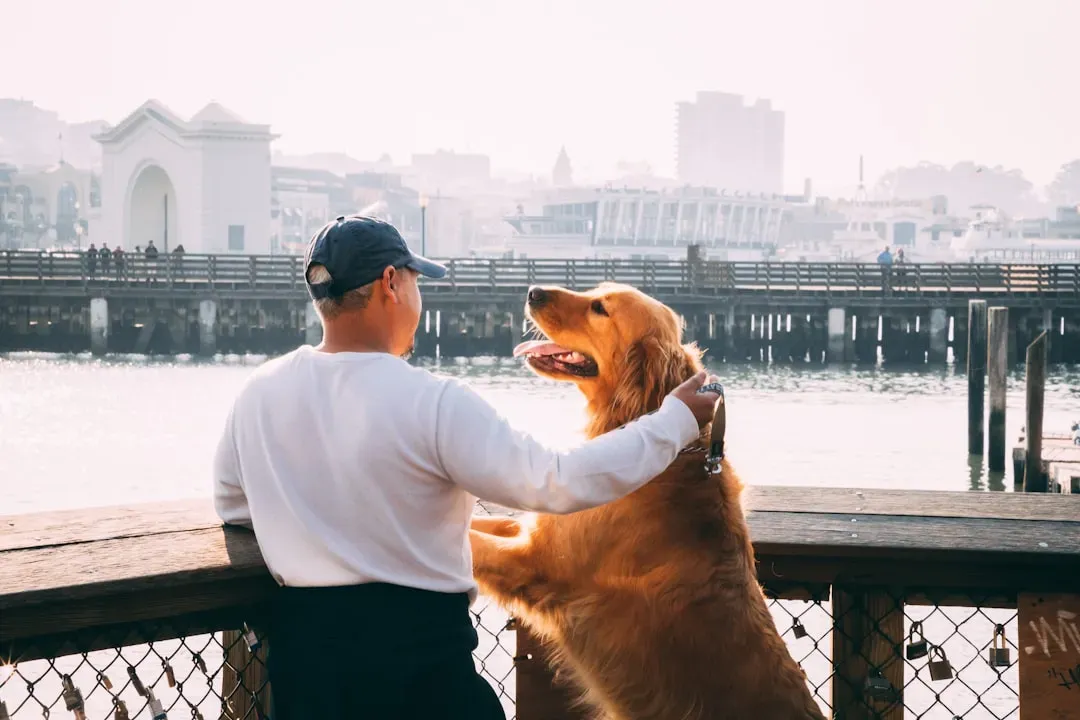
When you’re grieving, your body is under stress. Cortisol, the hormone associated with stress and anxiety, tends to run high during bereavement, which takes a toll on sleep, immunity, and cardiovascular health. Evidence is accumulating that levels of the stress hormone cortisol drop in people after just five to twenty minutes spent interacting with dogs, even if it’s not their own pet. That’s a meaningful window of physiological relief in a time when relief feels scarce.
The simple act of petting a dog can release oxytocin, often referred to as the “love hormone,” which fosters connection and reduces stress levels. For someone over 50 navigating the raw isolation of loss, this isn’t a small thing. Interacting with pets profoundly impacts levels of multiple brain chemicals such as oxytocin, and scientists believe our stress-regulating HPA axis activity decreases as oxytocin signal increases. The body responds to a dog’s presence in ways it doesn’t respond to most other forms of support.
Animals Outrank Humans as Grief Supporters, According to Research
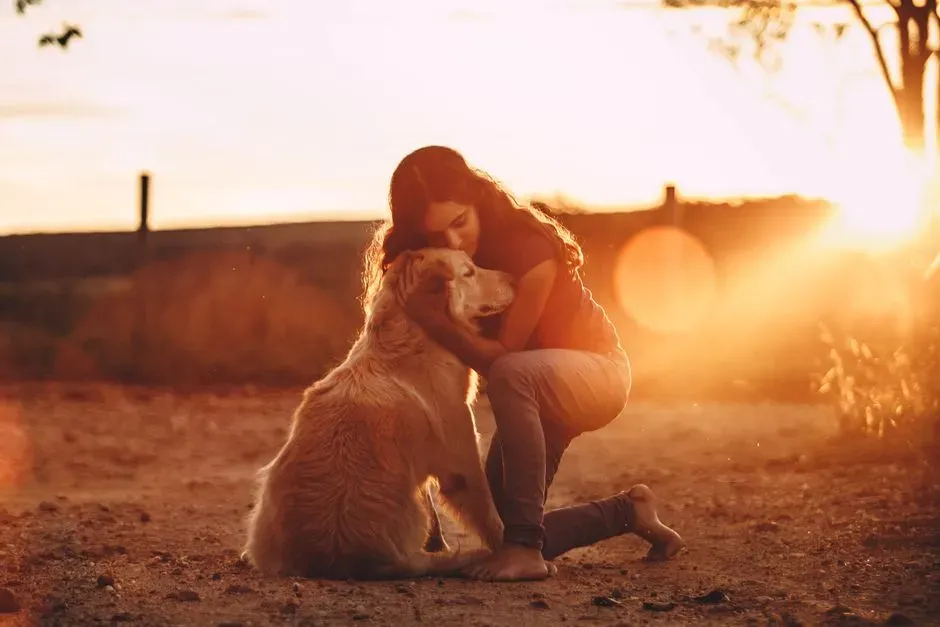
This finding surprises people, but the data is hard to argue with. Among 248 participants in a grief study, 89% of those who had pets or interactions with animals reported being extremely or mostly satisfied with the support received. Animals were ranked the highest among all forms of social support, including friends, family, community members, faith leaders, therapists, counselors, and support groups. That’s a striking result.
It isn’t that dogs say the right things. It’s precisely because they don’t say anything at all. Unlike human relationships, pets offer unconditional love and unwavering companionship, so their absence can amplify loneliness, making quiet moments at home feel painfully empty. The inverse of that is also true: their presence fills those moments with warmth that doesn’t come with conditions, commentary, or exhaustion. For someone over 50 who is tired of being asked how they’re coping, that quietness is often exactly what’s needed.
Grief After 50 Is Different, and Dogs Understand That
As we age, we experience an increasing number of major life changes, including the loss of beloved friends, family members, and pets. The death of a loved one can hit retired seniors harder than younger adults, who may be able to draw on the comfort of close family or distract themselves with the routine of work. The usual buffers simply aren’t there in the same way. Career no longer structures the day. Children may live far away. The social world naturally contracts.
Dogs meet people in that contracted world and expand it again. The human-canine connection highlights a consistent truth: across settings and generations, dogs offer companionship, stability, and reliable emotional support. That stability is particularly important for older adults, whose grief often arrives against a backdrop of other losses, not just the one at the center of it all. People describe their pets as family and a source of unconditional love, and for some, this attachment is the only strong relationship in their lives.
A Dog Gives You a Reason to Get Up in the Morning
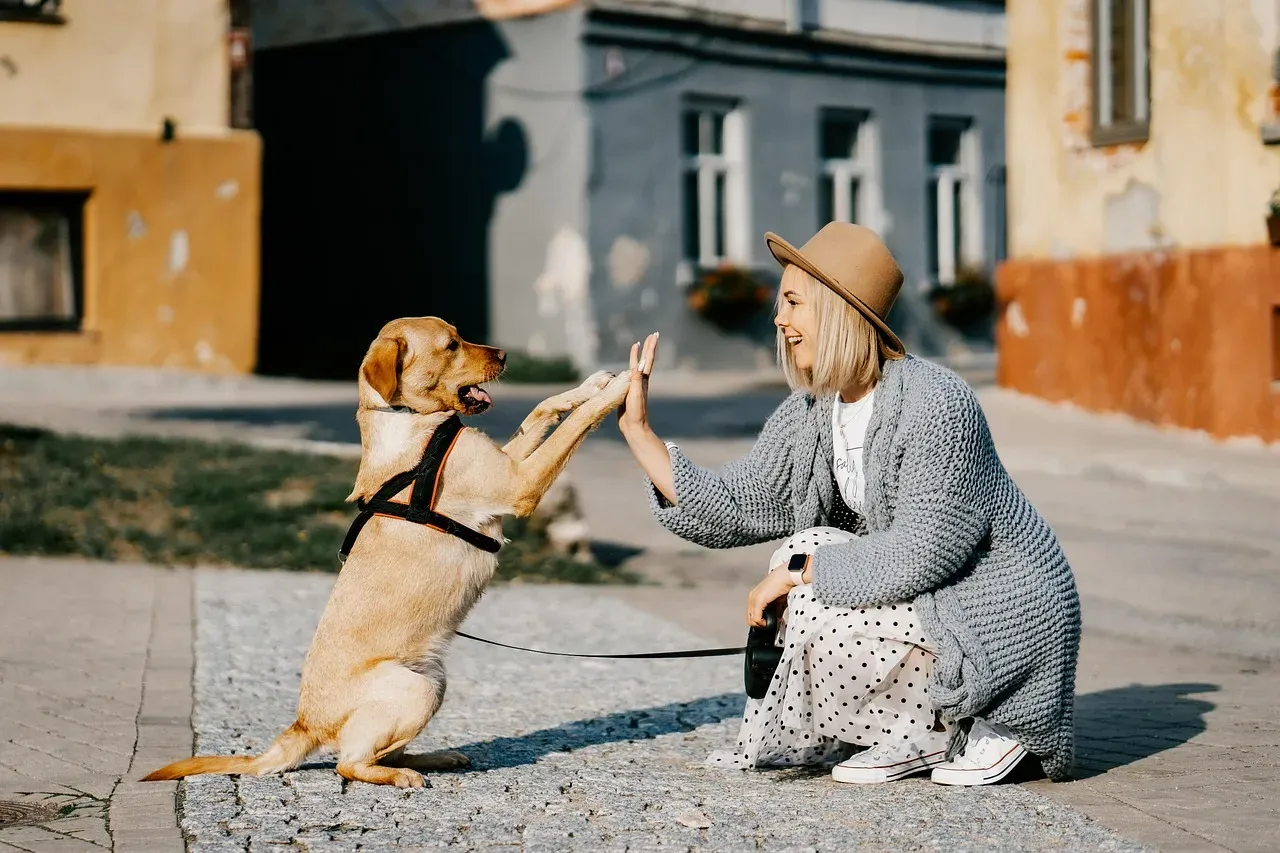
One of the most underestimated effects of grief is what it does to motivation and daily structure. When someone you love is gone, there’s no obvious reason to keep to a schedule. Food becomes optional. Mornings blur into afternoons. But a dog doesn’t negotiate around depression. It needs to be walked, fed, and tended to, and that obligation turns out to be quietly lifesaving.
Taking care of an animal gives individuals a reason to live. Knowing their pet depended on them helped them hold on during dark times. That sense of being needed is something grief often strips away, especially for people over 50 who may no longer have young children or professional demands creating daily necessity. Owners benefit from having a structured daily routine that includes feeding, grooming, and walking their dogs. This routine can provide much-needed stability and purpose, encouraging seniors to manage their time effectively and engage in meaningful activities rather than spending time alone.
Dogs Combat the Loneliness That Shadows Bereavement
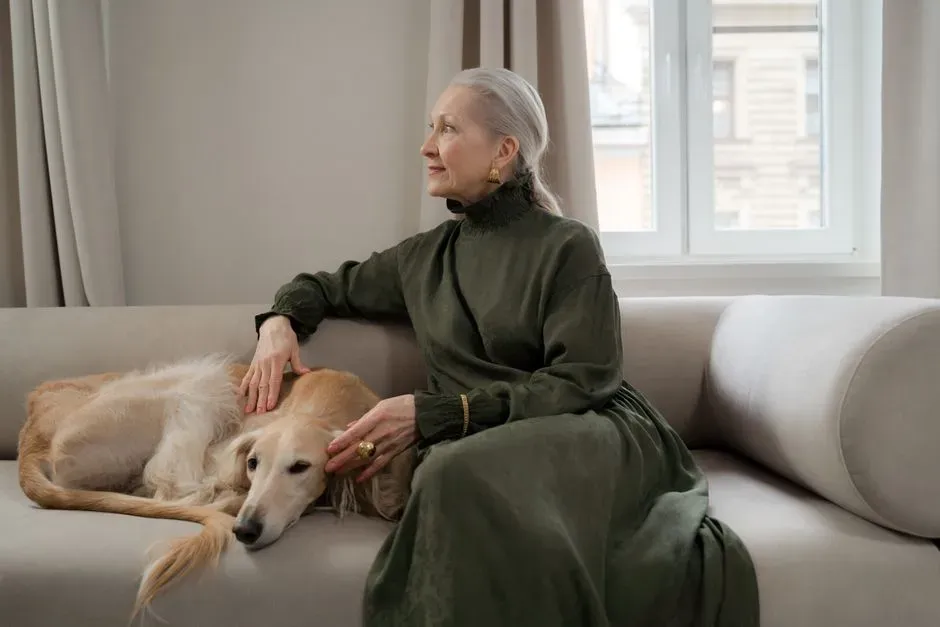
Loneliness and grief are not the same thing, but they travel together. Loneliness is linked to significant health threats and is potentially more dangerous than obesity, and it affects as many as roughly three in ten noninstitutionalized older adults. Bereavement accelerates that loneliness in ways that can feel difficult to reverse, particularly for those living alone.
Research exploring the association of pet ownership and loneliness among older adult primary care patients found that pet owners were 36% less likely than non-pet owners to report loneliness. Dogs in particular are social anchors. Owning a dog is a great way to socialize with others of all ages. Taking them on walks, visiting dog-friendly parks, or participating in pet-related events encourages seniors to interact with fellow pet lovers. These social encounters can lead to long-term friendships, empowering seniors to participate actively in their communities.
Daily Walks: Small Movement With a Large Emotional Payoff
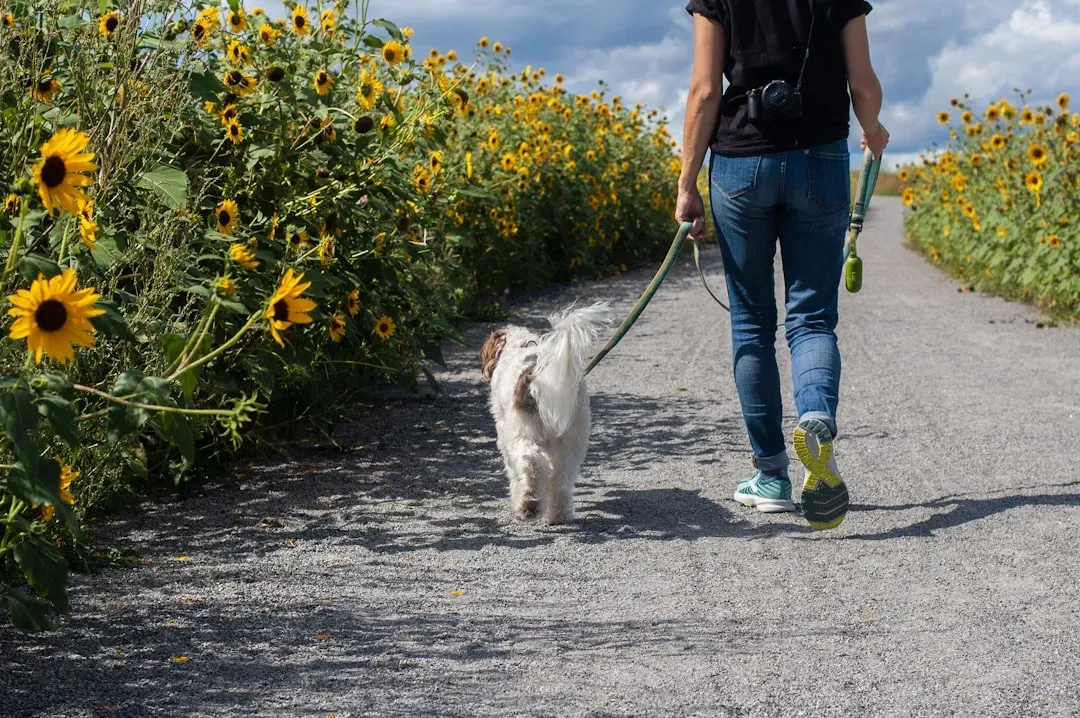
Physical activity is one of the most well-established tools for managing grief, anxiety, and depression, yet it’s often the first thing to disappear when someone is in emotional pain. Dogs change that calculus in a practical, non-negotiable way. Dog owners are found to benefit from the animal’s companionship, particularly regarding higher levels of physical activity due to dog walking.
Even short walks encourage cardiovascular activity, improve balance, and strengthen muscles, all of which are critical to recovery. For a grieving person over 50, a daily walk with a dog isn’t just exercise. It’s contact with the outside world, a change in environment, a reason to engage with neighbors, and a gentle reintroduction to the flow of ordinary life. Those things compound over time in ways that matter enormously.
The Nervous System Finds Steadiness in a Dog’s Presence
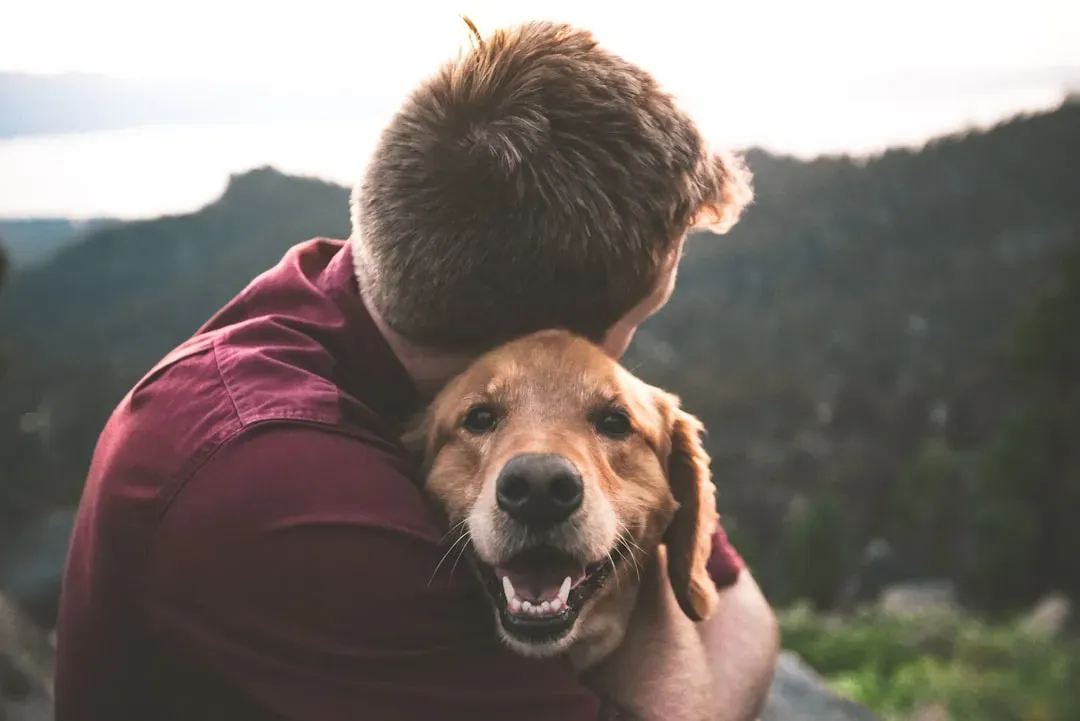
There’s something hard to fully articulate about what it feels like to have a dog in the room when you’re grieving. The weight of a dog resting against your leg, the sound of steady breathing, the rhythmic warmth of a living creature beside you. A bonded animal can become part of a person’s sense of safety. The nervous system learns the presence, the breathing, the greeting, the routine. A dog can change the emotional tone of a room simply by being there.
When humans interact with a dog, both species release oxytocin and their cortisol levels drop. For the grieving nervous system, which is often in a state of prolonged low-grade activation, this chemical response offers genuine, measurable relief. For people who live alone, are grieving, are retired, or are socially isolated, an animal can become a profound source of companionship. That does not replace human connection, but it can reduce the physiological burden of isolation. That distinction matters: it’s not about replacement. It’s about support.
Dogs Don’t Judge the Messy, Non-Linear Nature of Grief

Grief over 50 isn’t always straightforward. It can be layered with complicated feelings, relief mixed with sorrow, old regrets surfacing alongside fresh loss, and a kind of quiet identity upheaval as you adjust to life without the person who was central to it. Older adults attributed to pets an important role and a variety of beneficial impacts, including emotional support, sensory engagement, and reciprocal interactions.
The reciprocal nature of that relationship is significant. A dog doesn’t need the grief to look a certain way or resolve on a schedule. It offers presence through the complicated days and the slightly better ones alike. Playing, walking, or simply being around a pet can distract from dark thoughts and may encourage engagement with healthy coping strategies. That gentle, reliable distraction is not avoidance. It’s the kind of small moment that allows a grieving person to breathe before returning to what’s hard.
Therapy Dogs Are Increasingly Recognized in Clinical Settings
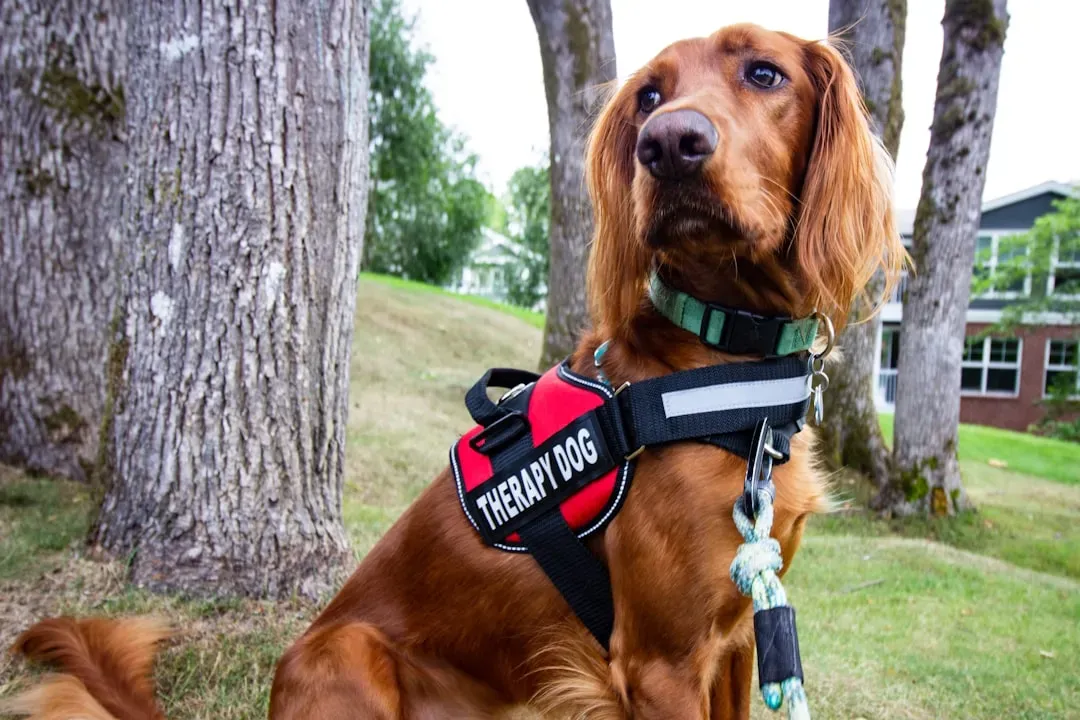
The role of dogs in supporting older adults through emotional difficulty is no longer just anecdotal. It has moved into clinical practice. Emerging evidence suggests that companion animals provide a number of health and well-being benefits and that interacting with a trained therapy dog may reduce loneliness. Hospitals, care facilities, and bereavement programs are taking this seriously.
Results from clinical studies show a significant change in trajectory for groups receiving animal-assisted interventions, including measurable improvements in anxiety and mood. Study satisfaction was significantly better in the animal-assisted group than in the standard care condition. That’s a notable outcome in a population that is often difficult to reach with conventional interventions. Older adults living in facilities could benefit from dog-assisted interventions to improve social interactions and decrease loneliness. The formal recognition of this is growing steadily.
The Connection Between Dogs and Meaningful Survival After Loss
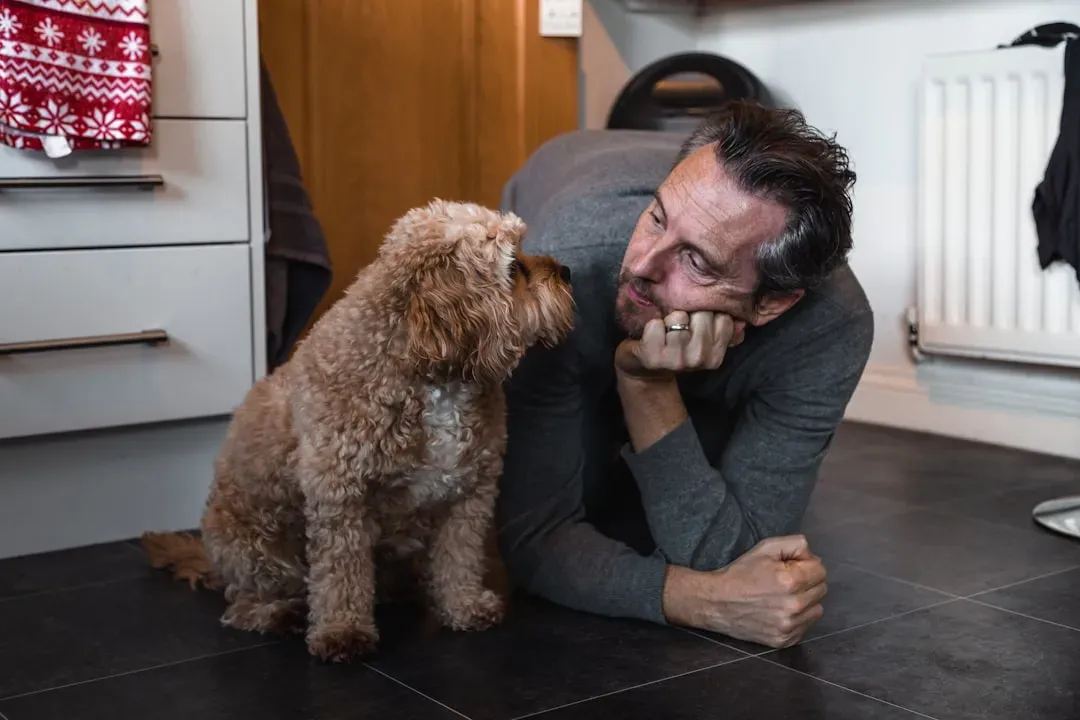
There’s a larger picture here that goes beyond comfort and cortisol. The science suggests pet ownership, especially dog ownership, may be associated with longer life and lower cardiovascular risk. But the deeper truth is not just about walking more steps. It is about routine, connection, purpose, grief, and the way an animal can become part of our nervous system. That framing captures something important about what grief actually requires from us in older age.
Research shows that older adults can experience physical, emotional, and social benefits from owning or interacting with pets. For someone who has just lost a central person in their life, all three of those dimensions are destabilized at once. A dog, in its unassuming and unhurried way, quietly addresses all three. Across settings and generations, dogs offer companionship, stability, and reliable emotional support, and for a grieving person over 50, those aren’t minor gifts. They’re the scaffolding that holds a life together while it slowly rebuilds itself.
Conclusion: The Quiet Companion That Stays
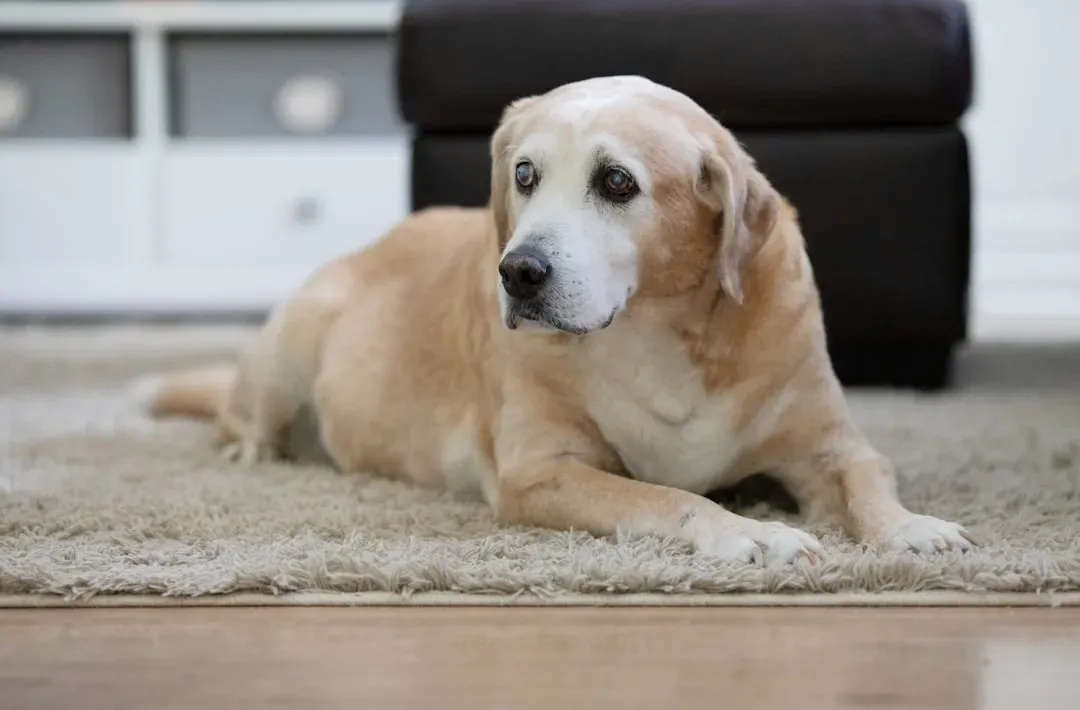
No one should be told that a dog will fix grief. Grief isn’t meant to be fixed. It moves through at its own pace, and the people who fare best within it tend to be those with anchors, reasons to move, and sources of warmth that don’t ask anything complicated in return.
For people over 50 navigating the loss of someone central to their world, a dog offers all of those things in a single, uncomplicated presence. The research supports it. The biology supports it. More importantly, the lived experience of millions of older adults supports it, including people who didn’t expect a dog to matter as much as it did.
Maybe the best grief companions aren’t the ones who know exactly what to say. Maybe they’re the ones who show up every morning with quiet loyalty and a reason to step outside. That, it turns out, is enough.
