

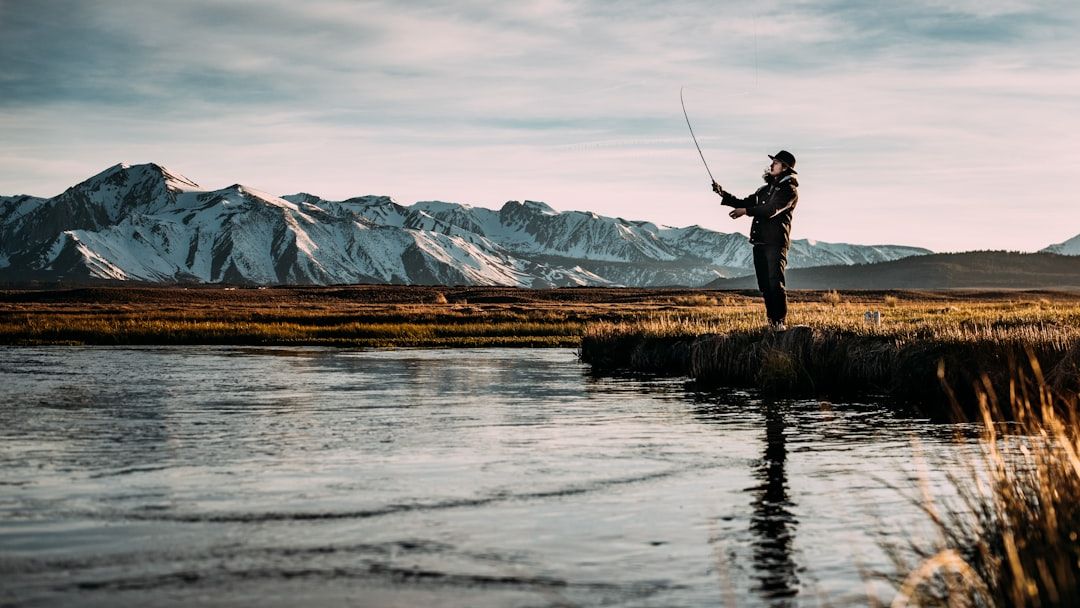
Montana
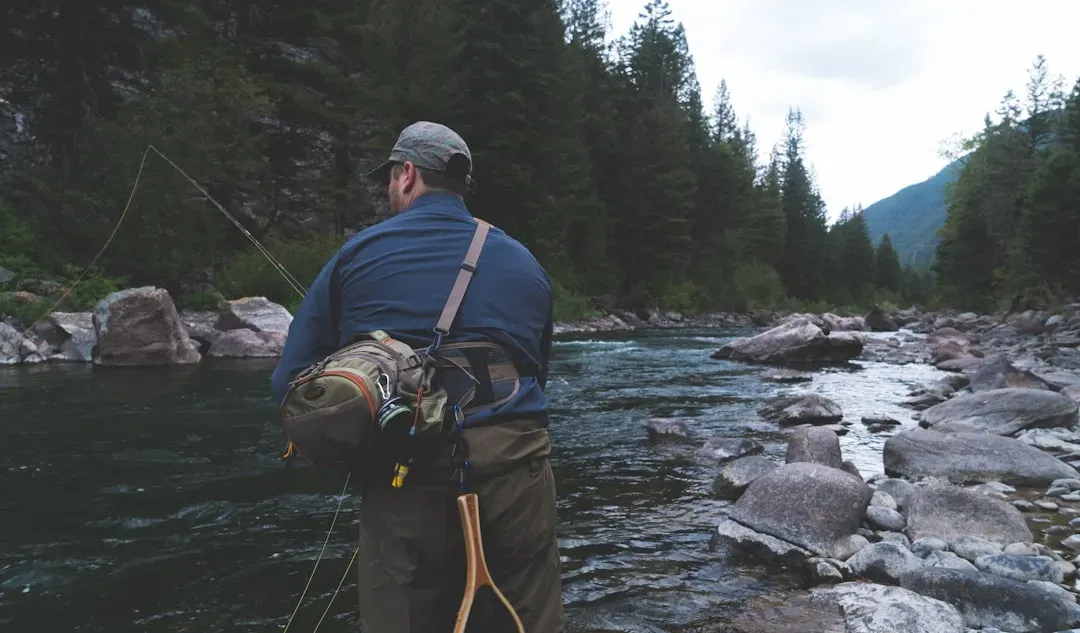
Montana earns its reputation through an enormous network of rivers and smaller tributaries that support healthy populations of rainbow, brown, and cutthroat trout. Anglers can choose from float trips on big water or quiet wading on side streams that see far less pressure. The state maintains open seasons on many waters, allowing flexible planning around weather and hatches.
Public land access remains a major advantage here, with miles of shoreline available without private property concerns. Guides and local reports highlight consistent insect activity that keeps fish active across different elevations. This combination creates reliable fishing days even when conditions shift quickly in the mountains.
Colorado
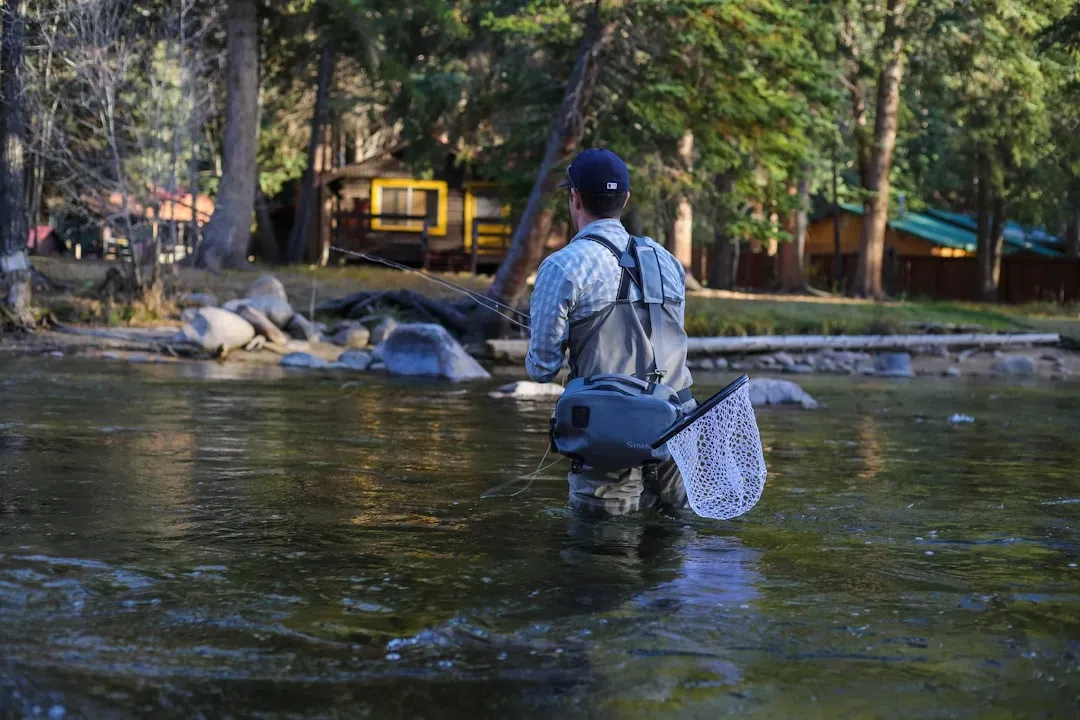
Colorado stands out for its mix of high alpine lakes, freestone rivers, and tailwater fisheries that stay productive through much of the year. The Rocky Mountain backdrop adds scenic variety while the sheer number of stocked and wild trout waters gives options for every skill level. Many streams flow through national forests, providing easy trail access for day trips.
Regulations balance harvest with conservation, supporting sustainable populations that draw both residents and visitors. Spring runoff and fall cooling periods create distinct windows for different techniques. The density of opportunities within a few hours drive from major cities makes repeated visits practical.
Idaho
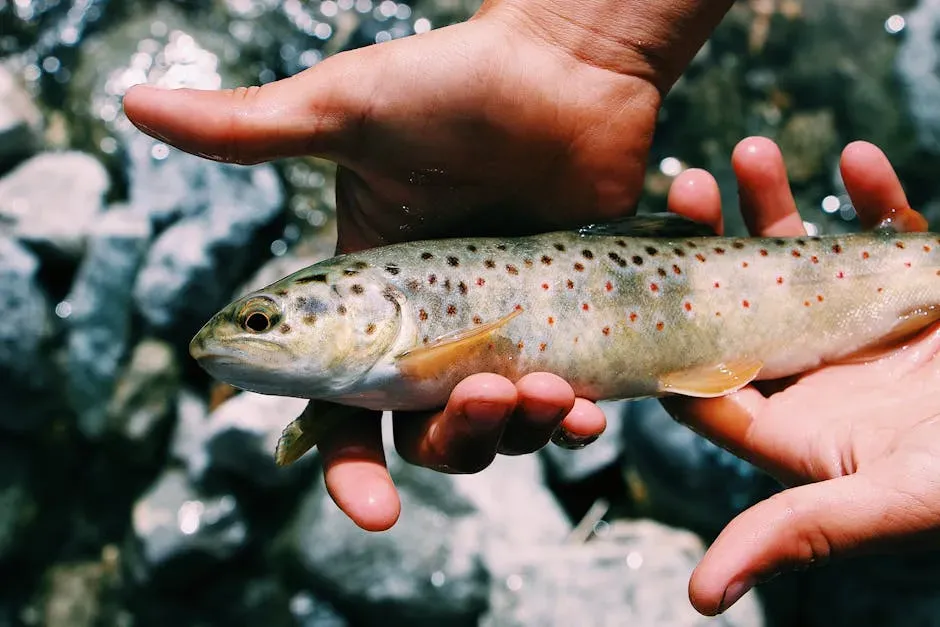
Idaho offers extensive river systems and mountain lakes where trout thrive in clear, cold water. Remote sections reward those willing to hike or float farther from roads, while roadside access points serve casual outings. Native species mix with introduced trout in many drainages, adding variety to each outing.
State management emphasizes wild fish in key rivers, which maintains strong numbers without heavy reliance on stocking. Seasonal hatches align with long summer days in the northern latitudes. This setup supports both solitary exploration and group adventures on larger waters.
Wyoming
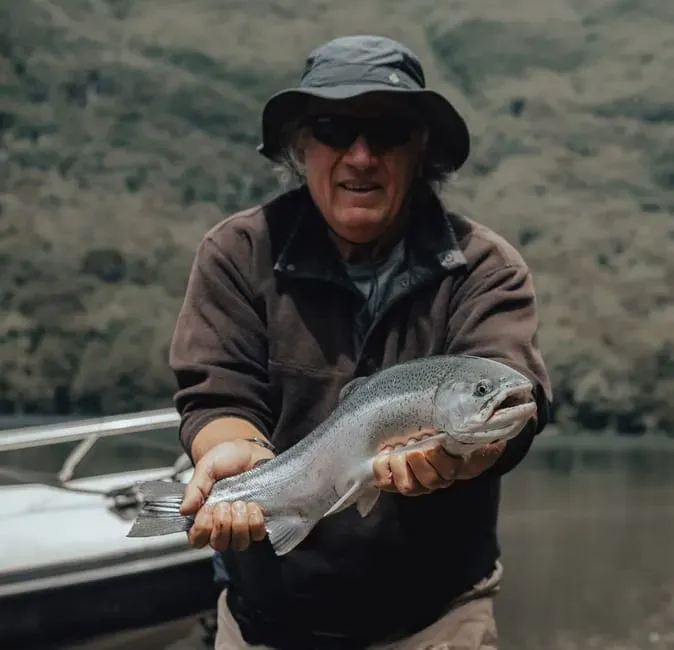
Wyoming provides vast stretches of public water in its national parks and surrounding forests, where trout fishing remains a central draw. Rivers here often feature strong currents and deep pools that hold larger fish. The open landscape allows for spotting rising trout from a distance before choosing a spot.
Lower population density translates to fewer crowds on many streams compared with neighboring states. Regulations protect spawning areas while still permitting quality angling throughout the season. Evening hatches can extend productive time well into twilight hours during warmer months.
Pennsylvania
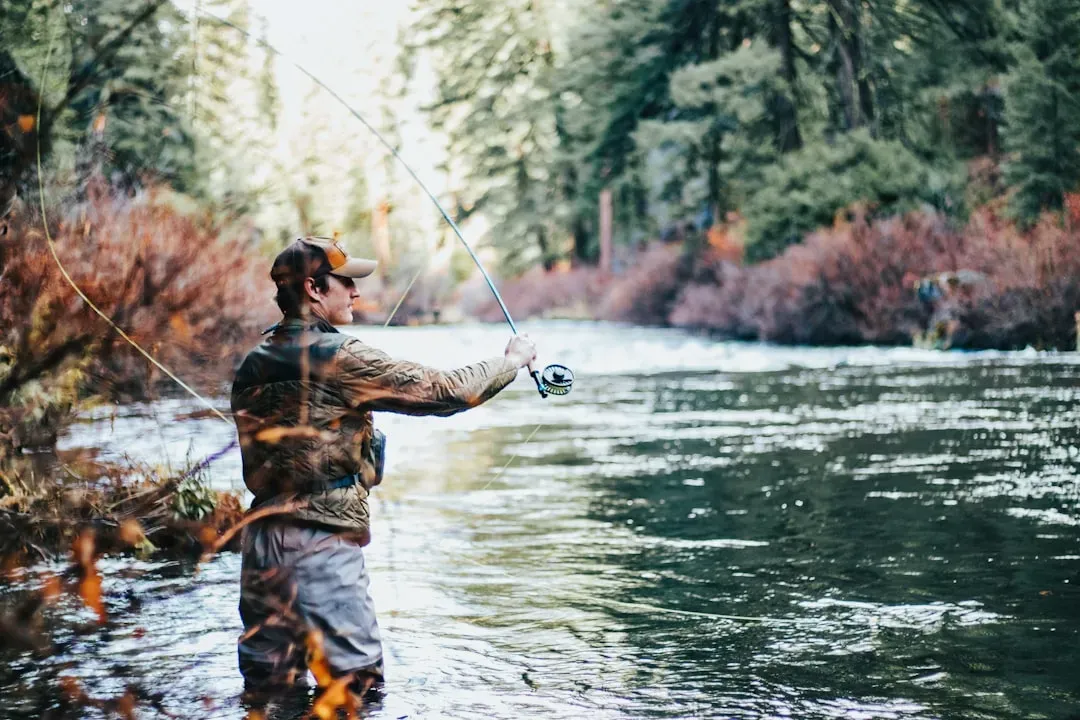
Pennsylvania maintains one of the largest networks of designated trout streams in the eastern United States, with both stocked and wild populations available across many counties. Limestone streams in particular support steady insect life that keeps fish feeding actively. The state invests heavily in annual stocking programs that supplement natural reproduction.
Smaller creeks offer intimate fishing experiences while larger rivers provide boat access for those who prefer drifting. Spring and fall bring peak activity as water temperatures stabilize. This broad distribution of spots makes weekend trips feasible from many population centers in the region.
Alaska
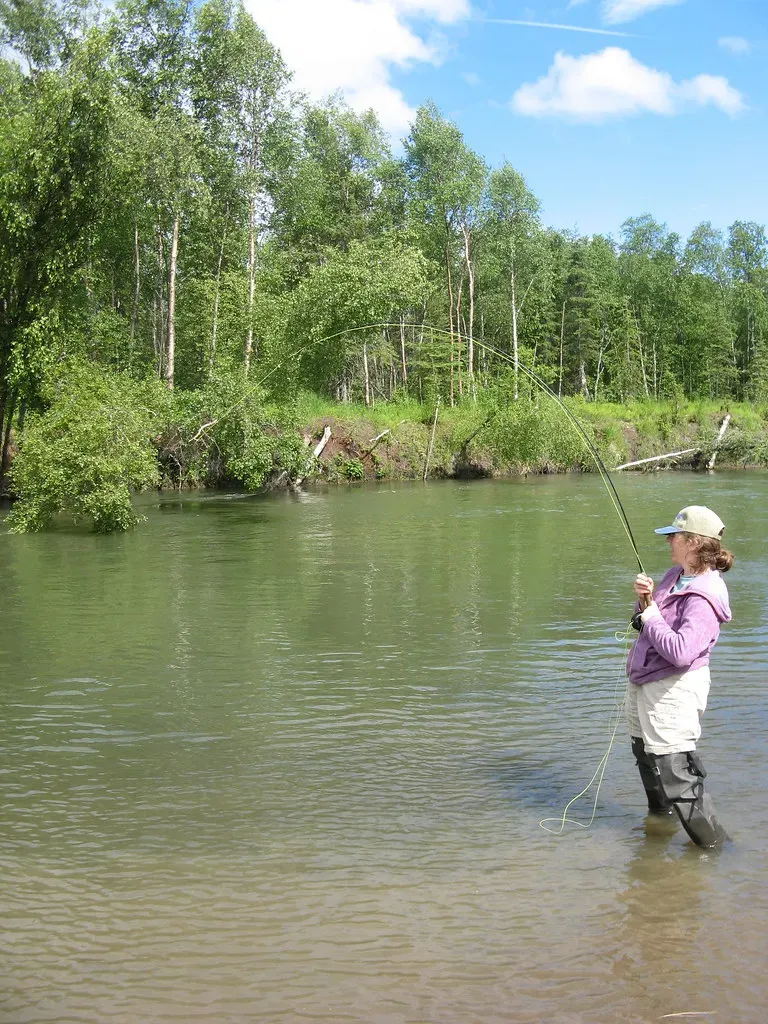
Alaska delivers unmatched scale with countless rivers, lakes, and coastal streams that support robust trout fisheries alongside salmon runs. Remote locations require planning but reward visitors with low angling pressure and trophy potential. Float planes and boats open up waters that would otherwise remain inaccessible.
Long daylight hours in summer extend fishing time, while clear water conditions often allow sight fishing. Management focuses on sustainable harvest that preserves strong year classes. The combination of wilderness setting and abundant fish creates a distinctive experience not found elsewhere in the lower forty eight.
California
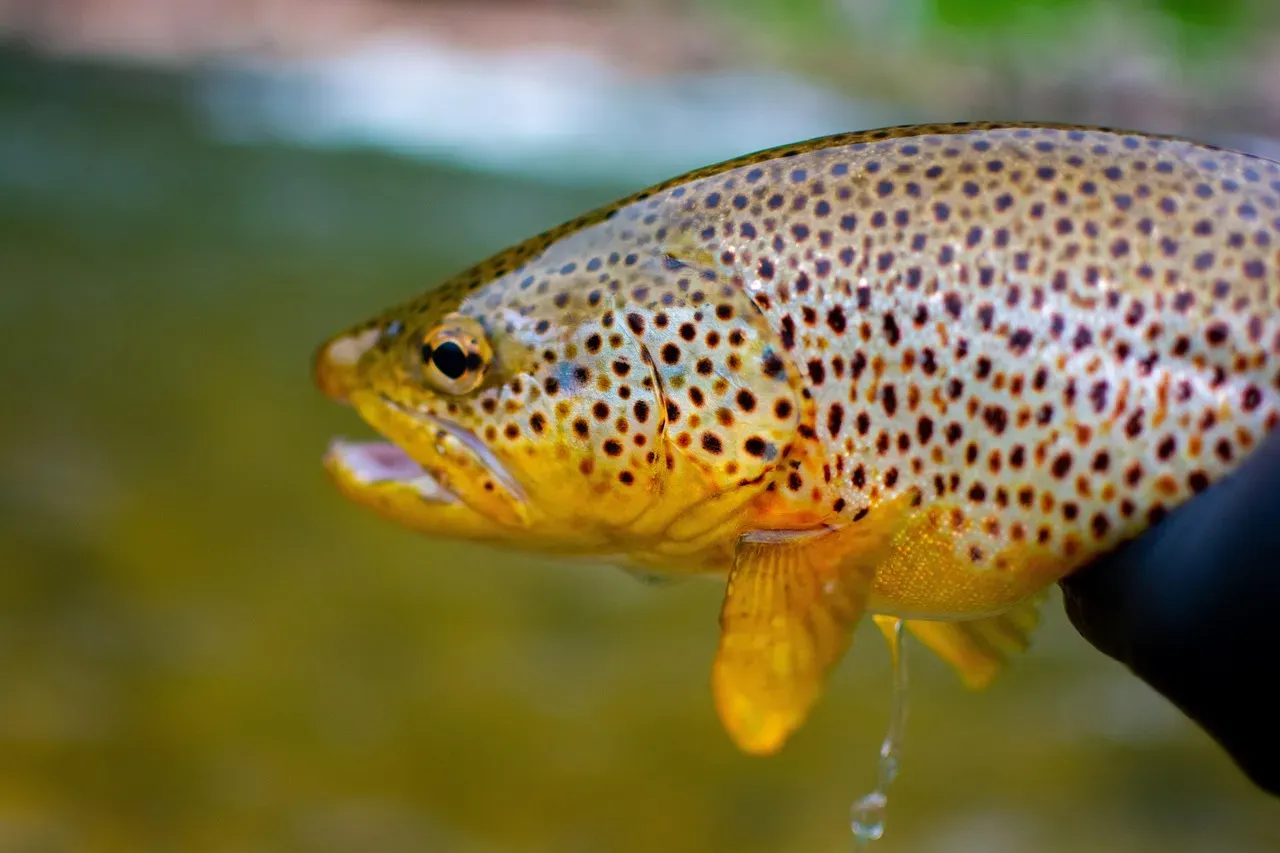
California features diverse trout habitats ranging from Sierra Nevada streams to coastal rivers and high desert lakes. Many waters benefit from cold snowmelt that maintains suitable temperatures even during warmer months. National parks and wilderness areas protect significant mileage of prime habitat.
Stocking supplements wild fish in accessible locations while remote backcountry waters rely on natural reproduction. Varied terrain means anglers can target different species or sizes within the same trip. Access improvements in recent years have opened additional opportunities for those without specialized gear.
Oregon
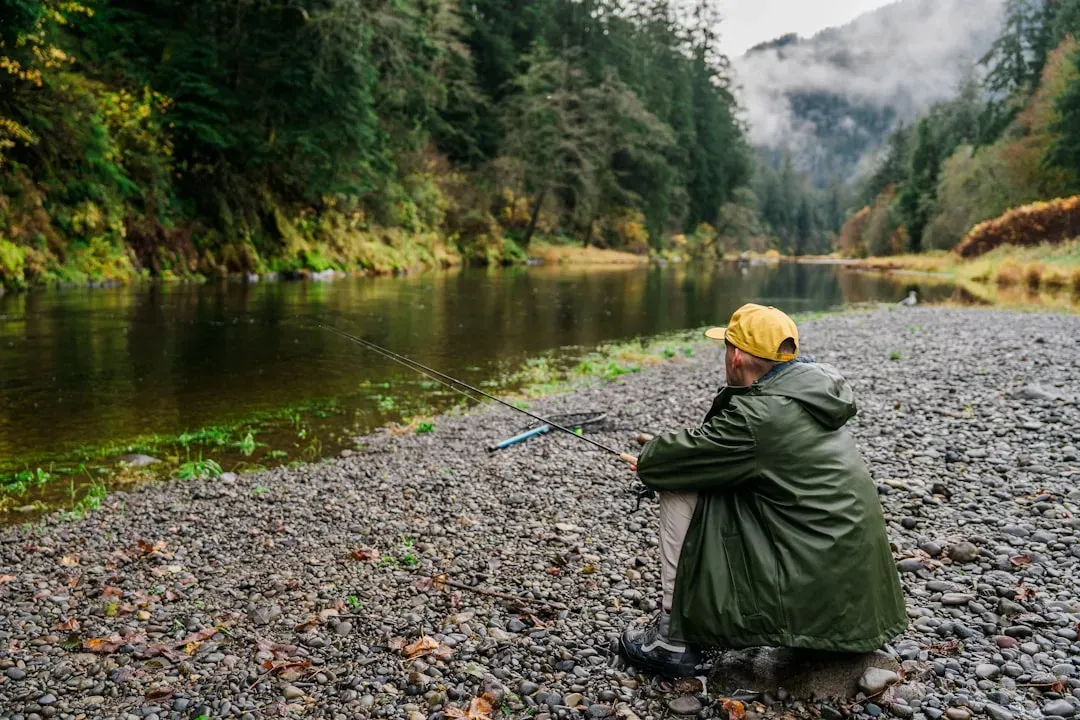
Oregon combines coastal rivers, Cascade mountain streams, and eastern desert waters that each support healthy trout populations. The state emphasizes wild fish management in many areas, which contributes to self sustaining fisheries. Public access points along highways and forest roads make exploration straightforward.
Steelhead runs overlap with resident trout fishing in several drainages, adding seasonal excitement. Cooler coastal climates extend the effective fishing window compared with hotter inland regions. This variety encourages anglers to sample multiple watersheds over the course of a longer visit.
Conclusion
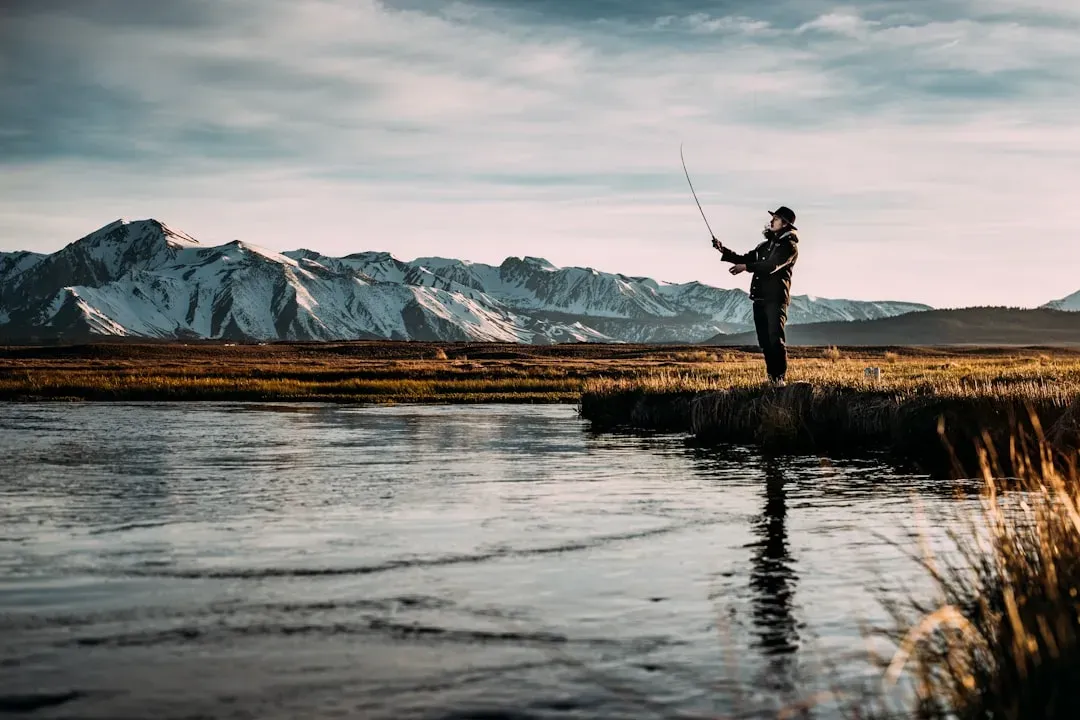
These states share a commitment to accessible waters and thoughtful management that keeps trout fishing viable for generations. The real appeal lies in matching personal preferences for scenery, solitude, or convenience with the right destination. Planning around local regulations and seasonal patterns turns a good trip into a memorable one.
Ultimately the best spot is the one that fits your schedule and style, and these states offer enough variety to keep that search rewarding for years to come.

As a little kid, I fell in love with nature, wildlife, and animals. Living in the USA, South Africa, Italy, China and Germany gave me the opportunity to discover the world's Wildlife. My favorite animals are Mountain Gorillas, Siberian Tigers, and Great White Sharks.
I'm a certified PADI Open Water Diver, went to Everest Base Camp and Trekked Gorillas in Uganda. I hold a Master of Science in Economics and Finance.
Please send any feedback to feedback@animalsaroundtheglobe.com
- 14 Most Beautiful Bird Songs You Can Hear in America - July 15, 2026
- The Longest Snake Ever Found Slithering in the U.S. - July 15, 2026
- Why Humpback Whales Are Singing Louder Off U.S. Shores - July 15, 2026