

Most people know the basics. Put up a red feeder, mix some sugar water, and wait. It’s a reasonable starting point, but experienced backyard birders will tell you – quietly, usually over coffee at a club meeting – that what gets left out of the beginner guides is often what matters most.
There’s a particular kind of knowledge that lives in local birding communities. It doesn’t travel well through the internet. It gets passed quietly at picnic tables, murmured between veterans at a birding club meeting, or scribbled on the back of a program by someone who’s spent thirty years watching these birds. What follows is a collection of the things longtime hummingbird enthusiasts genuinely know, grounded in real behavior and backed by careful observation. Some of it is surprising. Some of it will change how you set up your yard.
#1: Hummingbirds Have Extraordinary Memories – and They Will Come Back for You
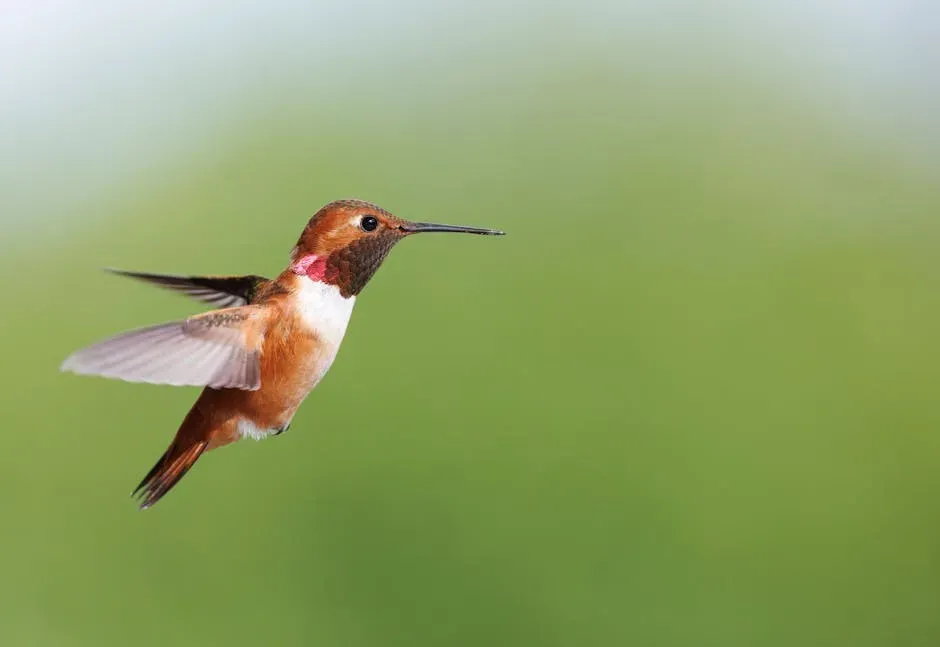
Most backyard birders don’t realize just how strong a hummingbird’s memory actually is. Hummingbirds have excellent memory, and many birds return to the same areas each year. They arrive at almost the same time every spring, checking the feeder and nearby flowers just like they did the season before. This isn’t coincidence. It’s a deeply ingrained behavioral trait.
These birds are loyal, and once they find a habitat that satisfies their needs, they faithfully return year after year. The practical takeaway here is significant: if you set up a quality habitat, you’re not just attracting a random visitor. You’re building a relationship with a specific bird that will recognize your yard as a reliable stop. The consistency you bring to feeder maintenance and plant selection directly influences whether that bird keeps coming back.
#2: Torpor Is Not a Cause for Alarm – It’s a Survival Superpower
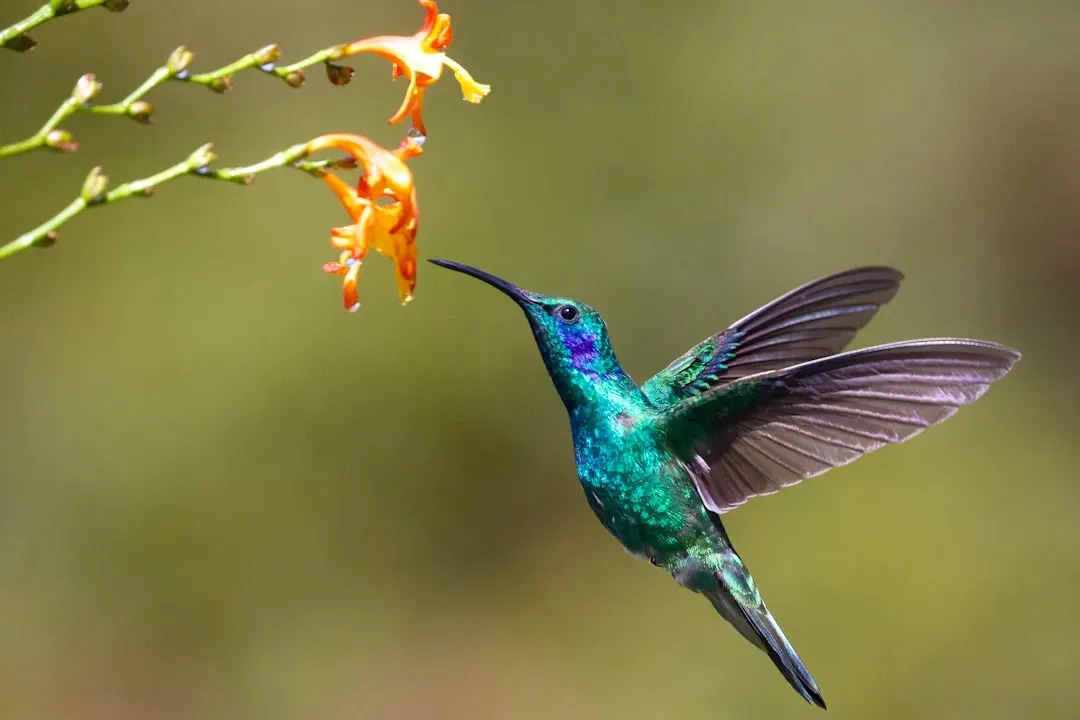
Usually at night, during periods of cold, and sometimes when perched at a feeder, hummingbirds can enter a deep, sleep-like state known as torpor, when all body functions slow dramatically. Metabolism slows by as much as 95 percent, and heart rate and body temperature drop significantly. Torpor allows them to conserve precious energy and survive surprisingly low temperatures. Most people who stumble across a motionless hummingbird assume something is terribly wrong.
Hummingbirds are tough birds. If you see a hummingbird in such a state, there is no cause for concern. The bird isn’t sick or injured. It’s essentially in standby mode, conserving calories it would otherwise burn through a cold night. Experienced birding club members know to leave a torpid hummingbird completely undisturbed. Handling or disturbing the bird can actually cause more stress and energy loss than simply letting it wake up naturally at dawn.
#3: The “Only Red Dye in the Nectar” Myth Is Actively Harmful
This one comes up constantly in beginners’ conversations, and it’s worth stating plainly: adding red food coloring to nectar is unnecessary and potentially risky. Red coloring is not necessary, and the reddening chemicals could prove to be harmful to the birds. Natural nectar itself is a clear solution. The feeder’s own red color is more than enough to attract hummingbirds in the first place.
The best and least expensive solution for your feeder is a one-to-four ratio of refined white sugar to tap water – that’s one quarter cup of sugar in one cup of water. Bring the solution to a boil, then let it cool before filling the feeder. Nothing more is needed. Veteran birders find it frustrating to see commercially dyed nectar still being sold and used, knowing it serves no benefit to the birds and carries unknown long-term risks.
#4: Honey, Brown Sugar, and Artificial Sweeteners Can Kill Them
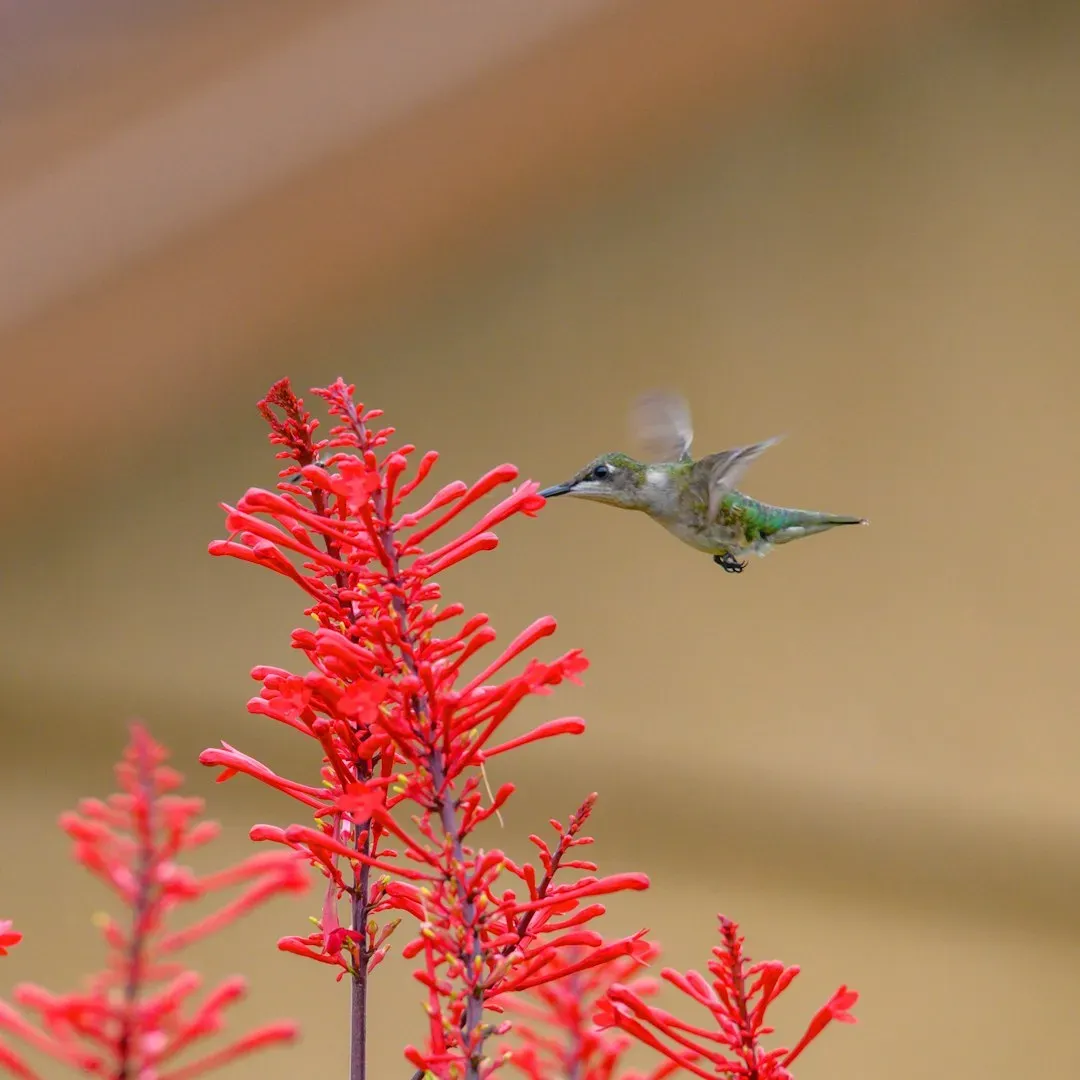
This is one of the most important warnings that gets repeated in every experienced birding group, yet it still doesn’t reach enough people. You should never use brown sugar, honey, or molasses instead of white sugar. Only use refined white sugar. Other sweetening agents have additional ingredients that can prove detrimental to hummingbirds. Never use artificial sweeteners to make hummingbird nectar.
Honey in particular can harbor bacteria and fungi that thrive in warm water, potentially causing deadly infections in the very birds you’re trying to help. The two-ingredient recipe – plain white sugar and plain water – is not a shortcut. It’s the correct one. This is probably the most repeated piece of wisdom at any birding club meeting that touches on hummingbirds, and it genuinely saves lives when it reaches new enthusiasts in time.
#5: Feeder Placement Relative to Windows Is a Life-or-Death Decision
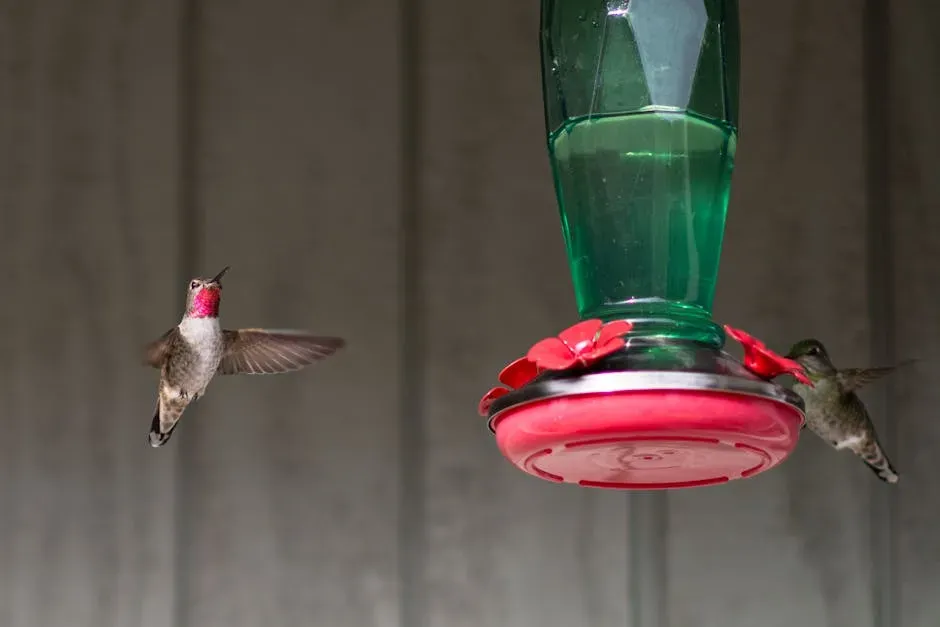
Most guides tell you to place feeders near windows so you can enjoy the view. That advice is incomplete without one critical detail. Placing hummingbird feeders very close to windows – or more than 30 feet away – can help reduce dangerous window collisions. Hummingbirds have excellent vision, but they don’t understand the concept of glass. They tend to mistake reflections of trees and sky for the real thing. To prevent potentially fatal window strikes, place your feeders either very close to your windows (within three feet) or at a significant distance of more than 30 feet.
Hanging the feeder just three to four feet away from a good viewing window gives you closer, more detailed views of the birds, and they will be safer from window collisions because they can’t build up speed for a fatal collision so close to the glass. The “middle distance” placement of around six to fifteen feet from a window is arguably the most dangerous configuration, and it’s exactly what most casual setups look like. Shifting the feeder closer or farther makes a measurable difference in bird safety.
#6: Hummingbirds Are Eating Insects – And Your Pesticides Are Hurting Them
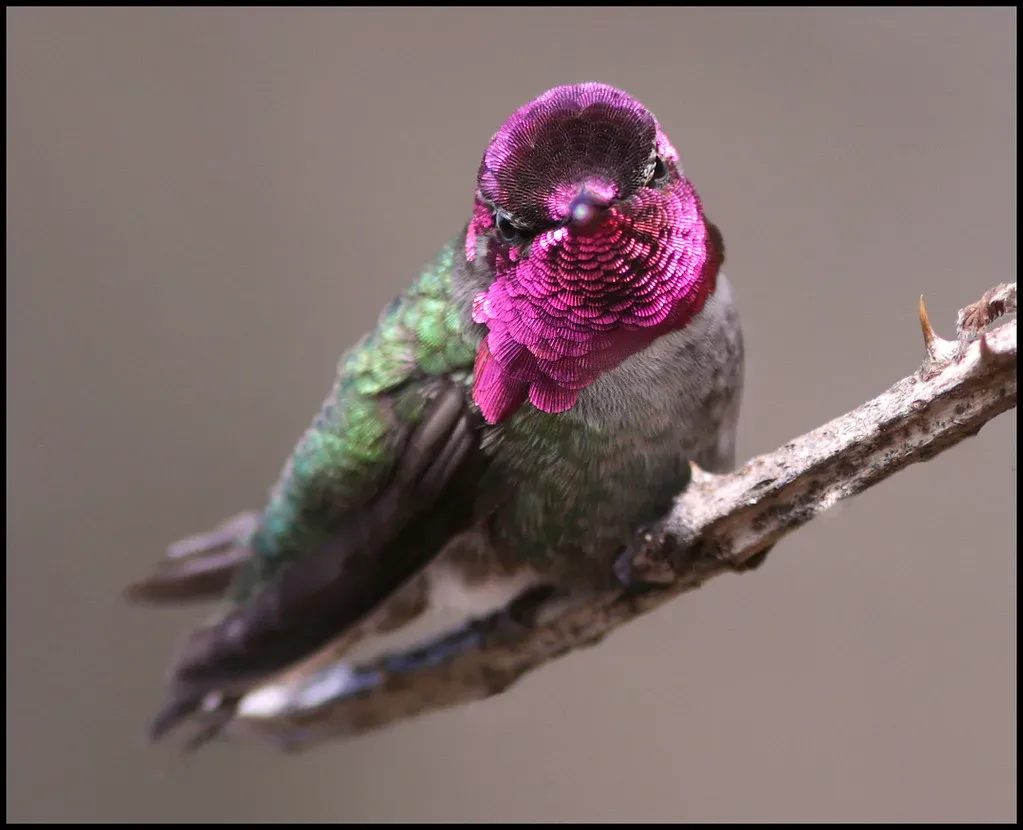
The image of a hummingbird sipping nectar from a flower is iconic, but it tells only part of the story. Hummingbirds need protein from pollen and insects to maintain their bodies and grow new feathers. Like swifts, hummingbirds are specialized aerial hunters and can snatch small insects from the air. Hummingbirds also glean insects from leaves and from spider webs. Nectar provides fuel, but insects provide the protein essential for survival and reproduction.
Spiders and insects are an important part of an adult bird’s diet, and young hummingbirds still in the nest are almost exclusively fed arthropods. This means a yard saturated with pesticides is quietly undermining everything a well-stocked feeder tries to achieve. Birding clubs consistently emphasize this point: going pesticide-free isn’t just a philosophically nice idea. It’s a practical necessity for anyone who genuinely wants to support a healthy hummingbird population in their backyard.
#7: Spider Webs Are Nesting Materials – Stop Cleaning Them Away
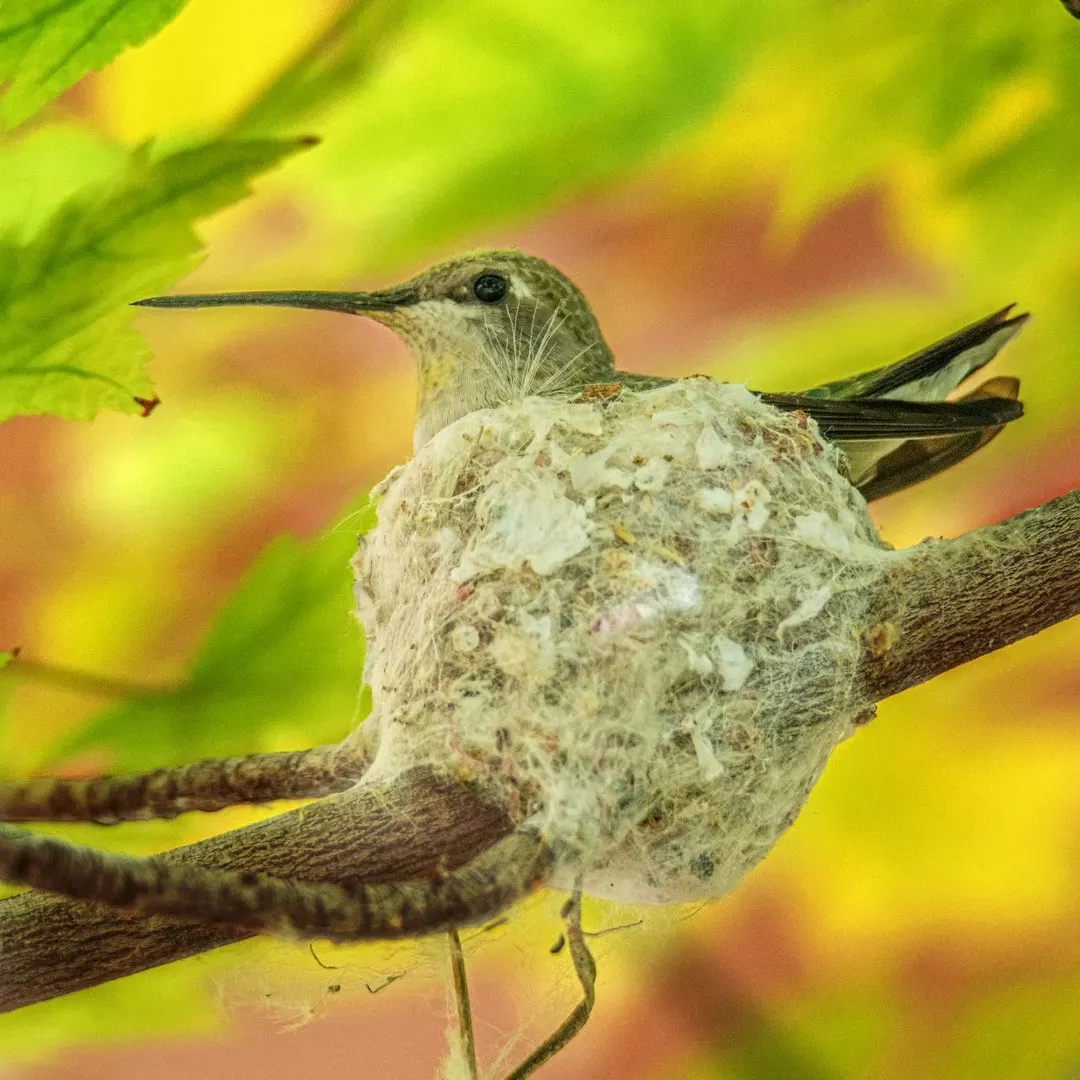
Here’s one that genuinely surprises most people the first time they hear it. Hummingbirds use spider webs as glue to attach the nest to a tree branch, as well as a binding agent for the building materials. The nest is about the size of a golf ball, around one and a half inches in diameter. The webs aren’t incidental. They’re structurally essential to the nest itself.
Spider webs are one of the key materials used in nest construction. The fibers help anchor the nest to the limb on which it is built. They also cement the other construction materials that form the nest. The stretchy fibers allow the nest to expand, which is extremely important as it helps prevent rapidly growing young hummers from falling out. Diligently clearing cobwebs from your porch or garden corners removes something the nesting female is actively searching for. A little tolerance for the resident spiders pays forward in ways most people never consider.
#8: Leaving Feeders Up in Fall Does NOT Prevent Migration
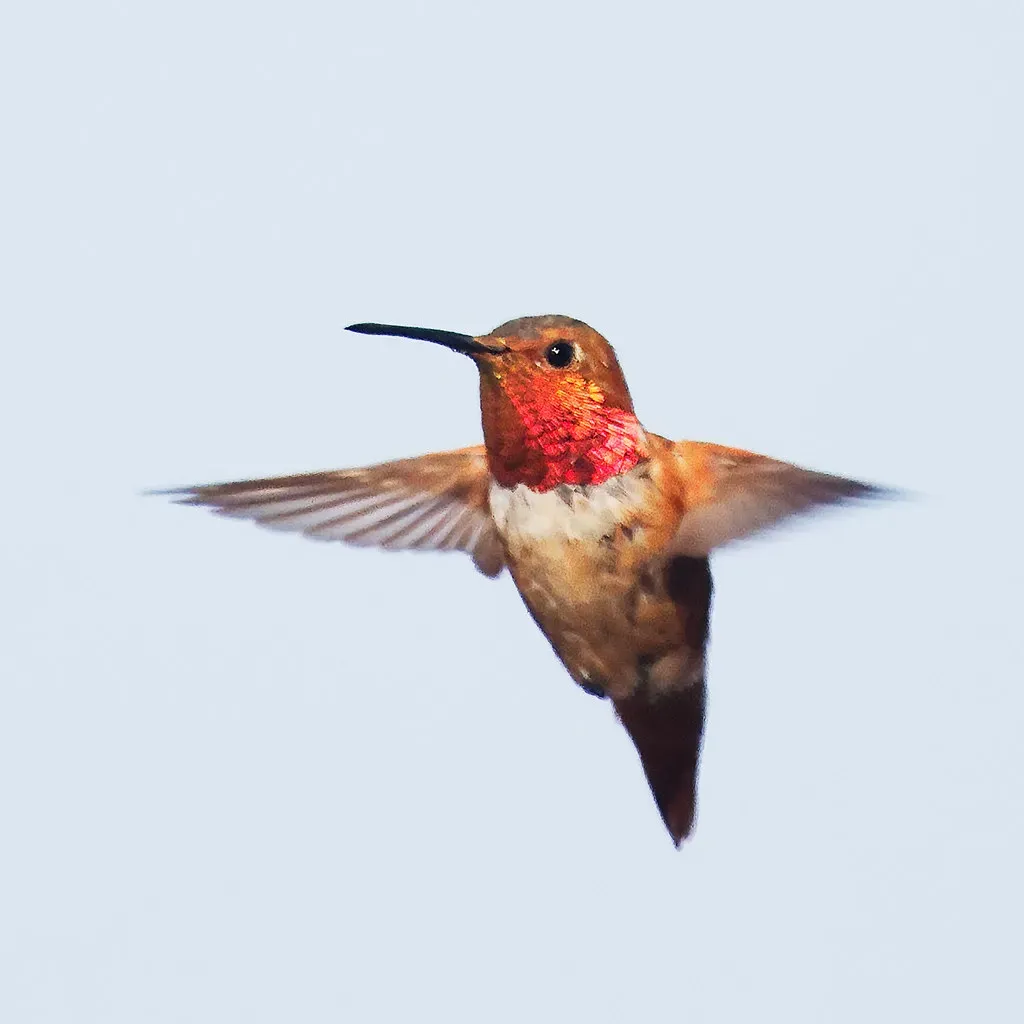
This is perhaps the most persistent myth in all of backyard hummingbird care, and experienced birders grow weary of hearing it repeated. Hummingbirds are migratory species and are genetically programmed to head south in the fall. It’s not a lack of nectar source or colder weather that makes them leave – they know it’s time based on changes in the length of the day and the angle of the sun. No amount of filled feeders can override millions of years of evolutionary instinct.
In fact, leaving feeders up through fall migration is actively helpful rather than harmful. If you remove the feeder too early, migrating birds passing through your area may lose an important food source. Keeping feeders up well into the fall means that even after the local birds leave, travelers may still stop by. Later in fall, there may be odd hummingbirds from the West showing up in the East. If you keep your feeders up until November, you might attract some surprising visitors.
#9: Territorial Behavior Can Be Managed With Smart Feeder Spacing
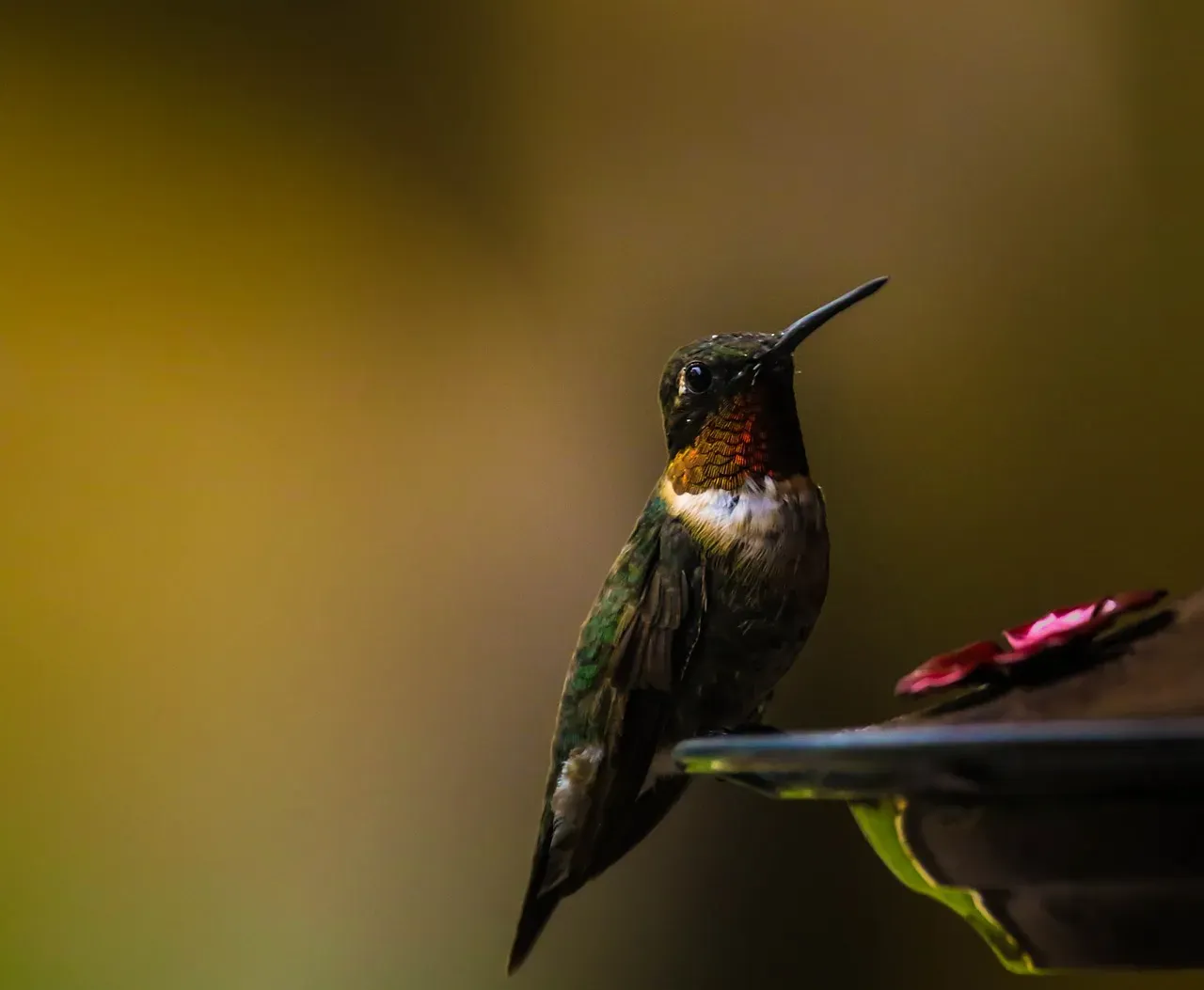
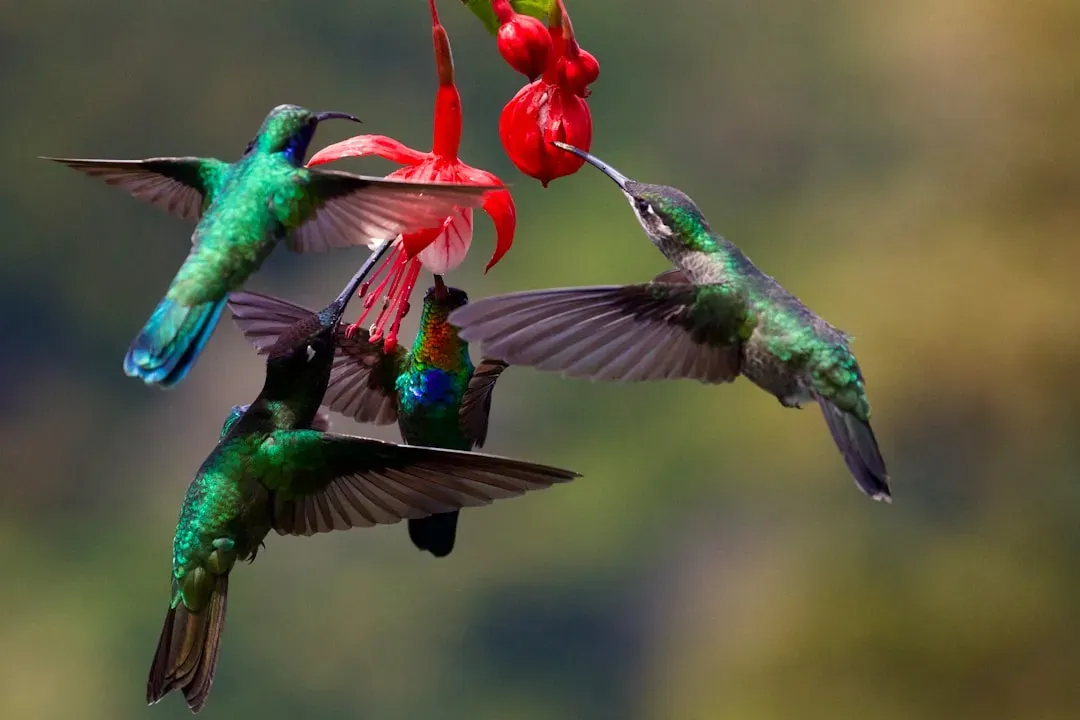
Anyone who has watched a single dominant hummingbird chase every other bird away from a feeder has witnessed their territorial instinct in full force. This behavior is likely because hummingbirds need a lot of energy to keep up their high metabolism, and they can’t afford to share their food with anyone. Hummingbirds aggressively defend nectar sources such as flowers and feeders from other birds and insects. The males are the most territorial because they are trying to protect their mates and nesting areas.
The solution isn’t to give up on multiple visitors. Even at a feeder, hummingbirds practice defensive behavior. A good strategy to prevent one from dominating the food source is to put up several feeders located some distance apart from each other. If a feeder is out of sight from the others – around a corner, for example – it makes it harder for one bird to control them all. In a situation like that, even the more aggressive hummingbird may give up and just share with others. Strategic placement, rather than more feeders in one spot, is what actually changes the dynamic.
#10: Hummingbirds Spend Most of Their Lives Perched – Not Flying
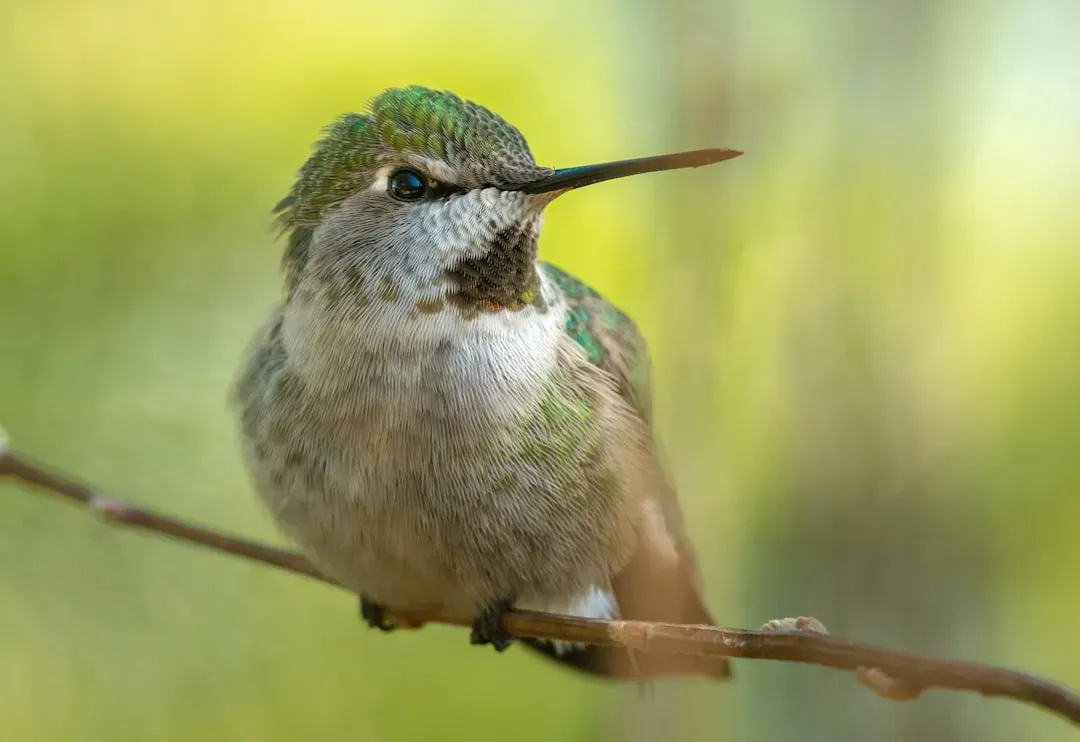
The mental image of a hummingbird is almost always one of hovering flight, wings a blur, body impossibly still mid-air. The reality of how these birds spend their time is quite different. Hummingbirds do not walk or hop but do perch about 80 percent of their life. They perch all night long to sleep, which is called torpor. During the day they will use a perch to oversee and guard a flower garden, feeder, or any other source of food. After feeding, a perch supplies a comfortable spot to digest their food, which usually takes about 20 minutes.
Make sure you have plenty of safe places for hummingbirds to rest and sleep in your yard. Hummingbirds often perch to rest or survey their territory; some spots should be in the open and obvious for territorial birds, while others should be in protected areas, hidden from view and buffered from cooler overnight temperatures. Providing deliberate perch spots – thin branches, small trellises, or even a dedicated hummingbird swing – transforms your garden from a feeding stop into a genuine habitat.
#11: Nectar Spoils Much Faster Than Most People Think
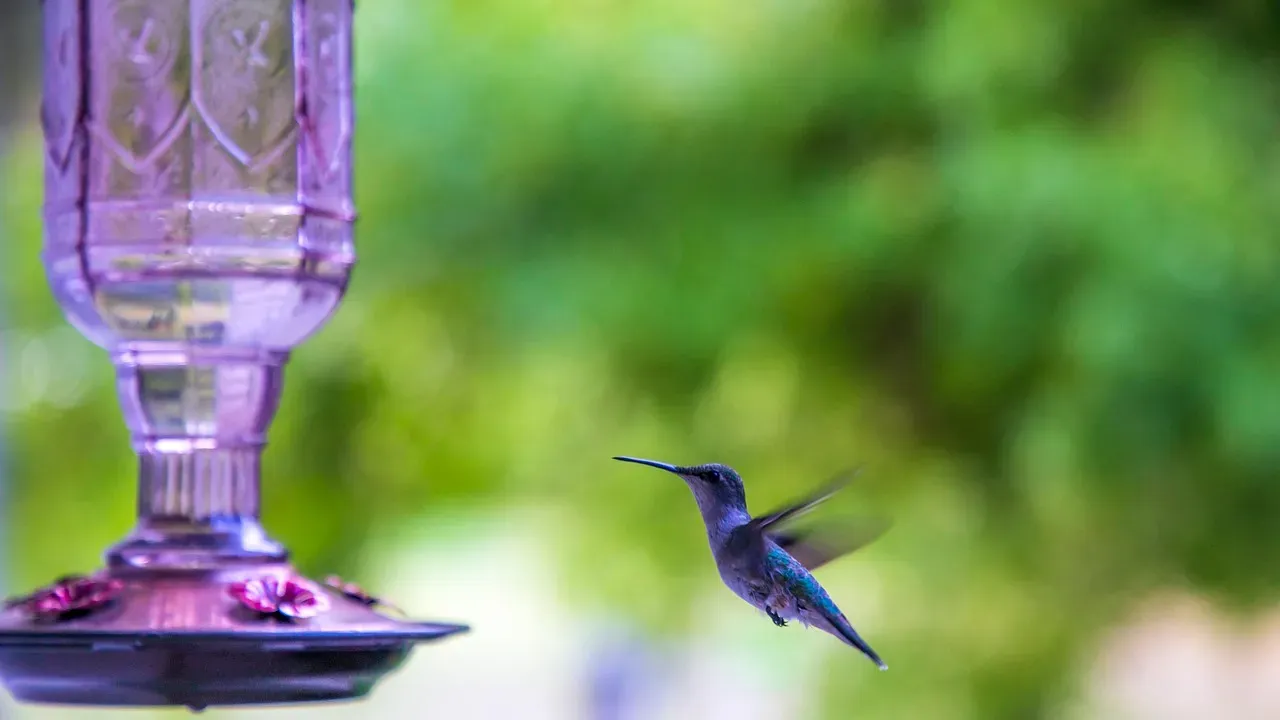
Feeder maintenance is the area where the most well-intentioned backyard birders unknowingly cause harm. Sugar water that has started to grow moldy can be dangerous to birds. If you’re going to put out feeders, it’s essential that you keep them clean and replace the mixture regularly – at least once every three or four days, and more often in hot weather. If the mixture starts to look cloudy, clean the feeder and replace the nectar immediately.
To keep nectar from going bad, hummingbird feeders should be emptied completely and cleaned thoroughly at least once a week in cool temperatures. When the weather is hot, meaning temps in the 80s or higher, you’ll need to clean them every day or two. Sanitize them with hot water and a weak vinegar or bleach solution, rinsing well. Skip the dish soap, as it can leave a residue. Experienced birding club members tend to view feeder hygiene as seriously as any other aspect of the hobby.
#12: Hummingbirds Need Water Too – Just Not in a Standard Birdbath
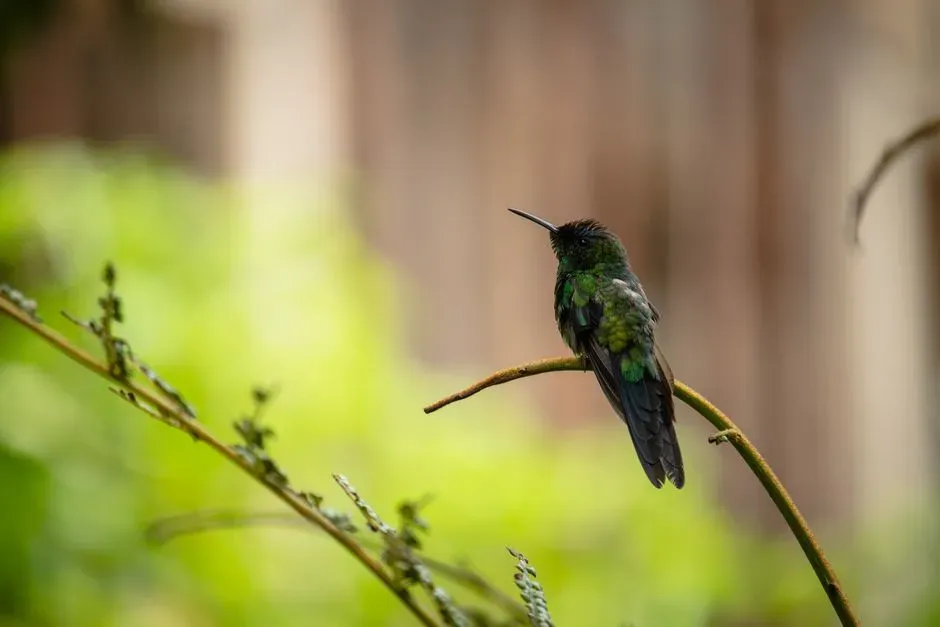
Water features rarely come up in basic hummingbird guides, which tend to focus exclusively on nectar and feeders. It’s a significant omission. Hummingbirds like to bathe frequently – even in the pools of droplets that collect on leaves. Providing your yard with a constant source of water from a drip fountain attachment or a fine misting device is valuable. A misting device is an especially attractive water source for hummingbirds.
Like all animals, hummers need fresh water for drinking and bathing. They especially love to play in water mists and sprays, so adding a small solar-powered fountain to your birdbath lets you see them in action. Standard deep birdbaths don’t work well for these tiny birds. Misters and gentle drippers that create light spray or barely-there puddles are far more appealing and practical for a bird that weighs only a few grams.
#13: The Pre-Migration Feeding Frenzy Is a Real Phenomenon
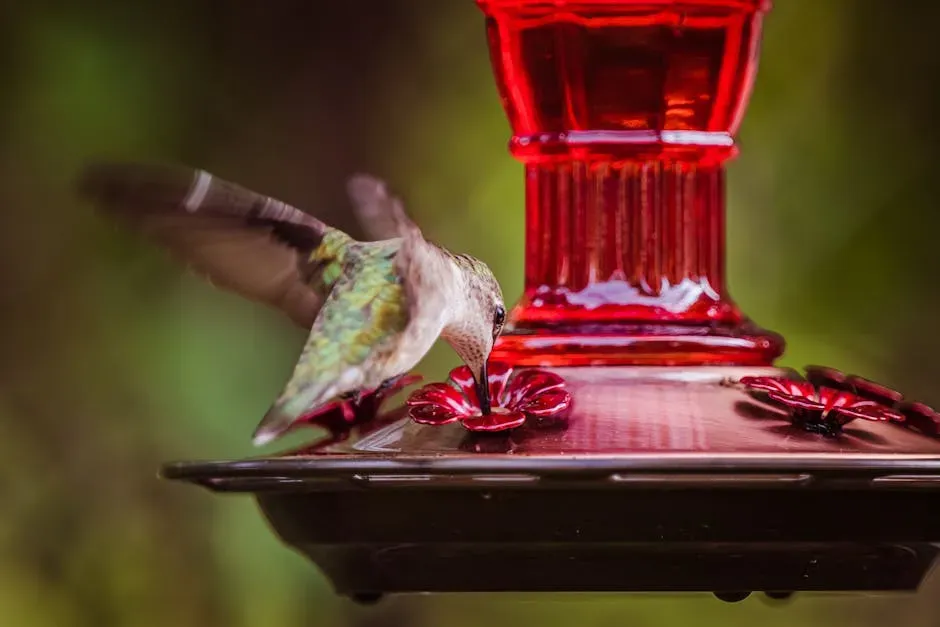
If your feeders seem like they’re emptying faster than usual in late summer, that’s not your imagination. As the days grow shorter, chemical changes occur in the hummingbird’s body, creating an overwhelming need to eat. In order to maintain energy during their long trip, hummingbirds usually increase their body weight by 25 to 40 percent before migration. This hyperphagia, the biological drive to eat intensively before a journey, is a measurable and well-documented behavior.
Hummingbirds store enough fat to allow them to cross the Gulf of Mexico. They begin this storage before they even leave their nesting grounds. You may notice that in late summer, just before they begin to migrate south, hummingbird behavior changes a bit and they eat more food more often. They stop to feed along the way too, and store as much energy as possible. Birding clubs advise keeping nectar especially fresh during this window – a bird fueling up for a five-hundred-mile crossing over open water deserves the best you can give it.
#14: Native Plants Outperform Feeders as a Long-Term Habitat Strategy
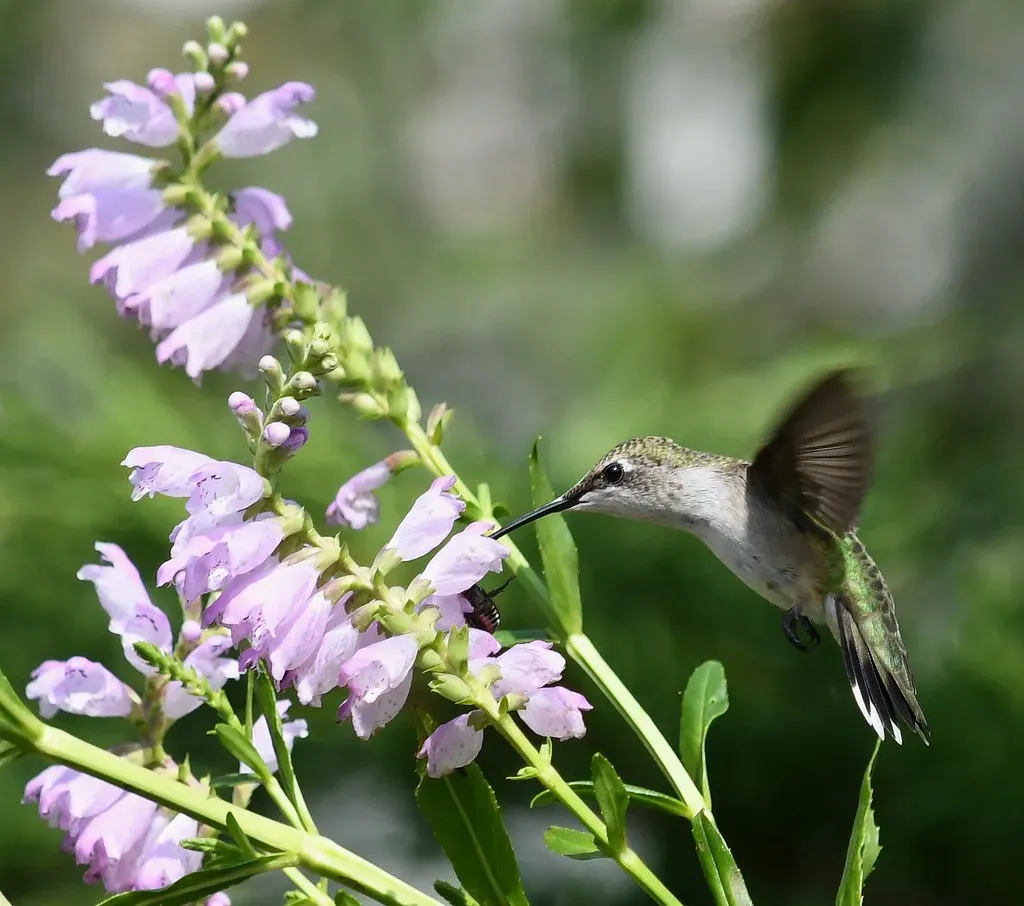
Feeders get most of the attention, but seasoned backyard birders are clear on this point: plants are the foundation. Growing plants indigenous to your area is a great way to both attract and help the hummingbirds you love. Native plants provide shelter and food, including a healthy environment for insects, which are an important part of the hummingbird diet, especially during breeding season. A diverse, native planting scheme does things a feeder simply can’t.
Native plants support a greater concentration of insects and spiders available as prey for hummingbirds and other birds than alien ornamentals do. Remember that feeders supplement – they don’t replace – native habitat, so plant nectar-rich native species like trumpet vine, bee balm, and columbine to provide diverse resources year-round. Birding clubs often recommend visiting a local native plant nursery rather than generic garden centers, since regional native species are tailored to local hummingbird populations and bloom times.
#15: Your Yard Is Part of a Larger Migration Corridor – Think Beyond Your Garden
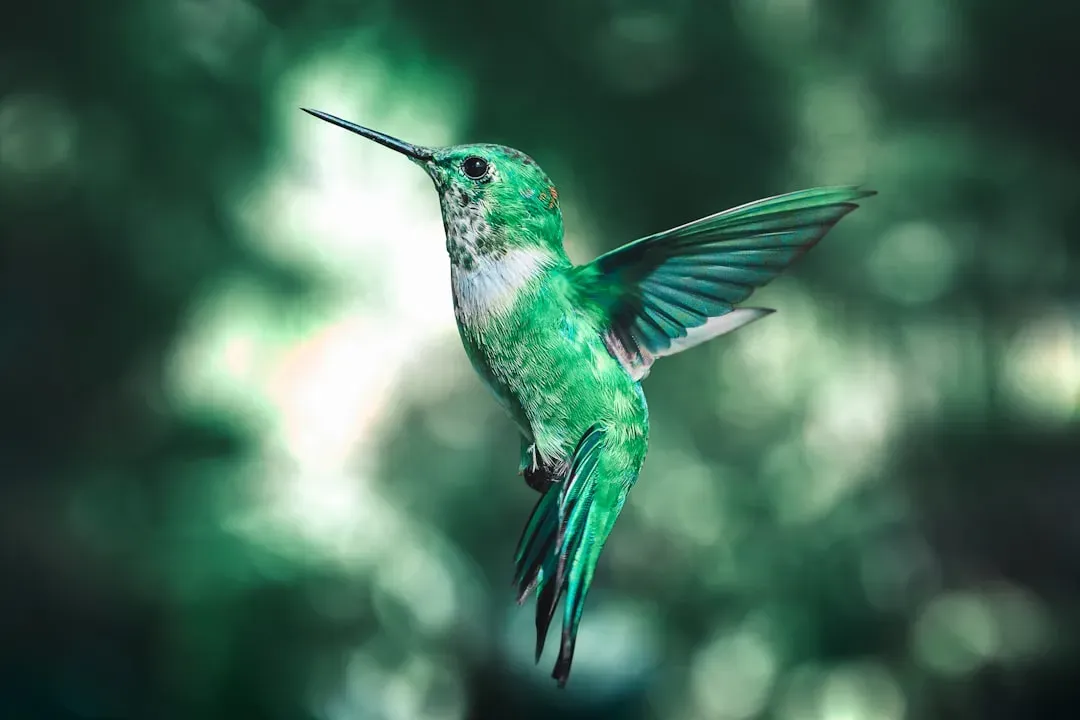
One of the most quietly profound things experienced backyard birders understand is that their garden doesn’t exist in isolation. Most hummingbird species travel thousands of miles each year during spring and fall migration. For such a tiny bird, this is an enormous energy expense. To help them, make sure your nectar feeders are out before the first spring migrants arrive. Timing matters enormously, and being even a week early can make a real difference to a bird that flew nonstop across the Gulf of Mexico.
Migration is not just a long flight. It is a series of stops where hummingbirds rest, feed, and continue moving. Your yard can become one of those important stops along their journey. Current studies point out some new potential challenges to migrating hummingbirds, such as changing bloom times of nectar plants and an earlier arrival of spring on their wintering and breeding grounds. Understanding your backyard as a link in a continental chain changes the whole mindset of the hobby – from decoration to genuine conservation.
The Quiet Value of Experienced Birding Communities
Most of what’s covered in this article isn’t complicated. None of it requires expensive equipment or years of study. Backyard birding clubs preserve this kind of knowledge not because they’re secretive, but because real understanding develops through seasons of observation and honest conversation. A good birding club will teach you things in one afternoon that a hundred quick online searches won’t surface.
The hummingbird is a genuinely remarkable creature operating at the edge of what’s biologically possible. The ruby-throated hummingbird has one of the highest metabolic rates of any warm-blooded animal. During flight, its heart can beat more than 1,200 times per minute, pumping oxygen and nutrients at an extraordinary rate. Treating that kind of biology with the care and attention it deserves – through clean nectar, thoughtful placement, native plants, and pesticide-free spaces – is a quiet act of stewardship that adds up, one backyard at a time.
What the experienced birders know isn’t really secret knowledge. It’s just patient knowledge – the kind that takes a season or two of watching to fully appreciate. Once you see it, you can’t unsee it.

- 14 Ways a Rescue Cat Shows It Has Given You Its Fragile Heart - July 21, 2026
- 13 Familiar Things That Bring an Aging Dog Deep, Quiet Comfort - July 21, 2026
- 13 Wild Visitors That Return to a Yard the Moment It Feels Safe - July 21, 2026