


Scotland is renowned for its breathtaking landscapes, rich history, and vibrant wildlife, with one of its most popular natural attractions being the charismatic puffin. These seabirds, known for their colorful beaks and endearing qualities, come to Scotland each year in impressive numbers for the nesting season. For wildlife enthusiasts and birdwatchers, Scotland offers unparalleled opportunities to observe these fascinating creatures in their natural habitat. But why is Scotland considered the best place to witness puffins nesting? This article explores the factors that contribute to Scotland’s prominence as a puffin haven.
Scotland’s Unique Geographic Features

Scotland’s unique geographic features play a significant role in attracting puffins each breeding season. The country’s rugged coastlines, remote islands, and towering sea cliffs provide ideal nesting grounds for these seabirds. Places like the Isle of May, the Treshnish Isles, and St. Kilda offer the perfect combination of isolation and abundant food supply, making them prime puffin habitats. These areas, often inaccessible to many predators, offer safety and security for puffins to breed and raise their young.
Abundance of Puffins in Scotland

Scotland is home to some of the largest puffin colonies in the world. For example, the Isle of May in the Firth of Forth is home to over 120,000 puffins during the breeding season. This abundance offers birdwatchers multiple viewing opportunities and increases the likelihood of witnessing a variety of puffin behaviors, from courtship displays to the rearing of their “pufflings.” Additionally, the vast numbers of puffins contribute to the spectacular visual experience of watching them take flight or return from the sea with their beaks full of fish.
Conducive Climate and Ecosystem

Scotland’s maritime climate contributes to a thriving ecosystem that supports puffin life. The cold North Atlantic waters surrounding the Scottish coast are teeming with sand eels and other small fish, which are essential components of the puffin’s diet. This rich food supply ensures that puffins have access to the nutrients they need to feed themselves and their chicks. Moreover, the relatively cool and wet summers are favorable for puffins, reducing the risks of overheating that could occur in warmer climates.
Comprehensive Conservation Efforts
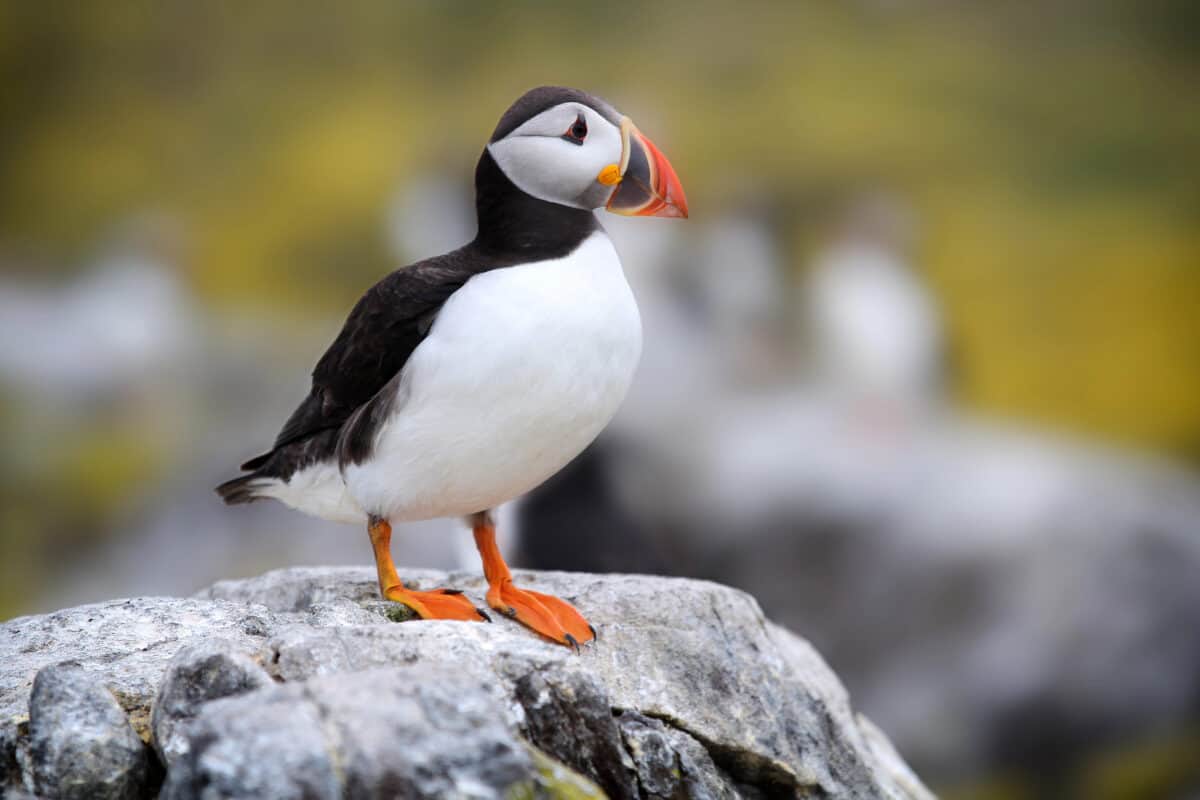
Conservation efforts across Scotland have ensured that puffin populations are protected and their habitats conserved. Organizations such as the Royal Society for the Protection of Birds (RSPB) work tirelessly to monitor puffin numbers, protect breeding grounds, and raise awareness about the challenges these birds face, such as climate change and overfishing. The establishment of protected nature reserves on key islands has been crucial in maintaining stable puffin populations, ensuring future generations can enjoy watching these delightful birds.
Accessibility for Visitors
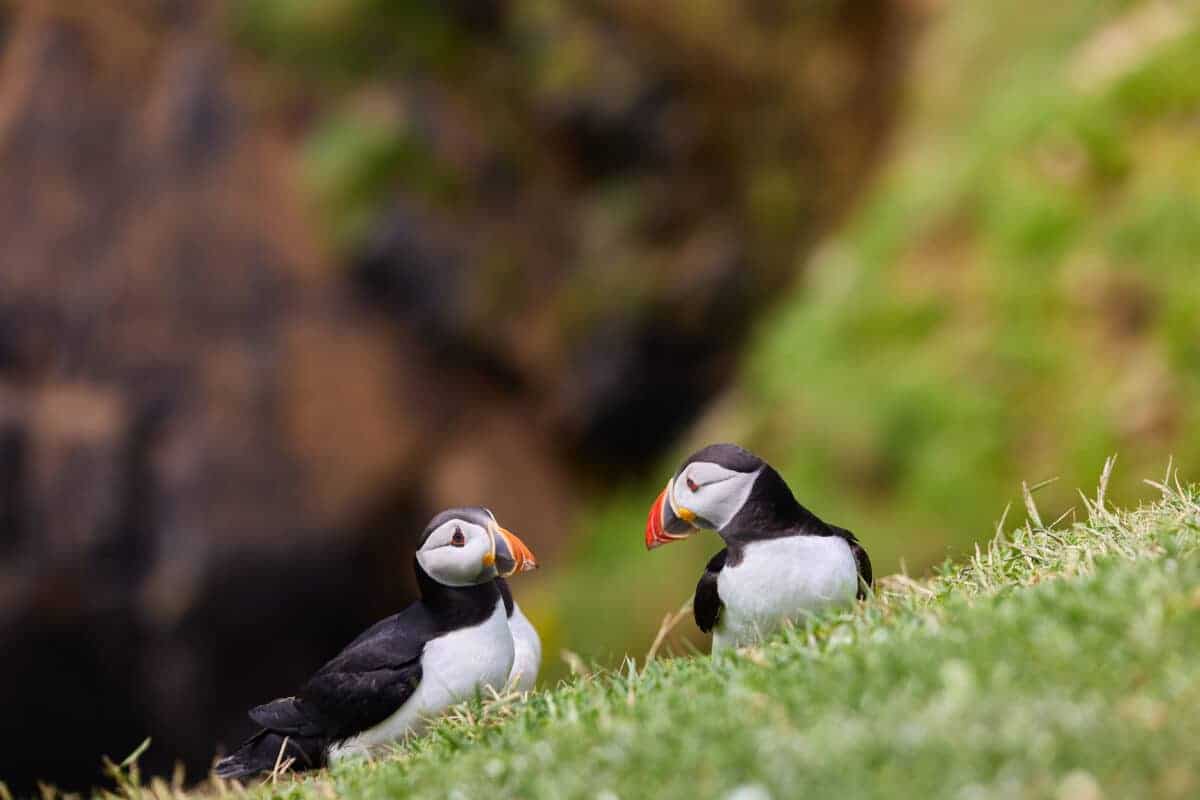
For tourists and birdwatchers, Scotland offers excellent accessibility to puffin colonies. Many islands hosting puffin colonies are easily reachable by ferries or organized boat tours. These tours, often guided by knowledgeable locals or wildlife experts, allow visitors to get close to the colonies without disturbing the birds, providing educational insights into puffin behavior and conservation efforts. This accessibility, combined with Scotland’s already robust tourism infrastructure, ensures an enriching experience for travelers.
Scotland’s Cultural Connection with Puffins
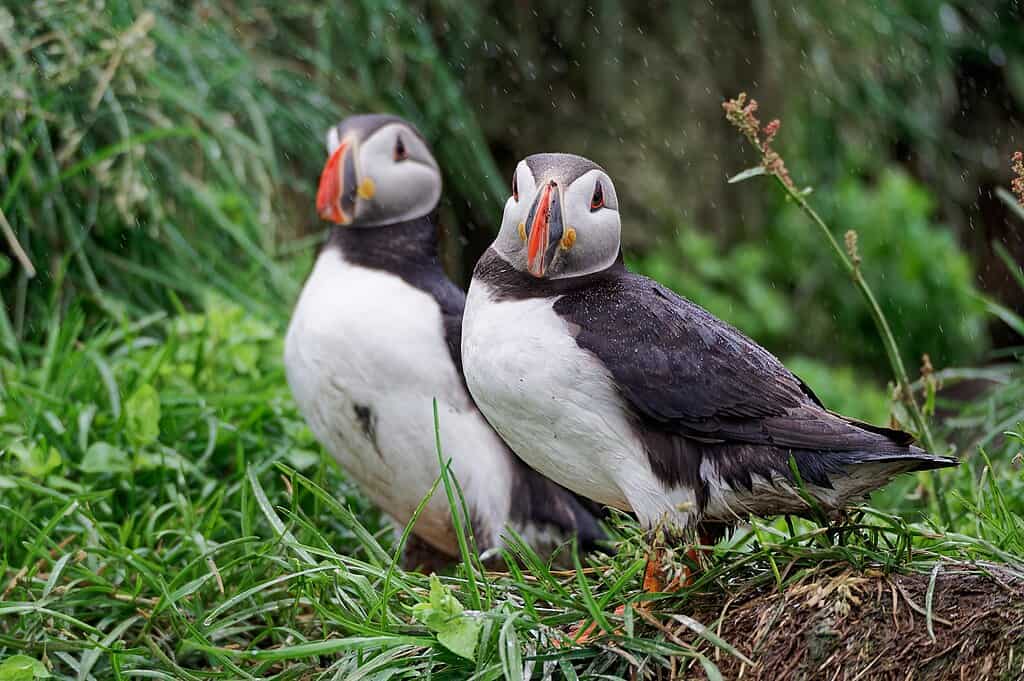
Puffins hold a special place in Scottish culture and mythology. Due to their distinctive appearance, they are often referred to as “clowns of the sea.” They have inspired countless artists, writers, and photographers and are celebrated in local festivals and events. This cultural connection adds another layer of interest for visitors, allowing them to engage with Scotland’s natural and cultural heritage.
Conclusion: A Must-Visit for Wildlife Enthusiasts
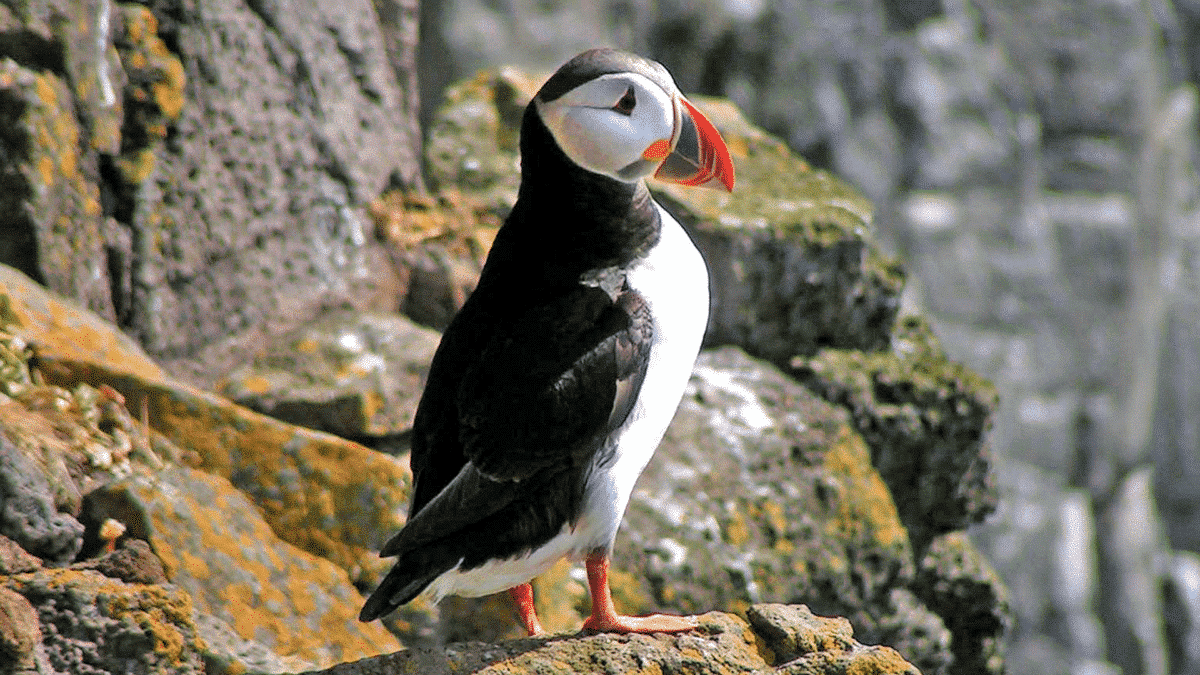
In conclusion, Scotland’s combination of geography, climate, conservation efforts, accessibility, and cultural richness makes it the ultimate destination for witnessing puffins nesting. Whether you’re an avid birdwatcher or a general nature enthusiast, the opportunity to observe these enchanting seabirds in the wild is an experience not to be missed. Scotland offers not just a visual spectacle but a deep and educational insight into the life of one of the most beloved seabirds. Planning a trip to see puffins in Scotland promises to be a rewarding adventure, full of discovery and awe.

As a little kid, I fell in love with nature, wildlife, and animals. Living in the USA, South Africa, Italy, China and Germany gave me the opportunity to discover the world's Wildlife. My favorite animals are Mountain Gorillas, Siberian Tigers, and Great White Sharks.
I'm a certified PADI Open Water Diver, went to Everest Base Camp and Trekked Gorillas in Uganda. I hold a Master of Science in Economics and Finance.
Please send any feedback to feedback@animalsaroundtheglobe.com
- 10 Unique Animals You Can Find Only In California - July 21, 2026
- 10 Loudest Animals on Land - July 21, 2026
- 13 Animals With Extra Limbs or Heads - July 21, 2026