

Ever dreamed of owning a luxury car? What if I told you that some aquarium fish cost more than that brand-new sedan sitting in your driveway? We’re diving into a world where aquatic creatures command astronomical prices that would make most people’s jaws drop. These aren’t your typical goldfish from the pet store – these are living, breathing status symbols that have sold for amounts that could buy houses, cars, or fund a college education.
#1 Platinum Arowana – The Million Dollar Dragon
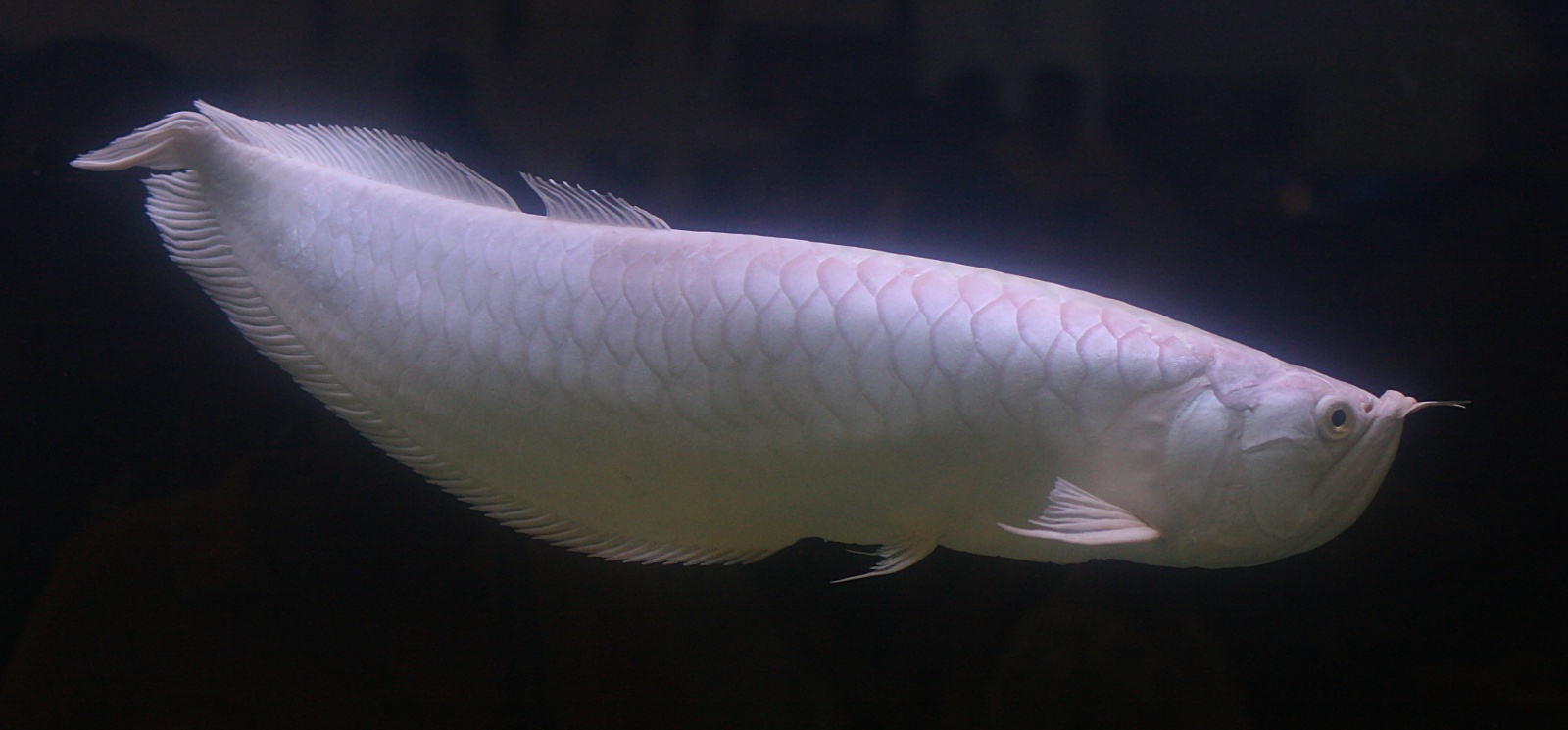
At the very top of our list sits the legendary Platinum Arowana, a fish so precious it’s been dubbed the most expensive aquarium fish in the world. This pristine white specimen holds the record for the highest price ever paid for an aquarium fish, reportedly selling for $400,000. The fish’s otherworldly appearance comes from an extremely rare genetic mutation that strips away all pigmentation, leaving behind a ghostly silver-white creature that seems to glow under aquarium lights.
These imposing creatures are believed to bring good luck to their owners and serve as status symbols in Asian cultures. Some owners are so devoted they’ll even pay for plastic surgery on their fish – $90 for an eyelift and $60 for a chin job, believing that the fish brings good luck and wealth with tales of arowana sacrificing their lives to warn owners against bad business ventures.
#2 Flowerhorn Cichlid – The Record-Breaking Hybrid
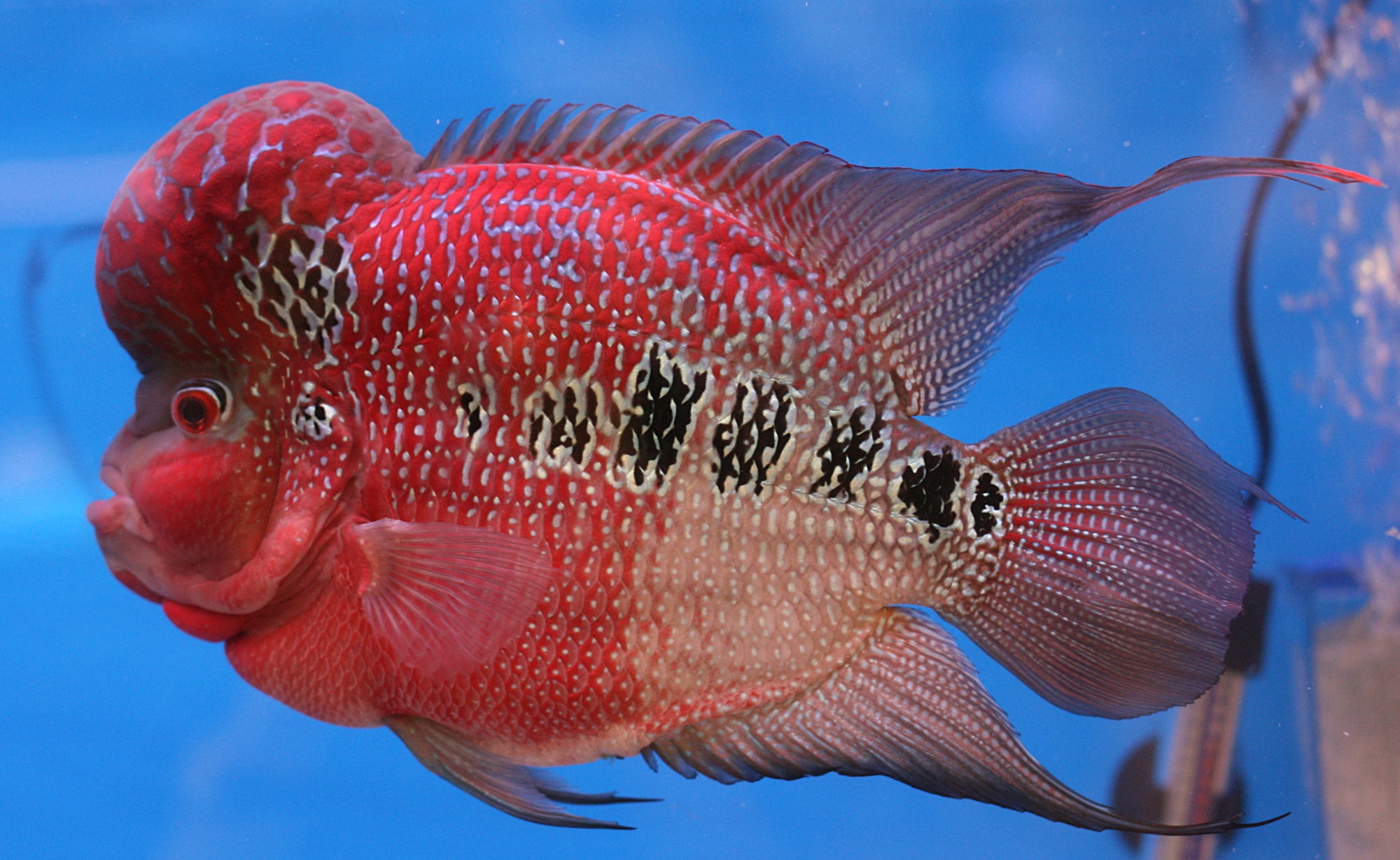
According to some reports, a Flowerhorn Cichlid Golden Monkey variety that fetched an incredible $600,000 during a Malaysian exhibition in 2009. This particular specimen wasn’t just any ordinary Flowerhorn – it possessed the perfect combination of coloration, head shape, and mystical markings that Asian collectors prize above all else. The fish’s distinctive bulbous forehead, known as a nuchal hump or “kok,” resembled the Chinese god of longevity.
Flowerhorn cichlids are revered because their head hump resembles the Chinese God of Longevity, and as the hump grows, so does the owner’s good fortune, with black markings sometimes creating patterns that resemble Chinese numbers, leading owners to play lottery numbers based on their fish’s markings after one woman reportedly won $1 million this way.
#3 Freshwater Polka Dot Stingray – The Spotted Wonder
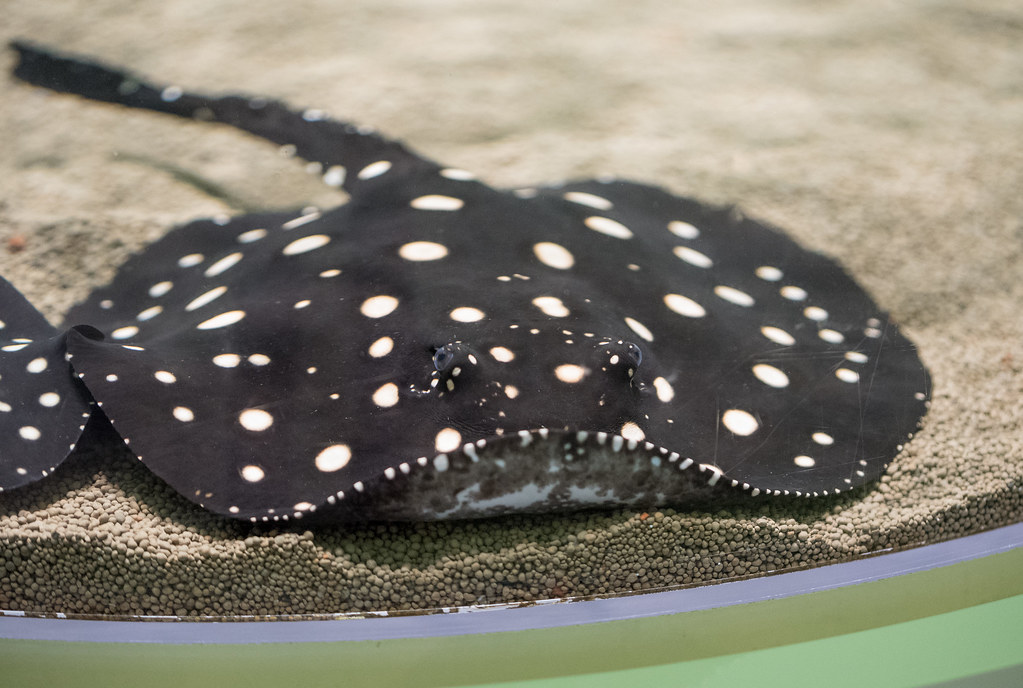
Freshwater Polka Dot Stingrays can sell for anywhere from $1,500 on the low end to an astounding $100,000 for exceptional specimens. These South American natives are instantly recognizable by their flat, round bodies adorned with distinctive white polka dots scattered across a dark background. What makes them particularly special is their surprisingly social nature – they can even recognize their owners over time.
These magnificent rays can reach around 30 inches in size and require massive tanks of at least 180 gallons, though 200 gallons or more is often recommended. Their care requirements are as demanding as their price tag, needing warm, highly oxygenated water and a diet consisting primarily of live foods like shrimp.
#4 Peppermint Angelfish – The Candy-Striped Rarity
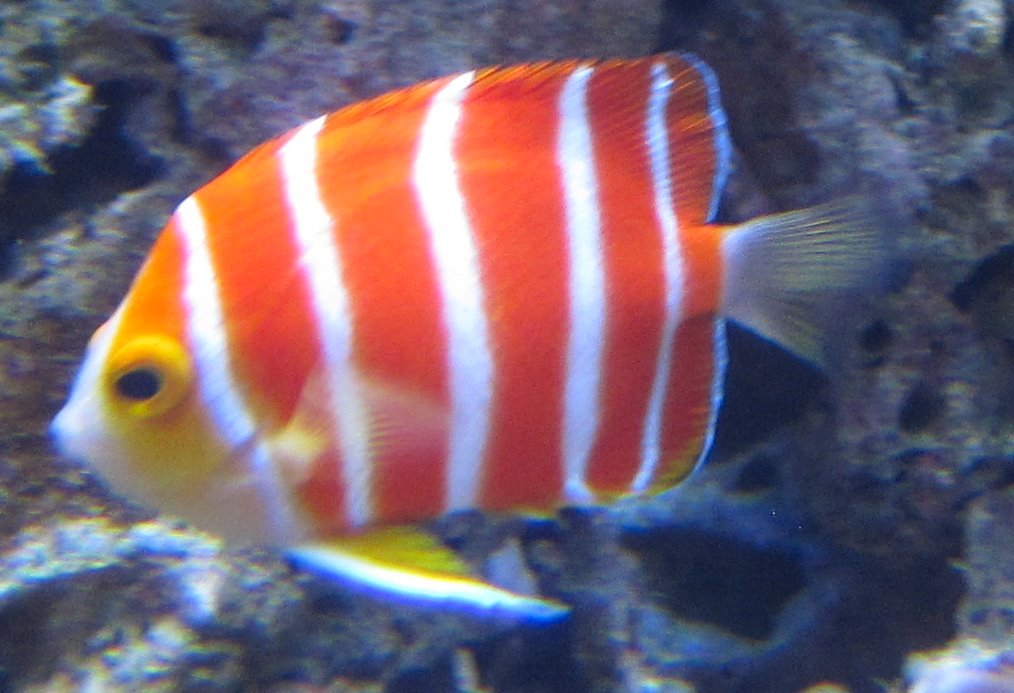
Peppermint Angelfish are red and white candy-striped fish that reach only around 3 inches in length but can sell for around $30,000, and they’re so rare that they are extremely rare in captivity, with very few on display in US aquariums. These small angelfish are found at depths of 150-360 feet in waters around Cook Islands and Rarotonga, with only a low number entering the aquarium trade, requiring around $30,000 to purchase one.
Their rarity stems not just from their limited geographic range, but from the extreme difficulty of collecting them from their deep-water habitats. It’s incredibly hard to create and maintain the exact habitat they need in aquariums since they live at higher water depths requiring a deep, dark, and highly pressurized environment.
#5 Masked Angelfish – The Hawaiian Beauty
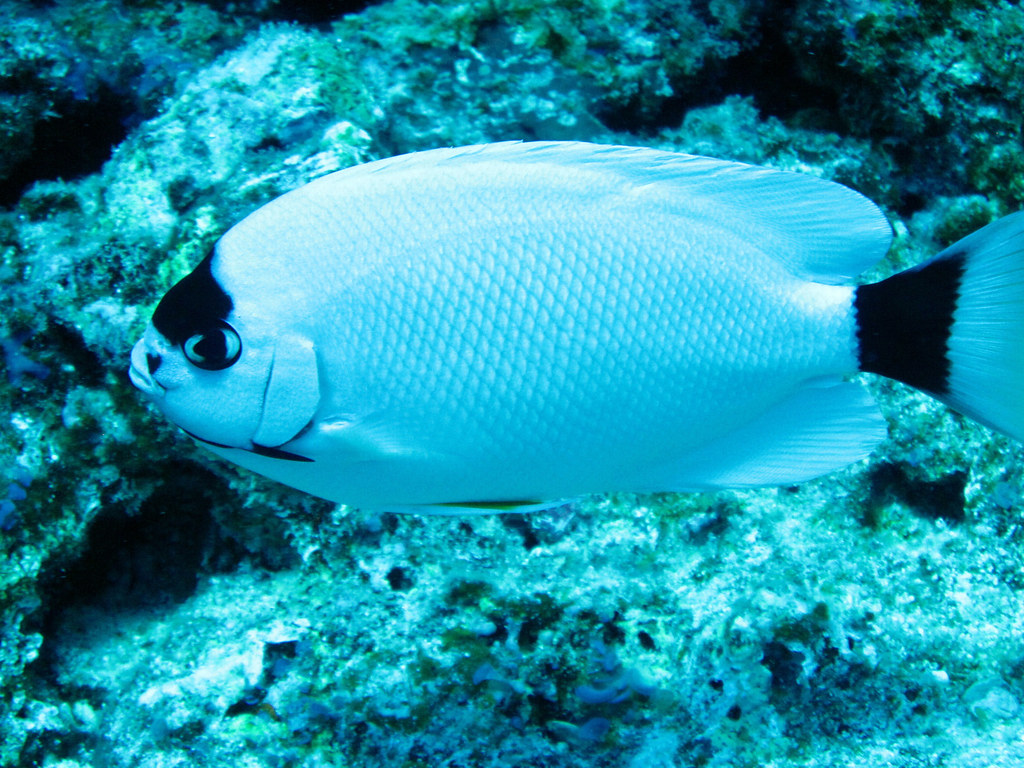
The Masked Angelfish is a striking black and white fish reaching around 8 inches in length, with females displaying a mostly white body with a black “mask” and males having an orange “mask,” selling for around $20,000 despite not being rare in the wild due to commercial fishing restrictions making them highly sought-after. This Hawaiian species faces strict harvesting regulations, with the species found at depths of 70-570 feet and selling for around $20,000.
What drives their astronomical price isn’t scarcity in nature, but rather the legal barriers that make obtaining them incredibly challenging. Hawaii’s protective legislation means that very few of these elegant fish make it into the aquarium trade, creating artificial scarcity that collectors are willing to pay dearly for.
#6 Bladefin Basslet – The Tiny Treasure
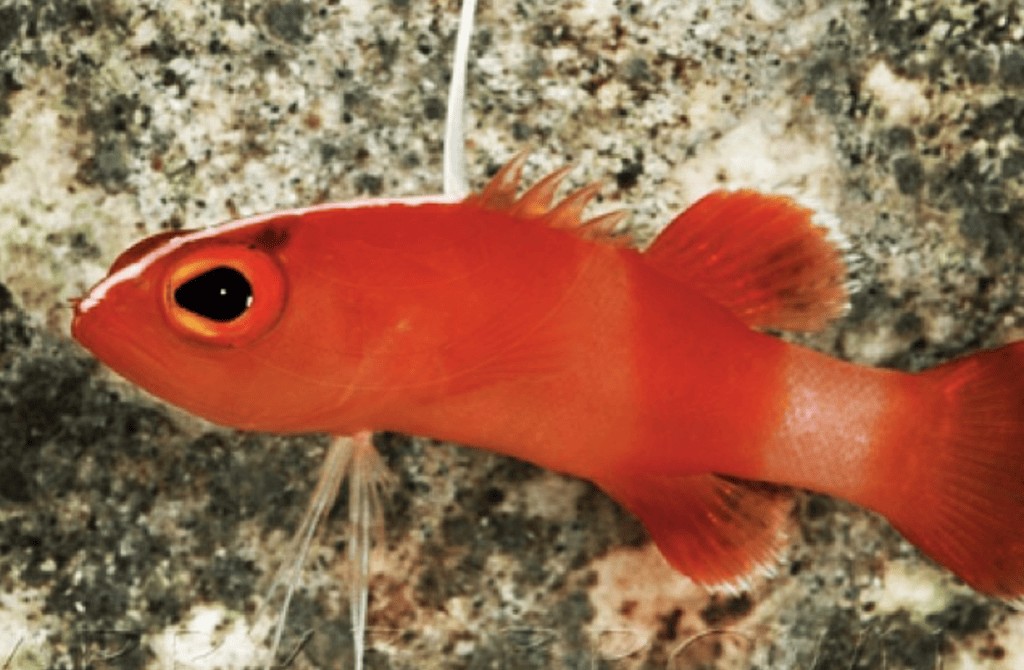
These minuscule fish reach only around 1.5 inches in length but can sell for $8,000 to $10,000 because they’re wild-caught and extremely difficult to catch, living around 500 feet deep in the ocean around reefs. Despite being the smallest fish on many expensive fish lists with a maximum size of 1.5 inches, the Basslet fetches an astounding price due to its rarity and the challenge it poses for divers.
The Bladefin Basslet proves that size doesn’t determine value in the aquarium world. Living in deep Caribbean waters at depths of around 500 feet, these fish require specialized deep-sea diving equipment to collect, making each specimen a hard-won prize that justifies its incredible price per inch.
#7 Golden Basslet – The Liquid Gold Fish
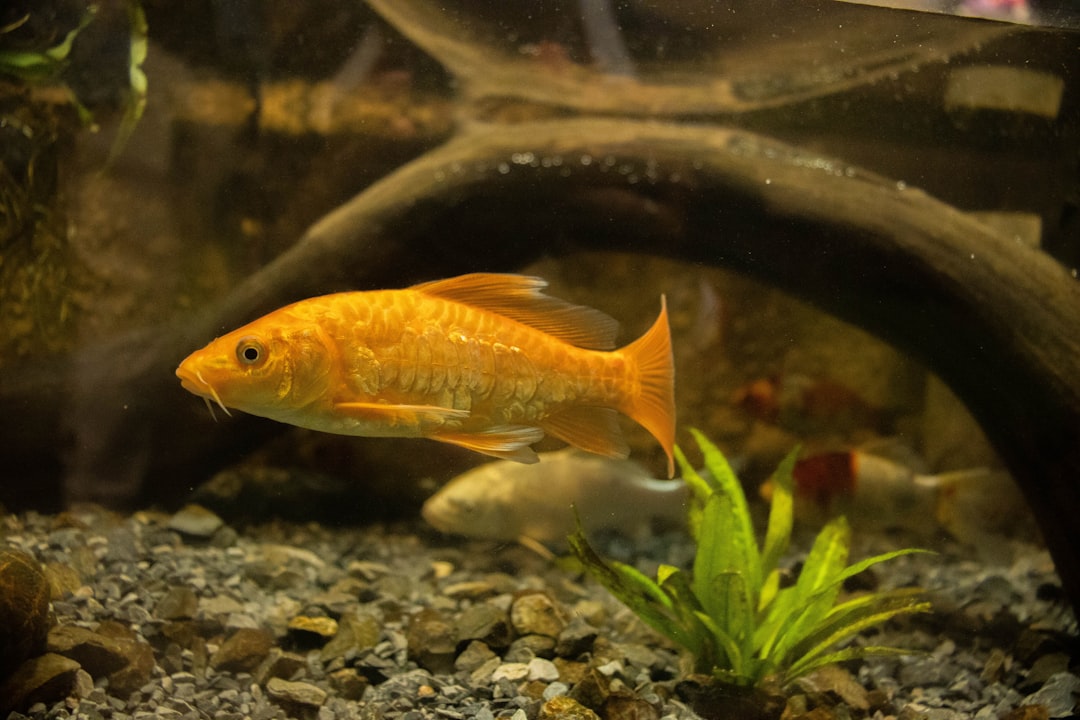
The Golden Basslet is another golden-colored entry found near Cuba, distinguished from other basslets by being primarily golden orange with some purple and black markings rather than purple, growing to just under three inches and costing $8,000, which is nearly $3,000 per inch. Priced at $8,000, the Golden Basslet owes its high cost to its rarity and breathtaking aesthetics, with the vibrant gold hue being unusual among fishes, making it a desired addition to high-end aquarium collections.
Their deep Atlantic reef habitat makes collection incredibly challenging and dangerous. The combination of their stunning metallic golden coloration and extreme rarity creates a perfect storm of desirability that drives prices into the stratosphere for serious collectors.
#8 Neptune Grouper – The Deep Sea Rainbow
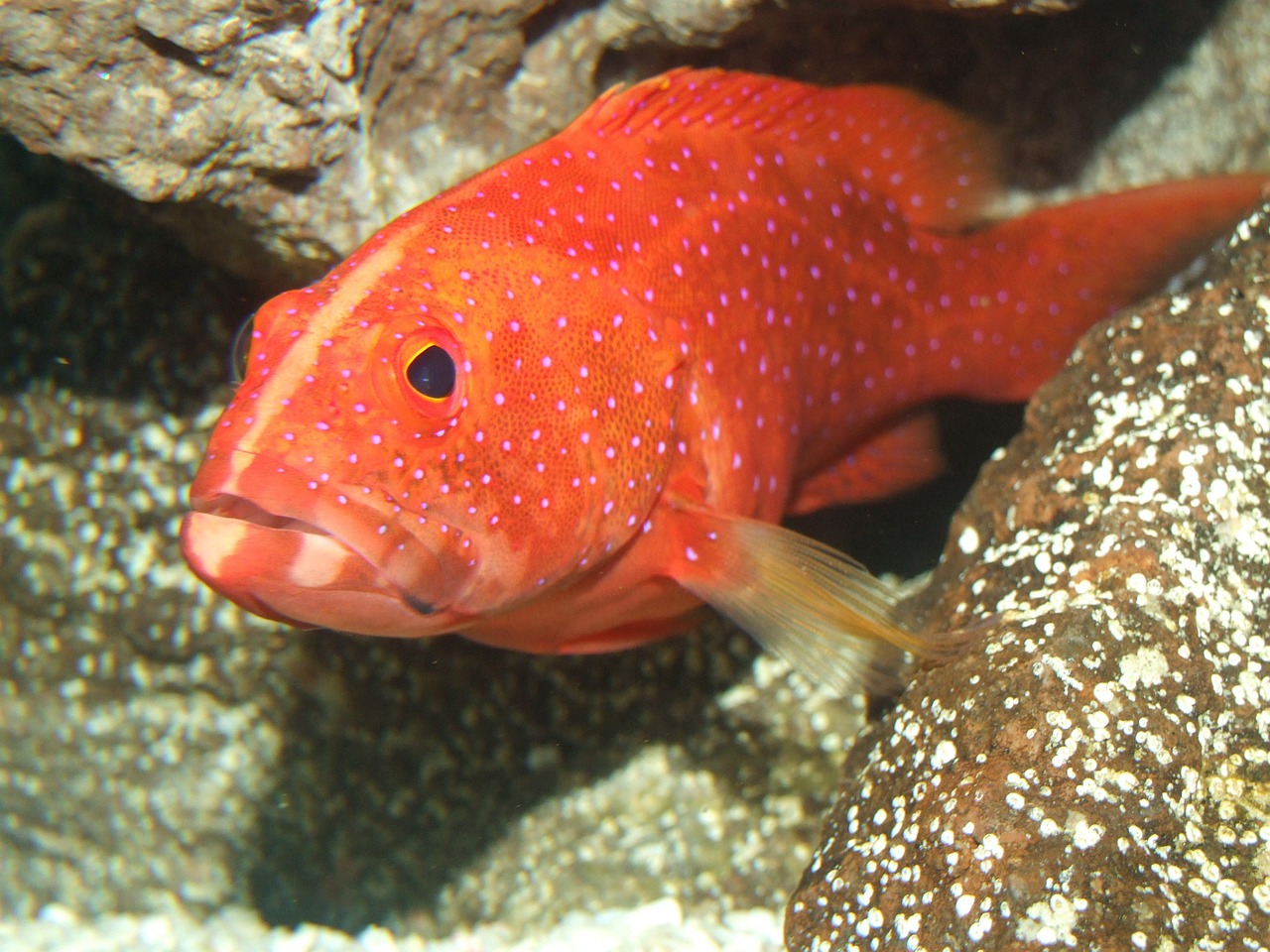
The Neptune Grouper is an expensive saltwater fish with an eye-catching color palette featuring a vibrant mix of orange, pink, and yellow stripes, native to deep reefs of the Pacific and Indian Oceans and hard to collect due to their habitat at depths of over 100 meters. These deep water groupers have a stunning yellow base with red and pink stripes, grow to more than one foot long, are hard to harvest alive with only a very low number entering the market, and cost $5-6000 when available.
Most Neptune Groupers in aquariums are juveniles since they’re easier to catch at shallower depths. The adult specimens, with their full rainbow coloration, are almost impossible to obtain alive, making juvenile specimens the only realistic option for most collectors willing to invest in these living gems.
#9 Australian Flathead Perch – The Aussie Exclusive

An Australian Flathead Perch can easily cost around $5,000, exclusively found in coral reefs of eastern Australia with a minimal geographical range, rarely found in the wild, making it one of the rarest fish available, featuring a flathead, large mouth, and lilac stripes running from mouth to tail that look like peacock feathers. This small species is found on coral reefs of eastern Australia and is very rare due to a small native range and being very shy and elusive, often costing close to $3000 when found in the trade.
Australia’s strict export regulations add another layer of difficulty to obtaining these beautiful fish. Their naturally shy behavior and preference for hiding in coral crevices makes wild collection a challenging endeavor that requires patience and specialized techniques.
#10 Golden Alligator Gar – The Prehistoric Predator
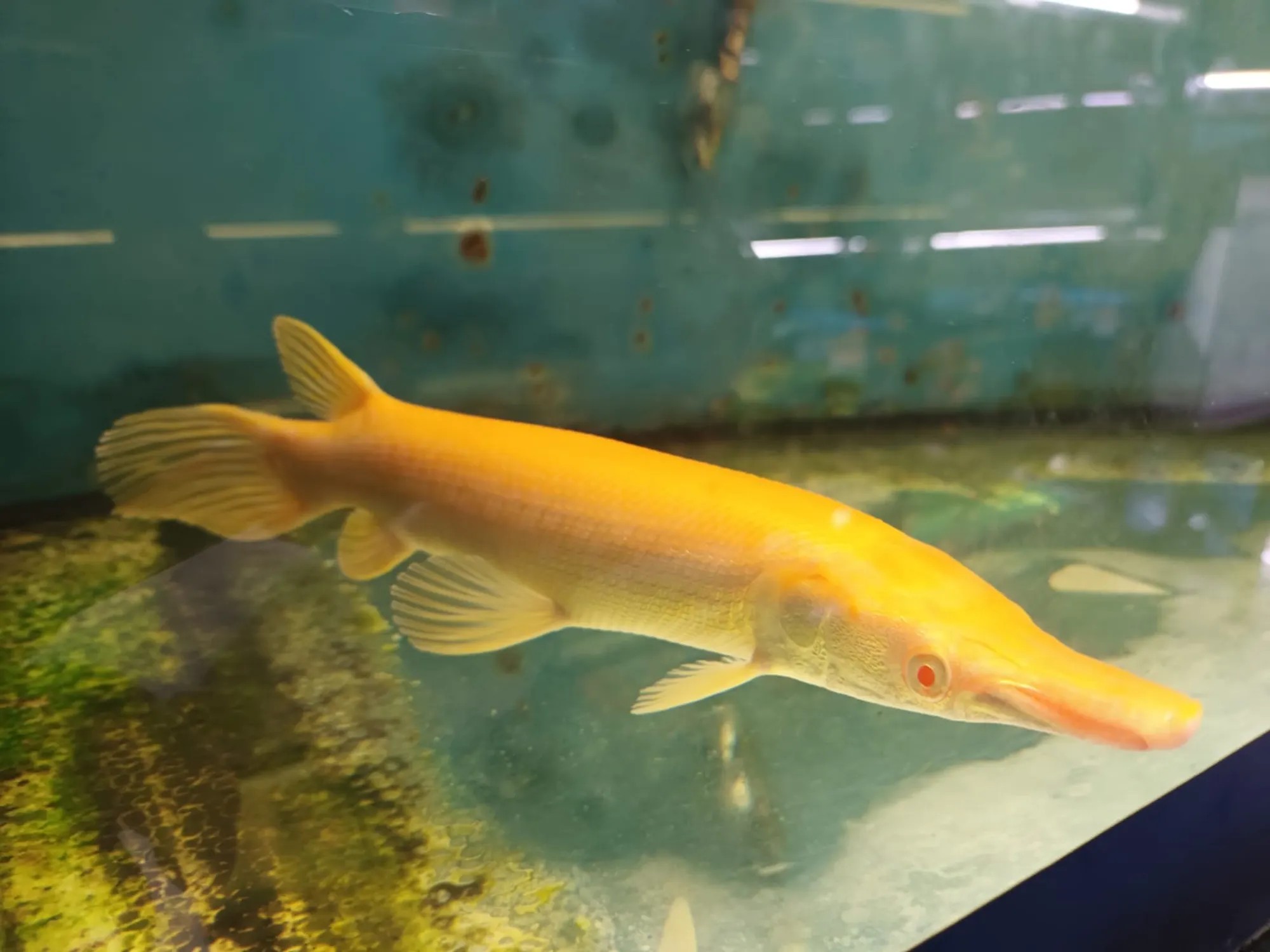
The Golden Alligator Gar, priced at $7,000, gets its value from its unusual golden color, imposing size, and unique appearance, featuring a long slender body covered with hard diamond-shaped golden scales and reaching up to 10 feet long, making it one of the largest freshwater fish species, with their rarity and unique aesthetics making them sought after by exotic fish collectors.
Like its platinum cousin, the Golden Alligator Gar costs around $7,000, usually growing to about six feet in the wild with bright golden yellow-orange coloration, with golden coloration being extremely rare among Alligator Gar. These living fossils are essentially genetic lottery winners, with their golden coloration occurring so rarely that finding one is like discovering aquatic treasure.
#11 Platinum Alligator Gar – The Silver Leviathan
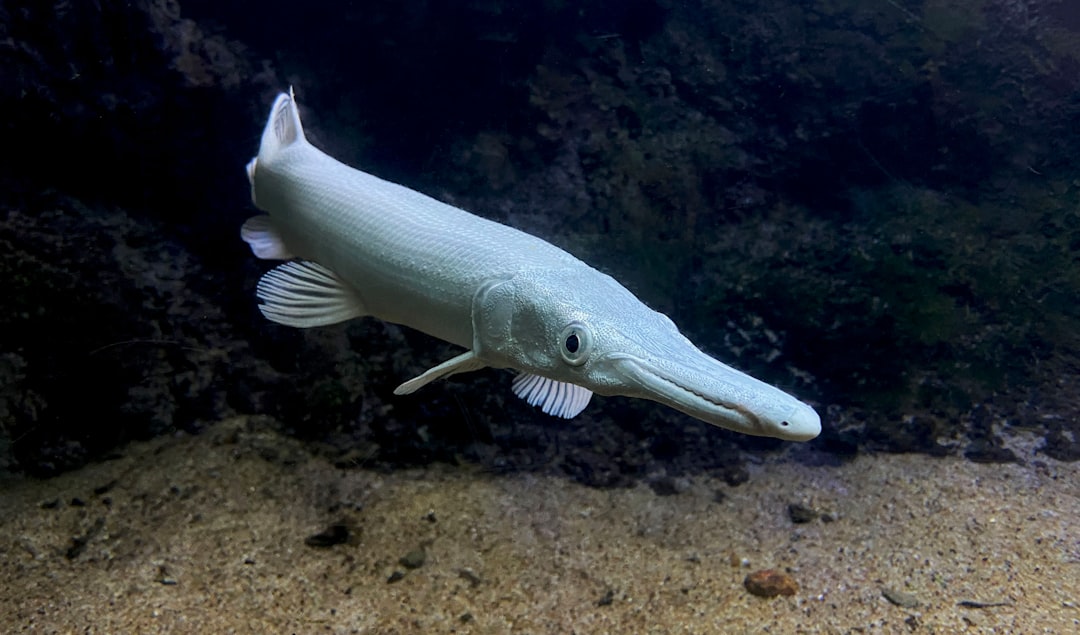
One of the only freshwater entries on expensive fish lists is the Platinum Alligator Gar, with overfishing decreasing their habitat so they’re mostly found in the southern United States and parts of Mexico, reaching lengths of up to 10 feet in the wild and costing around $1,600, though some have sold for about three times that price. The Platinum Alligator Gar has a primitive look resembling alligators with long bodies and similarly shaped jaws, usually having silvery-white color with a torpedo-shaped body, priced at $7,000 due to unusual appearance and substantial size reaching up to ten feet, with their rarity and distinctive platinum color increasing demand and price.
These ancient-looking predators are living remnants of prehistoric times, with their distinctive platinum sheen making them stand out dramatically from their more common relatives. Their massive size requirements mean only the most dedicated aquarists with enormous tanks can even consider housing them.
#12 Wrought Iron Butterflyfish – The Metallic Marvel
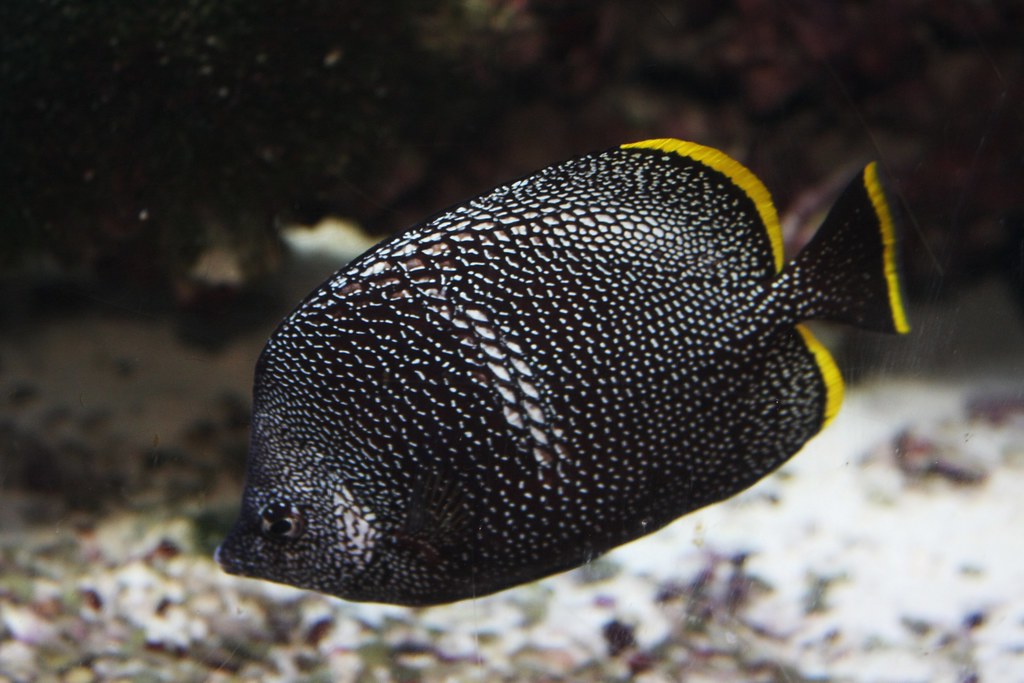
The Wrought Iron Butterfly Fish is found in the western Pacific Ocean near central or southern Japan, sought after as an aquarium fish due to its distinctive metallic coloring, cross-hatched body pattern, and highlighted yellow-tipped fins, preferring to remain near the surface of clean water at approximately 33 feet depth and growing to 6 inches long, making them ideal aquarium fish fetching $2,700 per fish.
Coming in at ninth place is the Wrought Iron Butterflyfish, native to Japan and named for its unusual metallic appearance that looks like crosshatched iron fencing, with the Wrought Iron variety being less colorful than other Butterflyfish species, showing only a thin bit of yellow on its tail and back half. Their industrial aesthetic appeals to collectors seeking something truly unique in the aquarium world.
#13 Clarion Angelfish – The Pacific Beauty
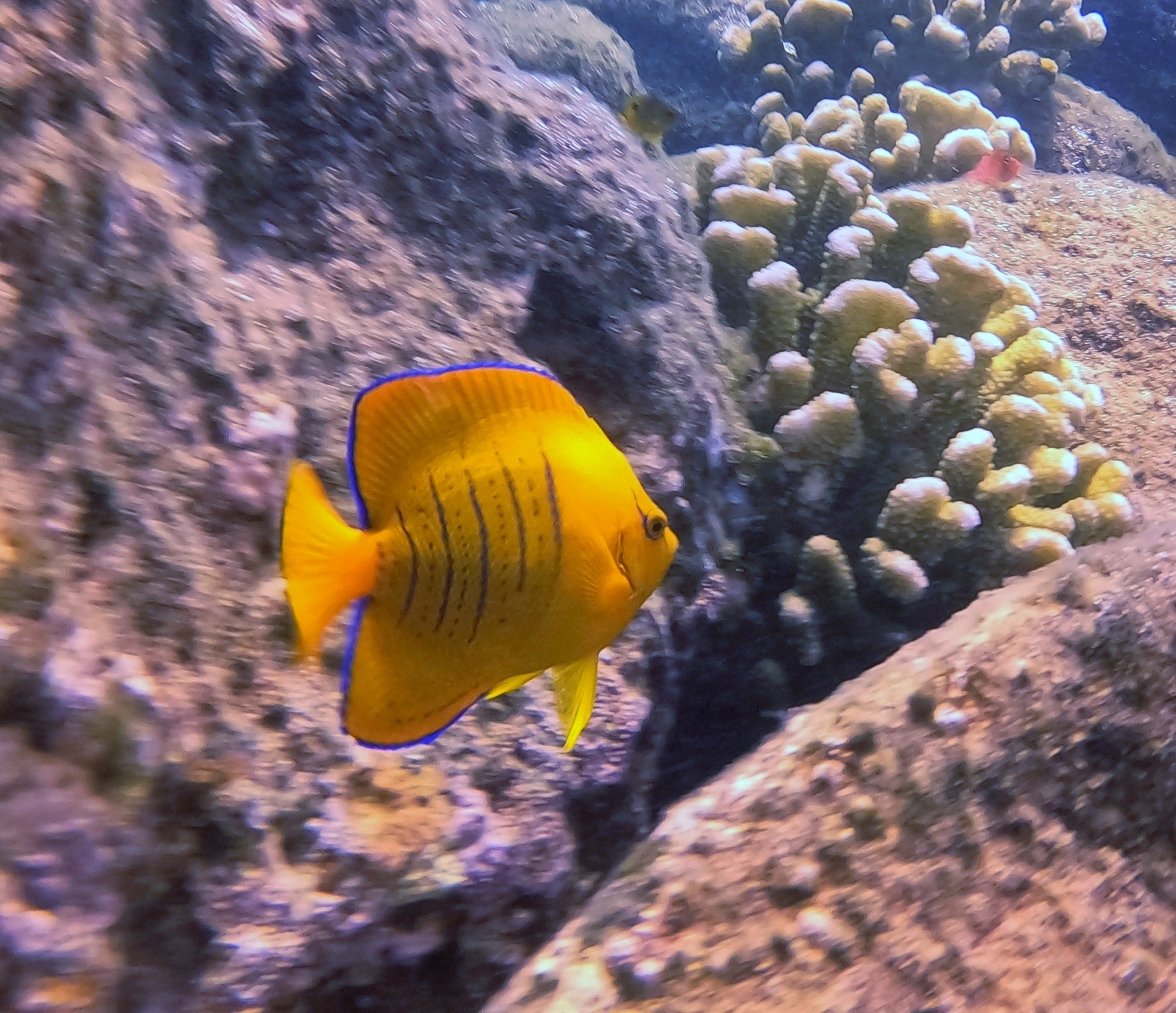
The Clarion Angelfish, a Pacific Ocean native, is notable for its bright orange body and striking blue trim around its fins and eyes, found primarily around Mexico’s rocky reefs and islands, valued at $2,500 due to their striking appearance and rare geographical distribution, with their bright colors and difficulty in capturing them from natural habitats driving up their cost in the expensive aquarium fish trade.
The Clarion Angelfish is one of the most well-known saltwater fishes in the fishkeeping world, native to the Eastern Central Pacific and reaching lengths of 10 inches, with yellow colored bodies and vivid blue stripes running down their body and face, plus fins tipped in the same luminous vivid blue. Their vibrant colors make them instant showstoppers in any marine aquarium setup.
#14 Blue-eyed Plecostomus – The Sapphire Sucker
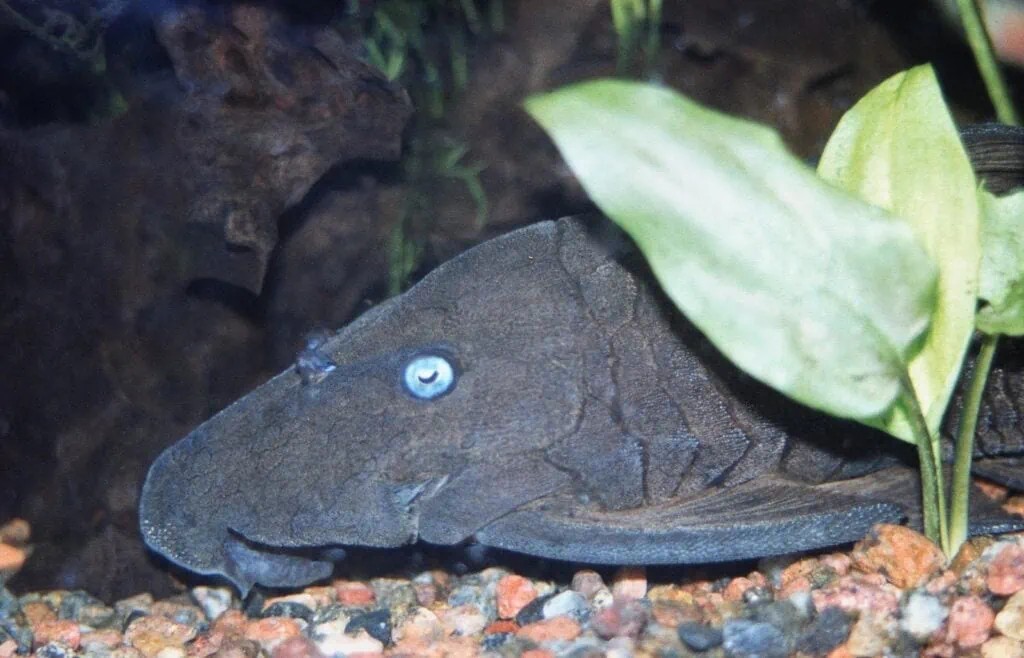
Blue-eyed Plecostomus is a nocturnal and predominantly herbivorous species that captivates observers with its bright blue eyes and sleek brownish body. These unusual Plecos don’t get quite as large as a Common Pleco, only reaching around 16 inches at maximum size, but are one of the rarest Plecos on the aquarium market and require close to 200 gallons of tank space.
What sets this pleco apart from its common cousins isn’t just the striking sapphire-blue eyes that seem to glow in aquarium lighting, but their incredible scarcity in the hobby. While most plecos are relatively affordable bottom-feeders, the Blue-eyed variety commands premium prices due to their limited availability and unique appearance that stops visitors in their tracks.
#15 Arapaima – The Amazon Giant
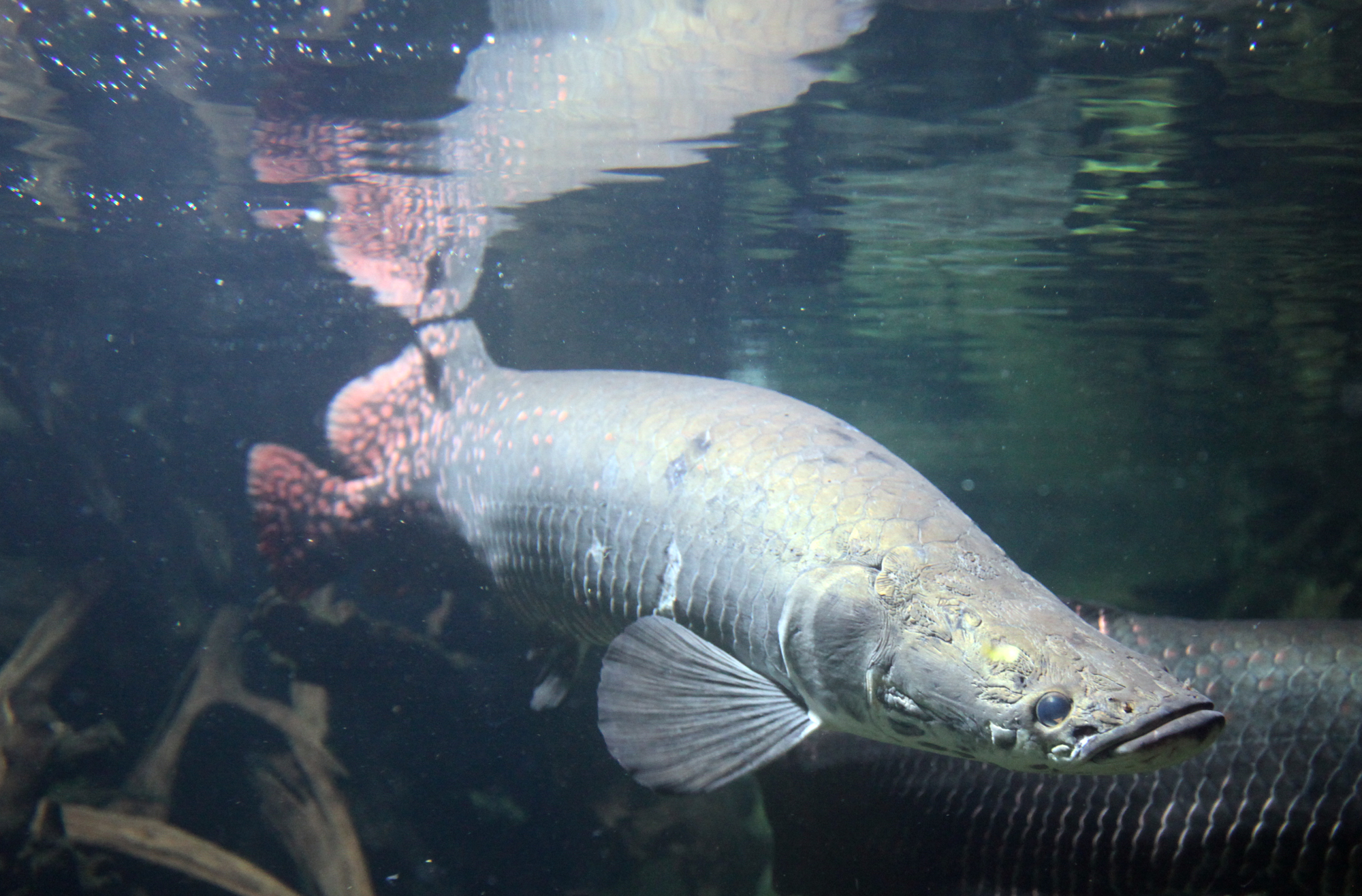
The Arapaima’s cost is $200 due to multiple factors including their tremendous size, striking appearance, and extraordinary ability to survive even in low oxygen conditions, with their sheer size and predatory raw power making them a valuable addition to aquariums capable of housing such large specimens, driving up their market price. Though significantly less expensive than our other entries, these South American giants still command impressive prices for freshwater fish.
These air-breathing fish are among the largest freshwater fish in the world, capable of growing over 10 feet long and weighing hundreds of pounds. Their prehistoric appearance and incredible size make them suitable only for public aquariums or the most dedicated private collectors with warehouse-sized tank systems.
Conclusion
The world of expensive aquarium fish reveals a fascinating intersection of natural rarity, cultural beliefs, and human obsession with owning the extraordinary. From the record-breaking $600,000 Flowerhorn Cichlid to the $400,000 Platinum Arowana, these aquatic treasures represent far more than simple pets – they’re living investments, status symbols, and in some cultures, harbingers of good fortune.
What makes these prices even more staggering is that many of these fish require extensive care, massive tank systems, and ongoing expenses that can rival a mortgage payment. Yet collectors continue to pay these astronomical sums, driven by the same passion that compels art collectors to bid millions for a single painting. The next time you’re at a pet store looking at that $5 goldfish, remember that somewhere in the world, someone just paid more than a luxury car for a fish that might fit in their palm. Did you expect a fish could cost more than most people’s homes?

As a little kid, I fell in love with nature, wildlife, and animals. Living in the USA, South Africa, Italy, China and Germany gave me the opportunity to discover the world's Wildlife. My favorite animals are Mountain Gorillas, Siberian Tigers, and Great White Sharks.
I'm a certified PADI Open Water Diver, went to Everest Base Camp and Trekked Gorillas in Uganda. I hold a Master of Science in Economics and Finance.
Please send any feedback to feedback@animalsaroundtheglobe.com
- 15 Ways to Create a Bird Friendly Garden Amid Climate Change - June 13, 2026
- 9 Animals That Hibernate in the Most Fascinating Ways - June 13, 2026
- 13 Creatures That Thrive in Volcanoes, Geysers, and Acid Pools - June 13, 2026