


While pesticides are recommended for pest infestations in the US, sometimes, people end up using too much. Every year, North American homes use approximately 1 billion pounds of conventional pesticides to control weeds, insects, and pests. In fact, excessive use of pesticides can contaminate surface water and affect the health of humans and pets. The easiest way to ensure a pest-free garden is to keep a healthy one by adopting these helpful natural remedies to remove garden pests. Here are 12 natural ways to protect your garden from unwanted invaders.
1. Diatomaceous Earth

🔥 Would you like to save this?
We'll email this post to you, so you can come back to it later!
Diatomaceous earth is a powder made from the fossilized remains of tiny aquatic organisms called diatoms. The microscopic sharp edges of the powder cut through the exoskeletons of insects, leading to dehydration and death. Sprinkle diatomaceous earth around the base of plants to control pests such as slugs, ants, and beetles.
2. Neem Oil

🔥 Would you like to save this?
We'll email this post to you, so you can come back to it later!
Neem oil is derived from the seeds of the neem tree and acts as a powerful, natural insecticide. It disrupts the life cycle of pests at all stages—eggs, larvae, and adults—making it a versatile and effective treatment for combating infestations. Apply neem oil sprays in the early morning or late evening to avoid harming beneficial insects like bees.
3. Garlic Spray
🔥 Would you like to save this?
We'll email this post to you, so you can come back to it later!
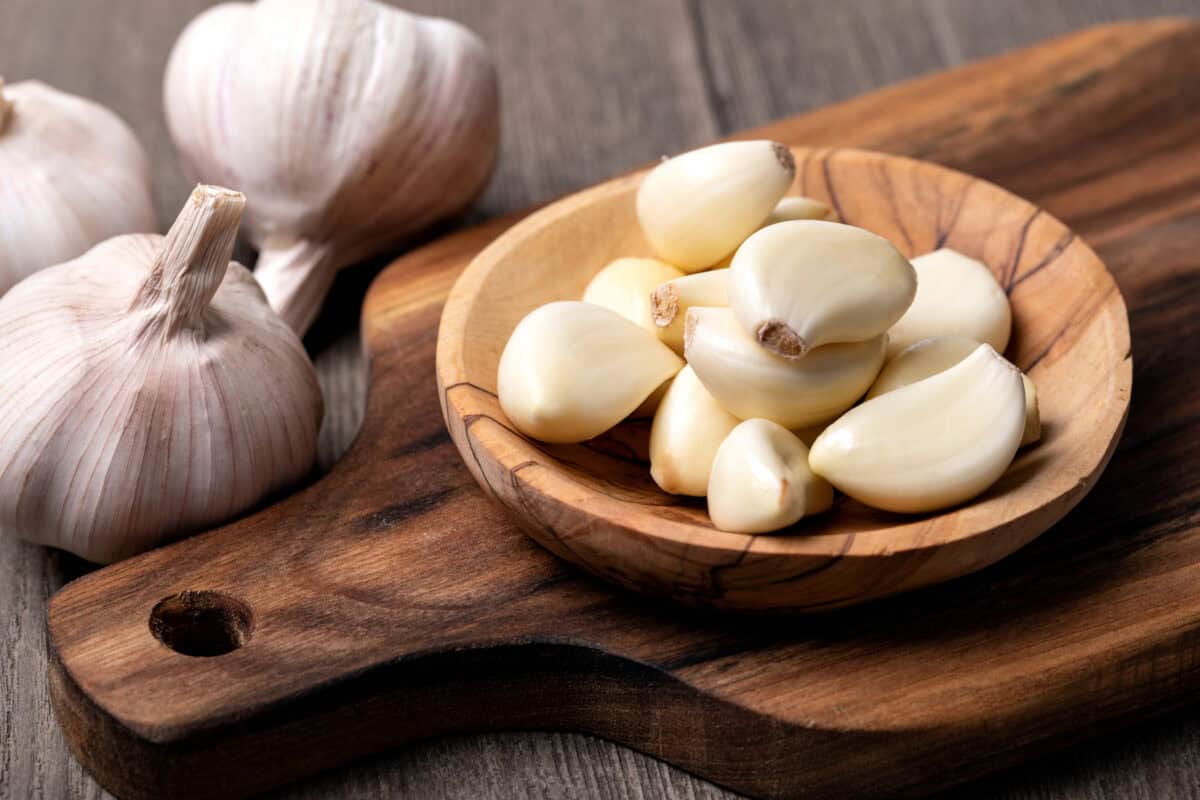
Garlic isn’t just for warding off vampires; it’s also excellent for keeping pests out of the garden. Make a garlic spray by blending a couple of cloves with water and a drop of mild soap. This mixture can deter a variety of insects and even some larger pests, like deer and rabbits. It’s a simple, safe, and scent-driven way to protect your plants.
4. Beneficial Insects

🔥 Would you like to save this?
We'll email this post to you, so you can come back to it later!
Introducing beneficial insects such as ladybugs, lacewings, and praying mantises can help manage pest populations naturally. These predators feed on aphids, mites, and other harmful pests and can be an effective biological control strategy. Purchasing these beneficial insects from garden centers and releasing them into your garden can bolster your plant protection.
5. Companion Planting

🔥 Would you like to save this?
We'll email this post to you, so you can come back to it later!
Companion planting involves growing certain plants together that can benefit each other. For example, planting marigolds near tomatoes can repel nematodes and other pests, while basil planted alongside can help ward off flies and mosquitoes. This method enhances biodiversity and leads to a healthier, more balanced garden ecosystem.
6. Soap Spray

🔥 Would you like to save this?
We'll email this post to you, so you can come back to it later!
Insecticidal soaps are effective against a wide range of garden pests, including aphids, thrips, and mites. You can make your own by mixing a teaspoon of unscented liquid soap with a liter of water. Spray directly on pests or on the leaves where pests are present. The soap dissolves the waxy coating on insects’ exteriors, causing them to dehydrate.
7. Row Covers

🔥 Would you like to save this?
We'll email this post to you, so you can come back to it later!
Row covers made of lightweight, breathable fabric can be draped over plants to physically block pests from reaching them. These covers are handy for protecting young seedlings and can be removed once the plants become more robust. This method prevents pest access while still allowing light and water to penetrate.
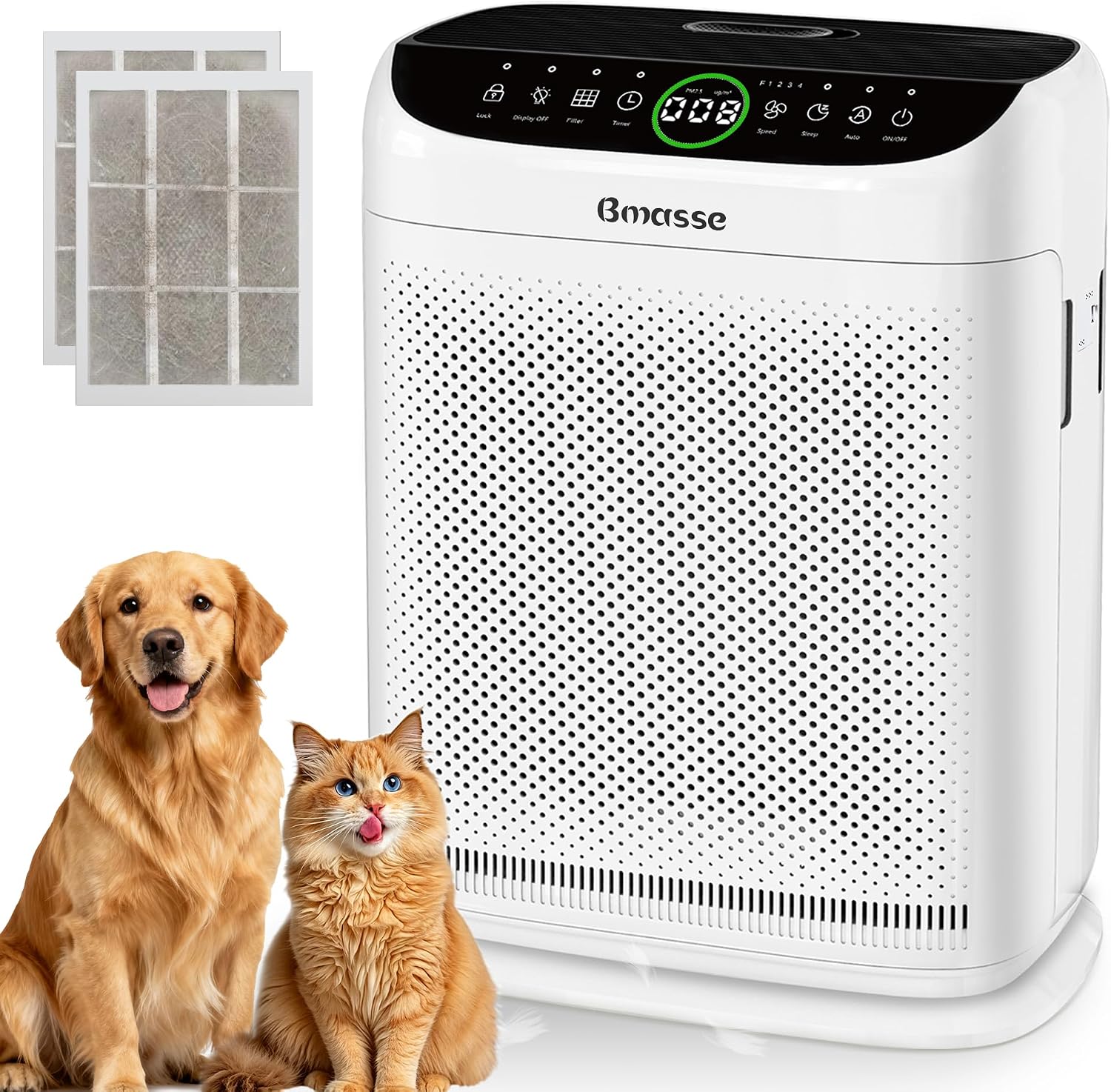
Air Purifiers for Home Pets Large Room Up to 3000 Ft²,HEPA Air Cleaner with Washable Double-Side Filter, PM2.5 Air Quality Monitor,15dB Sleep Mode for Bedroom Odor Dust Pollen,White
Check Price on AmazonAs an Amazon Associate, we earn from qualifying purchases.
10/8/2026 8:23 am GMTi
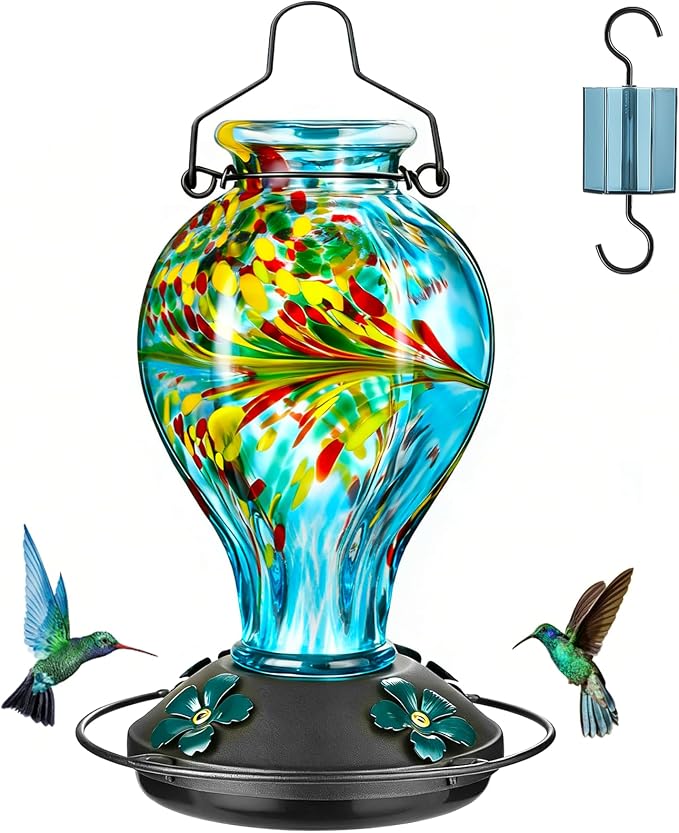
Hand Blown Glass Hummingbird Feeders for Outdoors Hanging, 24oz Wild Bird Nectar Feeder
Check Price on AmazonAs an Amazon Associate, we earn from qualifying purchases.
10/7/2026 1:23 pm GMTi
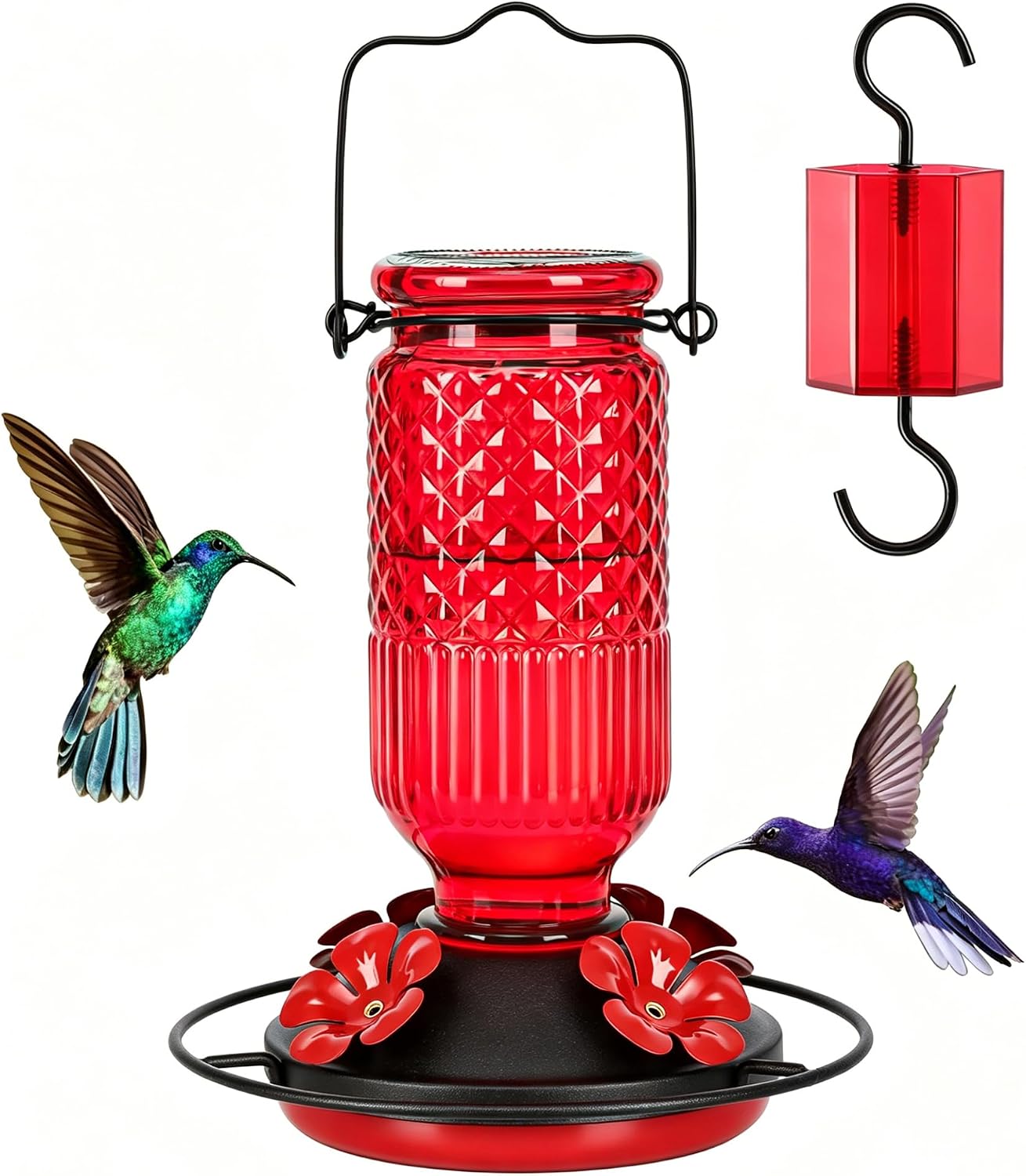
Glass Hummingbird Feeder for Outdoors Hanging
Check Price on AmazonAs an Amazon Associate, we earn from qualifying purchases.
10/7/2026 1:21 pm GMTi

Portable Dog Water Bottle Foldable Dog Travel Water Bottle
Check Price on AmazonAs an Amazon Associate, we earn from qualifying purchases.
10/7/2026 1:29 pm GMTi

Orthopedic Extra Large Dog Bed, Waterproof Washable XL Pet Bed 44"
Check Price on AmazonAs an Amazon Associate, we earn from qualifying purchases.
10/7/2026 1:32 pm GMTi
8. Chili Pepper Spray

🔥 Would you like to save this?
We'll email this post to you, so you can come back to it later!
Chili pepper spray is another pungent option to repel garden pests. Blend hot peppers with water and a small amount of soap to help the mixture adhere to plant leaves. The capsaicin in the peppers deters many insects and animal pests. Remember to wear gloves when handling hot pepper mixtures to avoid skin irritation. Additionally, you can also use three teaspoons of cayenne pepper to 1 quart of water. Make a spray and apply it to leaves, stems, and the ground surrounding each plant.
9. Water Sprays

🔥 Would you like to save this?
We'll email this post to you, so you can come back to it later!
Sometimes, a strong jet of water is all you need to dislodge pests from plants. Use a hose to spray down your plants, mainly targeting the undersides of leaves where pests like to hide. This method is quick, chemical-free, and effective against aphids, mites, and other small insects.
10. Use Seaweed Fertilizer

🔥 Would you like to save this?
We'll email this post to you, so you can come back to it later!
Seaweed is rich in essential trace elements like iron, zinc, barium, calcium, sulfur, and magnesium, which are crucial for the robust growth of plants. Applying seaweed as a mulch or in a spray form not only boosts plant growth but also enhances their resilience against diseases. Additionally, using seaweed mulch can help deter slugs from invading your garden.
11. Maintain Dry Foliage

🔥 Would you like to save this?
We'll email this post to you, so you can come back to it later!
To prevent pests and fungal diseases, it’s essential to keep plant foliage dry. Water your plants early in the day so that the foliage has time to dry off during daylight hours. For efficient watering methods that target roots without wetting the leaves, consider exploring drip irrigation systems.
12. Use Chopsticks for Cats and Dogs

🔥 Would you like to save this?
We'll email this post to you, so you can come back to it later!
To keep larger animals like cats and dogs from disturbing your garden beds, you can place chopsticks or plastic forks upright in the soil around seedlings and young plants. This method creates a physical barrier that discourages pets from digging or trampling the delicate areas, ensuring your plants have a chance to thrive.

Professional 7 in 1 Dog Paw Cleaner for Dogs & Cats - Includes 1 Portable Paw Washer, 1 Bath Brush
Check Price on AmazonAs an Amazon Associate, we earn from qualifying purchases.
10/7/2026 1:26 pm GMTi
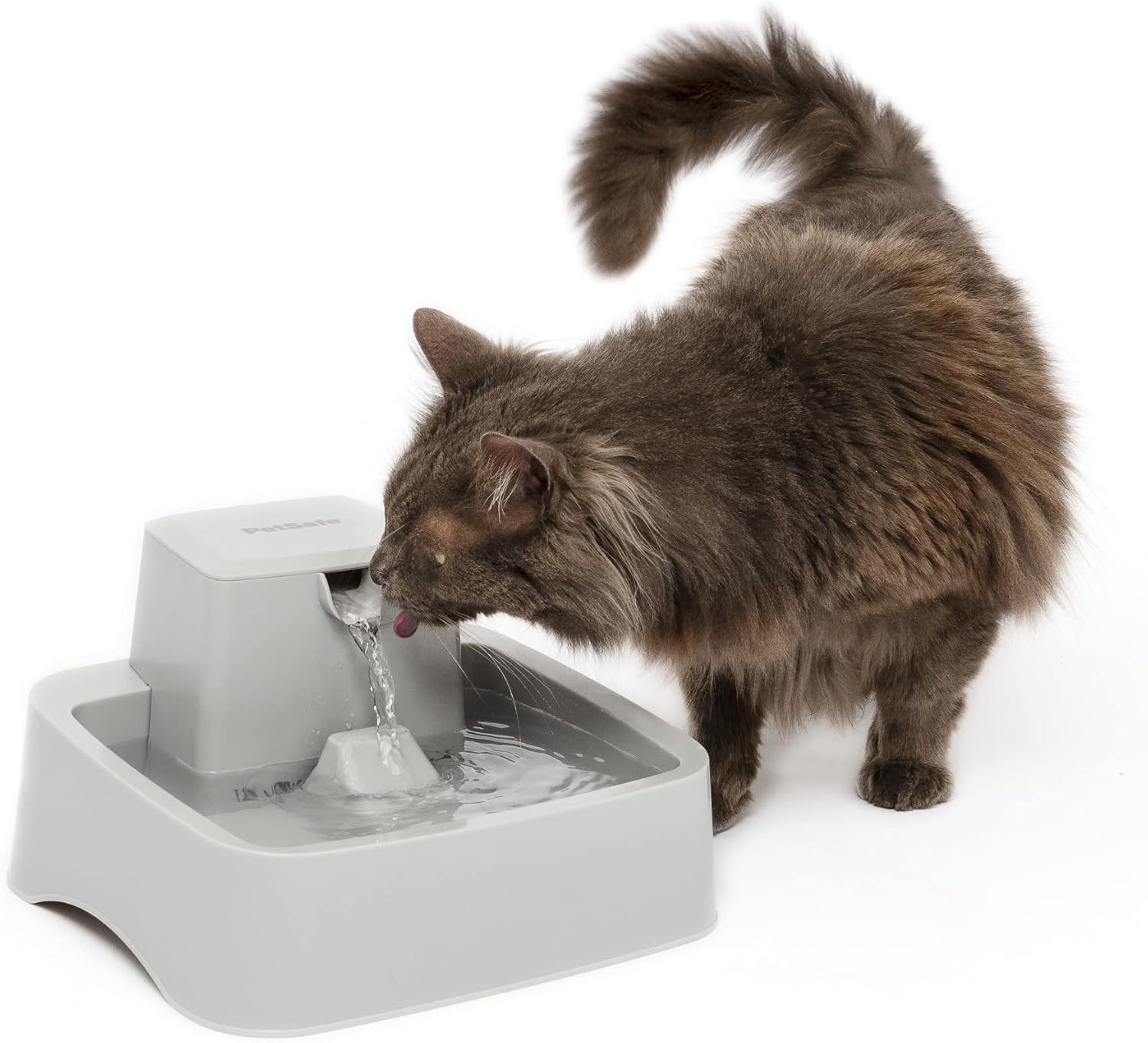
PetSafe Oasys Pet Fountain, 1/2 Gallon (64 oz), Small Dogs & Cats
Check Price on AmazonAs an Amazon Associate, we earn from qualifying purchases.
10/8/2026 8:14 am GMTi
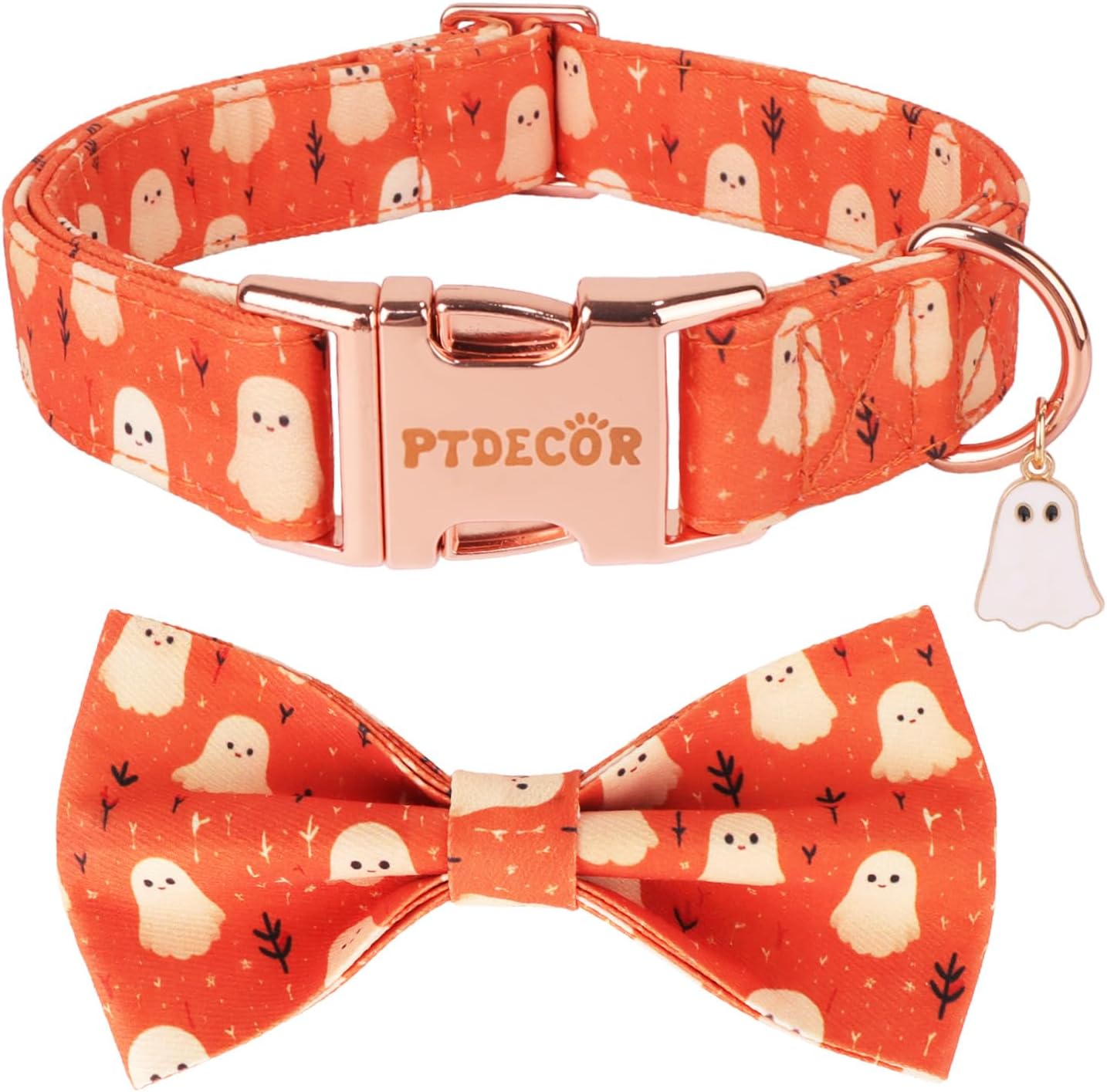
Halloween Dog Collar with Bow, Orange Cute Ghost Collar,
Check Price on AmazonAs an Amazon Associate, we earn from qualifying purchases.
10/9/2026 2:43 pm GMTi

2 Pcs Halloween Pet Hat Bandana Set, Witch Pumpkin Costumes for Dogs
Check Price on AmazonAs an Amazon Associate, we earn from qualifying purchases.
10/9/2026 2:45 pm GMTi
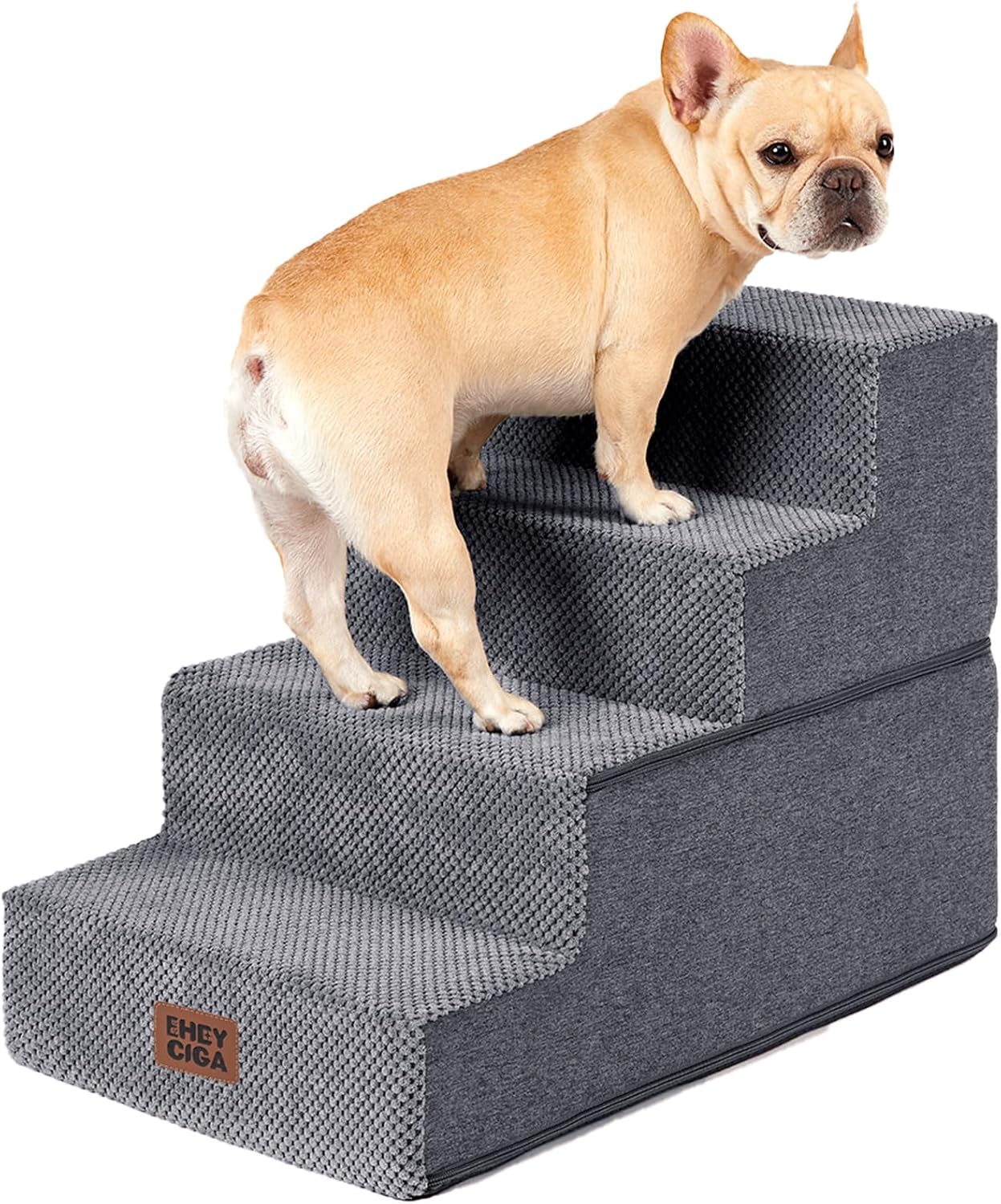
Dog Stairs for Bed 18" H, 4-Step Dog Steps for High Bed
Check Price on AmazonAs an Amazon Associate, we earn from qualifying purchases.
10/9/2026 2:42 pm GMTi
13. Use Garden lime to Deter Raccoons, Skunks, and Snakes

🔥 Would you like to save this?
We'll email this post to you, so you can come back to it later!
To keep raccoons, skunks, and snakes at bay, apply a broad ring of garden lime around the perimeter of your garden. The lime causes a burning sensation when licked by these animals, encouraging them to steer clear of the area. This method offers a simple deterrent to protect your garden from unwanted wildlife intrusions.
14. Managing Grubs with Milky Spore

🔥 Would you like to save this?
We'll email this post to you, so you can come back to it later!
For tackling grubs in your lawn or garden, consider using a natural remedy known as milky spore. This product consists of granules that you spread over the soil. These granules infect the grubs with a disease that is lethal to them but harmless to beneficial organisms. Milky spore has the added advantage of multiplying and remaining dormant in the soil, ready to infect any new grubs that appear. Remarkably, a single application of milky spore can last up to 40 years. Since grubs are the larvae of Japanese beetles, eliminating the grubs also helps control the beetle population.

Halloween Cat Costume Cloak Witch Hat Pet Accessories
Check Price on AmazonAs an Amazon Associate, we earn from qualifying purchases.
10/9/2026 2:44 pm GMTi

Smart Bird Feeder with Camera Solar Powered, 2K HD Live Video, 10,000+ Bird Species AI Identification
Check Price on AmazonAs an Amazon Associate, we earn from qualifying purchases.
10/7/2026 1:22 pm GMTi
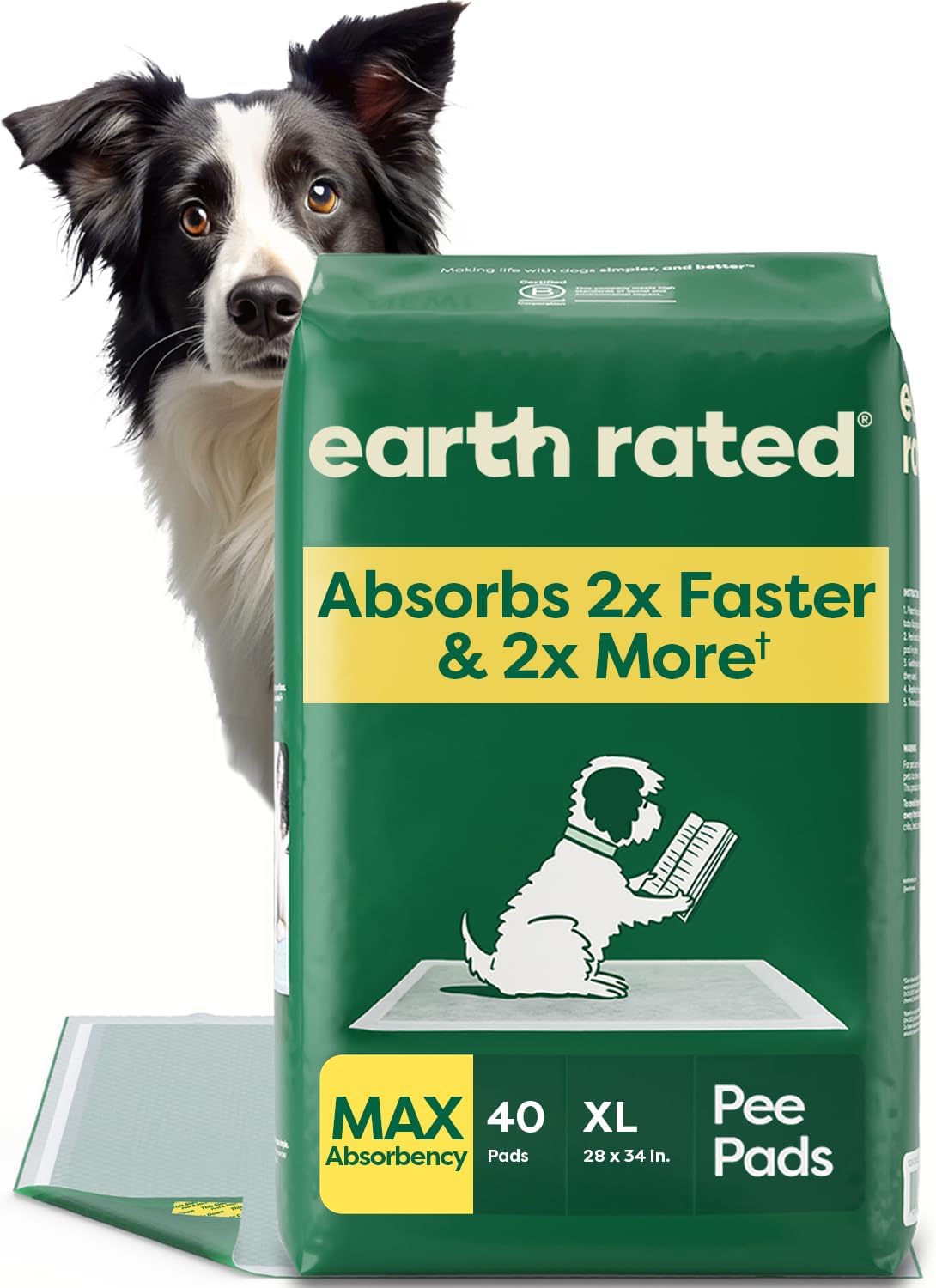
Earth Rated XL Dog & Puppy Pee Pads, Discreet Top, Max Absorbency
Check Price on AmazonAs an Amazon Associate, we earn from qualifying purchases.
10/7/2026 1:28 pm GMTi
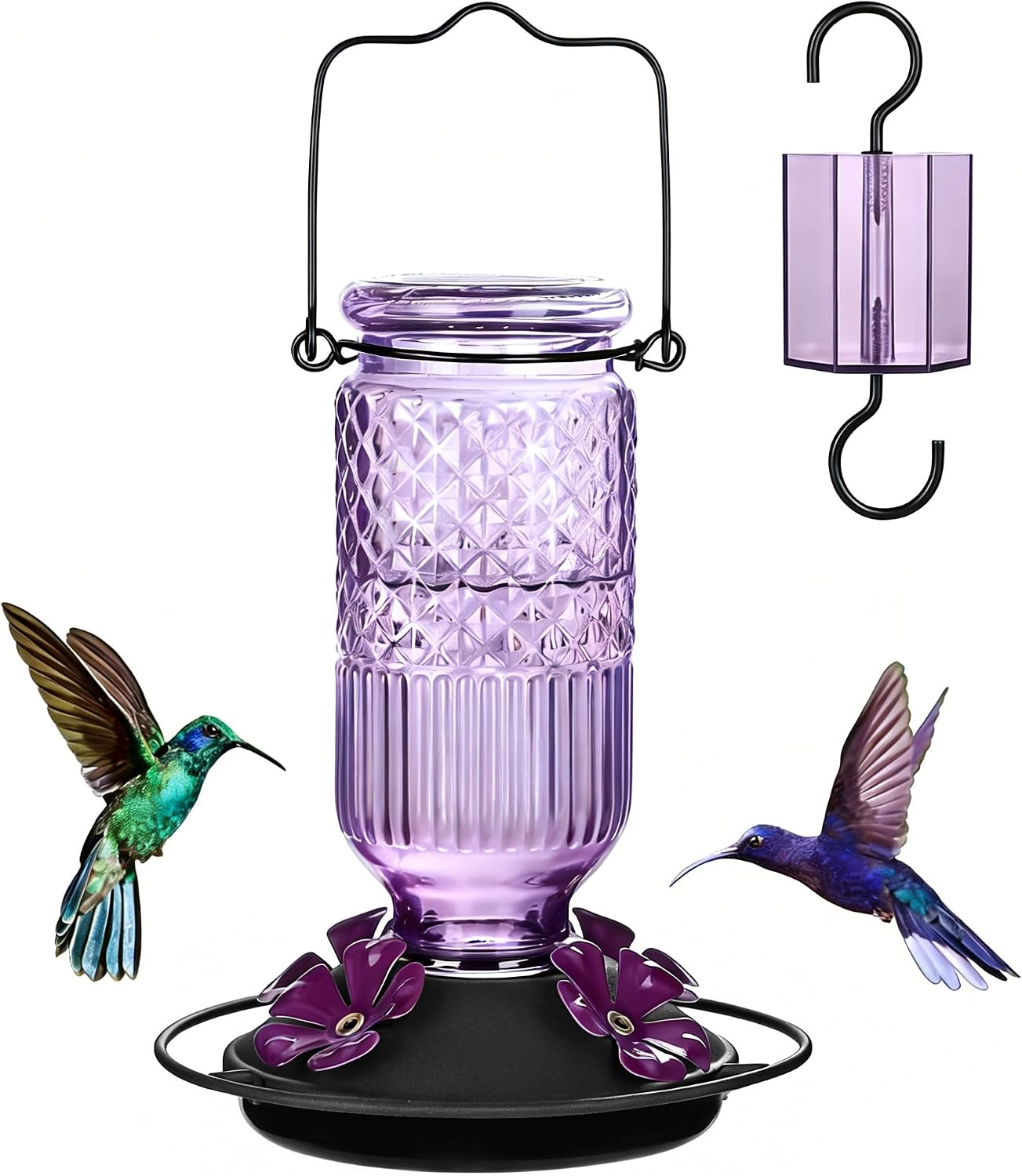
Glass Hummingbird Feeder for Outdoors Hanging, 16 oz Leak-Proof Nectar Feeder with Bee Guards & Ant Moat
Check Price on AmazonAs an Amazon Associate, we earn from qualifying purchases.
10/7/2026 1:22 pm GMTi
15. Encourage Snakes

🔥 Would you like to save this?
We'll email this post to you, so you can come back to it later!
This might sound in contradiction to earlier suggestions, but you’ll be surprised to learn how some non-venomous snakes can be helpful to your garden. Some garden snakes can be beneficial for your garden to control small rodents like grasshoppers, slugs and more.
Conclusion

🔥 Would you like to save this?
We'll email this post to you, so you can come back to it later!
Dealing with garden pests doesn’t have to involve toxic chemicals. With these ten natural remedies, you can protect your garden in an environmentally friendly way. Each method has its strengths and is best used in combination for comprehensive pest management. By choosing natural solutions, you not only keep your plants healthy but also contribute to a safer, more sustainable gardening practice. Happy gardening!

- 15 Natural Remedies for Removing Garden Pests - November 10, 2026
- 15 Small Dog Breeds With Big Dog Attitudes - November 10, 2026
- Rescued Feral Cat Turns into Blue-Eyed Beauty - November 10, 2026
Leave a comment
You must be logged in to post a comment.