

People often notice patterns in their surroundings that feel too consistent to ignore. A particular bird might land on the same windowsill day after day, or a fox could cross the path during evening walks with surprising regularity. These moments spark curiosity about whether something deeper is at play beyond coincidence.
Spiritual traditions across many cultures have long treated recurring animal encounters as potential messages. The idea is that animals carry symbolic qualities that can reflect inner states or upcoming shifts. Exploring these interpretations offers one way to make sense of the repetition without dismissing everyday observation.
Animal Symbolism Across Different Traditions
🔥 Would you like to save this?
We'll email this post to you, so you can come back to it later!
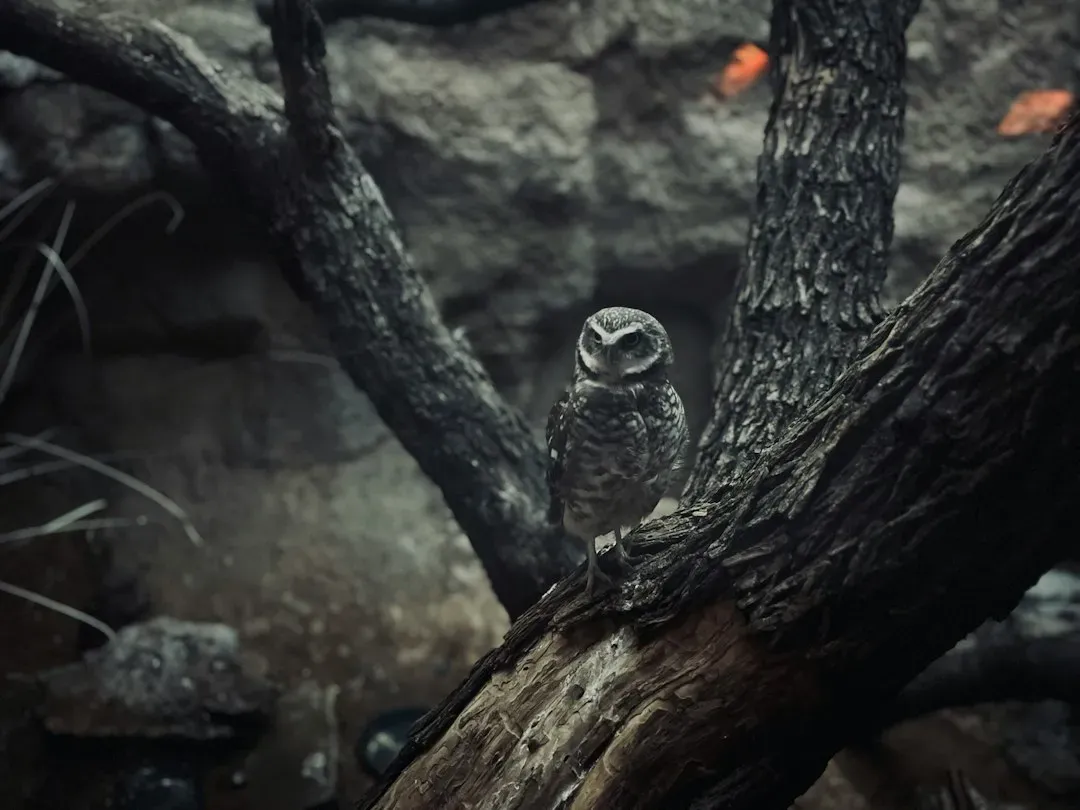
Many spiritual systems assign specific qualities to animals based on their natural behaviors and habitats. For instance, owls often represent wisdom and the ability to see through deception because of their nocturnal vision and silent flight. Snakes frequently symbolize transformation since they shed their skin in cycles that mirror personal growth phases.
These associations appear in indigenous practices, ancient mythologies, and modern interpretive frameworks alike. They draw from observable traits rather than abstract invention. Readers can compare notes from various sources to see how overlapping themes emerge across time and place.
Recognizing Repetition as a Potential Signal
🔥 Would you like to save this?
We'll email this post to you, so you can come back to it later!
When the same creature shows up multiple times in short succession, some traditions suggest paying closer attention to surrounding circumstances. The timing might coincide with decisions, emotional shifts, or external changes that warrant reflection. This pattern recognition forms a basic step in many symbolic approaches.
Context matters because an animal seen in a dream carries different weight than one encountered during a commute. Frequency also plays a role, as isolated sightings rarely receive the same emphasis as sustained appearances. Keeping a simple log of dates and details can help clarify whether a genuine pattern exists.
Common Animals and Their Typical Interpretations
🔥 Would you like to save this?
We'll email this post to you, so you can come back to it later!
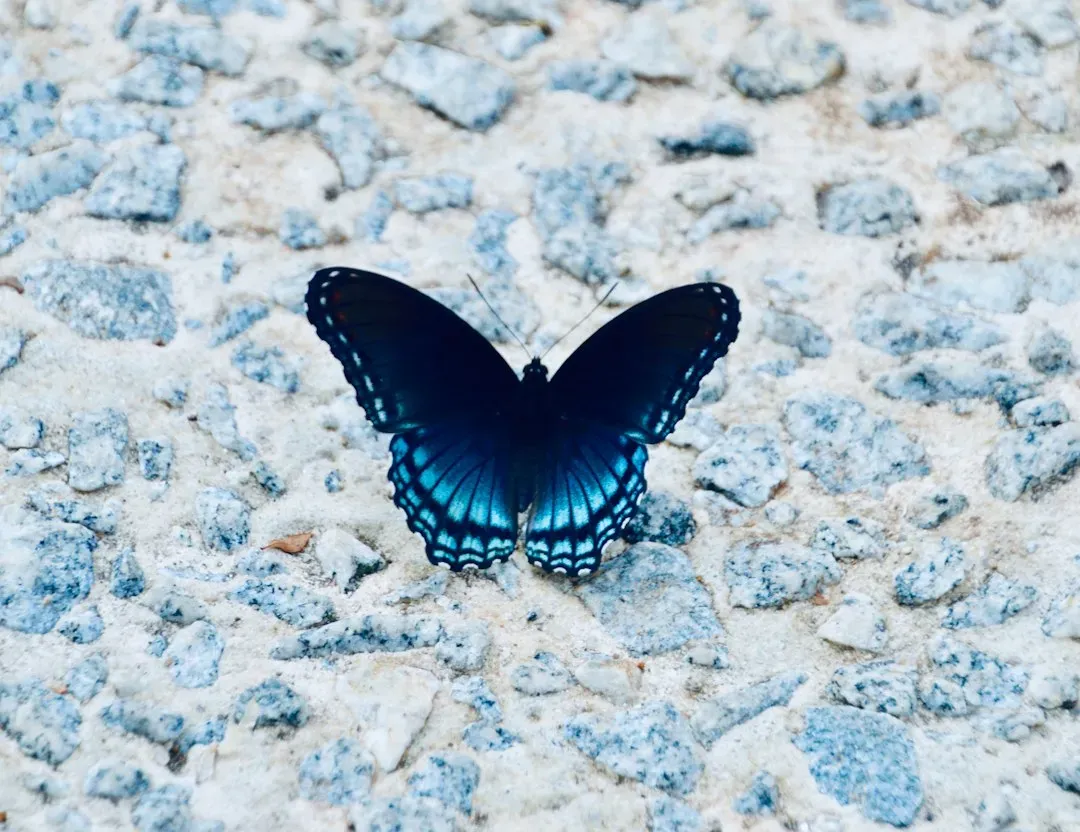
Butterflies often link to themes of change and lightness because of their metamorphosis from caterpillar to winged form. Deer tend to evoke gentleness and heightened awareness, given their alert posture and graceful movement through forests. Ravens appear in several narratives as figures connected to mystery and intelligence due to their problem solving abilities and dark plumage.
Each interpretation remains flexible rather than fixed. A person might connect a recurring squirrel sighting with resourcefulness and preparation for future needs. Another individual could view the same animal through a lens of playfulness and adaptability. Personal resonance ultimately shapes how the symbol lands.

Smart Bird Feeder with Camera Solar Powered, 2K HD Live Video, 10,000+ Bird Species AI Identification
Check Price on AmazonAs an Amazon Associate, we earn from qualifying purchases.
10/7/2026 1:22 pm GMTi

Halloween Dog Collar with Bow, Orange Cute Ghost Collar,
Check Price on AmazonAs an Amazon Associate, we earn from qualifying purchases.
10/9/2026 2:43 pm GMTi

Halloween Cat Costume Cloak Witch Hat Pet Accessories
Check Price on AmazonAs an Amazon Associate, we earn from qualifying purchases.
10/9/2026 2:44 pm GMTi

Professional 7 in 1 Dog Paw Cleaner for Dogs & Cats - Includes 1 Portable Paw Washer, 1 Bath Brush
Check Price on AmazonAs an Amazon Associate, we earn from qualifying purchases.
10/7/2026 1:26 pm GMTi

PetSafe Oasys Pet Fountain, 1/2 Gallon (64 oz), Small Dogs & Cats
Check Price on AmazonAs an Amazon Associate, we earn from qualifying purchases.
10/8/2026 8:14 am GMTi
Context and Personal Circumstances Matter
🔥 Would you like to save this?
We'll email this post to you, so you can come back to it later!
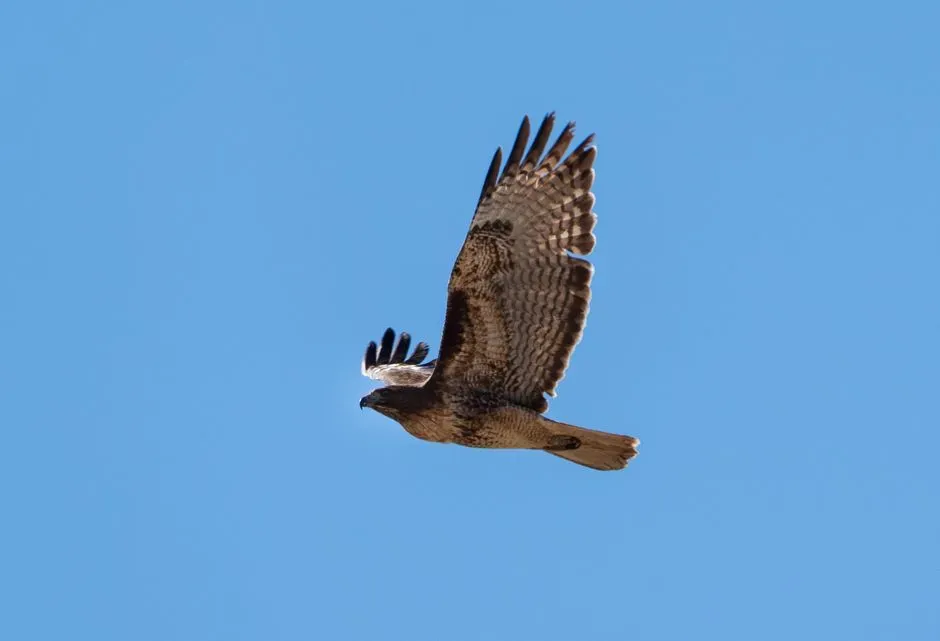
The meaning attached to an animal often shifts depending on what is happening in daily life at the time of the encounters. Someone facing a career transition might read a repeated hawk sighting as encouragement toward clearer vision and decisive action. In contrast, the same bird during a period of grief could suggest protection or a reminder to rise above immediate pain.
Emotional state during the sighting adds another layer. Feeling calm versus startled can influence whether the experience registers as supportive or cautionary. Journaling immediate reactions alongside the event helps preserve these nuances for later review.
Practical Steps for Engaging with These Experiences

🔥 Would you like to save this?
We'll email this post to you, so you can come back to it later!
One approach involves quiet observation without immediate pressure to assign meaning. Sitting with the image or memory for a few minutes allows initial impressions to surface naturally. Meditation or simple breathing exercises can create space for insights that feel authentic rather than forced.
Consulting established resources on animal symbolism provides additional reference points without replacing individual intuition. Books and community discussions offer starting frameworks that people adapt over time. The goal remains integration rather than rigid adherence to any single system.

Earth Rated XL Dog & Puppy Pee Pads, Discreet Top, Max Absorbency
Check Price on AmazonAs an Amazon Associate, we earn from qualifying purchases.
10/7/2026 1:28 pm GMTi

Dog Stairs for Bed 18" H, 4-Step Dog Steps for High Bed
Check Price on AmazonAs an Amazon Associate, we earn from qualifying purchases.
10/9/2026 2:42 pm GMTi

2 Pcs Halloween Pet Hat Bandana Set, Witch Pumpkin Costumes for Dogs
Check Price on AmazonAs an Amazon Associate, we earn from qualifying purchases.
10/9/2026 2:45 pm GMTi

Glass Hummingbird Feeder for Outdoors Hanging
Check Price on AmazonAs an Amazon Associate, we earn from qualifying purchases.
10/7/2026 1:21 pm GMTi

Portable Dog Water Bottle Foldable Dog Travel Water Bottle
Check Price on AmazonAs an Amazon Associate, we earn from qualifying purchases.
10/7/2026 1:29 pm GMTi
Distinguishing Symbolism from Everyday Patterns
🔥 Would you like to save this?
We'll email this post to you, so you can come back to it later!
Not every repeated sighting requires a spiritual overlay. Animals follow predictable routes for food, shelter, and mating, which can produce regular appearances in human spaces. Urban expansion sometimes brings wildlife closer to homes, creating the impression of messages where habitat overlap explains the frequency.
Balancing openness with grounded awareness prevents overinterpretation. If the encounters align with known behavioral patterns of the species, that information can coexist with any symbolic reading. This dual perspective keeps the experience enriching without detaching from observable reality.

Hand Blown Glass Hummingbird Feeders for Outdoors Hanging, 24oz Wild Bird Nectar Feeder
Check Price on AmazonAs an Amazon Associate, we earn from qualifying purchases.
10/7/2026 1:23 pm GMTi

Air Purifiers for Home Pets Large Room Up to 3000 Ft²,HEPA Air Cleaner with Washable Double-Side Filter, PM2.5 Air Quality Monitor,15dB Sleep Mode for Bedroom Odor Dust Pollen,White
Check Price on AmazonAs an Amazon Associate, we earn from qualifying purchases.
10/8/2026 8:23 am GMTi

Glass Hummingbird Feeder for Outdoors Hanging, 16 oz Leak-Proof Nectar Feeder with Bee Guards & Ant Moat
Check Price on AmazonAs an Amazon Associate, we earn from qualifying purchases.
10/7/2026 1:22 pm GMTi

Orthopedic Extra Large Dog Bed, Waterproof Washable XL Pet Bed 44"
Check Price on AmazonAs an Amazon Associate, we earn from qualifying purchases.
10/7/2026 1:32 pm GMTi
Reflecting on Personal Meaning
🔥 Would you like to save this?
We'll email this post to you, so you can come back to it later!
Ultimately these recurring animals invite a pause for self examination rather than delivering universal answers. The process encourages noticing inner shifts that might otherwise pass unnoticed. Over time the practice can sharpen attention to both external signs and internal responses.
Whether viewed through cultural lenses or personal intuition, the value lies in the reflection it prompts. Such moments remind people that the natural world continues to intersect with human experience in subtle ways. Staying curious while remaining anchored in daily life turns these appearances into opportunities for quiet insight.

- These Amazing Animals Can See Colors Humans Can Only Dream Of - November 10, 2026
- 9 Astonishing Hunting Skills That Set the Jaguar Apart From All Other Cats - November 10, 2026
- 18 Horse Breeds Equine Dentists Say Are Nearly Impossible to Keep Comfortable - November 10, 2026