
When you think about piercing blue eyes, you probably picture a celebrity or perhaps your blue-eyed neighbor. Rarely do animals come to mind. Yet nature has blessed some of the most unexpected creatures with this mesmerizing trait.
Blue eyes are rare in the animal kingdom, linked to recessive genetics, mutations, and specific genes, though many species still possess beautifully rich blue eyes. From the depths of the ocean to high mountain ranges, these creatures defy expectations. It’s easy to forget that beyond our human experience, there’s an entire world filled with wildlife sporting the most enchanting azure irises. So let’s discover these exceptional animals.
Siberian Husky
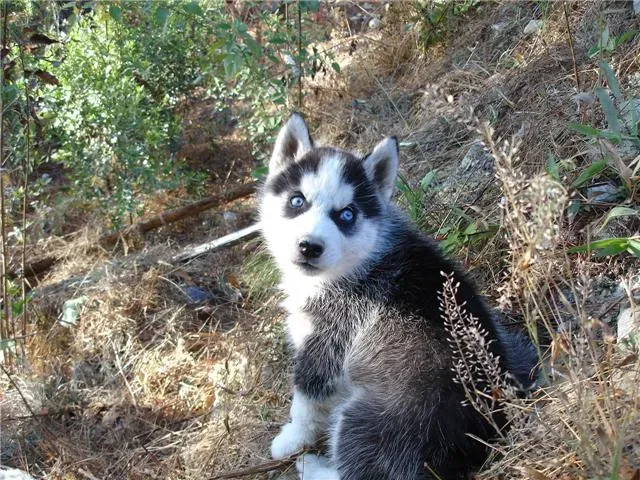
Let’s kick things off with probably the most famous blue-eyed animal on the planet. Siberian huskies have some of the most stunning light blue eyes, and a chromosomal abnormality resulting in less melanin in their irises contributes to their unique eye color. Think about it, when someone says blue-eyed dog, this breed instantly springs to mind.
These working dogs from the frozen tundra don’t just have beautiful eyes by accident. The lack of pigmentation gives them an almost otherworldly appearance, especially when they’re surrounded by snow. It’s no wonder they’re one of the most photographed dog breeds around.
White Tiger
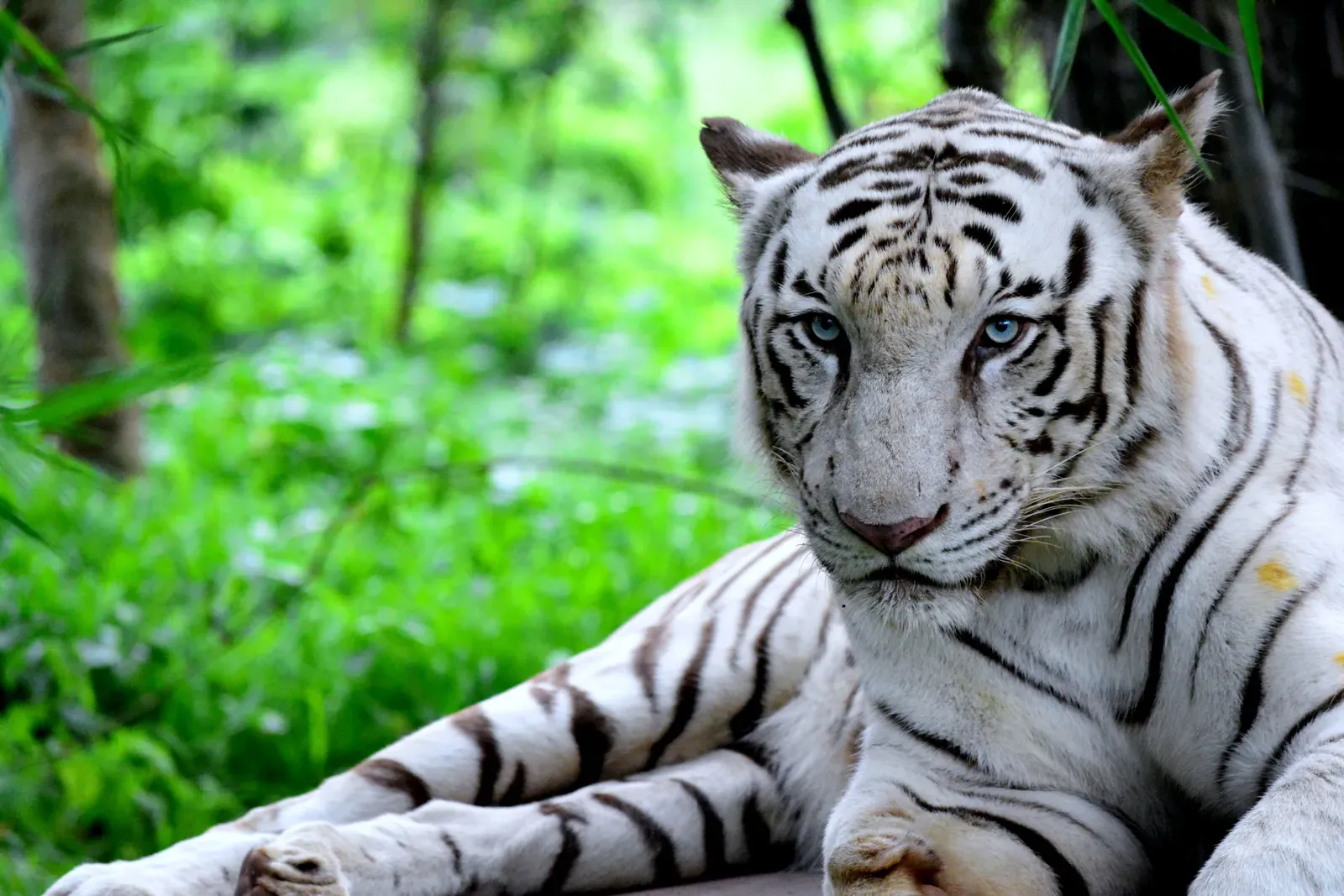
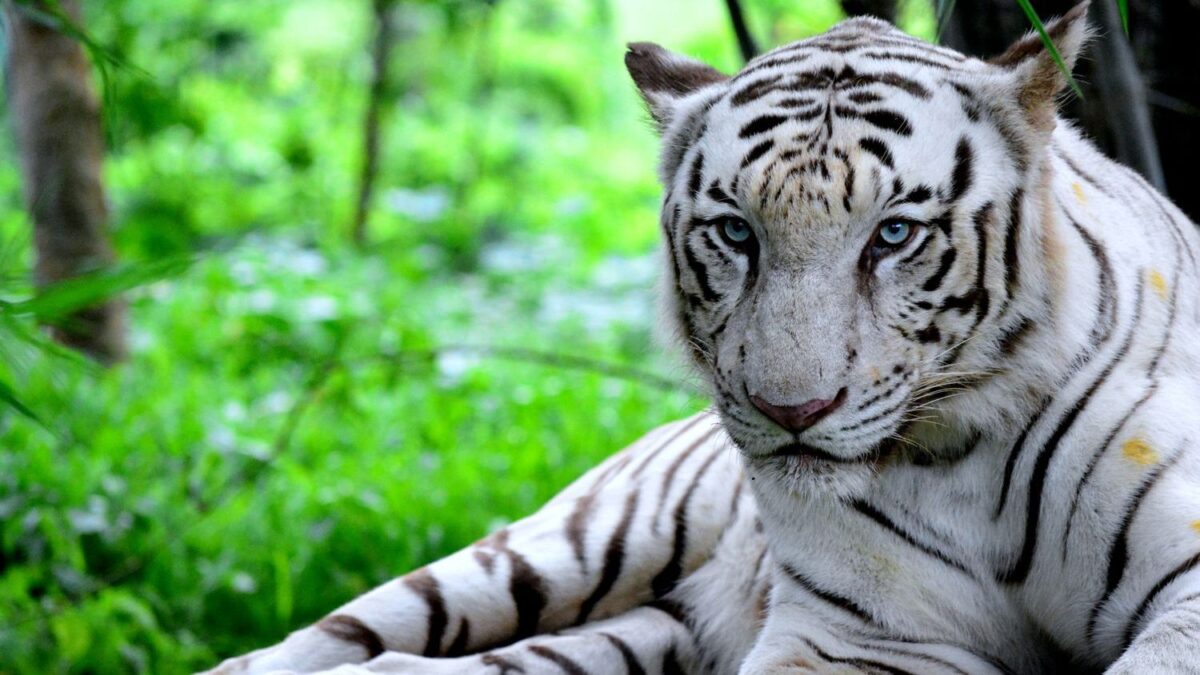
White tigers are impossibly striking, and their eyes are a major reason why. White tigers possess stunningly beautiful blue eyes, and unlike other animals, the gene responsible for blue eyes is linked to white fur. The combination of snow white fur and sapphire eyes creates a visual impact that’s hard to forget.
The blue eyes in white tigers result from a genetic mutation affecting pigmentation, leading to lack of color in their fur and the stunning blue hue in their eyes. Seeing one in person feels almost surreal, like encountering a creature from mythology rather than reality.
Blue-Eyed Black Lemur
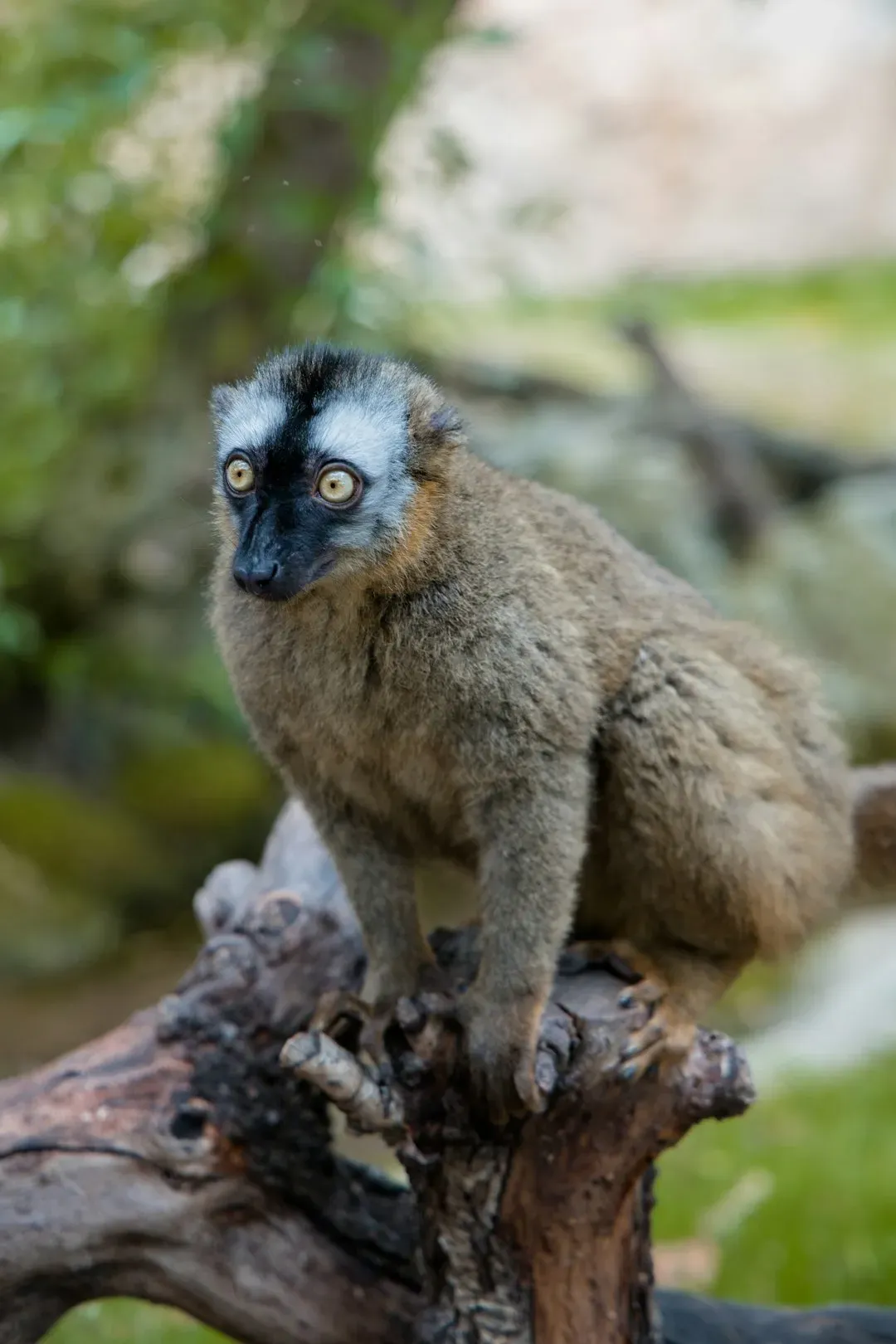
Here’s where things get truly fascinating. Despite most primates having dark-pigmented irises, some, like the black lemur, have predominantly blue eyes. This makes them incredibly special in the primate world. Blue-eyed black lemurs, along with humans, are the only known primates with blue eyes.
These lemurs live in fragmented tropical forests on the northwestern tip of Madagascar and are considered one of the most endangered primates in the world. Their electric blue eyes create a stunning contrast against their dark fur, making them one of nature’s most beautiful contradictions.
Siamese Cat
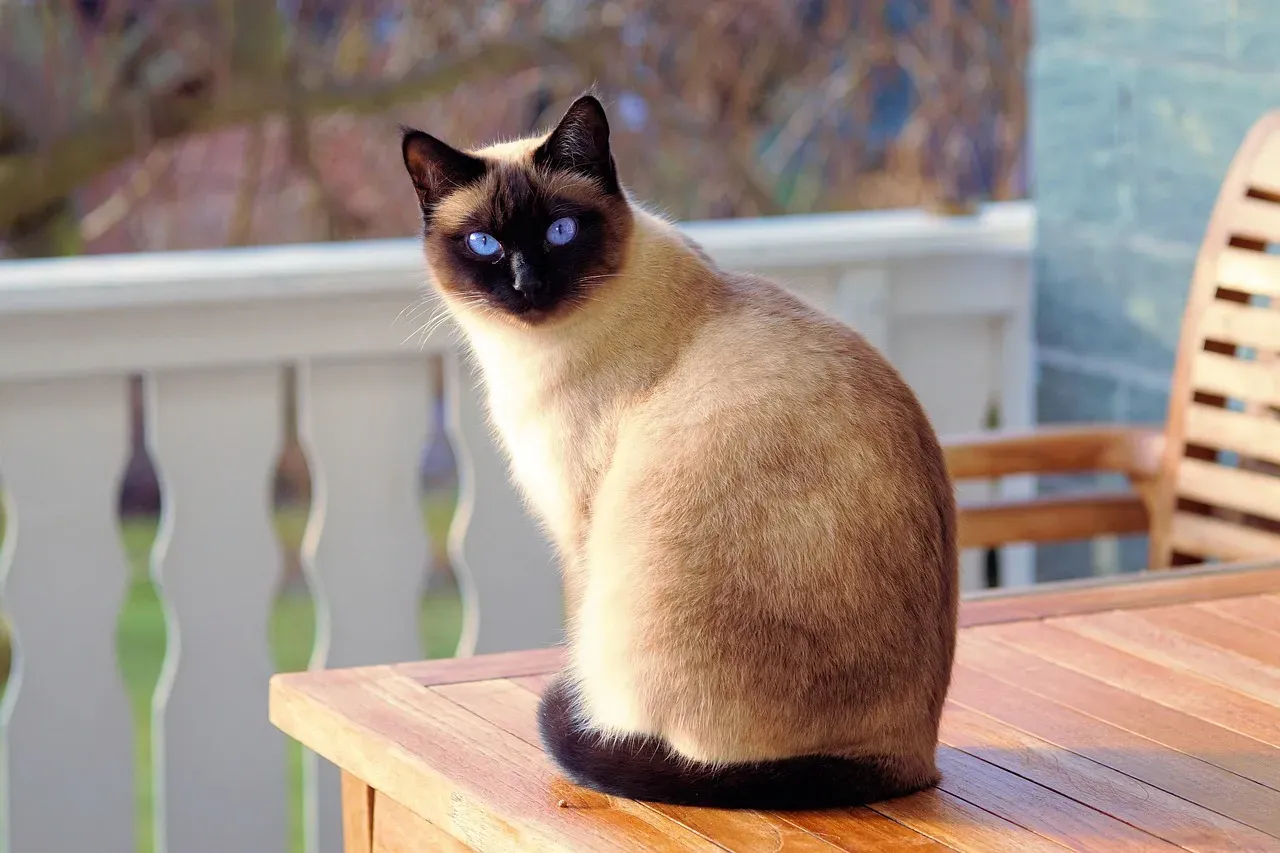
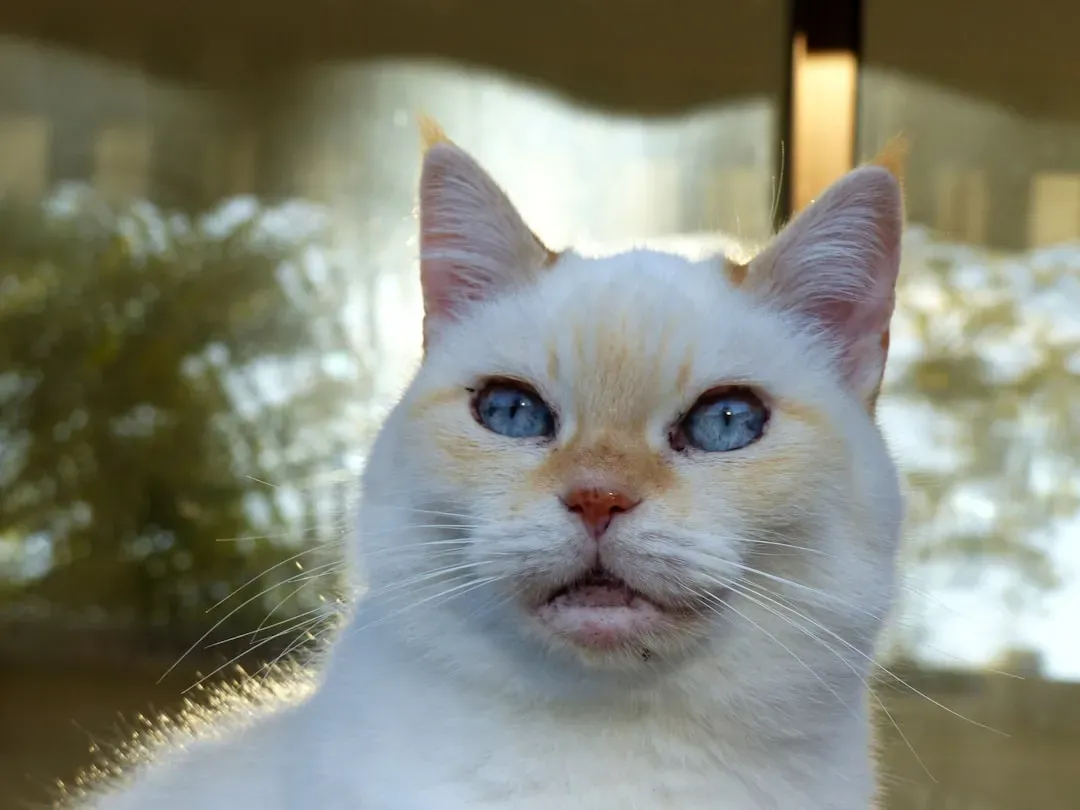
Siamese cats have captivated humans for centuries, and those brilliant blue eyes are a huge part of their appeal. Siamese cats have some of the most beautiful eyes of any cat breed, and an albino gene causes the blue pigmentation. Every Siamese owner will tell you about getting lost in that azure gaze.
The gene causes a lack of pigmentation in their eyes, which makes their irises appear azure blue. It’s worth noting that this isn’t just a random color variation. The genetics behind those eyes are the same reason for their distinctive pointed coat pattern, making the entire package incredibly unique.
Alaskan Klee Kai

This miniature husky lookalike packs the same stunning eye color as its larger cousin. The Alaskan Klee Kai breed can have blue eyes but also other colors like brown, hazel, and green depending on genetics, though in most cases the breed lacks the Merle gene and has low pigmentation resulting in blue eye color. They’re like pocket-sized versions of beauty.
Their compact size combined with those piercing blue eyes makes them incredibly popular among dog enthusiasts. Honestly, it’s hard to resist a dog that looks like a wolf puppy but stays small enough to cuddle comfortably.
Blue-Eyed Leucistic Ball Python

Snakes with blue eyes? Absolutely. The blue-eyed leucistic ball python is known for its stunning light blue eyes and is easily identifiable due to completely white scaling, and it’s known as the Blue Eyed Lucy or BEL and is extremely rare. This reptile is something reptile enthusiasts dream about owning.
The contrast between pure white scales and pale blue eyes creates an almost ghostly appearance. For breeding to produce blue eyes and coloring, successful low pigmentation needs to be inherited from a Butter, Lesser, Mojave, Phantom, or Russo snake. The genetic complexity behind creating these stunning creatures is remarkable.
White Camel
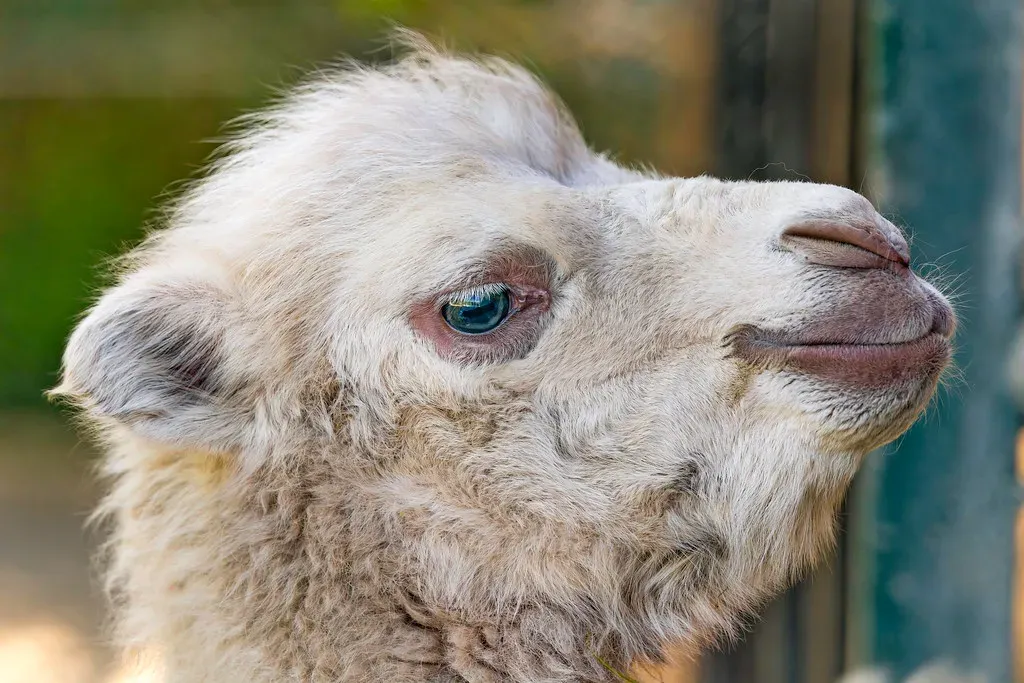
Camels with blue eyes might sound made up, yet they exist. Camels with white colored fur often have lighter eyes, specifically blue, and some camels such as piebald camels with more white on their head end up with blue eyes. Imagine encountering one in the desert, those blue eyes staring at you from beneath long lashes.
They are also known for developing heterochromia of the iris, which can result in one brown and one blue eye. The sight of a blue-eyed camel against golden sand dunes is something photographers travel thousands of miles to capture.
Blue-Eyed Anglehead Lizard
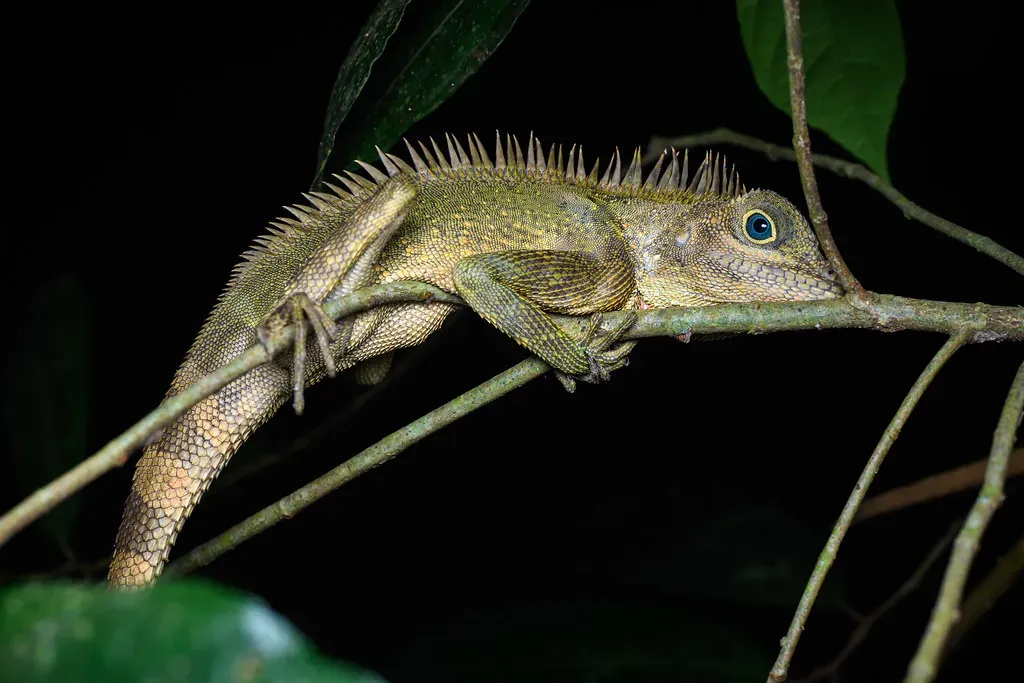
Not all blue-eyed creatures are mammals or birds. The Blue-Eyed Anglehead Lizard has large, beautiful, vibrant blue eyes. What makes this lizard particularly interesting is the gender difference. Only males of the species have blue-colored irises, likely tied to the Y chromosome, as females tend to have brown eyes.
This sexual dimorphism makes the males instantly recognizable. When you spot one with those brilliant blue eyes staring back at you from a tree branch, you know immediately you’re looking at a male.
Horses With Blue Eyes
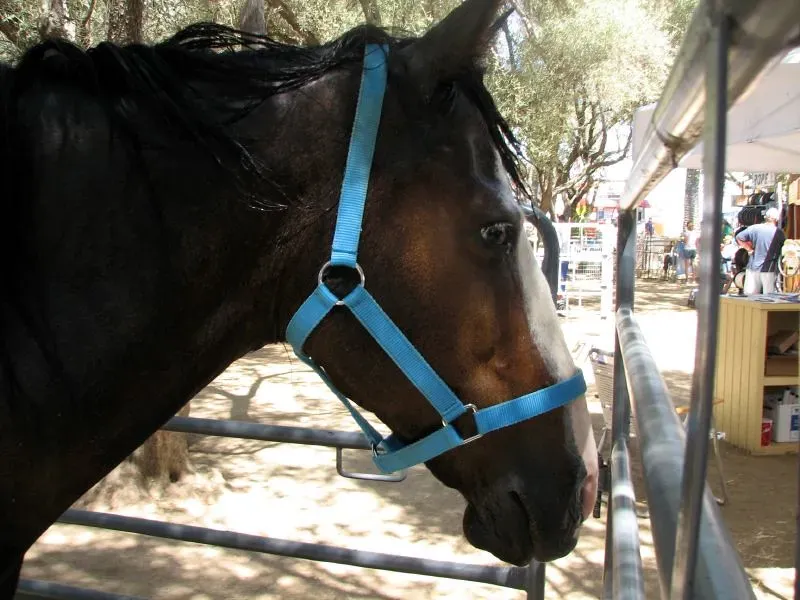
Horses are already majestic, but add blue eyes and they become absolutely breathtaking. Horses can have beautiful blue or brown eyes depending on genetics, and breeds with white markings or light-colored coats such as the Akhal Teke are more likely to develop blue eyes. The cremello and perlino horses are particularly known for this trait.
Lighter coats and markings affect melanin levels, so horses will have low melanin in their irises creating a blue color. Watching a horse with blue eyes gallop across a field is like witnessing liquid silver in motion.
Turkish Angora Cat

These elegant felines deserve their own spotlight. Unlike other cat species, the Turkish Angora has a unique gene that affects its eye color, and their vibrant blue eyes are tied to a gene responsible for their hearing loss and white fur coat. The genetic connection is bittersweet.
Despite the potential for deafness, these cats live full, happy lives. Their flowing white coat combined with those striking blue eyes makes them look like they stepped out of a fairytale.
Arctic Fox
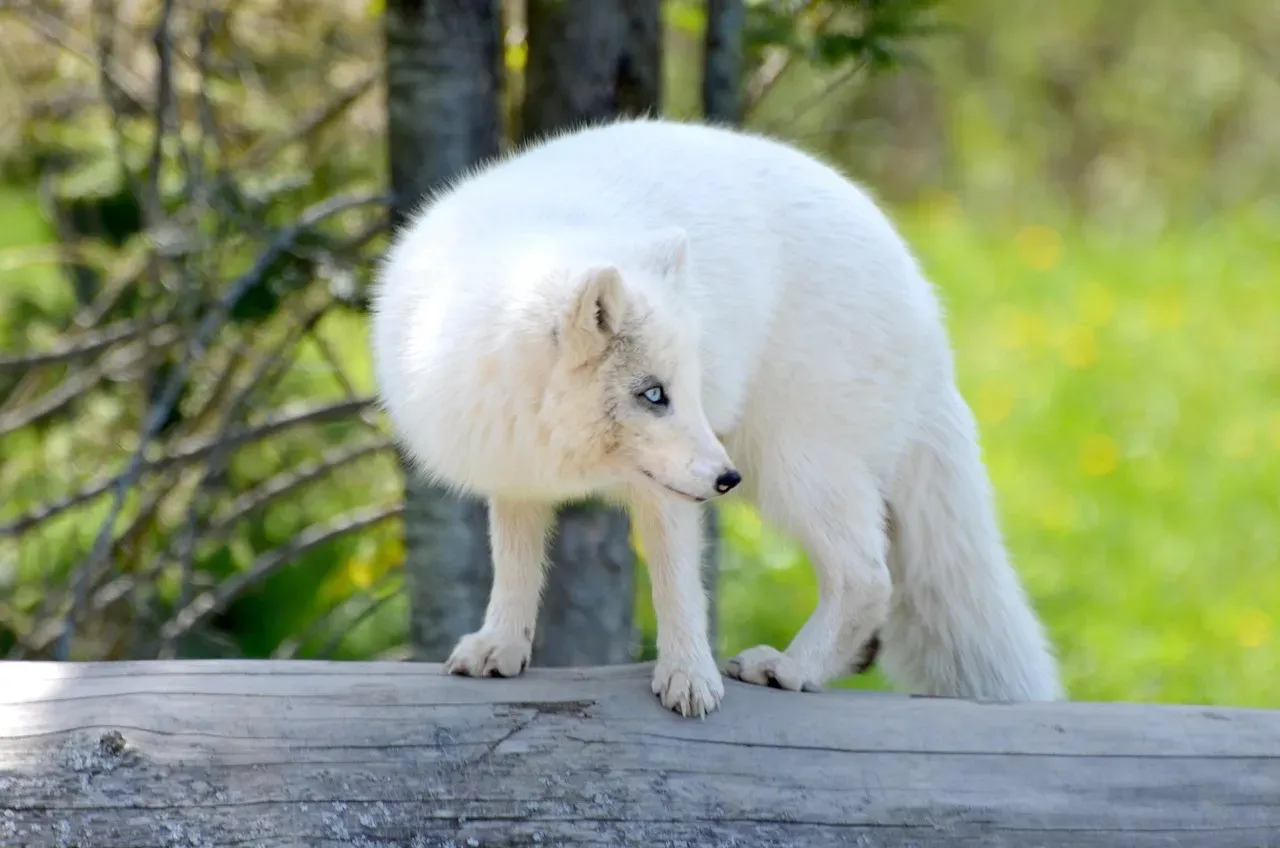
The Arctic fox is one of the only mammals known to have blue eyes. This cold-weather specialist sports eyes that mirror the ice and snow of its habitat. Picture this fox’s white winter coat blending into the landscape while those blue eyes remain visible, tracking prey beneath the snow.
The evolutionary advantage of blue eyes in such a bright, reflective environment is still debated among scientists. What’s certain is that they’re absolutely gorgeous and perfectly suited to the Arctic fox’s ethereal appearance.
Baby Snow Leopard
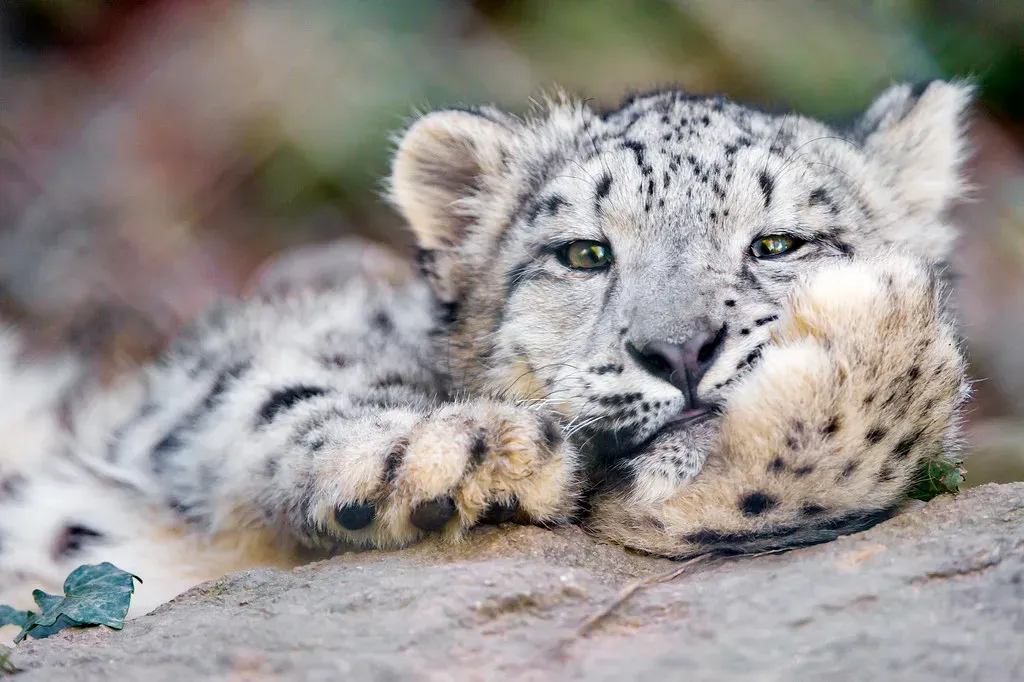
Here’s something heartwarming to consider. Baby snow leopards are born with blue eyes. Cubs are born with the most mesmerizing blue eyes due to their limited exposure to light and reduced levels of melanin production leading to a lighter shade of eye coloration. Though they eventually change color as the cubs mature, those early weeks are absolutely precious.
As cubs begin to age and exposure to light increases, so do their levels of melanin production, ultimately leading to a change in the color of their eyes. Still, those baby pictures with bright blue eyes capture hearts worldwide.
Blue-Eyed Shag
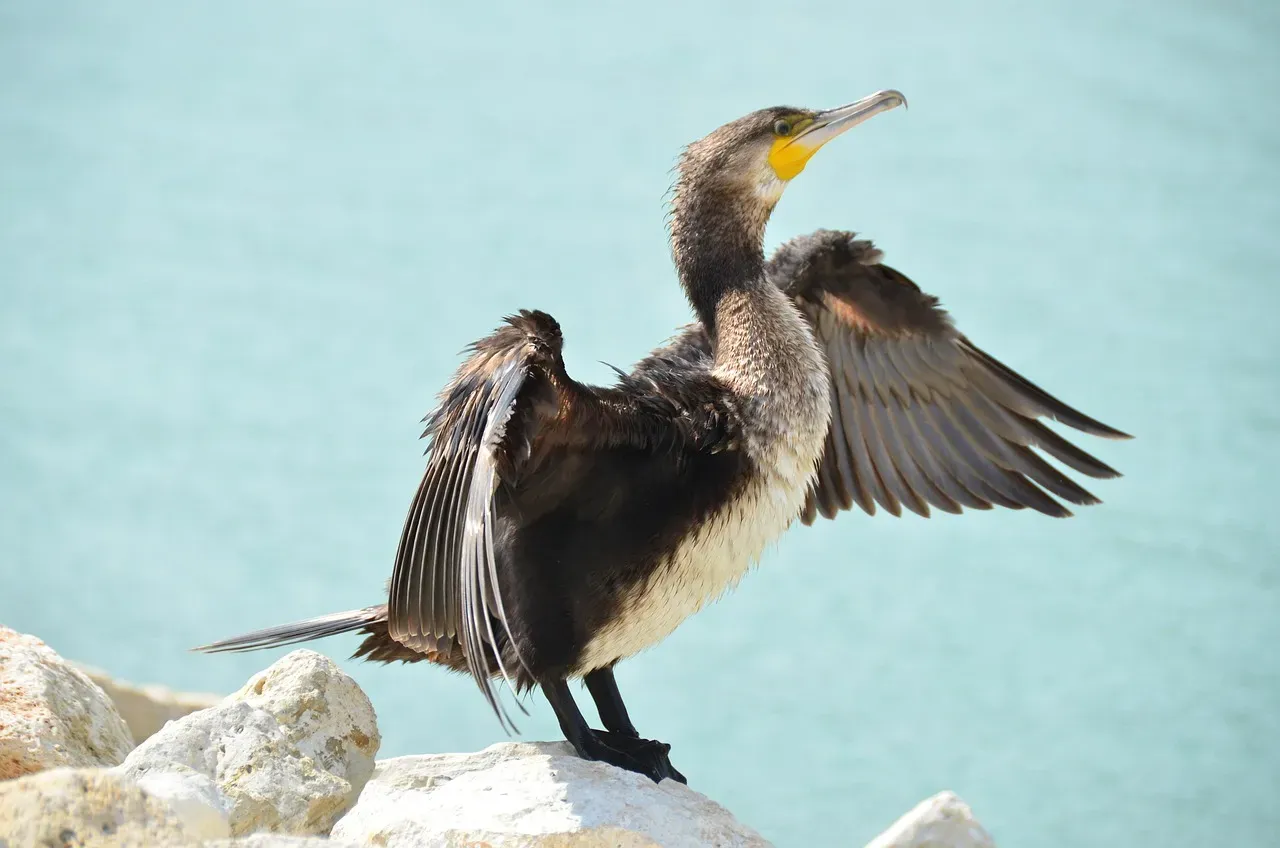
Also called the Antarctic shag, this bird has an interesting twist. The blue-eyed shag has a blue, purple, or red ring around its eye with a black iris, and many people mistake the ring as part of their eye, but it’s blue-colored skin that encases the eye. The visual effect is stunning regardless of the technicality.
There are 14 species of this bird, meaning there is a lot of variety in eye coloring. Spotting these birds in their natural Antarctic habitat, with their distinctive eye rings, is a bucket list moment for birdwatchers.
Young Mountain Lion
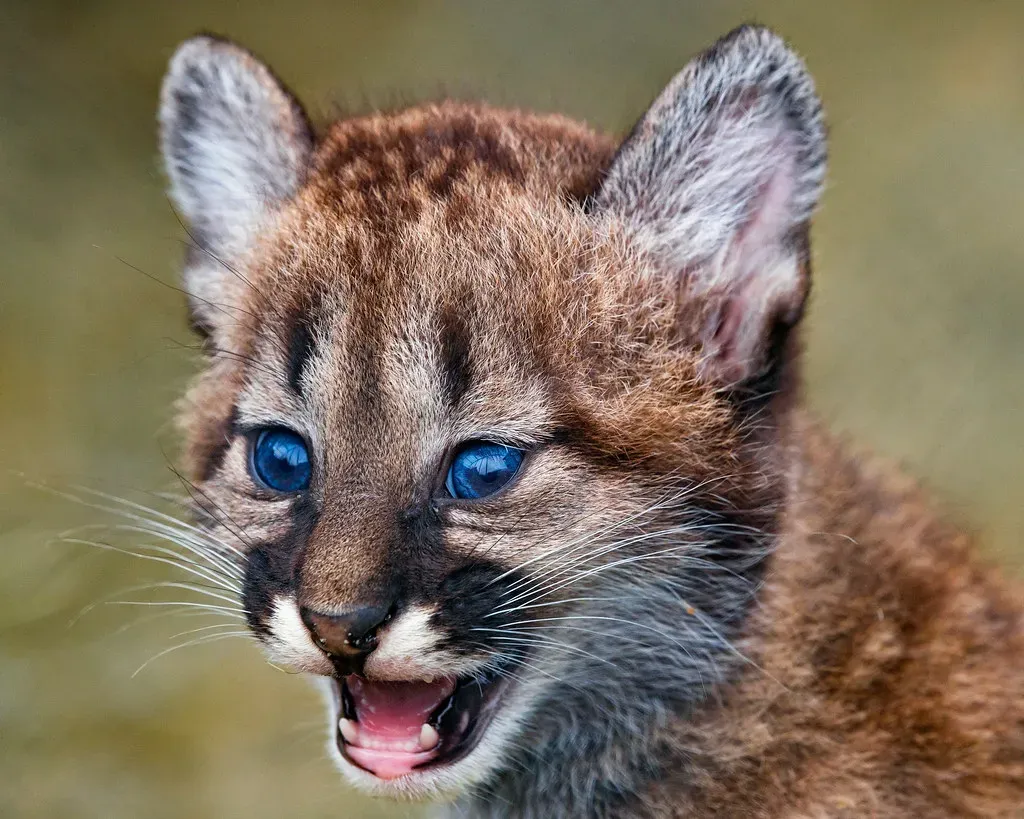
Mountain lion cubs offer a temporary glimpse of blue-eyed beauty. Mountain lions are born with blue eyes, but the pigment changes to golden brown over time, with young mountain lions having blue eyes that stay pigmented until they reach 16 months of age. It’s like nature gives them a starter color before revealing their permanent shade.
From this time, their eyes tend to switch to a brown or amber color. Wildlife photographers treasure those rare shots of blue-eyed mountain lion cubs before the transformation happens.
Rabbits
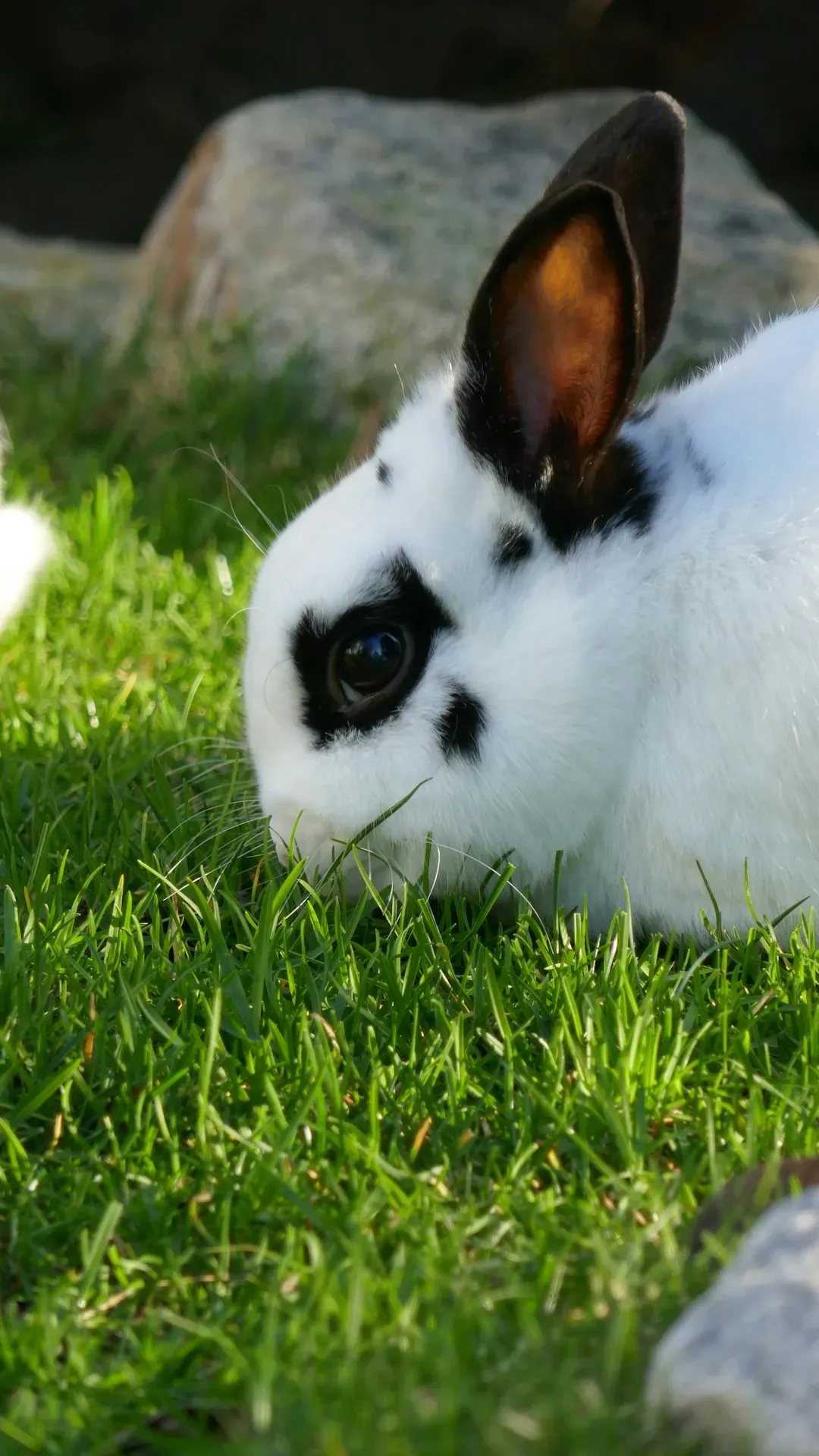
Rabbits round out our list with their delicate beauty. Almost all species of rabbits can inherit blue eyes, though a rabbit’s eye color works differently from other animals, as instead of relying on melanin, a rabbit’s eye turns blue from the size of two-particle pigments. The science behind rabbit eye color is genuinely unique.
Rabbits with larger particles tend to develop brown eyes, while smaller particles result in blue eyes. Blue-eyed bunnies, especially white ones, look like they hopped straight out of a children’s storybook.
Conclusion
Blue eyes in the animal kingdom represent far more than just aesthetic beauty. They’re windows into genetics, evolution, and the incredible diversity of life on Earth. From the icy stare of a Siberian husky to the delicate gaze of a blue-eyed rabbit, each creature demonstrates nature’s artistic range.
These animals remind us that beauty manifests in unexpected places and forms. The rarity of blue eyes across species makes each encounter something special, whether you’re gazing at a white tiger in a sanctuary or spotting a blue-eyed lemur in Madagascar’s forests. Which of these stunning creatures surprised you the most? The animal kingdom never stops amazing us with its visual wonders.
