

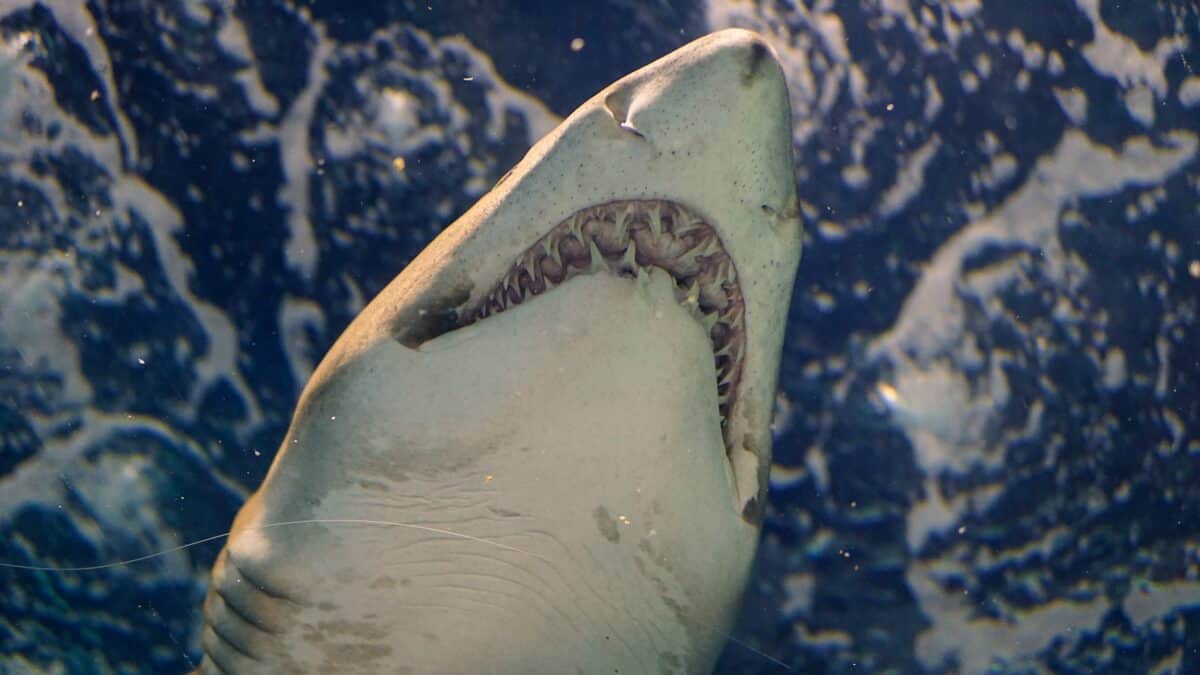
Sharks have patrolled Earth’s oceans for over 450 million years, surviving multiple mass extinctions and evolving into nature’s most efficient marine predators. Their remarkable evolutionary journey has equipped them with specialized adaptations that make them perfectly suited for hunting in diverse aquatic environments. From their hydrodynamic bodies to their incredible sensory abilities, sharks represent the pinnacle of predatory evolution in the world’s oceans. This article explores 15 fascinating adaptations that have allowed sharks to maintain their position as apex predators in marine ecosystems worldwide.
15. Hydrodynamic Body Shape

Sharks possess remarkably streamlined bodies that minimize drag as they move through water. Their fusiform shape—tapered at both ends like a spindle—allows water to flow smoothly around them, reducing resistance and enabling efficient swimming. This hydrodynamic design is particularly evident in fast-swimming species like the shortfin mako shark, which can reach speeds of up to 45 mph (72 km/h). The streamlining extends to their fins as well, which are positioned to provide stability and control while maintaining their sleek profile. This evolutionary masterpiece of design allows sharks to conserve energy while maintaining the speed and maneuverability essential for successful hunting.
14. Powerful Tail Fins

A shark’s caudal (tail) fin is its primary propulsion mechanism, providing the thrust needed for both sustained swimming and explosive bursts of speed. Unlike most fish with symmetrical tail fins, sharks typically have heterocercal tails, where the upper lobe is larger than the lower lobe. This asymmetrical design generates lift as well as forward momentum, helping to counterbalance the natural downward pull that would otherwise occur due to their lack of a swim bladder. The strong muscles that power these tail fins contain high concentrations of red muscle fibers in species that swim continuously, such as the oceanic whitetip, while ambush predators like the great white shark have more white muscle fibers for short bursts of extreme speed. This specialization in tail design and musculature allows different shark species to employ various hunting strategies effectively.
13. Replaceable Teeth

Perhaps one of sharks’ most famous adaptations is their continual replacement of teeth throughout their lifetime. Unlike humans who get just two sets of teeth, sharks can produce thousands of teeth over their lifespan. Many species have multiple rows of teeth arranged in conveyor belt-like fashion, with new teeth developing in the rear of the mouth and gradually moving forward to replace those that fall out. This constant renewal ensures sharks always have sharp, functional teeth for hunting. The great white shark, for example, can have up to 300 teeth in its mouth at once, arranged in several rows, and may shed over 30,000 teeth in its lifetime. Each tooth is designed specifically for the shark’s feeding style—serrated for cutting through flesh in great whites, pointed for grasping slippery prey in tiger sharks, or flattened for crushing shellfish in nurse sharks.
12. Electroreception Through Ampullae of Lorenzini

Sharks possess an extraordinary sixth sense that allows them to detect electrical fields generated by all living organisms. This ability comes from specialized organs called the Ampullae of Lorenzini—small jelly-filled pores dotting their snouts that can detect even minuscule electrical currents as weak as five billionths of a volt. This remarkable sensitivity enables sharks to locate prey that may be hidden under sand or obscured in murky water, as every muscle contraction in a living creature generates a subtle electrical field. Studies have shown that some shark species can detect the electrical signature of prey from up to 8 inches (20 cm) away. This adaptation is particularly useful for locating prey that might otherwise remain hidden, giving sharks a significant advantage as predators. The system is so sensitive that sharks can also detect Earth’s electromagnetic field, potentially aiding in navigation during long migrations.
11. Superior Olfactory Abilities

A shark’s sense of smell is legendary in its sensitivity, with some species capable of detecting a single drop of blood in an Olympic-sized swimming pool. Their nostrils, located on the underside of their snout, are used exclusively for smelling rather than breathing. Water flows into these nasal passages and across highly folded tissue called olfactory lamellae, which maximize the surface area available for scent detection. The great white shark’s olfactory bulb—the part of the brain that processes smell—can make up two-thirds of its total brain mass, highlighting the evolutionary importance of this sense. This keen ability to detect chemicals in the water allows sharks to follow scent gradients to their source, often from remarkable distances. Some species, like hammerheads, can detect prey several hundred yards away, making their olfactory system one of their most valuable hunting tools.
10. Lateral Line System

Complementing their electroreception and smell, sharks possess a specialized sensory system called the lateral line, which runs along both sides of their bodies from head to tail. This system consists of fluid-filled canals with sensory hair cells that detect minute water movements, pressure changes, and vibrations in their surrounding environment. The lateral line essentially allows sharks to “feel” their surroundings remotely, detecting the movements of nearby animals, even in complete darkness or highly turbid waters. This adaptation is particularly valuable for detecting the specific movement patterns of injured or disoriented prey, which produce distinctive vibration signatures in the water. Research indicates that sharks can detect the movements of fish from up to 820 feet (250 meters) away using this system. The lateral line and electroreception work in tandem, creating a comprehensive “distant touch” sensory network that makes sharks exceptionally efficient hunters.
9. Countershading Camouflage

Many shark species display a coloration pattern known as countershading, which provides remarkable camouflage in the open ocean. This adaptation features a darker upper surface (dorsal side) and lighter underside (ventral side), effectively breaking up the shark’s silhouette when viewed from different angles. When seen from above, the shark’s dark back blends with the darker depths below, while from underneath, its light belly merges with the sunlit surface waters above. This natural camouflage allows sharks to approach prey while remaining relatively invisible, increasing their hunting success. The blue shark exemplifies this adaptation with its deep indigo upper body and bright white underside, perfectly suited for its open-ocean hunting environment. Some species, like the tiger shark, combine countershading with patterns that help break up their outline when hunting in complex environments like reef systems or seagrass beds.
8. Dermal Denticles

Unlike most fish that have scales, sharks are covered in tiny tooth-like structures called dermal denticles or placoid scales. These microscopic features have a similar composition to teeth, with an inner pulp cavity, middle layer of dentine, and outer layer of hard enamel-like material. The denticles point backward along the shark’s body and are arranged in diamond patterns that reduce turbulence as water passes over the skin. This adaptation decreases drag by up to 8%, allowing sharks to swim more efficiently while using less energy. Additionally, denticles provide protection against ectoparasites and abrasions from rough surfaces. Research into shark skin has inspired biomimetic technologies, including high-performance swimwear and marine vessel coatings designed to reduce drag and prevent bacterial growth. Some shark species can even modify the position of their denticles to create vortices that enhance swimming efficiency during different types of movement.
7. Cartilaginous Skeleton

Unlike most vertebrates that have bones, sharks possess skeletons made entirely of cartilage—the same flexible material found in human ears and noses. This cartilaginous skeleton offers several predatory advantages. First, it makes sharks significantly lighter than if they had bone, enhancing buoyancy and reducing the energy needed to stay afloat. Second, cartilage provides greater flexibility during high-speed pursuits and sharp turns when chasing prey. The flexible skeleton also absorbs the shock of powerful biting forces, preventing injury to the shark’s own body during feeding. Some deep-sea shark species have cartilage with lower density and higher water content, providing additional buoyancy at extreme depths. Additionally, certain parts of the skeleton, like the vertebral column and jaw, are often calcified for added strength without sacrificing the weight advantage offered by cartilage.
6. Specialized Jaw Mechanics

Sharks possess remarkable jaw adaptations that maximize their predatory effectiveness. Unlike human jaws that are fused to the skull, shark jaws are attached by ligaments and cartilage, allowing them to protrude forward when striking prey—effectively extending their reach. This mechanism, called jaw protrusion, varies among species depending on their hunting strategy. For example, the goblin shark can project its jaws an astonishing distance from its face to snatch prey in a fraction of a second. Additionally, many shark species can unhinge their upper jaw from the cranium, enabling them to generate tremendous bite force. The bull shark produces up to 1,300 pounds of force per square inch (PSI), while larger species like the great white can exceed 4,000 PSI. This specialized jaw structure also allows sharks to manipulate prey with precision, from shearing through flesh to delicately plucking fish from crevices, depending on the species and its ecological niche.
5. Multiple Gill Slits

While most fish have a single gill opening on each side, sharks typically possess five to seven gill slits, depending on the species. This adaptation significantly increases the surface area available for gas exchange, allowing sharks to extract more oxygen from the water. Efficient oxygen absorption is crucial for active predators, particularly for species like the mako and great white that maintain aspects of endothermy (warm-bloodedness) and require more oxygen to fuel their high metabolism. The placement of these gill slits on the sides of the head rather than protected under a cover (as in bony fish) allows for more direct water flow when swimming forward. Some sharks, like the thresher shark, must swim continuously to push water over their gills—a process called ram ventilation. This continuous swimming not only ensures adequate oxygen supply but also keeps sharks constantly on the move to encounter new hunting opportunities across their territory.
4. Enhanced Vision

Contrary to popular belief, sharks have remarkably sophisticated vision adapted specifically for hunting. Their eyes contain a high concentration of rod cells, which excel at detecting movement and functioning in low-light conditions—perfect for hunting at dawn, dusk, or in deeper waters. Many species also possess a reflective layer behind the retina called the tapetum lucidum, which enhances their ability to see in dim conditions by reflecting light back through the retina for a second chance at detection. This structure is what causes shark eyes to glow when illuminated at night. Some sharks, including great whites, have color vision capabilities, allowing them to distinguish between different prey types. The positioning of eyes varies by species according to hunting strategy—hammerhead sharks have eyes placed at the ends of their distinctive head extensions, providing nearly 360-degree vision, while great whites have eyes that roll back into the head during attack to protect them from struggling prey.
3. Buoyancy Management

Unlike bony fish that use gas-filled swim bladders for buoyancy, sharks lack this structure and must use alternative methods to prevent sinking. Their primary solution is a large, oil-filled liver that can constitute up to 30% of their total body weight. This organ stores squalene, a low-density oil that provides natural buoyancy. Deep-sea sharks like the Portuguese dogfish have particularly large, oil-rich livers that help them maintain neutral buoyancy at extreme depths without the complications that gas-filled bladders would face under high pressure. Additionally, the cartilaginous skeleton helps reduce overall body density. Many shark species also utilize dynamic lift from their pectoral fins, which function like airplane wings to generate upward force when they swim. This combination of adaptations allows sharks to hover effortlessly in the water column or dive rapidly when pursuing prey, without the energy expenditure that would be required if they had to swim continuously to avoid sinking.
2. Thermoregulation in Select Species
While most sharks are ectothermic (cold-blooded), several advanced predatory species, including the great white, mako, and porbeagle sharks, have evolved regional endothermy—the ability to maintain certain body parts at temperatures higher than the surrounding water. This remarkable adaptation is achieved through a specialized circulatory system called a rete mirabile or “wonderful net,” where warm arterial blood flowing toward the muscles transfers its heat to cool venous blood returning from the gills in a countercurrent exchange. This system can keep a great white shark’s swimming muscles up to 14°F (8°C) warmer than the surrounding water, providing increased power, speed, and metabolic efficiency in colder environments. For hunting, this warm-bodied adaptation gives these sharks a significant advantage when pursuing prey in cooler waters or at greater depths, allowing them to maintain optimal performance in environments where other predators would be sluggish. The enhanced metabolism also supports larger brain size and more sophisticated hunting behaviors in these species.
1. Highly Developed Hunting Strategies

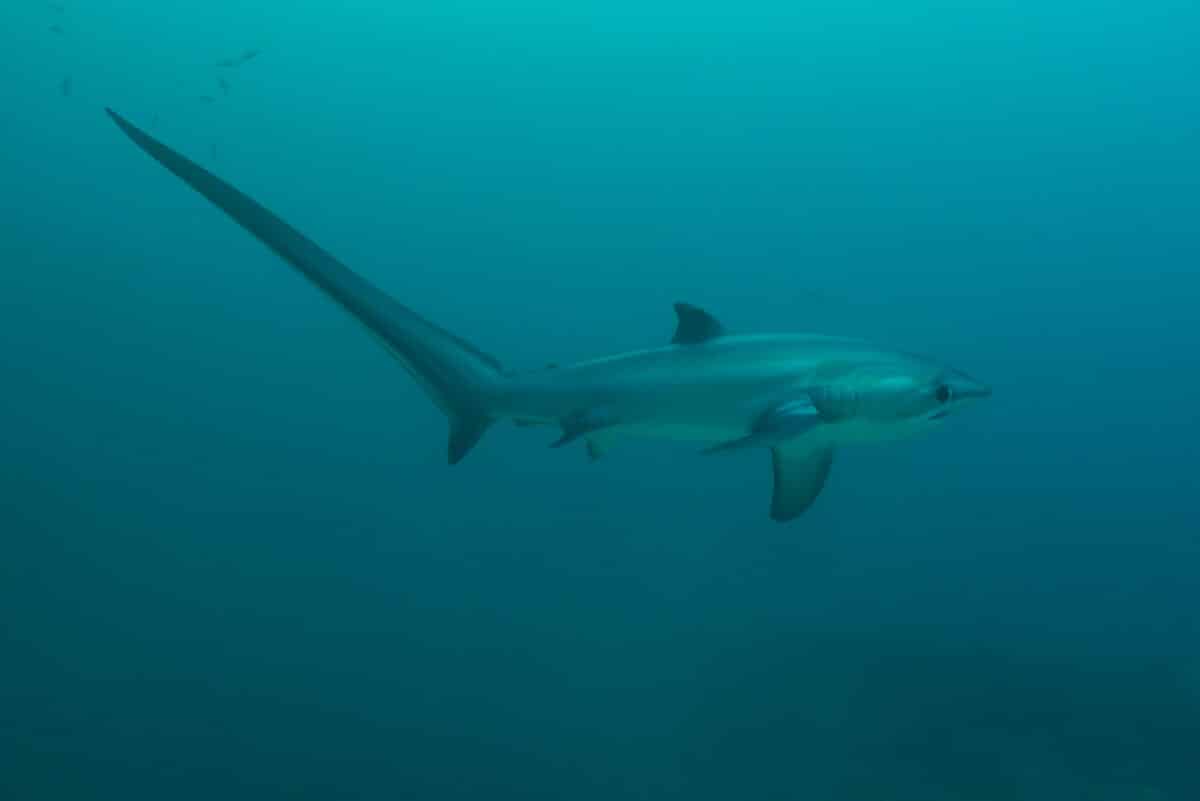
Beyond physical adaptations, sharks have evolved sophisticated hunting behaviors that maximize their predatory success. Great white sharks often employ the “breach attack,” approaching seals from below at high speed and launching themselves partially out of the water in an explosive ambush that prevents escape. Tiger sharks use a stealthy approach, slowly stalking prey before delivering a swift, powerful bite. Thresher sharks have evolved to use their extraordinarily long upper tail lobes as whips to stun or kill schooling fish. Perhaps most impressive are the cooperative hunting behaviors observed in some species—sevengill sharks have been documented hunting in coordinated groups to take down Cape fur seals, while great whites sometimes hunt in loose aggregations, potentially to increase overall hunting success. Many shark species also demonstrate prey selectivity and learning capabilities, remembering successful hunting grounds and techniques. These behavioral adaptations complement their physical features, creating predators that can adapt their hunting approach to different circumstances, prey types, and environments.
Conclusion: Nature’s Perfect Predatory Design
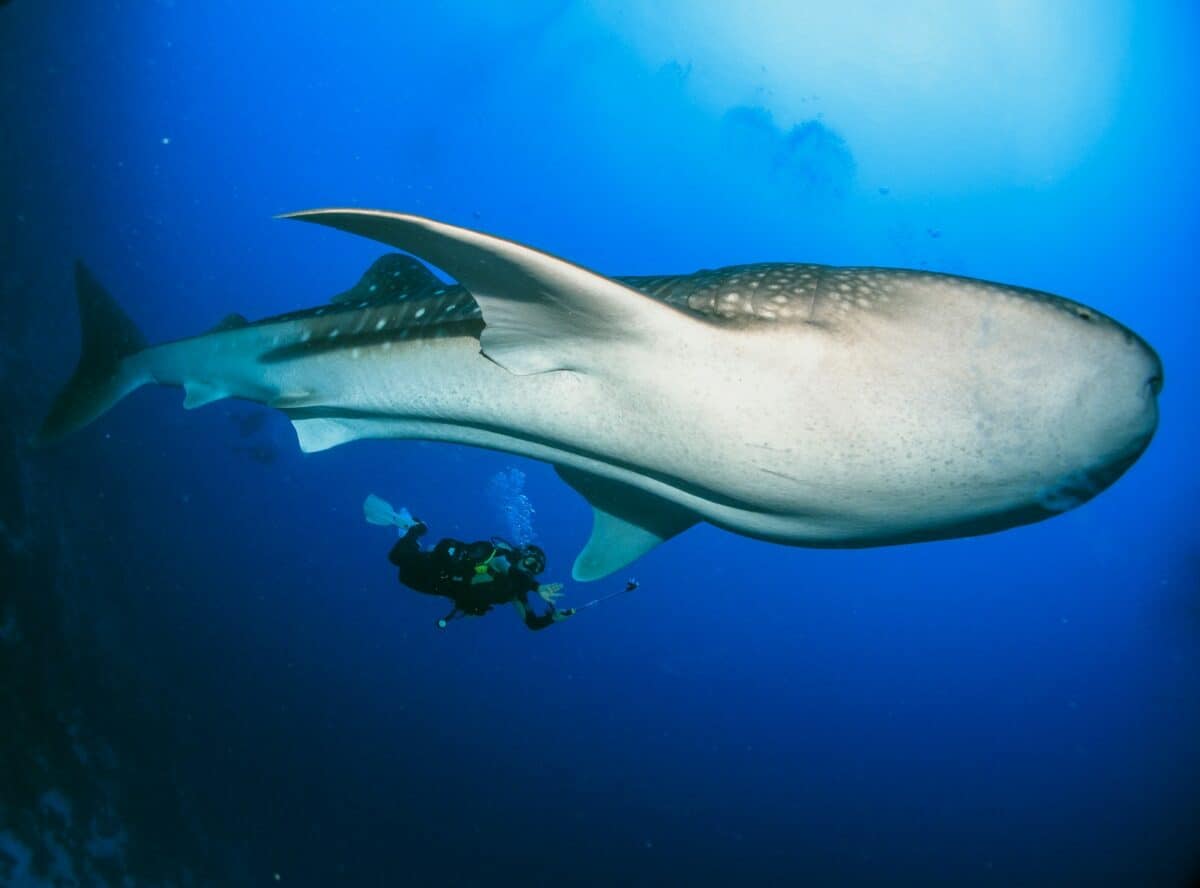
From their hydrodynamic bodies to their complex sensory systems, sharks represent one of evolution’s most refined predatory designs. The 15 adaptations outlined above showcase how hundreds of millions of years of evolutionary pressure have created animals exquisitely suited to their role as ocean predators. Each adaptation addresses a specific challenge of underwater hunting, from detecting hidden prey to efficiently converting a successful strike into captured food. These combined adaptations have allowed sharks to occupy virtually every marine ecosystem on Earth, from shallow coral reefs to the darkest ocean depths. Despite their fearsome reputation and perfect predatory design, sharks face unprecedented threats from human activities, making conservation of these evolutionary marvels more important than ever for maintaining healthy ocean ecosystems.

As a little kid, I fell in love with nature, wildlife, and animals. Living in the USA, South Africa, Italy, China and Germany gave me the opportunity to discover the world's Wildlife. My favorite animals are Mountain Gorillas, Siberian Tigers, and Great White Sharks.
I'm a certified PADI Open Water Diver, went to Everest Base Camp and Trekked Gorillas in Uganda. I hold a Master of Science in Economics and Finance.
Please send any feedback to feedback@animalsaroundtheglobe.com
- 14 Stunning Animals You Can See in India - July 18, 2026
- The Most Enormous Lobster Ever Pulled From Maine Waters - July 18, 2026
- The Most Dangerous Waters for Sharks in North America - July 18, 2026