

There’s a moment, somewhere along the Texas Gulf Coast in late April, when the trees suddenly come alive. Birds that spent the night crossing the Gulf of Mexico drop from the sky exhausted, filling the branches of coastal woodlands with warblers, tanagers, and buntings in colors you’d swear belonged in a painting. It’s one of the most dramatic wildlife events in North America, and it happens right here, every single year.
Texas has long occupied a singular position in the world of birdwatching. The sheer breadth of the state, its geographic variety, and its position at the crossroads of major migratory flyways combine to make it unlike any other place in America. Whether you’re a casual hobbyist with a pair of binoculars or someone with a thousand species already ticked off a life list, Texas has something that will stop you in your tracks.
Why Texas Ranks as the #1 State for Birdwatching
When analyzed across multiple metrics including bird presence, species diversity, and birding locations, Texas consistently ranks as the best state for birdwatching in the U.S., taking the top spot for overall bird presence, including migratory birds and the abundance of common, rare, and endangered species.
Texas is the go-to birdwatching destination in the country, with over 2.3 billion birds recorded in fall and spring migrations alone. With 668 bird species, including 35 globally threatened ones, the state offers a level of biodiversity that few places on earth can match.
Texas is home to 20 national wildlife refuges, 16 of which are widely recognized for their excellent birdwatching opportunities. That kind of infrastructure, spread across a state larger than most countries, gives birders an almost limitless set of destinations to explore.
The Central Flyway: A Bird Highway Over Texas
Texas lies at the heart of the Central Flyway, one of the Western Hemisphere’s major migratory bird highways. Because of its geography, size, and diversity of habitats, birds from across the hemisphere funnel through Texas as they move between breeding areas in North America and wintering grounds in Central and South America.
Each year, billions of birds rely on the state’s wetlands, grasslands, forests, rivers, and coastal habitats to rest, refuel, and survive their long journeys. The Texas coast is especially critical, serving as the first landfall for exhausted migrants crossing the Gulf.
Of the 338 species of birds listed as Nearctic-Neotropical migrants in North America, 333 of them have been recorded in Texas. That single statistic says nearly everything. This is a state where migration is not just an event, it’s a constant, seasonal spectacle.
A Landscape Built for Birds
Texas is one of the best states in America for birdwatching due to its geographic diversity, hundreds of miles of coastline, and sheer size. From coastal marshes and subtropical river valleys to high desert mountains and rolling Hill Country canyons, the habitats here cover virtually every ecosystem found in North America.
Many bird species found in Texas do not occur elsewhere in the U.S. Texas is the only state in the U.S. where both the Golden-cheeked and Colima Warblers can be found. Many endangered and threatened birds are either residents in, or winter visitors to the state.
What happens in Texas has hemispheric consequences: protecting habitat here helps sustain bird populations across the Americas. That’s a remarkable claim, and it’s one backed by decades of ornithological observation and conservation science.
Bentsen-Rio Grande Valley State Park
Bentsen-Rio Grande Valley State Park in deep South Texas is one of the top birding destinations in the country. It deserves its status as headquarters of the World Birding Center. The park sits at the edge of the subtropical world, a landscape where North American species mix freely with birds that drift north from Mexico.
Birders across the nation know Bentsen as a treasure trove of “Valley specialties,” tropical birds found nowhere else in the United States. The 760-acre park, together with over 1,700 acres of adjoining U.S. Fish and Wildlife refuge tracts, promises a year-round nature adventure in the richest birding area north of the Mexican border. Species like the Altamira Oriole, Ringed Kingfisher, and Plain Chachalaca are everyday sightings here.
Aransas National Wildlife Refuge
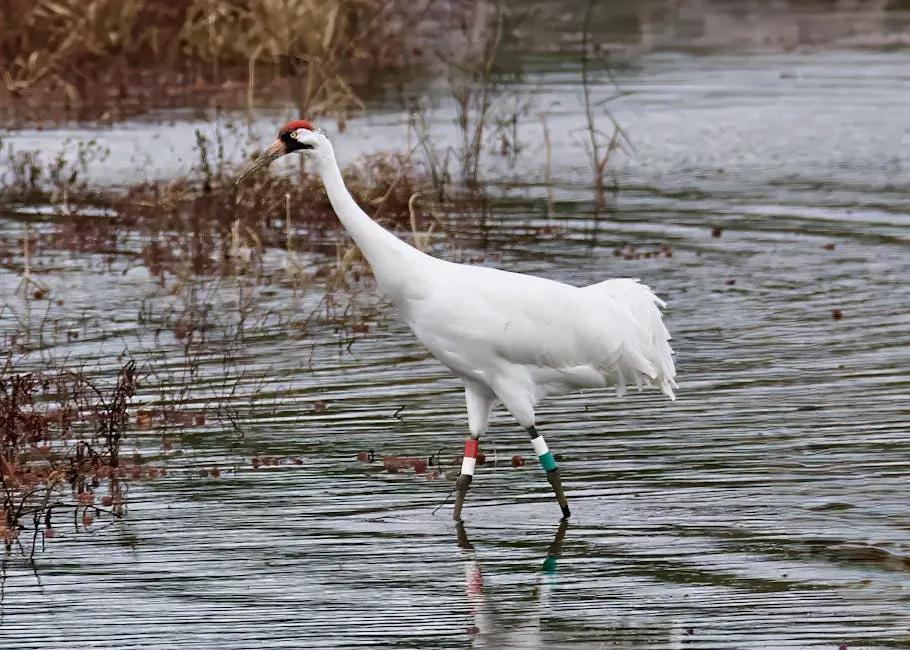
A superb all-around birding destination, Aransas occupies a large peninsula surrounded by coastal bays, separated from the Gulf of Mexico by barrier islands. It boasts an astoundingly lengthy bird list of more than 400 species, yet the refuge is known best for one bird.
The Whooping Crane stands nearly five feet tall as a symbol of American endangered species, both in critical population decline and in recovery. Once down to 15 birds, the species has made a hopeful comeback and now numbers several hundred. The original wild flock nests in northern Canada and winters at Aransas National Wildlife Refuge on the Texas Gulf Coast.
Most famous for water birds, the central coast is highlighted by the wintering population of Whooping Cranes centered at Aransas, now readily seen from November to March. Few wildlife experiences in North America match watching these towering, snow-white birds wade through the coastal marshes in morning light.
Big Bend National Park
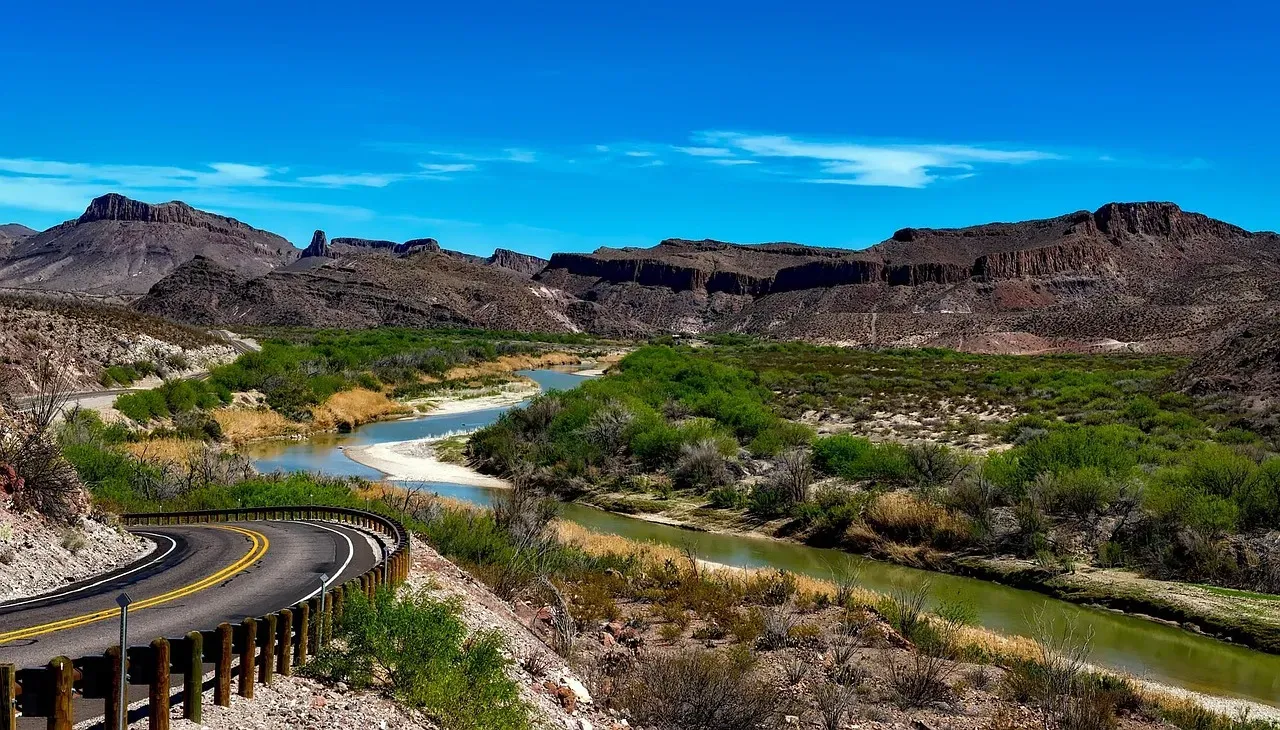
Big Bend ranks with America’s great birding destinations. Situated on the Rio Grande in western Texas, the park comprises three main ecosystems: most of the park is Chihuahuan Desert, a terrain of cactus and shrubs; in the center, the Chisos Mountains rise to more than 7,000 feet with oak canyons and ponderosa pine; and along the Rio Grande is a lush green strip of cottonwoods, willows, and other wetland vegetation. All of this contributes to Big Bend’s great diversity of birds.
The park’s most sought-after species is the Colima Warbler, which nests in the Chisos Mountains, usually requiring a several-mile hike to find. That hike, it’s worth saying, rewards you with a bird that cannot be found anywhere else on U.S. soil. The remote landscape adds to the adventure, with over 450 species recorded in the region.
High Island and the Upper Texas Coast
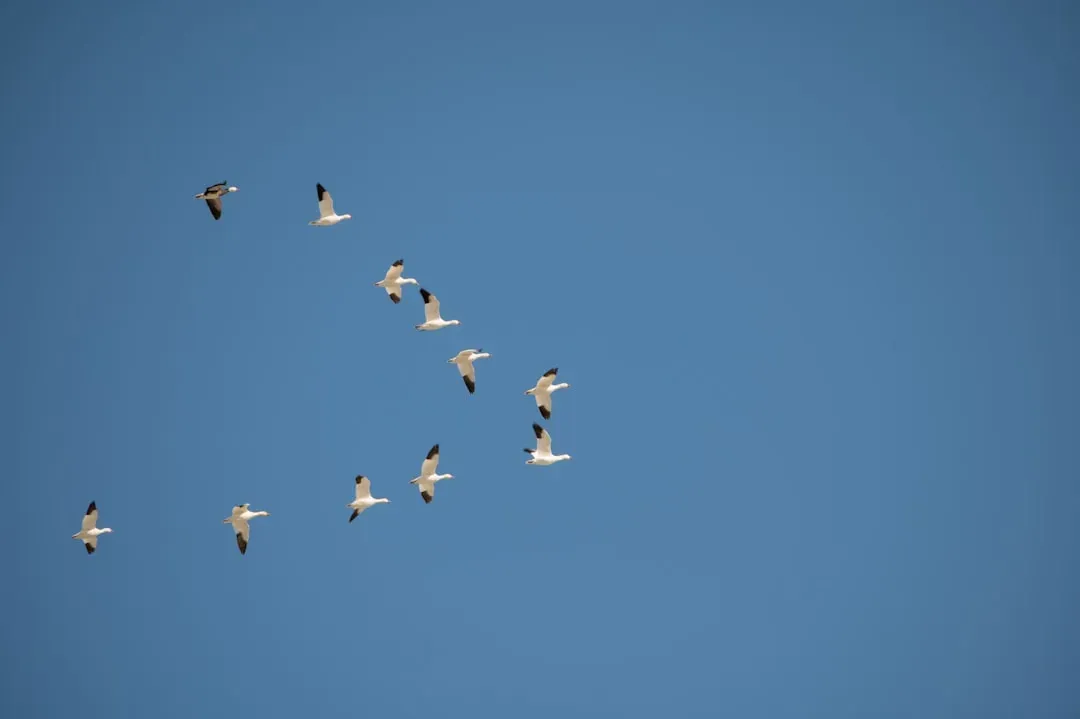
The woods of High Island have undoubtedly been an important stopping place for migratory birds for thousands of years. Each spring, this small community on the Bolivar Peninsula transforms into one of the most electrifying birding spots in the entire country, as wave upon wave of migrants make landfall after crossing the open Gulf.
Practically every species of cormorant, pelican, heron, egret, ibis, plover, sandpiper, gull, tern, and similar bird that ever ventured near the Texas coast has appeared at nearby Bolivar Flats, which has a bird list of more than 320 for just one small spot on the coast. Spring and late summer are good times there, but there’s always something to see.
When the timing is right, you’ll find trees filled with colorful congregations of warblers, orioles, tanagers, and buntings. Those days when the weather is just right and the birds are falling out of the sky, as birders say, are days you never forget.
The Golden-cheeked Warbler: Texas’s Own Endemic
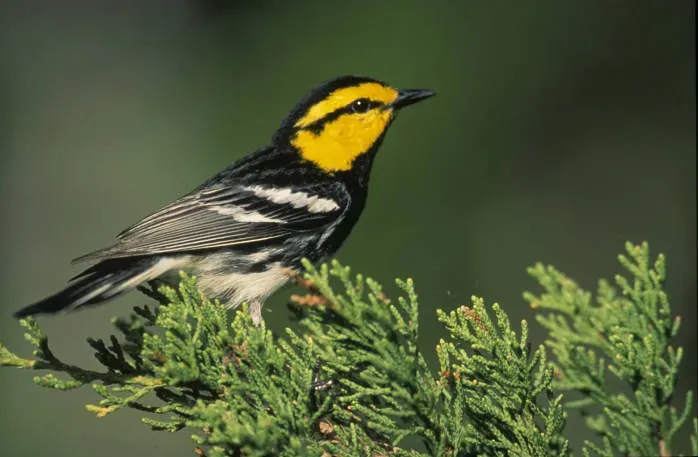
The Golden-cheeked Warbler is the only bird species whose entire breeding population nests in the state of Texas. That’s a distinction no other American state can claim. This stunning but endangered warbler is found only in the Texas Hill Country, where it nests in juniper-oak woodlands.
The Golden-cheeked Warbler is very striking due to its bright yellow cheeks contrasted by a black throat and back. It is also identified by its unique buzzing song emerging from the wooded canyons where it breeds. Males return from Mexico and Central America each spring, arriving by early March, and their song rings through the cedar-scented canyons of the Edwards Plateau.
The Whooping Crane: A Conservation Story Still Being Written
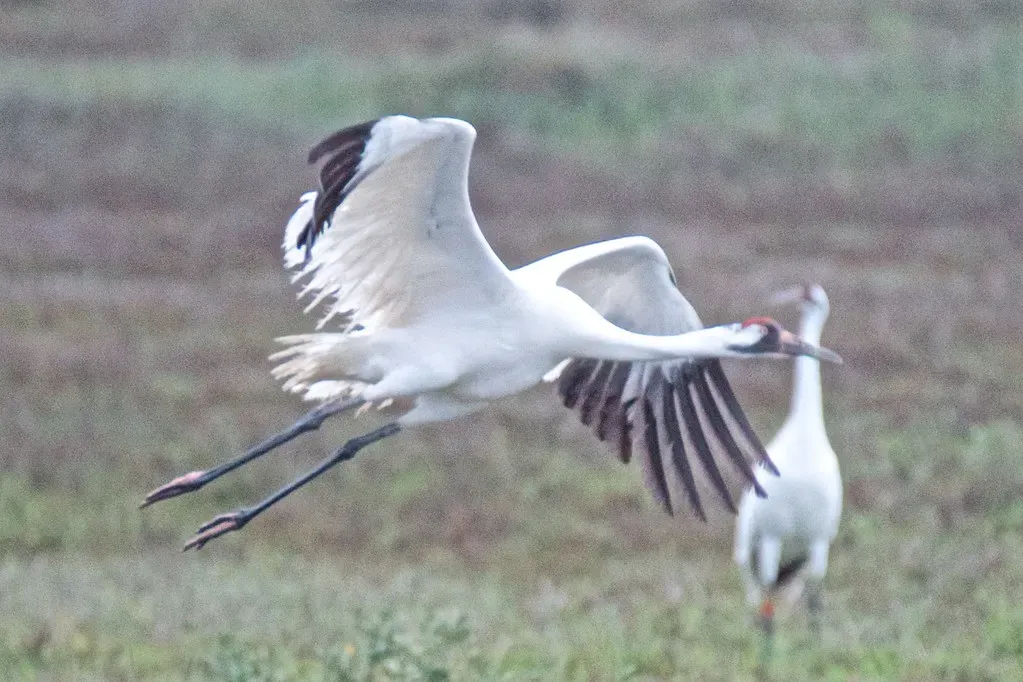
Although it remains one of the most endangered birds in North America, Whooping Crane populations have steadily increased from a low of 15 birds in the early twentieth century to a current population of over 300 individuals. It’s one of the most remarkable conservation recoveries in American wildlife history.
Despite ongoing conservation efforts to establish new populations, Aransas National Wildlife Refuge hosts the wintering grounds of the only remaining self-sustaining wild population. Every winter, these majestic birds return to the Texas coast, and every year, birders follow. The crane has become something of a symbol for what patient, committed conservation can achieve.
The Colima Warbler: For Those Willing to Hike
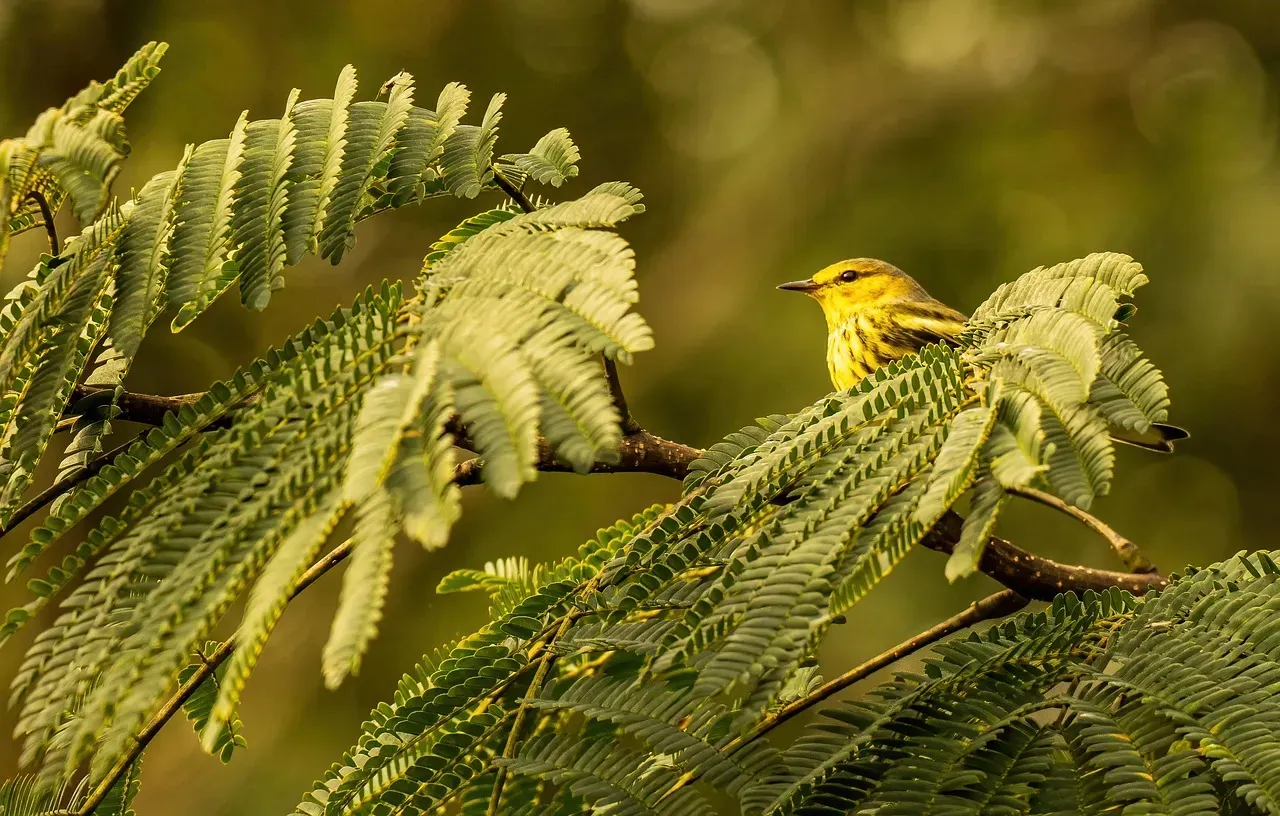
Big Bend National Park is the only place to see the Colima Warbler in the ABA area. That alone makes it one of the most celebrated target birds in the country for serious listers. The bird nests high in the Chisos Mountains, and finding it requires effort, but the payoff is a species you simply cannot tick off anywhere else in America.
Look for Colima Warblers in the Chisos Mountains, as well as Lucifer Hummingbirds, Gray Vireos, and Montezuma Quail. The Chisos Basin trail system puts birders within reach of all of them. It’s the kind of place where every switchback on a mountain trail might reveal something entirely new.
The Painted Bunting: Nature’s Living Jewel
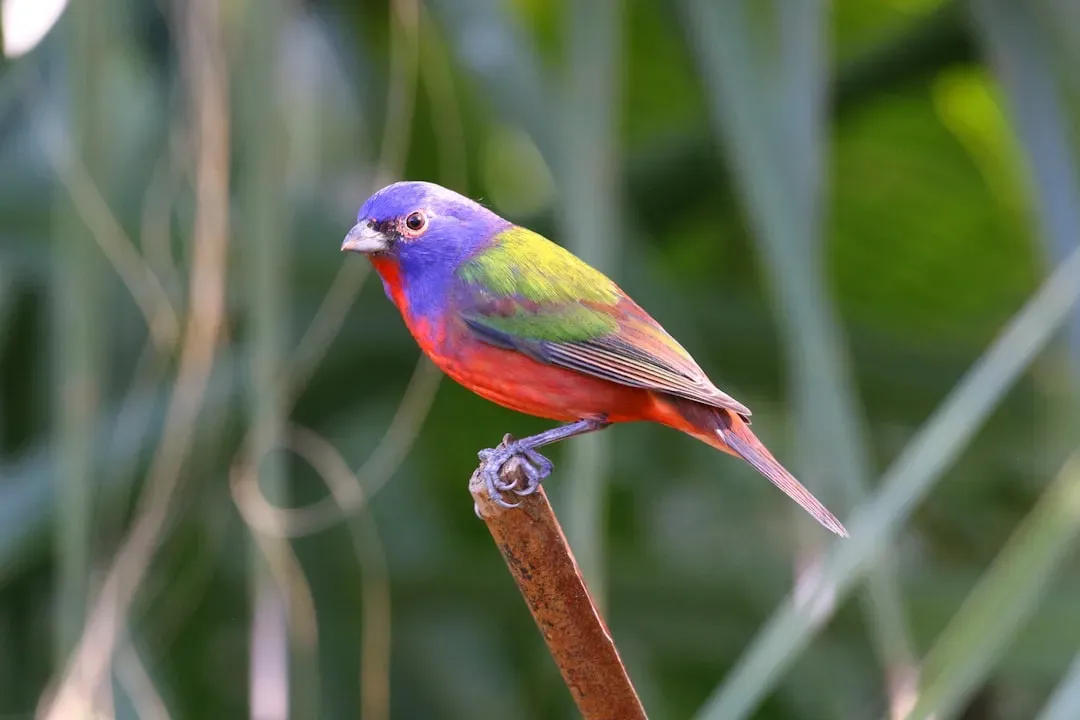
The Painted Bunting is a favorite among birders for its rainbow colors, and it’s common in summer across eastern Texas. Males are especially striking. The male Painted Bunting is genuinely one of the most colorful birds on the North American continent, combining brilliant blue, vivid red, and electric green in a package barely larger than a sparrow.
Some of the breeding birds found in Texas include the Scissor-tailed Flycatcher, Prothonotary Warbler, and Painted Bunting. Seeing a male Painted Bunting perched in open scrubland on a bright spring morning is one of those moments that turns casual observers into lifelong birders. The bird has that effect on people.
The Green Jay: A Tropical Surprise in America
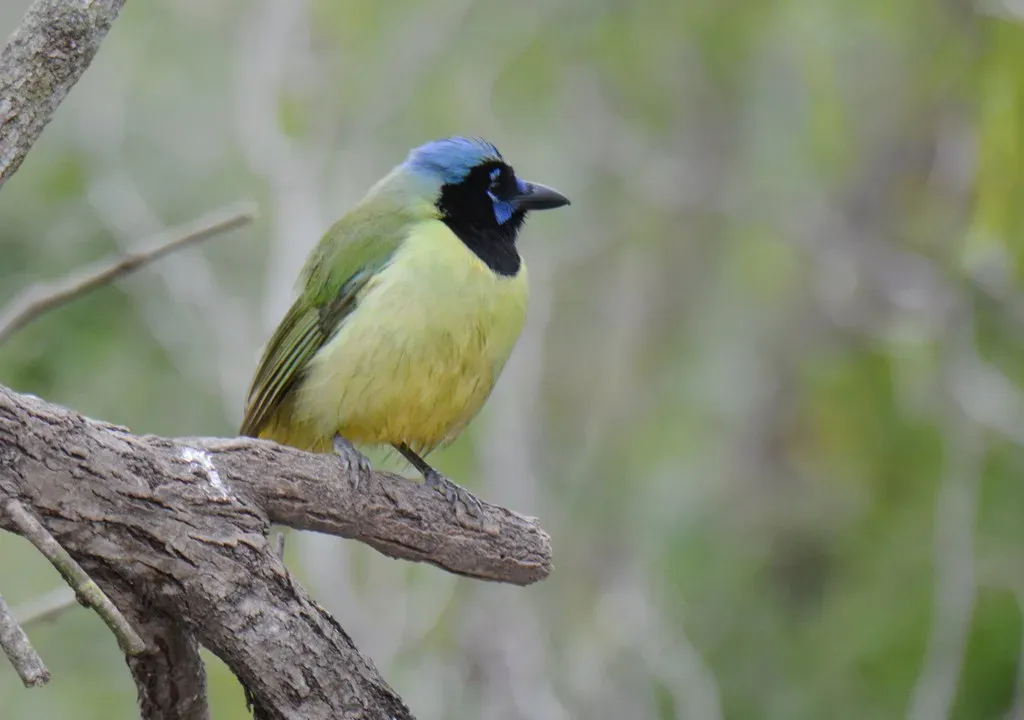
The Green Jay is one of the star specialties of South Texas, and the Bentsen-Rio Grande Valley area is one of the best places to see it, alongside Plain Chachalacas, Altamira Orioles, and Groove-billed Anis. Nowhere else in the United States does the Green Jay occur as a regular resident, making the Rio Grande Valley its only American stronghold.
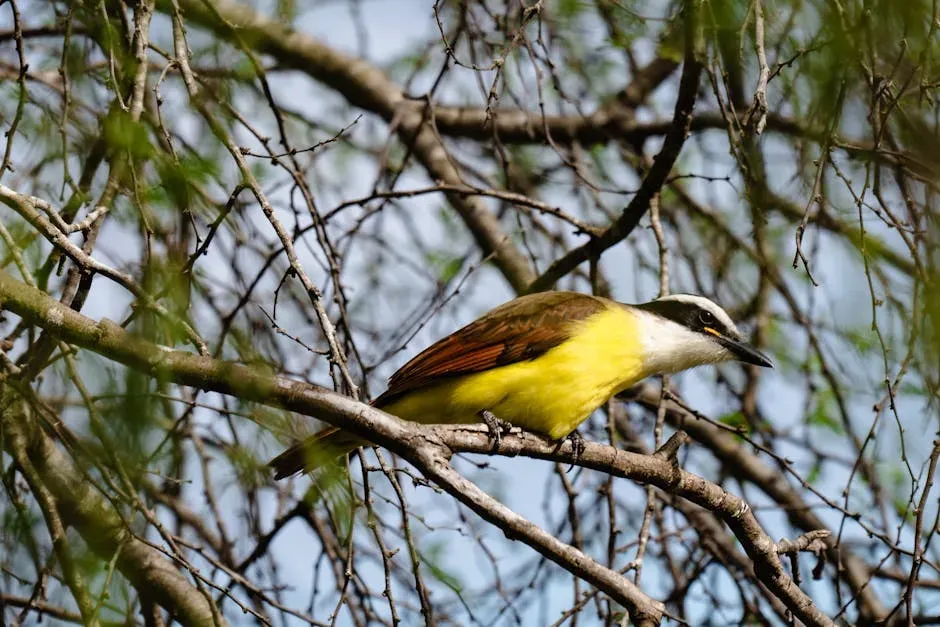
Noisy, bold, and dressed in tropical colors, this bird feels more at home in a Central American rainforest than in the scrubby brush of South Texas. Choke Canyon State Park in South Texas also hosts many South Texas species like Green Jay, Harris’s Hawk, Great Kiskadee, and Audubon’s Oriole. The Green Jay has become something of an unofficial mascot for the Rio Grande Valley birding scene.
The Plain Chachalaca: Loud, Proud, and Unmistakably Texan
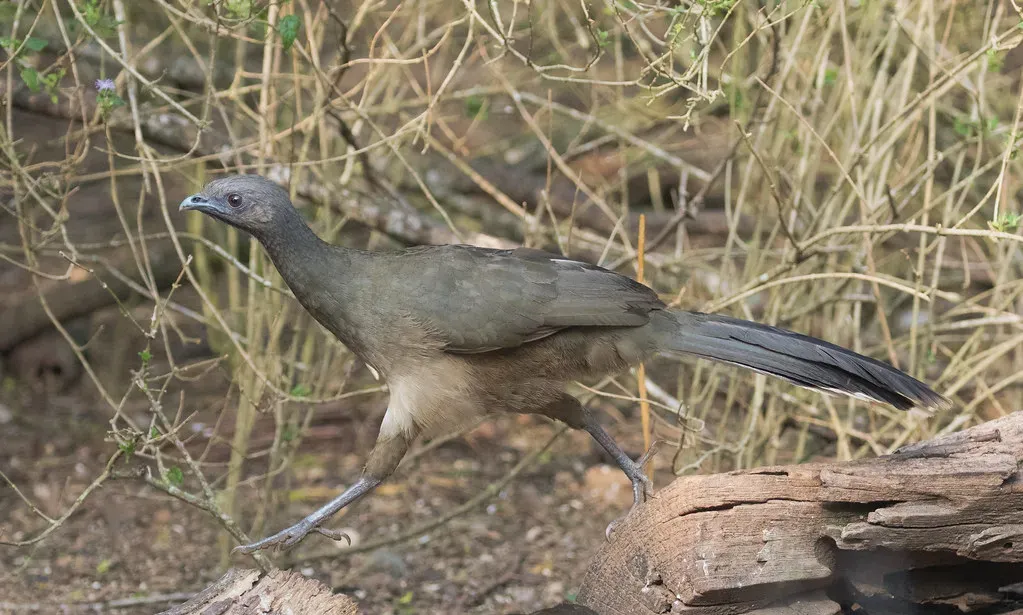
The Plain Chachalaca is a large, ground-dwelling bird with a chicken-like appearance and loud, cackling calls. It’s unique to South Texas and parts of Mexico. If you’ve ever spent a morning in the Rio Grande Valley and been startled awake before sunrise by an eruption of hoarse, rhythmic calls echoing through the trees, you’ve met the Chachalaca.
The species forms a vocal part of the early morning soundscape in subtropical South Texas. Plain Chachalaca, Golden-fronted Woodpecker, Great Kiskadee, Green Jay, and Long-billed Thrasher are equally abundant at both Santa Ana National Wildlife Refuge and Bentsen-Rio Grande Valley State Park. It’s a sound as much as a sighting, and it anchors the sensory experience of birding deep South Texas.
The Altamira Oriole: A Flash of Gold in the Brush
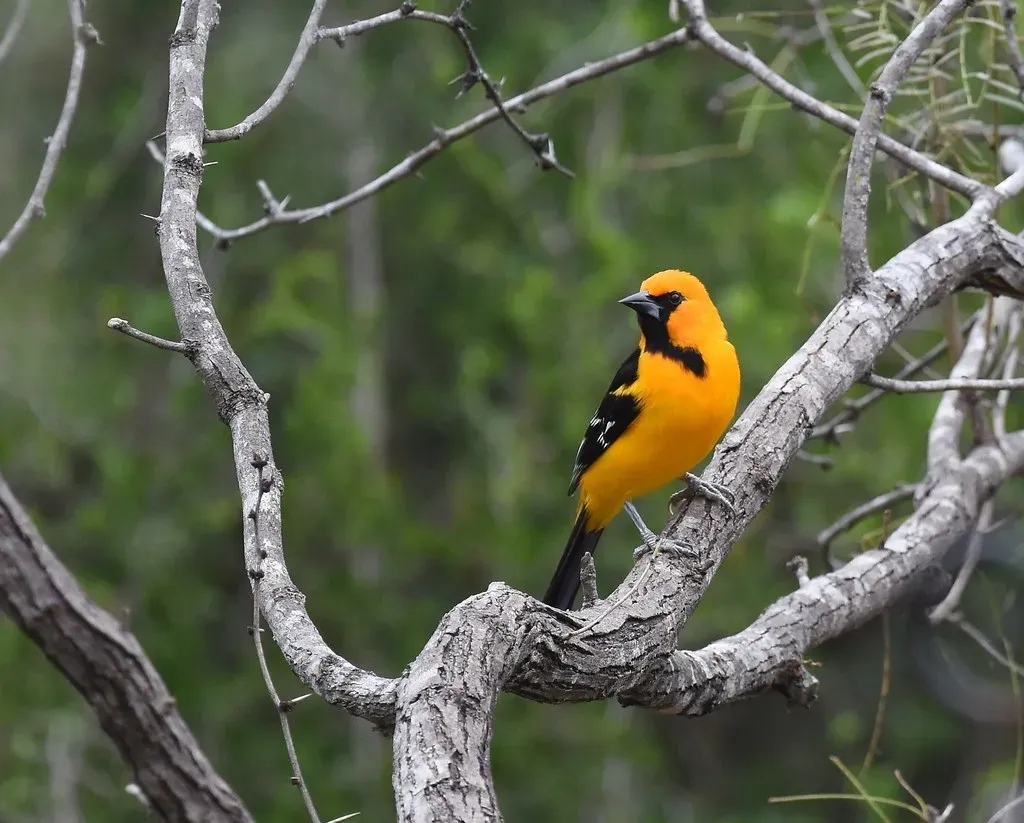
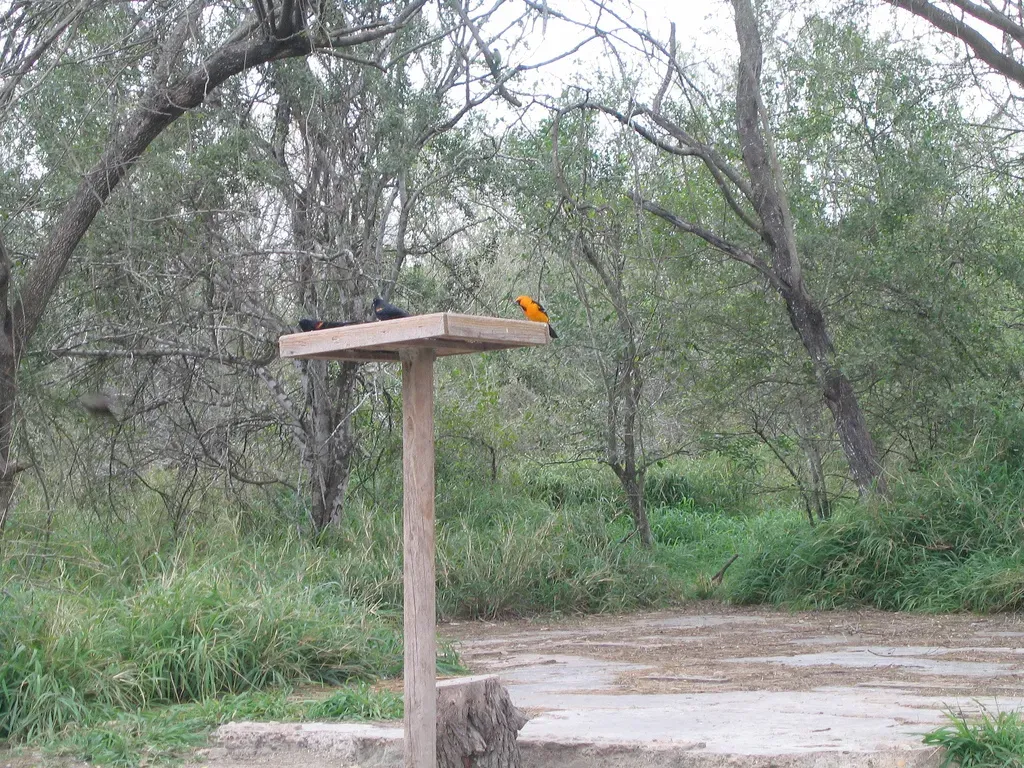
The Altamira Oriole is one of the most exciting tropical specialties found in the riparian woodlands of the lower Rio Grande Valley. Like the Green Jay and the Chachalaca, it represents the tropical world spilling over the border and into American territory, making South Texas feel genuinely exotic even on a familiar continent.
The Altamira Oriole is among the largest orioles in North America and one of the most visually arresting, its rich orange and black plumage impossible to miss when it moves through the dense subtropical brush. Altamira Orioles are more likely to be found at Bentsen-Rio Grande Valley State Park than at neighboring sites. Experienced birders plan entire trips around seeing one.
The Black-capped Vireo: A Hill Country Specialist Under Pressure
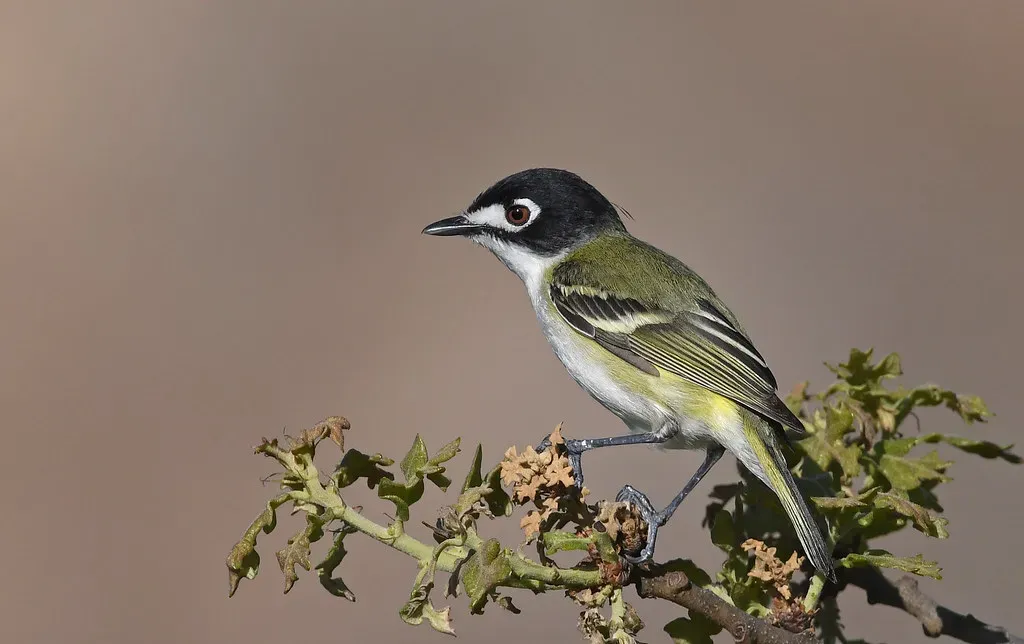
The Black-capped Vireo is another Texas specialty that prefers scrubby habitats and is listed as endangered. It is most often seen at Balcones Canyonlands and nearby preserves. Small, energetic, and perpetually hidden in dense scrubby oak, this little vireo has a habit of calling loudly while staying almost completely out of sight.
Black-capped Vireo inhabits shrubby oaks on sunny hillsides, while Zone-tailed Hawk patrols these same hillsides, and Black-and-white Warbler and Yellow-throated Vireo sing incessantly from wetter forested areas. The Hill Country landscape where the vireo breeds is some of the most beautiful in Texas, and the search for this bird leads birders into places they might never otherwise explore.
The Crested Caracara: An Icon of the Open Range
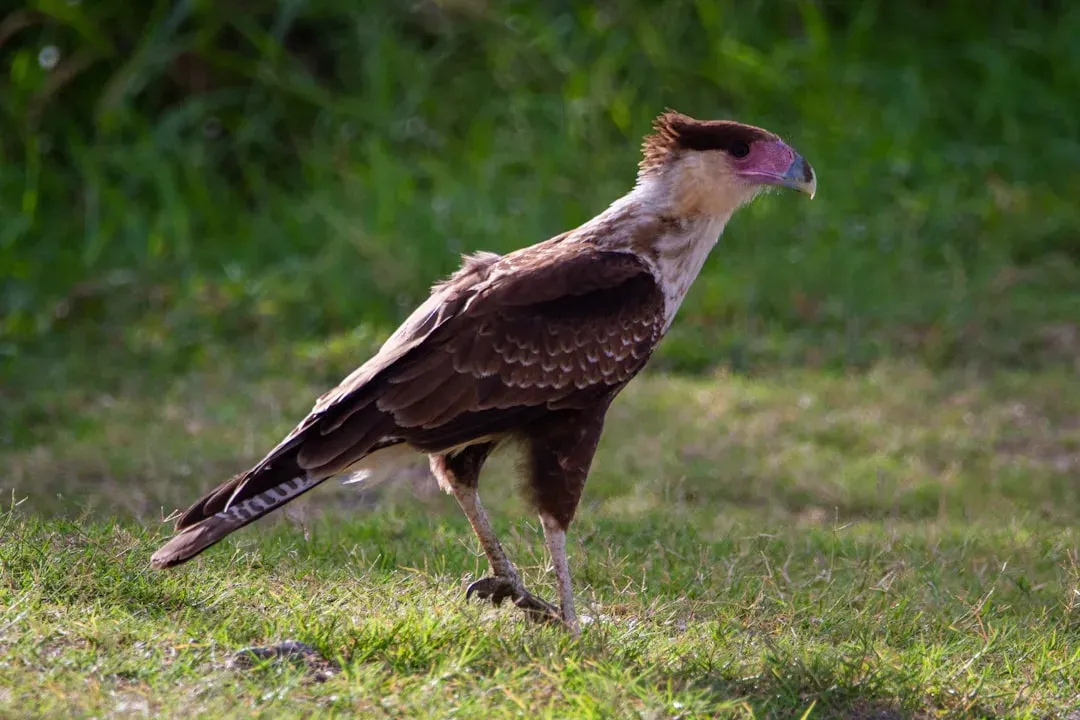
The Crested Caracara is often seen walking on the ground, a striking bird of prey with a bold face and orange bill, found in open country across Texas. It belongs to the falcon family but behaves like nothing else in that group, stalking across open grasslands and roadsides with a confident, almost regal stride.
The Crested Caracara is among the nesting birds found across Texas, commonly observed alongside Greater Roadrunner, Scissor-tailed Flycatcher, and other open-country species. For many visitors, spotting a Caracara perched on a fence post against a big Texas sky is one of the defining memories of a birding trip to the state. It’s bold, unmistakable, and feels like it belongs to the land itself.
Conclusion
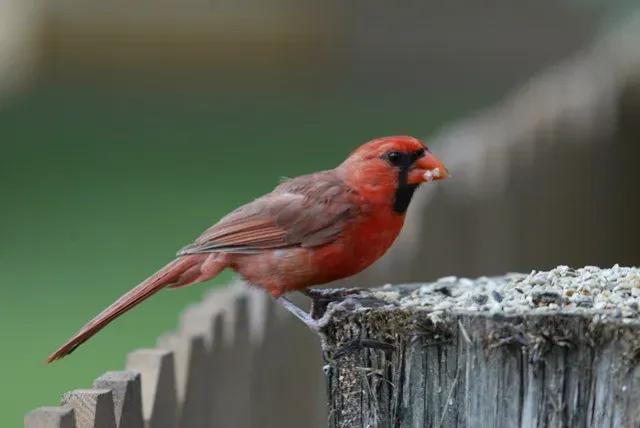
Texas earns its top ranking not through one single thing but through the remarkable convergence of scale, geography, habitat variety, and sheer avian abundance. From the subtropical forests of the Rio Grande Valley to the mountain canyons of Big Bend, from the coastal marshes sheltering Whooping Cranes to the limestone slopes where the world’s only endemic breeding warbler sings, the state delivers at every turn.
Texas is home to countless species of birds, native and migratory, that birding beginners and veteran enthusiasts alike will want to check off their lists. From the mountains of Big Bend to the marshes of the Gulf Coast, interesting and rare birds can be found in every corner of the state.
What Texas ultimately offers is not just a list of birds, but a sense of discovery that keeps returning season after season. The state is big enough, and rich enough, that no single trip captures it fully. That’s probably the truest measure of a great birdwatching destination: you always leave with a reason to come back.

- 12 Architectural Wonders From The Ancient World That Inspire Us Today - July 18, 2026
- 6 Beautiful Ancient Cities That Time Forgot (But Shouldn’t) - July 18, 2026
- 6 Common Animal Behaviors That Are Often Misunderstood by Humans - July 18, 2026