


Have you ever wondered what it would be like to live in a world where the air is boiling hot, the water is pure acid, or there’s no light at all? For most of us, these places sound like scenes from a nightmare. But for some extraordinary animals, these harsh environments are simply home. Their survival stories are not just amazing—they’re a humbling reminder that life can thrive in the most unlikely corners of our planet. From the crushing darkness of the deep sea to the scorching deserts and frozen wastelands, these creatures are real-life superheroes. If you thought humans were tough, wait until you meet these wild survivors. Get ready to be amazed, maybe even a little jealous, of the weird and wonderful ways animals have conquered places we wouldn’t survive a day.
17. Himalayan Jumping Spider

At dizzying heights where oxygen is scarce and winds threaten to blow away anything not anchored down, the Himalayan jumping spider makes its living. These tiny arachnids have been spotted at elevations above 22,000 feet, higher than most helicopters can even fly. Up here, temperatures plummet and food is rare, but these spiders survive by snatching windblown insects. Their ability to leap distances many times their body length helps them catch prey in this barren, rocky world. In a place where humans need oxygen tanks to breathe, these spiders just go about their day, unfazed. It’s almost as if they climb mountains just to prove a point.
16. Sahara Silver Ant

When the Sahara sun turns sand into an oven, most living things flee for shade. Not the Sahara silver ant. It’s the only creature brave enough to venture out during the hottest part of the day, when ground temperatures can soar to 158°F (70°C). Their shimmering silver hairs reflect sunlight, keeping their bodies from cooking. But they don’t have long—these ants dash out for just ten minutes to snag food from carcasses before they retreat underground. If humans tried to walk barefoot on that sand, we’d be toast. Yet for the Sahara silver ant, it’s just lunchtime.
15. Pompeii Worm

Deep beneath the waves, in a place so dark and hot it would melt most metals, lives the Pompeii worm. These worms thrive on the sides of hydrothermal vents on the Pacific Ocean floor, where water temperatures can reach a scalding 176°F (80°C). Their secret weapon? A furry coat of bacteria that insulates them from the heat. Scientists believe they’re among the most heat-tolerant animals on Earth. While humans need submarines and heat shields just to visit, the Pompeii worm just wiggles along, unfazed by conditions that could cook an egg in seconds.
14. Water Bear (Tardigrade)

If there’s any animal that deserves a superhero cape, it’s the tardigrade. These microscopic, eight-legged creatures can survive practically anywhere: boiling water, freezing space, crushing pressure, and even radiation. When things get tough, they dry out, curl up, and wait—sometimes for decades—until conditions improve. Scientists have blasted them into space and brought them back alive. If you’re worried about the apocalypse, don’t be. The tardigrade will probably outlive us all, trudging on long after everything else is gone.
13. Antarctic Icefish
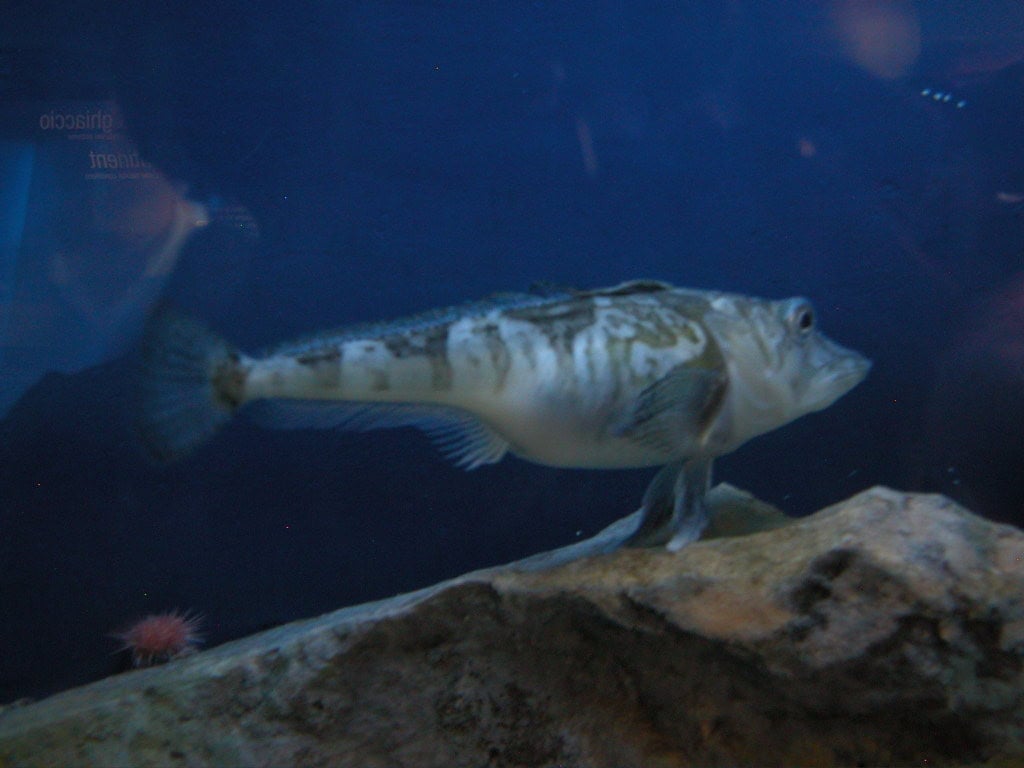
Most fish would freeze solid in Antarctic waters, but not the Antarctic icefish. Their bodies contain special antifreeze proteins that keep their blood from turning into slush. With see-through skin and blood that lacks hemoglobin, these fish glide through waters that hover just above freezing. The cold would kill a human in minutes, but the icefish swims on, proof that life finds a way even in the iciest realms. Their strategy is so unique it sometimes feels like science fiction come to life.
12. Naked Mole Rat

Imagine living your whole life underground, in darkness, barely breathing. For naked mole rats, that’s just another day. These odd-looking rodents thrive in oxygen-poor tunnels beneath East Africa. They’re nearly immune to pain, rarely get cancer, and can live almost three decades—an eternity for rodents. Their low-oxygen lifestyle would leave a human gasping, but naked mole rats just keep digging, squeaking, and ruling their secret underground kingdoms. It’s a life that sounds claustrophobic to us, but to them, it’s a paradise.
11. Yeti Crab

With furry, pincushion-like claws and a home in the deep dark sea, the yeti crab looks like something out of a fantasy novel. These crabs were only discovered in 2005, living near hydrothermal vents over a mile below the surface. The “hair” on their arms isn’t for warmth—it’s covered in bacteria that help them process toxic chemicals from the vents. Down here, pressure would crush a human like a soda can, but the yeti crab thrives, proving that sometimes, the strangest creatures live where you’d least expect.
10. Camel

When it comes to surviving in extreme heat and drought, camels are the undisputed champions. They can go for weeks without water, withstand burning sun, and eat dry, thorny plants that would shred a human mouth. Their humps store fat, not water, allowing them to survive long journeys across deserts where shade is just a rumor. For centuries, people have relied on camels to cross deadly sands, but even then, it’s the camel that truly owns the desert. They’re living proof that sometimes, slow and steady really does win the race.
9. Deep-sea Anglerfish

The deep sea is a place of eternal night, crushing pressure, and chilling cold. Yet the anglerfish calls it home. With a glowing lure on its head to attract prey, this bizarre fish floats through the darkness, waiting for something to swim close. Females can swallow prey twice their size, while tiny males fuse to their partners and live as parasites. Humans need submarines to survive at these depths, but for anglerfish, it’s just another swim in the park. Their lives are stranger than fiction, and that’s what makes them so fascinating.
8. Emperor Penguin

If you think you’re tough, try standing still through an Antarctic winter. Emperor penguins do just that, huddling together in freezing winds and temperatures that drop below -60°F (-51°C). For months, the males protect eggs on their feet while the females hunt for food. Their thick feathers and teamwork help them survive conditions that would freeze a human in minutes. Watching emperor penguins shuffle together, sharing warmth, is a powerful reminder of the strength we find in unity—and the wild determination of life.
7. Desert Scorpion

The desert’s heat might turn rocks to frying pans, but desert scorpions barely notice. These ancient survivors have tough exoskeletons that reflect sunlight and keep them cool. When things get too hot, they burrow underground, emerging at night to hunt. Scorpions can survive on almost no water and go months without eating. Their resilience is the stuff of legend—some even glow under ultraviolet light, an eerie sight in the moonlit sands. If you’re looking for the ultimate desert survivor, scorpions are hard to beat.
6. Greenland Shark

Deep below the icy Arctic seas swims a creature older than most countries—the Greenland shark. These massive fish can live over 400 years, making them the longest-lived vertebrates on Earth. The water is pitch black and freezing, but the Greenland shark moves slowly, conserving energy. It’s a ghostly presence, often blind from parasites, yet still a master of survival. Humans need thermal suits and submarines to explore these waters, but for this ancient shark, it’s just another century gliding through the cold.
5. Greater Flamingo

Imagine wading through lakes of salty, caustic water that would burn human skin. For the greater flamingo, this is daily life. These birds thrive in Africa’s alkaline lakes, where temperatures soar and almost nothing else survives. Their tough skin and specialized beaks allow them to sift out food while standing in water that’s more chemical soup than pond. The flamingos’ dramatic pink feathers come from their diet and are a splash of color in an otherwise barren landscape. While we’d run for safety, flamingos dance in the danger.
4. American Pika

High in the Rocky Mountains, where snow covers the ground for most of the year, lives the American pika. These small, rabbit-like mammals are masters at surviving cold and isolation. They gather plants all summer, storing them in hay piles to eat during winter. Pikas are so sensitive to heat that even a mild summer day can be deadly, but they thrive in freezing temperatures. Their high-pitched calls echo through rocky slopes—a tiny voice in a vast, harsh wilderness. For the pika, the cold is not an enemy but a way of life.
3. Weddell Seal

The Weddell seal lives further south than any other mammal, calling the icy coastlines of Antarctica home. These seals can dive over 2,000 feet and hold their breath for more than an hour. They use their teeth to carve breathing holes in the ice, returning again and again even as the world above freezes solid. Humans rely on thick suits and oxygen tanks in these conditions, but Weddell seals glide effortlessly through subzero waters, their thick blubber keeping them warm. Their lives are a testament to the power of adaptation.
2. Devil Worm

Hidden deep beneath the Earth’s surface, in mines and aquifers where pressure and heat would kill most life, lives the devil worm. Only discovered in 2011, this microscopic nematode holds the record for deepest-living multicellular animal—found nearly two miles below ground. It endures crushing pressure, darkness, and temperatures up to 118°F (48°C), feeding on bacteria in the depths. No human could survive these conditions for long, but for the devil worm, it’s just another day at the office.
1. Antarctic Krill

Tiny but mighty, Antarctic krill are the heartbeat of the Southern Ocean. These shrimp-like creatures survive in frigid, pitch-black waters, where ice blocks out the sun for months. Krill form massive swarms that feed whales, seals, penguins, and more. To survive the long, dark winters, they shrink their bodies and slow their metabolism, almost like putting themselves on pause. Without krill, the entire Antarctic ecosystem would collapse. For a creature so small, their survival skills are nothing short of heroic.
Conclusion

From the dizzying heights of the Himalayas to the crushing depths of the ocean, these animals show us just how resilient life can be. Their stories are proof that the natural world is full of surprises, and that survival sometimes means thriving where no one else dares to go. Did you expect any of these remarkable creatures to be on the list?

As a little kid, I fell in love with nature, wildlife, and animals. Living in the USA, South Africa, Italy, China and Germany gave me the opportunity to discover the world's Wildlife. My favorite animals are Mountain Gorillas, Siberian Tigers, and Great White Sharks.
I'm a certified PADI Open Water Diver, went to Everest Base Camp and Trekked Gorillas in Uganda. I hold a Master of Science in Economics and Finance.
Please send any feedback to feedback@animalsaroundtheglobe.com
- 10 Fish Breeds That Love Company And 3 That Turn Aggressive - July 22, 2026
- 13 Animals That Call the Great Lakes Home - July 22, 2026
- 15 Alpha Animals and What Makes Them Rule - July 22, 2026