
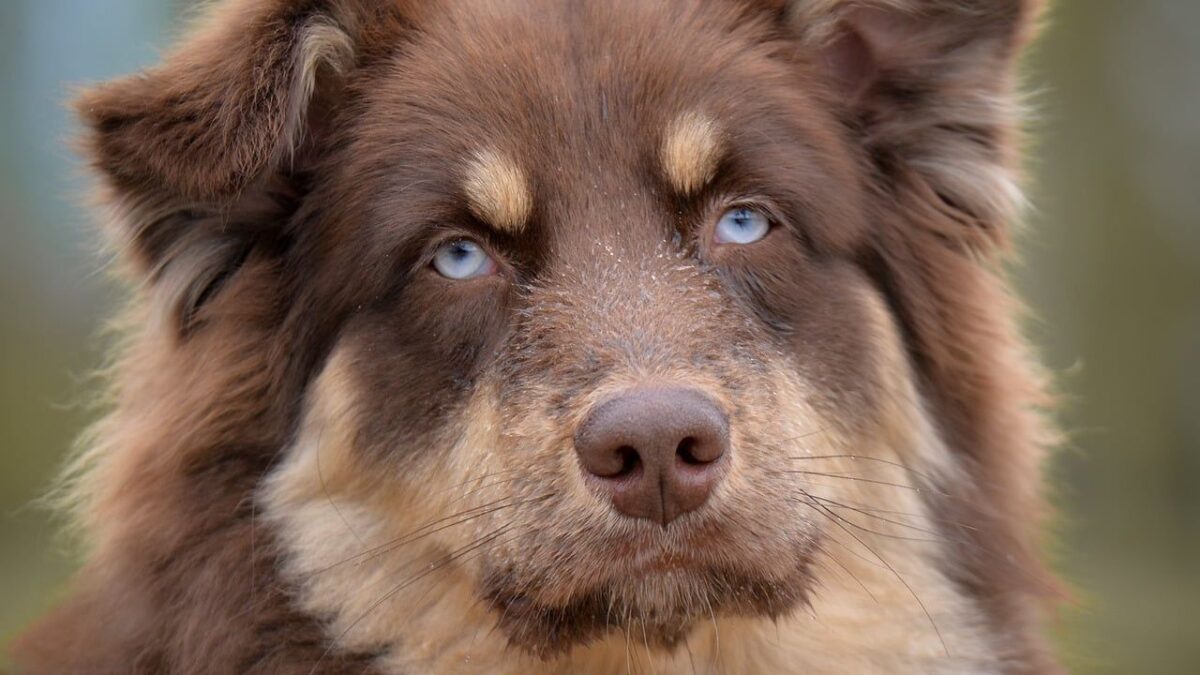
Responds to Their Name with a Flick of an Ear

Even when your dog spends most of the afternoon dozing in the same spot, a clear call of their name can still bring a small reaction. The ear might twitch or the head lifts just enough to show they registered the sound. That tiny acknowledgment often arrives without the full energy of younger years, yet it proves the connection remains intact.
Owners notice this most during quiet mornings when the house is still. The response may not lead to a trot across the room, but the pause itself carries weight. It reminds everyone that hearing and recognition have not faded completely.
Shows Tail Movement at Familiar Voices
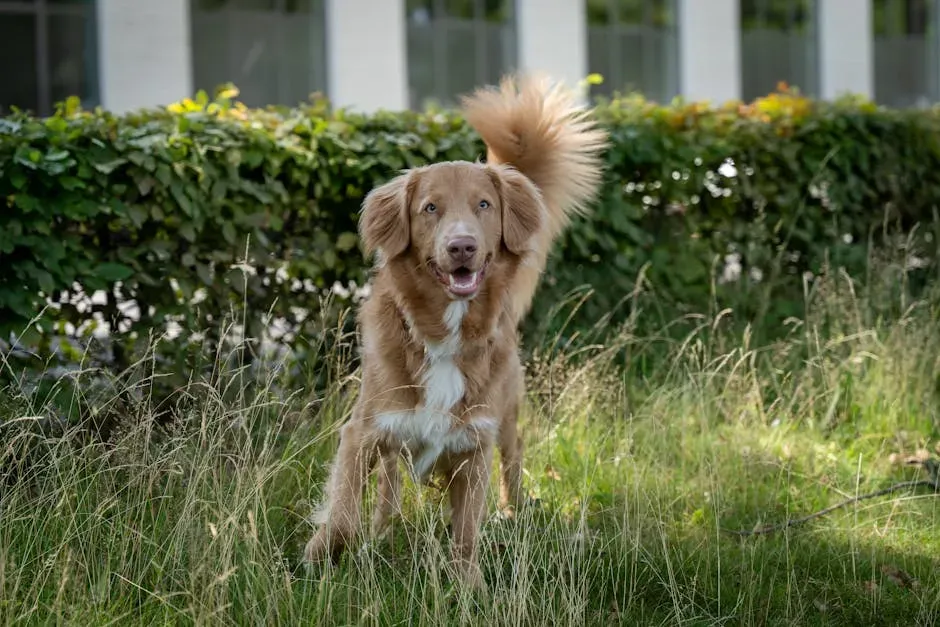
A slow wag or even a single thump against the floor can appear when a longtime family member walks into the room. The motion might look subdued compared with puppy days, yet it carries the same intent. This physical cue often happens before any other obvious sign of alertness.
Many people catch it during evening television time when voices overlap. The tail responds to tone rather than volume, revealing an emotional link that persists. Those brief movements become quiet reassurances on slower afternoons.
Eats with Noticeable Interest
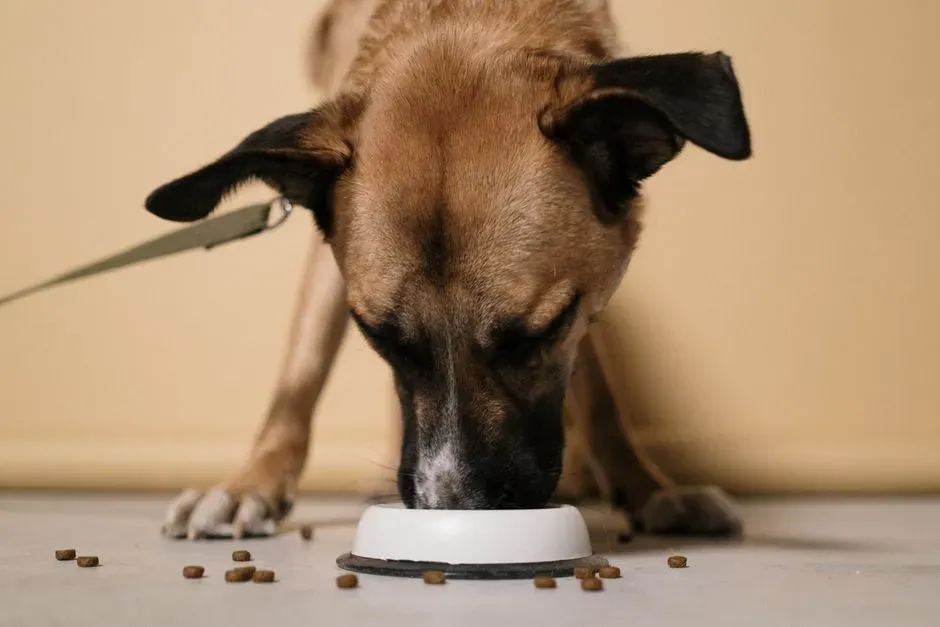
Meal times still spark a shift in posture even if the dog moves more slowly toward the bowl. The nose works the food with purpose, and the pace of chewing stays steady rather than mechanical. Appetite that holds steady through the week signals ongoing engagement with daily rhythms.
Some dogs pause between bites to glance around the kitchen, showing they remain aware of their surroundings. This behavior contrasts with complete disinterest that would point to deeper issues. Consistent enjoyment of food keeps a thread of normalcy running through the day.
Recognizes Regular Household Members
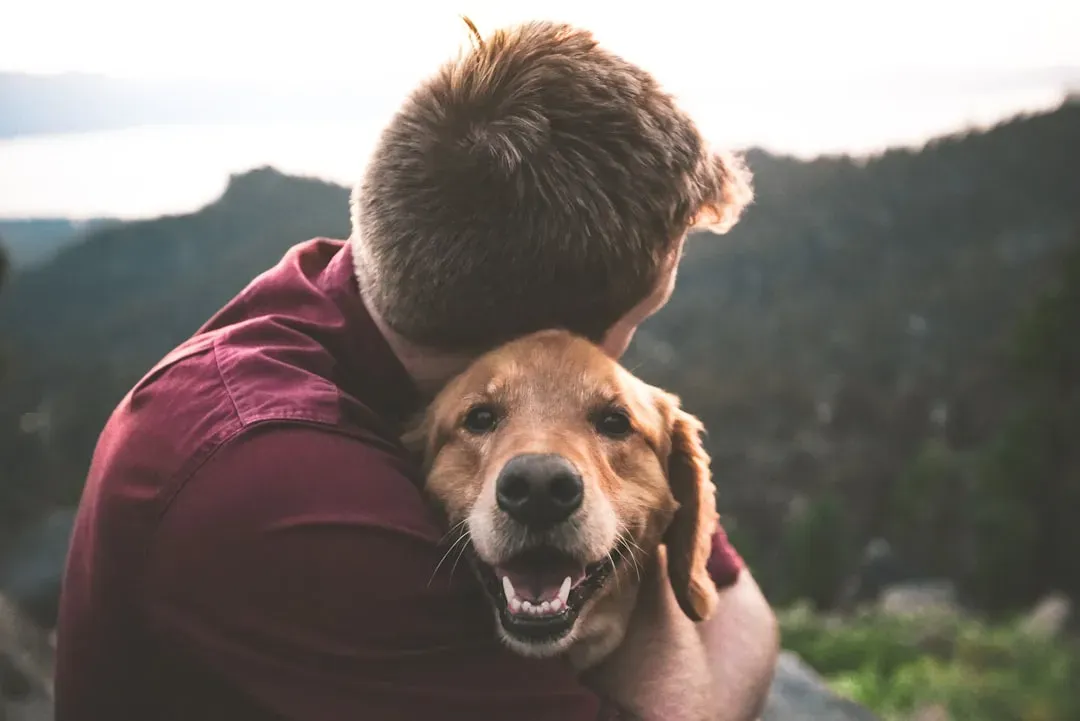
Longtime companions receive a different greeting than strangers, even on days when energy runs low. The dog may lean into a familiar hand or rest its head against a known leg without hesitation. That selective warmth demonstrates memory and preference remain active.
Visitors sometimes comment that the dog seems distant, yet the same animal perks up once the usual people return. The distinction matters because it shows social awareness has not slipped away. Small choices like this keep the bond feeling mutual.
Perks Up for Short Outdoor Time
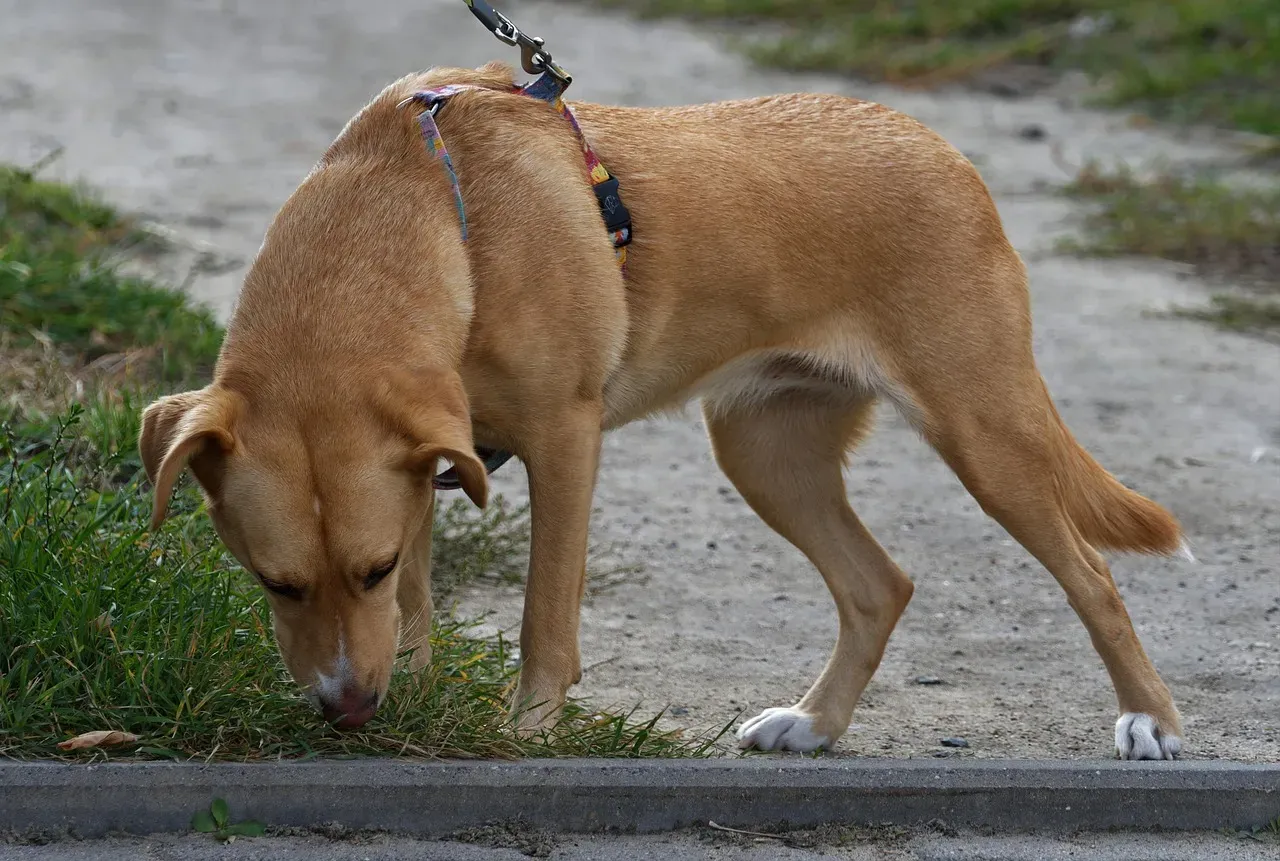
A leash near the door can still draw a raised head and a few steps forward, even if the full walk stays brief. The dog may sniff the air with genuine curiosity rather than obligation. Those moments outside often refresh both the animal and the person holding the lead.
Weather permitting, the same dog might pause at favorite spots along the usual route. The interest in smells and changes in light reveals an ongoing connection to the world beyond the house. Short outings become anchors rather than chores.
Interacts with Favorite Toys Occasionally
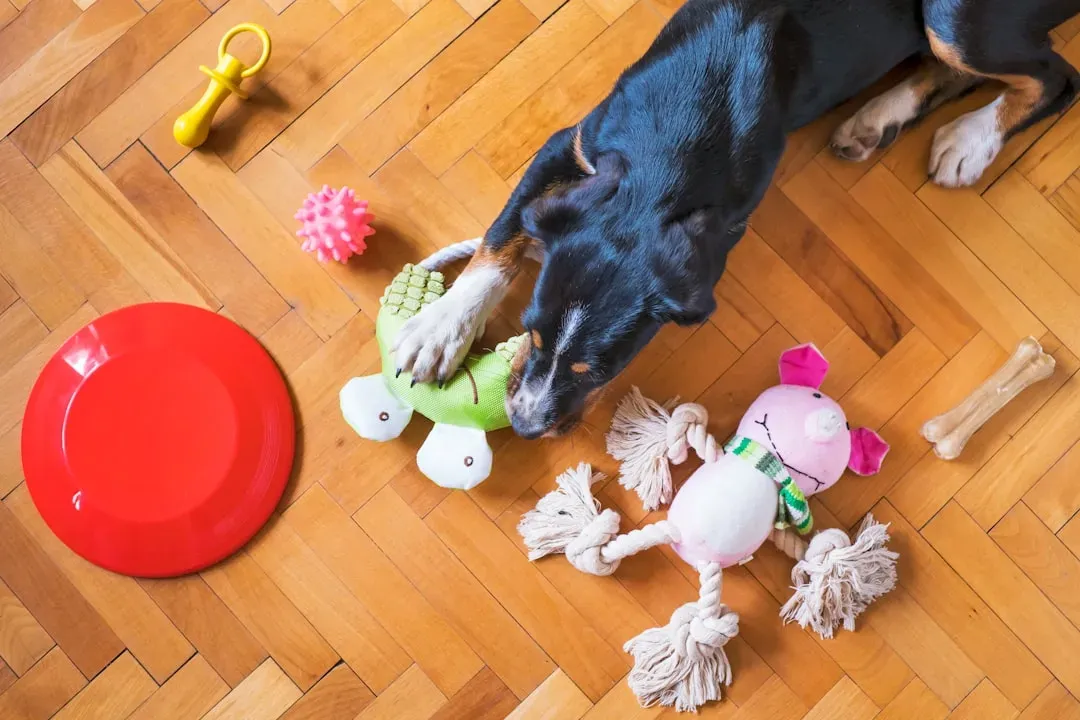
A well-worn toy placed nearby sometimes receives a nudge or a gentle carry across the room. The action may last only a minute or two, yet it shows the dog still finds comfort in familiar objects. This selective play differs from random chewing or complete avoidance.
Owners often see it happen right after a nap when the dog stretches and looks around. The toy serves as a bridge back to earlier habits without requiring high energy. Those brief returns to play keep personality visible.
Follows Established Daily Patterns
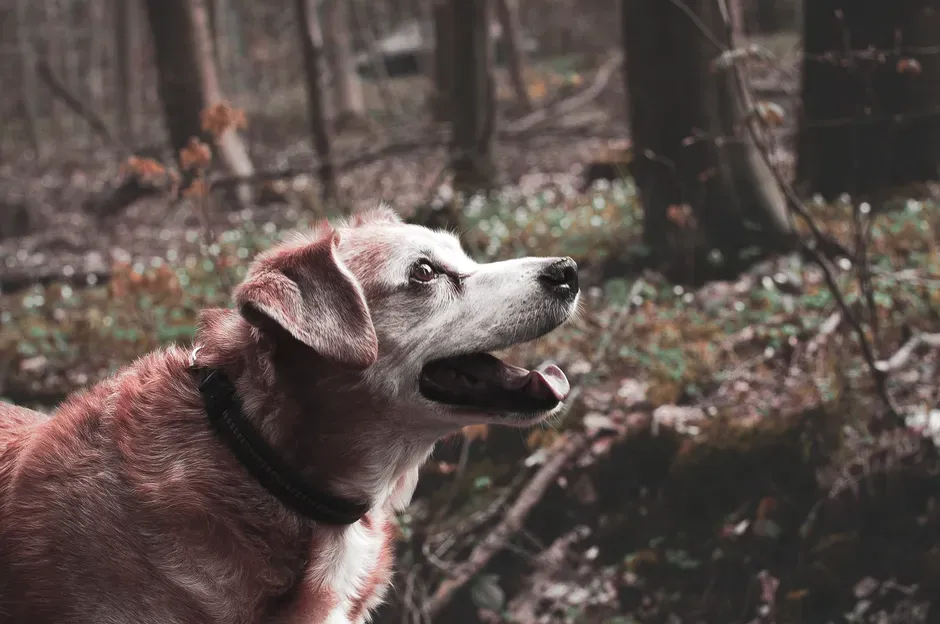
Many senior dogs still move toward the kitchen at the usual dinner hour or settle in their preferred spot by the window each afternoon. The timing stays consistent even when other behaviors slow down. This adherence to routine reflects an internal clock that continues to function.
Changes in light or household sounds often trigger the same sequence of movements. The predictability offers comfort and signals that cognitive mapping has not disappeared. Small consistencies like these anchor the household rhythm.
Shows Affection Through Leaning or Gentle Contact

Pressing against a leg or resting a head on a lap remains a steady way for many older dogs to seek closeness. The gesture carries the same meaning it always did, just delivered with less fanfare. Physical contact of this kind often appears without prompting.
Even on days when walking feels difficult, the dog may still seek out a familiar person for quiet company. The choice to stay near rather than isolate speaks to an emotional presence that endures. These moments strengthen the daily connection.
Alerts to Household Sounds
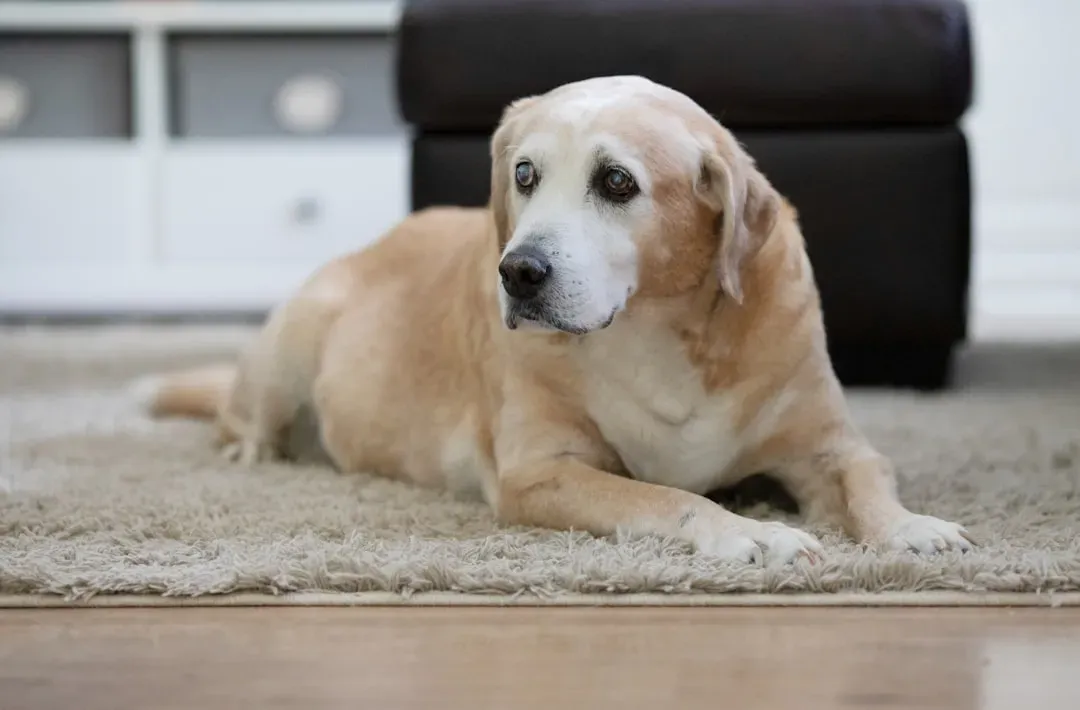
A doorbell or the sound of a car in the driveway can still prompt a raised head or soft bark from a senior dog. The reaction may arrive a beat later than it once did, yet the awareness itself stands out. This response shows the dog continues to monitor its environment.
Distinguishing between routine noises and unusual ones often remains intact. The selective attention prevents constant barking while preserving protective instincts. Owners appreciate these reminders that the dog stays tuned in.
Displays Occasional Bursts of Energy
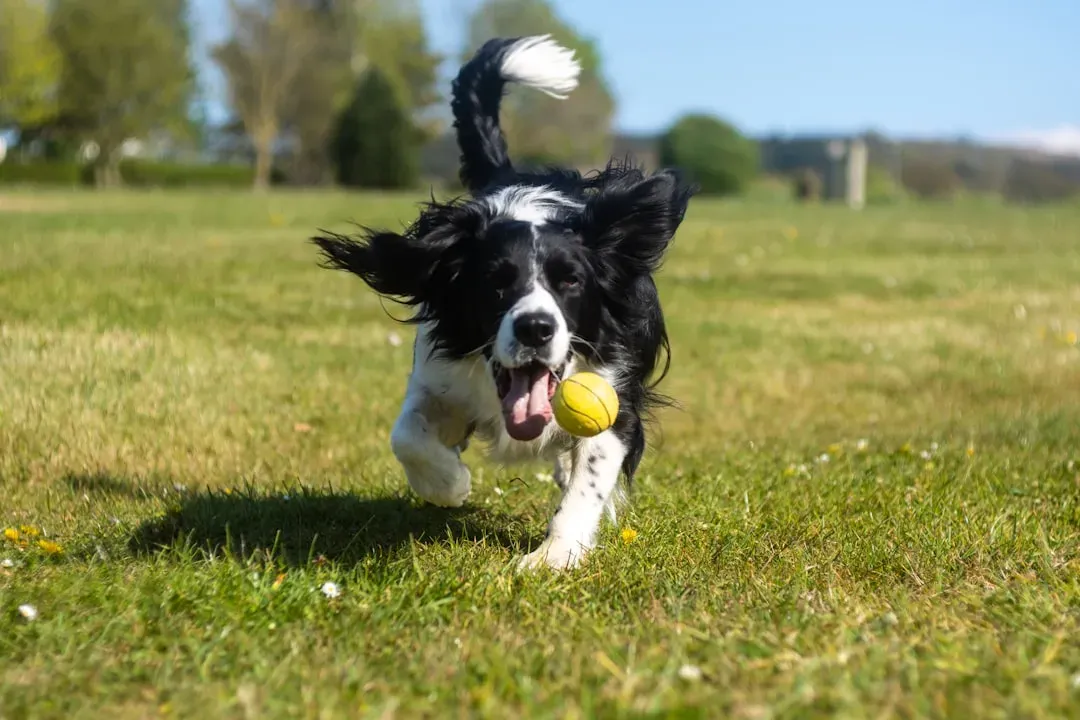
Unexpected trots across the room or sudden interest in a passing squirrel can appear without warning. These short surges contrast with the slower pace of most hours and highlight that vitality has not vanished entirely. The dog may return to rest quickly afterward.
Such moments often coincide with cooler parts of the day or after a favorite person arrives home. They serve as reminders that the animal still experiences joy and curiosity. Capturing them on video helps on tougher days.
Remembers Simple Commands
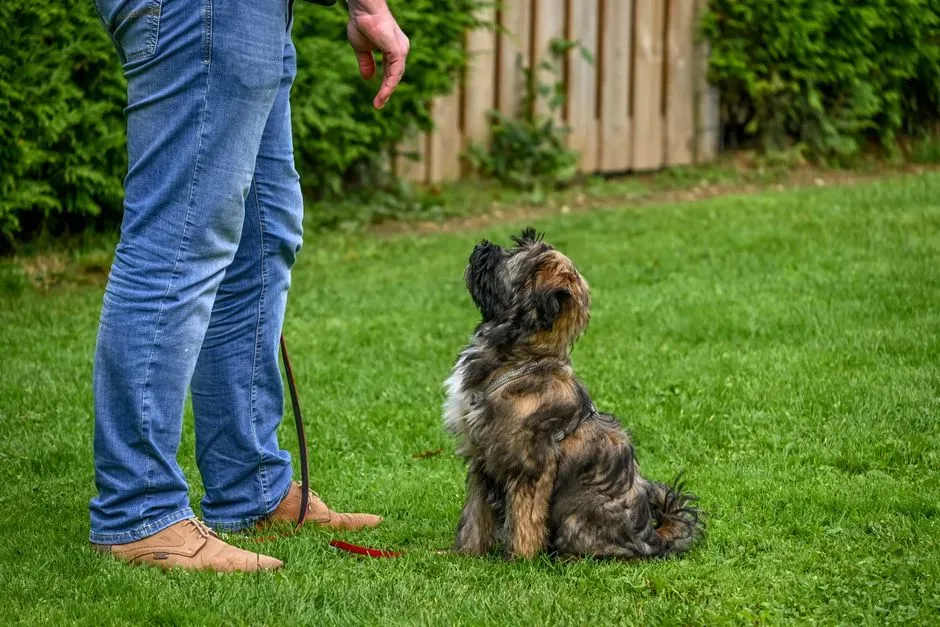
Basic cues like sit or stay sometimes receive a correct response even when the dog seems distant otherwise. The execution may look slower or require a second prompt, yet the understanding persists. This retention points to memory that has not fully faded.
Training sessions kept short and positive still bring visible satisfaction. The dog appears content to participate at its own pace. Those successes reinforce the sense that learning and recall remain available.
Interacts with Other Pets in the Home
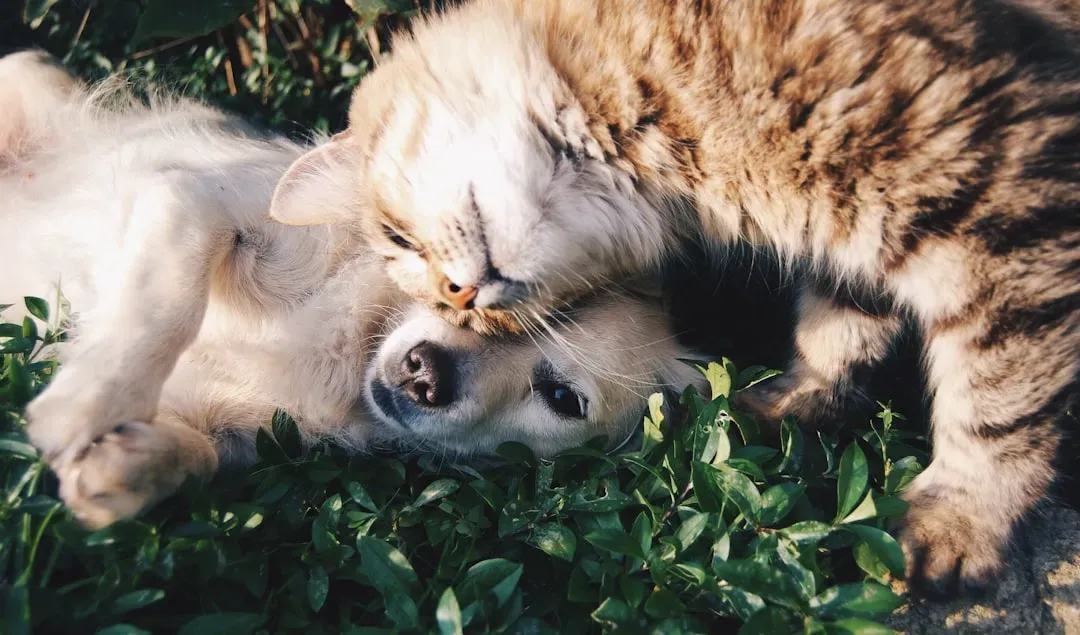
Sharing space with cats or younger dogs can still involve gentle sniffing or side-by-side resting. The senior may not initiate play, yet it tolerates and sometimes seeks proximity. These interactions show social awareness continues.
Conflicts remain rare when the older dog sets its own boundaries. The ability to navigate shared living areas reflects ongoing environmental understanding. Quiet coexistence becomes its own form of engagement.
Explores New Scents with Interest
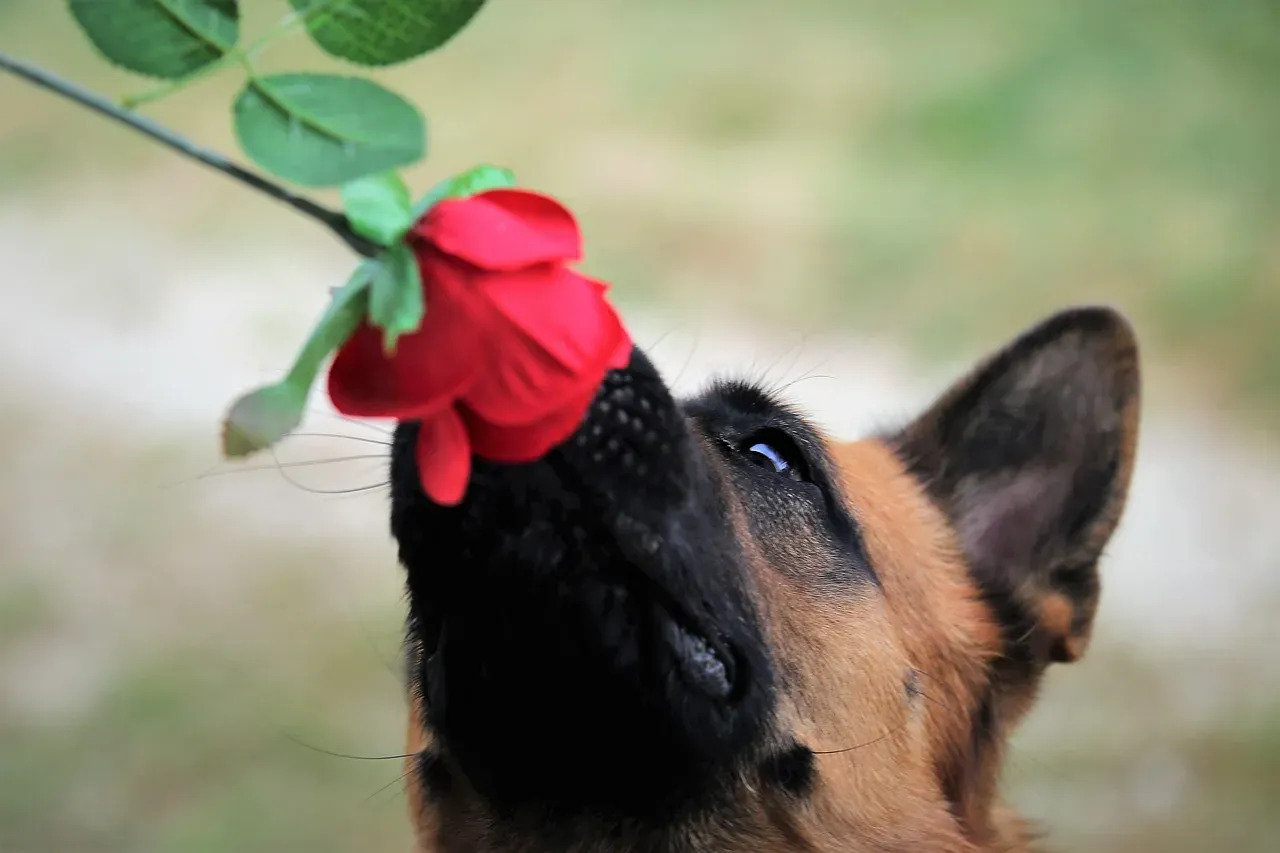
During yard time or brief porch visits, the nose often works methodically over grass or pavement. The dog may linger at spots that hold fresh smells without rushing through the outing. This sensory curiosity indicates the world still registers as interesting.
Changes in weather or new plants nearby can draw extra attention. The behavior mirrors earlier habits in a gentler form. Owners notice these pauses add depth to otherwise routine moments outside.
Makes Direct Eye Contact
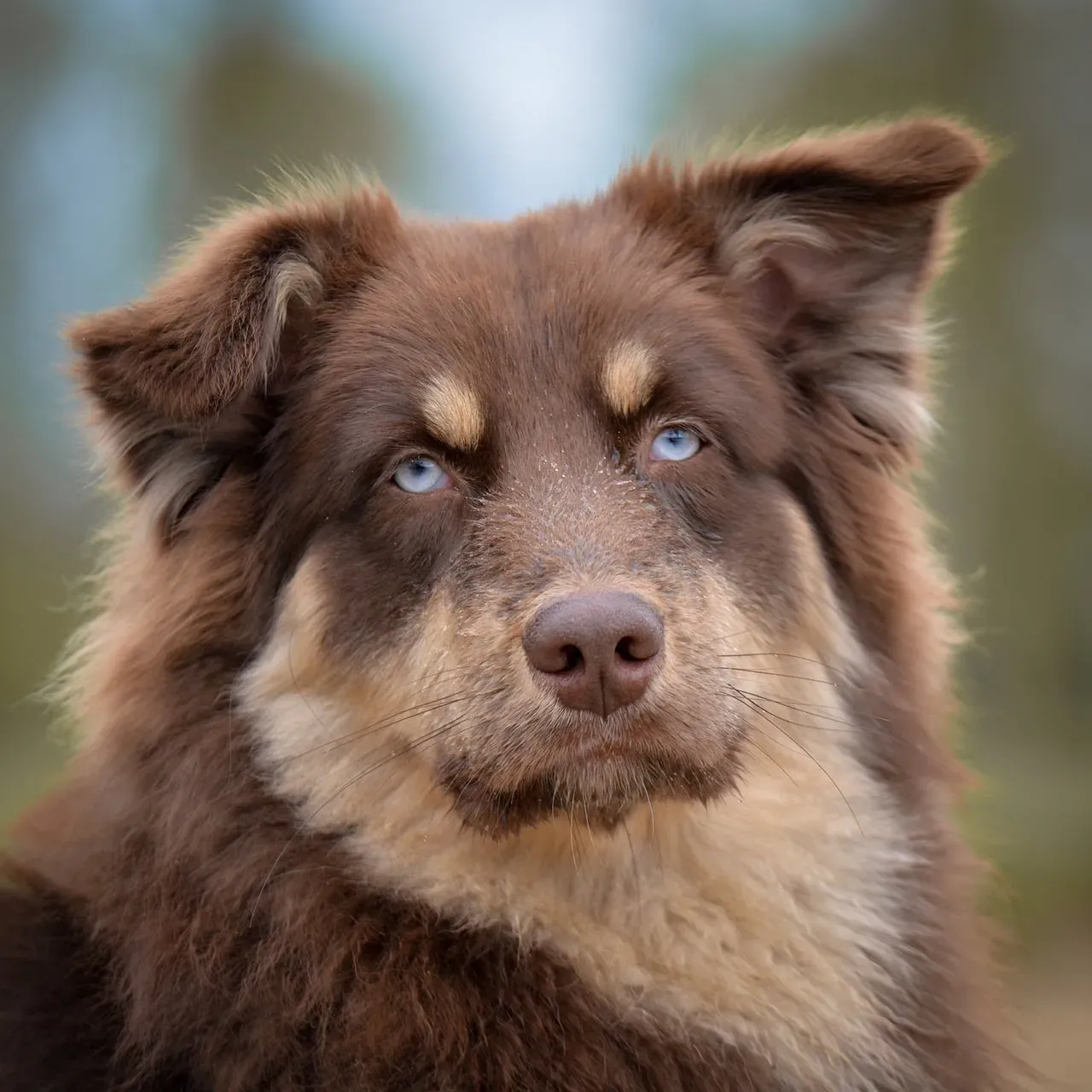
Looking straight at a person during conversation or while receiving a treat still happens with many senior dogs. The gaze may soften with age, yet it carries focus rather than vacancy. Eye contact of this kind signals presence and connection.
Some dogs hold the look longer when they feel secure. The exchange often precedes other small gestures like a tail wag or a shift closer. These glances become meaningful threads throughout the day.
Shows Appropriate Vocal Responses
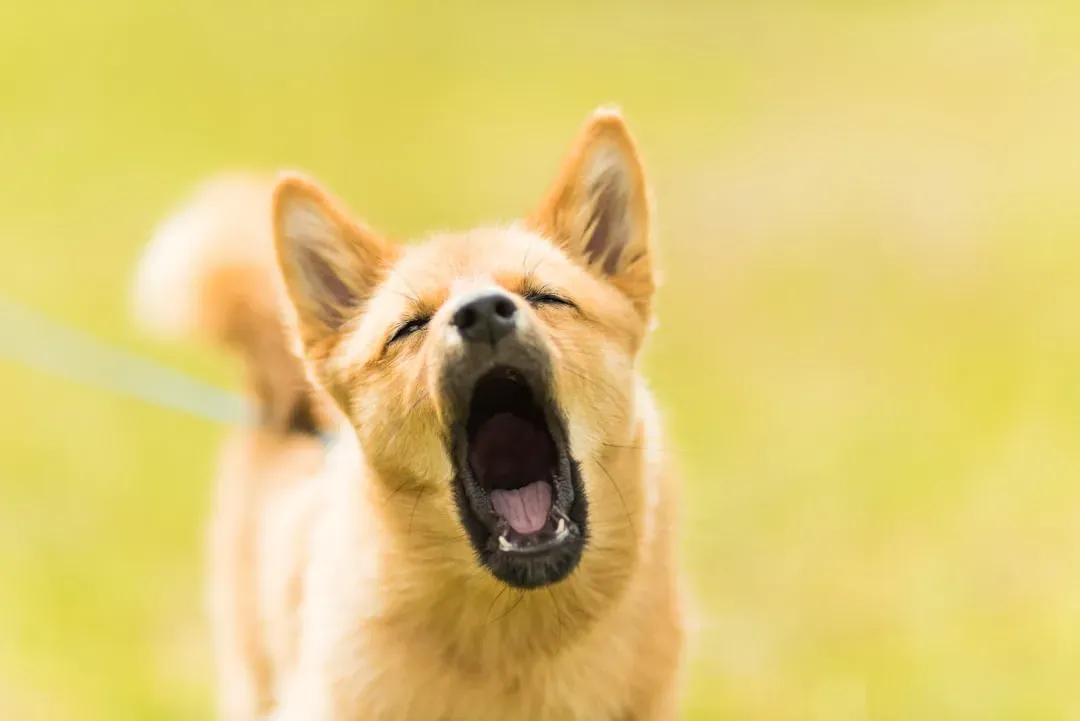
A soft whine at the sound of a familiar car or a single bark when someone approaches the door can still occur. The timing and volume fit the situation rather than appearing random. This measured communication reflects awareness of context.
Excessive or absent vocalizing would suggest deeper disconnection, yet selective sounds point to continued engagement. The dog chooses when to speak up based on what it perceives. Those choices keep personality intact.
Final Thoughts
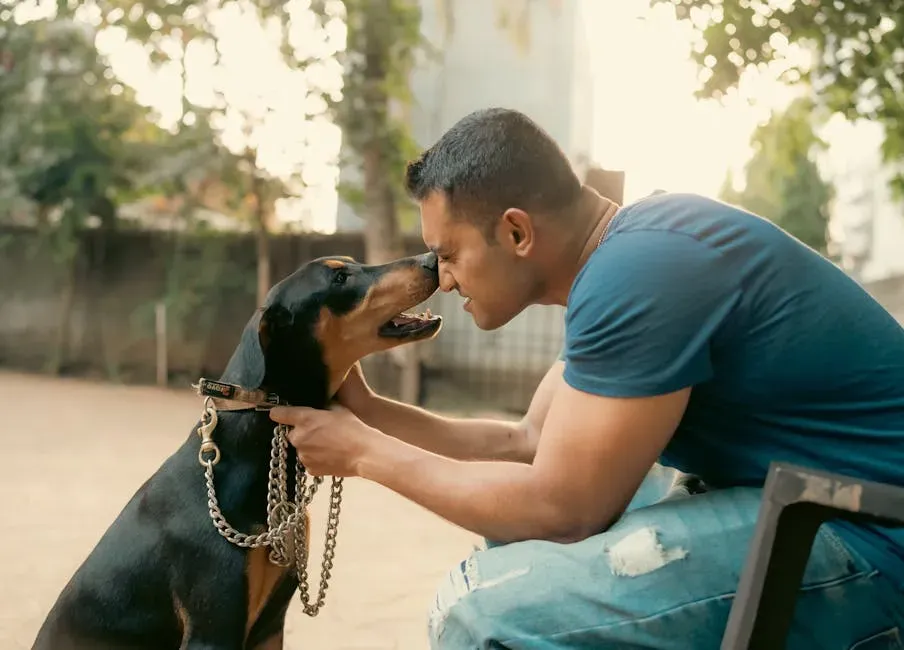
Noticing these signs turns ordinary days into something richer, especially when energy runs low. Each small response adds up to proof that the dog remains itself beneath the slower pace. Paying attention this way deepens the bond rather than simply extending it. The time left feels more meaningful when those flashes of presence receive recognition. Owners who watch closely often find comfort in the continuity rather than only the changes. In the end, those quiet confirmations matter most.

- 17 Quiet Signals a Horse Sends the Person It Has Claimed That Most Owners Never Learn to Read - August 1, 2026
- 18 Plants Lifelong Gardeners Say They Regret Ignoring for Far Longer Than They Ever Should Have - August 1, 2026
- The 18 Signs Your Aging Cat Has Chosen You to Be Beside It When the Time Finally Comes - August 1, 2026