
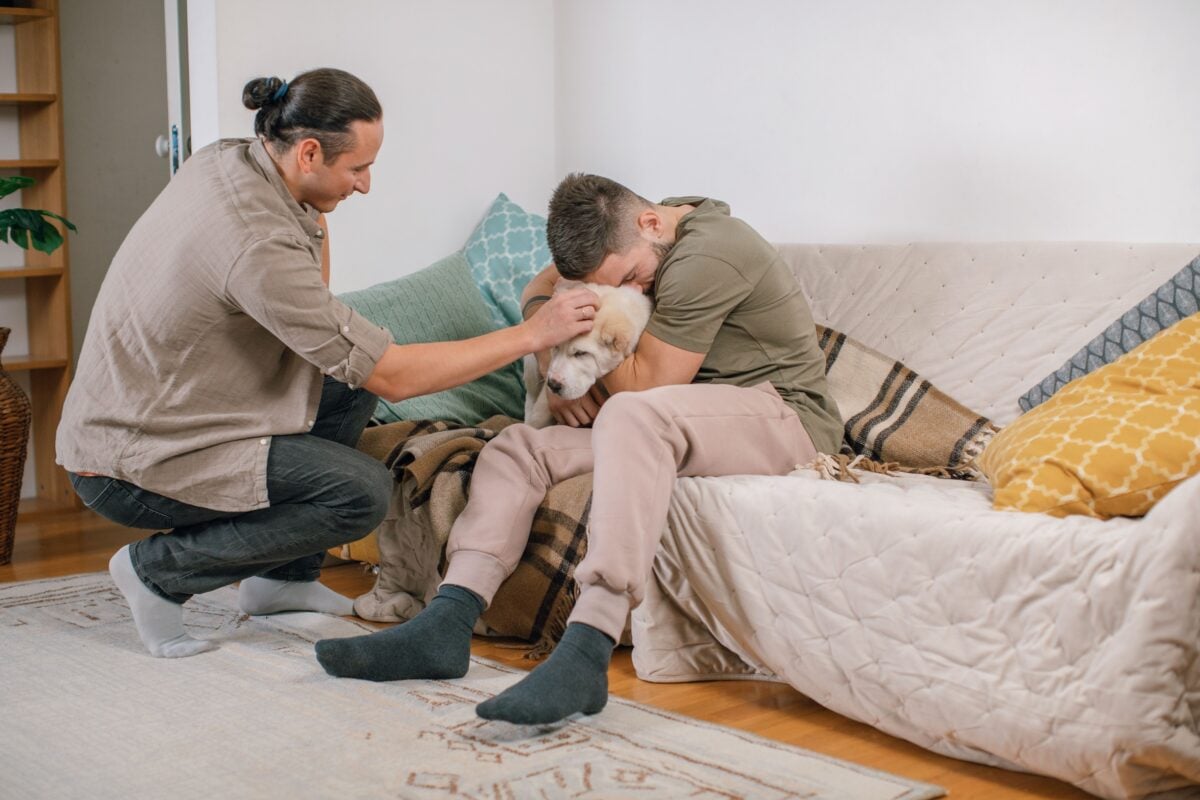
Every dog owner assumes their dog loves them the way it loves everyone else who tosses a treat or opens a can of food. That’s the myth. Behaviorists say dogs actually run on a strict, almost secretive hierarchy of trust – and most owners have no idea they’ve been quietly voted into the top spot until they notice the weird, vulnerable things their dog does only around them.
Some of these signs look like bad behavior. Others are so subtle you’d swear your dog was just being odd. But once you know what to look for, you’ll never see your dog’s clingy check-ins, ugly sleeping positions, or random gift-giving the same way again.
#15 – They Show You Their “Ugly” Side
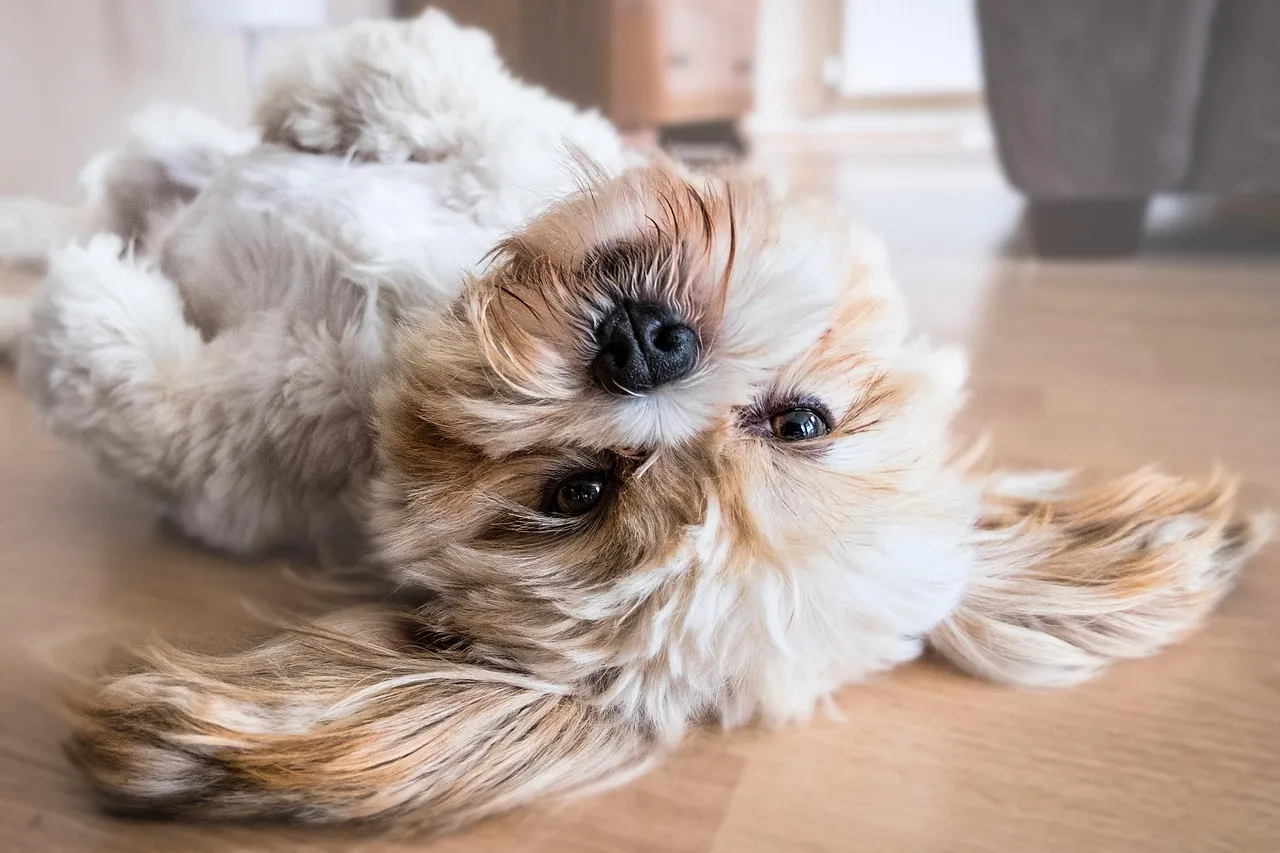
When a dog truly trusts you, they stop trying to look composed. They let you see the stuff they usually hide: gross yawns, awkward stretching, drooling, even those strange, contorted sleeping positions that would wreck a human spine.
A dog that feels completely safe around you will look absolutely ridiculous and not care at all. They’re not performing anymore. They’re just existing.
You’ll also notice they don’t mask their bad moods. Around strangers, many dogs fake politeness or shut down. With their person, they’ll huff, whine, side-eye, even stalk off to the other room. That’s not disrespect. That’s honesty.
Dogs only drop the polite mask when they’re convinced you’re safe enough to handle the real them. It’s basically the canine version of taking the armor off at the end of the day.
#14 – They Turn You Into Their “Home Base”
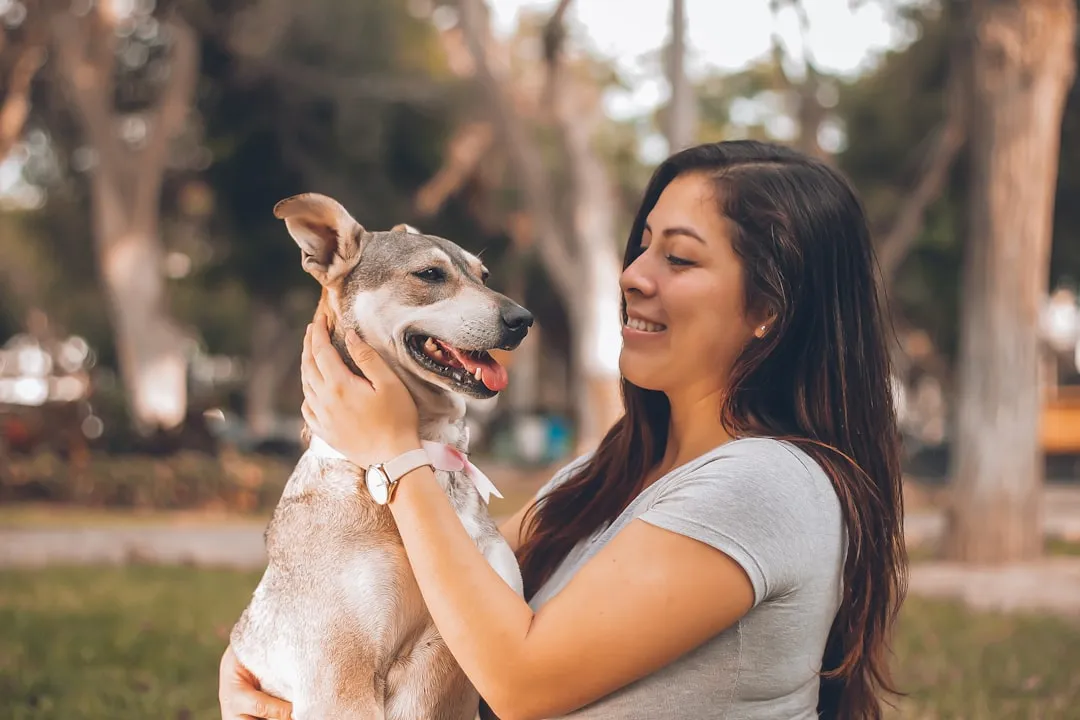
In a new place, most people watch what their dog does first: sniff, pull, or explode with excitement. But the more telling sign is what your dog does between all that chaos.
Dogs who trust one person completely keep circling back to that human like a living anchor. They’ll touch your leg, check in with eye contact, or lean on you before heading out to explore again. That’s not clinginess. It’s secure attachment.
Even in busy dog parks, some dogs will sprint off, play hard, then trot right back to bump your knee or sit near your feet. That brief reset proves you’re their emotional charging station.
Dogs who don’t have that person often stay hyper-alert or avoidant, never really settling. If you’re the one they keep returning to – with soft eyes and relaxed body language – you’re not just their owner; you’re their safety net.
At a Glance
- Touches your leg or checks in with eye contact before wandering off
- Sprints back to bump your knee mid-play instead of ignoring you
- Stays hyper-alert or avoidant when their anchor person isn’t around
- Shows soft eyes and a loose, relaxed body when reconnecting with you
#13 – They Invite You Into Their “Den”
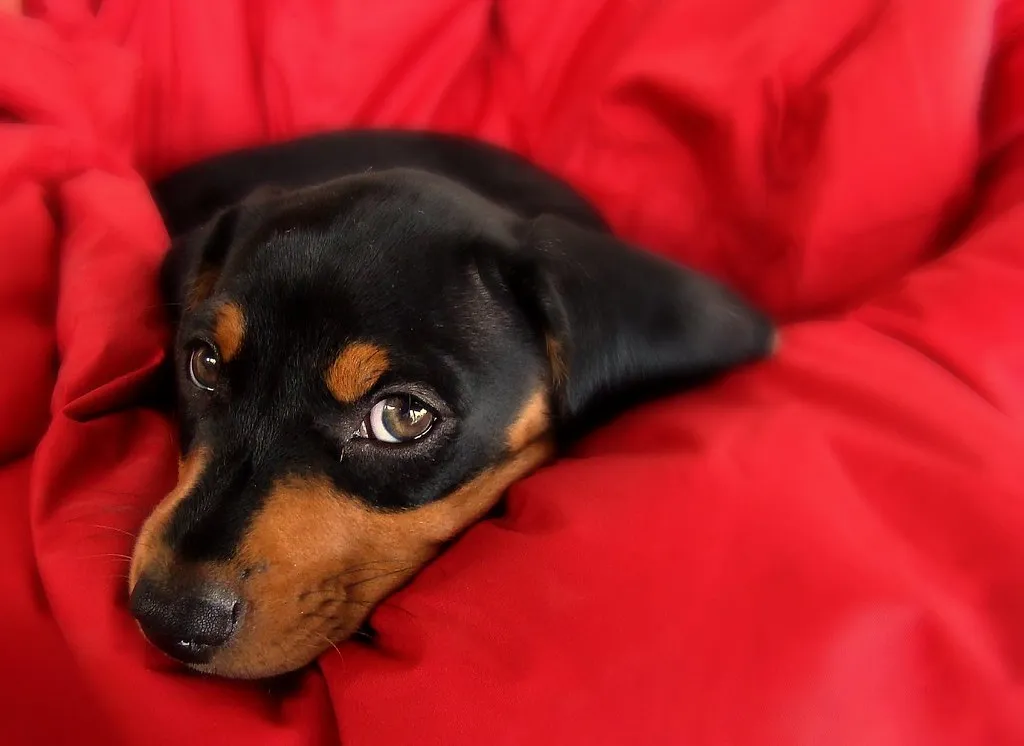
Most people think a dog’s bed or crate is just a place to sleep. For many dogs, it’s a private bunker where no one else is allowed. When they trust you deeply, that rule changes.
A dog who truly trusts one person will bring that human into their densest, coziest, most vulnerable spaces. They’ll jump on the couch and pat the spot next to them, or shift over on their bed to make room.
You might notice they drag toys, blankets, or even your clothes into one specific spot, then look at you like, “Well? Aren’t you coming?” That’s not random hoarding.
It’s your dog literally curating a shared environment and asking you to co-own their safe space. For more independent dogs, simply lying pressed against you in their favorite spot is a major trust confession.
#12 – They Let You See Their “Soft Belly, Soft Brain” Mode
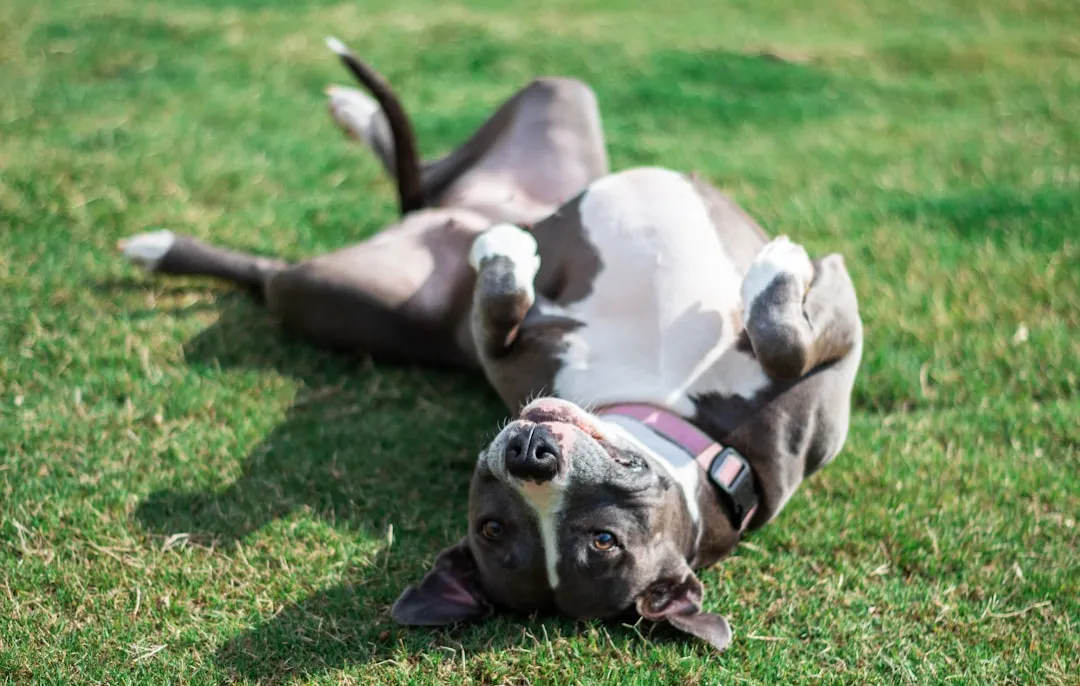
Everyone knows a dog exposing their belly is a vulnerable position, but most people get the meaning wrong. Dogs will sometimes roll over as an appeasement gesture while staying tense and unsure underneath.
The real trust test is when they flop next to you like a dropped potato: legs splayed, eyes half-closed, breathing slow. If they show you their belly and their whole body goes loose and heavy, that’s genuine trust, not fake submission.
The second layer is mental. They let their guard down emotionally – sighing loudly, melting into your hands during petting, drifting into deep sleep with their head on your lap.
Falling into REM sleep right next to you – twitches, little barks, totally offline – means they believe you’ll handle the world while they’re unconscious. That’s a level of trust most people never realize they’ve earned.
#11 – They Guard You, Then Pretend They’re Not Guarding You
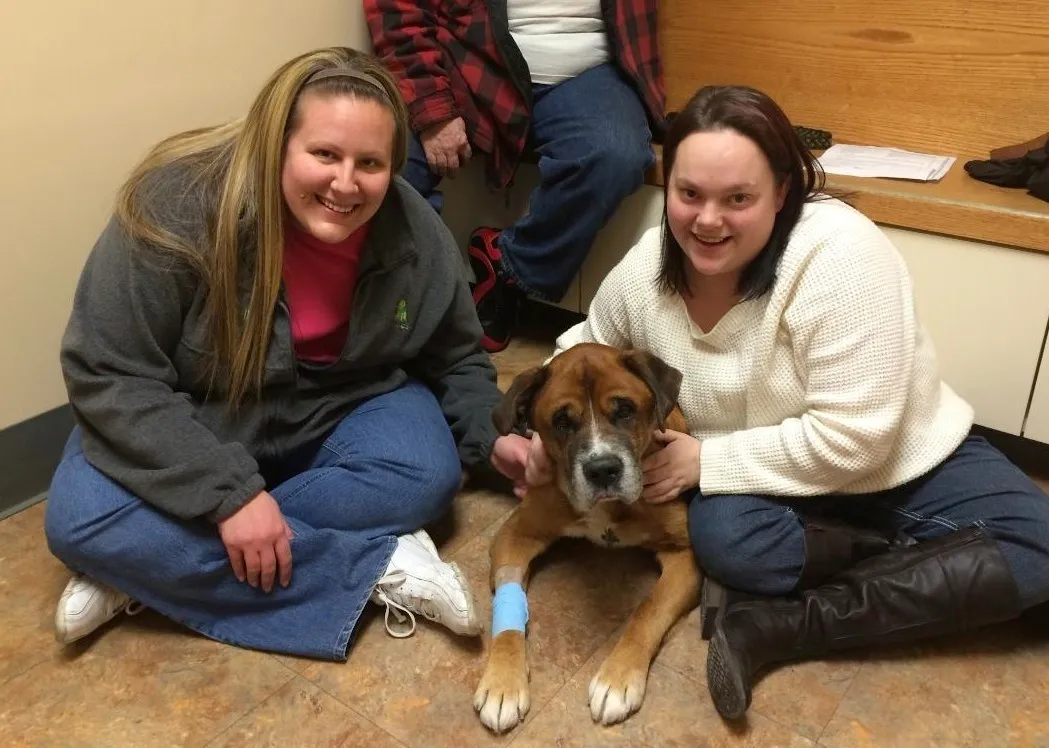
Protective behavior gets badly misread online all the time. Yes, some dogs bark like maniacs at everything – that’s not what we’re talking about here.
When a dog trusts one person deeply, they quietly reposition themselves around you. They’ll lie between you and the door, stand slightly in front of you on walks, or “casually” put a paw or shoulder against your leg when someone unfamiliar approaches.
They don’t have to be aggressive. In fact, the calmest protector dogs are often the most devoted. They just track your emotional state, scan the room, and make sure they can intercept anything weird before it reaches you.
That subtle body-blocking and quiet vigilance isn’t dominance – it’s your dog saying, “You are my priority in this room.” Many owners miss it completely, or even scold it away.
#10 – They Use Their “Secret Eyes” Only With You
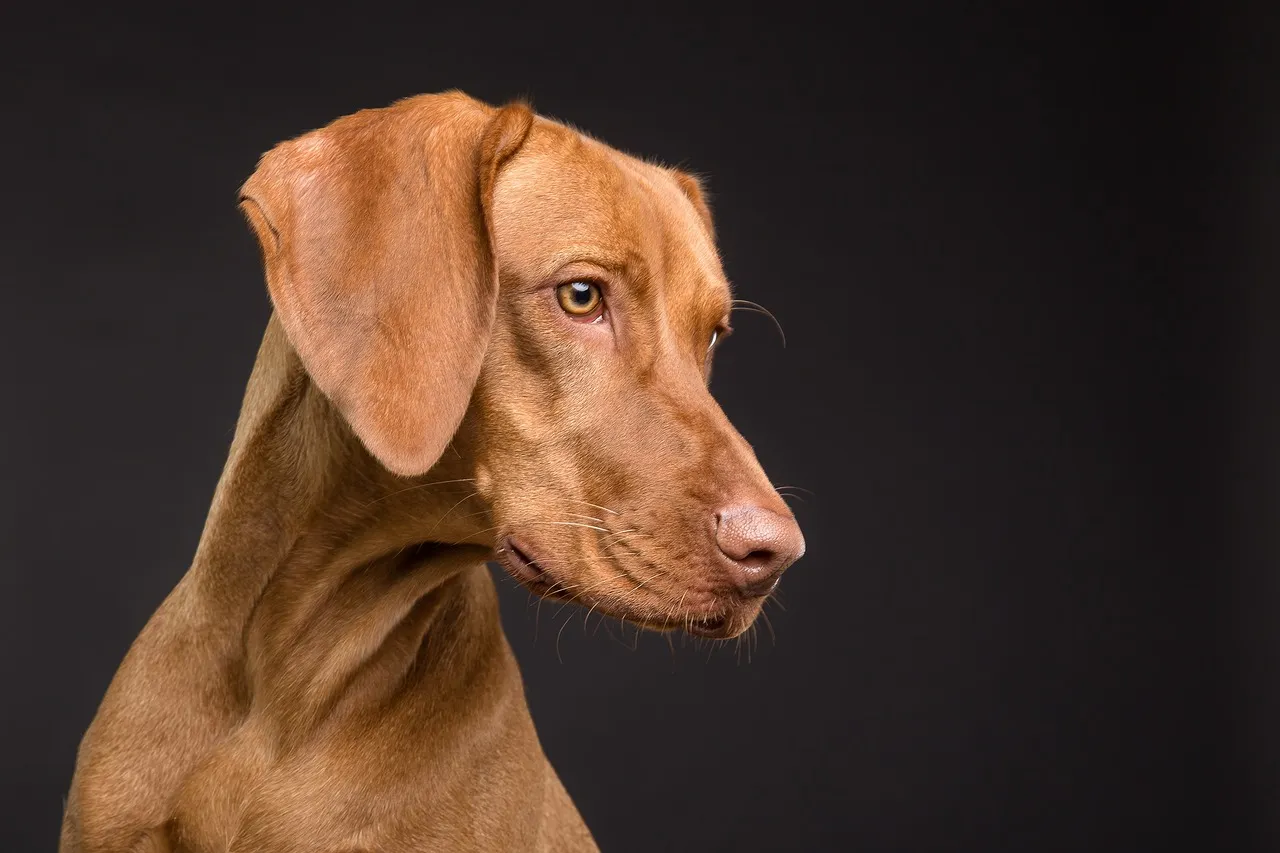
Every dog owner thinks their dog looks at them with love, but behaviorists actually separate the types of eye contact. Casual eye contact is quick and functional. Deep trust eye contact looks different: soft eyes, slow blinks, maybe a tiny head tilt.
Dogs reserve this long, relaxed gaze – sometimes called the “oxytocin stare” – for the one person who consistently feels safe. It’s literally bonding chemistry in action.
Watch how they look at others versus how they look at you. With strangers, a dog might dart their eyes, scan, or look away quickly. With their trusted person, they’ll lock in gently, sometimes from across the room, like they’re quietly checking, “Still good?”
If your dog willingly holds that soft gaze without tension or demand, they’re not asking for anything. They’re simply sharing a moment.
#9 – They Bring You “Gifts” That Make Zero Sense
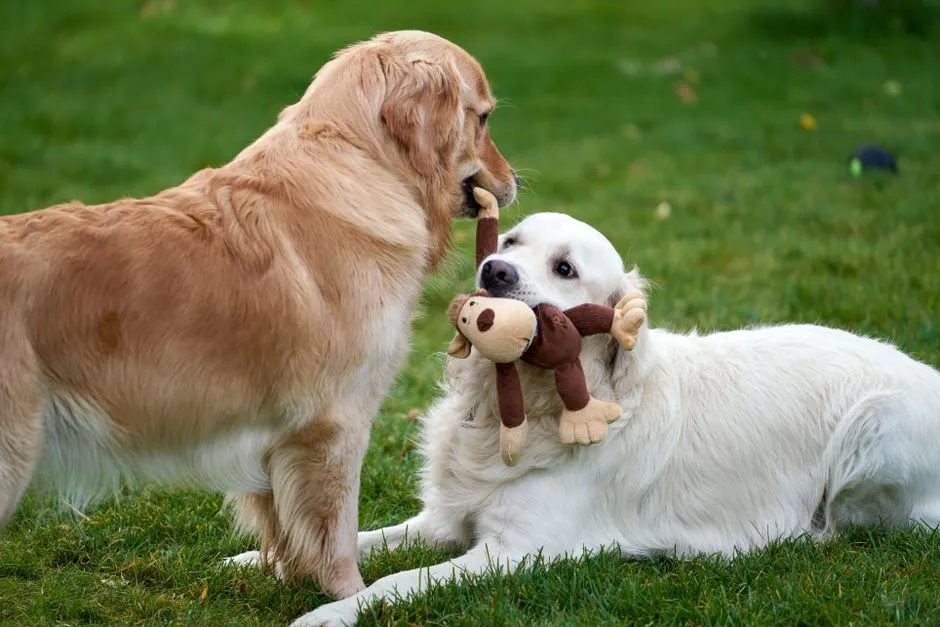
Most people laugh when their dog drops a random sock, leaf, or slightly disgusting toy in their lap. But this isn’t just play. In canine social groups, sharing resources is a big deal.
A dog that consistently brings you their favorite possessions – not just any item – trusts you enough to involve you in their most valued stuff. That’s serious social currency in dog terms.
Watch for the pattern:
- Do they bring you the same toy over and over?
- Do they drop things at your feet, then look up proudly?
Often, they’re not demanding fetch. They’re inviting you into a ritual. Even when they bring you something “nasty,” like an old bone or a slobbery ball, they’re including you in their private treasure economy. Many people shoo them away, not realizing they’ve just rejected an emotional offering.
#8 – They Let You Touch the “No-Touch” Zones
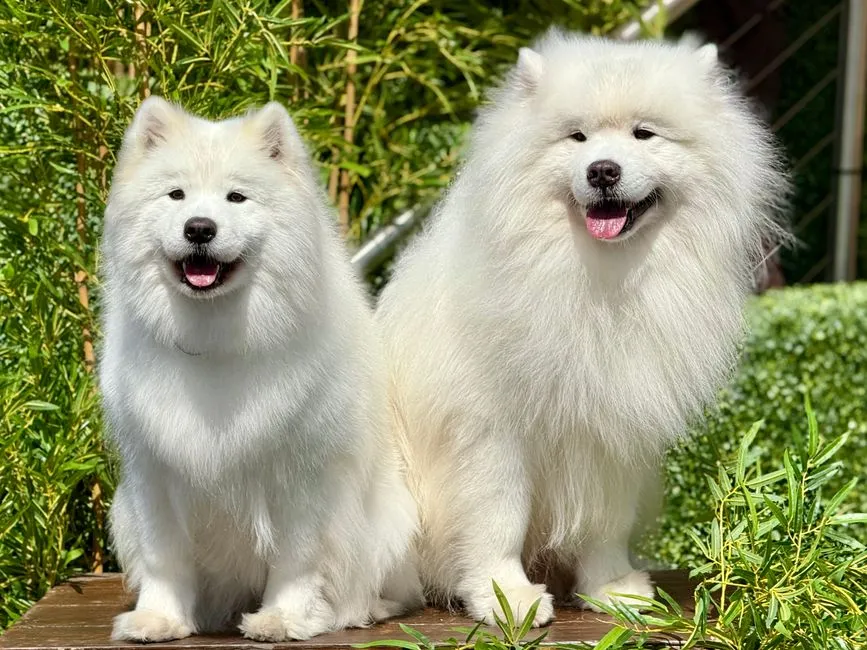
Plenty of dogs tolerate being petted, but only a few allow deep handling: paws inspected, ears checked, tail lifted, teeth examined. When a dog trusts one person completely, the rules change.
They’ll accept gentle handling in places they’d never allow from anyone else, because they believe you won’t hurt them – or ignore their discomfort. That last part matters: real trust includes expecting you to stop if they say “enough.”
If you can wipe their eyes or mouth without a fight, trim their nails slowly over time, or check their belly, armpits, and between their toes, you’re not just “the groomer.” You’re the medical team, the spa, and the emotional support unit, all in one.
Dogs only surrender that level of vulnerability to someone who’s proven, over and over, that touch is safe and predictable.
#7 – They Copy Your Weird Little Habits
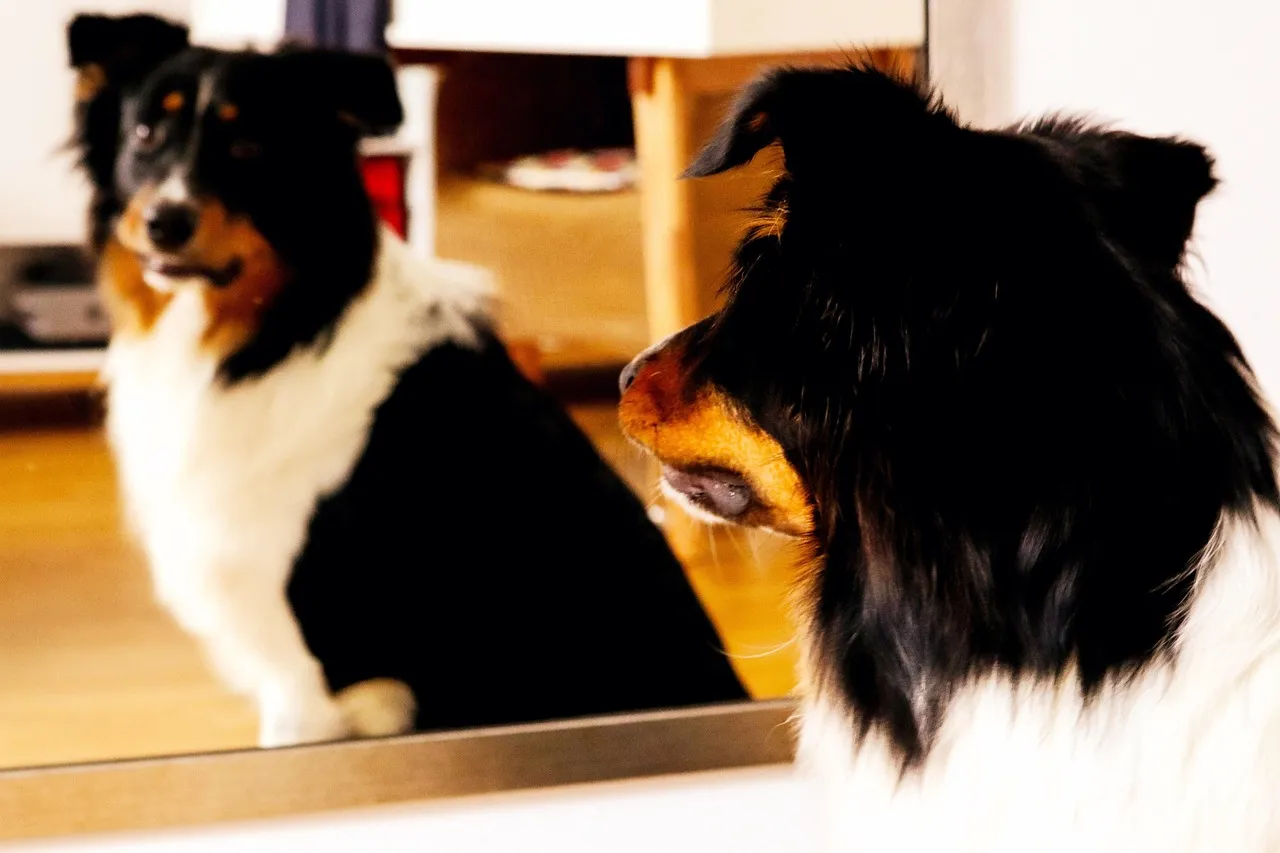
People massively underestimate how much dogs mirror us. Research shows dogs can sync their stress levels and even their sleep patterns with their bonded humans.
When a dog trusts one person deeply, they start imitating that person’s routines, energy spikes, and even some of their body language. It’s not coincidence when your dog gets up when you do, sighs when you sit, or waits to eat until you’re settled.
You might notice they follow you from room to room, not anxiously, but rhythmically. They flop on the floor when you do, or shift positions the moment you move.
This isn’t “velcro dog” behavior by default. In secure relationships, it’s closer to how close friends naturally sync their walking pace and conversation rhythm. Your dog subtly matching your movements is a sign they see you as their reference point for how to be in the world.
Worth Knowing
- Bonded dogs can sync stress levels and sleep patterns with their favorite person
- Rising, sighing, or waiting to eat when you do are subtle mirroring cues
- Following you room to room in a calm rhythm signals bonding, not anxiety
- Matching your pace and movements means you’re their behavioral “home base”
#6 – They Let Their Training Slip… Safely
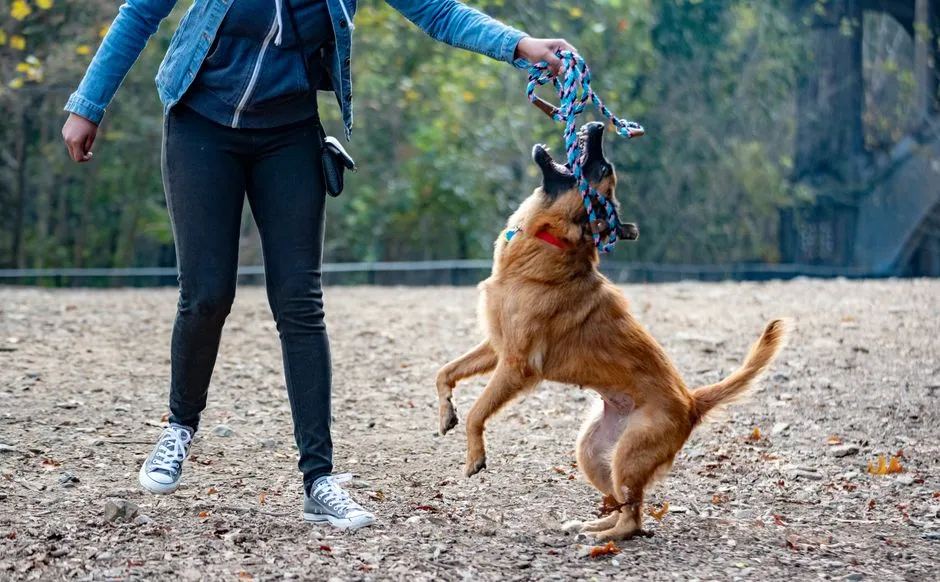
This one will start an argument in the comments: well-bonded dogs are often worse behaved around their most trusted person. Not because they don’t respect them, but because they feel safe enough to push boundaries a little.
The dog who’s polite with strangers but sassy with you is actually telling you, “I know our relationship can handle honesty and mistakes.” It’s the dog equivalent of a kid melting down only at home.
You’ll see playful backtalk, gentle mouthing, “arguing” barks, or the occasional ignored cue when they’re tired or overwhelmed. Is this always healthy? No. But in moderation, it often signals secure attachment, not rebellion.
A dog that never relaxes enough to misbehave around you might not feel as emotionally safe as you think. The trick is balancing structure with the understanding that you’re their emotional safe room.
#5 – They Share Their Fears With You
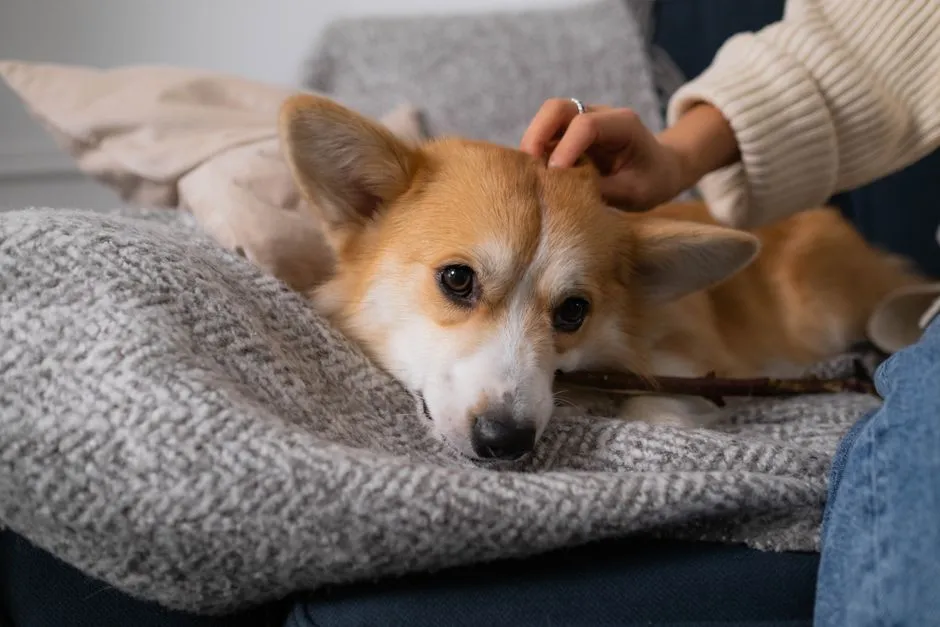
Most people want the brave, bombproof dog. Reality: every dog is afraid of something – thunder, fireworks, strange noises, slippery floors. The real trust test is who they run to when fear hits.
A dog that sprints to you during a panic, presses their body against you, or hides behind your legs is saying, “You’re the only one I believe can fix this.” That’s not weakness. That’s chosen dependence.
Pay attention during storms, unexpected noises, vet visits, or car rides. If your dog climbs into your lap, buries their head into your chest, or insists on touching you somehow, they’re using you as an emotional lightning rod.
They’re offloading distress onto the one person they know won’t punish or dismiss their fear. Ironically, people sometimes push them away in those moments, not realizing they’re rejecting the deepest trust move the dog has.
#4 – They “Check Your Work” All Day Long
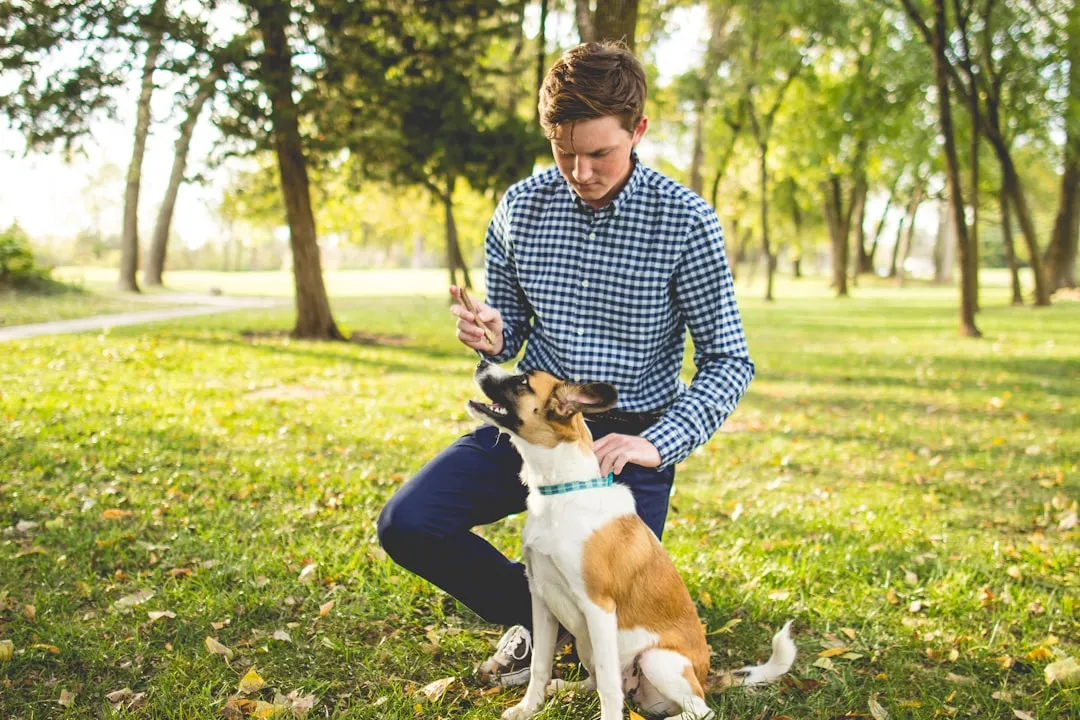
Some dogs don’t cling, they supervise. They’ll nap, wander, chew a toy, but every so often they get up, find their person, look them over, maybe sniff, then wander off again.
That routine “trust but verify” patrol is a strong sign your dog sees you as the emotional center of the household. They just want to make sure their key human is exactly where they left them.
It’s easy to miss. You’re cooking, they appear, stare, then leave. You’re at your desk, they walk in, touch you briefly, then go. This isn’t neediness. It’s quality control.
Dogs who truly trust one person build their day around brief reconnections, not constant demand. They’re self-sufficient but emotionally tethered – and if you’re the one they quietly check in on, you’re their chosen point of reference.
#3 – They Forgive You Faster Than Anyone Else
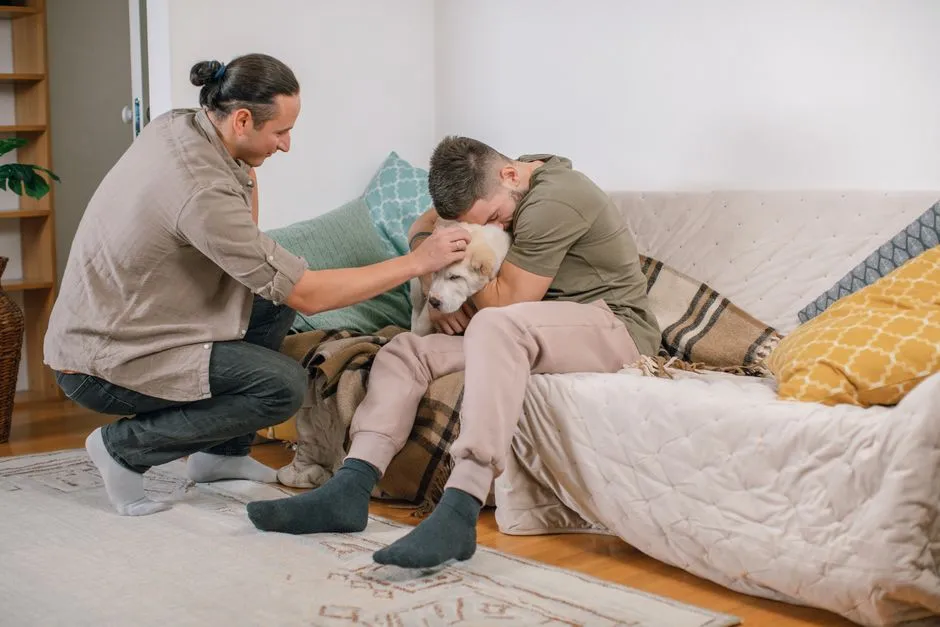
Here’s the uncomfortable truth: even good owners mess up. We step on paws, raise our voice, rush through walks, or miss cues. The difference is what happens next.
Dogs who trust one person deeply will flinch in the moment, but then seek that same person for comfort shortly after. Choosing to come back to you after you scared or hurt them by accident is one of the clearest signs of profound trust.
You might see a quick startle, then a cautious tail wag and approach. Or anxious behavior in the moment, followed by seeking your touch later.
Distrust looks like sustained avoidance instead: the dog keeps their distance, freezes when you approach, or only relaxes with someone else. A dog that can emotionally reset with you, instead of holding a grudge or staying guarded, believes your intentions are safe even when your actions aren’t perfect.
Quick Compare
- Trust response: quick startle, then a cautious tail wag and return within moments
- Trust response: seeks your touch or comfort shortly after being startled
- Distrust response: sustained avoidance and keeping physical distance
- Distrust response: freezing up or only relaxing around a different person
#2 – They Sleep Where You’re Most Vulnerable
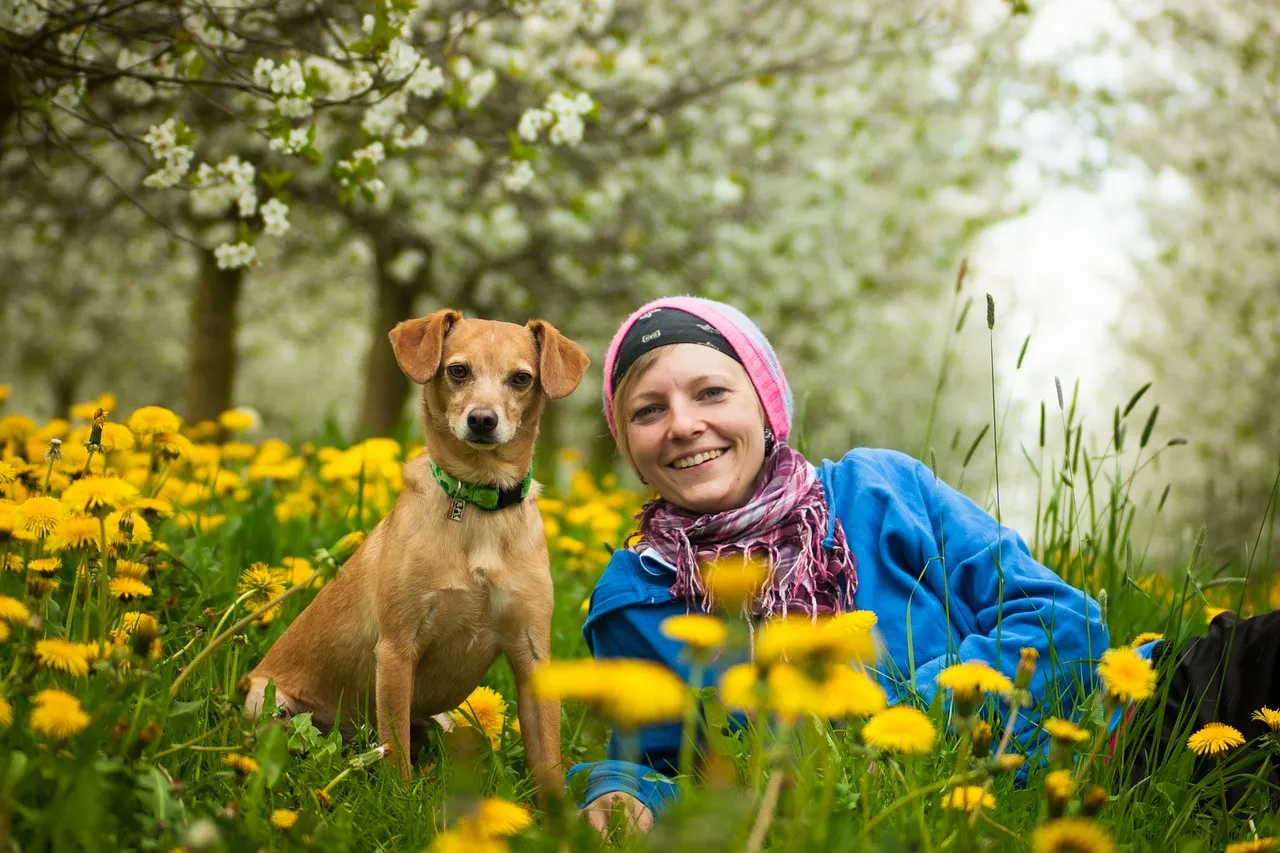
We talk a lot about dogs being vulnerable around us, but we forget the flip side: they also pay close attention to our vulnerable moments. Many deeply bonded dogs choose to sleep near us when we’re least aware – by the bathroom door, under the desk when we’re zoned out, or on the bed near our feet.
They position themselves where they can sense changes in our breathing, movement, and mood. Watch the pattern – they shift closer if you’re sick or exhausted, and they stay put near you even when a more comfortable spot is available across the room.
This isn’t random. It’s quiet, voluntary watch duty. If your dog consistently stations themselves near you at night or during naps, they’re trading some comfort for the chance to monitor and, in their mind, protect you. That’s not just habit. That’s a decision rooted in long-term trust.
#1 – They Choose You Over Freedom
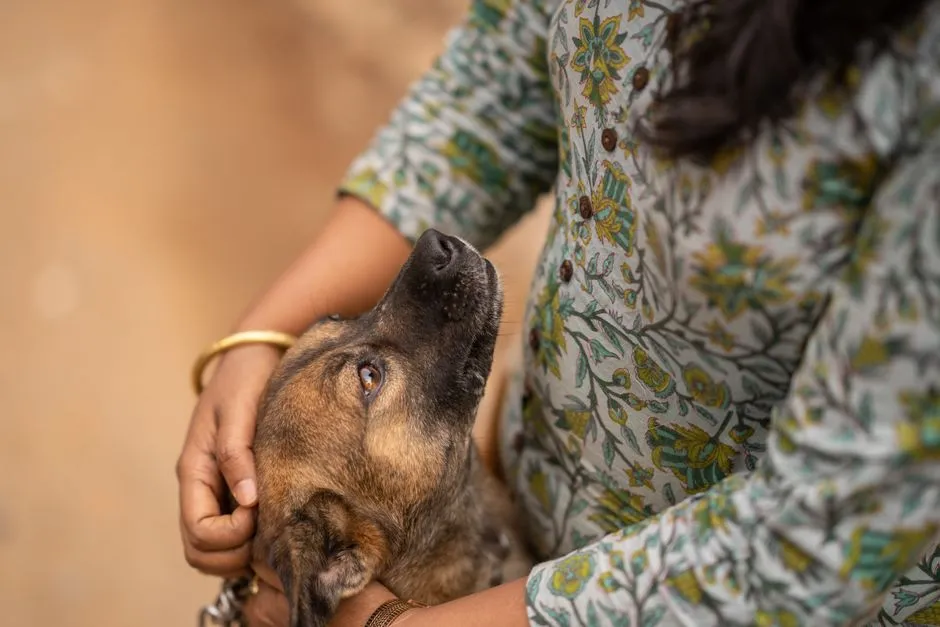
The most powerful sign of trust doesn’t happen on the couch. It happens at the door. Given the chance to bolt – an open gate, an off-leash moment, a car door left ajar – who do they choose?
Dogs who trust one person completely may explore, run, or sniff, but they return. They use their freedom, but they don’t abandon the relationship, because you are home, not the house.
Real talk: many dogs will run if scared or under-exercised. But a deeply bonded dog, when calm and thinking clearly, will check back with you even off-leash. They’ll glance over their shoulder on walks, wait at corners, or pause the moment they realize the distance between you has grown.
That decision to trade endless options for proximity to you is the ultimate trust flex – and the one most people don’t appreciate until it’s gone.
Why It Stands Out
- Glances back mid-walk just to confirm you’re still close
- Pauses at corners or open gates instead of bolting through them
- Returns on their own even during rare off-leash freedom
- Chooses proximity to you over unlimited space to explore
The Bottom Line
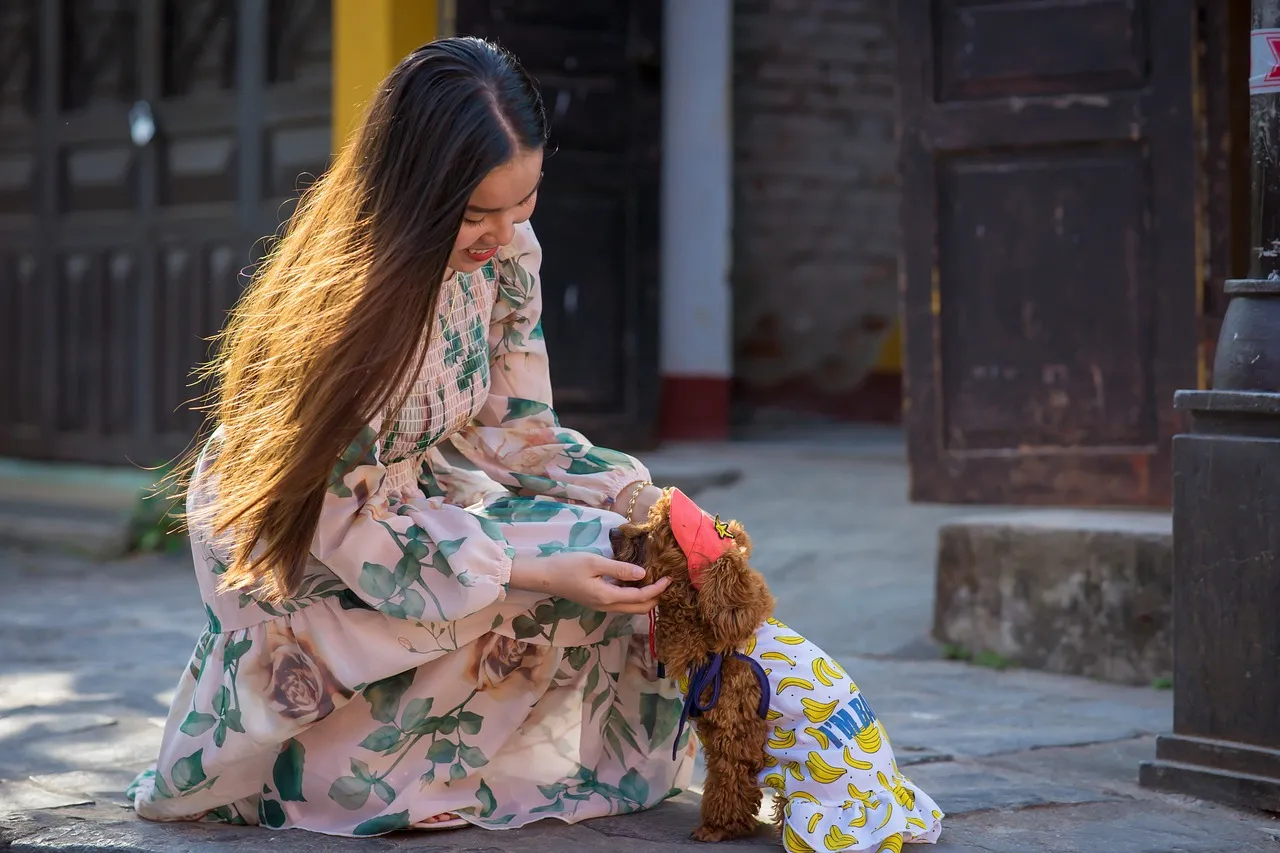
When you strip away the cute videos and training buzzwords, a dog’s trust isn’t about who buys the fanciest treats or owns the biggest yard. It’s written in small, unfiltered moments: the sloppy sleep next to your leg, the quiet check-ins from across the room, the trembling body pressed into your chest during a storm.
The harsh truth is that some people brag about “obedience” while never earning this deeper, softer level of canine trust. Others, without perfect training, become the one safe person their dog would choose every time.
If your dog does even a handful of these things only with you, you’re not “just the owner” – you’re their world. Which behavior from this list screams “that’s my dog” to you – and did we miss one you swear is a secret trust signal? Drop it in the comments.

- 15 Things Dogs Only Do Around the One Person They Trust Completely - August 5, 2026
- 13 Signs a Dog Has Chosen Their Person for Life – Vets Say It Happens in the First Few Days and Never Changes - August 5, 2026
- 16 Ways Senior Dogs Try to Comfort Their Families in the Weeks Before They Go - August 5, 2026