
Most people think horse ownership comes down to hay, water, and a sturdy fence. Show up, feed twice a day, muck a stall, done. That’s the fantasy that gets a lot of well-meaning newcomers into trouble.
The truth is messier and far more humbling. Horses are 1,000-pound prey animals with ancient instincts, fragile digestive systems, and a memory for betrayal that outlasts most marriages. Lifelong owners know this in their bones. Beginners usually find out the hard way, one expensive vet bill or heartbreaking mistake at a time. Here’s the wisdom that took the rest of us years, sometimes decades, to earn.
15. The Hoof Rule Beginners Ignore Until It’s Too Late
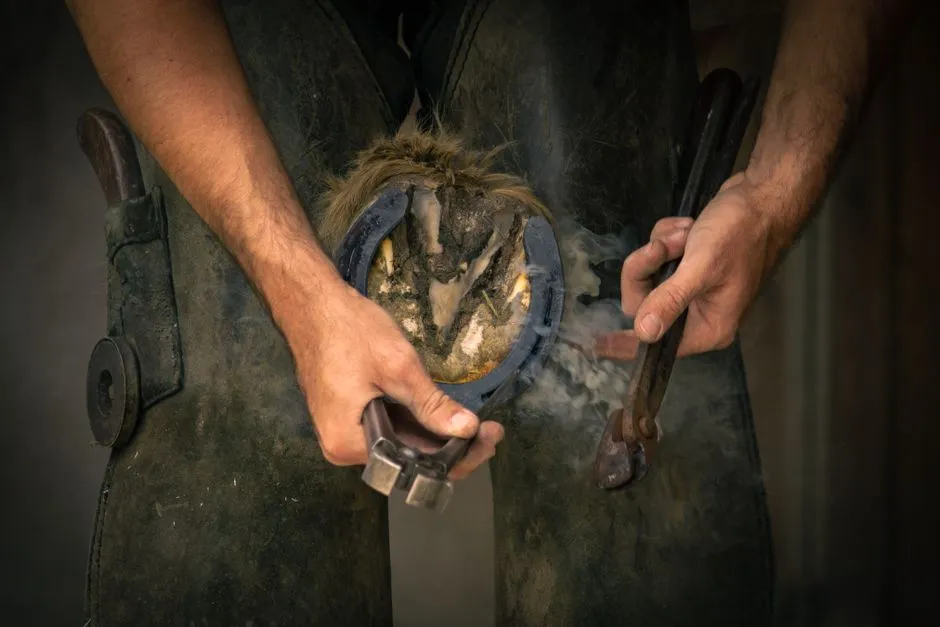
New owners often treat the farrier like an optional luxury instead of a non-negotiable appointment. Skip a trim, push the schedule back a few weeks “just this once,” and you’ve quietly opened the door to imbalances, cracked hooves, and lameness that can sideline a horse for months.
Veteran owners live by the 4-to-6-week rule like it’s gospel, because it basically is. They also know how to run their hands down a leg and spot heat, a chip, or a subtle change in gait before it becomes a five-figure vet bill. That instinct doesn’t come from a textbook. It comes from getting burned once and never letting it happen again.
Fast Facts
- Most farriers recommend trims every 4 to 6 weeks, even for barefoot horses.
- Hooves typically grow about 1/4 to 3/8 inch per month.
- Neglected trims can quietly lead to imbalance, cracking, and long-term lameness.
- A quick daily hoof pick can catch thrush, bruising, or debris before it becomes a bigger problem.
14. Grain Isn’t the Reward Horse People Think It Is
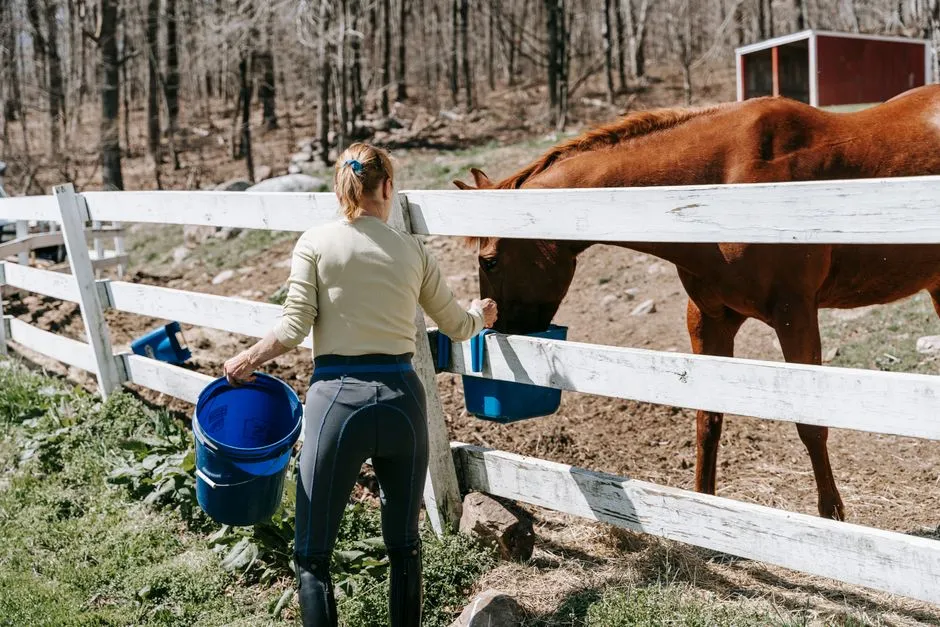
There’s something satisfying about pouring a scoop of sweet feed into a bucket and watching a horse dive in like it just won the lottery. Beginners equate more grain with more energy, more muscle, more love. Experienced owners know that logic can quietly wreck a horse’s gut.
Forage isn’t the side dish, it’s the entire meal. Horses evolved to graze almost constantly, and too much grain floods their digestive system with starch it was never built to handle, setting the stage for colic or metabolic issues. Lifelong horsemen treat grain as a supplement at best, never the main event.
13. The Head Toss That Meant Something All Along
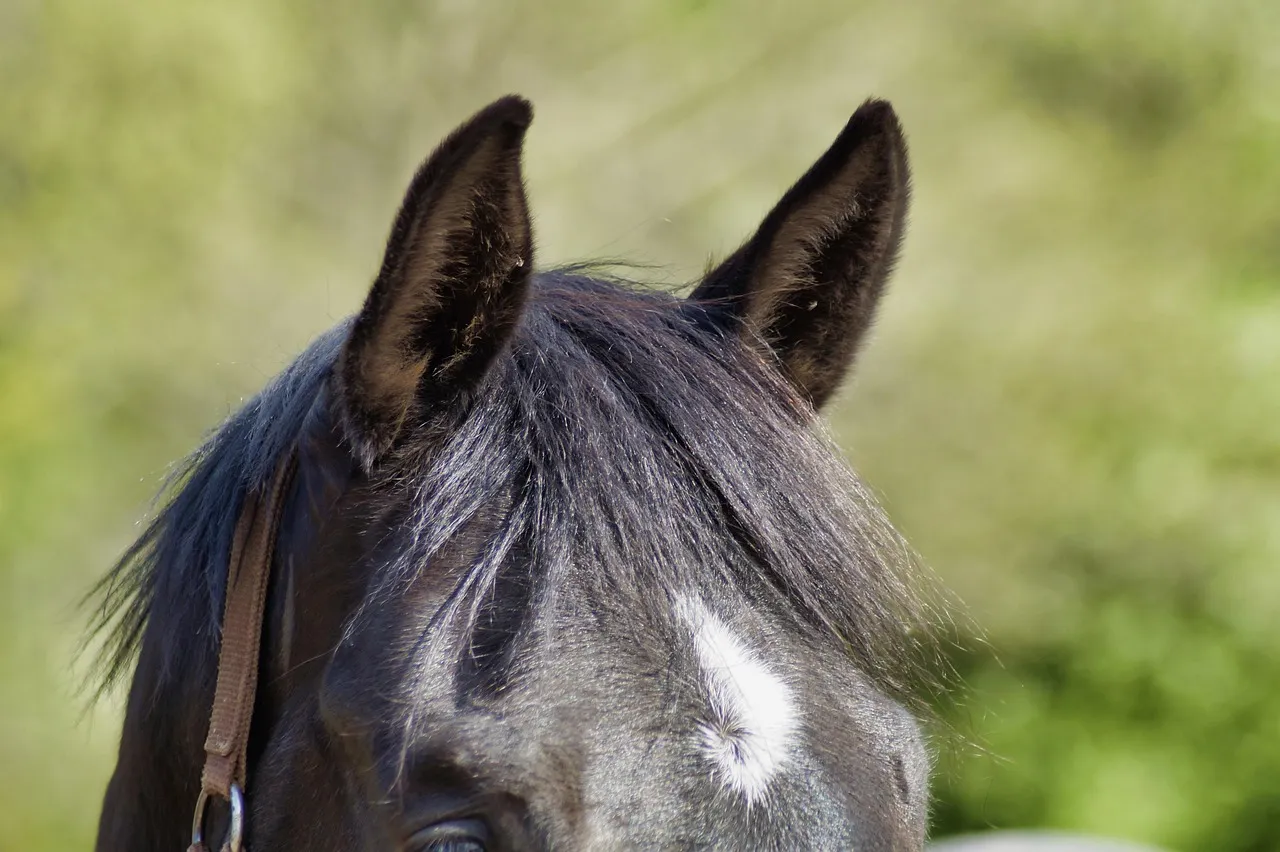
A horse pinning its ears, tossing its head, or suddenly refusing to load isn’t being “difficult” or “dramatic.” Beginners often label these moments as attitude problems and push through them. Seasoned owners freeze, because they’ve learned that horses rarely act out without a reason.
Pain, ill-fitting tack, ulcers, or confusion almost always hide behind behavior that gets written off as bad manners. The riders who’ve been doing this for twenty years investigate first and correct second. The ones who skip that step usually end up apologizing to a horse that was trying to tell them something the whole time.
12. Why Cookie-Cutter Care Backfires Fast
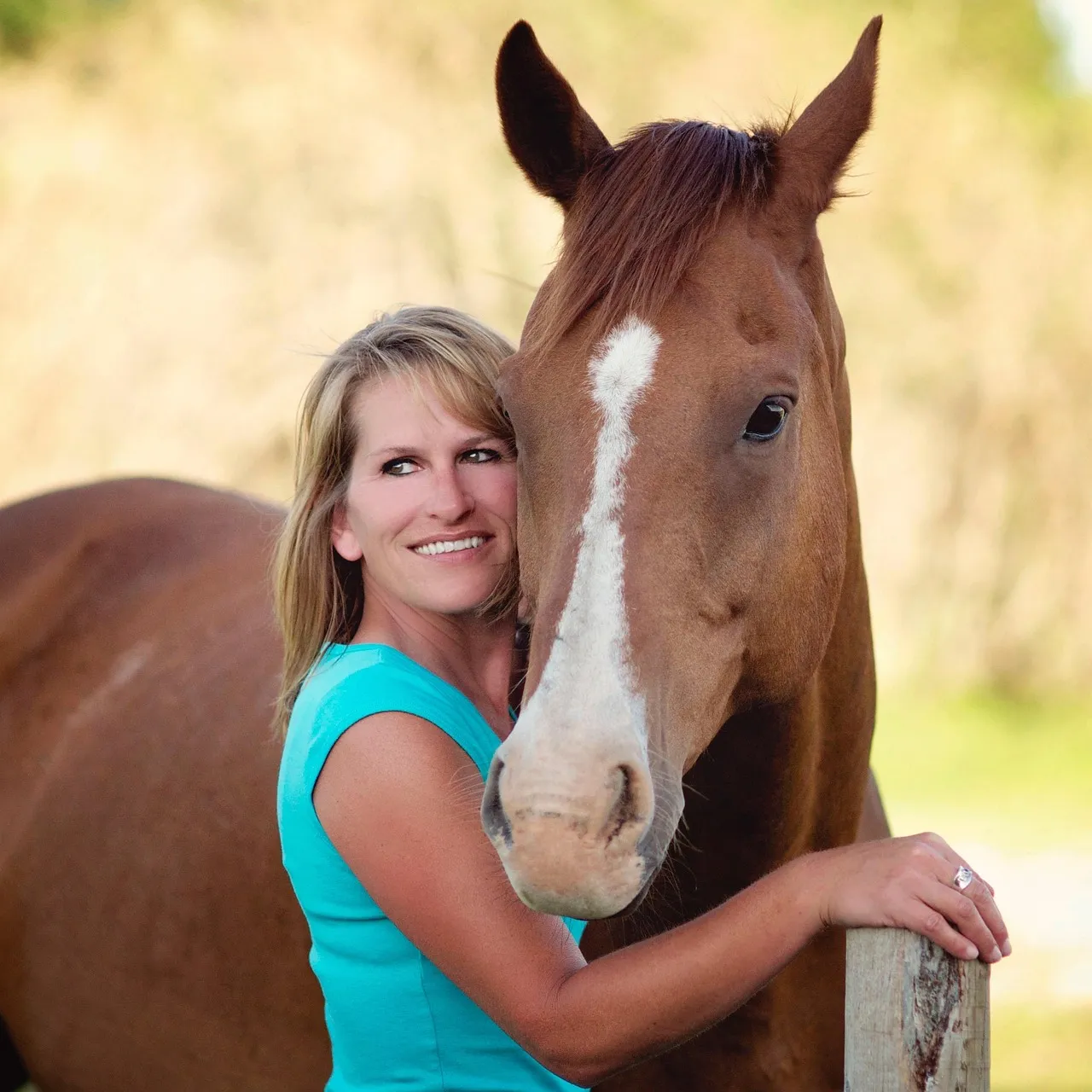
What keeps one horse happy and healthy can quietly fail another one standing in the next stall. A feeding plan, a training method, even a turnout schedule that works beautifully for a laid-back gelding can be completely wrong for an anxious mare or an aging senior with different needs.
Age, breed, workload, and temperament all reshape what “good care” actually looks like. Lifelong owners learn to read the individual in front of them instead of copying advice from a barn friend’s completely different horse. Beginners who skip this step often spend months confused about why textbook care isn’t producing textbook results.
11. The Hours That Decide Whether a Horse Lives
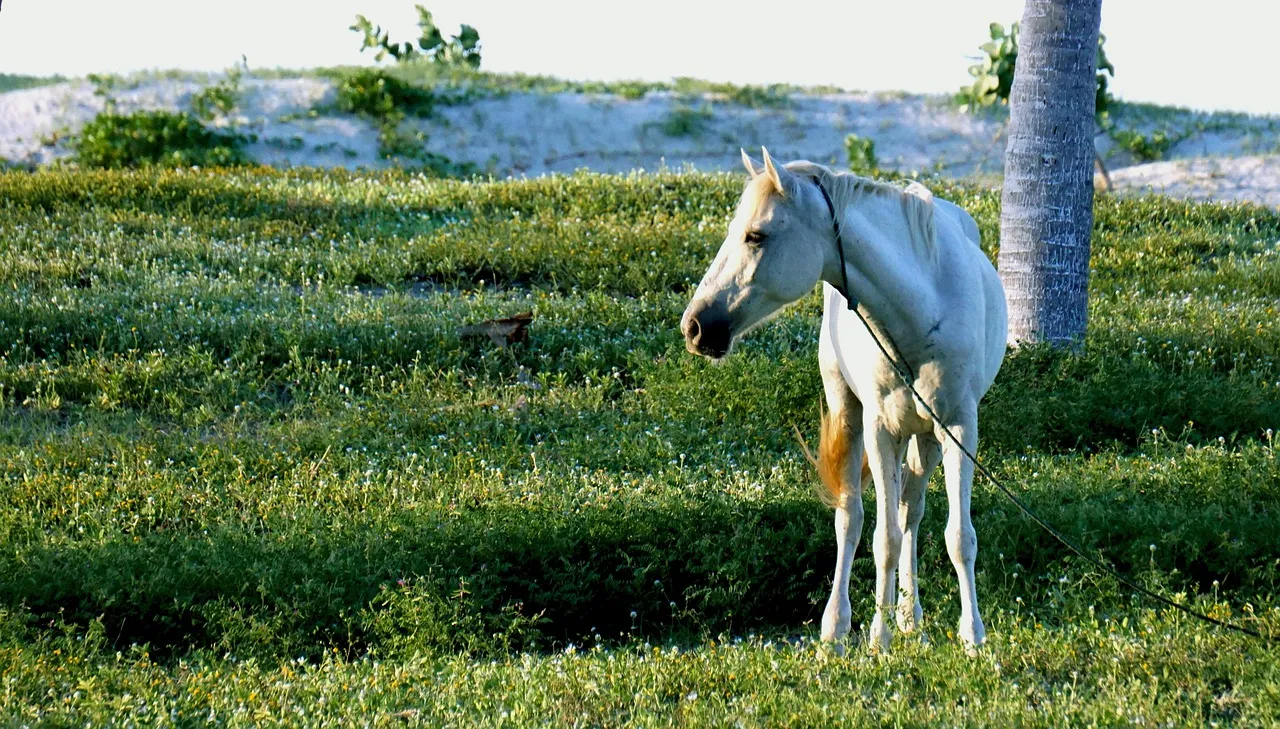
Colic doesn’t wait politely for a convenient weekend. Neither does a deep wound or sudden, severe lameness. New owners sometimes talk themselves into watching and waiting, hoping the problem resolves on its own overnight.
Experienced horse people know that hesitation is exactly what turns a manageable emergency into a tragedy. They keep a vet’s number saved under favorites, know basic equine first aid cold, and trust their gut the moment something feels wrong. That instinct to act immediately, rather than wait and hope, is one of the biggest differences between a close call and a devastating loss.
Worth Knowing
- Pawing, rolling, and refusing feed are classic early warning signs of colic.
- A normal resting heart rate for an adult horse runs roughly 28 to 44 beats per minute; a noticeable spike can signal distress.
- Sweating without exertion or repeatedly looking at the flank often points to abdominal pain.
- Calling the vet within the first hour of symptoms can make the difference between a scare and a tragedy.
10. Horses Don’t Forgive a Broken Routine
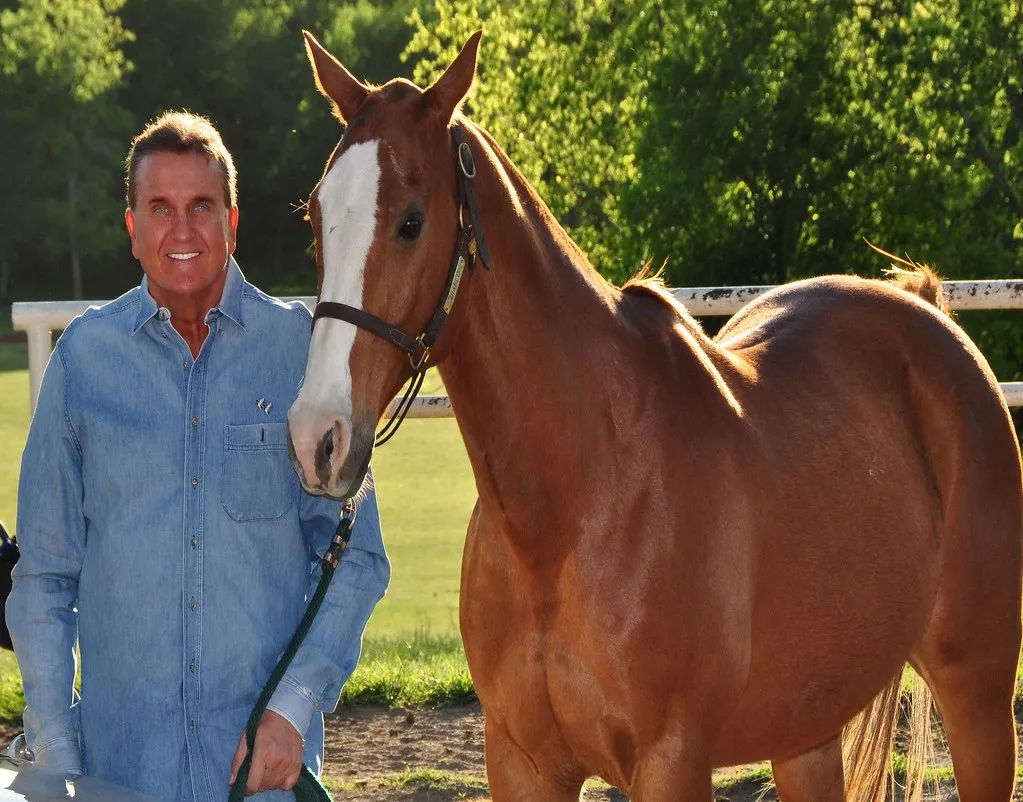
Beginners underestimate just how much horses crave predictability. Feeding at wildly different times, switching handlers constantly, or changing turnout schedules on a whim doesn’t read as flexible to a horse. It reads as chaos, and chaos breeds anxiety.
Lifelong owners build a rhythm and protect it fiercely, even when life gets hectic. A horse that knows exactly what’s coming next is calmer under saddle, easier to handle, and far less likely to develop stress-related habits like cribbing or weaving. Consistency isn’t boring to a horse. It’s safety.
9. Barn Gossip Isn’t a Substitute for a Vet
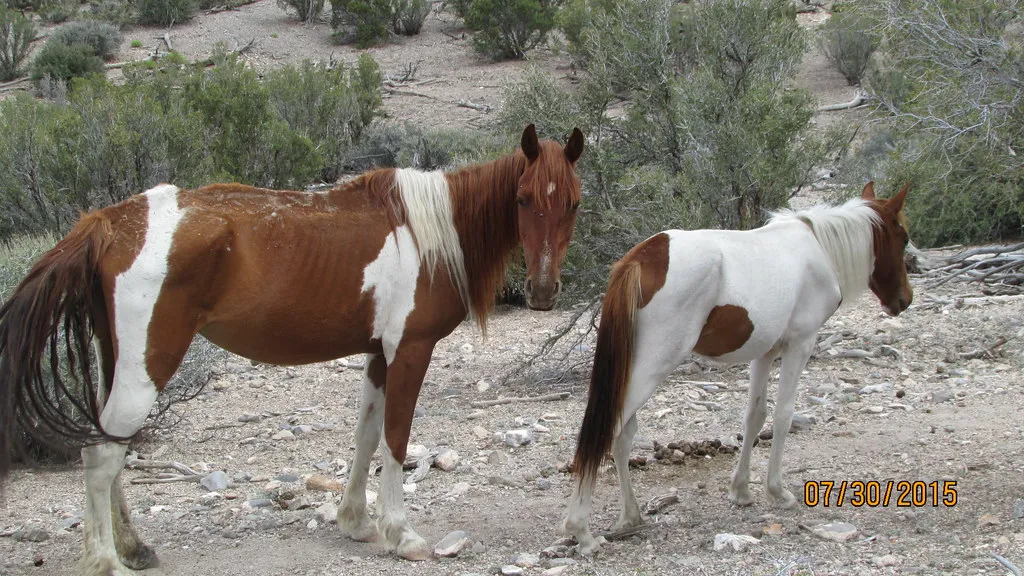
Every barn has that one person with strong opinions and zero credentials, and new owners often absorb their advice as gospel. Outdated deworming schedules, questionable feeding myths, and “this is just how we’ve always done it” thinking get passed down like family heirlooms, cracks and all.
The owners who’ve been at this for decades never stop learning, and they’re picky about where that knowledge comes from. They lean on vets, credentialed nutritionists, and research-backed resources instead of secondhand barn folklore. It’s a small habit that quietly prevents a lot of expensive, avoidable mistakes.
8. The Instincts No Amount of Training Erases
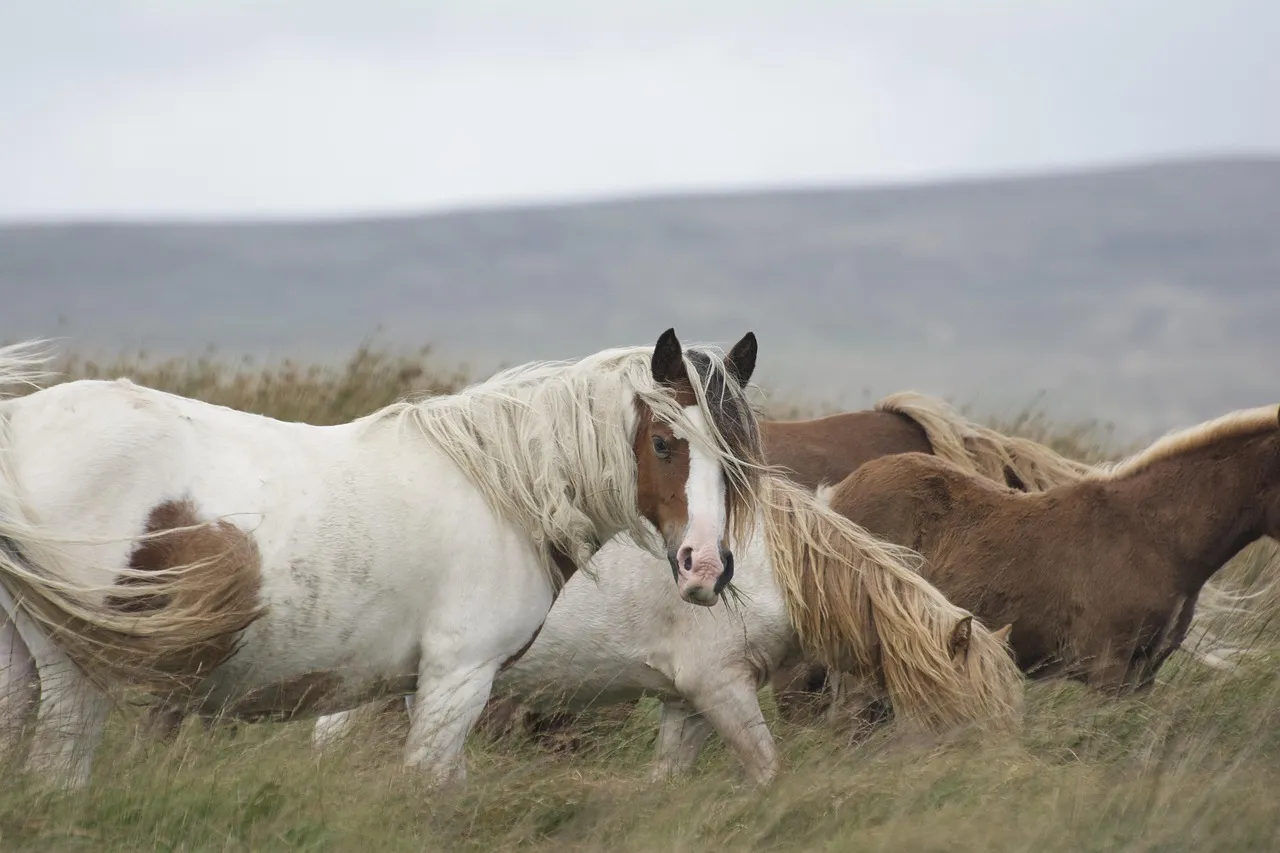
A horse can be perfectly trained, impeccably mannered, and still be, underneath it all, a prey animal running on instincts that are millions of years old. They need the company of other horses, near-constant access to grazing, and room to move. Beginners sometimes treat these needs as optional extras rather than biological requirements.
Isolate a herd animal, restrict its forage, or confine it to a stall for most of the day, and you’re not just making it unhappy. You’re fighting against instincts hardwired so deep that ignoring them almost always shows up later as anxiety, ulcers, or destructive behavior. Owners who’ve been around horses long enough stop trying to override that nature and start working with it instead.
At a Glance
- In the wild, horses spend up to 16 to 17 hours a day grazing.
- Isolation from other horses can trigger real, measurable stress, even with people close by.
- Regular turnout and movement support healthy digestion and joint function.
- Boredom and confinement are strongly linked to habits like cribbing, weaving, and stall-walking.
7. The Vet Visit “Free Horse” Owners Skip
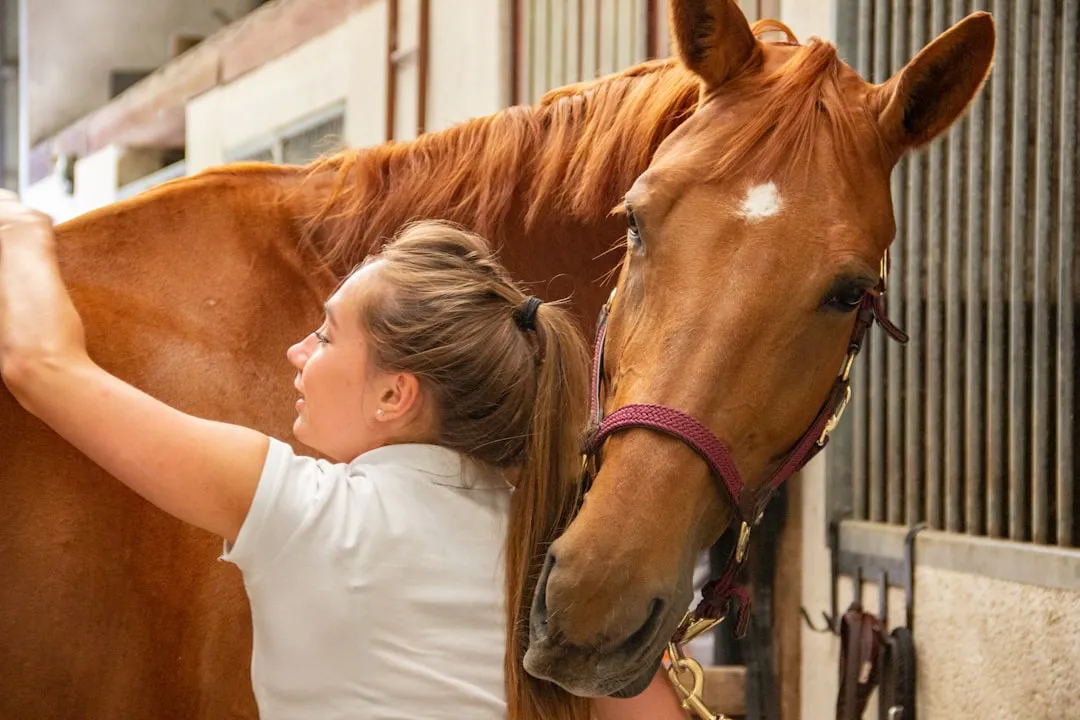
Nothing tempts a beginner faster than a free or deeply discounted horse. Experienced buyers know that’s exactly when a pre-purchase exam matters most, not less. A thorough vet evaluation can uncover lameness, vision problems, or chronic issues hiding behind a shiny coat and a sweet expression.
Skipping this step to save a few hundred dollars has turned into a painful, expensive lesson for more first-time owners than anyone can count. Seasoned buyers insist on an independent vet, ideally one with no relationship to the seller, and they actually read the report instead of just hoping for the best. A “free” horse with a hidden problem is rarely free for long.
6. One Good Ride Means Almost Nothing
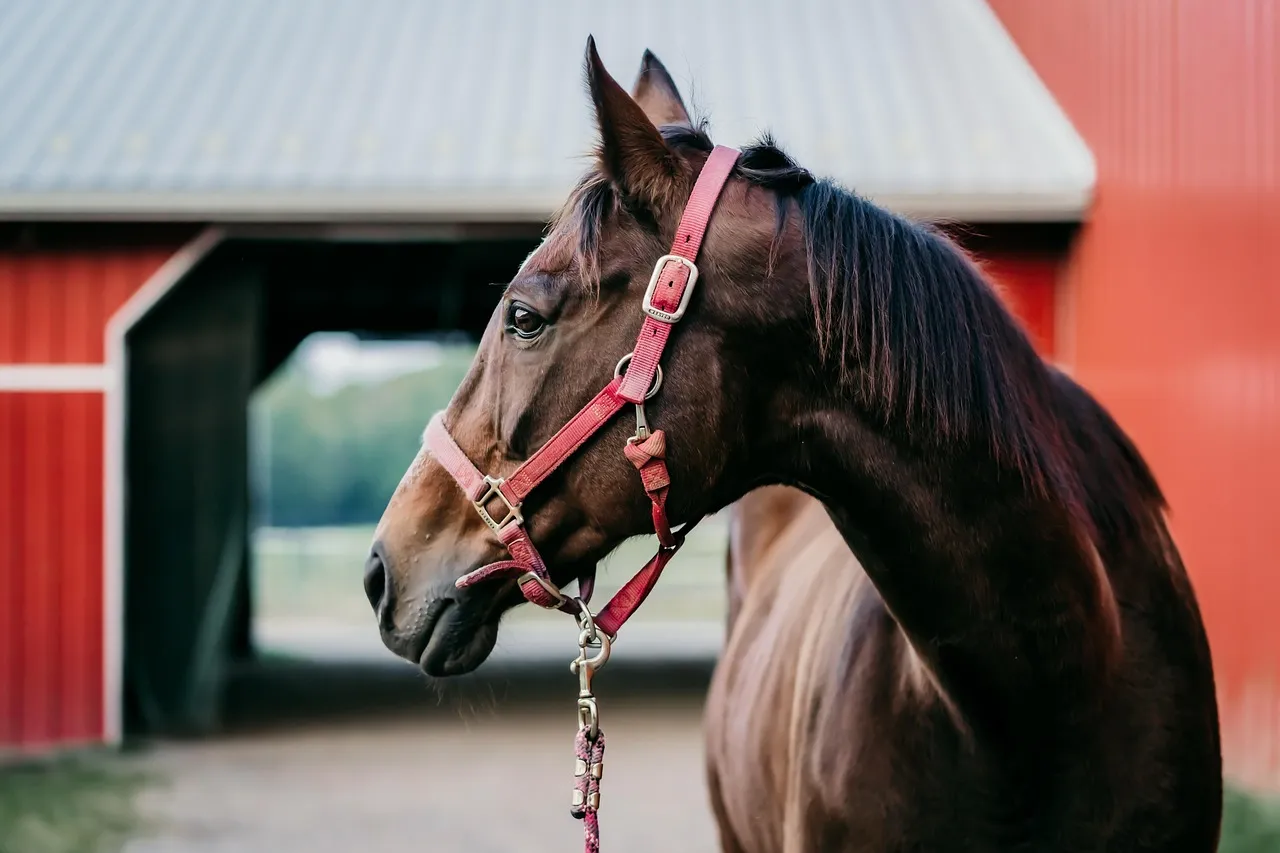
A single smooth test ride can feel like fate, like the universe handing you the perfect horse. Lifelong horse people know that sale barns are stages, and horses can be lunged down, calmed, or carefully managed to look their absolute best on showing day.
That’s why experienced buyers come back more than once, on different days, and watch other people ride the horse too, especially people who have no stake in the sale. They pay attention to how the horse behaves on the ground during grooming, tacking up, and loading, because that’s where the real personality shows up. One great ride is a moment. Multiple visits reveal the truth.
5. Falling in Love Before Asking the Right Questions
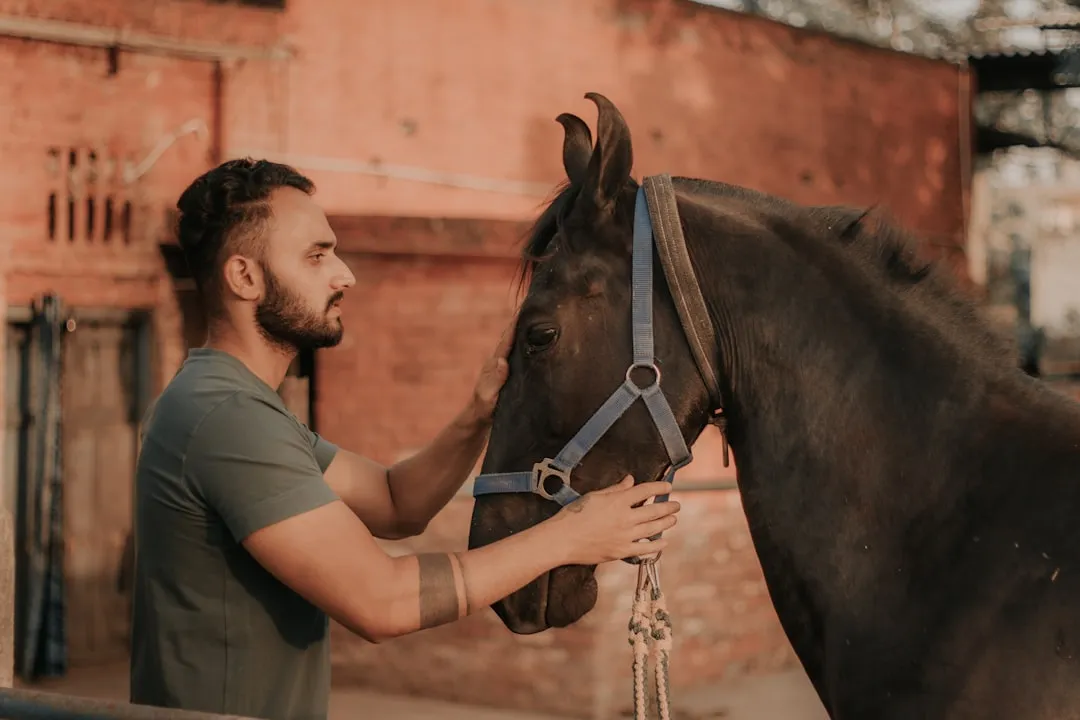
Scroll through enough horse listings and it happens to everyone eventually: that gut-punch feeling of “this is the one.” Beginners chase that feeling and skip the boring, unglamorous due diligence that protects them later. It’s one of the most common ways first-time buyers end up with the wrong horse for their skill level or lifestyle.
Veteran owners have learned, sometimes painfully, to let the head lead before the heart takes over. They slow the process down, bring an experienced trainer to look the horse over, and ask hard questions about soundness, history, and temperament before ever picturing themselves riding off into the sunset. Emotion has a place in horse ownership. It just can’t be the thing making the purchase decision.
4. The Real Price Tag Nobody Mentions at the Sale
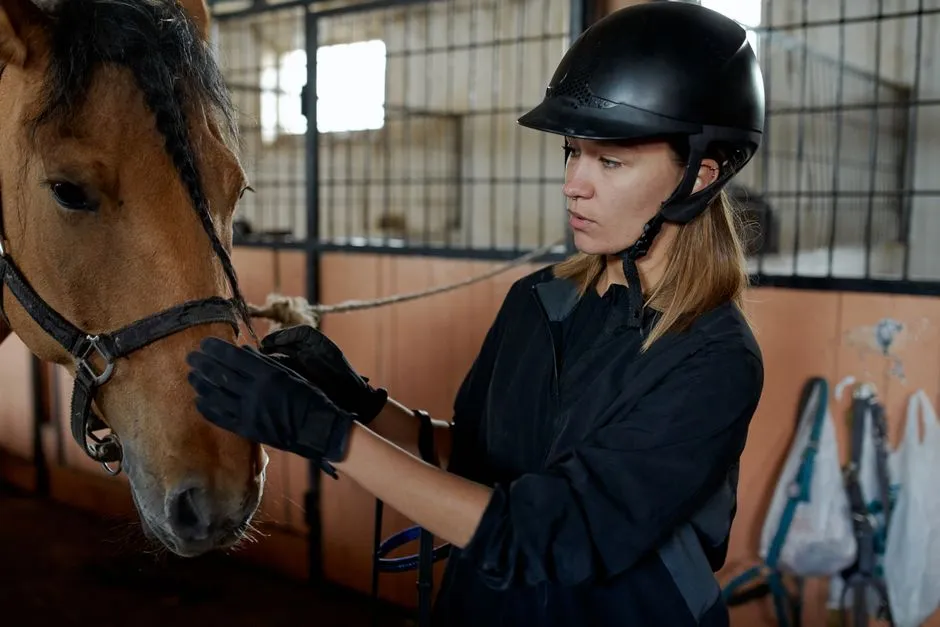
The purchase price is often the smallest number in the whole equation, and beginners rarely see that coming. Board, farrier visits, routine vet care, dental work, deworming, tack, and the inevitable emergency all stack up fast, turning a modest upfront cost into a serious ongoing commitment.
Lifelong owners budget for the horse they’ll have five and ten years from now, not just the one standing in front of them today. They plan for aging joints, dental changes, and the occasional colic scare that can cost thousands overnight. Nobody warns first-time buyers about this at the sale barn, which is exactly why so many are blindsided by it later.
Quick Compare
- Purchase price: often just a few hundred to a few thousand dollars for a beginner-friendly horse.
- Monthly board: commonly $300 to $800 or more, depending on region and services.
- Routine annual care: farrier, vaccines, dental, and deworming can add up to $1,500 to $3,000+ a year.
- Emergency vet care: a single colic surgery can run $5,000 to $10,000 or more.
3. The Teeth Problem Hiding in Plain Sight
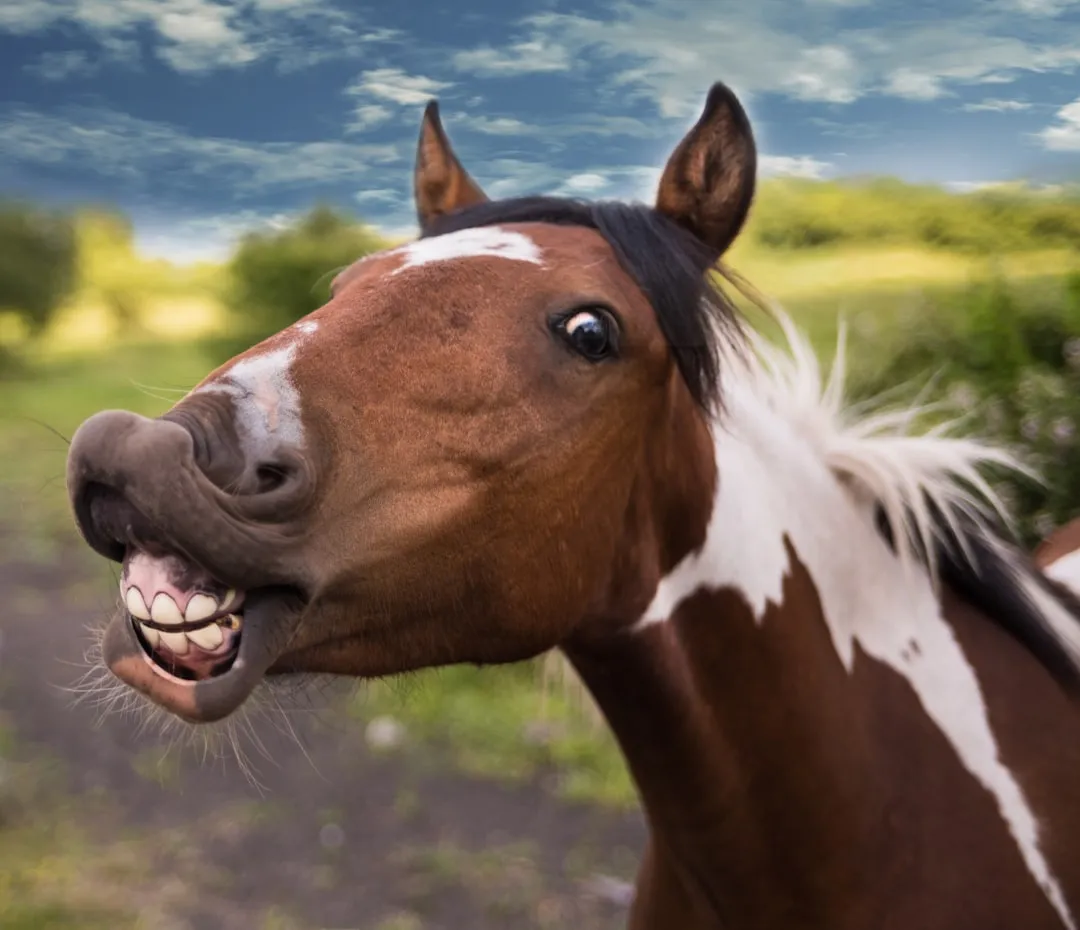
A horse can look perfectly healthy while quietly struggling to chew, and beginners rarely think to check. Sharp enamel points develop naturally as horses grind down forage, and without regular floating, those points can cut into the cheeks and tongue, making eating painful.
Weight loss, dropped feed, and head-shaking under saddle are often blamed on everything except the actual cause. Experienced owners schedule annual dental checks as automatically as they schedule farrier visits, because they’ve seen firsthand how much a horse’s whole demeanor can change once a dental problem finally gets addressed.
2. Trust Takes Longer to Build Than Beginners Expect
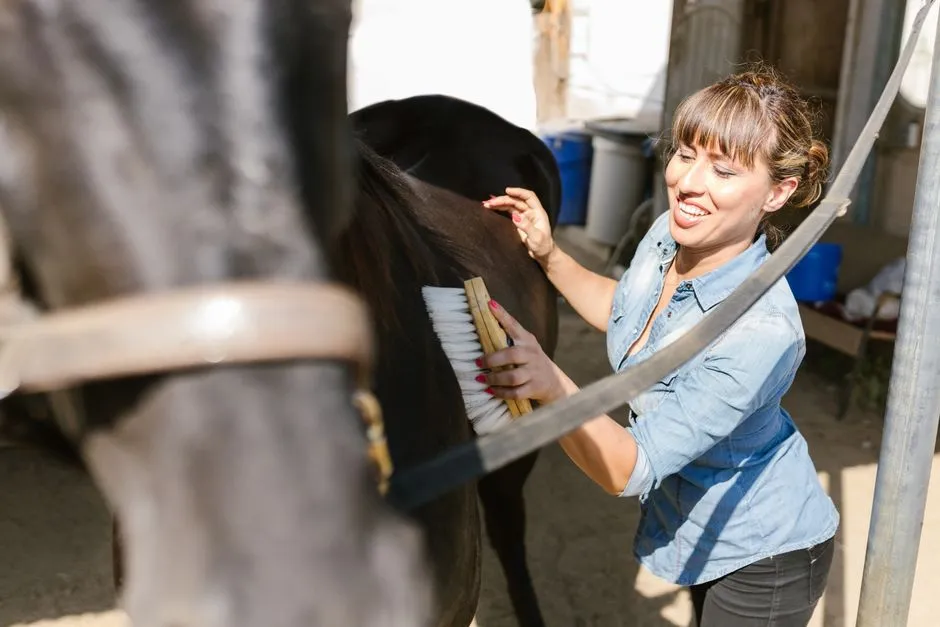
New owners often want results immediately: a horse that loads easily, stands quietly, and trusts them within the first few weeks. Lifelong horse people know that real trust is built in hundreds of small, boring, repeated moments, not in one big breakthrough session.
Every quiet grooming session, every consistent feeding time, every moment a horse is handled calmly during something scary adds up slowly over months and years. Rush that process, and a horse may comply out of fear rather than genuine trust, a difference that shows up under pressure. The owners who’ve done this for decades understand that patience isn’t a nice bonus. It’s the entire foundation.
There is something about the outside of a horse that is good for the inside of a man.
Winston Churchill
1. The Promise Every Horse Owner Eventually Has to Keep
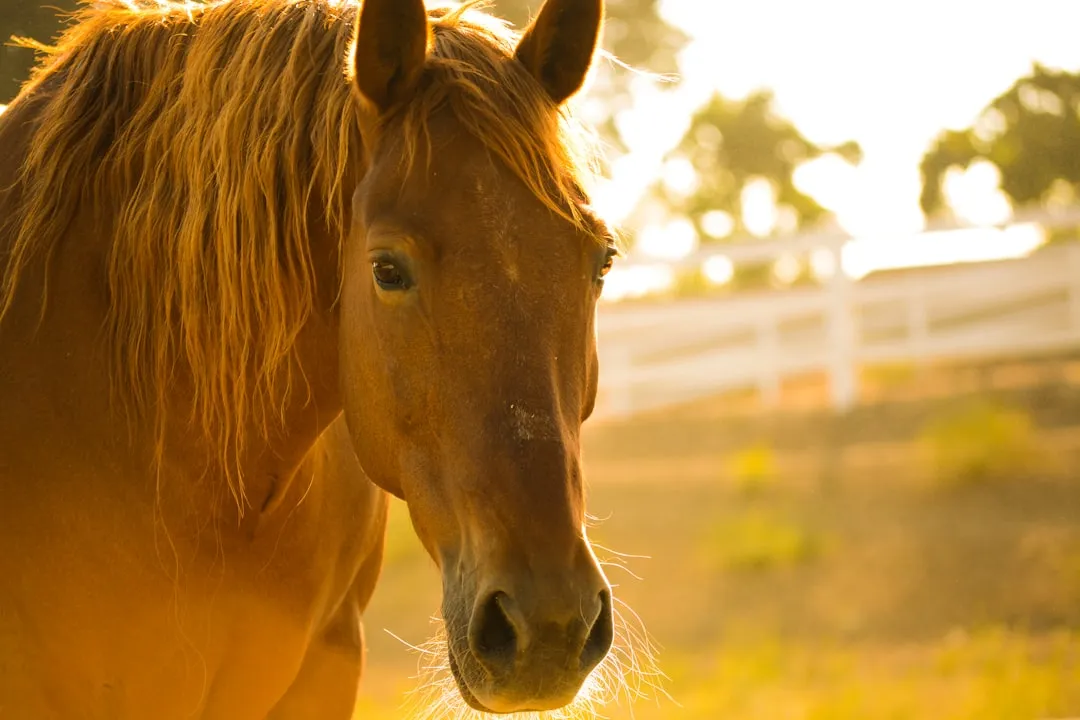
Horses can live into their late twenties or early thirties, and beginners rarely think that far ahead when they fall for a young, flashy prospect. Lifelong owners do. They know that bringing a horse home isn’t a five-year hobby, it’s a decades-long promise that includes retirement, declining soundness, and eventually, saying goodbye.
That long horizon changes how experienced owners plan finances, choose horses, and think about their own future. They ask themselves who will care for this animal if their own circumstances change, and they plan for a horse’s final years with the same seriousness as its first. It’s the hardest lesson on this list, and also the one that separates people who own horses from people who truly commit to them.
If there’s one opinion worth ending on, it’s this: horse ownership rewards humility, not enthusiasm. The beginners who struggle aren’t careless people, they’re just operating on assumptions that sound reasonable until a horse proves them wrong. The ones who thrive are the ones willing to be corrected, again and again, by an animal that has absolutely no interest in flattering their ego. That’s not a flaw in horses. It’s the whole point.

- Why Wolves Were Reintroduced to Yellowstone - July 15, 2026
- The Resurgence of America’s Wild Horses: A Symbol of Freedom and Hope - July 15, 2026
- 10 Cat Breeds That Tolerate Dogs Surprisingly Well - July 15, 2026