
Nature has a way of making us feel incredibly small. Not in a bad way, exactly – more like the feeling you get when you realize someone at your office has been secretly running marathons and nobody knew. The animal kingdom is absolutely packed with secrets, and the longer scientists study it, the stranger it gets.
Honestly, most of us think we know the basics. Lions are fierce, dolphins are smart, butterflies are pretty. Sure. But dig just a little deeper and the story changes completely. What you’re about to read isn’t science fiction. These are real, verified, peer-reviewed facts about creatures sharing this planet with us right now. Be surprised by what nature has been hiding in plain sight.
1. The “Immortal” Jellyfish Can Literally Reverse Its Own Aging
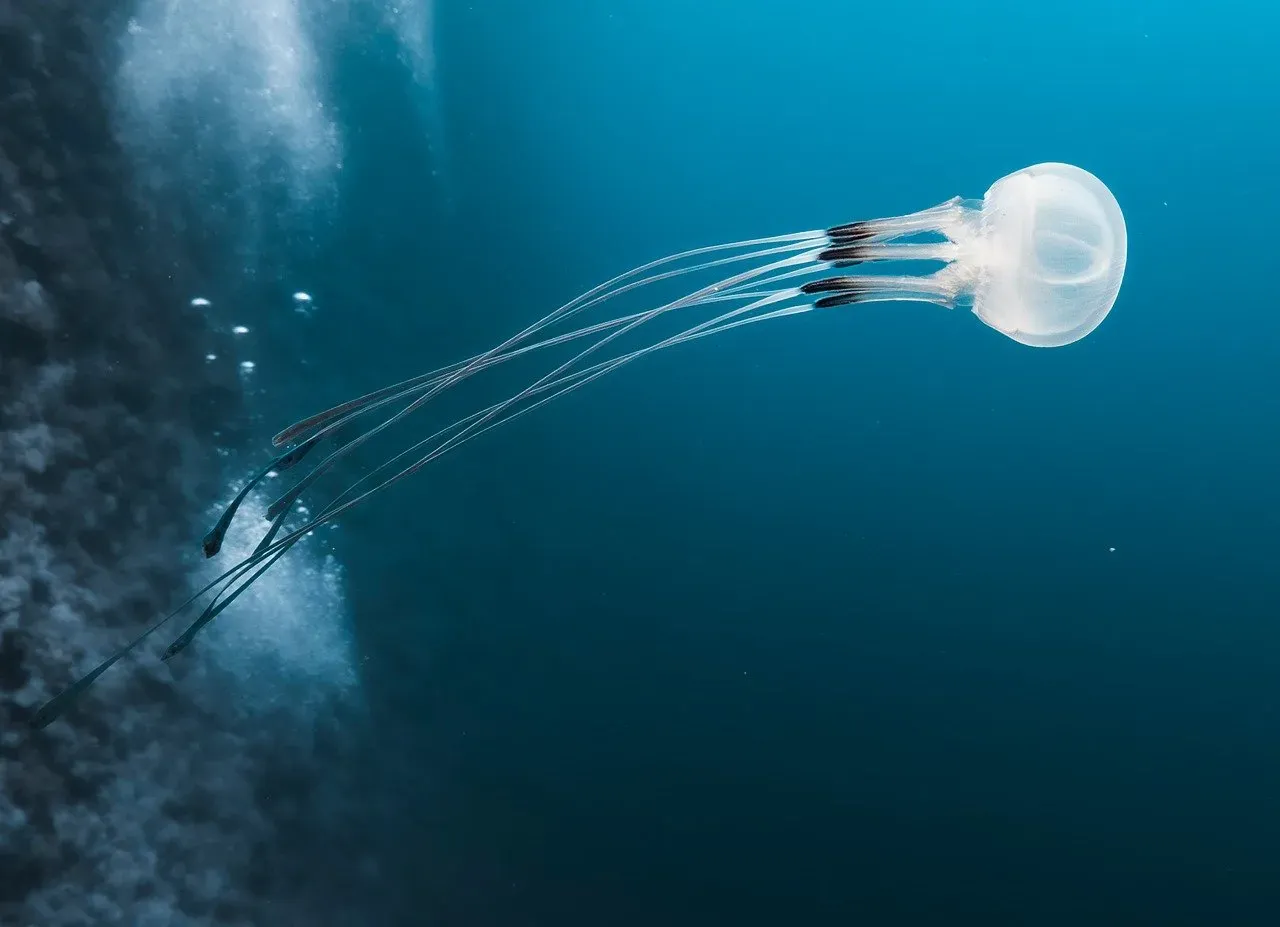
Let that sink in for a second. There is a jellyfish on this planet that, when stressed or injured, can simply rewind its own life cycle and start over. When stressed, injured, or aging, the tiny hydrozoan Turritopsis dohrnii can reverse its life cycle. The free-swimming medusa collapses, its cells transdifferentiate, and the animal reverts to a juvenile polyp. In principle, this loop can repeat indefinitely, essentially granting it biological “immortality.”
It accomplishes this through a process called transdifferentiation, which is essentially the ability to transform one type of specialized cell into a completely new one. During this process, the medusa physically regresses into the beginnings of a polyp colony, absorbs its own tentacles and bell, then settles on the seafloor and once again starts growing to maturity.
Think of it like turning back into a toddler after you’ve hit middle age. The implications for human medicine are staggering, and researchers are actively studying this process. It’s hard to say for sure where that research will lead, but the possibilities are extraordinary.
2. Tardigrades: The Tiny Creatures That Can Survive in Outer Space
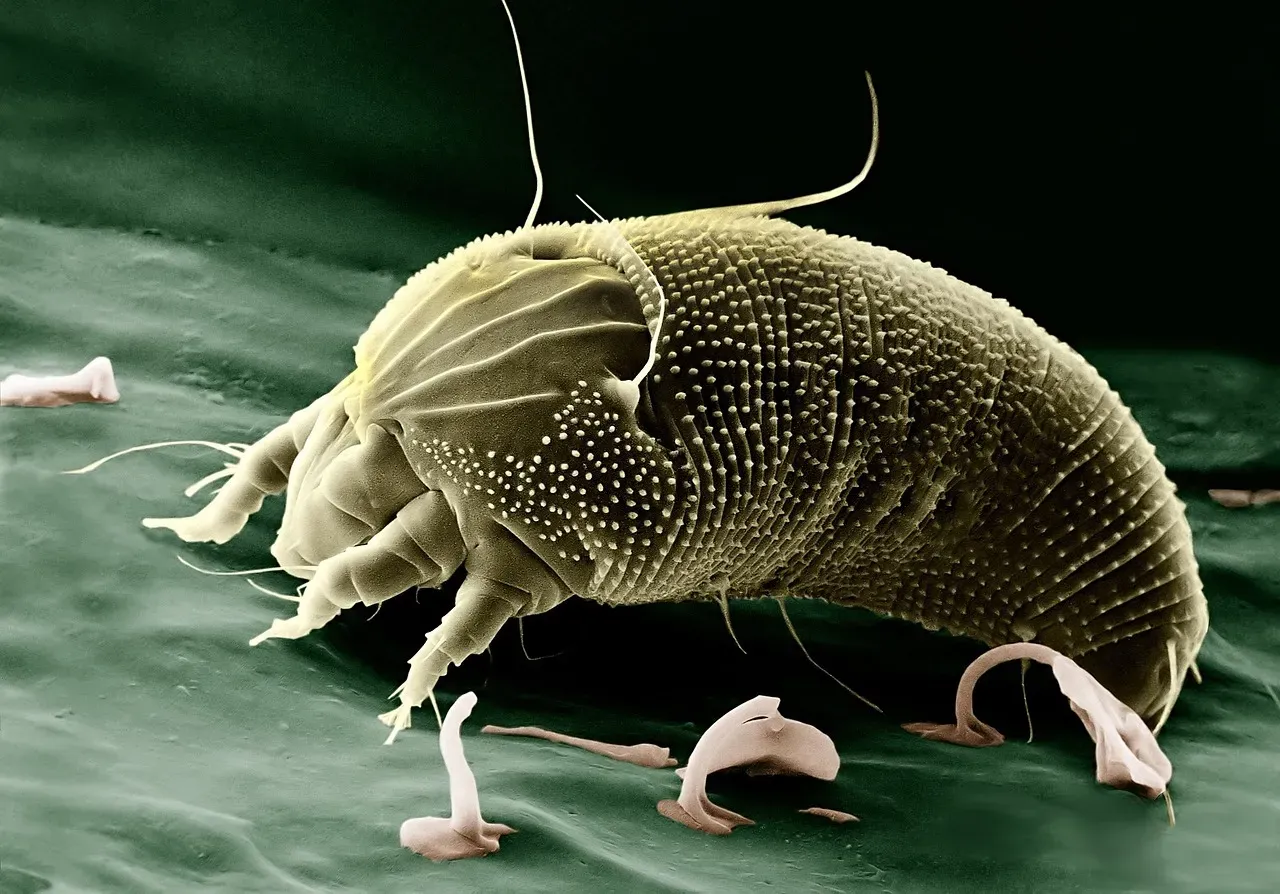
Tardigrades, also known as water bears or moss piglets, are microscopic eight-legged animals that are the most resilient creatures known to science. These extremophiles can survive in conditions that would be instantly fatal to almost any other organism, including extremes of heat, cold, pressure, and radiation. They can even survive in the usually uninhabitable vacuum of space.
Their bodies contain a protein unique to the tardigrade called DSUP, short for “damage suppressor protein,” that protects their DNA from harmful radiation. They also possess an amazing survival trick called cryptobiosis, a state of inactivity triggered by dry environments in which the tardigrade squeezes all the water out of its body, retracts its head and limbs, and becomes dormant.
Let’s be real – these microscopic animals are tougher than anything Hollywood has ever put on screen. They’re invisible to the naked eye, and yet pound for pound, nothing on this planet comes close to their resilience. Humbling, right?
3. The Mantis Shrimp Can See Colors You Cannot Even Imagine
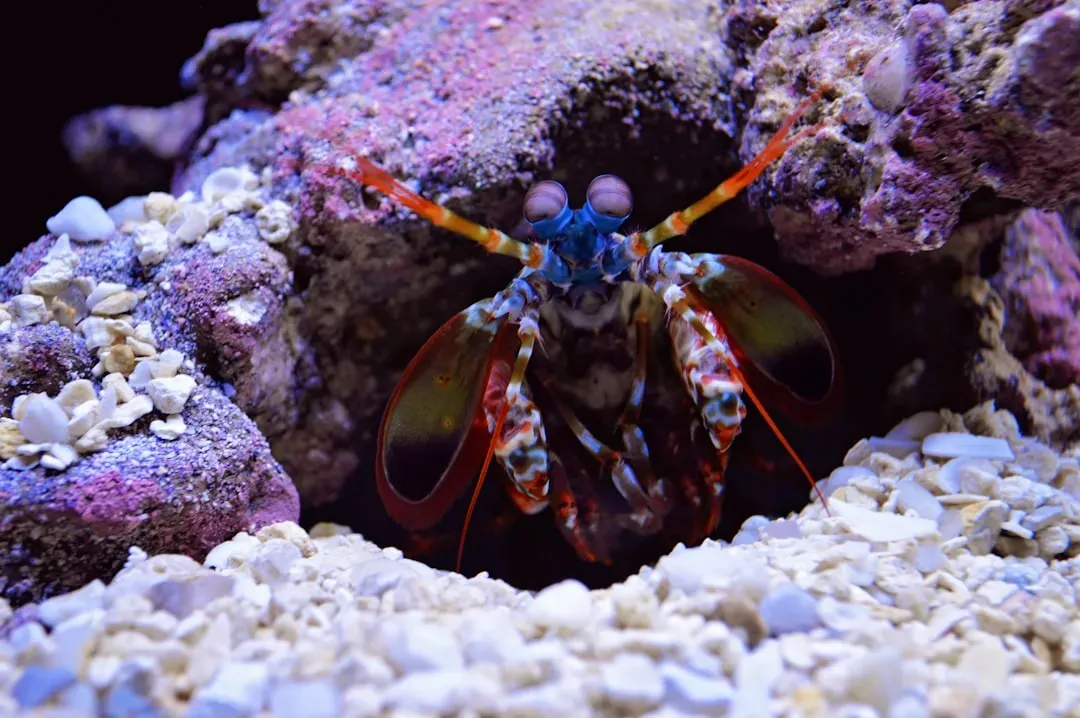
The mantis shrimp possesses two remarkable superpowers: extraordinary vision and a lightning-fast punch. These colorful crustaceans can see a wider range of colors than any other known animal, including ultraviolet and polarized light. In addition, they have one of the fastest and most powerful strikes in the animal kingdom, capable of breaking through aquarium glass and even the shells of their prey.
Humans have three types of color receptors in their eyes. The mantis shrimp has sixteen. Trying to imagine what the mantis shrimp actually sees is like trying to imagine a color that doesn’t exist. We simply don’t have the mental hardware for it.
The punch is equally mind-bending. It moves so fast that the water around it briefly reaches the temperature of the sun’s surface due to cavitation bubbles. It’s not just impressive – it’s a physics event.
4. The Mimic Octopus Is Nature’s Greatest Actor
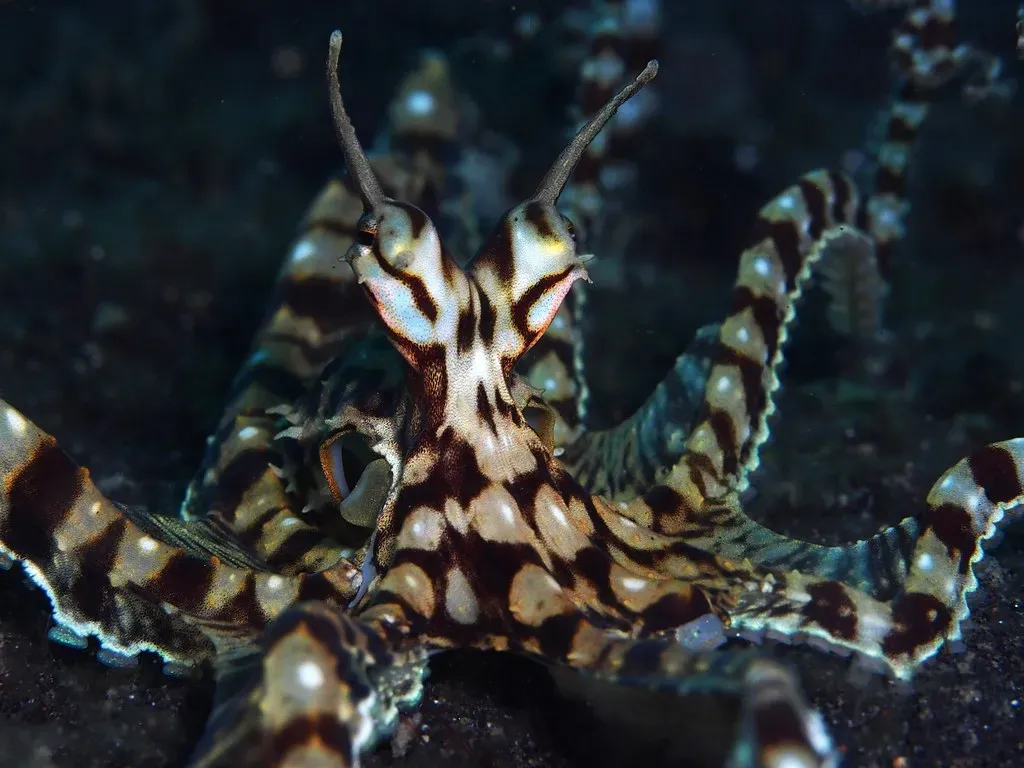
The mimic octopus was discovered in 1998 off the coast of Sulawesi, Indonesia. These masters of camouflage not only change shape and color to match various objects and surroundings, but they can even mimic other species. While most mimics in the animal kingdom can take on the characteristics of just one other species, the mimic octopus impersonates several, including lionfish, jellyfish, sea snakes, shrimps, and crabs.
What’s more, this amazing shapeshifter can switch between mimicking other creatures rapidly. It chooses which form to take based on threat assessment, selecting whatever sea creature poses the greatest threat to the predator it’s currently facing. For example, if the octopus is about to be attacked by territorial damselfish, it mimics the banded sea snake, a common predator of damselfish.
That’s not just camouflage. That’s strategy. It’s contextual thinking. This creature sizes up its threat and picks the most intimidating disguise from its mental wardrobe. If that doesn’t make you rethink animal intelligence, I’m not sure what will.
5. Pit Vipers Have a Built-In Thermal Imaging System
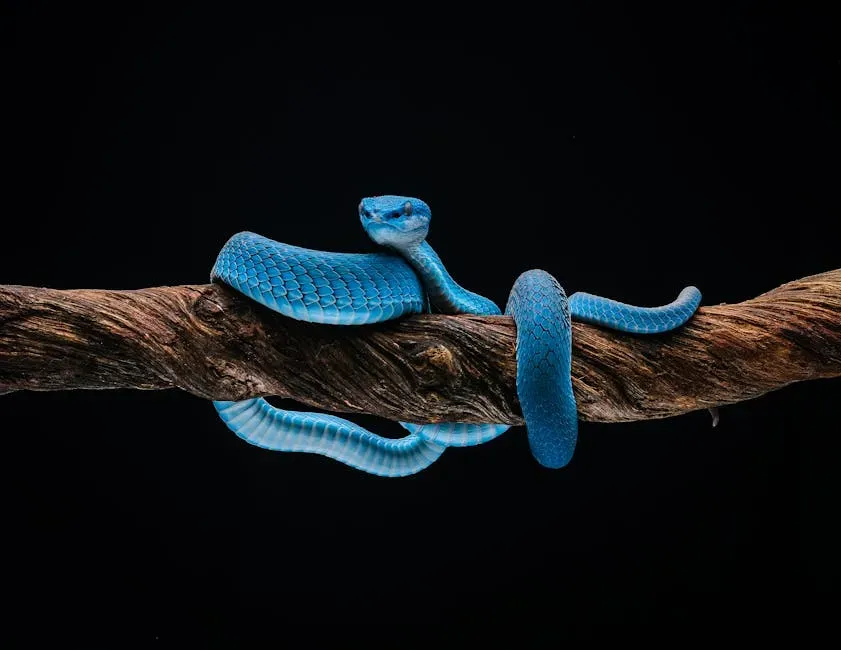
Pit vipers have infrared vision, but not in a way you would imagine. A natural thermal imaging system is built into their face. Each pit, located between the eyes and nostrils, contains an ultra-thin, heat-sensitive membrane packed with nerve endings capable of detecting temperature differences as small as 0.003°C.
When infrared radiation from a warm-blooded animal hits the membrane, specialized ion channels convert that thermal energy into electrical signals. The snake’s brain then fuses these signals with its visual input, forming a detailed heat map of the environment – a kind of biological night-vision overlay. With two pits, it can triangulate prey position in complete darkness, striking with pinpoint accuracy even when its eyes are covered.
The military spends billions developing thermal imaging technology. Pit vipers have been running this software for millions of years, completely free of charge. Evolution is, without question, the most creative engineer in the universe.
6. The Hairy Frog Breaks Its Own Bones to Create Claws
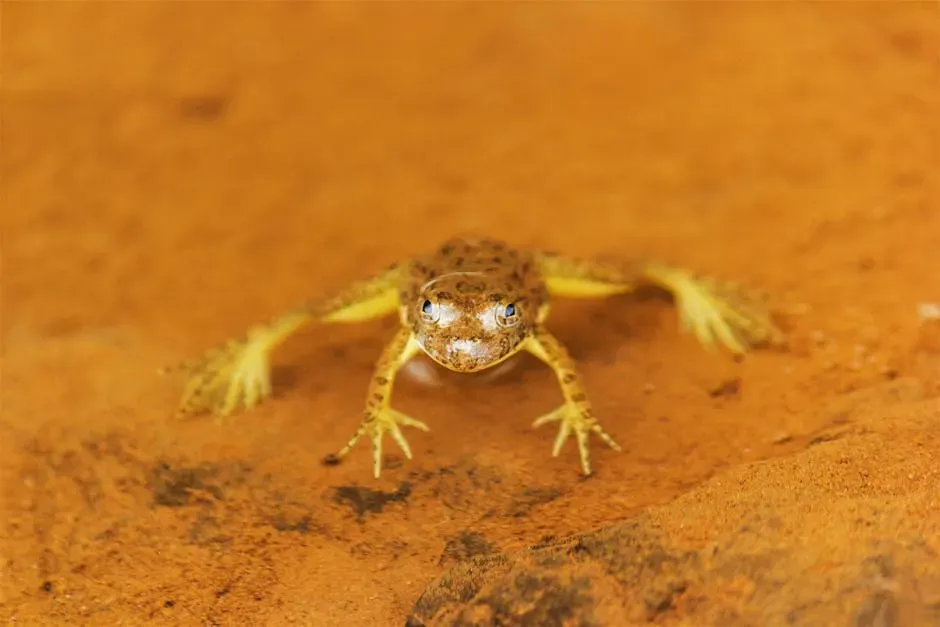
The hairy frog, native to Central Africa, has a bizarre and gruesome self-defense mechanism. When threatened, this frog can intentionally break the bones in its toes and force them through its skin, creating sharp, makeshift claws to fend off predators. This extreme adaptation demonstrates the lengths to which some animals will go to ensure their survival in the face of danger.
The hairy frog is also known as the Wolverine frog, and it’s easy to understand why. This peculiar frog grows to about four to five inches long, and its flanks and thighs are covered in tiny, hair-like projections that are actually modified scales, likely to help with oxygen absorption.
Wolverine, but make it amphibian. The fact that this frog essentially self-inflicts injury as a weapon is one of those biological facts that sounds made up until you look at the science. Nature never got the memo about playing it safe.
7. The Naked Mole Rat Is Practically Immune to Cancer
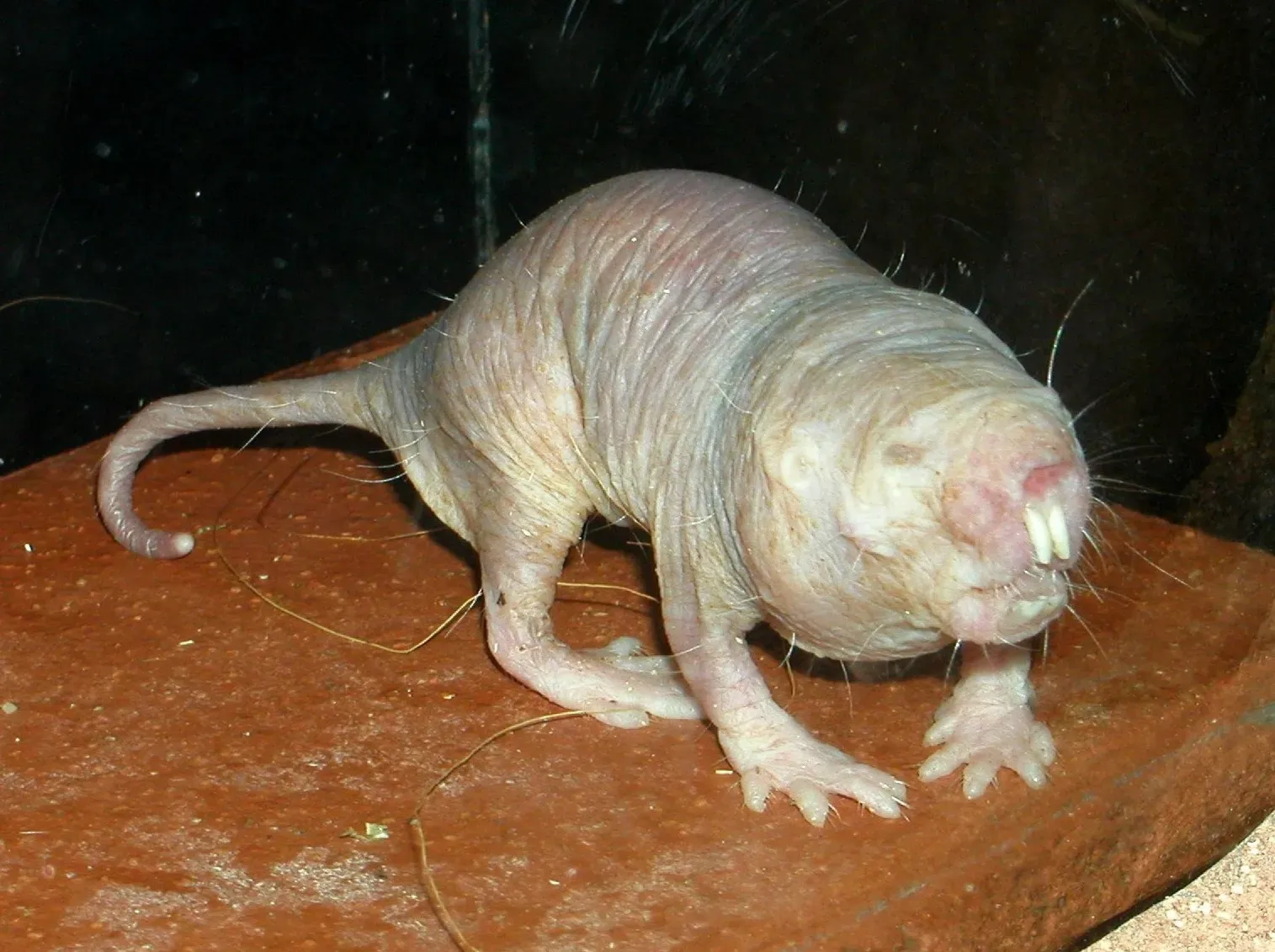
The naked mole rat’s superpower is its ability to survive without oxygen, a trait unheard of in mammals. Native to East Africa’s low-oxygen underground tunnels, this wrinkled rodent can endure up to 18 minutes without any oxygen by switching its metabolism from glucose to fructose-driven glycolysis, a process more commonly found in plants. This allows vital organs like the brain and heart to function even when air runs out.
Equally remarkable is its longevity. Naked mole rats live for over 30 years, roughly ten times longer than similar-sized rodents, and show an extraordinary resistance to cancer. Scientists attribute this to their tissues being rich in high-molecular-mass hyaluronan, a sugar-like molecule that prevents uncontrolled cell growth.
Here’s the thing – cancer research scientists have been studying this strange little creature intensively for years. Something about its biology suppresses tumor formation in ways that our best treatments can’t replicate yet. Ugly little animal, extraordinary little body.
8. Dolphins Sleep With Only Half Their Brain at a Time
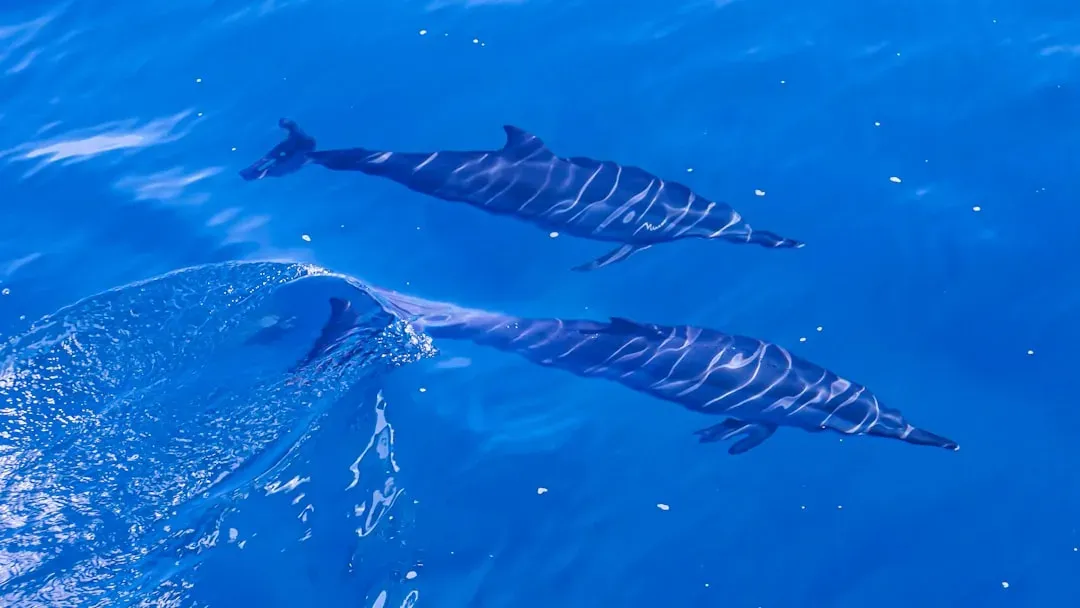
Dolphins sleep with only half of their brain at a time. This is vital to their survival, allowing them to both come to the surface to breathe and remain vigilant. In science, this is called unihemispheric slow-wave sleep. While one half of the brain rests deeply, the other stays active, keeping watch over the surroundings.
This remarkable ability is seen not only in dolphins, but also in ducks, silver gulls, geese, pigeons, sparrows, starlings, crows, and even sea lions. Individuals on the edge of a group often sleep with one eye open and one brain hemisphere alert, acting as sentries to help protect the group.
Imagine being able to nap while still keeping a watchful eye on everything around you. Half your brain recharges while the other half stays sharp. I know plenty of people who wish they could do that during a Monday morning meeting.
9. The Arctic Ground Squirrel Can Freeze Its Own Body Without Dying
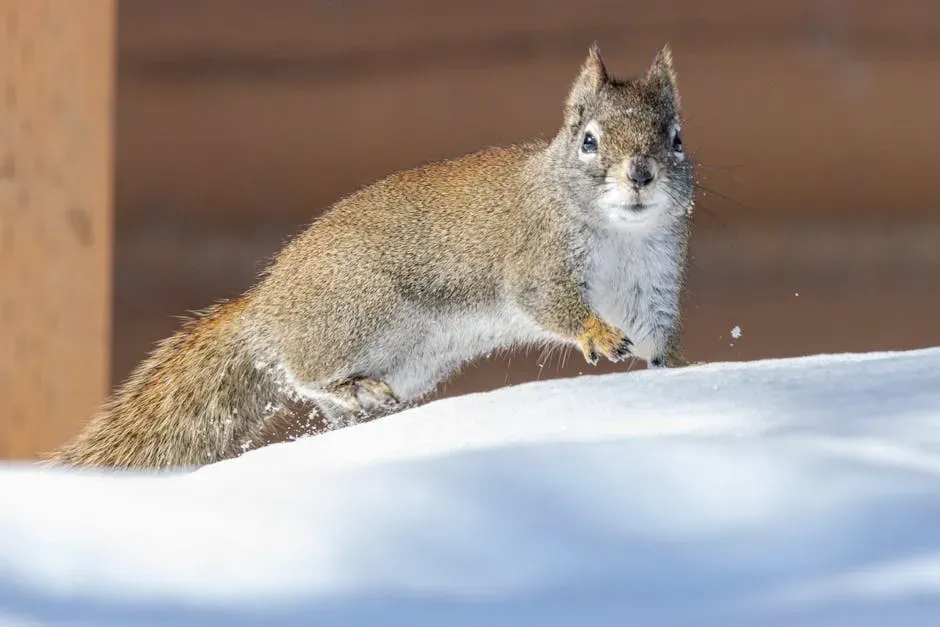
There’s a mammal that can survive freezing. The only mammal able to cool below zero is the Arctic ground squirrel. During an eight-month hibernation, its core temperature falls to minus 2.9°C. It survives by supercooling itself, so that water in its body is unable to form crystals around a nucleus and freeze solid.
That is genuinely astonishing. Every biology class teaches us that freezing destroys cells. Ice crystals tear through tissue. Yet this little squirrel has somehow evolved a workaround that keeps it in a kind of suspended animation for the better part of a year.
Medical researchers are paying close attention to this, particularly in the context of organ preservation and surgery. The squirrel figured out something we’re still trying to replicate in labs. Small animal, enormous implications.
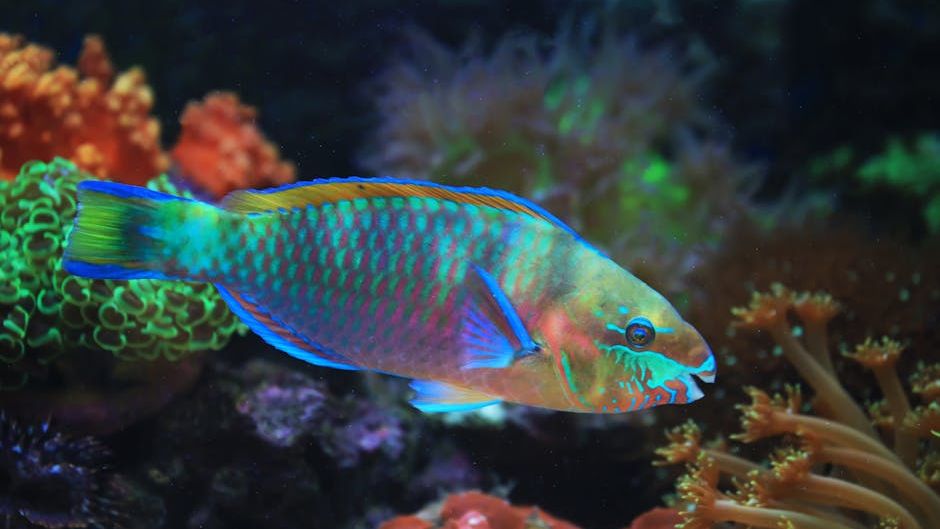
10. The Parrotfish Sleeps Inside a Cocoon of Its Own Mucus
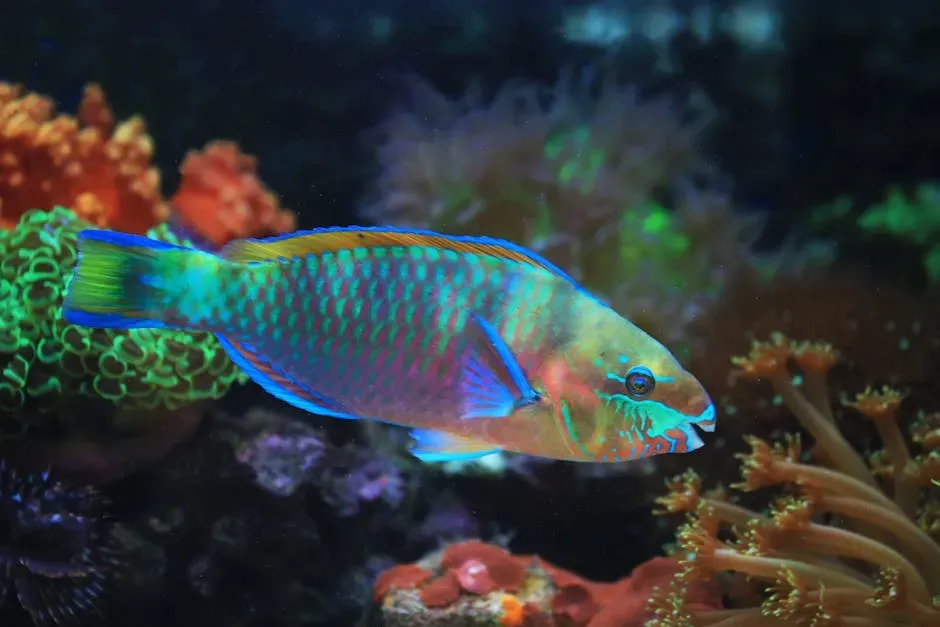
At night, one of the world’s weirdest fish, the parrotfish, creates a slimy bubble of mucus that swells up and completely covers it, so that within 30 minutes or so, the fish is resting inside a surprisingly spacious sac of slime that will protect it from predators.
It essentially tucks itself into a sleeping bag made from its own body secretions. Scientists believe this mucus cocoon also helps mask the fish’s scent from predators and may even offer protection against parasites. It’s genuinely one of the more creative sleep strategies in the ocean.
The next time someone complains about their mattress, just remember there is a fish out there absolutely thriving in a ball of slime. Perspective is everything.
11. The Hero Shrew Has a Spine That Can Support a Full-Grown Human
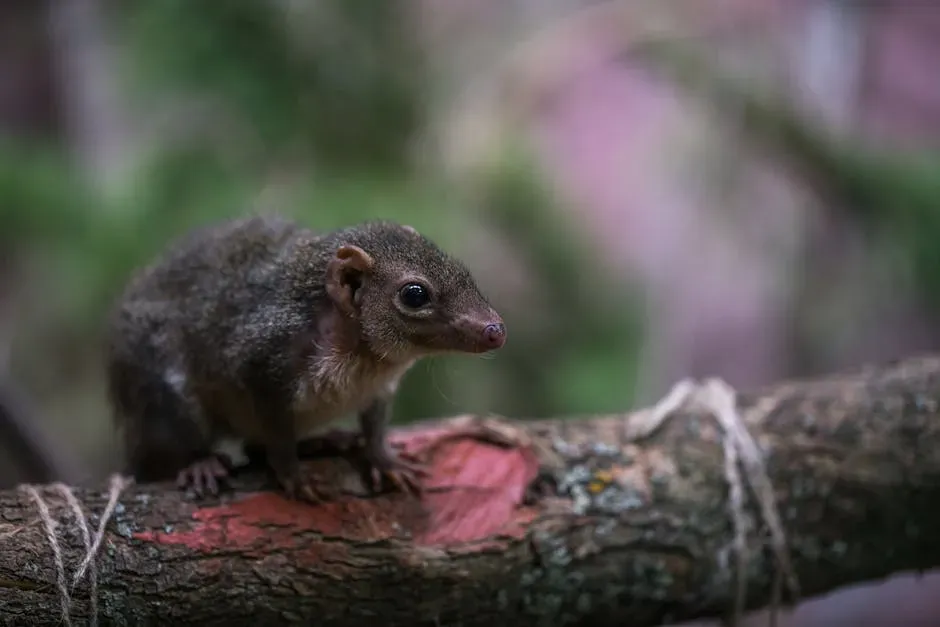
The super-strong hero shrew from Congo can withstand being stood on by a human, thanks to its most unusual skeleton, specifically the lower lumbar region of the spine. Whereas the lumbar region of humans comprises five vertebrae, the lumbar of the hero shrew has ten to eleven, each bedecked with so many processes, bumps, and lumps. The result is a spine that is four times more robust than any other mammal for its size.
This tiny creature is barely larger than a mouse. The idea that a full-grown adult could stand on it and walk away is so counterintuitive it sounds like a tall tale. Yet local peoples in Central Africa have known about this shrew’s legendary strength for generations, long before scientists came along to confirm it.
There’s a lesson somewhere in there about not judging strength by size. The hero shrew makes the point better than any motivational poster ever could.
12. Owls Can Rotate Their Heads 270 Degrees in Either Direction
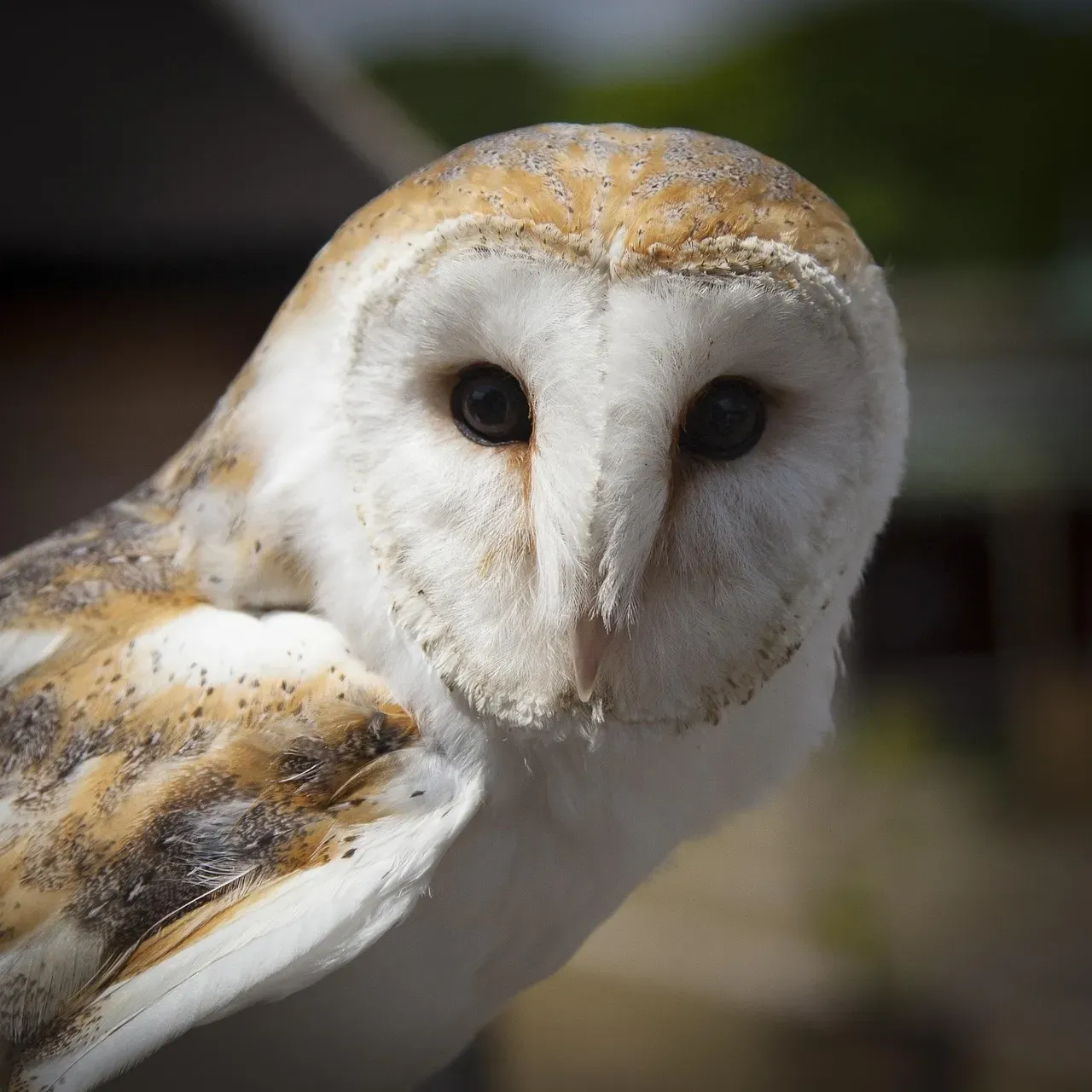
Owls have evolved the ability to turn their necks incredibly far in either direction. While this famous trait doesn’t allow them to turn their heads all the way around, they can rotate them 270 degrees, or three-quarters of a full circle, in either direction, as well as 90 degrees up and down. An owl’s vertebrae and vertebral arteries have become specially adapted to allow for such extreme range of movement, which in other animal species, including humans, would cause all kinds of physical issues.
Scientists used a small remote-control loudspeaker that could travel around the head of an owl to discover that parts of the owl’s brain activate only when certain sounds come from certain places. This neat ability allows owls to create a multidimensional mind map of the space around them by basically “seeing” the world with their ears.
They hunt by sound as much as by sight, building a three-dimensional acoustic picture of their surroundings. A rotating head combined with a living sonar system. Honestly, owls deserve more credit than just being a symbol on a library poster.
13. Elephants Communicate Through Vibrations in the Ground
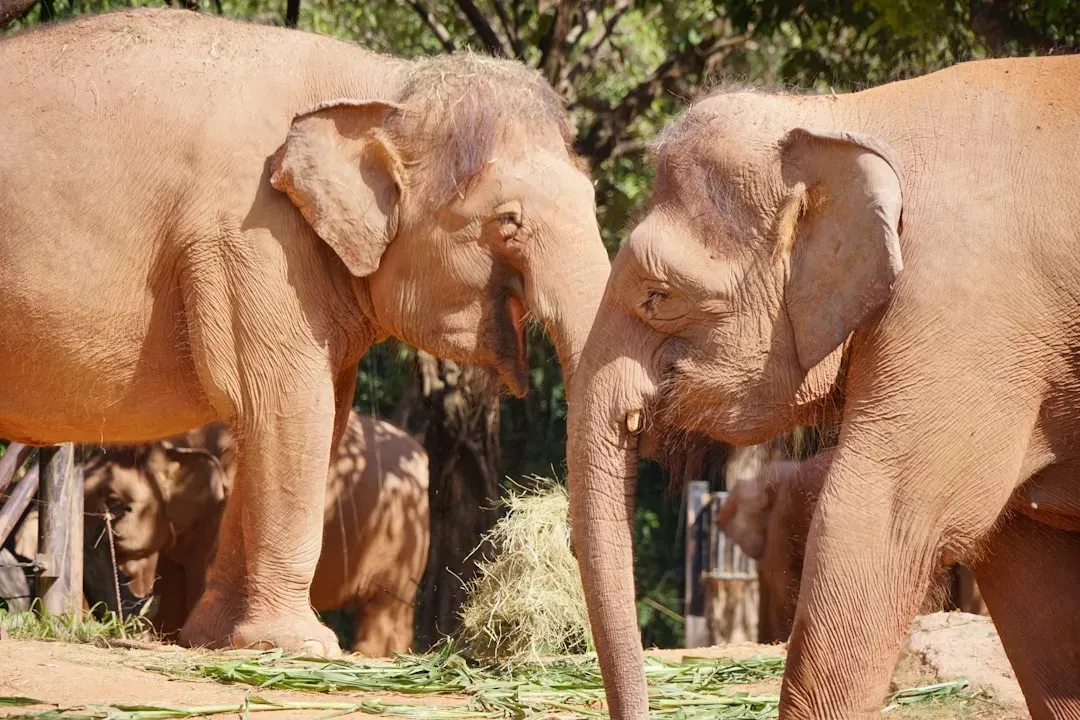
Besides trumpeting, elephants send messages through seismic signals – vibrations in the ground – that can be detected by other elephants miles away. These low-frequency rumbles, often below the threshold of human hearing, travel through the earth and are picked up by highly sensitive receptors in the elephants’ feet and trunks.
Picture an elephant family separated by miles of savanna, holding a conversation through the literal ground beneath their feet. They’re sending and receiving messages we cannot hear, in a frequency we cannot feel. Their social lives are far richer and more complex than a casual observer would ever guess.
It reframes the whole experience of watching a herd move silently across the plains. They may not appear to be communicating, but there is likely a full conversation happening below the surface, one that we are entirely excluded from.
14. The Axolotl Can Regrow Its Heart, Spine, and Brain Without Scarring
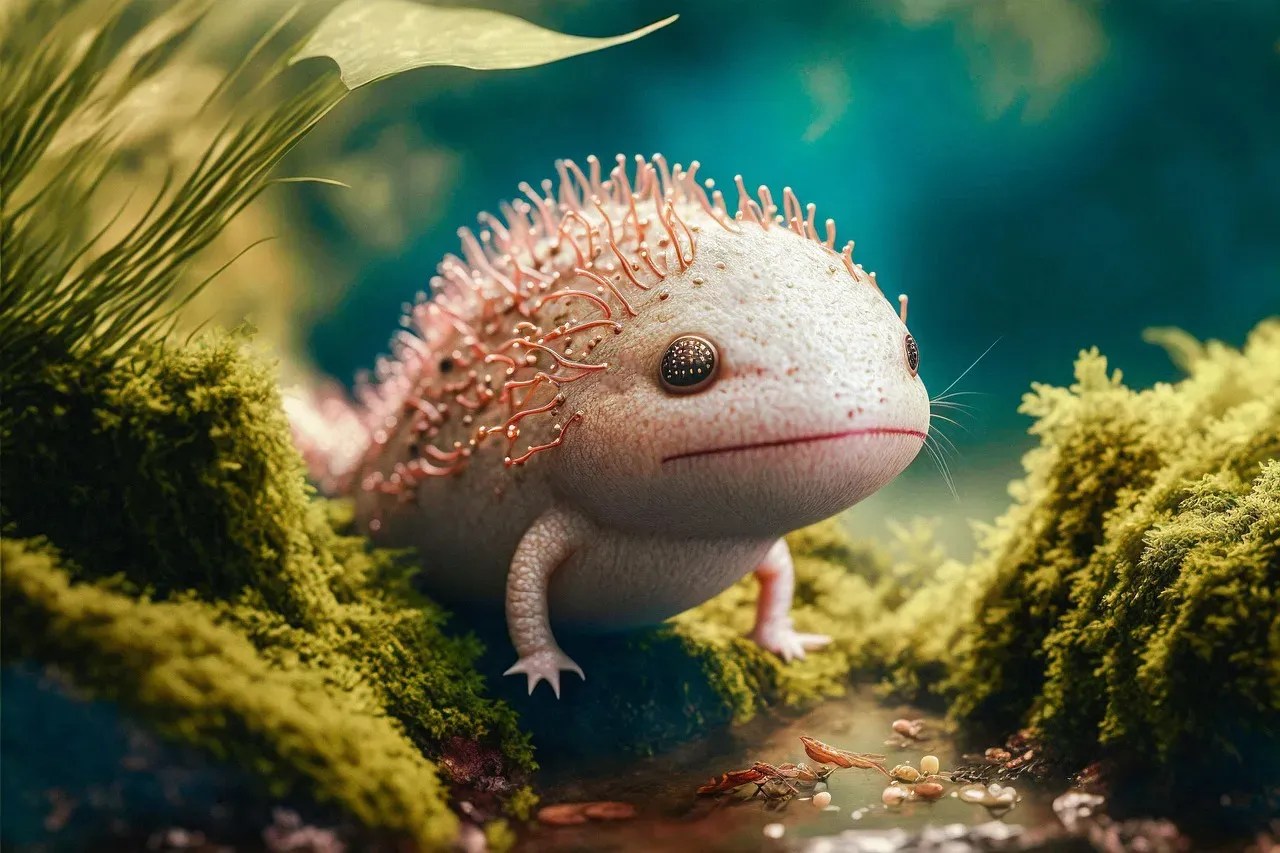
The axolotl, a type of salamander native to Mexico, boasts incredible regenerative abilities that put even the most advanced medical treatments to shame. These fascinating creatures can regrow entire limbs, spinal cords, hearts, and other organs without any trace of scarring. Scientists are actively studying the axolotl’s regenerative capabilities, hoping to unlock the secrets behind this biological marvel and potentially apply them to human medicine.
Regrow a heart. Regrow a spine. Without a scar. Without rejection. The human body struggles to heal a paper cut cleanly, while this salamander casually rebuilds its central nervous system. The gap between what we can do and what the axolotl can do is frankly embarrassing.
Some animals are capable of growing lost limbs, organs and even entire bodies, an ability to regenerate that rivals the super-powered healing factor used by fictional characters. The axolotl, though, sits at the very top of that list. Research into its biology could one day transform how we treat spinal injuries in humans.
15. The Greenland Shark Lives for Over 400 Years
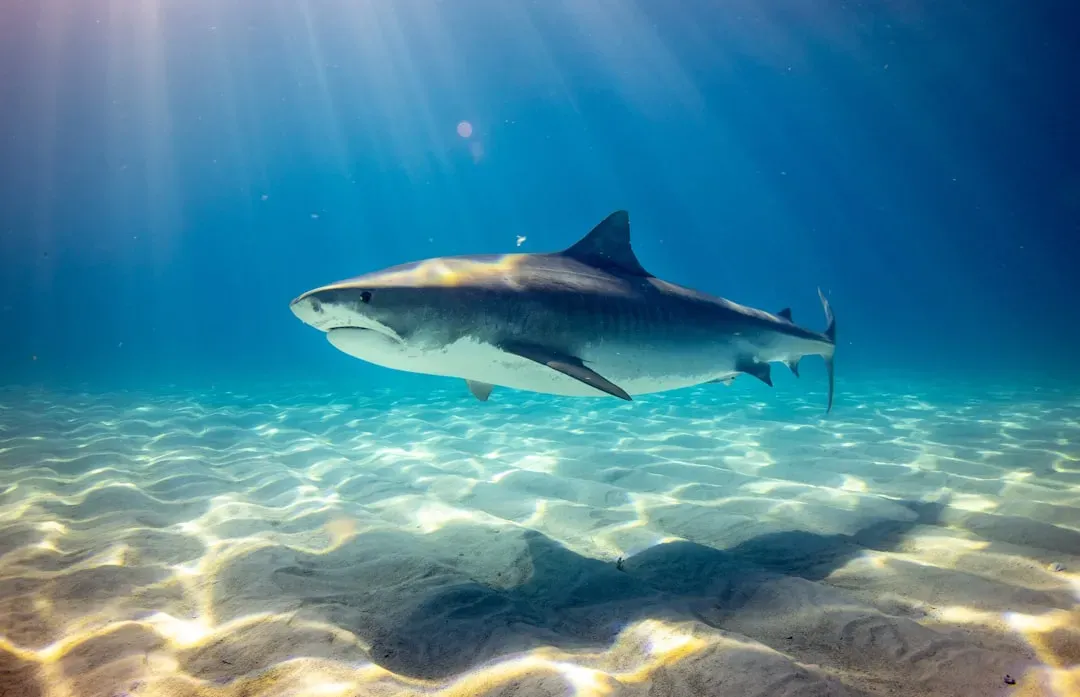
Greenland sharks can live over 400 years. That means a Greenland shark alive today could have been born before the Mayflower set sail, before the printing press reshaped civilization, and before most of the world’s great cities were founded. It just kept swimming, silently and slowly, through four centuries of human history.
Research published in Science identified the extraordinary longevity of the Greenland shark through eye lens radiocarbon analysis, revealing centuries of longevity in the species. Their growth rate is glacially slow, roughly one centimeter per year, and they reach sexual maturity only after about 150 years of life.
There is something deeply poetic about that. A creature so ancient that by the time it’s ready to reproduce, entire human empires have risen and fallen around it. The ocean is old, and the Greenland shark is one of its oldest living witnesses.
The Natural World Has Barely Been Scratched
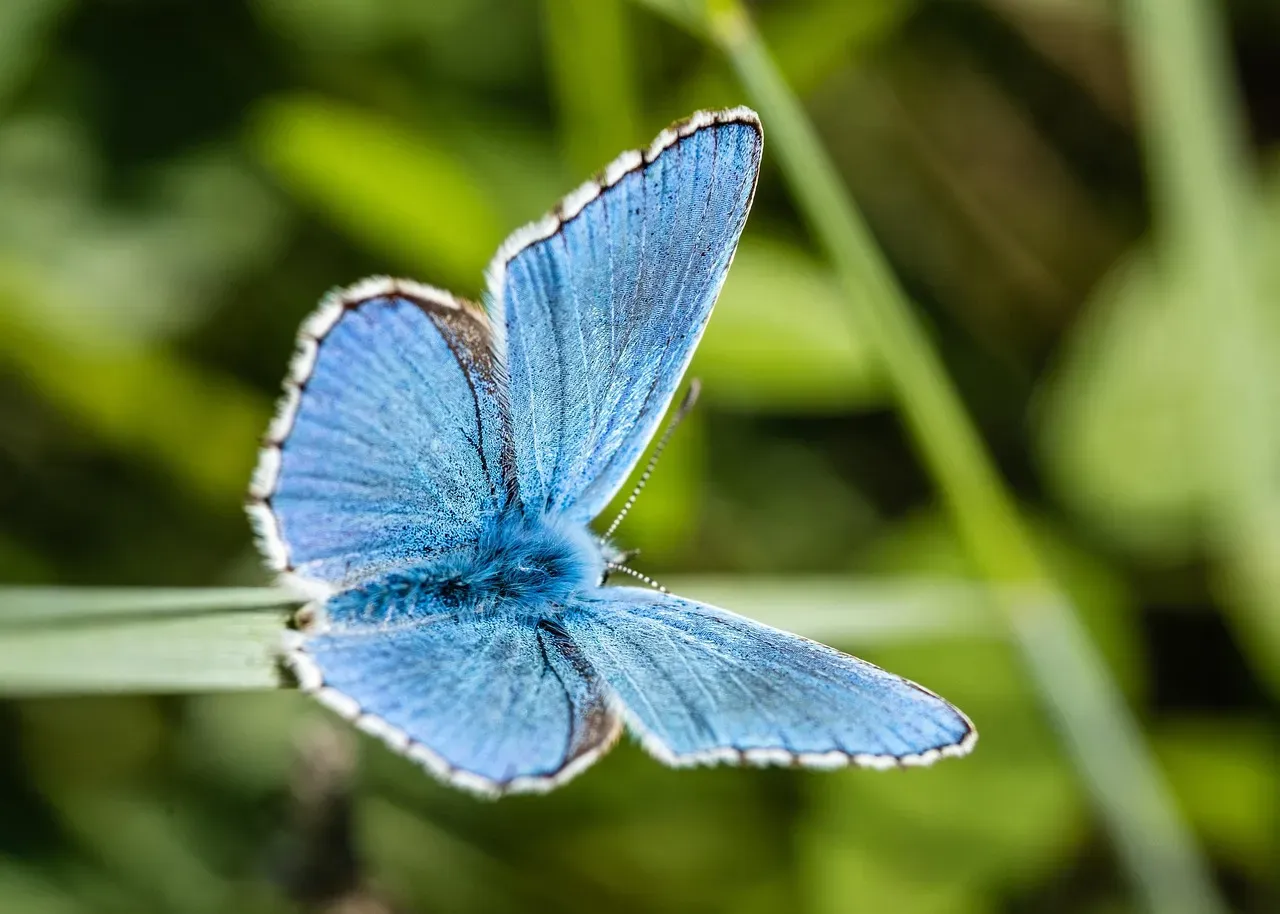
Here’s the remarkable thing about all fifteen of these facts. They are not outliers. They are not rare exceptions. They represent a small window into a world of biological complexity that scientists are still actively mapping in 2026. From orcas using tools to entirely new deep-sea ecosystems, discoveries keep stacking up, adding to our ever-growing understanding of the natural world.
The animals around us are performing feats of chemistry, physics, and engineering that our best minds are still trying to reverse-engineer. A jellyfish that never ages. A frog with self-made claws. A shark that watched the Renaissance from beneath the waves.
Every single one of these facts is a reminder that the most extraordinary things on this planet are not built in laboratories. They evolved over millions of years, quietly, persistently, without any fanfare. We are surrounded by biological miracles. We just stopped noticing them. Which of these 15 facts hit you the hardest – did you expect any of them?
