
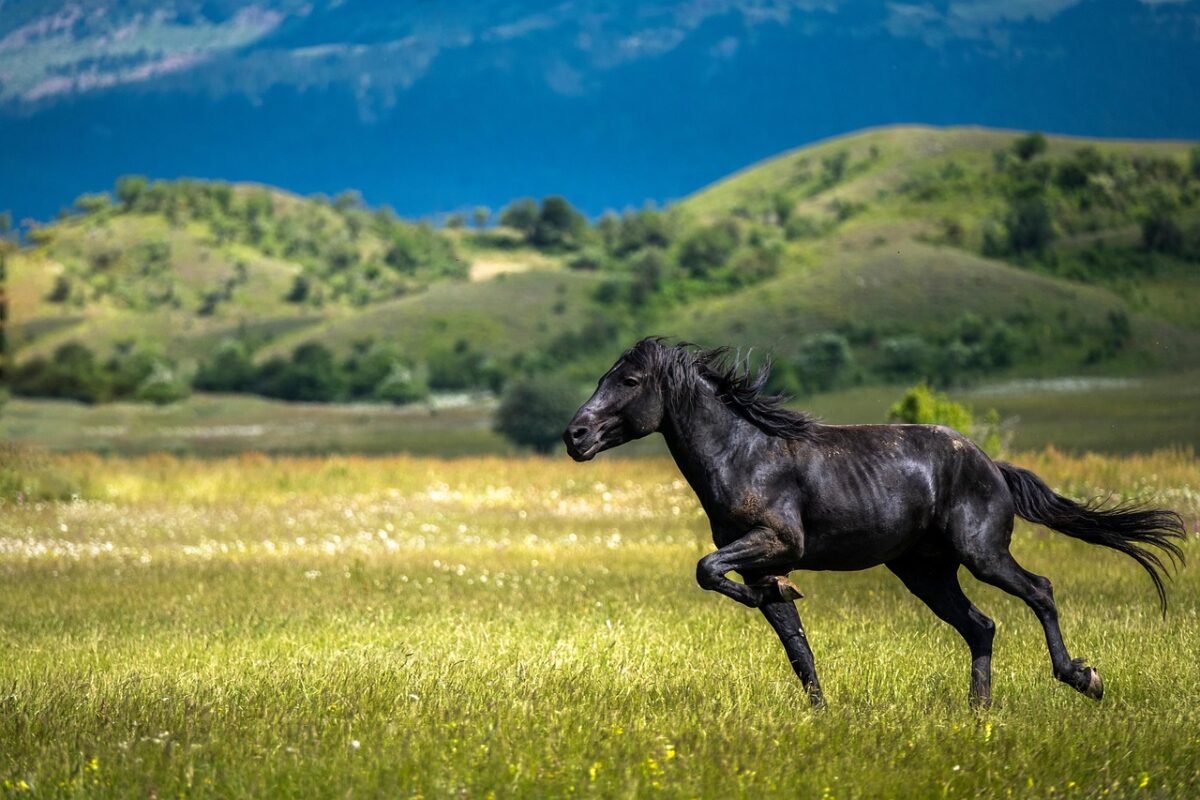
Imagine encountering a band of magnificent wild horses during a hiking trip through the Nevada desert. Their flowing manes and graceful movements might draw you closer, but science reveals a startling truth. These beautiful creatures harbor hidden dangers that could turn a magical encounter into a life-threatening situation.
Wild horses represent one of nature’s most deceptive hazards. Though they appear gentle and approachable, decades of research have uncovered compelling scientific evidence that approaching these animals poses serious risks to human safety. Let’s explore the fascinating yet frightening reasons why maintaining distance from wild horses isn’t just recommended – it’s essential for survival.
Their Fight-or-Flight Response Can Turn Deadly in Seconds
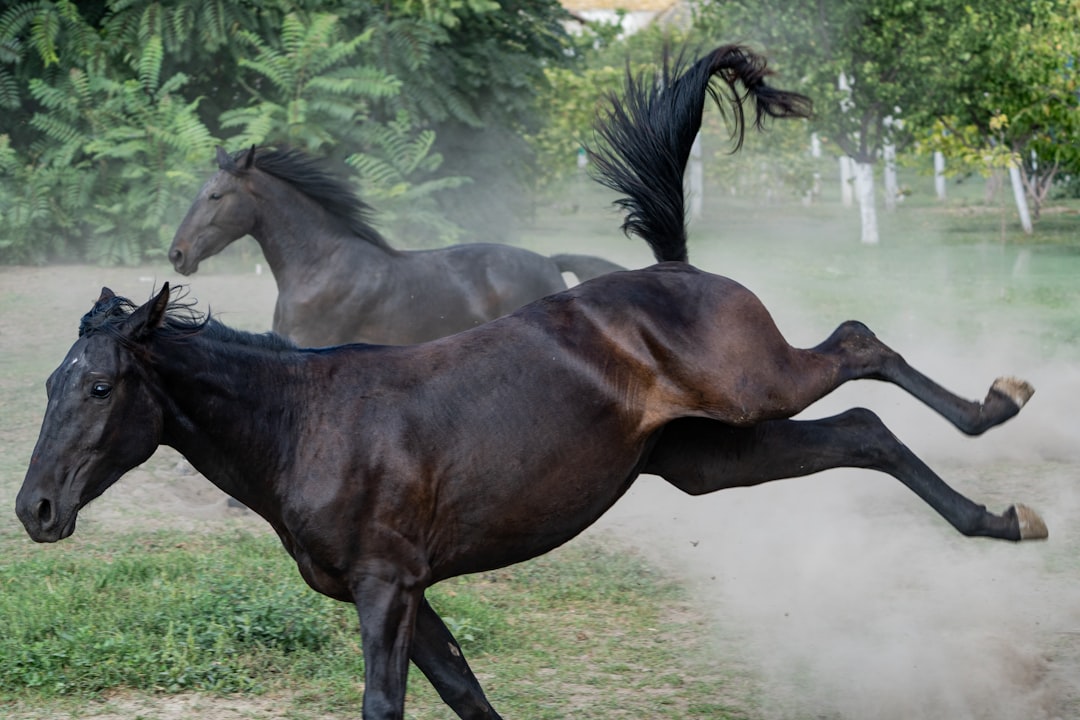
Wild horses possess a well-developed fight-or-flight response, and their first reaction to a threat is often to flee, though they’ll defend themselves when flight is untenable. When escape becomes impossible, horses resort to defensive aggression, which creates the potential for dangerous attacks.
This split-second decision-making process makes wild horses incredibly unpredictable around humans. As prey animals, horses have evolved to be hypervigilant, with their first instinct typically being to flee from danger. However, when cornered or surprised, they can instantly switch from peaceful grazing to aggressive defense mode. Their reaction time is measured in milliseconds, giving humans virtually no time to escape once an attack begins.
A Single Kick Can Shatter Bones and Crush Organs
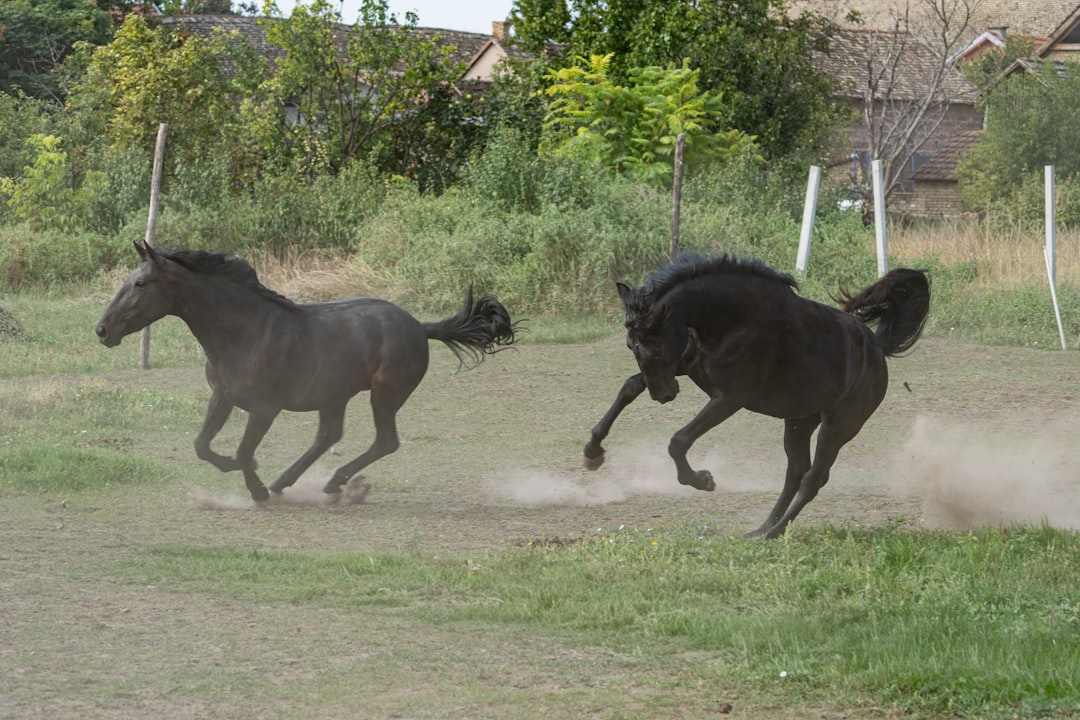
A horse’s rear leg kicks are powerful enough to break bones and kill animals and humans, with many people having died after sustaining a horse kick. Victims of horse attacks have had their skulls shattered, bones fractured and internal organs severely injured by such heavy blows.
The devastating force behind a horse kick stems from their massive leg muscles and bone density. Research documented in the Emergency Medical Journal noted the case of a woman who was kicked in the stomach, with an x-ray revealing a perfect outline of the hoof on the victim’s liver. These powerful animals can generate forces equivalent to being struck by a sledgehammer, making even a single kick potentially fatal.
Their Teeth Can Exert 500 Pounds of Crushing Force
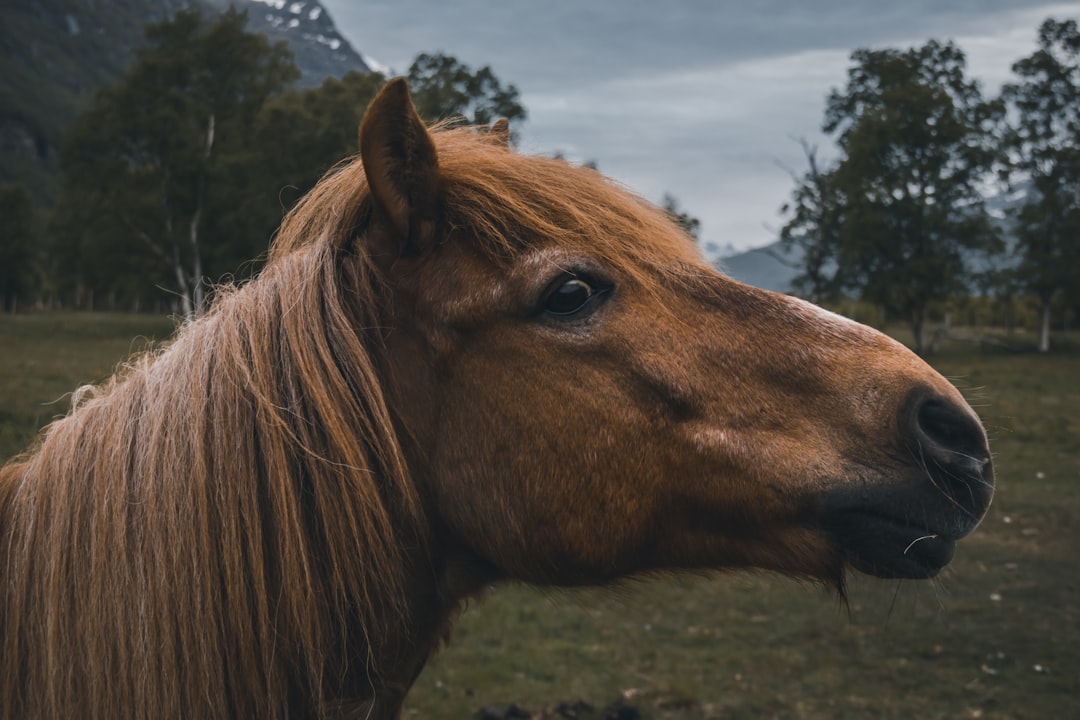
A wild horse’s bite can exert 200-400 pounds per square inch of pressure – strong enough to crush bone and sever fingers, and unlike domestic horses, wild horses use their teeth as defensive weapons without hesitation.
The crushing power of horse jaws evolved for grinding tough prairie grasses and woody vegetation. When turned against humans, this incredible bite force becomes a weapon capable of causing catastrophic injuries. Wild horses haven’t been trained to have “soft mouths” like domestic animals, meaning they’ll bite with full force when they feel threatened. Their large incisors can easily penetrate skin, while their powerful jaw muscles can maintain crushing pressure that destroys tissue and bone.
Risk of Being Trampled by 1,000-Pound Animals
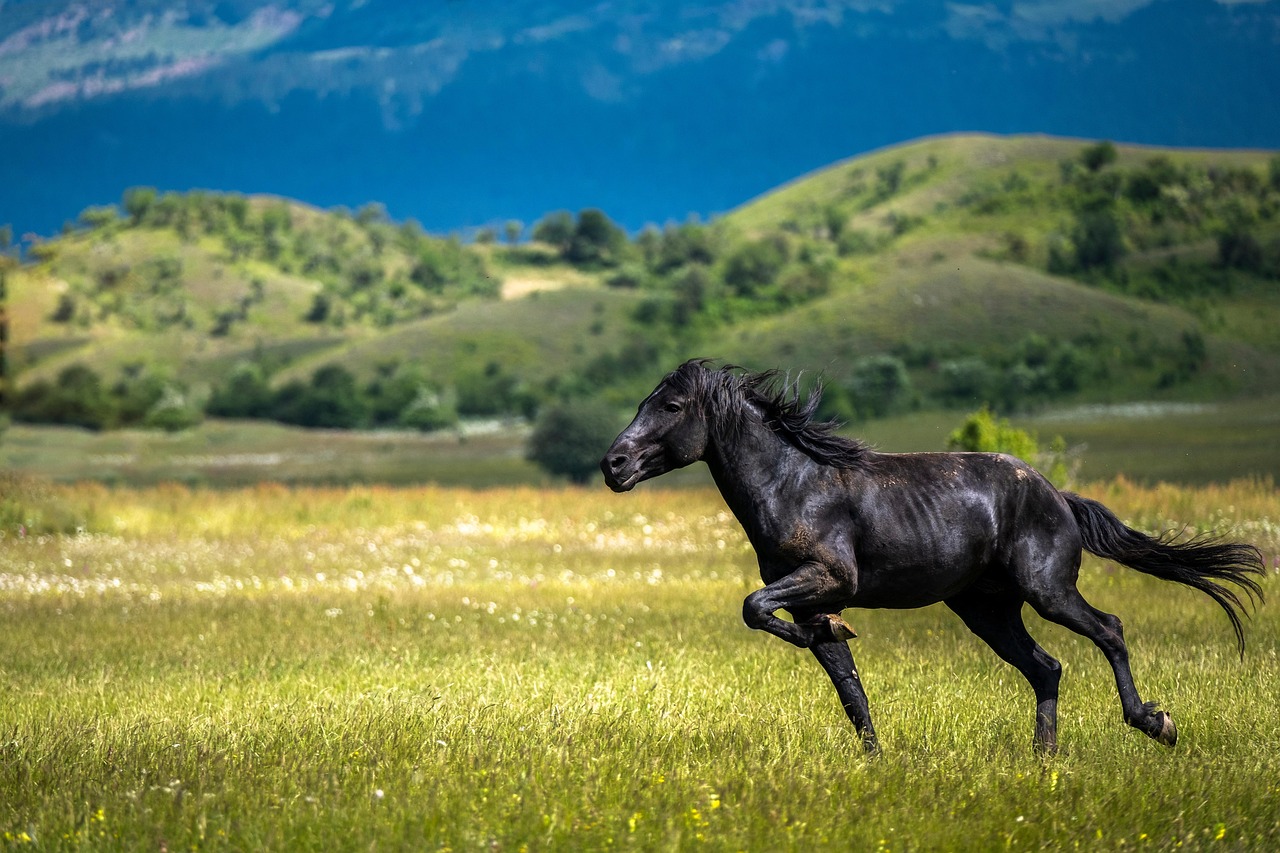
The most overlooked danger is the risk of being trampled, as wild horses feeling threatened may run over anything in their path, with adult horses weighing 800-1,000 pounds moving at speed causing catastrophic injuries.
When wild horses panic, they become living bulldozers capable of crushing anything beneath their hooves. These powerful animals weigh up to 1,000 pounds with strong fight-or-flight instincts honed through generations of survival in the wild. Their survival instinct overrides any concern for obstacles in their escape path, including humans who might accidentally find themselves in the way.
Breeding Season Triggers Extreme Territorial Aggression
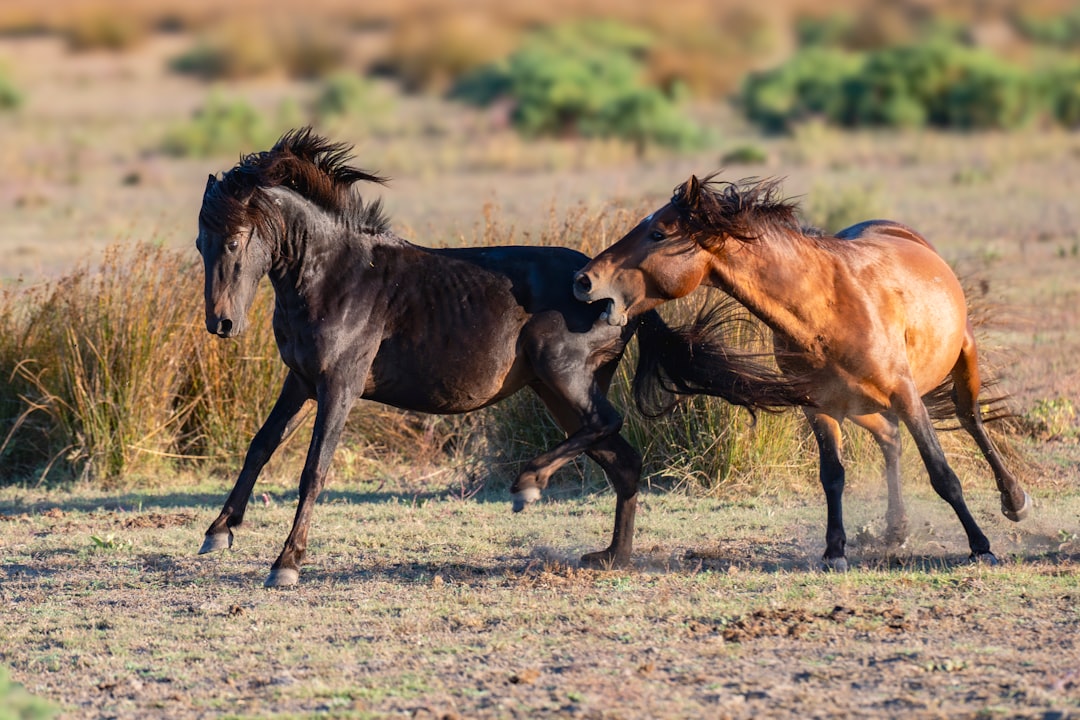
During breeding season, typically from March through August, stallions become significantly more territorial and aggressive. Stallions can be territorial and protective of their herds, especially during breeding season, while approaching a herd with foals can trigger protective responses from mares.
The hormonal changes during mating season transform normally cautious wild horses into aggressive defenders. Stallions will challenge any perceived threat to their harem, viewing humans as potential competitors or predators. This seasonal aggression creates a several-month window where wild horse encounters become exponentially more dangerous, with attacks more likely to be sustained and violent rather than defensive.
They Harbor Deadly Zoonotic Diseases
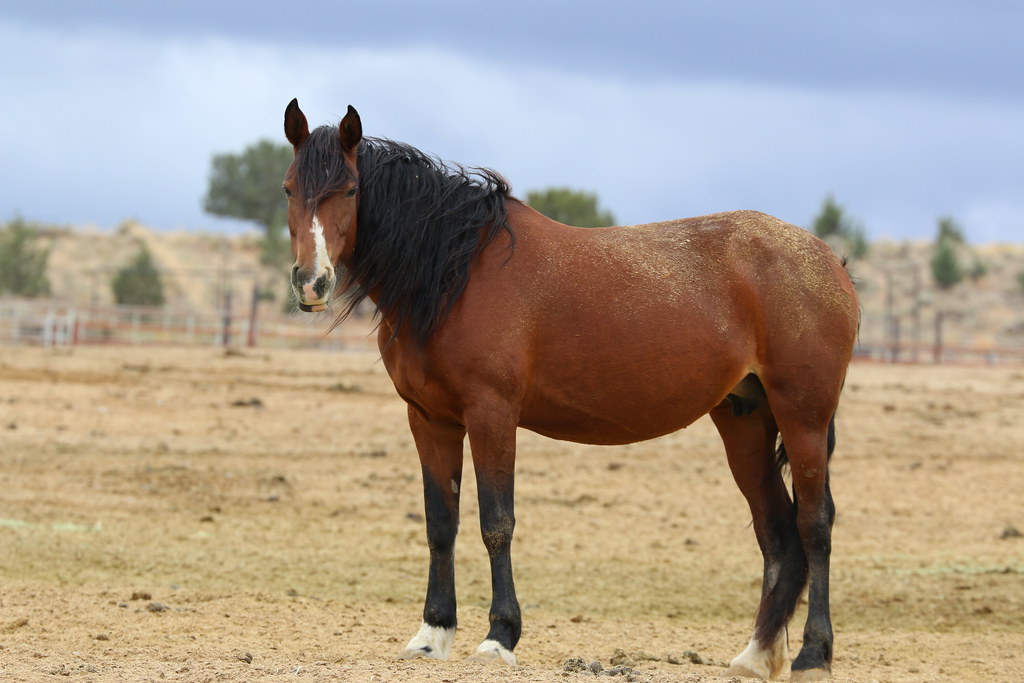
Horses fulfill roles as working animals, pets, and livestock, and their close interactions with humans support the potential transfer of equine pathogens to humans, with frequent international movement increasing transmission risks. Zoonotic diseases like West Nile fever, Hendra, Venezuelan equine encephalitis, Eastern equine encephalitis, Japanese encephalitis, and Rabies have the potential for spread and ability to cause disease in humans.
Wild horses serve as reservoirs for numerous pathogens that can jump to humans through direct contact or environmental contamination. Some pathogens like B. mallei have mortality rates higher than 40% in humans even with antibiotic treatment. Unlike domestic horses that receive regular veterinary care and vaccinations, wild populations can harbor diseases for years without detection, making every encounter a potential exposure event.
Unpredictable Social Hierarchy Creates Volatile Situations
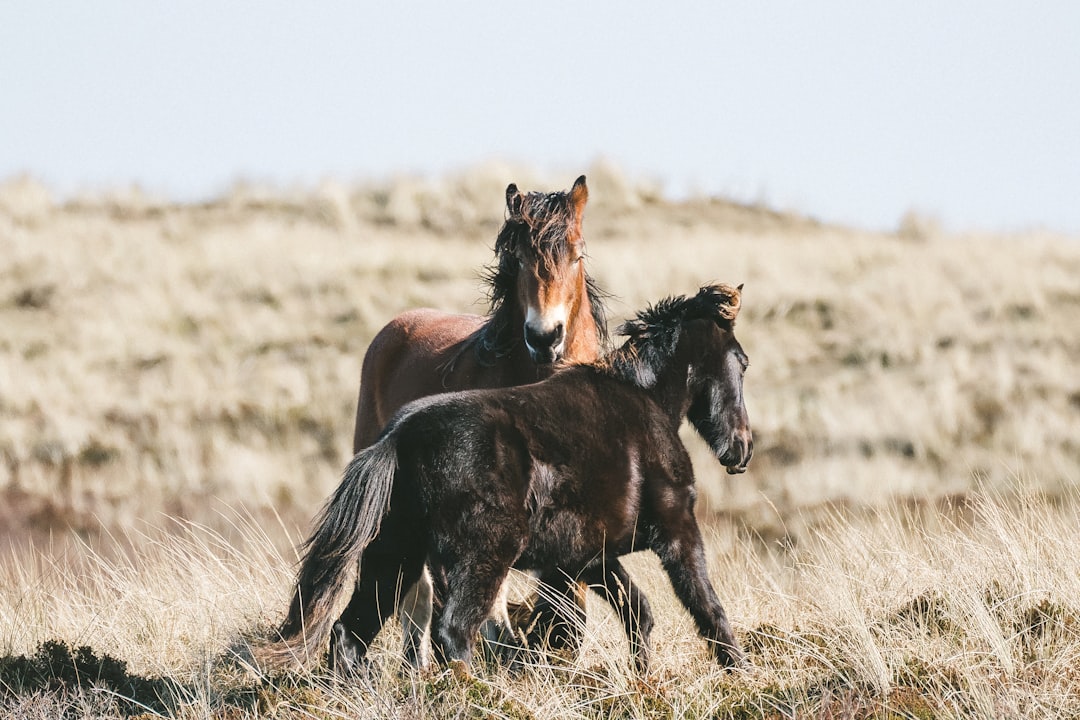
Wild horse “herds” consist of several separate, small “bands” sharing territory, with sizes ranging from two to 25 individuals, mostly mares and their offspring, with one to five stallions. The reproductive success of lead stallions depends on preventing other males from mating with harem mares, while stallions exercise protective behavior and take initiative when encountering potential threats.
This complex social structure means humans might unknowingly trigger territorial disputes or protective responses. Wild horses constantly assess threats through their hierarchical lens, where any intrusion could be perceived as a challenge to the group’s stability. The presence of foals intensifies these protective instincts, turning normally neutral encounters into potentially violent confrontations as horses defend their family units.
Their Acute Senses Make Them Hypervigilant and Reactive
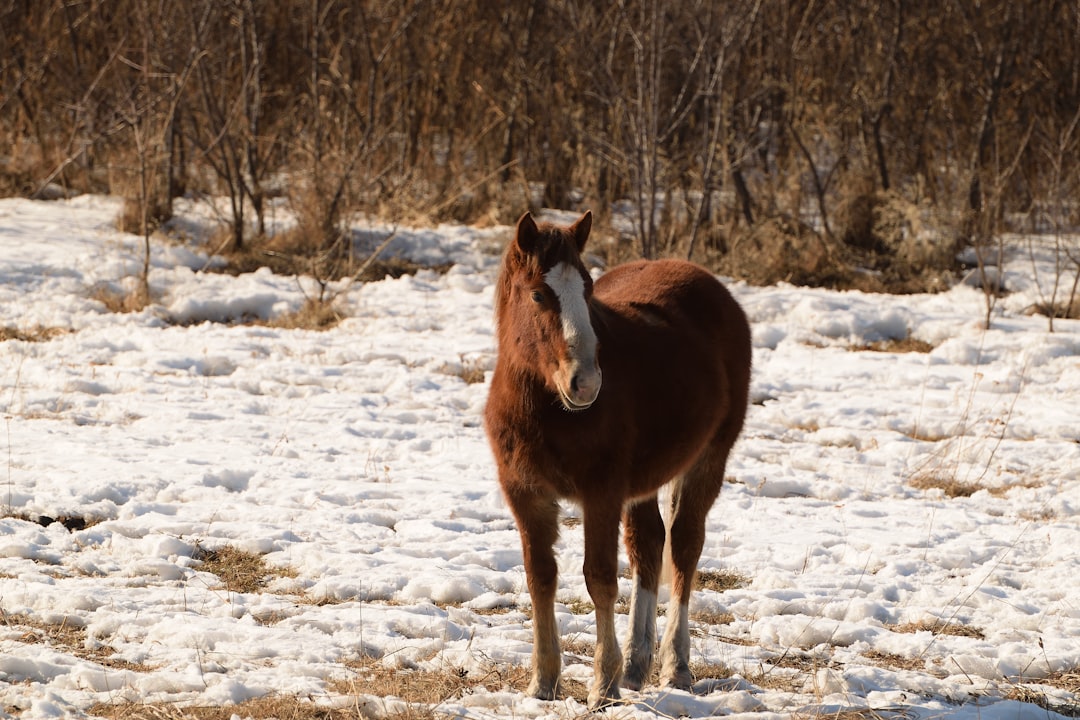
Wild horses possess acute senses – particularly their nearly 360-degree vision and sensitive hearing – allowing them to detect potential dangers from great distances, and when they cannot escape a perceived threat, they may resort to defensive aggression.
This evolutionary advantage that helped wild horses survive predators now works against human encounters. What humans perceive as non-threatening behavior can be interpreted very differently by wild horses, with quick movements, direct approaches, or feeding attempts all potentially misinterpreted as threatening actions. Their heightened sensory awareness means they’re constantly scanning for threats, making them prone to explosive reactions to sudden sounds, movements, or unfamiliar scents.
Feeding Creates Dangerous Behavioral Changes
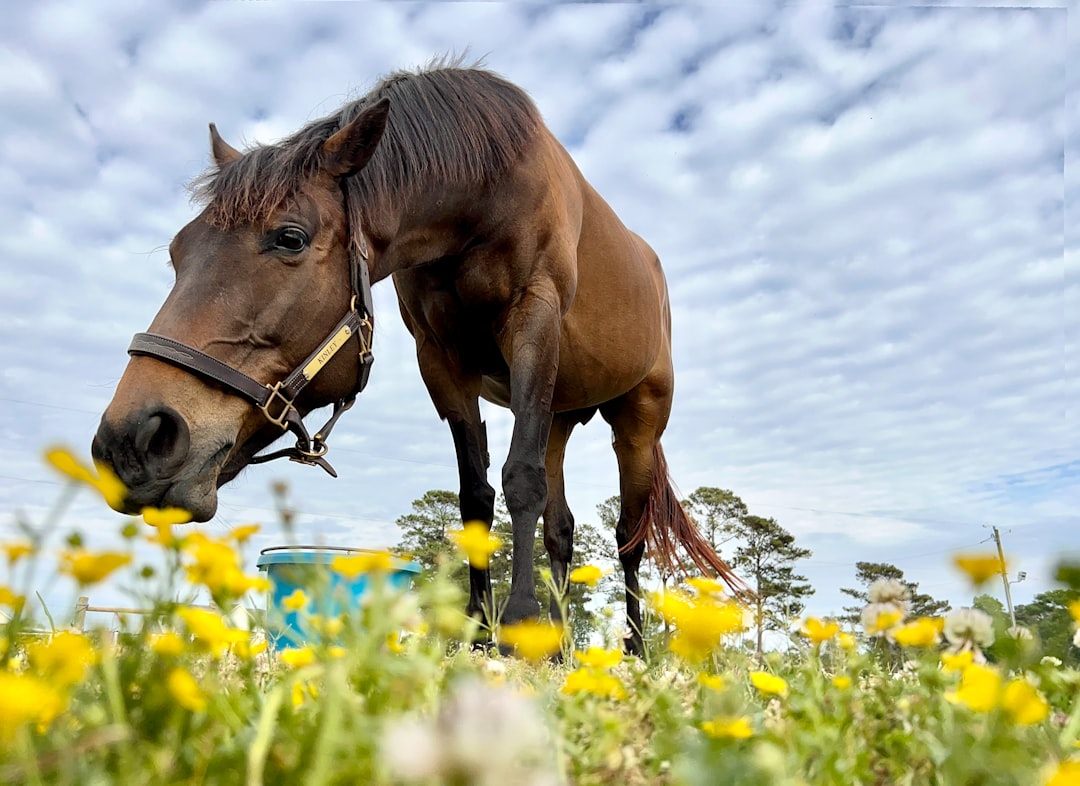
Feeding wild horses creates dangerous behavioral changes, as horses habituated to human food may become aggressive in seeking it out, approaching people and vehicles expectantly, leading to increased horse attacks and dangerous encounters.
Once wild horses associate humans with food, they lose their natural wariness and become pushy, demanding animals. This learned behavior spreads through herds, creating entire populations that aggressively approach humans expecting treats. The combination of their size, strength, and loss of natural fear creates situations where horses may knock people down, bite, or kick when food isn’t immediately provided.
Statistical Evidence Shows Frequent Severe Injuries
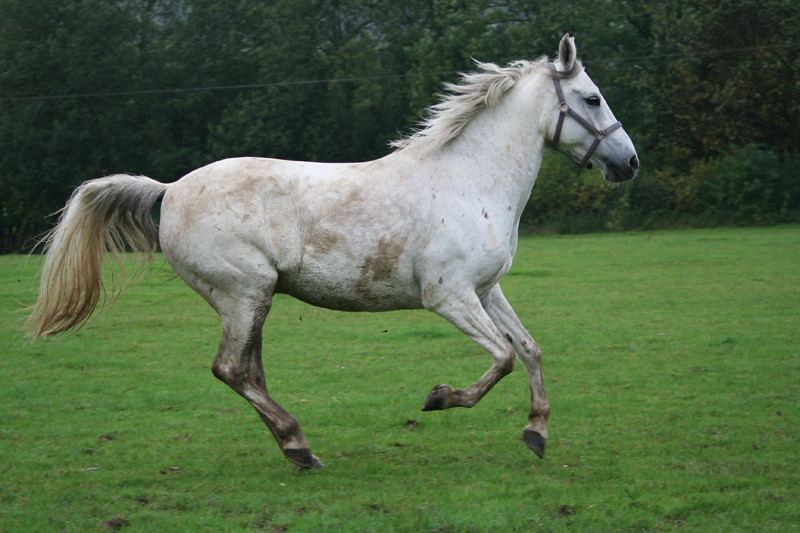
An estimated 102,904 persons with non-fatal horse related injuries were treated in American emergency departments each year from 2001 to 2003. From 1990 through 2017, an estimated 1.8 million individuals presented to United States emergency departments with horse-related injuries.
These staggering numbers represent documented cases involving primarily domestic horses with human handlers present. Most horse-related injuries were diagnosed as broken bones or soft tissue injuries, with 11% diagnosed as concussion or closed head injury, and 67% of all injuries resulting from falling or being thrown. Wild horse encounters, lacking any safety measures or trained handlers, would likely produce even more severe injury patterns.
Environmental Factors Amplify Danger
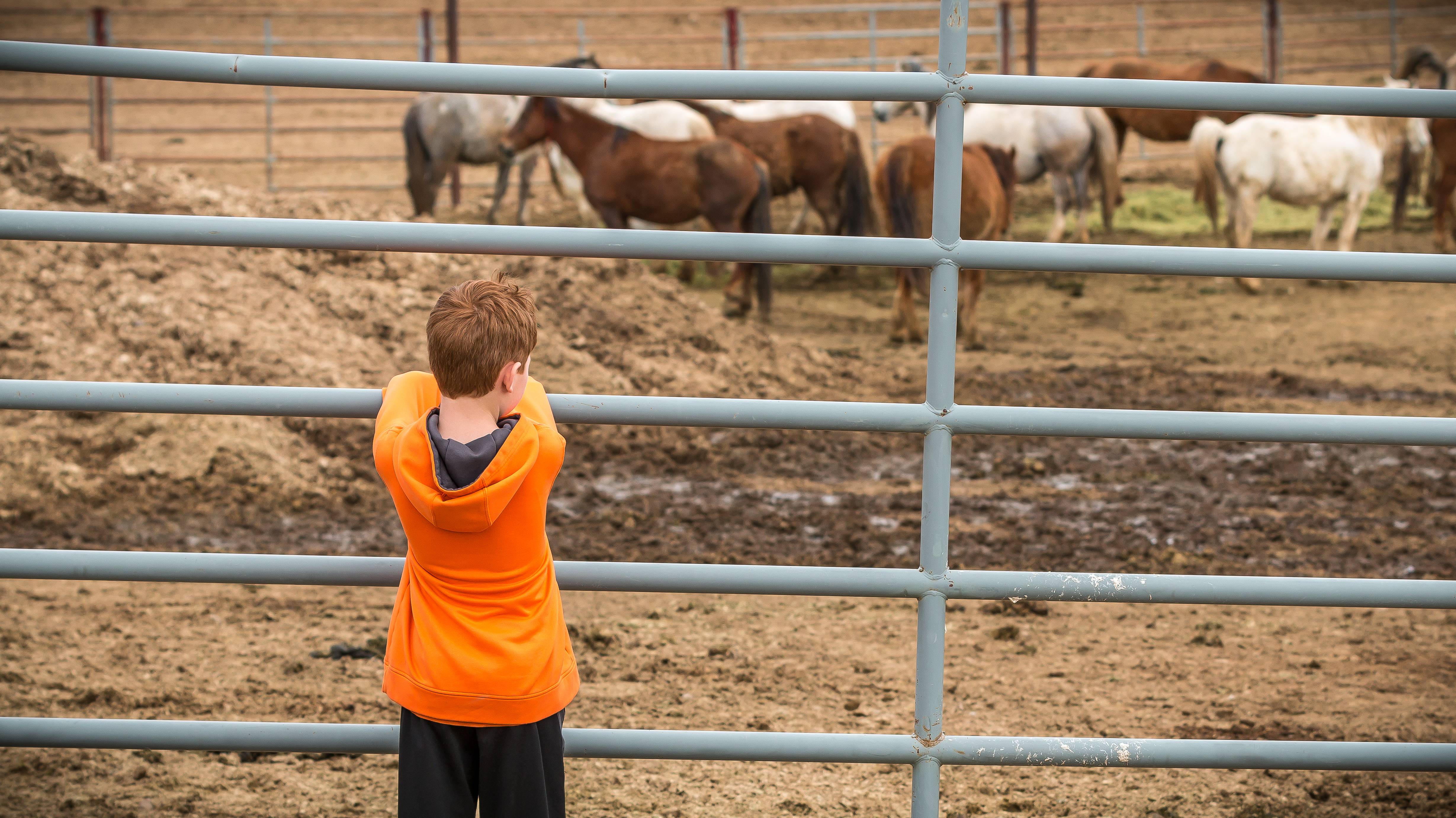
Horses can be unpredictable, with environmental factors such as wind, rain, bad ground, and riding location contributing to horseback riding-related injuries. In Nevada’s wild horse territories, the Bureau of Land Management has recorded instances where curious hikers approaching mustangs have been charged by protective stallions, encounters that rarely make headlines but serve as important reminders.
Wild horses encounter humans in remote, uncontrolled environments where help is often hours away. Weather conditions, terrain obstacles, and the presence of other wildlife can all contribute to horse stress and unpredictable behavior. Unlike controlled riding environments, wilderness encounters offer no safety equipment, trained supervision, or immediate medical assistance when situations turn dangerous.
Legal and Conservation Consequences
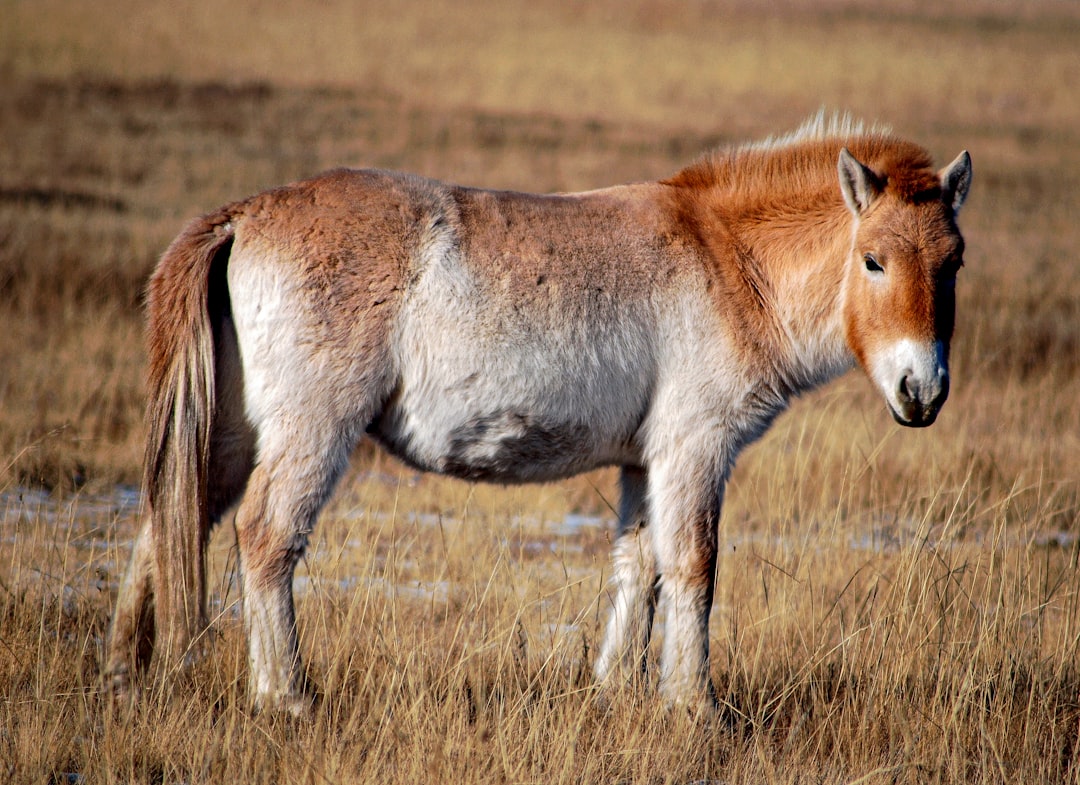
The general rule is not to get within 50 feet of wild horses, though most parks and the Bureau of Land Management have separate regulations in place, with many parks requiring visitors to stay more than 100 feet away.
Approaching wild horses isn’t just dangerous – it’s often illegal and harmful to conservation efforts. Federal and state regulations protect these animals and their habitats, with violations carrying substantial fines and legal consequences. Visitors should be respectful of horse habitats, move off their paths, and never walk through a herd. Human interference disrupts natural behaviors, alters migration patterns, and can cause long-term psychological stress that affects reproduction and survival rates.
Conclusion
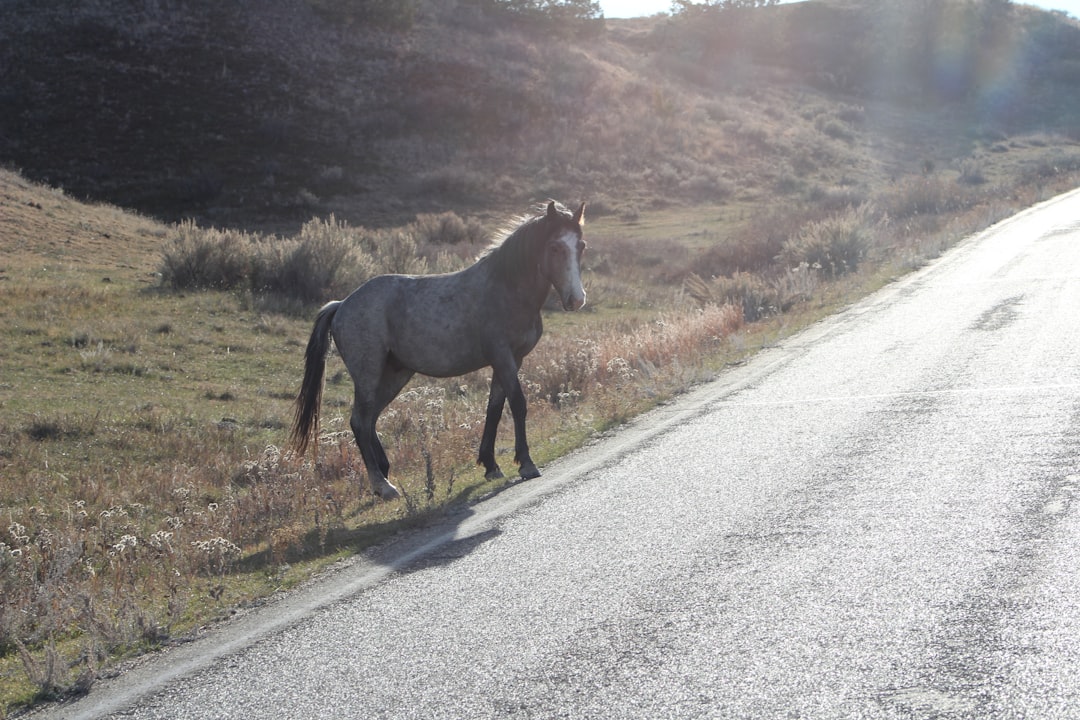
The scientific evidence overwhelmingly demonstrates that wild horses, despite their beauty and majesty, pose significant dangers to humans who approach them. From their bone-crushing kicks and powerful bites to the deadly diseases they carry, these magnificent creatures demand respect and distance. Their evolved survival instincts, unpredictable social dynamics, and capacity for explosive violence make every close encounter a potential catastrophe.
Understanding these risks doesn’t diminish the wonder of observing wild horses – it simply ensures that admiration happens from a safe distance. The next time you spot these incredible animals in the wild, remember that the greatest gift you can give them and yourself is the space they need to remain truly wild. What would you choose: a dangerous close encounter or the lasting memory of witnessing nature’s power from a respectful distance?

- 13 Tender Signs a Horse Is Grieving a Rider It Lost - July 28, 2026
- 11 Small Ways a Rescue Horse Shows It Has Finally Let a Human In - July 28, 2026
- 14 Quiet Ways a Horse Keeps Watch Over the Person It Has Claimed - July 28, 2026