
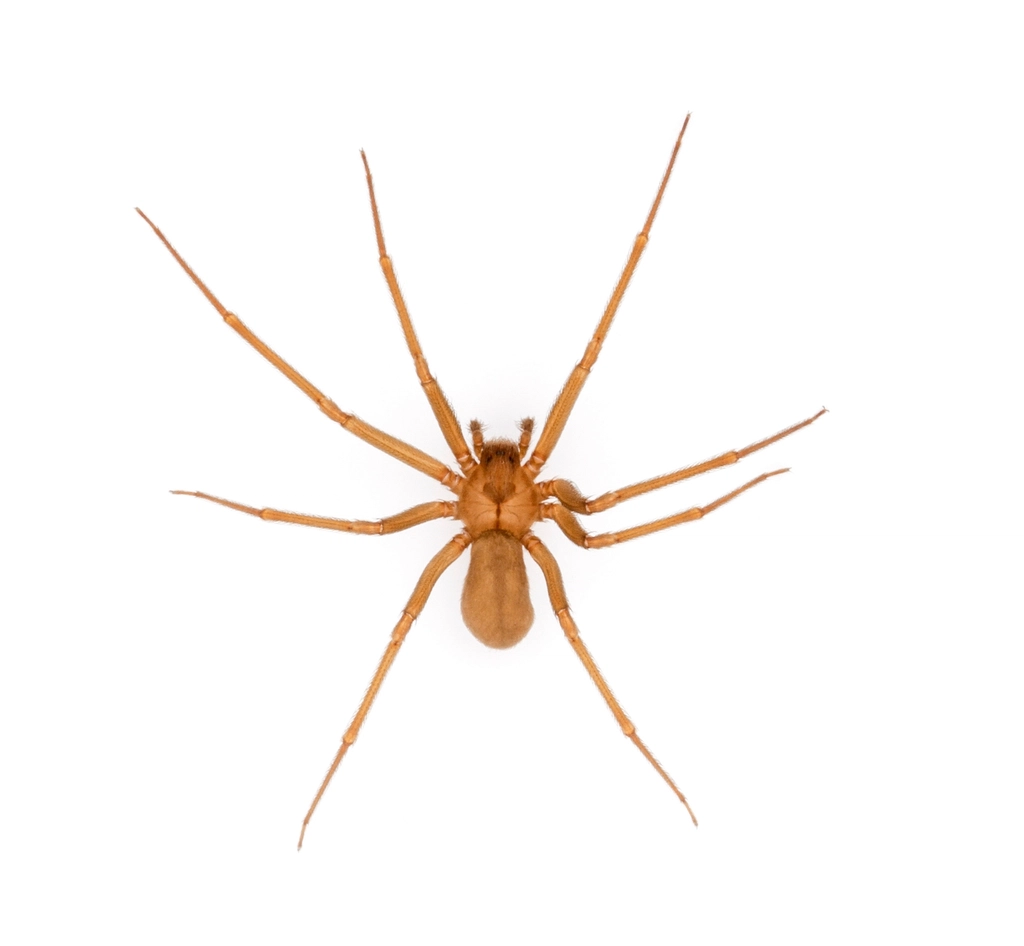
In the heart of the United States, a creature lurks in the shadows, its presence largely unnoticed by the very people who share its habitat. This isn’t the plot of a horror movie; it’s the reality of the brown recluse spider, one of the most venomous arachnids in North America. Despite its potent venom, many residents remain blissfully unaware of the dangers that might be hiding in their own homes.
Meet the Brown Recluse: A Master of Stealth
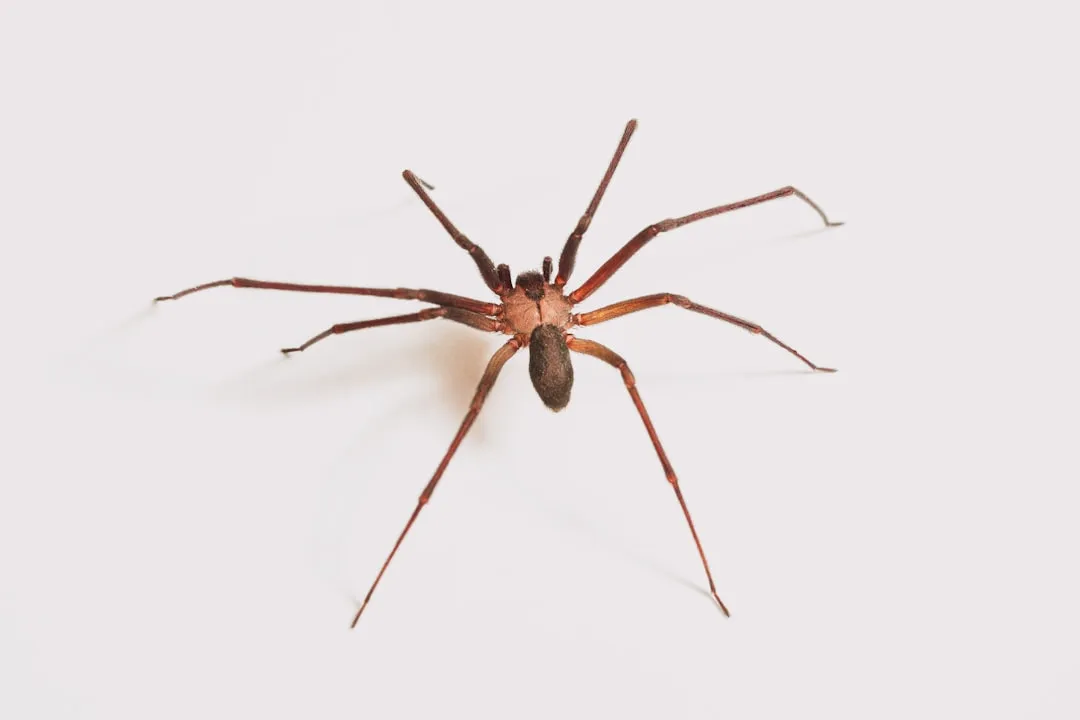
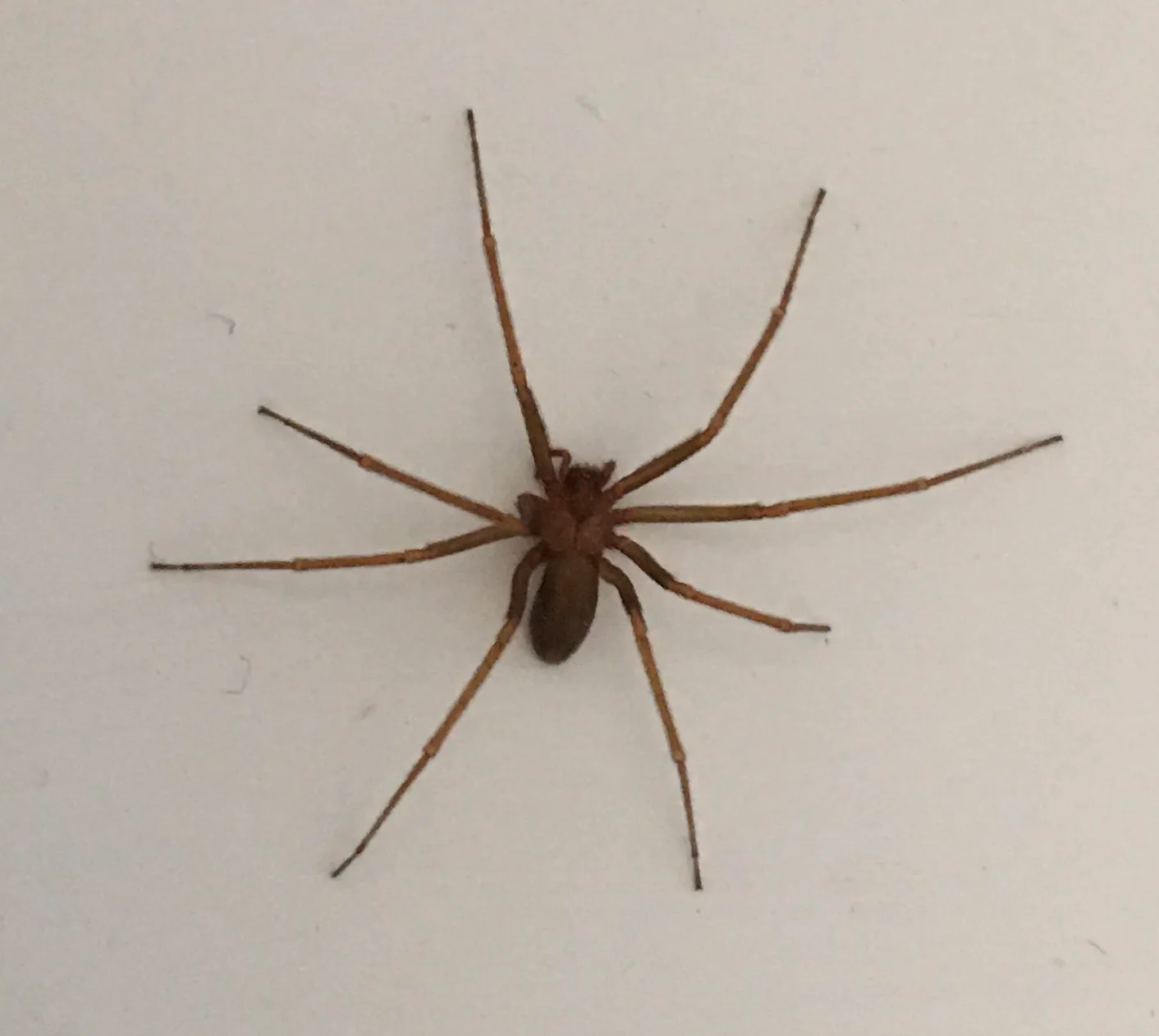
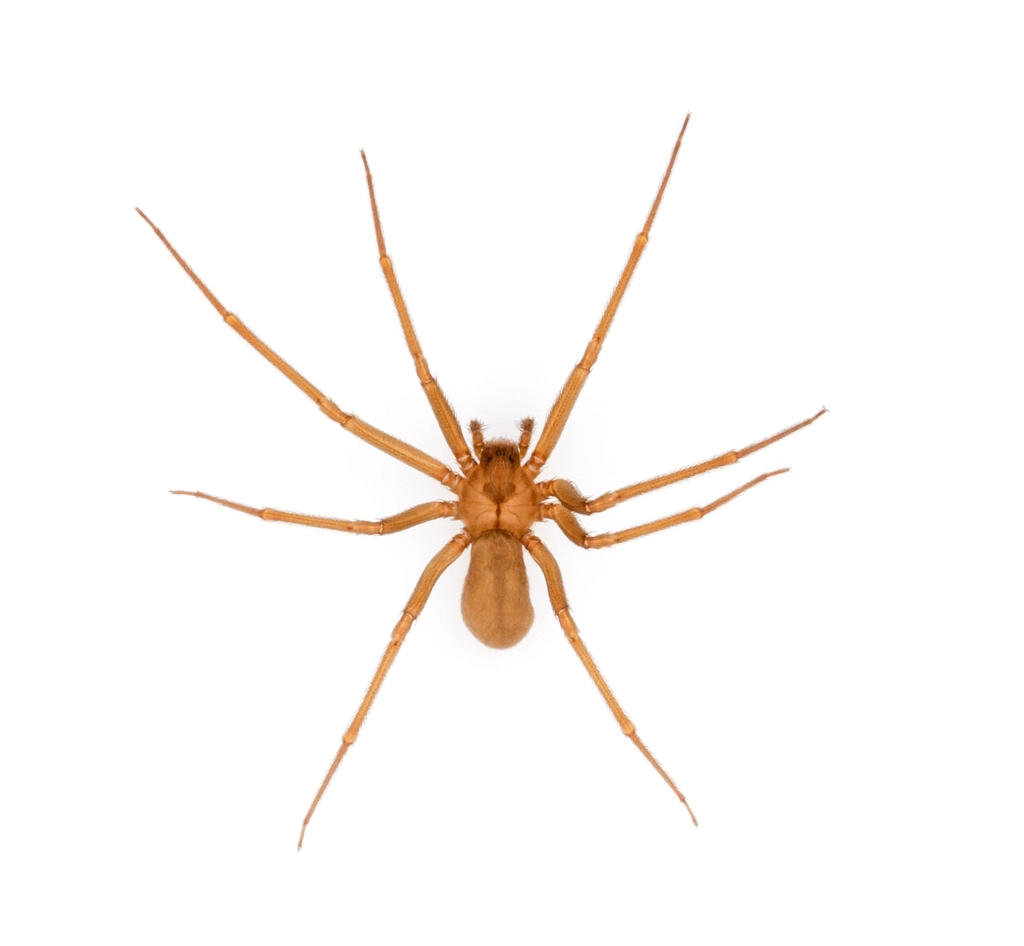
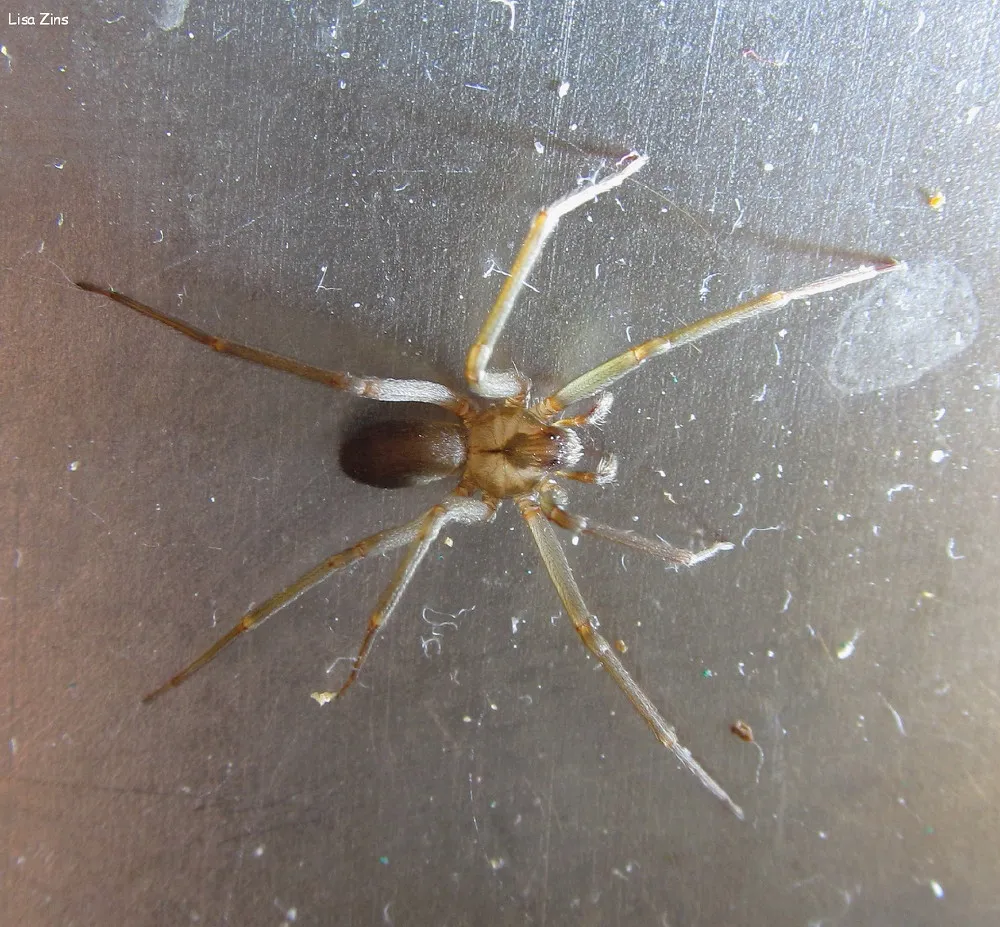
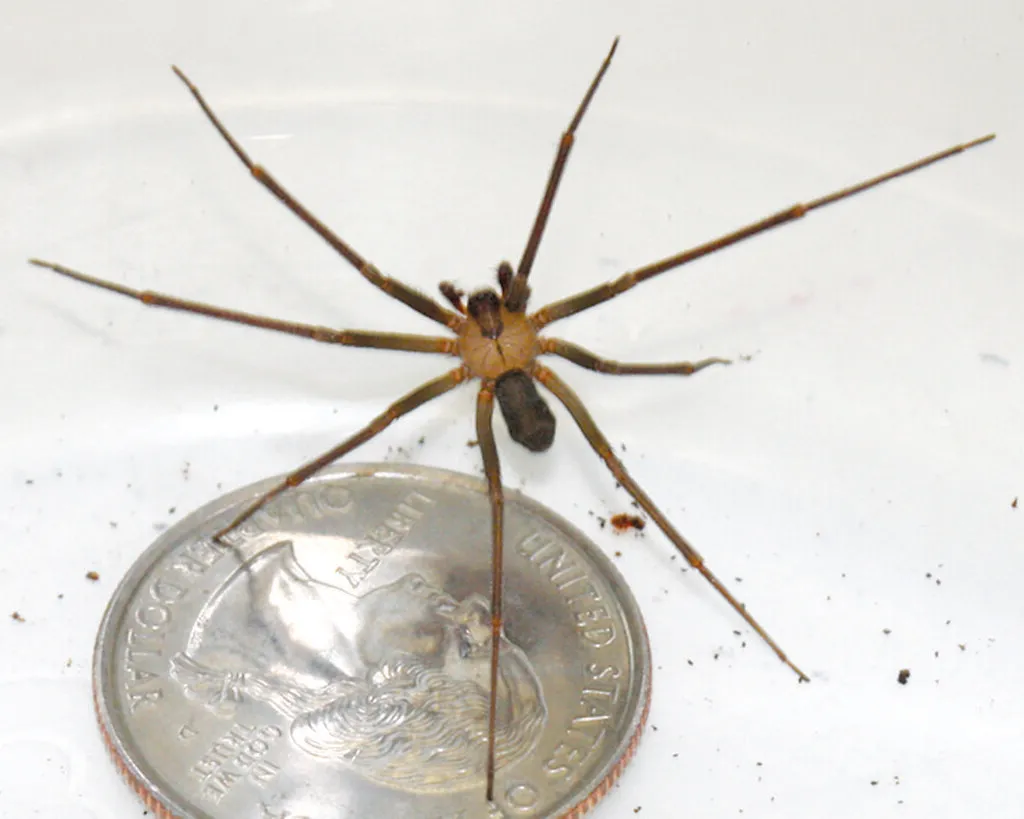
The brown recluse spider, scientifically known as *Loxosceles reclusa*, is a small, unassuming arachnid. Measuring about a quarter to half an inch in body length, it boasts a violin-shaped marking on its back, earning it the nickname “fiddleback spider.” Its coloration ranges from tan to dark brown, allowing it to blend seamlessly into its surroundings.
This spider’s reclusive nature means it prefers undisturbed areas. Basements, attics, closets, and even seldom-used shoes or clothing can become its hiding spots. Its nocturnal habits further reduce the chances of human encounters, making its presence even more elusive.
A Venomous Bite: More Than Just a Nuisance
While the brown recluse isn’t aggressive, it will bite when threatened or pressed against the skin. Its venom contains a rare toxin called sphingomyelinase D, which can cause significant tissue damage. Bites often start as a mild irritation but can develop into necrotic lesions, leading to skin death and, in severe cases, systemic symptoms.
It’s important to note that not all bites result in severe reactions. Many heal without major complications. However, the potential for serious injury makes it crucial to seek medical attention if bitten.
Geographic Range: A Southern Secret
The brown recluse is predominantly found in the central and southern United States. Its range spans from Nebraska to Ohio and southward to Texas and Georgia. States like Missouri, Arkansas, and Oklahoma are particularly known for brown recluse populations. Despite this, many residents in these areas are unaware of the spider’s presence.
This lack of awareness can be attributed to the spider’s secretive nature and the fact that bites are relatively rare. However, as climate patterns shift, there’s potential for the brown recluse’s range to expand, making awareness even more critical.
Misidentifications: Not Every Brown Spider is a Recluse
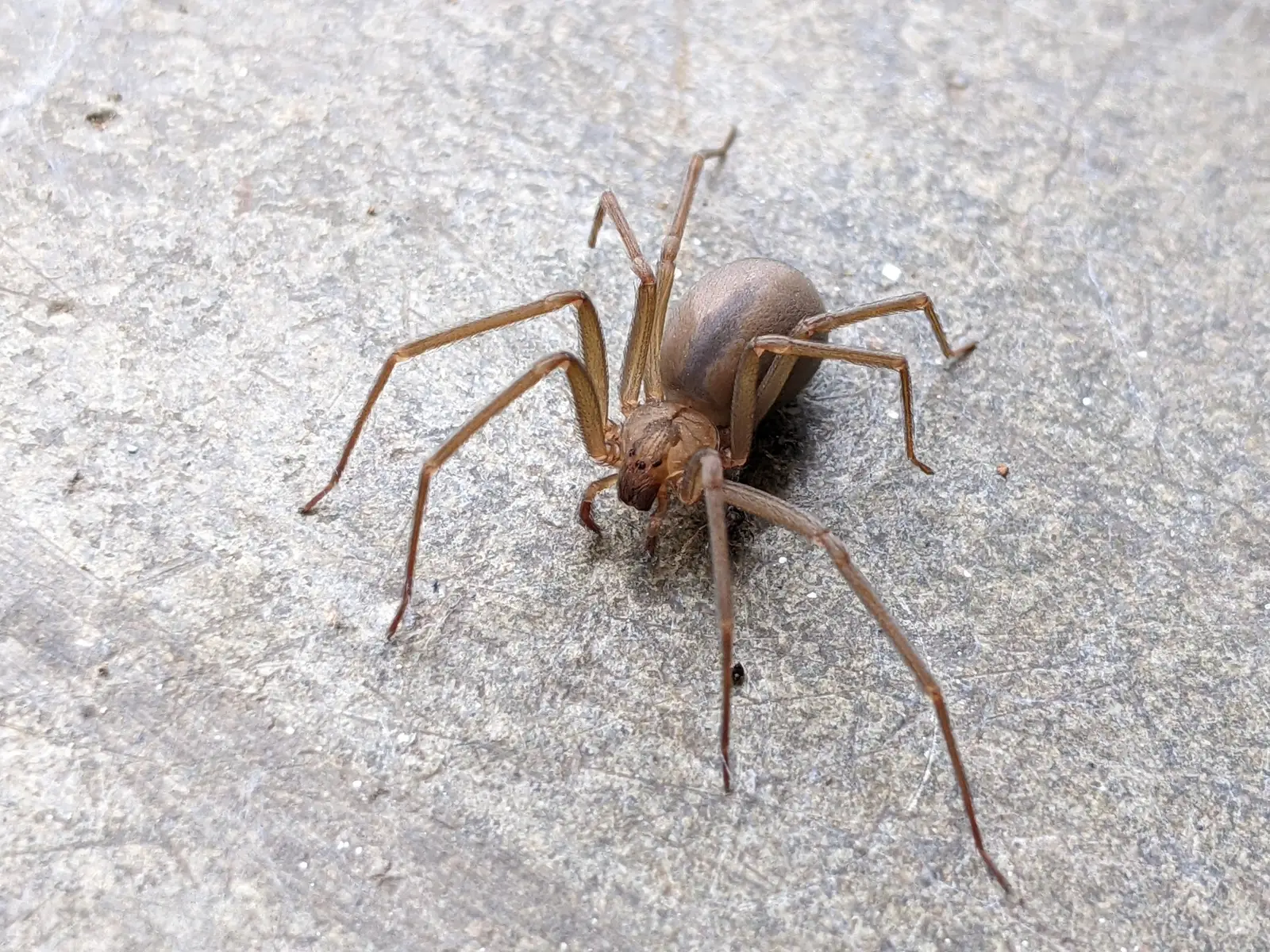
One of the challenges in raising awareness about the brown recluse is the frequent misidentification of other harmless brown spiders. Many spiders share similar coloration but lack the distinctive violin marking or the six-eye pattern unique to recluses.
This confusion can lead to unnecessary panic or, conversely, a dismissal of genuine threats. Educating the public on proper identification is essential to ensure appropriate responses to potential encounters.
Prevention: Keeping the Recluse at Bay
Preventing brown recluse infestations involves reducing their preferred habitats. Regularly cleaning and decluttering storage areas, sealing cracks and crevices in homes, and shaking out clothing or shoes before use can significantly reduce the risk of encounters.
Additionally, using sticky traps in suspected areas can help monitor and control populations. If an infestation is suspected, consulting with pest control professionals is advisable.
First Aid: Responding to a Bite

If bitten by a brown recluse, it’s essential to remain calm. Wash the bite area with soap and water, apply a cold compress to reduce swelling, and elevate the affected limb if possible. Seeking medical attention promptly can prevent complications and ensure proper care.
Avoid home remedies or attempting to extract venom, as these can exacerbate the injury. Medical professionals can provide appropriate treatments, including pain management and wound care.
Conclusion: Knowledge is the Best Defense
The brown recluse spider, while venomous, is not a creature to be feared irrationally. With proper knowledge and precautions, the risks associated with this arachnid can be minimized. Residents in its range should educate themselves and others, fostering a community of awareness and safety.
After all, isn’t it better to know your neighbor, even if they have eight legs?

- 6 Exotic Bird Species You Can Spot in U.S. National Parks - July 19, 2026
- 11 Iconic American Birds Facing New Challenges and How You Can Help - July 19, 2026
- 10 Friendliest Animals in the World - July 19, 2026