

The Lucifer Hummingbird isn’t just another tiny bird – it’s a shimmering jewel that barely graces Texas gardens with its presence. A small population represents the entire Texas population, making every sighting incredibly special. Named after the Latin word for “light-bearing,” Lucifer means “light-bearing” in Latin and is the name of various figures in folklore linked with the planet Venus, the light-bringer of a personified dawn, this iridescent purple-throated wonder performs one of nature’s most unusual courtship displays.
Most Texas gardeners dream of attracting Ruby-throated or Black-chinned hummingbirds, but the Lucifer offers something far more exclusive. Lucifer Hummingbirds have been reported in Texas from late March to early November with breeding evidence found May 18, July 13 and early August. Breeding may start as early as mid-April in years when good supplies of nectar are available. With the right approach, your garden could become a sanctuary for this rare desert dweller.
#15 Plant Century Agaves for the Ultimate Hummingbird Magnets
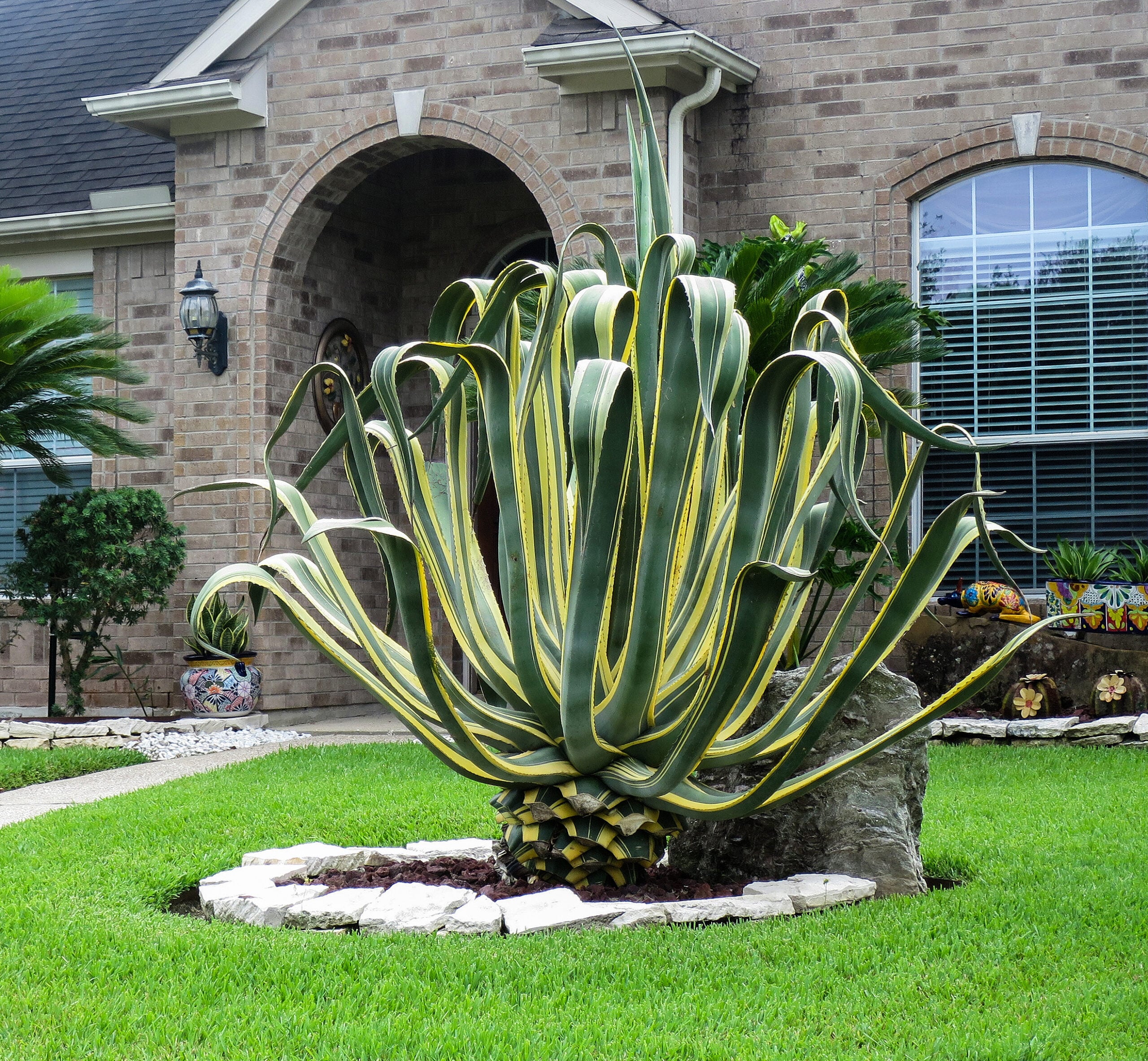
Adapted to desert regions, it is most often seen feeding at flowering agave stalks on arid hillsides. Century plants, despite their name, actually bloom every 10 to 30 years, typically 15 to 25 years, creating towering flower stalks that serve as natural hummingbird highways. When these massive succulents finally send up their dramatic flowering spikes, they become irresistible to Lucifer Hummingbirds.
Parry’s agave commands the attention of all hummingbirds in the vicinity when it is in bloom. Not only are the blossoms rich in nectar, but they also attract many small insects that are easy pickings for hummingbirds. Plant multiple agaves of different ages to increase your chances of having blooming specimens. The wait is worth it – these architectural beauties provide year-round structure while promising future hummingbird spectacles.
#14 Establish Ocotillo for Spring Migration Drama
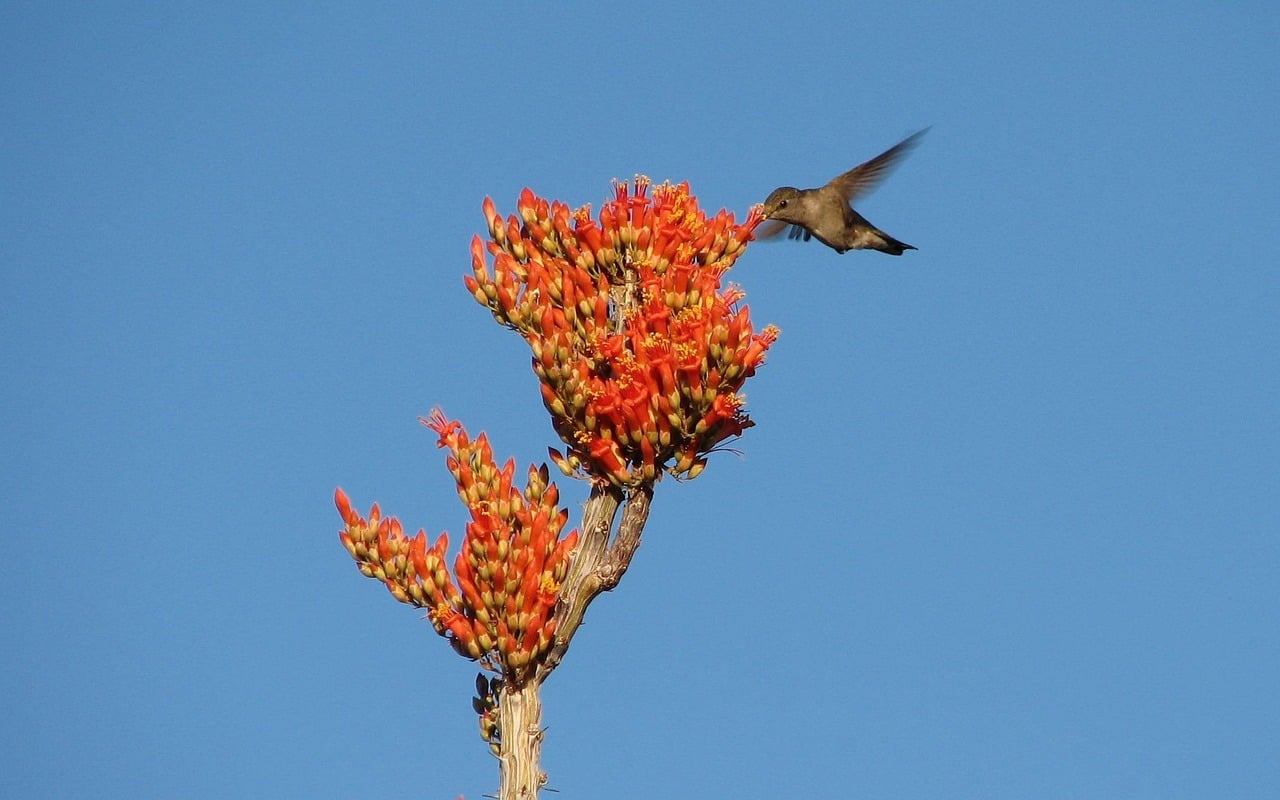
The ocotillo plant produces a spectacle of bright, pink flowers on whip-like canes. These desert natives create stunning crimson beacons that migrating Lucifer Hummingbirds spot from miles away. Vermilion-colored flowers crown the canes in spring, offering a lifeline to migrating hummingbirds. These vibrant blooms stand as a testament to ocotillo’s resilience and unwavering commitment to the desert ecosystem.
Ocotillos prefer full sun and take reflected heat well. They demand excellent drainage and will rot with too much water. Space multiple ocotillos throughout your property to create a network of feeding stations. Their tall, architectural form adds dramatic vertical interest while the brilliant red-orange flowers provide exactly the high-energy nectar these tiny aerial athletes need during their demanding spring arrival.
#13 Create Red Yucca Borders for Reliable Blooms
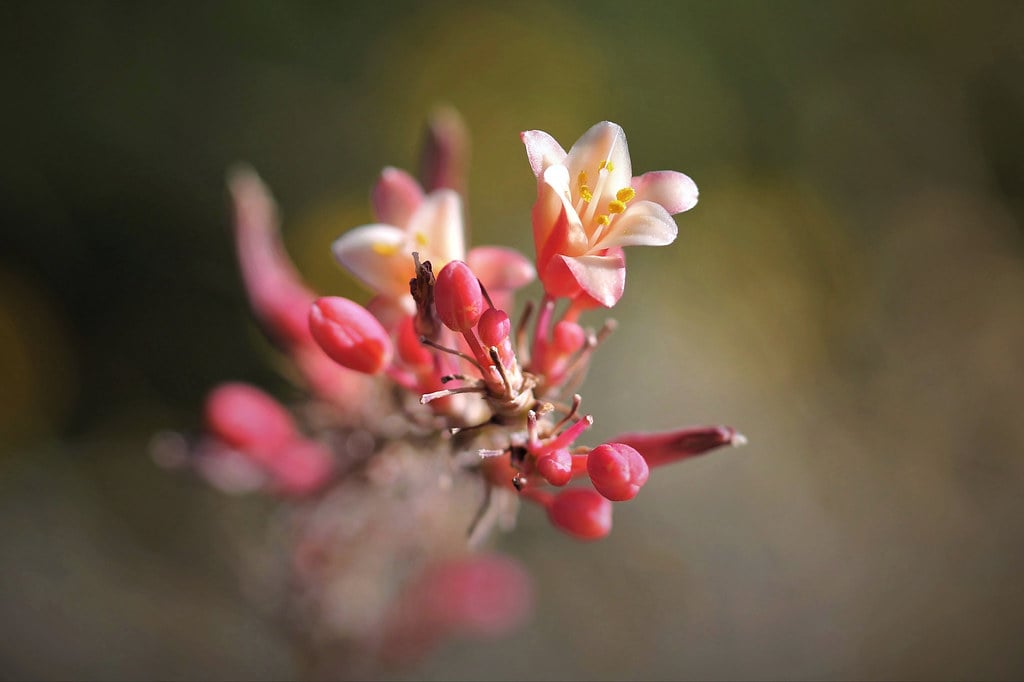
Despite its common name, Red Yucca isn’t actually a yucca at all, but rather Hesperaloe parviflora – a drought-tolerant succulent that blooms reliably from spring through fall. This sturdy succulent is both drought tolerant and heat loving. It tolerates a variety of soils, demanding only fast drainage. The tubular coral-red flowers appear on tall, graceful stems that dance in the breeze.
Plant Red Yucca in long sweeps along property borders or use them to define garden spaces. Their extended blooming season means consistent nectar availability throughout the Lucifer Hummingbird’s Texas residency. The plant’s fountain-like growth habit creates multiple feeding opportunities at various heights, accommodating the birds’ preference for hovering at different levels.
#12 Install Multiple Hummingbird Feeders Strategically
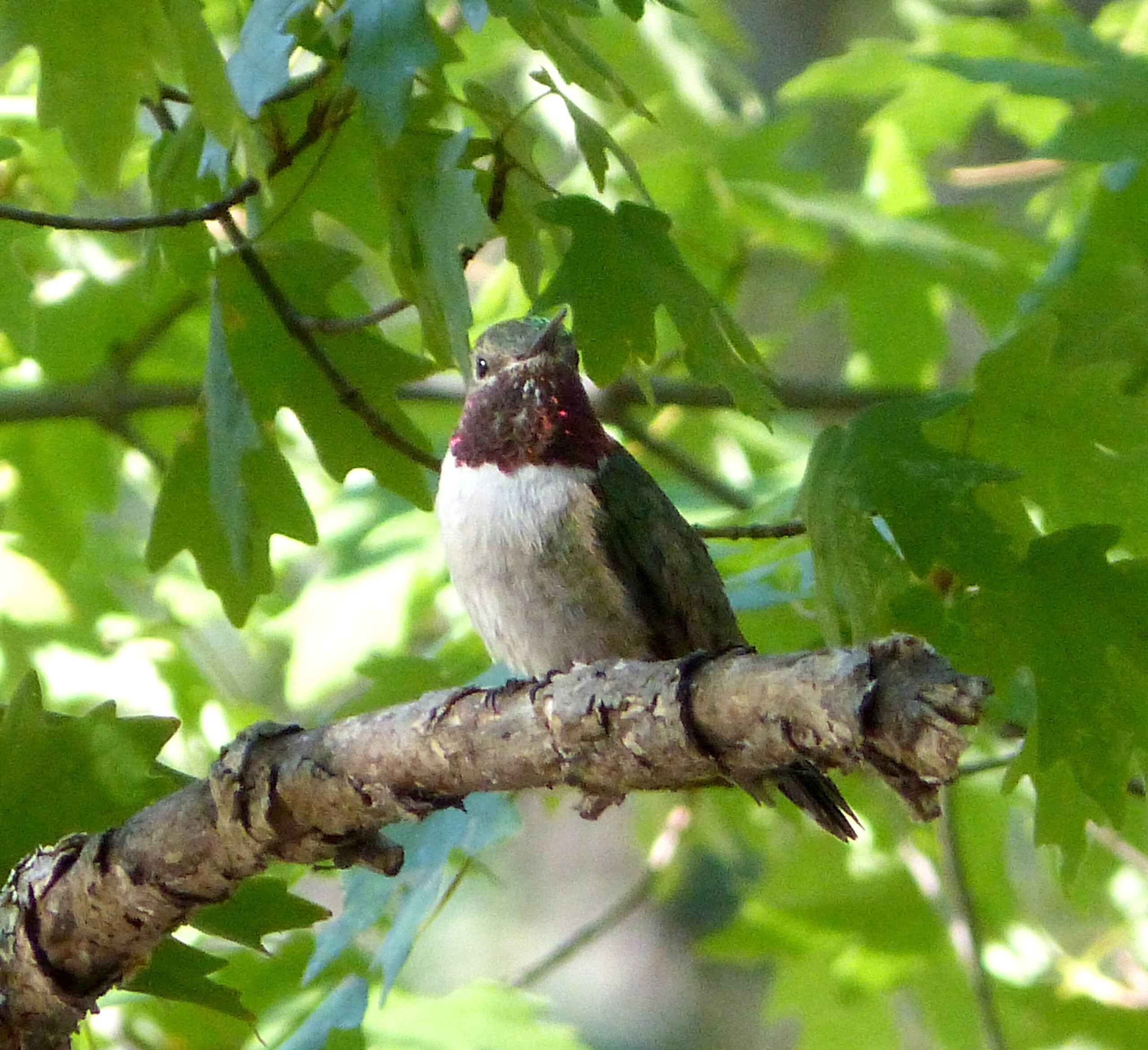
Will also feed on sugar-water mixtures in hummingbird feeders, though They will come into feeders, but they have a low rank among the other species and are often chased off by other hummers. Strategic placement becomes crucial for success with these timid visitors. Position feeders at different heights and locations to create multiple opportunities for feeding without territorial conflicts.
Hummers can feed on a mixture of 1 part sugar and 4 parts water. Boil this mixture for 2-3 minutes and cool before filling the feeders. Boiling the mixture helps to prevent bacteria from growing. Place one feeder near dense shrubs where Lucifer Hummingbirds can quickly retreat if challenged by more aggressive species. Clean feeders every few days during hot weather to maintain fresh, healthy nectar.
#11 Develop Desert Willow Groves
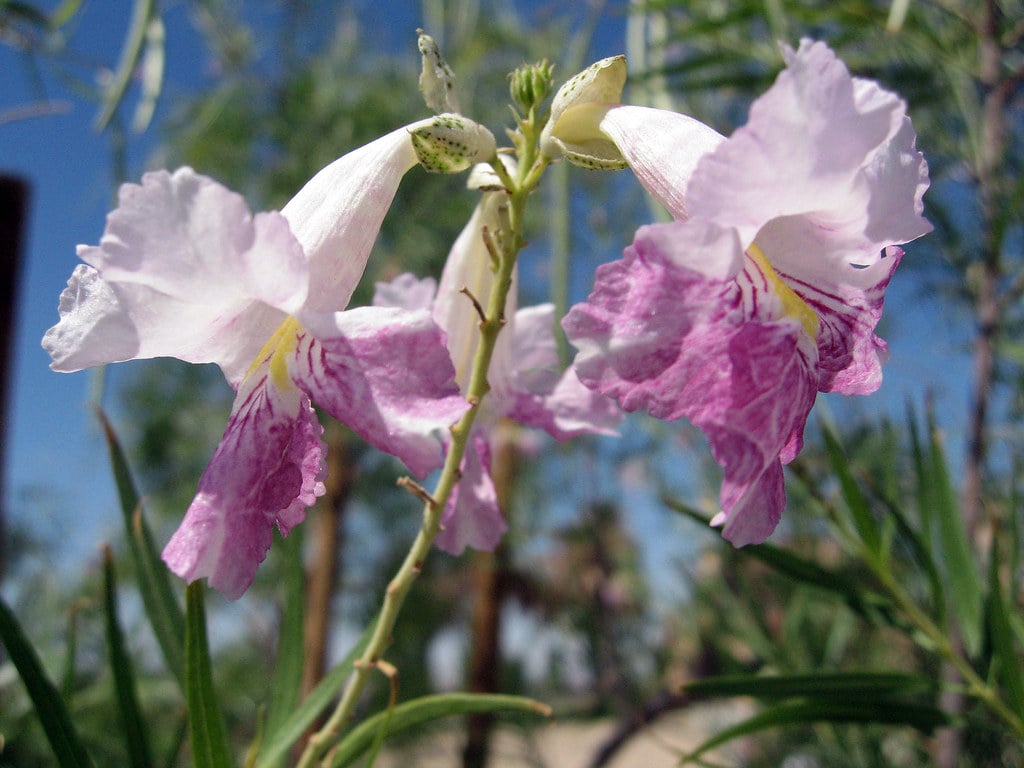
Plants Pollinated: Agave, ocotillo, desert willow confirms that desert willows serve as important nectar sources for Lucifer Hummingbirds. These graceful trees produce orchid-like flowers in shades of pink, purple, and white throughout the growing season. Their long, narrow leaves provide movement and sound in the breeze, creating natural wind chimes that add sensory appeal to your garden.
Desert willows adapt well to various soil types and thrive in the hot, dry conditions that Lucifer Hummingbirds prefer. Plant several specimens to create a small grove that offers both nectar resources and perching spots. The trees’ relatively fast growth means you’ll see results within a few years, much faster than waiting for agaves to bloom.
#10 Establish Penstemon Patches for Extended Blooming
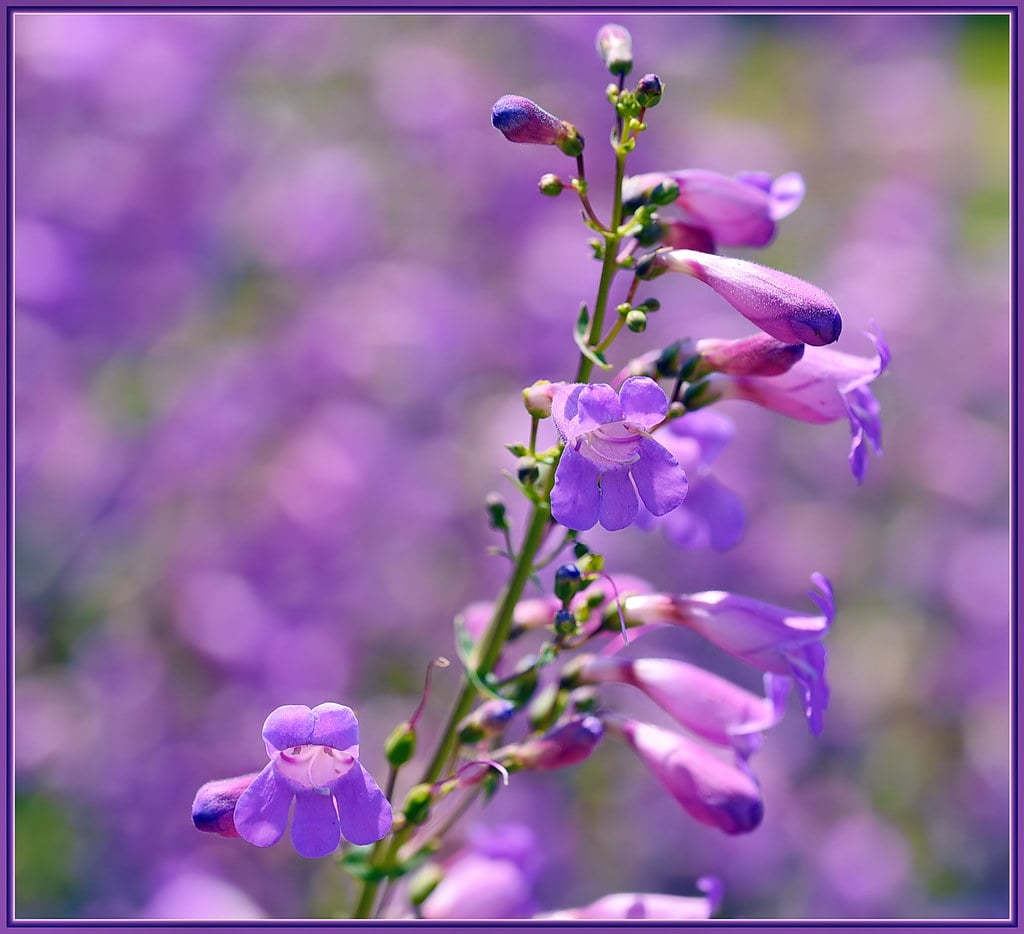
Often visits tubular flowers such as agave, penstemon, and paintbrush. Penstemons offer the perfect flower shape and size for Lucifer Hummingbird bills. The red firecracker penstemon has perfect tube-shaped flowers that hummingbirds love! Blooming from late spring to early summer, you’re sure to attract a bounty of hungry hummingbirds.
Choose native Texas penstemon species like Penstemon baccharifolius (Rock Penstemon) or Penstemon triflorus (Hill Country Penstemon) for best results. Mass plantings create more visual impact and provide abundant nectar sources. These perennials return each year with minimal care, establishing long-term relationships with visiting hummingbirds who remember good food sources.
#9 Add Trumpet Vine with Caution
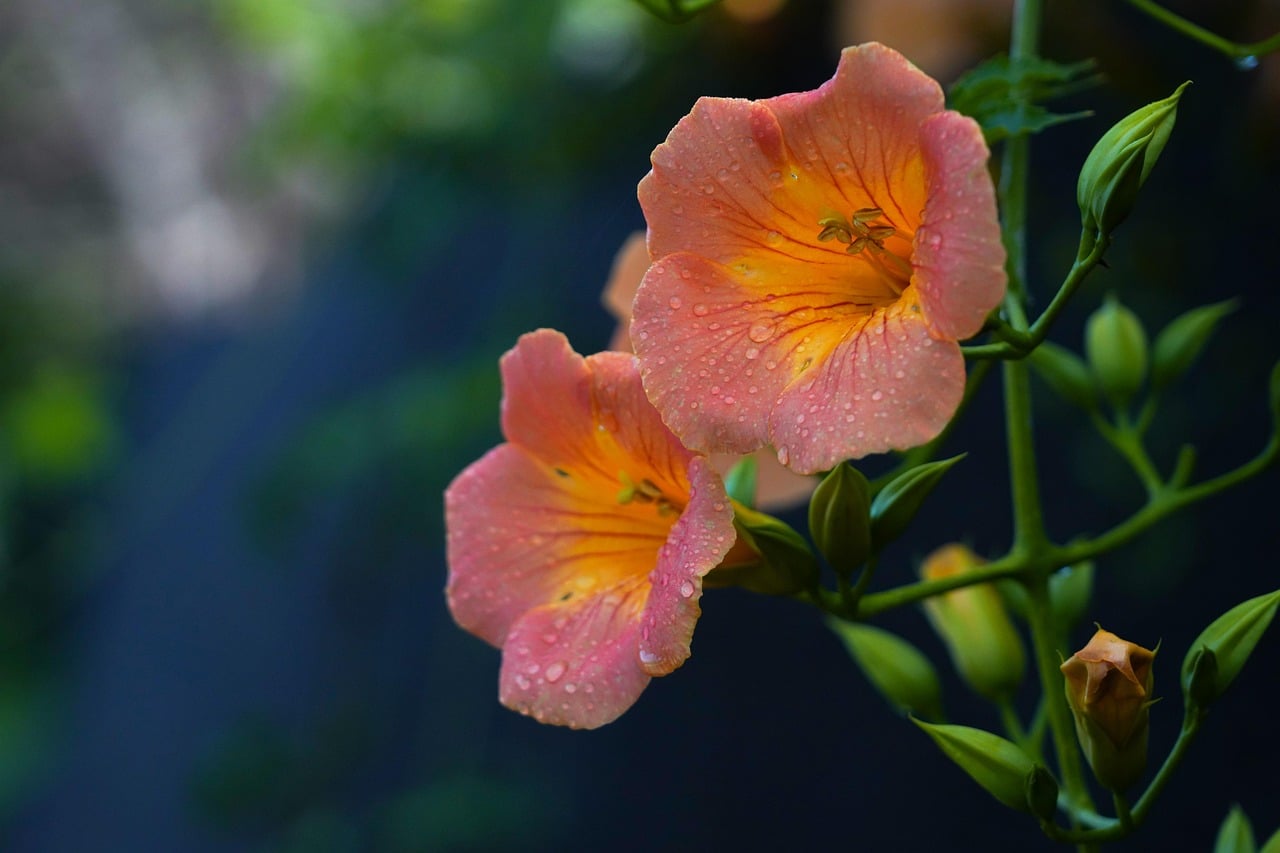
We see dozens of photos of hummingbirds at trumpet vine, and there’s a good reason. They like this sweet beauty! A perennial favorite of both butterflies and hummingbirds, it grows up to 40 feet tall. However, trumpet vines can become aggressively invasive in Texas conditions. Choose controlled cultivars or consider native alternatives that won’t take over your landscape.
If you do plant trumpet vine, provide strong support structures and plan for regular pruning to control growth. Nurseries carry more “controlled” trumpet vine cultivars such as `Madame Galen.’ They prefer bright shade with no direct sun. The spectacular orange trumpet flowers provide high-energy nectar that Lucifer Hummingbirds absolutely love, making the management effort worthwhile for dedicated hummingbird enthusiasts.
#8 Incorporate Native Paintbrush Species
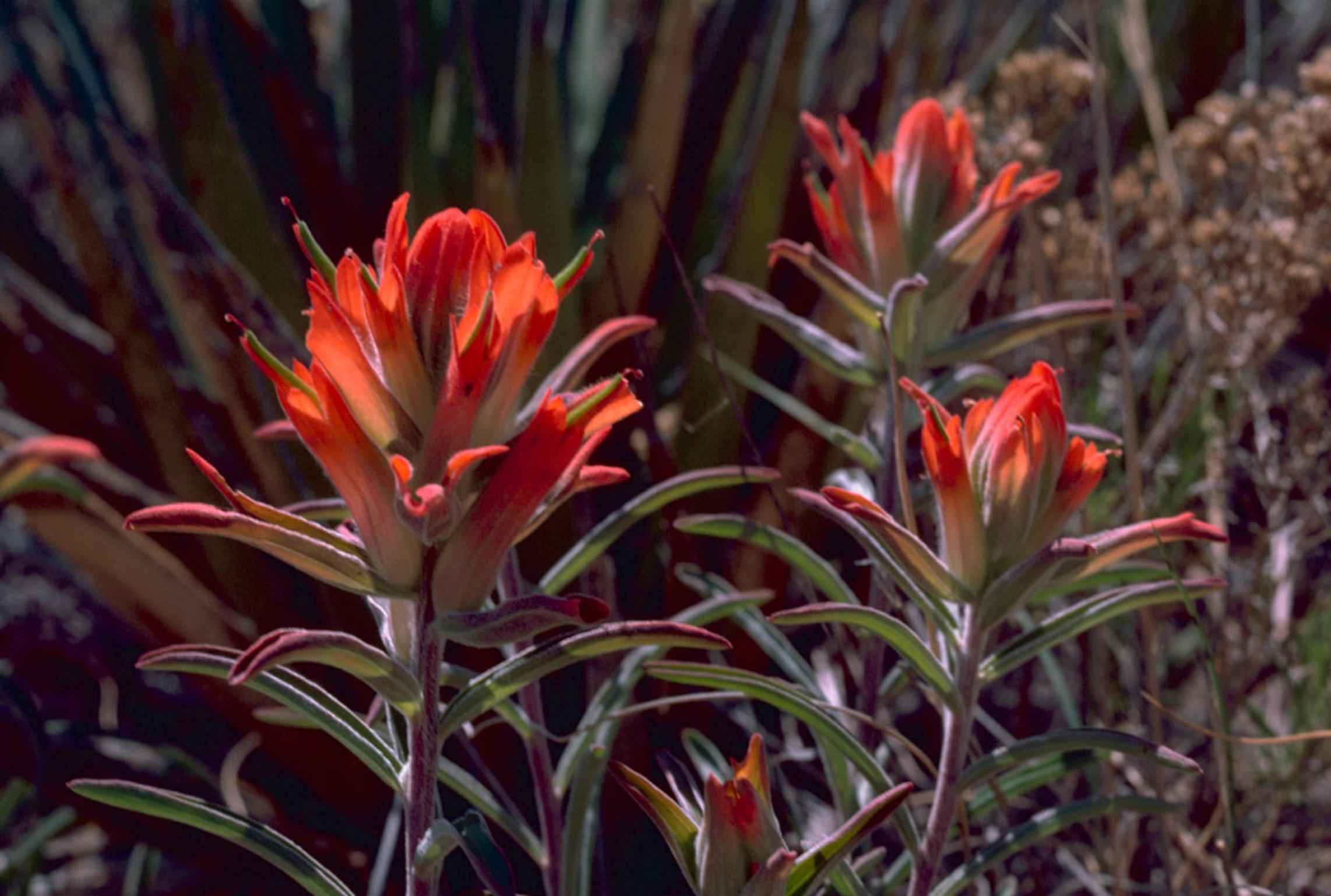
Often visits tubular flowers such as agave, penstemon, and paintbrush demonstrates the importance of Indian Paintbrush in the Lucifer Hummingbird’s natural diet. These wildflowers produce clusters of brilliant red-orange bracts that signal high-quality nectar to passing hummingbirds. Texas Indian Paintbrush (Castilleja indivisa) is the state wildflower and performs beautifully in naturalized garden settings.
Establish paintbrush in areas that receive morning sun but afternoon shade, mimicking their natural habitat preferences. These semi-parasitic plants benefit from growing near native grasses that serve as host plants. Allow areas of your garden to remain more natural and less manicured to encourage paintbrush establishment and provide the wild aesthetic that Lucifer Hummingbirds prefer.
#7 Create Cholla Cactus Nesting Areas
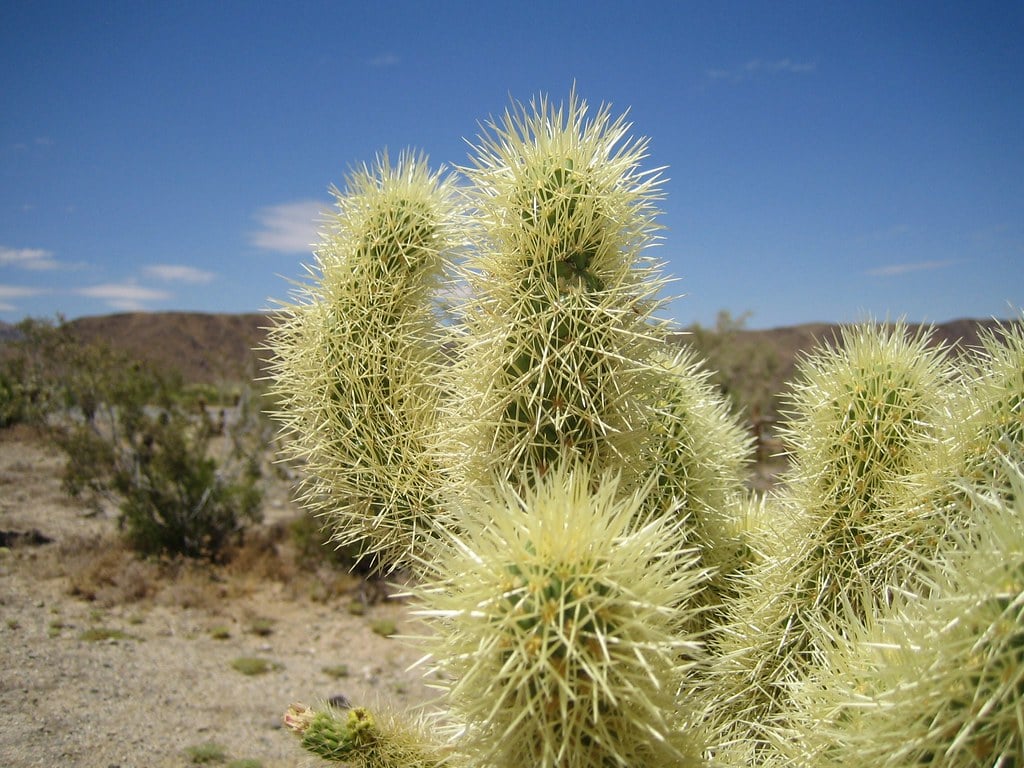
Nest site is in open cholla cactus, on stem of ocotillo, or on agave stalk, 2-10 feet above the ground. While providing nectar sources is important, offering suitable nesting sites can transform your garden into true Lucifer Hummingbird habitat. Prickly pear and cholla cacti provide the thorny protection these tiny birds need for successful nesting.
Plant chollas in areas where they won’t interfere with human traffic but can serve as natural fortresses for nesting birds. In Texas nests have been found on horizontal stems of cane cholla, leafy stems of ocotillo or dead lechuguilla stalks, 0.5-3 m (2-10 ft) above ground. The spiny protection deters predators while the sturdy construction supports delicate nests through Texas weather extremes.
#6 Provide Clean Water Sources
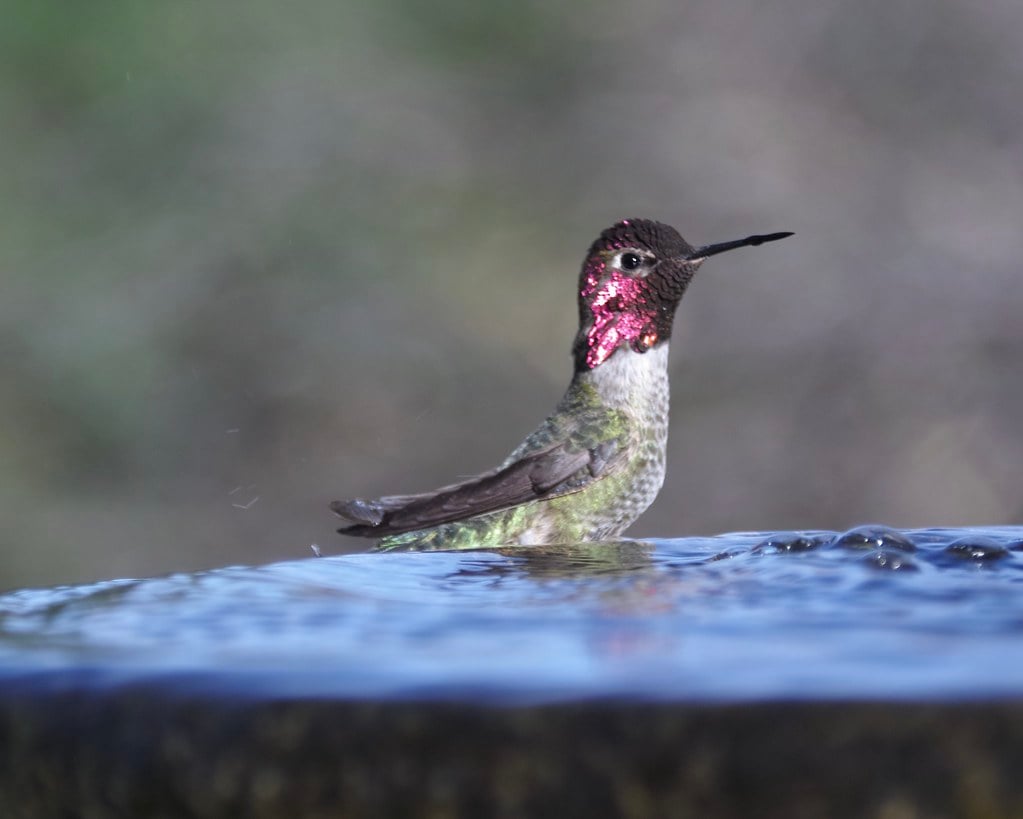
Hummingbirds like to bathe frequently – even in the pools of droplets that collect on leaves. Provide your yard with a constant source of water from a drip fountain attachment or a fine misting device. A misting device is an especially attractive water source for hummingbirds. Lucifer Hummingbirds need water for both drinking and bathing, especially in the hot Texas climate.
Install shallow basins with gently moving water or misting systems near flowering plants. When it rains, many gardeners can enjoy watching hummingbirds use these broad leaves for bathing. Position water features where you can observe the birds’ bathing behaviors, as this provides some of the most delightful hummingbird watching opportunities. Change water regularly to prevent mosquito breeding and maintain hygiene.
#5 Establish Flame Acanthus Colonies
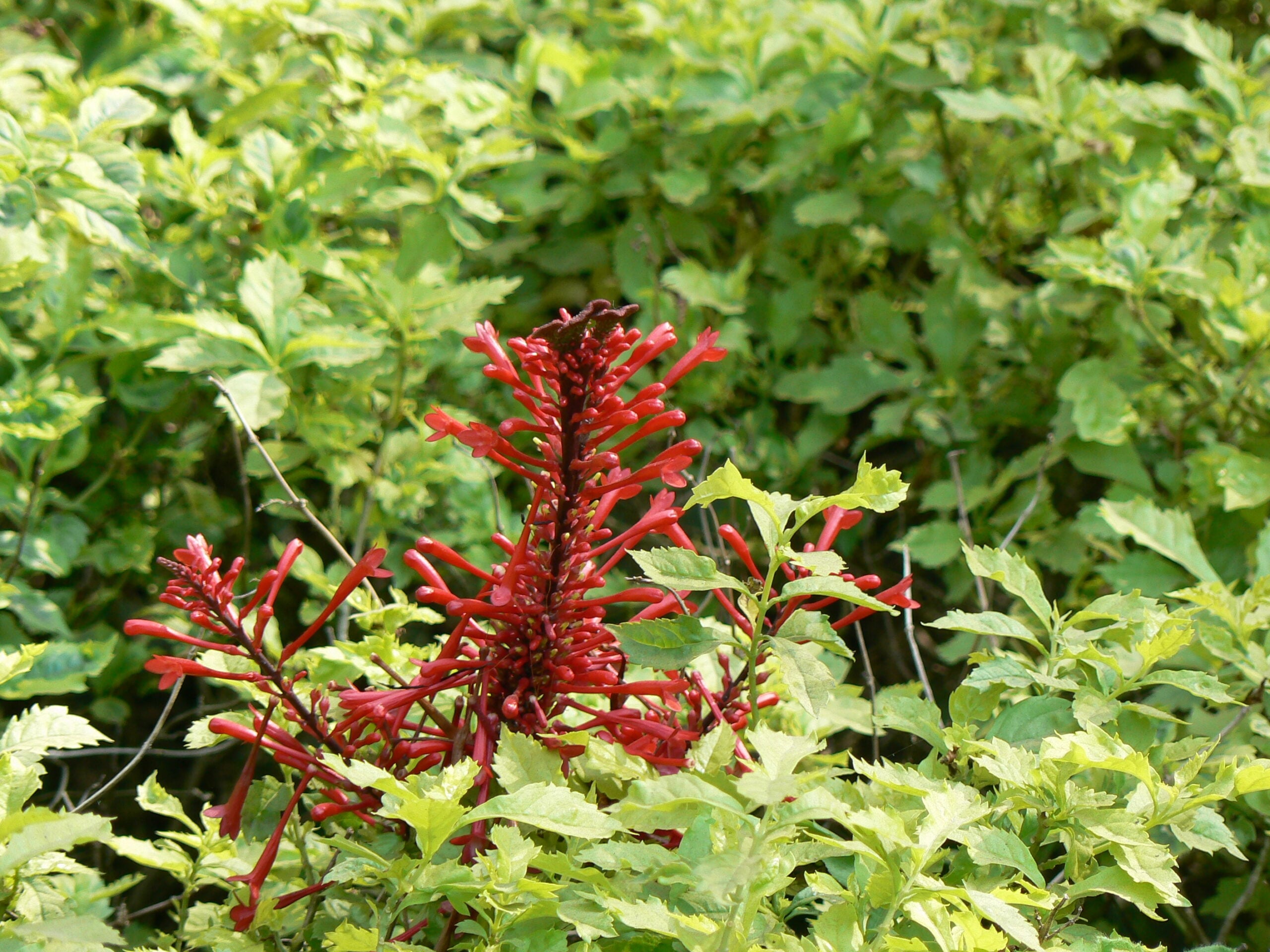
Lucifer Hummingbirds eat mainly nectar from agave, penstemon, the anisacanth shrub, as well as paintbrushes, willow, trumpet flower, and cholla. Anisacanthus, commonly called Flame Acanthus, produces tubular orange-red flowers that perfectly match Lucifer Hummingbird preferences. This native Texas shrub blooms from summer through fall, extending nectar availability into the birds’ departure season.
Flame Acanthus thrives in partial shade and tolerates various soil conditions, making it adaptable to different garden locations. The plant spreads gradually by underground rhizomes, creating natural colonies that provide extensive nectar resources. Allow these shrubs to form informal masses rather than restricting them to individual specimens for maximum hummingbird appeal.
#4 Time Plantings for Seasonal Availability
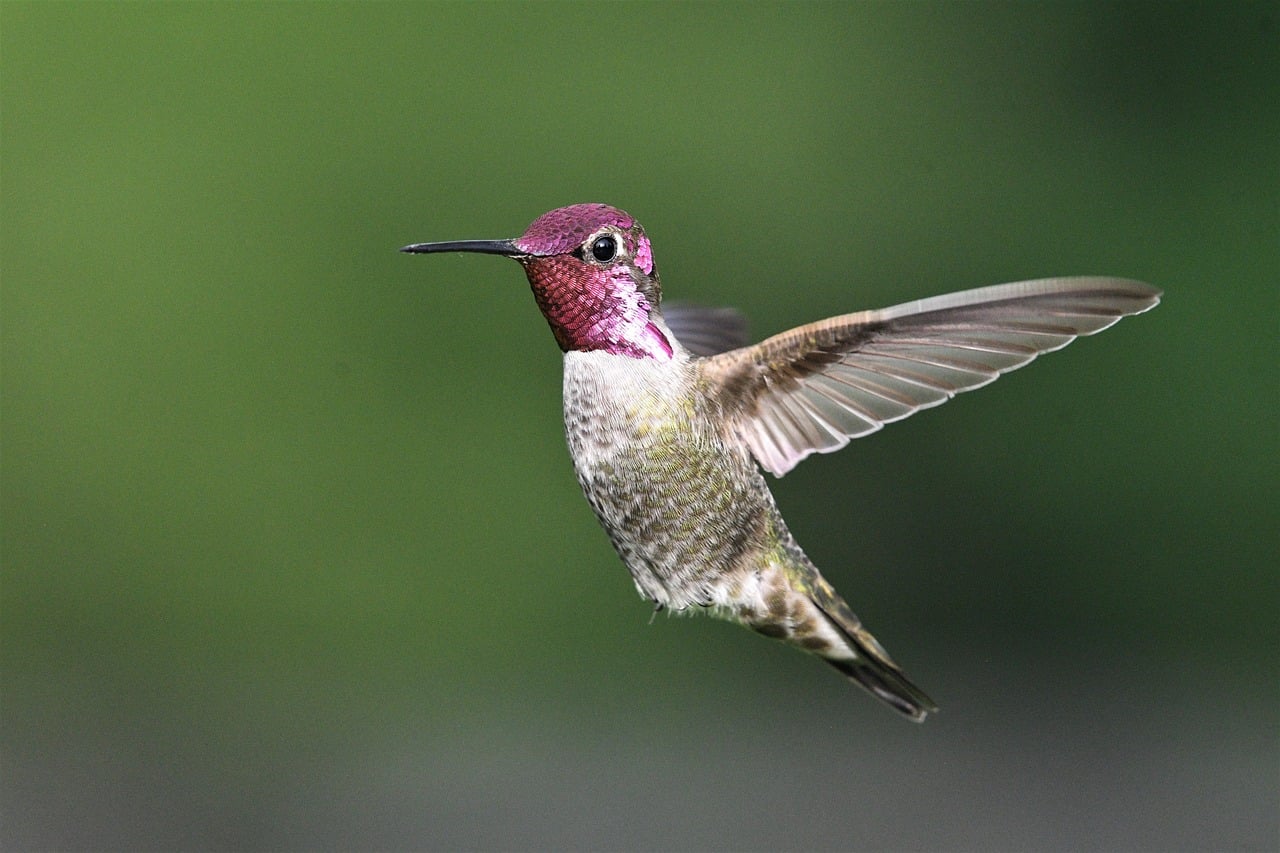
Lucifer Hummingbirds have been reported in Texas from March 7 to November 10. Breeding may start as early as mid-April in years when good supplies of nectar are available and females may raise two broods. In other years breeding is delayed until June after the summer rains start. Strategic planting ensures nectar sources throughout their entire Texas residency.
Plan for early spring bloomers like Desert Willow and Penstemon to welcome arriving migrants. Mid-season flowers from Red Yucca and Flame Acanthus support breeding activities. Late-season nectar from autumn-blooming plants helps fuel their return journey to Mexico. This sequential blooming calendar creates a reliable corridor of resources that encourages return visits year after year.
#3 Minimize Chemical Use
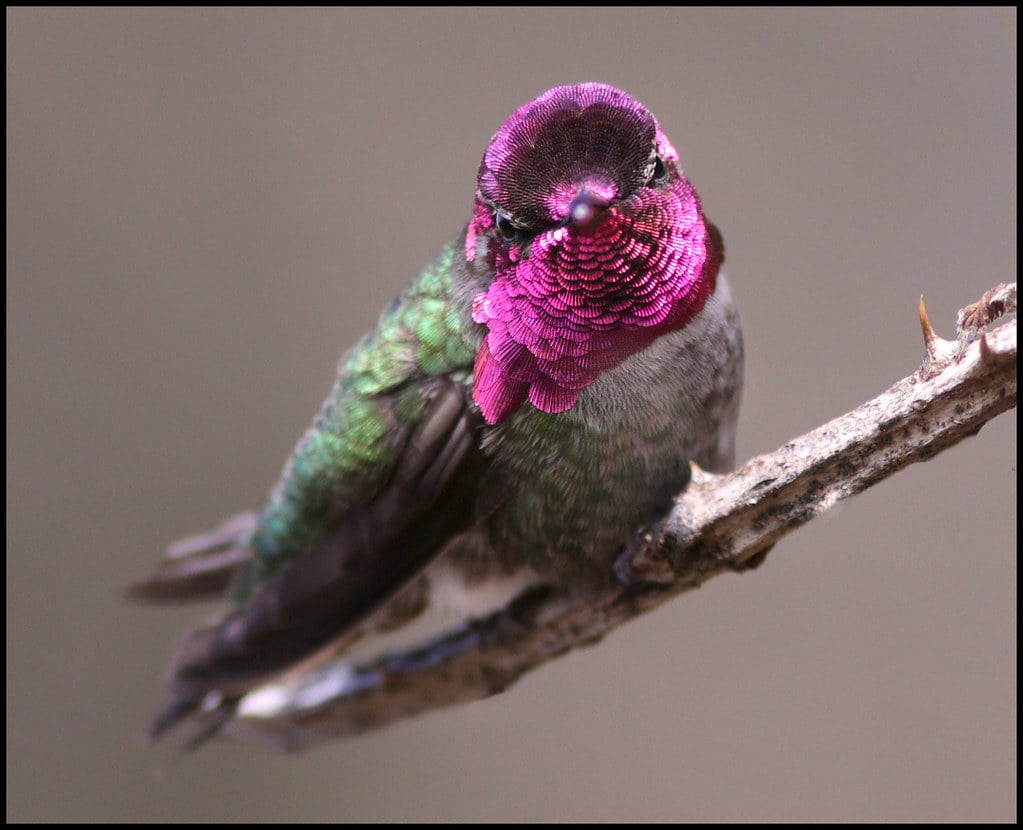
To catch small insects, may fly out and take them in midair; sometimes takes insects from spider webs. Takes nectar from flowers, and will feed on tiny insects as well. Lucifer Hummingbirds require protein from small insects to balance their nectar-heavy diet. Pesticide use eliminates these crucial food sources and can directly harm the birds through toxic exposure.
Minimize or eliminate the use of pesticides in your yard. Instead, encourage beneficial insects that serve as natural pest controllers while providing hummingbird food. Allow some spider webs to remain, as these serve as both insect traps for hummingbirds and sources of silk for nest construction. Create a balanced ecosystem that supports the complete food web these specialized birds depend upon.
#2 Design Perching Opportunities
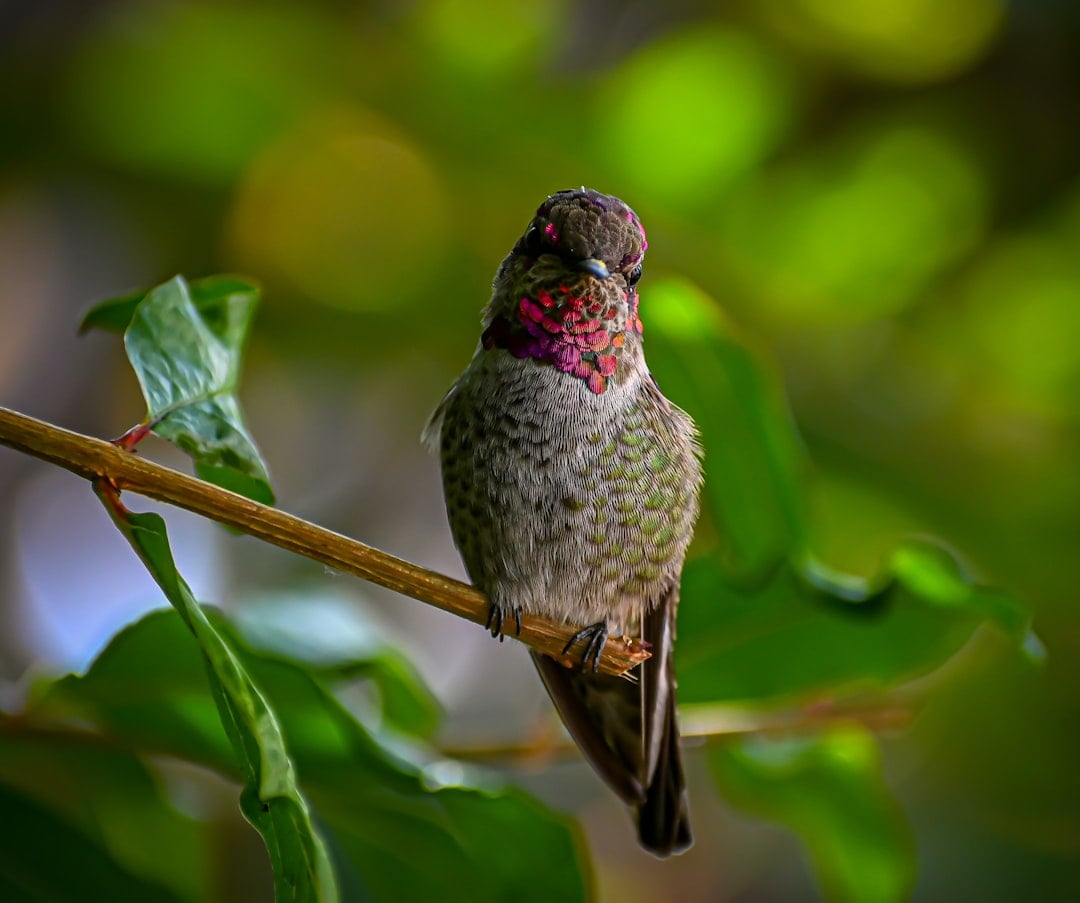
Leave some sticks and small branches on bushes and trees to enable ready perches for hummingbirds. Lucifer Hummingbirds need strategic perching spots for surveying territory, resting between feeding sessions, and watching for predators. At feeders, may either hover or perch, indicating their appreciation for landing spots near food sources.
Maintain some dead branches on trees and shrubs rather than pruning everything clean. Position thin branches or dowels near feeders and flowering plants to provide convenient rest stops. Hummingbirds also use these perches for preening and territorial surveillance, making them essential components of hummingbird-friendly landscape design.
#1 Create Microclimates with Shelter
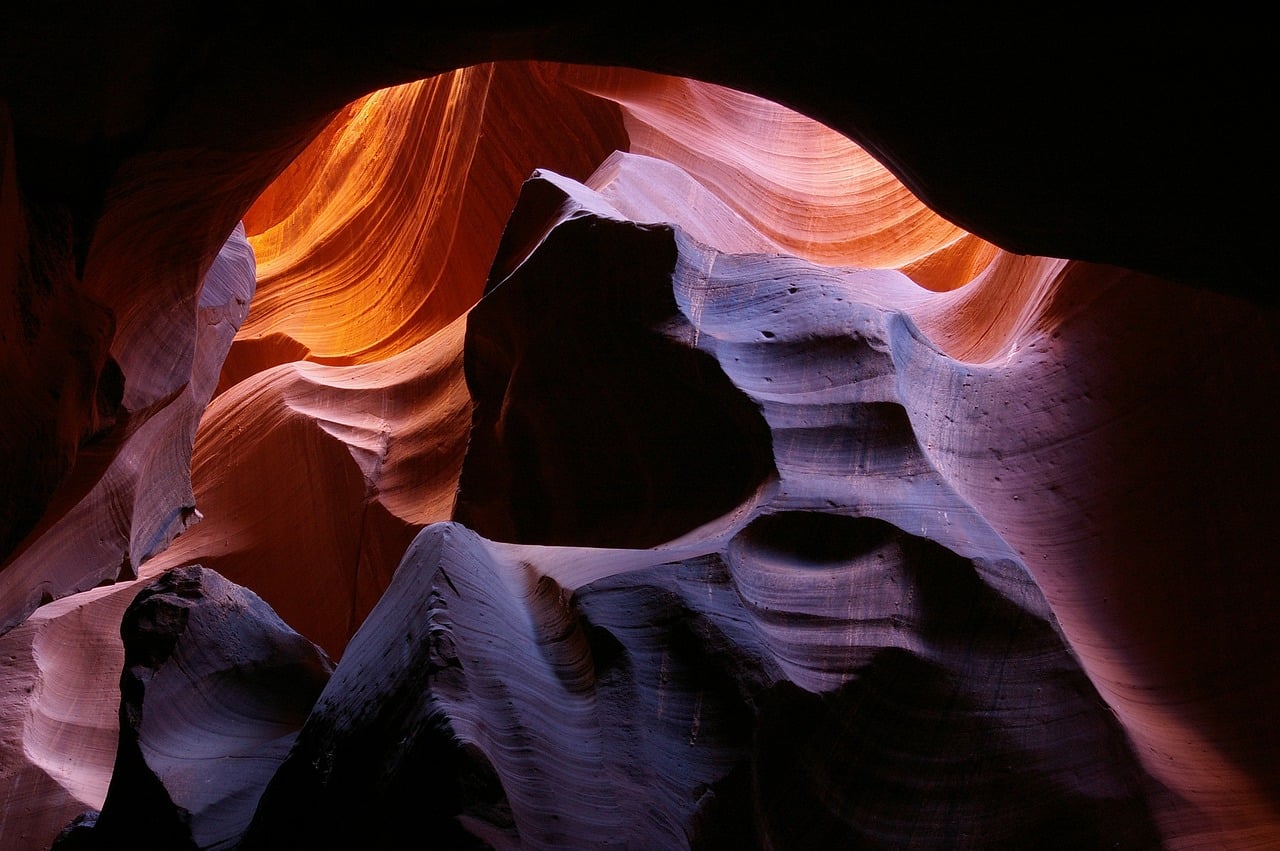
Its preferred habitat tends to be at altitudes of 3,500–5,500 feet in canyons, mountain slopes, and dry washes having desert shrubs and cacti. While most of Texas lies below this elevation, you can recreate the protected canyon-like conditions Lucifer Hummingbirds prefer through strategic landscape design. Use structures, boulders, and dense plantings to create wind-protected microclimates.
Hummingbirds prefer to nest near a ready supply of nectar and other food, and you can encourage them to nest in your yard by maintaining some shrubbery and small deciduous trees in which they can seek protective cover, especially around the edges of your yard. Design garden rooms that offer varying degrees of exposure and protection, allowing birds to choose conditions that match their immediate needs for feeding, resting, or escaping weather extremes.
Conclusion
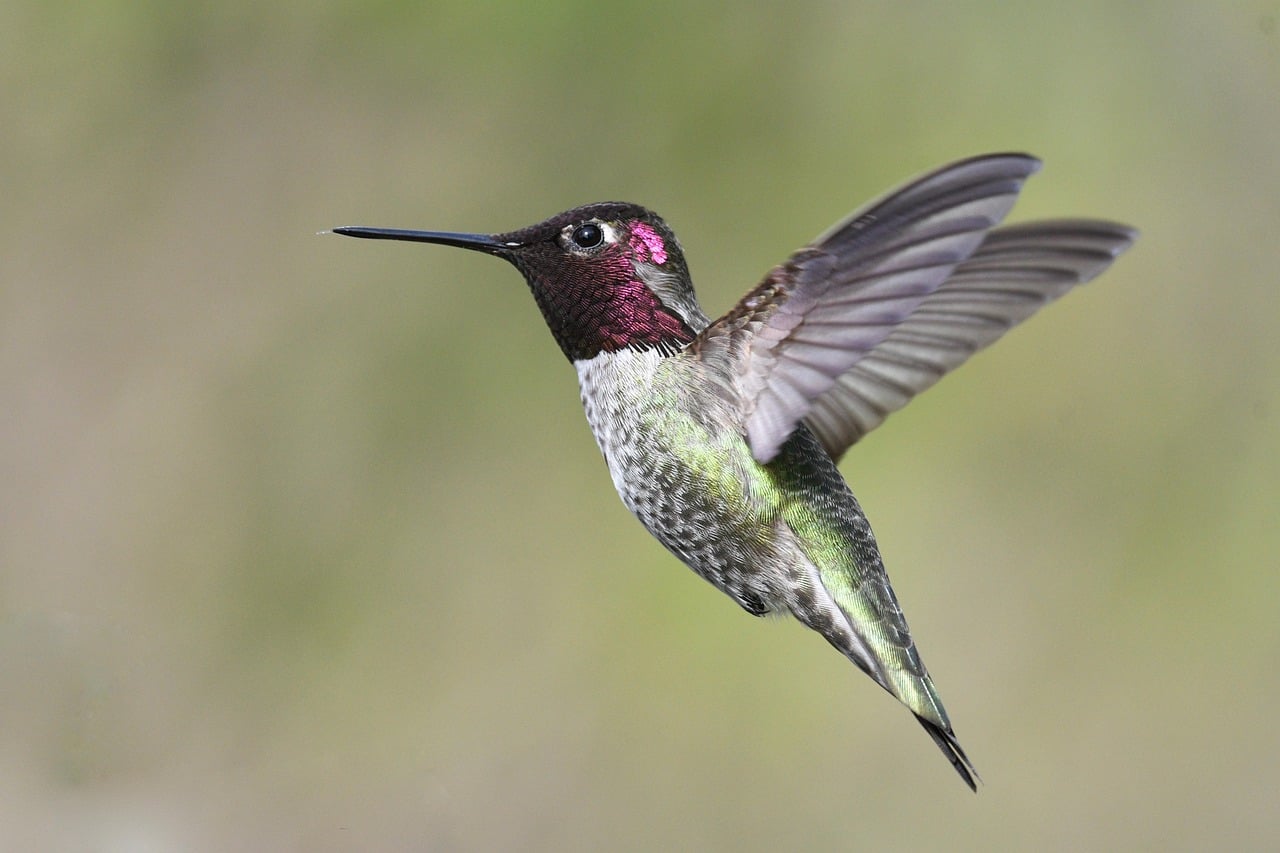
Creating a Lucifer Hummingbird haven in your Texas garden requires patience, planning, and respect for these remarkable creatures’ specific needs. Remember that Hummingbirds have excellent memories and will remember a good food source once established, and they’re known to leave feeder sites that are inconsistent, unclean, or otherwise dangerous. Your commitment to maintaining reliable nectar sources and suitable habitat could make your garden a treasured stopover for generations of these desert jewels.
The investment in native desert plants, clean water sources, and chemical-free gardening practices benefits far more than just hummingbirds. You’ll create a sustainable landscape that supports local ecosystems while providing the rare privilege of observing one of Texas’s most elusive avian treasures. When that first Lucifer Hummingbird appears at your flowering agave, you’ll understand why dedicated birders travel hundreds of miles for such moments. Will your garden be the next sanctuary these magnificent creatures call home?

As a little kid, I fell in love with nature, wildlife, and animals. Living in the USA, South Africa, Italy, China and Germany gave me the opportunity to discover the world's Wildlife. My favorite animals are Mountain Gorillas, Siberian Tigers, and Great White Sharks.
I'm a certified PADI Open Water Diver, went to Everest Base Camp and Trekked Gorillas in Uganda. I hold a Master of Science in Economics and Finance.
Please send any feedback to feedback@animalsaroundtheglobe.com
- 17 Astonishing Whale Behaviors That Will Leave You in Awe - July 17, 2026
- 14 Creatures That Live in Volcanoes - July 17, 2026
- 12 Weird Ocean Creatures Found Off Australia Coast - July 17, 2026