

Your old dog flops down on the tile floor and stretches out flat, and you tell yourself that’s just what senior dogs do when it’s warm. Vets will tell you something different: that stretched-out, glassy-eyed stillness can be the first quiet sign that a body which used to shrug off summer is now struggling to keep up.
Most owners never see heat exhaustion coming until it’s already an emergency, because senior dogs hide discomfort well and their internal cooling system slows down long before it looks like anything is wrong. The fixes are simpler than you’d think, but a few of them will surprise you.
15. Schedule Walks During Cooler Hours
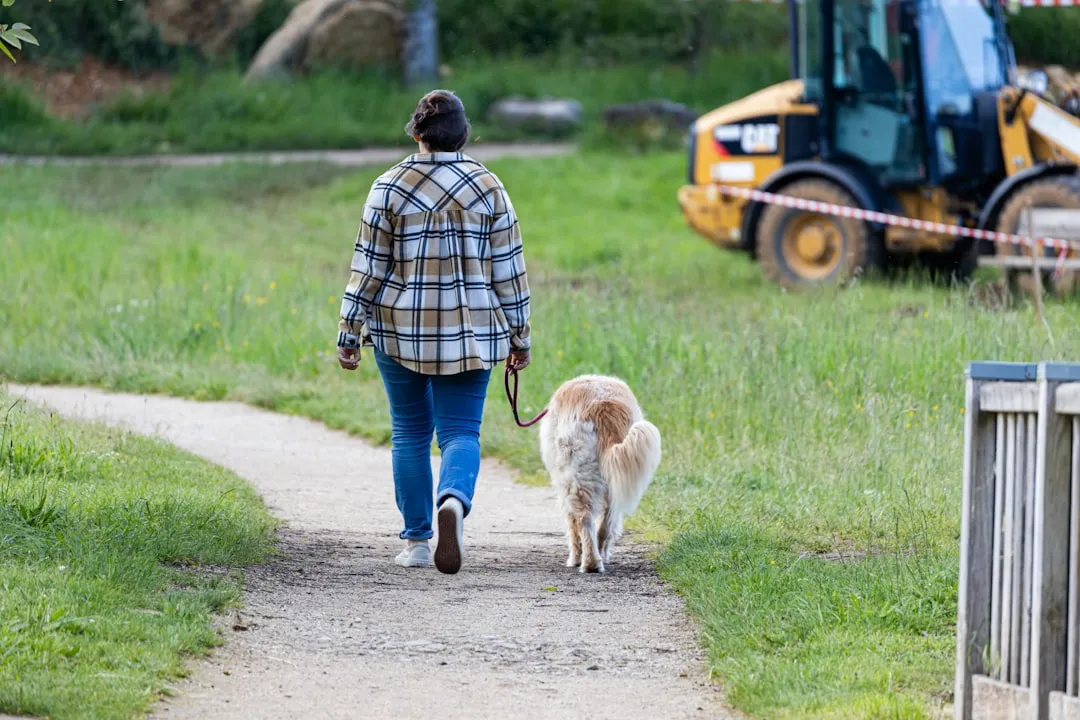
Midday walks feel routine, but for an older dog, hot pavement and blazing sun turn a normal stroll into a real risk. Senior joints and slower internal cooling mean overheating can creep up before your dog even seems tired.
Stick to early mornings or after sunset when the ground and air have both cooled off. Press your palm to the pavement for five seconds; if it’s uncomfortable for you, it’s already burning your dog’s paw pads, and older dogs are often slower to react or pull away from that kind of pain.
14. Keep Water Flowing Everywhere, All the Time
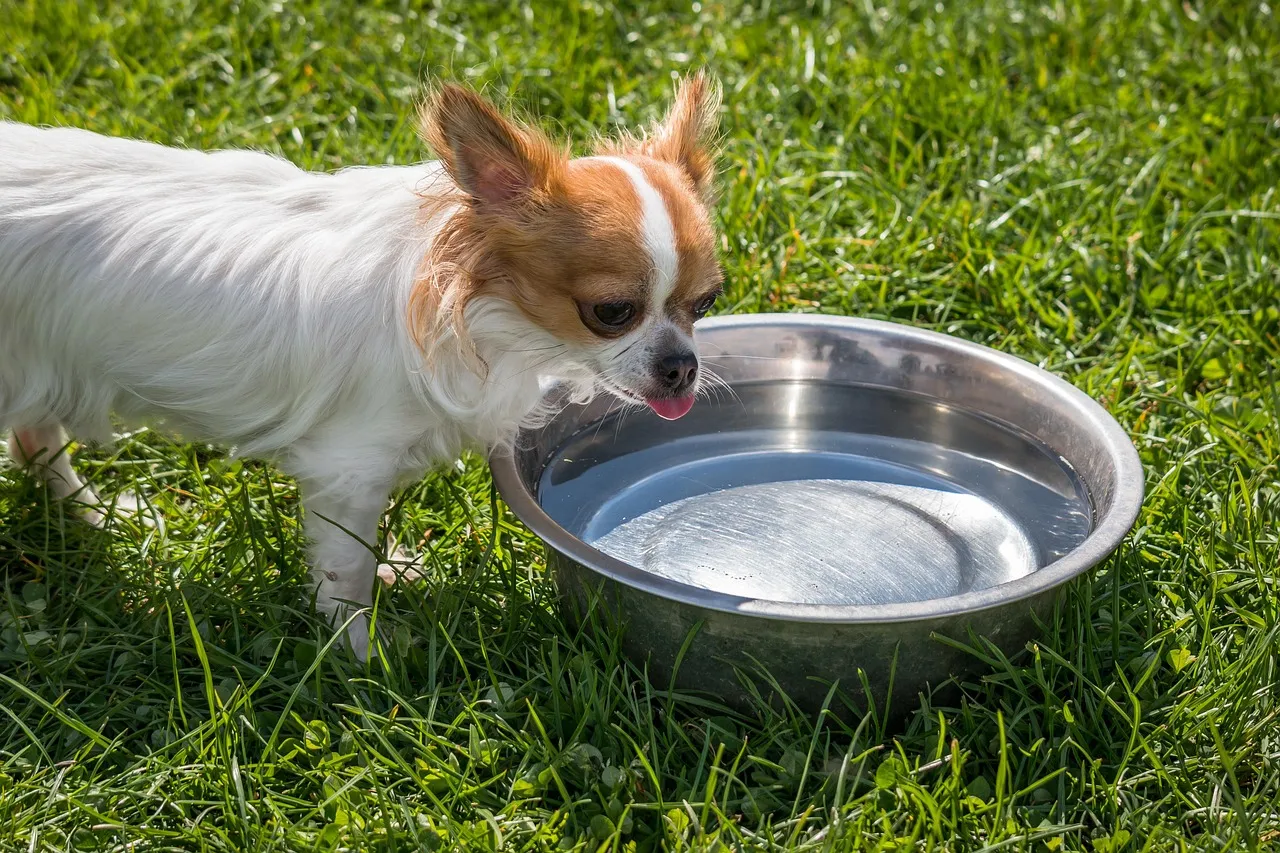
Senior dogs dehydrate faster than younger ones, and once they’re behind on fluids, their bodies lose the ability to regulate temperature at all. A single bowl in the kitchen isn’t enough during a heatwave.
Scatter bowls through the house and yard, and keep them topped off with cool water and a few ice cubes for good measure. If arthritis or neck stiffness makes bending down hard, an elevated water station can mean the difference between drinking enough and quietly avoiding it.
Fast Facts
- Vets generally recommend about 1 ounce of water per pound of body weight per day for dogs.
- Aging kidneys process fluids less efficiently, making steady hydration even more important.
- Ice cubes in the bowl can encourage more frequent sipping throughout the day.
- Elevated bowls reduce strain on arthritic necks and backs.
13. Turn Your Home Into a Cool-Down Zone
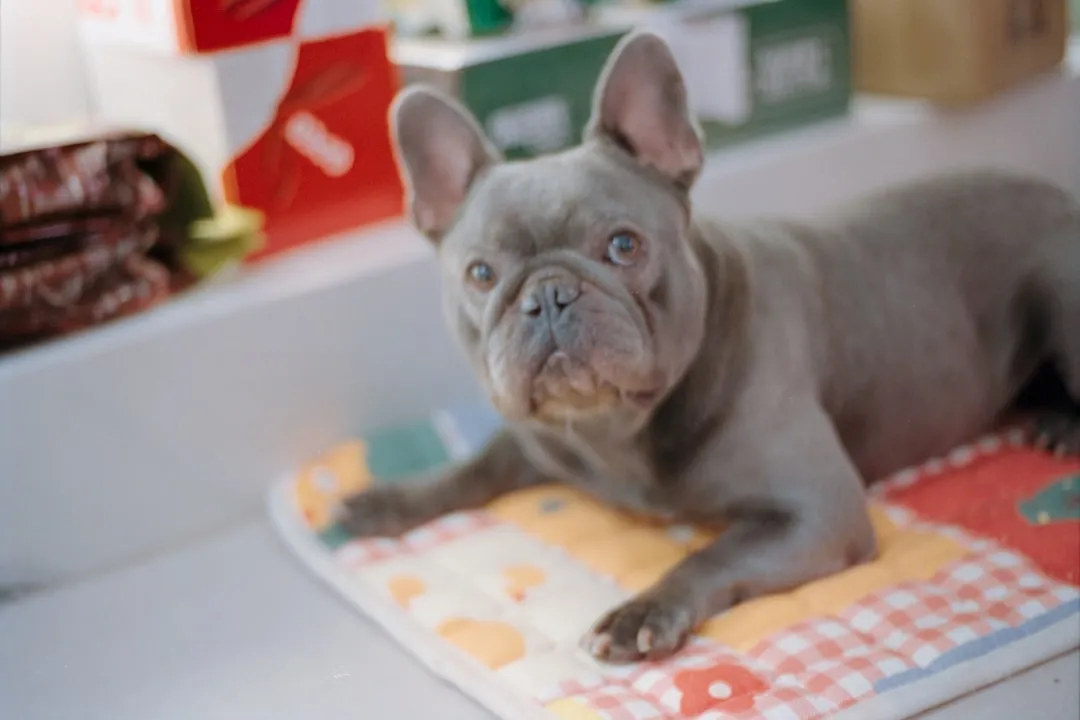
Indoor heat is sneaky. A house that feels tolerable to you at 78 degrees can push an aging dog’s body temperature into dangerous territory, especially if there’s no airflow.
Run fans or the AC, and give your dog a shaded, breezy corner away from windows that trap sunlight. A damp towel or a cooling mat under their favorite napping spot works surprisingly well, and it costs almost nothing to try.
12. Build a Shaded Escape Outside
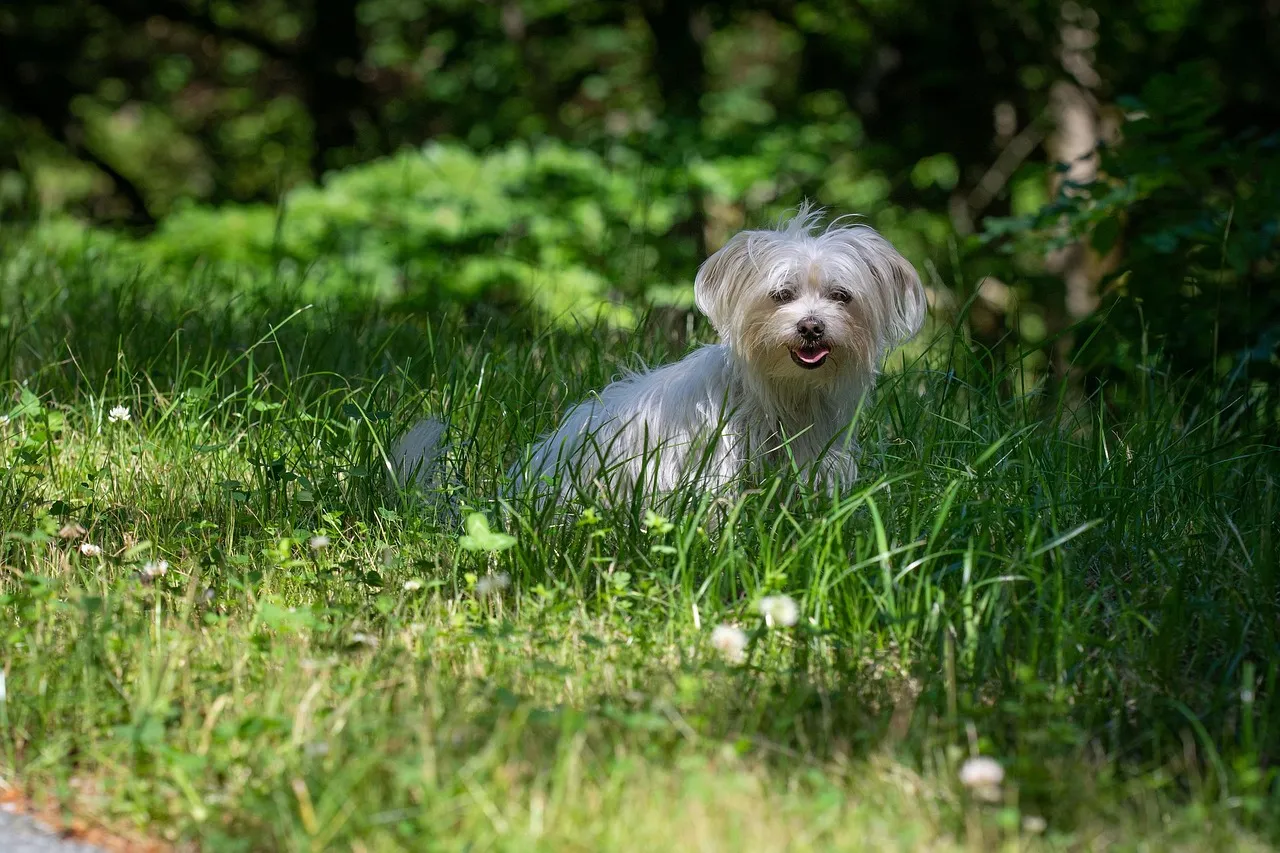
Direct sun raises a dog’s body temperature far faster than most owners expect, and a senior dog lying in a sunny patch of yard for even twenty minutes can be in trouble. Their bodies simply don’t bounce back the way they did at two years old.
Set up a canopy, umbrella, or a spot under a tree where your dog can retreat on their own terms. Check on them often, and bring them inside well before the hottest stretch of the afternoon hits.
11. Cut Back on Activity When It’s Brutal Out
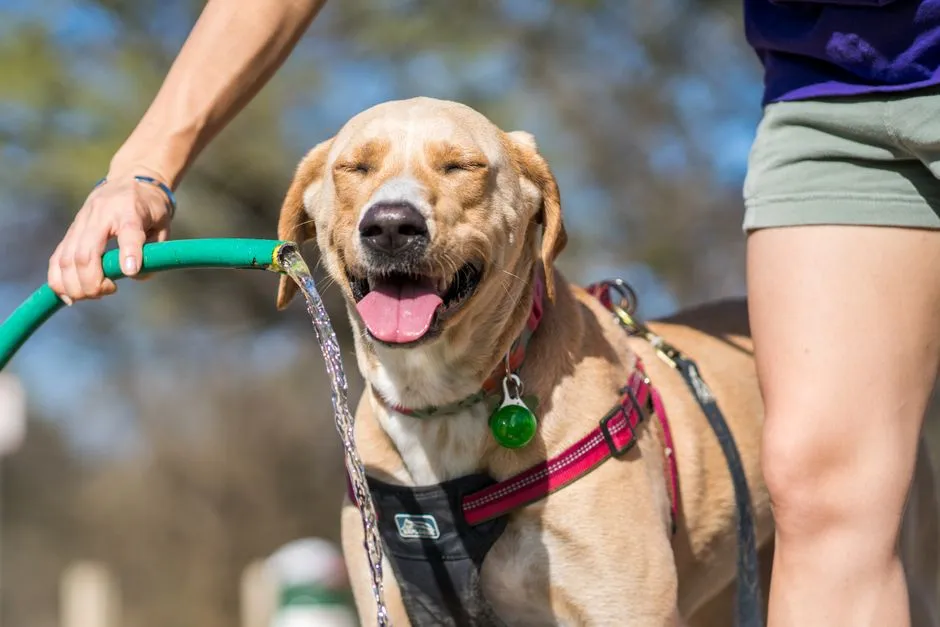
A senior dog’s cooling system just doesn’t run at full speed anymore, which means the same fetch session that was fine last summer can push them into heat stress this year. Fatigue can show up fast and hit harder than it used to.
Save real exercise for cooler hours and keep midday activity light, indoors, and short. Watch closely for heavy panting, wobbliness, or a sudden urge to lie down, and treat those as your cue to stop immediately, not push through.
10. Try Cooling Mats, Vests, and Bandanas
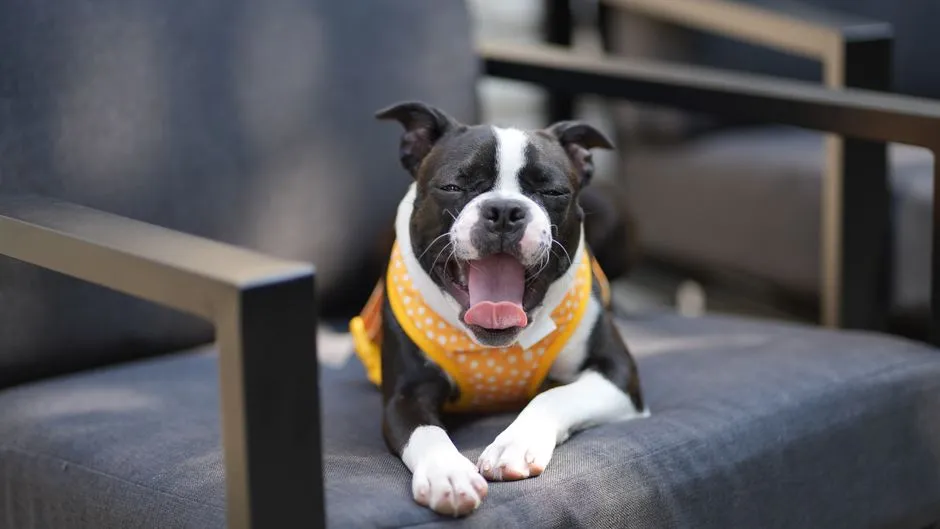
Regular dog beds trap heat, and for a dog whose body is already working overtime to stay cool, that’s one more obstacle they don’t need. A hot, stuffy resting spot can undo all your other efforts.
Cooling mats and vests are built specifically to pull heat away from a dog’s body, and many senior dogs relax noticeably once they’re on one. Use them alongside fans and shade rather than as a stand-alone fix, since no single product replaces a genuinely cool environment.
9. Whip Up Frozen Treats They’ll Actually Want

Heat kills appetite, and a senior dog who’s already picky can end up skipping meals entirely during a heatwave. That’s a problem, since low energy intake makes it even harder for their body to cope with the stress of high temperatures.
Frozen yogurt cubes, mashed banana pops, or blended blueberries poured into an ice tray give your dog something cool and tempting to look forward to. It’s a small ritual, but it doubles as hydration and a mood boost on a rough day.
8. Never, Ever Leave Them in a Parked Car
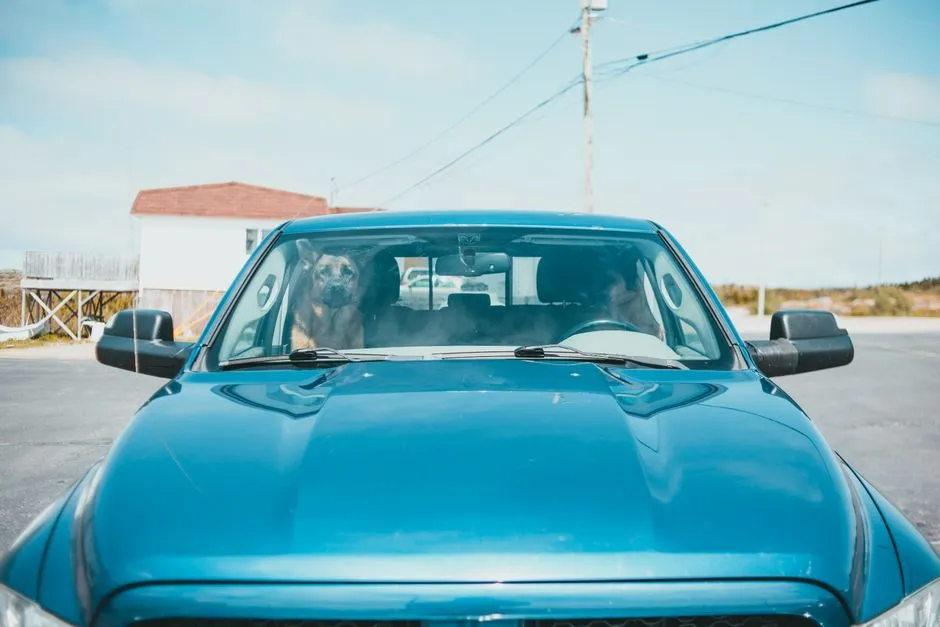
This is the one rule with zero exceptions. A car’s interior can climb into the danger zone within minutes, even with the windows cracked, and a senior dog’s weaker heat tolerance means it happens even faster for them than for a younger dog.
If your errand doesn’t allow pets inside, leave your dog at home. There is no quick stop worth the risk, and no amount of shade or cracked windows changes that math.
Worth Knowing
- A car’s interior temperature can climb roughly 20°F within just 10 minutes, even on a mild day.
- Cracking the windows does little to slow this heat buildup.
- On an 85°F afternoon, a parked car’s interior can pass 100°F in minutes.
- Senior dogs overheat faster than younger dogs in identical conditions.
7. Stay on Top of Grooming
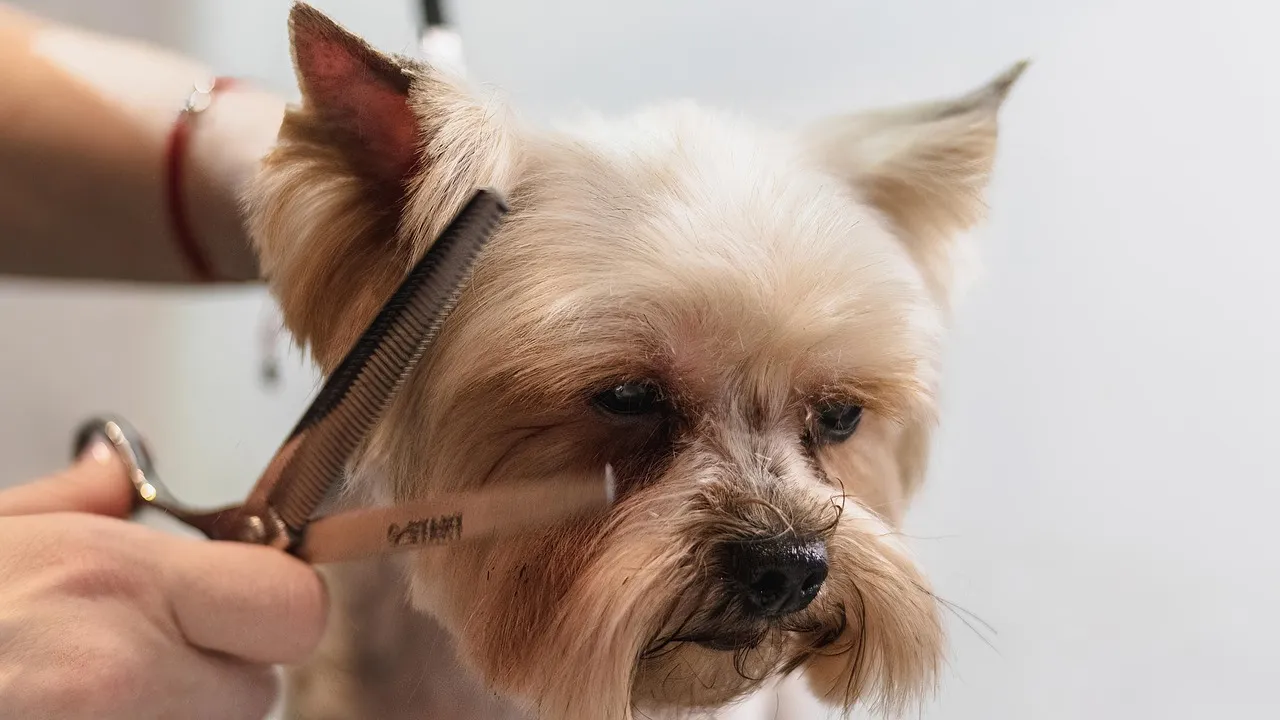
A matted, overgrown coat acts like insulation, trapping body heat exactly when your dog needs to release it. Many owners don’t realize how much a few missed brushing sessions can raise a dog’s baseline temperature.
Regular brushing clears out loose undercoat and improves airflow to the skin. Resist the urge to shave down to bare skin, though, since that coat also blocks sunburn, and a professional groomer can help you find the right length for the breed.
6. Learn the Early Warning Signs of Heatstroke
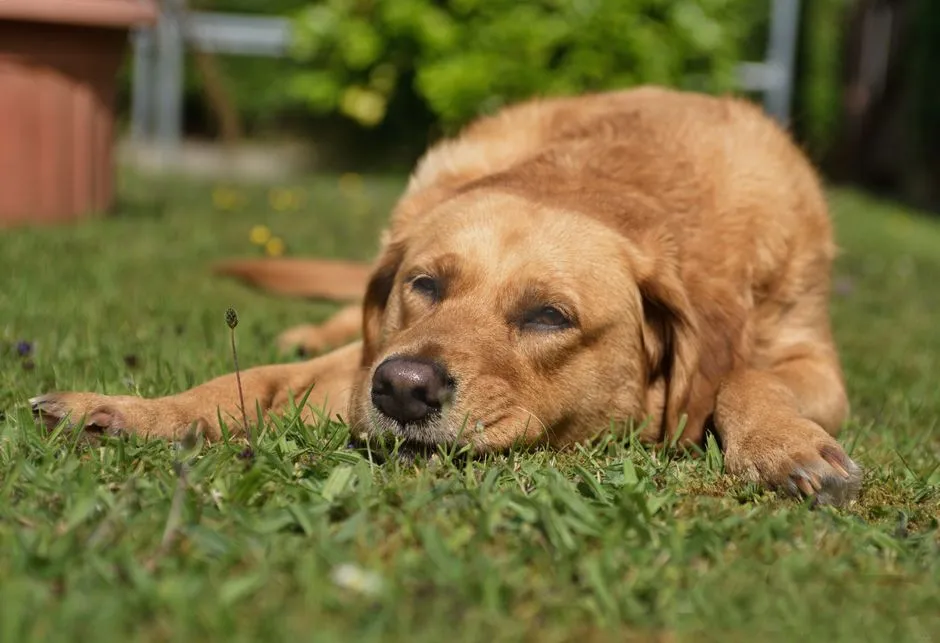
This is the section that matters most, because heatstroke in senior dogs moves fast and doesn’t always look dramatic at first. Heavy panting, bright red gums, drooling, wobbly legs, vomiting, or a sudden collapse are all signals that something is seriously wrong.
If you see any of these, move your dog to a cool space immediately, offer small sips of water, and apply cool (not ice-cold) wet towels to their belly and paws while you call your vet. Minutes matter here, and hesitation is the enemy.
At a Glance: Heatstroke Warning Signs
- Heavy, non-stop panting
- Bright red or purplish gums
- Excessive drooling
- Wobbly legs or sudden collapse
- Vomiting
5. Rethink Mealtimes During a Heatwave
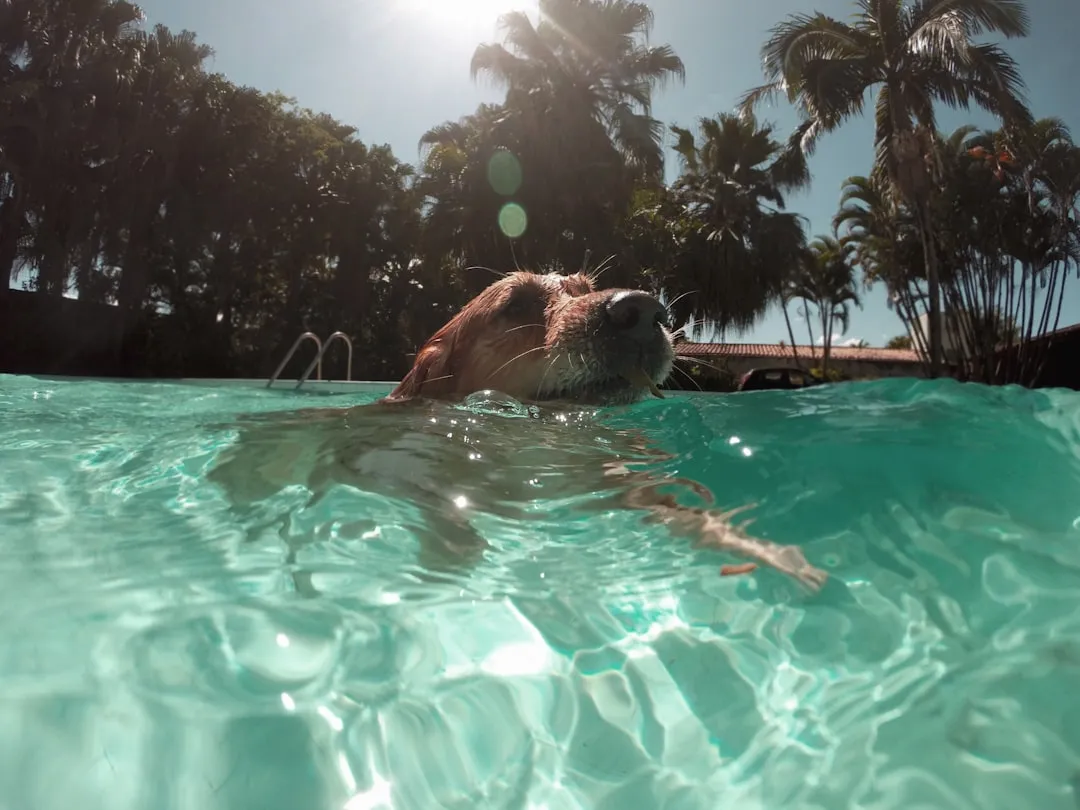
Digestion generates internal heat, and a big meal at noon asks an already-strained body to do even more work. Some senior dogs quietly go off their food during heatwaves without owners connecting it to the temperature at all.
Shift feeding to the cooler parts of the day, morning and evening, and consider smaller, lighter portions if appetite drops. A slightly adjusted schedule can keep energy steadier without forcing a stressed body to work harder than it needs to.
4. Offer a Cool Soak or Kiddie Pool
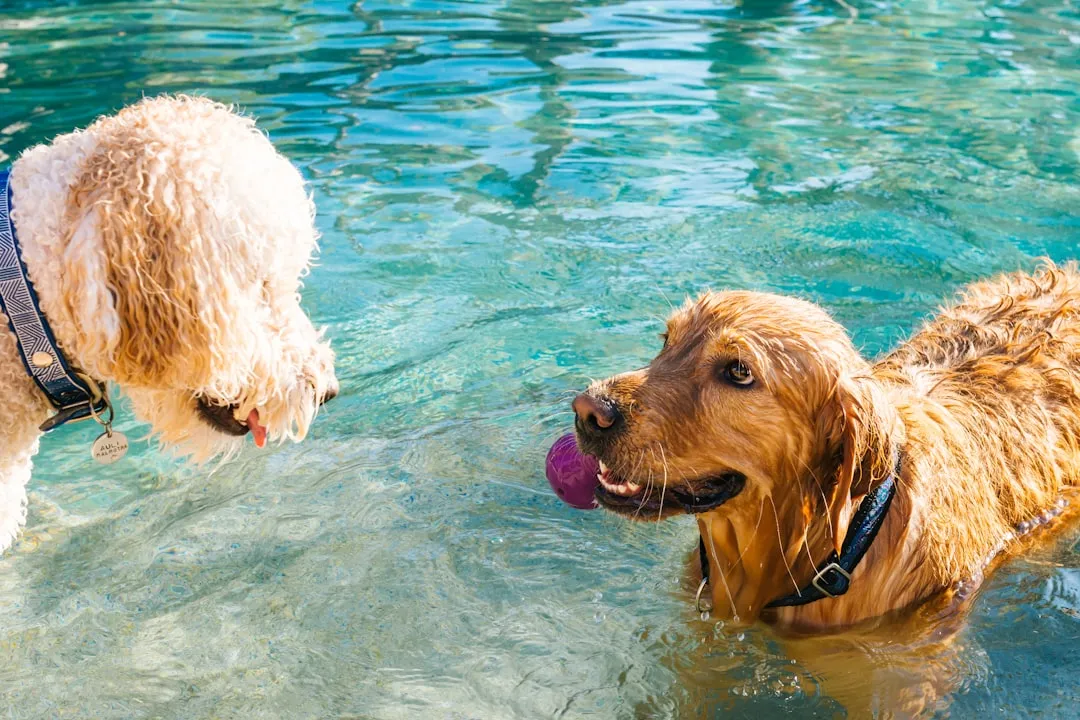
Not every senior dog will dive into a pool, but a shallow basin of cool water can bring their body temperature down in a way that towels and mats can’t match on their own. It’s one of the fastest, most direct cooling methods available.
Let them wade rather than forcing them in, and always supervise, since older joints and balance can make slippery surfaces risky. Even standing with paws submerged for a few minutes can take the edge off a brutal afternoon.
3. Protect Thin-Coated or Pale Skin From Sunburn
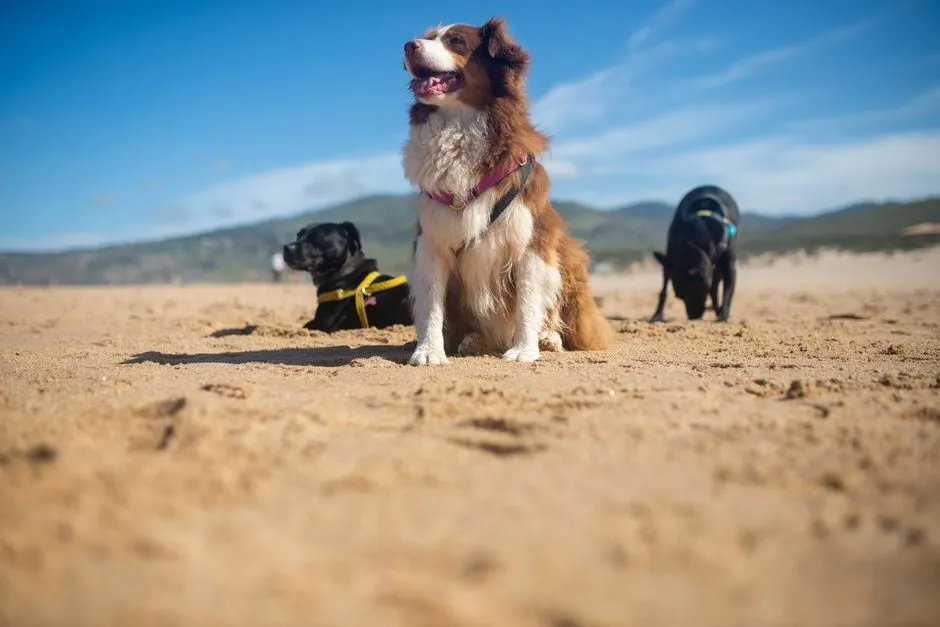
This one catches a lot of owners off guard: dogs with thin coats, pink noses, or light-colored fur can genuinely get sunburned, and older skin tends to be thinner and more sensitive than it used to be. It’s easy to overlook because it doesn’t feel as urgent as heatstroke, but it still causes real pain.
Limit direct midday sun exposure for these dogs, and ask your vet about pet-safe sunscreen for exposed areas like the belly, nose, and ear tips. A lightweight, breathable sun shirt can also help without adding to the heat load.
2. Handle Existing Health Conditions With Extra Care
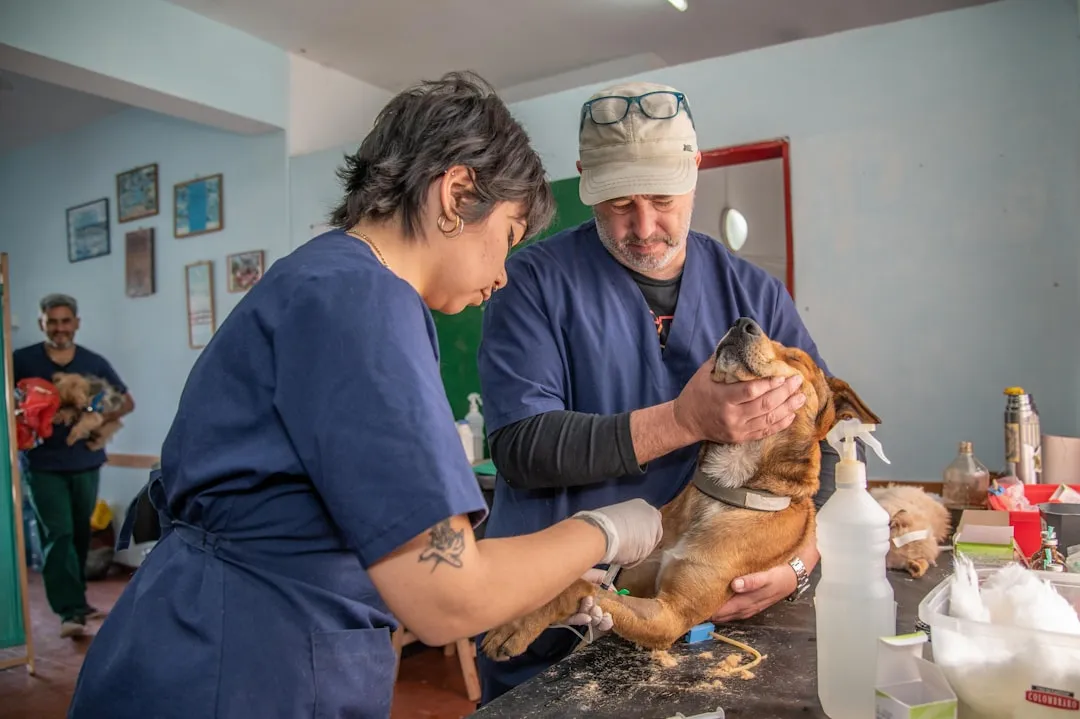
Heart disease, obesity, arthritis, and respiratory issues all make it harder for a dog’s body to regulate temperature, and most senior dogs are carrying at least one of these. A heatwave doesn’t just add discomfort on top of these conditions; it compounds the underlying risk in ways that aren’t always obvious from the outside.
Talk to your vet about how your dog’s specific conditions might change their heat tolerance this summer. Some dogs may need shorter outdoor windows, medication timing adjustments, or closer daily monitoring than others their age.
1. Get a Pre-Summer Vet Checkup
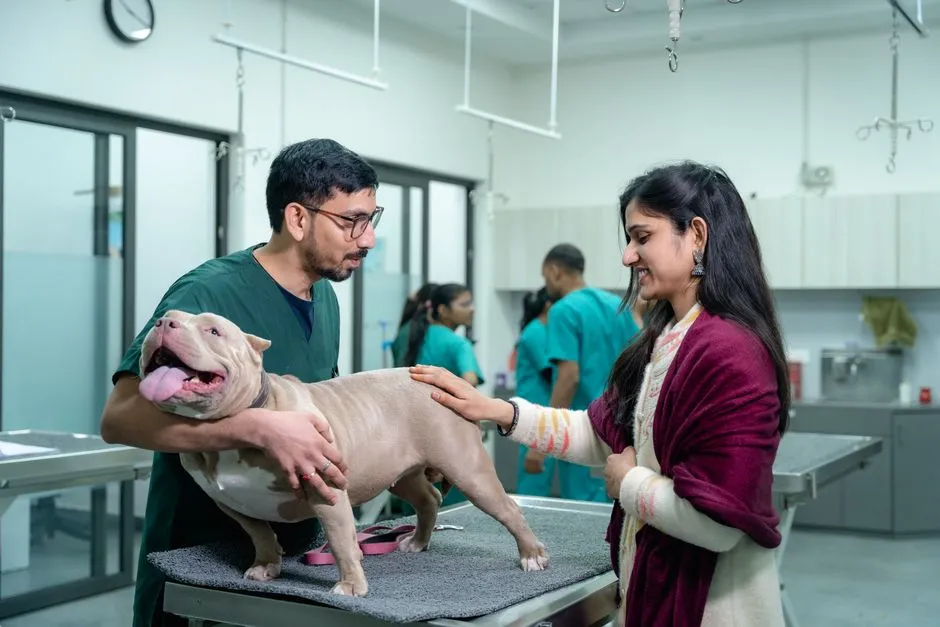
A lot of owners wait until something goes wrong to call the vet, but a quick checkup before the worst heat hits can catch problems while they’re still manageable. Bloodwork, a weight check, and a heart and lung listen can reveal issues that make a dog far more vulnerable to heat stress.
This appointment is also the moment to ask your vet directly what a safe daily routine looks like for your specific dog this summer. Every senior dog carries a slightly different risk profile, and a five-minute conversation now can prevent a frightening emergency later.
At a Glance: What a Pre-Summer Checkup Covers
- Bloodwork to check kidney and organ function
- A current weight and body condition check
- Heart and lung listen for early warning signs
- A joint mobility and pain assessment
Here’s the uncomfortable truth: most heat emergencies in senior dogs aren’t accidents, they’re the result of owners applying young-dog rules to an old-dog body. The signs are almost always there before things get dangerous, quiet panting, a slower walk, a dog who suddenly wants to lie on the cool floor instead of following you around. Pay attention to those small shifts instead of waiting for the dramatic ones, and this summer will look a lot less like survival and a lot more like comfort.

- Animal Cognition Says Pigs Can Learn Complex Tasks Faster Than Their Reputation Suggests - August 17, 2026
- 9 Things You Didn't Know About the Fossa, Madagascar's Cat-Like Predator - August 17, 2026
- 8 Facts About Arizona’s State Animal: The Ringtail - August 17, 2026