
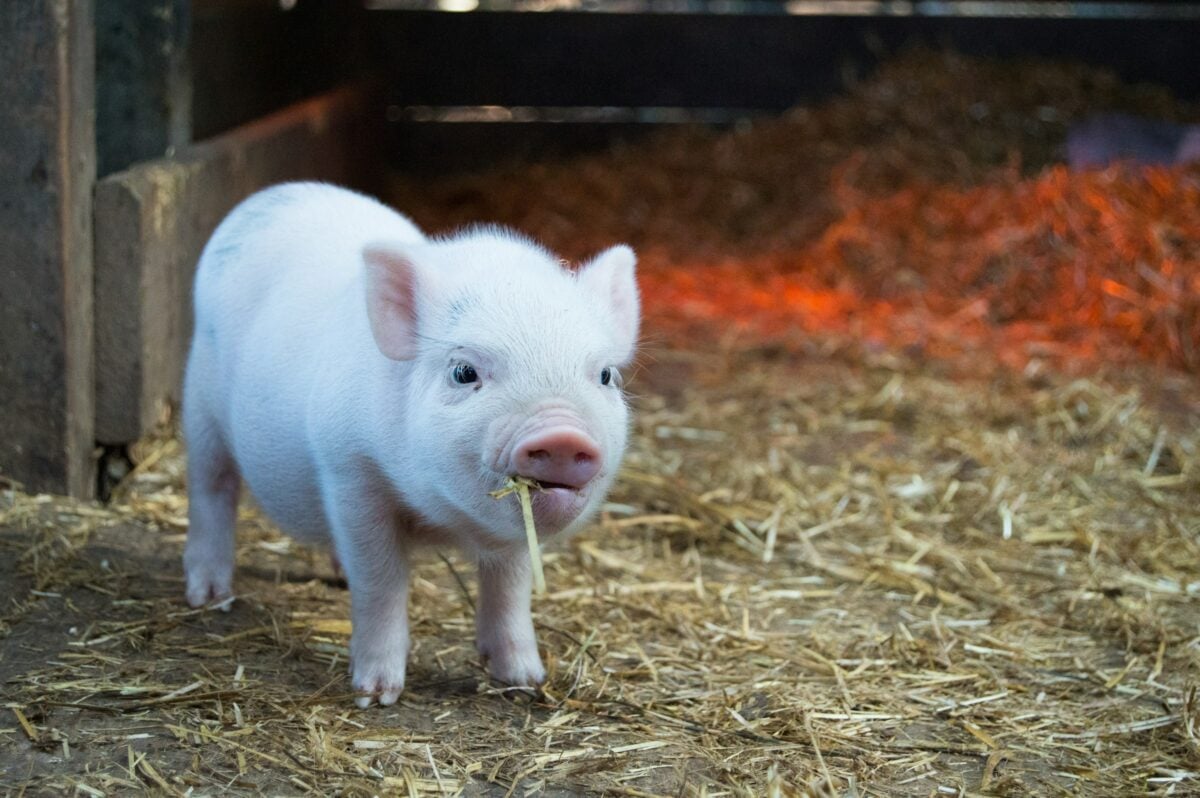
Most of us grow up with a pretty flat picture of pigs: muddy, messy, and not especially bright. But once you start digging into animal cognition research, that cartoon version falls apart fast. Pigs are quietly crashing the stereotype, solving puzzles, remembering complex tasks, and sometimes even outpacing dogs and young children on certain mental challenges.
What if the animal we still casually call “swine” is actually one of the most underrated problem-solvers on the farm? The more scientists test pigs, the clearer it gets: these animals learn faster and adapt more cleverly than their reputation suggests. And once you see how their minds work, the idea of a “dumb pig” starts to feel as outdated as dial‑up internet.
Pigs Are Not Just Food Animals, They Are Problem-Solvers
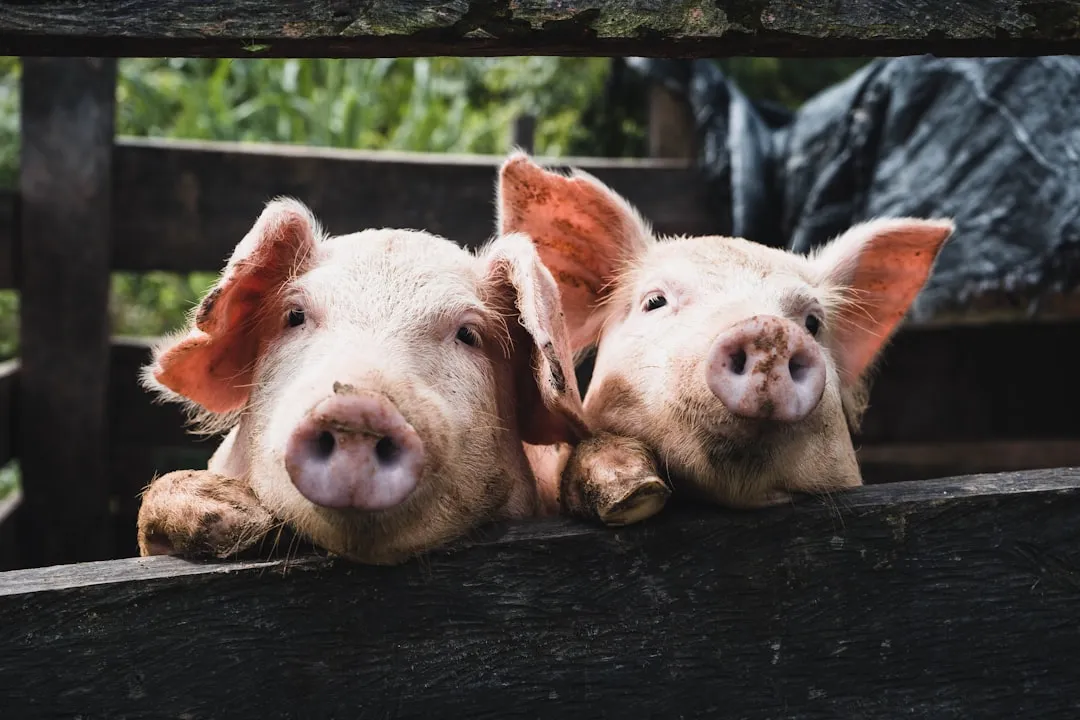
Here’s the twist nobody tells you as a kid: pigs do not just react to their environment, they actively experiment with it. In cognition tests, pigs have navigated mazes, figured out how to operate simple mechanisms, and learned to follow visual or sound cues to get rewards. They do not just stumble into success; they remember what worked and adjust when it does not.
Compared with many farm animals, pigs tend to pick up on task structure surprisingly quickly. Give them a puzzle feeder with levers or sliding parts, and after a short period of trial and error, they start working through it with a kind of rough logic. It is not human-level planning, of course, but it is miles away from the blank instinct people often assume.
Learning Speed: When Pigs Catch On Faster Than You Expect
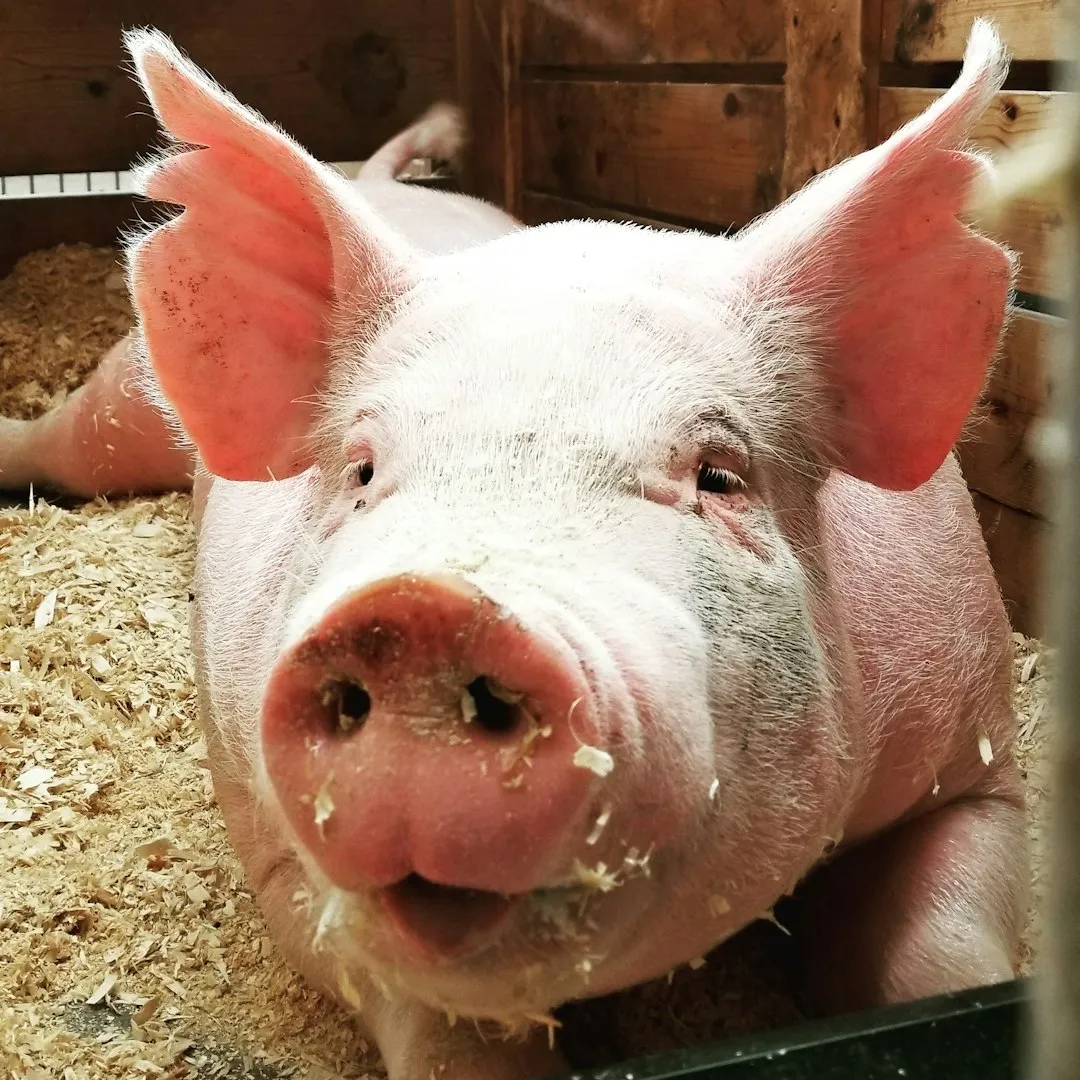
One of the most striking findings in pig cognition research is how quickly they can form associations. When scientists pair a sound, a light, or even a symbol on a screen with a particular outcome, pigs can learn the pattern over a relatively small number of trials. They show that classic “aha” moment where performance suddenly jumps, suggesting the rule has clicked, not just been stumbled on.
In some experiments comparing species, pigs have learned to solve discrimination tasks – a choice between one option and another – at a pace that puts them in the same ballpark as dogs, and in certain setups they can learn faster than some primates on specific, well-structured problems. That does not mean pigs are “smarter” overall, but it does mean their brains are a lot more efficient at grasping clear rules than anyone gave them credit for a few decades ago.
Memory, Maps, And Mental Flexibility
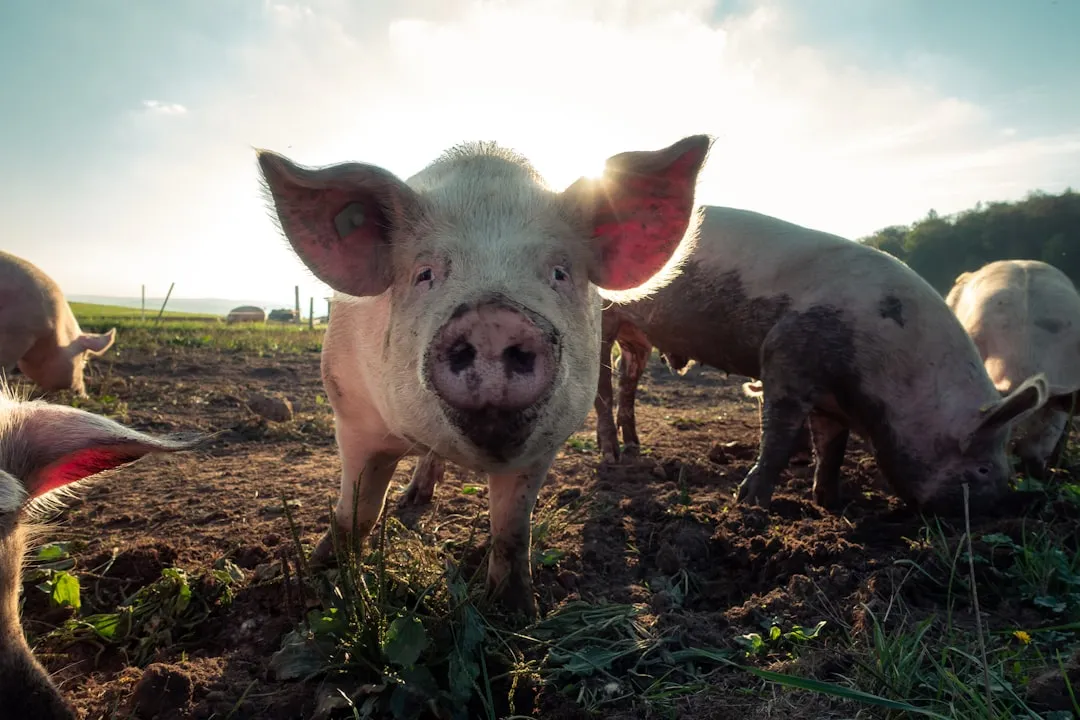
Fast learning is impressive, but it is memory that really exposes an animal’s cognitive depth, and pigs do not disappoint here either. They can remember where food was hidden in an environment, even when the location changes across days, and they adapt as the rules of a game shift. That kind of flexible memory – updating what you know instead of clinging to the old pattern – is a big deal in animal cognition.
There is also evidence that pigs build mental maps of their surroundings rather than just wandering until they bump into something useful. In complex pens or arenas, they can remember routes, shortcuts, and obstacles, coming back to the best spots without obvious trial and error each time. That suggests they are not just reacting in the moment; they are carrying a working sketch of space around in their heads.
Tools, Screens, And Surprising Tech Skills
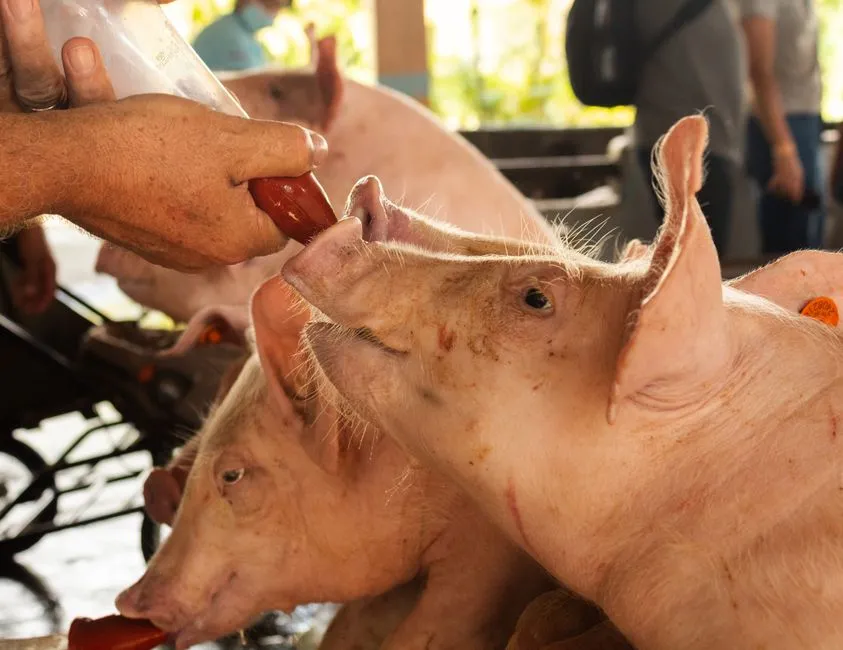
One of the most headline‑grabbing lines of pig research involved them interacting with screens and simple video‑game‑like tasks. In controlled settings, pigs have been trained to manipulate joysticks or respond to images on a monitor to earn rewards. They do not just poke randomly; over time they can show clear signs of understanding that their actions on a device affect what happens on the screen.
While they are not tech geniuses and have physical limitations that make fine control tricky, the fact they can bridge the gap between a movement here and an outcome there is huge. It means pigs can handle abstract, indirect relationships – skills that were once thought to belong mostly to primates and a small handful of other species. For an animal still dismissed as “livestock” in most conversations, that is an astonishing cognitive leap.
Social Intelligence: Reading Other Pigs And Even People
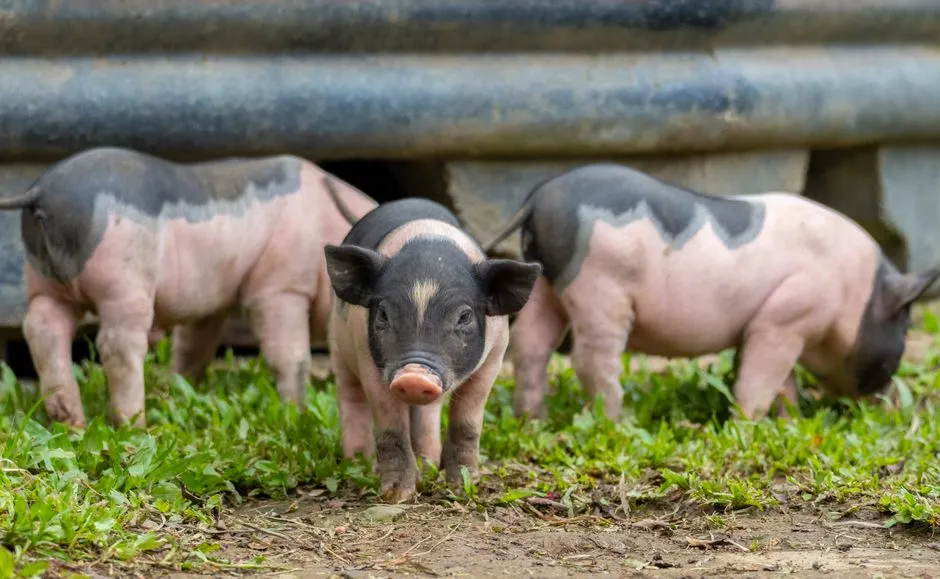
Intelligence is not just about solving puzzles; it is also about navigating relationships. Pigs live in social groups, and their behavior shows they pay careful attention to what others know and do. For example, some pigs will follow a more informed pig to a food source, and dominant pigs may try to steal food only when the other pig seems unaware, hinting at a basic sense of what another animal has or has not seen.
Pigs can also learn from humans in more direct ways than many people realize. They can be trained to respond to hand signals, vocal commands, and even subtle body cues, a bit like dogs on a very practical farm‑yard level. Over time, many pigs become sensitive to the routines, moods, and habits of the people who handle them, anticipating feeding times or procedures in a way that blends memory, observation, and social awareness.
Emotion, Boredom, And The Cost Of Underestimating Them
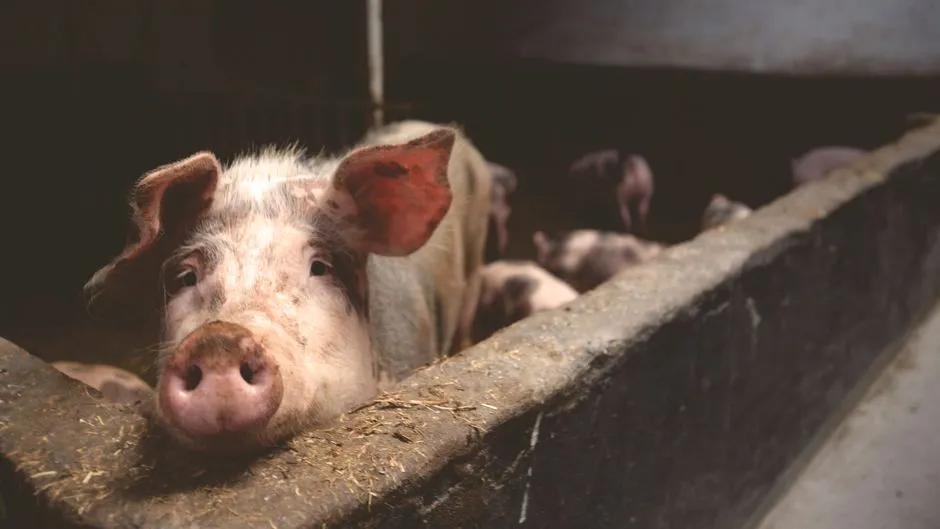
All this brainpower has a hidden downside: an intelligent animal kept in a dull or stressful environment can suffer in ways that are easy to miss from the outside. Research on pig welfare suggests that they experience a range of emotional states, including curiosity, frustration, and something close to boredom when they lack stimulation. You can see it when a pig keeps trying to explore or manipulate anything in reach, even when there is nothing interesting to do.
When we treat pigs as if they were simple, unthinking creatures, we design environments and farming systems that ignore how mentally active they actually are. That mismatch can translate into stress, abnormal behaviors, and a quieter kind of suffering that does not show up in a quick glance at their physical health. The more we learn about pig cognition, the harder it is to justify setups that treat their minds as an afterthought.
Why Science Is Rewriting The Pig’s Reputation
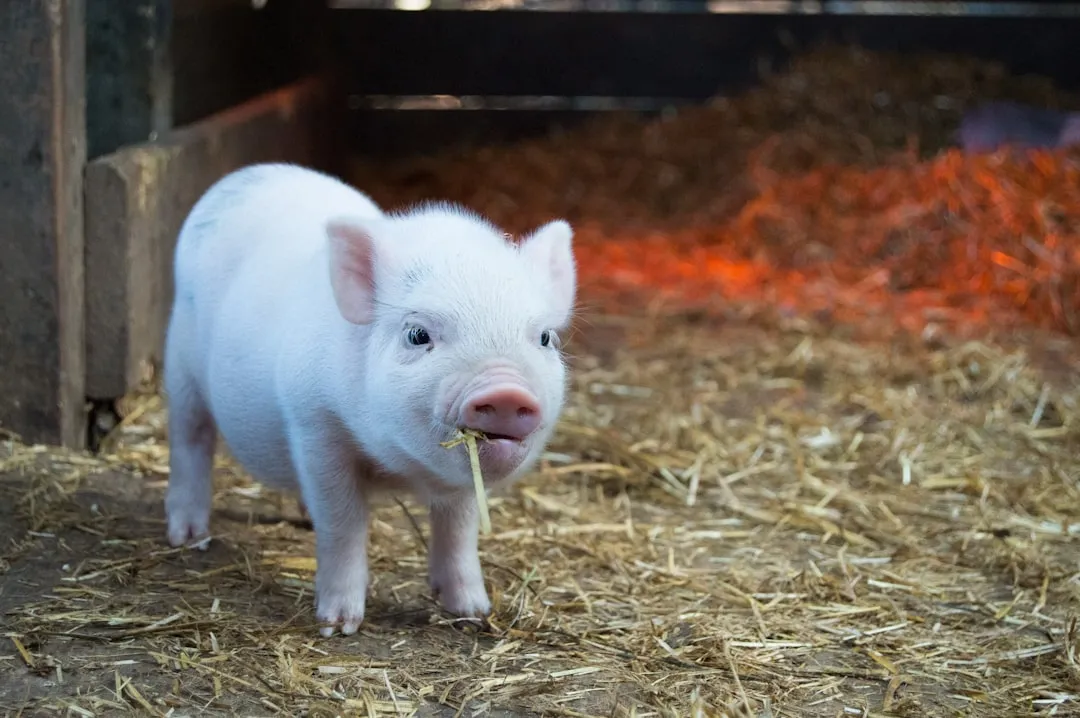
The picture that is emerging from decades of experiments is not of a perfect, human‑like thinker, but of a surprisingly capable problem‑solver with a rich emotional and social life. Step by step, studies on learning, memory, play, and even how pigs respond to positive or negative experiences are forcing a rewrite of the old, lazy stereotype. Pigs are not just trainable; they are adaptable in ways that keep surprising even seasoned researchers.
As more people hear about this research, the cultural image of the pig is beginning to shift – slowly. I honestly think we are living through one of those quiet turning points, where the science is ahead of public perception by a few steps. In a decade or two, the idea of pigs as little more than living meat machines may sound as strange as believing that whales are just big fish.
Conclusion: If Pigs Can Learn This Fast, What Needs To Change?
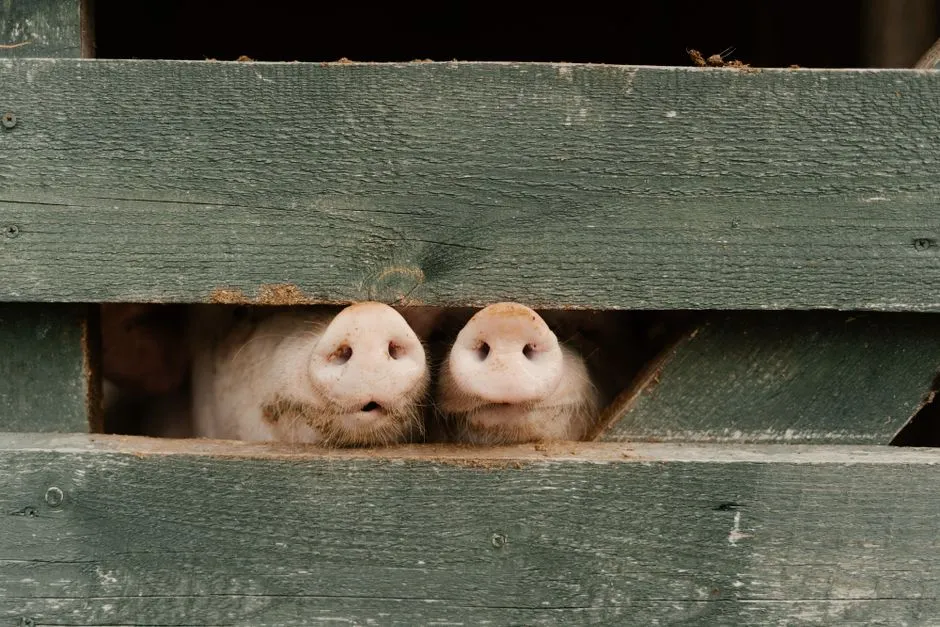
Once you accept that pigs learn complex tasks quickly, remember what they have learned, and navigate their world with real mental flexibility, it becomes impossible to see them as background animals anymore. Their speed of learning is not a party trick; it is a signal that they are thinking beings with needs that go way beyond food and basic shelter. Ignoring that is not just outdated; it is, in my view, a moral blind spot we are going to look back on with discomfort.
My own opinion is blunt: our systems for breeding, housing, and using pigs have not caught up with what science now knows about their minds. If a creature can figure out abstract tasks, read social cues, and adapt strategies on the fly, it deserves more than a concrete pen and a reputation built on insults. The real question is not whether pigs can learn complex tasks fast – they clearly can – but whether we are willing to learn just as fast about what we owe them. Did you expect that from an animal most people only meet on a plate?

- Animal Cognition Says Pigs Can Learn Complex Tasks Faster Than Their Reputation Suggests - August 17, 2026
- 9 Things You Didn't Know About the Fossa, Madagascar's Cat-Like Predator - August 17, 2026
- 8 Facts About Arizona’s State Animal: The Ringtail - August 17, 2026