

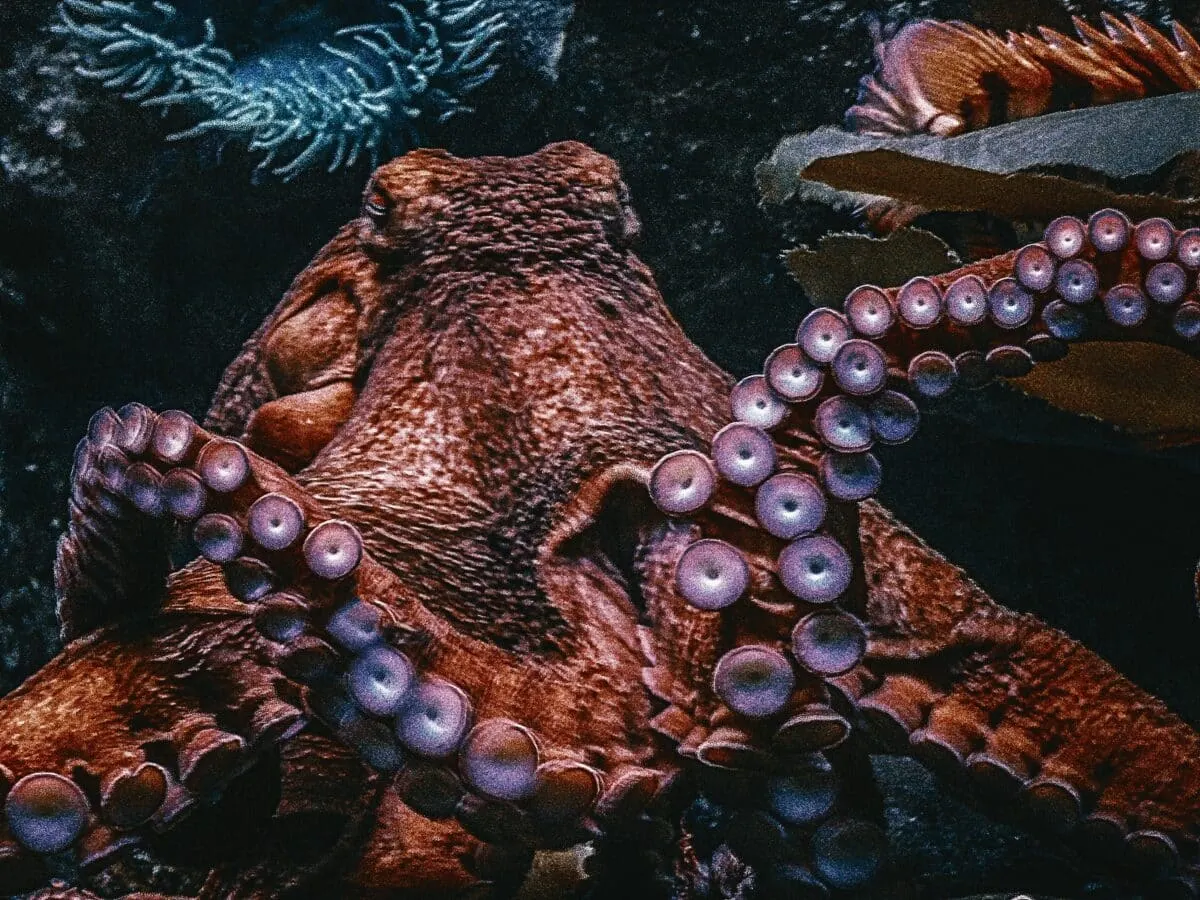
In the ongoing competition between human innovation and animal adaptation, many species have developed remarkable abilities to circumvent, defeat, or outsmart our most sophisticated technologies. From defeating security systems to navigating around infrastructure designed specifically to contain them, these animals demonstrate that millions of years of evolution can sometimes triumph over human engineering. Their cognitive abilities, physical adaptations, and behavioral flexibility allow them to overcome challenges that our technologies present, reminding us that intelligence in the animal kingdom takes many forms beyond what we traditionally recognize. Here are fifteen wild animals that have demonstrated remarkable abilities to outsmart human technology.
15. Crows and Ravens Nature’s Tool Hackers

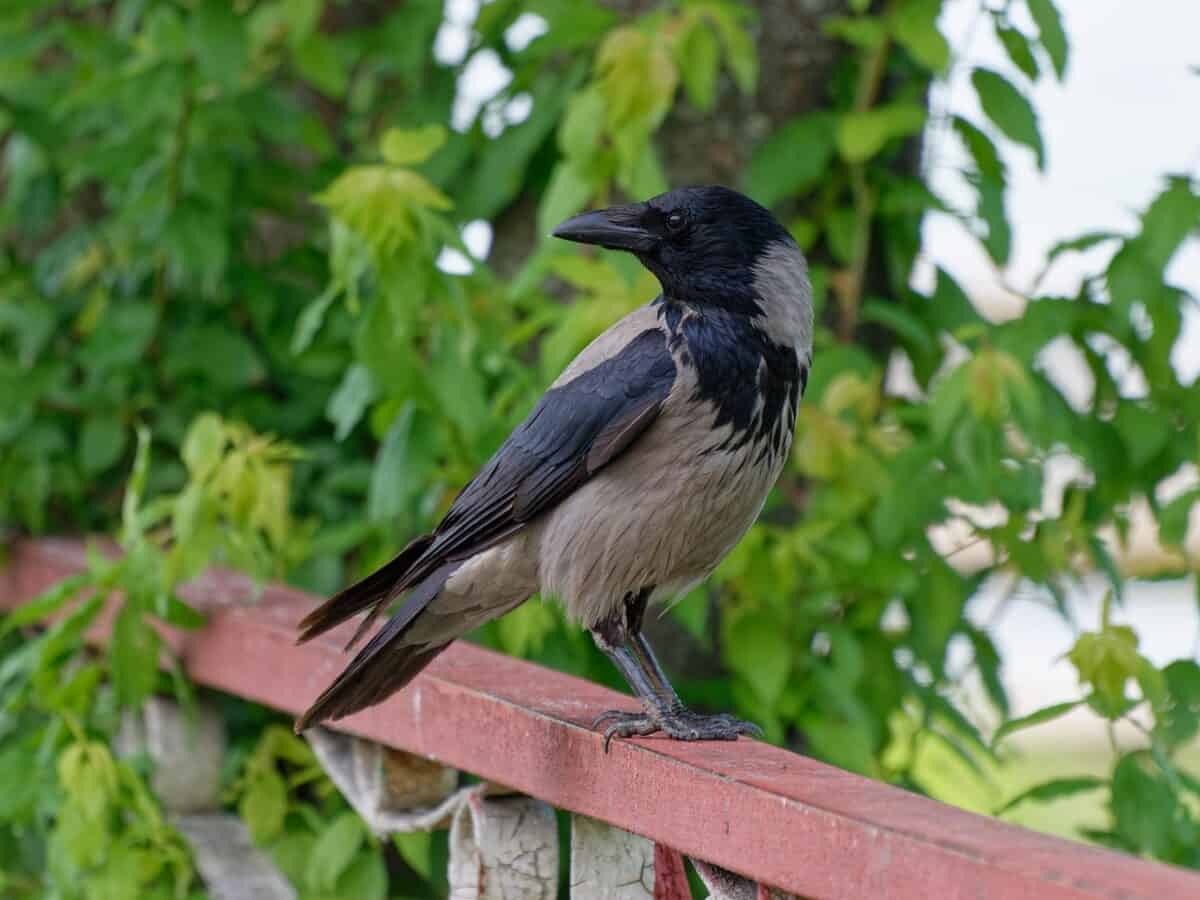
Corvids, particularly crows and ravens, possess problem-solving abilities that rival those of primates. These birds have been documented creating and using tools in the wild, but their intelligence extends to defeating human technology as well. In Japan, crows have learned to place nuts on roadways, allowing cars to crack them open, and then retrieve the contents during red lights. Some crows have figured out how to use sticks to trigger motion-sensitive water fountains in parks, demonstrating their understanding of cause and effect relationships in human-made systems. Researchers at the University of Oxford found that New Caledonian crows can understand water displacement at a level comparable to children aged 5-7, allowing them to retrieve floating food by dropping stones into water containers—essentially hacking the physics of human-designed containers.
14. Octopuses Escape Artists Extraordinaire
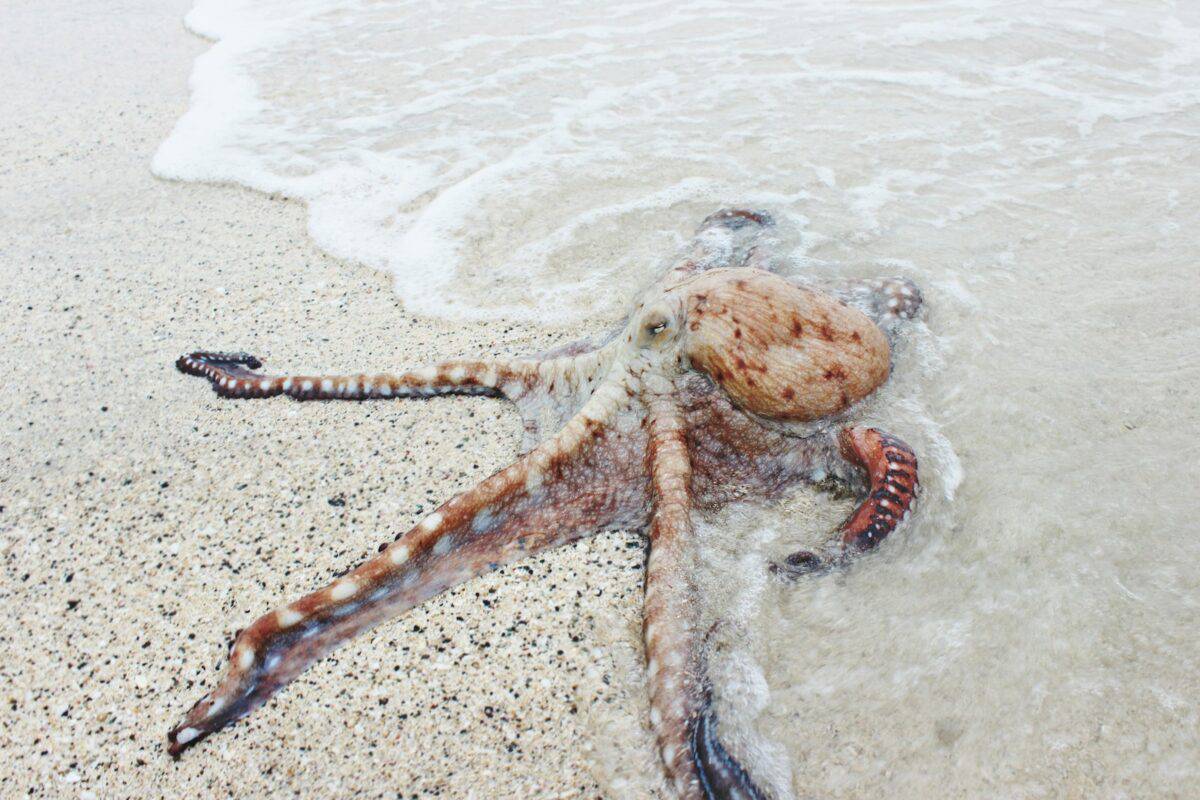
Octopuses possess intelligence that has evolved along a completely different evolutionary path than our own, yet they routinely outsmart aquarium security systems. These eight-limbed invertebrates can squeeze through openings as small as a coin (provided their beak can fit through) and have been documented unscrewing jar lids, disassembling water pumps from the inside, and even escaping through tiny drainpipes. At the Santa Monica Pier Aquarium, an octopus dismantled a valve, causing a flood of hundreds of gallons of water. Another famous case occurred at the New Zealand National Aquarium, where an octopus named Inky escaped his tank, crawled across the floor, and disappeared down a 164-foot drainpipe leading to the ocean. These escapes demonstrate their ability to understand human containment systems and exploit weaknesses that designers never anticipated.
13. Elephants Dismantling Electric Fences

African elephants have developed sophisticated techniques to defeat electric fencing, one of the main technologies used to protect both humans and elephants from conflict. Researchers in Kenya have documented elephants pushing trees onto electric fences to short-circuit them or using their tusks (which have poor electrical conductivity) to break wires. Even more remarkably, some elephant herds have been observed designating a specific individual to test fences before the rest follow. The most impressive behavior was recorded in Kruger National Park, where elephants have learned to throw logs or branches onto electric fences to test if they’re active, and if not, to cross safely. This demonstrates not just intelligence but the transmission of technical knowledge through generations, effectively countering one of our main technologies for managing wildlife boundaries.
12. Raccoons Urban Technology Infiltrators

Raccoons have earned the nickname “trash pandas” for good reason—their dexterous paws and problem-solving abilities allow them to defeat nearly any garbage can or dumpster technology designed to keep them out. In laboratory tests, raccoons have demonstrated the ability to remember solutions to complex mechanical problems for up to three years. In Toronto, researchers found that raccoons could defeat specially designed “raccoon-proof” garbage bins within days of their deployment, learning the precise twisting mechanism needed to open the containers. They’ve also been documented understanding the mechanics of door latches, combination locks, and even the operation of simple water faucets. Their intelligence is so notable that some cognitive scientists now consider raccoons to possess a type of “urban intelligence” specifically adapted to exploiting human environments and technologies.
11. Beavers Hydrological Engineers

Beavers are natural engineers whose dam-building skills can outsmart human water management systems. Despite millions spent on culvert protection and water flow devices, beavers routinely modify or defeat these systems. In Massachusetts, wildlife officials documented beavers building dams that incorporated human-installed flow devices into their structure, effectively neutralizing their purpose. In another case in Washington state, beavers responded to a “beaver deceiver” (a device designed to prevent damming) by building a completely new dam type that worked around the technology. What makes beavers particularly impressive is that they seem to understand water flow dynamics intuitively, often building structures that more effectively manage water flow than human-engineered solutions. This has led some municipalities to actually employ “beaver-assisted” watershed management rather than fighting these natural hydrological engineers.
10. Squirrels Defeating “Squirrel-Proof” Bird Feeders

The arms race between squirrels and bird feeder manufacturers represents one of the longest-running examples of animals outsmarting human technology. Despite increasingly sophisticated designs incorporating weight-sensitive perches, cage systems, and battery-powered rotating feeders, squirrels continually find ways to defeat these mechanisms. Research at the University of Vermont found that squirrels can learn to navigate around or manipulate even the most complex feeder defenses within 1-2 days. One particularly impressive case involved a squirrel that learned to rock a weight-sensitive feeder back and forth to slowly dispense seeds without triggering the closing mechanism. Their ability to problem-solve comes from remarkable spatial memory and physical adaptability—they can fall from heights of 100 feet without injury and squeeze through openings barely larger than their skull. This combination of mental and physical adaptations makes designing truly “squirrel-proof” technology nearly impossible.
9. Foxes Outsmarting Hunting Technology

Foxes have developed remarkable strategies to evade hunting technologies, showing adaptations that occur within just a few generations. In the United Kingdom, where fox hunting with hounds was traditionally practiced, foxes learned to cross running water, use obstacles to break up their scent trail, and even hide in urban areas where dogs couldn’t follow. More recently, researchers studying urban foxes found they can recognize the distinct sound patterns of hunting rifles versus other firearms, fleeing specifically from the former. In Australia, foxes have learned to avoid camera traps used for population monitoring by recognizing the infrared flash or subtle electronic sounds they emit. Some rural foxes have even been documented burying or disabling trail cameras. This rapid adaptation to hunting technology demonstrates their exceptional learning abilities and sensory acuity, allowing them to outmaneuver technologies specifically designed for their capture.
8. Bears Breaking Into “Bear-Proof” Containers

Bears represent perhaps the most formidable animal intelligence challenging human containment technology. In places like Yosemite National Park, the intelligence of black bears in defeating food storage containers has forced continuous improvements in design. The Interagency Grizzly Bear Committee requires containers to withstand 60 minutes of manipulation by a grizzly bear to be certified “bear-proof,” yet bears regularly defeat even these containers. Particularly impressive is bears’ ability to teach techniques to their offspring—research in Yosemite documented mother bears teaching cubs specific techniques for opening different container models. Some bears have learned to roll containers off cliffs to break them open, while others have figured out how to use leverage to snap locking mechanisms. In Lake Tahoe, wildlife officials recorded a bear that learned to identify minivans specifically (which often contain more food) by testing door handles only on that vehicle type, demonstrating categorization abilities previously thought beyond ursine cognition.
7. Dolphins Naval Security Challenges

Dolphins possess cognitive abilities among the highest in the animal kingdom, creating unique challenges for naval security systems. The irony is that while the U.S. Navy employs dolphins for underwater detection work, wild dolphins have demonstrated abilities to defeat similar systems. Naval engineers have documented dolphins figuring out the detection patterns of sonar systems and swimming in their blind spots. In Australia, a research team testing underwater deterrent systems found dolphins would swim just beyond the effective range of acoustic devices, demonstrating an understanding of the technology’s limitations. Most impressively, dolphins near naval bases have been observed working cooperatively to defeat anti-intrusion nets, with some individuals lifting portions of the barriers while others swim through—a level of cooperative problem-solving that suggests not just intelligence but strategic thinking. Their echolocation abilities also allow them to detect underwater surveillance equipment, which they sometimes investigate or even damage through physical interaction.
6. Primates From Tool Use to Technology Adaptation
Our closest animal relatives, particularly chimpanzees and orangutans, demonstrate remarkable abilities to understand and circumvent human technology. In zoos, chimpanzees have been documented creating tools to probe electronic security sensors, disable surveillance cameras, and even stockpile projectiles for planned escapes. At the Furuvik Zoo in Sweden, a chimpanzee named Santino became famous for collecting and hiding stones to throw at visitors later, demonstrating both planning and an understanding of how to defeat the enclosure’s viewing technology. Orangutans present perhaps even greater escape challenges, with their problem-solving abilities and physical dexterity. At the San Diego Zoo, an orangutan named Ken repeatedly escaped by finding the bolts holding his enclosure together and unscrewing them. Researchers studying tool use in captive primates have found they quickly adapt human technologies for their own purposes, such as using branches to trigger automatic doors or creating probes from available materials to extract food from complex enrichment devices.
5. Rats Defeating Extermination Technologies

Rats represent one of humanity’s oldest technological adversaries, consistently evolving to defeat our most sophisticated extermination methods. Their cognitive abilities and rapid reproduction allow for quick adaptation to poisons and traps. Urban rats have demonstrated neophobia—avoidance of new objects—which helps them evade novel trapping technologies. Research at the University of Michigan found that rats can communicate specific information about dangerous foods and traps to other colony members, creating collective knowledge that helps them avoid human technologies. Perhaps most impressively, studies have documented rats learning to disable snap traps by dropping objects on them from a safe distance. Their adaptability extends to electronic systems as well—ultrasonic repellent devices typically work for only a few days before rats acclimate to the sound frequencies. Some pest control experts now acknowledge that rats demonstrate a form of cultural learning about control technologies, with knowledge effectively passed between generations, creating populations specifically adapted to defeat local extermination methods.
4. Coyotes Adapting to Urban Surveillance
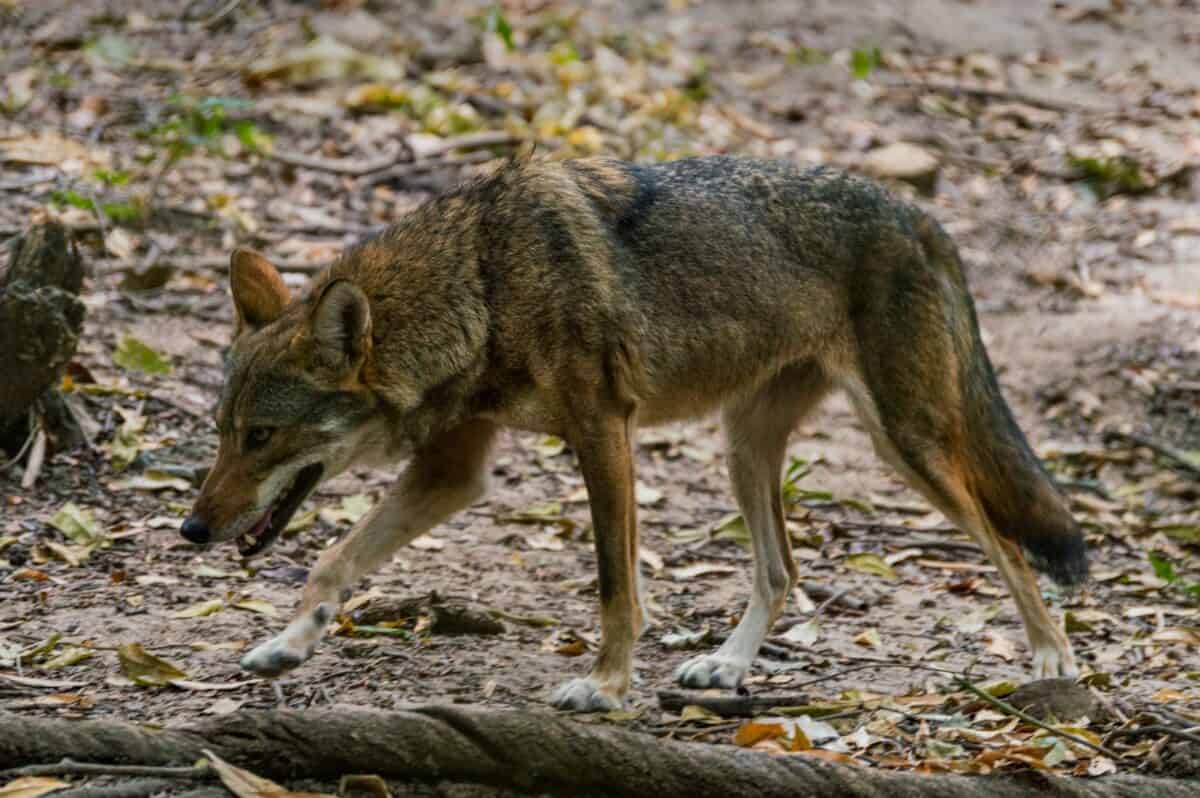
Coyotes have not only adapted to urban environments but have developed specific behaviors to evade human surveillance and capture technologies. Research in Chicago found that urban coyotes have learned to wait for specific traffic light patterns before crossing busy intersections, demonstrating an understanding of human transportation systems. More remarkably, they’ve developed techniques to defeat motion-sensing security lights and cameras by moving slowly enough not to trigger them—a behavior not seen in rural populations. Some urban coyotes have learned the patrol patterns of animal control officers and adjust their movements accordingly. In Los Angeles, researchers documented coyotes that would trigger home security systems in one area as a distraction before hunting in nearby neighborhoods, suggesting a level of strategic thinking previously unrecognized in these animals. Their ability to learn from failed capture attempts is so substantial that wildlife management professionals now must constantly adapt their techniques, as successful methods typically work only for short periods before coyotes develop countermeasures.
3. Parrots Defeating Speech-Recognition Security
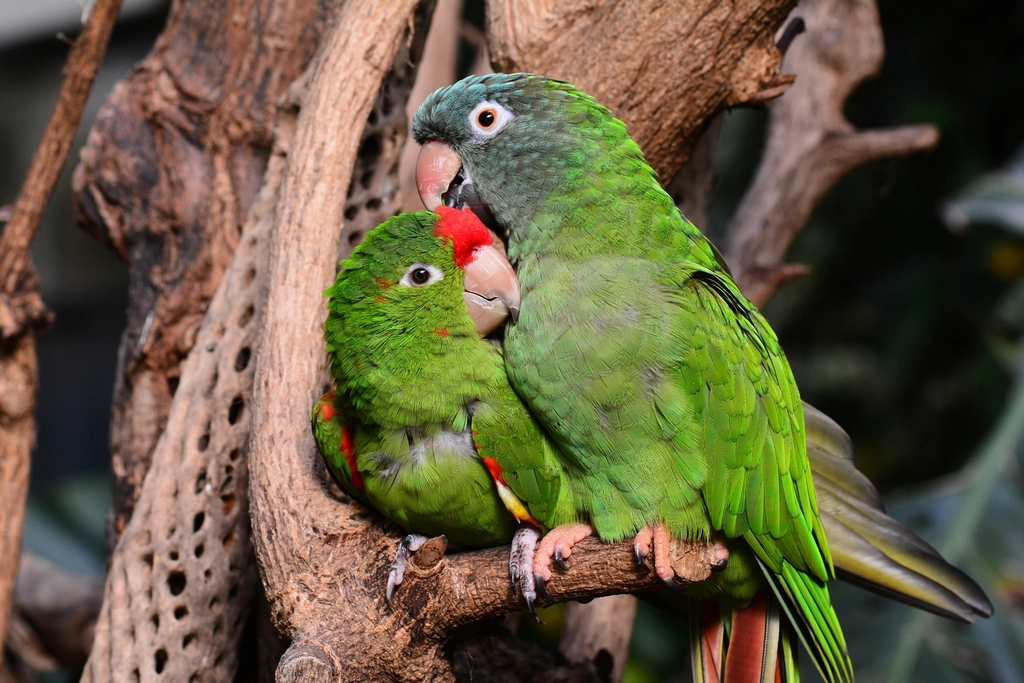
While many animals challenge physical technologies, parrots present a unique case of defeating audio-based security systems. African Grey parrots in particular possess vocal mimicry abilities so precise they can replicate human speech patterns, including tone and inflection. This has created unexpected security vulnerabilities where voice authentication is used. In a documented case from the UK, a parrot named Rocco ordered items through an Alexa device by mimicking his owner’s voice patterns. Security researchers at the University of Waterloo demonstrated that trained parrots could potentially bypass voice authentication systems with 65-73% success rates. Beyond speech recognition, parrots have shown remarkable abilities to understand the causal relationships in mechanical locks and latches. Large species like macaws use their powerful beaks to dismantle complex cage locks, understanding the sequence of movements needed to release mechanisms. Their combination of vocal mimicry and mechanical comprehension makes them uniquely positioned to challenge both physical and audio-based security technologies.
2. Pigeons Navigating Despite Electronic Countermeasures

Homing pigeons possess navigation abilities that consistently outperform or bypass human technologies designed to disrupt them. Their navigation system integrates multiple redundant methods, including magnetoreception, visual landmarks, infrasound detection, and possibly even olfactory mapping. Military researchers have found that pigeons can maintain accurate navigation despite electronic jamming that disables GPS and other navigation technologies. During experiments conducted by the U.S. Navy, pigeons successfully maintained course through electromagnetic interference that rendered electronic navigation systems completely inoperable. This remarkable ability stems from their integration of biological navigation systems that operate on entirely different principles than human technology. Some militaries have actually revived pigeon-based communication programs as a backup for scenarios where electronic communications might be compromised. Perhaps most impressively, pigeons demonstrate the ability to adapt their navigation methods based on conditions—switching between different sensory inputs when one is compromised, a level of system redundancy that many human technologies lack.
1. Bedbugs Evolving Beyond Pesticide Technologies
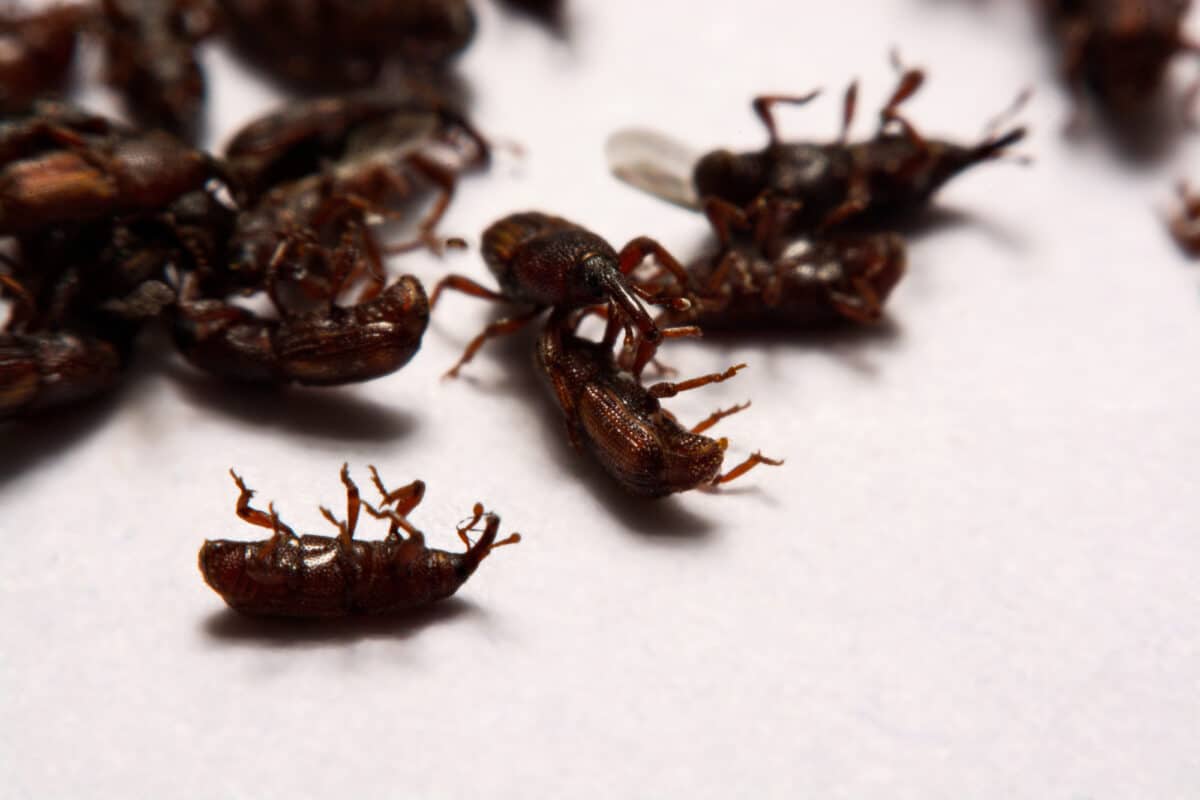
Bedbugs represent one of the most dramatic examples of rapid evolution to defeat human technology. These parasites had nearly been eradicated in developed countries by the 1950s through pesticide use, but reemerged in the 1990s with remarkable resistance to virtually all commercially available insecticides. Research at the University of Kentucky found that modern bedbugs have developed at least four different biochemical mechanisms to neutralize pesticides, with some populations able to withstand concentrations 1,000 times higher than what would kill susceptible insects. Their adaptability extends beyond chemical resistance—they’ve evolved behavioral changes to avoid detection technologies, including becoming more nocturnal and developing preferences for harboring in electronics, where heat signatures make detection more difficult. Some populations have even altered their feeding patterns to avoid peak periods when detection is most likely. What makes bedbugs particularly notable is the speed of this adaptation—developing multi-chemical resistance within decades rather than the centuries or millennia typically associated with such dramatic evolutionary changes.
Conclusion: The Ongoing Battle of Wits

The remarkable abilities of these 15 animal species to outsmart human technology offer profound insights into both animal cognition and the limitations of our engineering approaches. These examples demonstrate that intelligence in the animal kingdom manifests in diverse ways, often specialized to particular ecological niches or challenges, and can evolve along entirely different paths than human intelligence while still producing comparable problem-solving capabilities. For technologists and wildlife managers, these animal adaptations highlight the importance of incorporating biological understanding into design processes, potentially leading to more effective and ethical solutions for human-wildlife coexistence. Perhaps most significantly, these animal achievements remind us that despite our technological sophistication, millions of years of evolutionary adaptation can sometimes produce solutions that rival or surpass our most careful designs—a humbling reminder of our place within, rather than separate from, the natural world.

As a little kid, I fell in love with nature, wildlife, and animals. Living in the USA, South Africa, Italy, China and Germany gave me the opportunity to discover the world's Wildlife. My favorite animals are Mountain Gorillas, Siberian Tigers, and Great White Sharks.
I'm a certified PADI Open Water Diver, went to Everest Base Camp and Trekked Gorillas in Uganda. I hold a Master of Science in Economics and Finance.
Please send any feedback to feedback@animalsaroundtheglobe.com
- 14 Freshwater Fish You Can Spot in U.S. - July 19, 2026
- 8 Dogs That Are Natural Protectors of American Farms and 3 That Are not - July 19, 2026
- 14 Stunning Animals You Can See in India - July 18, 2026