


When we think of cuddly animals, our minds often drift to domesticated pets like cats and dogs. However, the animal kingdom is full of surprising examples of wild creatures that display affectionate, cuddling behaviors. While it’s important to note that wild animals should never be kept as pets or approached in their natural habitats, understanding their social bonding behaviors offers fascinating insights into animal cognition and emotional lives. From primates to marine mammals, here are 15 wild animals with remarkable tendencies toward physical closeness with their own kind—and sometimes even with humans in controlled sanctuary environments.
15. Capybaras The World’s Most Relaxed Cuddlers

Capybaras have earned their reputation as nature’s most peaceful and sociable rodents. These South American natives, the largest rodents in the world, are extremely social creatures that live in groups of 10-20 individuals. Capybaras regularly engage in communal cuddling, often piling on top of each other in adorable heaps during rest periods. Their relaxed demeanor extends beyond their own species—capybaras have been documented allowing birds, turtles, and even small monkeys to perch on their backs. This extraordinary tolerance for physical contact stems from their highly social nature and serves both comfort and thermoregulation purposes. In the wild, this cuddling behavior strengthens social bonds within the herd and provides protection against predators through increased vigilance.
14. Elephants Gentle Giants with Deep Emotional Bonds

Elephants demonstrate some of the most complex emotional lives in the animal kingdom, with strong familial bonds that include frequent physical affection. These magnificent animals engage in trunk-hugging, leaning against each other, and entwining their trunks in gestures that resemble human hugging. Young elephants are especially tactile, often seeking physical comfort from older herd members. Elephant herds are matriarchal societies where calves receive affection not just from their mothers but from all female relatives in what scientists call “allomothering.” Research shows that physical contact among elephants serves to reduce stress hormones and reinforce social bonds. Perhaps most touching is how elephants console one another during distress, offering trunk touches and standing close together in times of grief—behaviors that strongly resemble human empathetic responses.
13. Bonobos The “Make Love Not War” Primates

Bonobos, often called the “peaceful apes,” have social structures centered around physical affection. Unlike their close relatives, chimpanzees, bonobos resolve conflicts through positive physical contact rather than aggression. These remarkable primates spend significant portions of their day grooming, hugging, and engaging in full-body contact with group members. Female bonobos form particularly strong bonds maintained through frequent hugging and embracing. Scientists at the Max Planck Institute have documented that bonobos release higher levels of oxytocin—the same “love hormone” humans produce—during these cuddling sessions. This neurochemical response helps explain their generally peaceful society. In captivity, bonobos have been observed extending their cuddling behaviors to trusted human caretakers, though this should never be attempted outside professional sanctuary settings.
12. Sea Otters Hand-Holding Sleepers

Sea otters have captured hearts worldwide with their habit of holding hands (technically paws) while sleeping. This behavior, called “rafting,” prevents them from drifting apart while they sleep floating on their backs in kelp beds. Beyond this practical purpose, sea otters are highly tactile animals that maintain close physical contact, especially between mothers and pups. A mother sea otter will cuddle her baby on her chest, groom it meticulously, and wrap it in kelp to keep it secure while she dives for food. This constant physical contact is crucial for pup survival, helping maintain the baby’s body temperature in cold Pacific waters. The strong bond formed through this physical closeness is evident in how vigorously mother otters will defend their young from potential threats.
11. Penguins Huddling for Survival and Comfort
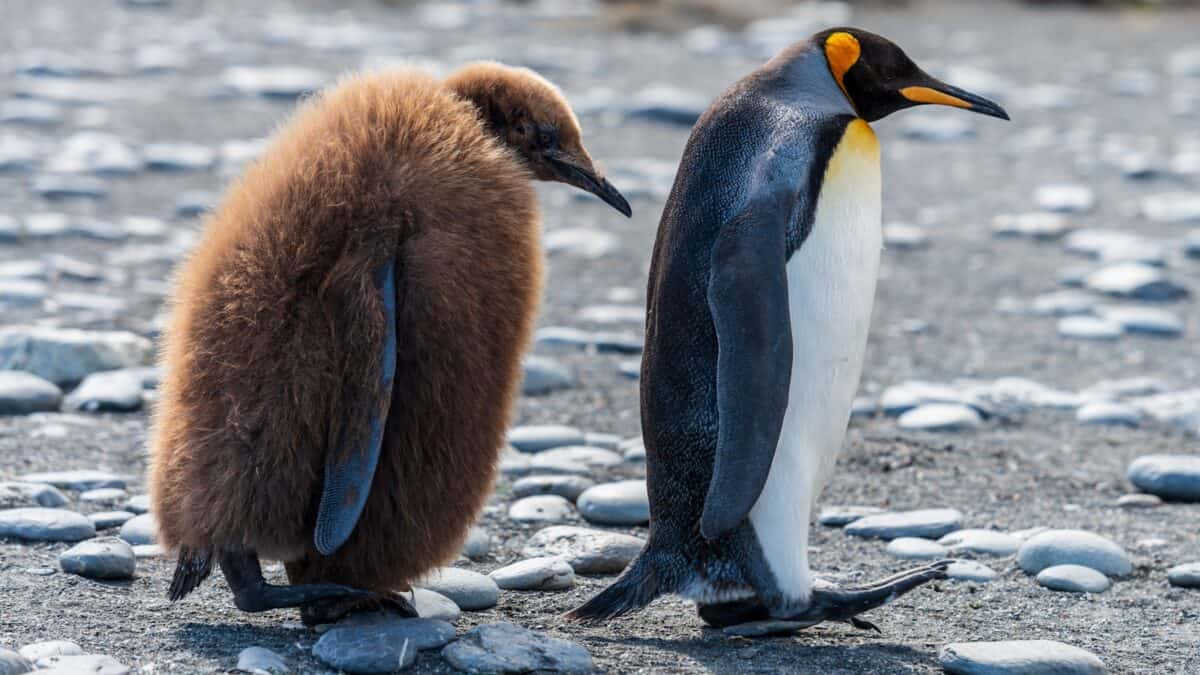
Penguins take cuddling to an extreme level with their impressive huddles that serve both social and survival purposes. In the harsh Antarctic winter, emperor penguins form massive groups where thousands of birds stand pressed against each other, rotating positions so everyone gets a turn in the warmer center of the formation. This remarkable behavior can raise the temperature at the center of the huddle to 70°F (21°C) even when external temperatures plummet to -40°F (-40°C). Beyond this survival strategy, penguins form devoted pairs that engage in mutual preening, nuzzling, and what appears to humans as affectionate behavior. Mated penguin pairs recognize each other through unique vocal calls and maintain physical closeness throughout breeding season. Even in less extreme climates, penguin species worldwide demonstrate similar huddling behaviors, suggesting these cuddles serve social bonding purposes beyond mere warmth.
10. Lions Affectionate Pride Dynamics

Despite their fearsome reputation, lions are exceptionally affectionate within their pride structures. These big cats regularly engage in social grooming, head rubbing, and sleeping in physical contact with one another. Lion cubs are particularly cuddly, piling together for naps and playing in close physical contact that helps develop hunting skills. Adult lions greet each other by rubbing heads and flanks in a behavior called “head bunting” that strengthens social bonds while spreading the pride’s communal scent. Researchers from the University of Minnesota’s Lion Research Center have observed that these physical bonding behaviors correlate with more successful hunting and territorial defense. The affectionate side of lions reflects their highly social nature as one of the few truly social big cats, living in groups that function as extended families where physical affection helps maintain harmony.
9. Manatees Gentle Embraces in the Deep

Manatees, often called “sea cows,” are surprisingly affectionate marine mammals that engage in frequent physical contact with each other. These gentle giants have been observed hugging with their flippers, nuzzling, and swimming in synchronized patterns that keep them in constant gentle contact. Mother manatees are particularly tactile with their calves, cradling them while nursing and guiding them with gentle nudges of their flippers. Despite their solitary reputation, research from the Florida Fish and Wildlife Conservation Commission has documented that manatees often seek out physical contact with others of their kind during cold weather, huddling together in warm water springs. This behavior serves both thermoregulation and social functions. In rehabilitation settings, orphaned manatee calves often cuddle with soft toys or even human caretakers (in controlled environments), demonstrating their need for physical comfort.
8. Wolf Packs The Original Cuddle Puddles
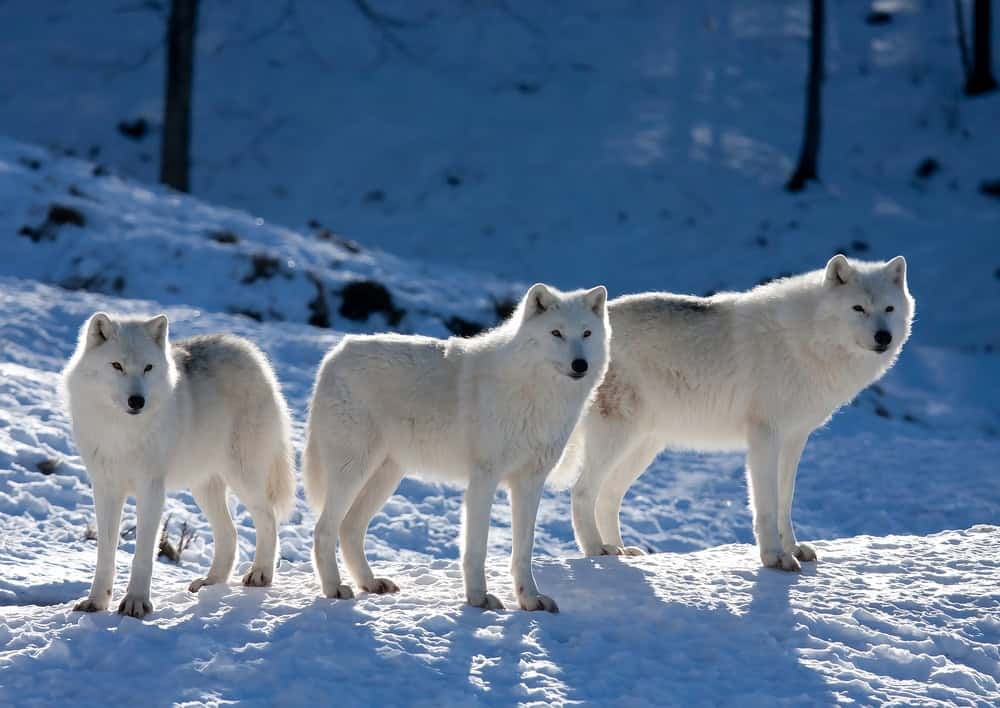
Wolves, ancestors of our domestic dogs, are highly social animals with complex pack structures maintained through physical closeness. Wolf packs sleep together in tight groups called “wolf piles,” particularly in cold weather, with pack members practically stacked on top of each other for warmth and comfort. Beyond practical warming benefits, this close contact reinforces pack hierarchy and strengthens social bonds. Wolf pups are especially cuddly, engaging in play sessions and sleeping entangled with siblings and parents. Dr. L. David Mech, renowned wolf researcher, has documented how these early physical bonding experiences shape the development of proper wolf social behaviors. Adult wolves continue affectionate behaviors throughout life, including face licking, play bows, and leaning against trusted pack mates. This physical intimacy helps explain the strong pack cohesion that makes wolves such successful cooperative hunters.
7. Orangutans The Forest Cuddlers

While often portrayed as solitary apes, orangutans display remarkably affectionate behavior, particularly between mothers and offspring. Orangutan mothers carry their young constantly for the first two years of life, maintaining physical contact almost 24 hours a day. This extended period of physical closeness is among the longest in the animal kingdom. Juvenile orangutans continue to sleep in their mother’s nest until they’re around seven years old. Research from the Tuanan Orangutan Research Project has shown that this prolonged cuddling period is crucial for young orangutans to learn the complex foraging skills needed to survive in the rainforest. In rehabilitation centers, orphaned orangutans often seek out physical comfort from each other and trusted caretakers, forming cuddle groups that mimic natural family units. These intelligent apes have been observed creating “blankets” from leaves and embracing each other during thunderstorms, suggesting cuddles provide emotional comfort during stressful situations.
6. Bats Upside-Down Huggers

Bats might seem like unlikely cuddlers, but many species are extraordinarily social and tactile. Vampire bats, despite their fearsome reputation, have been documented sharing food and engaging in mutual grooming that resembles hugging behavior. These small mammals recognize and preferentially cuddle with family members and “friends” with whom they’ve built reciprocal relationships. Mexican free-tailed bats form enormous colonies where individuals recognize and roost beside specific preferred social partners night after night. A study published in Current Biology revealed that bat pups separated from their mothers make specific distress calls until reunited for cuddling. The thermal benefits of bat cuddling are significant—clustering together helps bats maintain body temperature during torpor states and saves crucial energy during colder months. This combination of practical and social motivations makes bat colonies some of nature’s most impressive cuddling communities.
5. Meerkats Standing Together, Literally
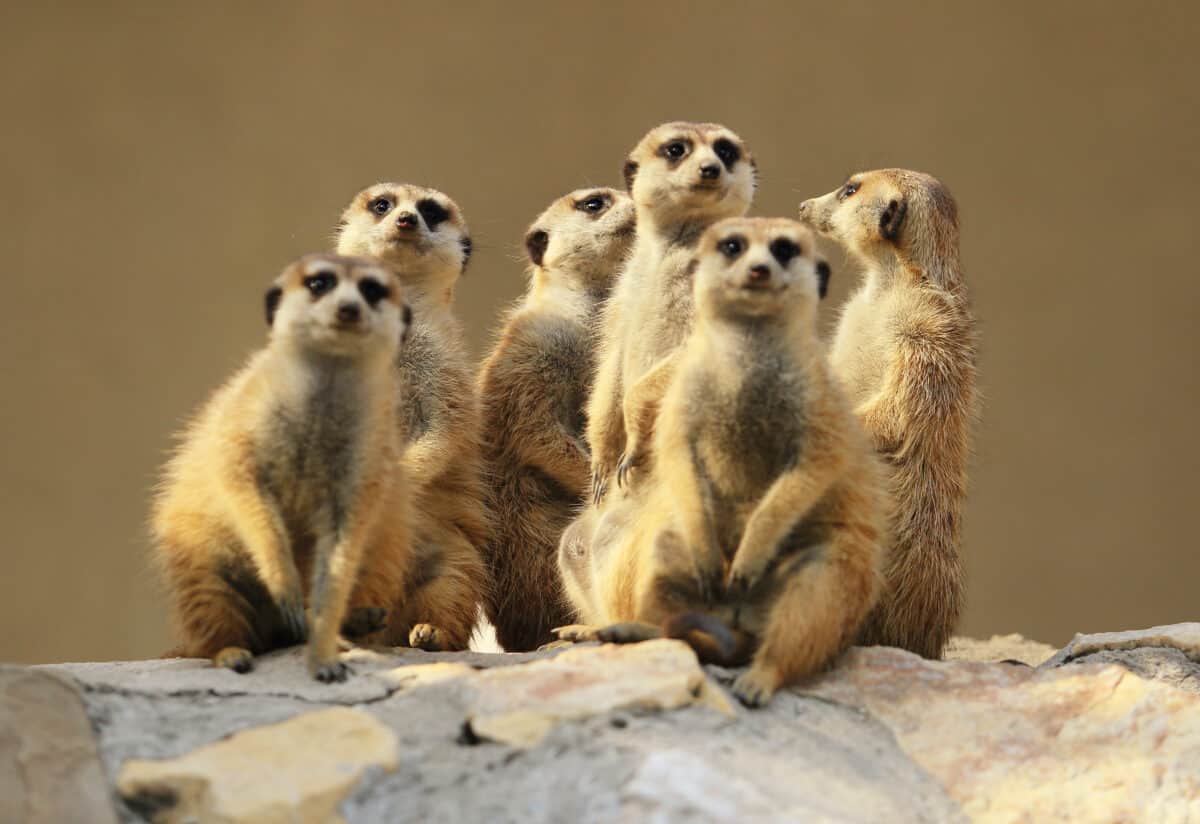
Few animals exemplify group cuddling better than meerkats, the small mongooses famous for their upright sentinel postures. Meerkat families sleep together in underground burrows, piling into tight cuddle groups with up to 40 individuals pressed together for warmth and security. Young meerkats are constantly in physical contact with family members, being carried, groomed, and taught by multiple adults in the clan. Even during active periods, meerkats maintain physical closeness, often standing with their sides touching or their paws on each other’s shoulders. Research from the Kalahari Meerkat Project has shown that these cuddle sessions serve crucial thermoregulatory functions in the desert’s extreme temperature fluctuations. More remarkably, scientists have documented that stressed or injured meerkats receive more physical contact from group members, suggesting comforting intent similar to human consolation behaviors.
4. Sloths Slow-Motion Snugglers

Sloths, despite their reputation as solitary creatures, display surprising cuddling behaviors, particularly between mothers and babies. Baby sloths cling to their mothers’ bodies for the first 6-9 months of life in one of nature’s longest-lasting cuddle sessions. During this extended period, the baby maintains constant physical contact, learning by observing while gaining warmth and protection. Research from sloth sanctuaries in Costa Rica has revealed that orphaned sloths show developmental delays without these extended cuddle periods, highlighting the behavior’s importance beyond mere transportation. While adult two-toed sloths are more social than three-toed varieties, both species have been observed sharing trees and sleeping in close proximity to preferred individuals. In rehabilitation settings, orphaned baby sloths often cuddle with soft toys provided as surrogate mothers, demonstrating their innate need for physical comfort that persists despite their generally solitary adult lifestyle.
3. Dolphins Affectionate Marine Mammals

Dolphins are among the ocean’s most tactile creatures, using physical contact for both social communication and affection. These highly intelligent marine mammals frequently engage in behaviors that resemble cuddling, including swimming in synchronized patterns with bodies touching, rubbing against each other, and what appears to be embracing with their pectoral fins. Mother dolphins maintain near-constant physical contact with their calves, nudging them to the surface for breathing and providing tactile guidance. Research from the Dolphin Communication Project has documented how dolphins use touch to maintain social bonds within their pods, with particular individuals showing preferences for physical contact with specific “friends.” Even more fascinating, dolphins have been observed providing what appears to be comforting physical contact to injured or distressed pod members, suggesting an emotional component to their cuddling behaviors that parallels human empathy.
2. Koalas Professional Huggers

Koalas have mastered the art of embracing as their primary mode of transportation and security. These Australian marsupials are perhaps the most iconic “huggers” in the animal kingdom, wrapping their limbs around eucalyptus trees in their signature pose. Baby koalas, called joeys, spend about six months in their mother’s pouch before transitioning to riding on her back, clinging tightly in what appears to be a perpetual cuddle. This extended physical contact is crucial for joeys to learn feeding behaviors and tree selection. Research from the Australian Koala Foundation has shown that koalas recognize and preferentially cuddle with their relatives, suggesting a social component beyond the practical aspects of this behavior. In wildlife rehabilitation settings, orphaned koalas often cuddle with soft toys that simulate their mother’s fur, demonstrating the psychological importance of this physical contact for normal development and stress reduction.
1. River Otters Playful Pile-Ups

River otters take social cuddling to remarkable levels with their enthusiastic group bonding behaviors. Unlike their sea otter cousins who float while holding paws, river otters form energetic “cuddle puddles” on land, with multiple family members piled together in seemingly joyful tangles. These playful mammals maintain social cohesion through constant physical contact during both rest and play. Mother otters are particularly affectionate, carrying their pups by the scruff and cuddling them close during rest periods. A study from the University of Exeter revealed that river otters form stronger family bonds through these tactile interactions, which correlate with more successful hunting and territory defense. Perhaps most charmingly, river otters have been observed making “slides” along riverbanks that the whole family uses together, literally staying in physical contact even during play. This combination of practical benefit and apparent enjoyment makes river otters among the animal kingdom’s most enthusiastic cuddlers.
Conclusion: Understanding Wild Animal Cuddles Nature’s Lesson in Connection

The cuddling behaviors observed across these diverse wild species reveal important insights about animal cognition and social needs. While we should always respect that wild animals remain wild, understanding their natural affectionate behaviors helps us appreciate the complexity of their emotional lives. Physical closeness serves multiple purposes in animal societies—from practical thermoregulation to social bonding, stress reduction, and emotional comfort. These behaviors remind us that the need for physical connection is a fundamental aspect of mammalian biology, not just a human trait. As we continue to study animal behavior, these touching examples of wild cuddles may help bridge our understanding of how emotional lives evolved across species. Perhaps most importantly, they inspire conservation efforts by highlighting the rich social lives and emotional depth of the creatures with whom we share our planet.

As a little kid, I fell in love with nature, wildlife, and animals. Living in the USA, South Africa, Italy, China and Germany gave me the opportunity to discover the world's Wildlife. My favorite animals are Mountain Gorillas, Siberian Tigers, and Great White Sharks.
I'm a certified PADI Open Water Diver, went to Everest Base Camp and Trekked Gorillas in Uganda. I hold a Master of Science in Economics and Finance.
Please send any feedback to feedback@animalsaroundtheglobe.com
- 15 Wild Animals That Love to Cuddle - July 15, 2026
- 12 Camouflage Kings of the Animal World - July 15, 2026
- 12 Surprising Ways Animals Communicate - July 15, 2026
Leave a comment
You must be logged in to post a comment.