


The United States’ national parks serve as protected havens for thousands of wildlife species, offering visitors extraordinary opportunities to observe animals in their natural habitats. From the towering peaks of Denali to the swampy wilderness of the Everglades, these preserved landscapes harbor an incredible diversity of creatures that captivate wildlife enthusiasts. Whether you’re an avid wildlife photographer, a casual nature lover, or planning your first national park adventure, knowing which animals to look for can enhance your experience tremendously. This guide explores 15 remarkable wild animals you might encounter during your visits to America’s national parks, providing insights into their behaviors, habitats, and the best places to spot them.
American Bison The Iconic Prairie Giants

Once numbering in the tens of millions across North America, the American bison was nearly driven to extinction in the late 19th century. Today, thanks to conservation efforts, approximately 20,000 bison roam on public lands, with Yellowstone National Park hosting the largest wild population. These massive mammals can weigh up to 2,000 pounds and stand six feet tall at the shoulder, making them the largest land mammals in North America. Despite their bulky appearance, bison can run at speeds of up to 35 mph and are surprisingly agile. The best places to spot these magnificent creatures include Yellowstone’s Lamar Valley and Hayden Valley, as well as Theodore Roosevelt National Park in North Dakota and Wind Cave National Park in South Dakota. Remember to maintain a safe distance of at least 25 yards, as these seemingly docile animals can be unpredictable and dangerous when provoked.
Grizzly Bears The Formidable Predators
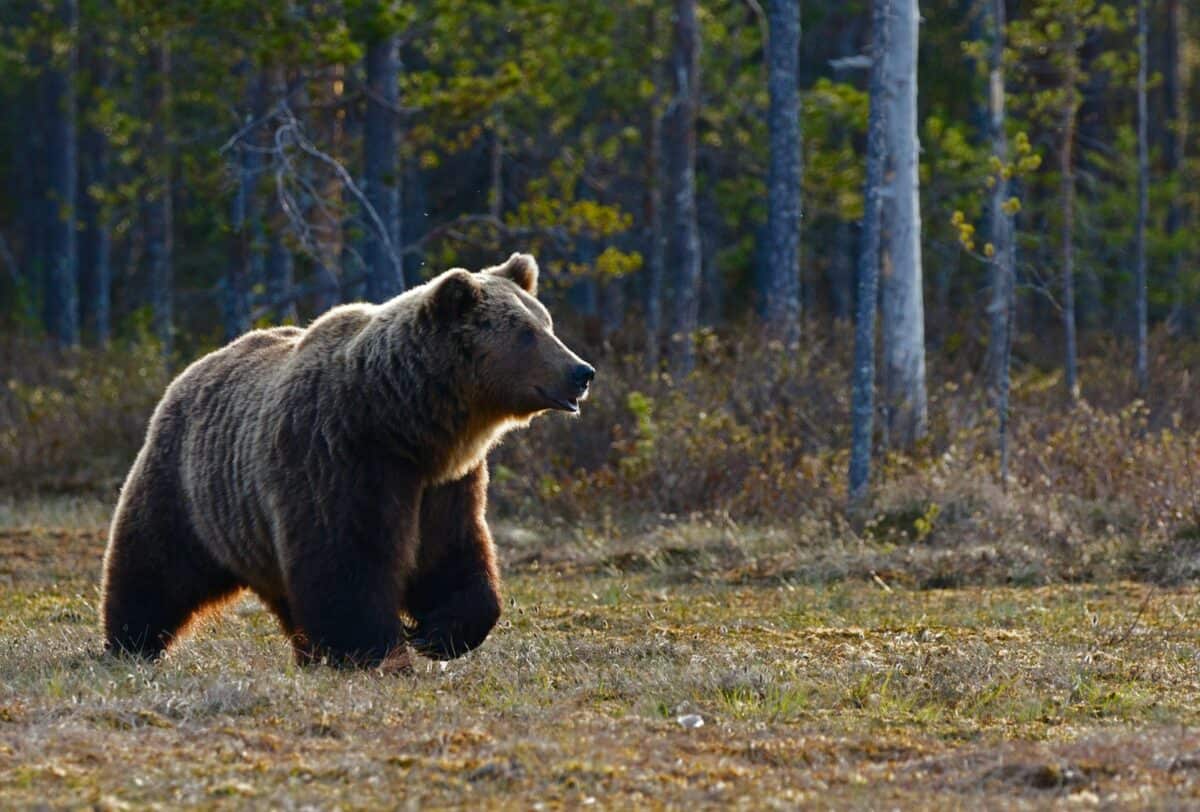
Few wildlife encounters can match the awe-inspiring experience of observing a grizzly bear in its natural habitat. These powerful omnivores, recognizable by their distinctive shoulder hump and dish-shaped face, primarily inhabit the northern reaches of the U.S. National Park system. Glacier National Park in Montana and Yellowstone National Park both support significant populations, with Grand Teton National Park offering occasional sightings as well. Adult males can weigh up to 700 pounds, while females typically reach 350-400 pounds. Their diet varies seasonally from berries and nuts to fish and larger mammals. Early morning and dusk provide the best viewing opportunities, particularly in open meadows and along river corridors during salmon spawning season. Park visitors should always carry bear spray, make noise while hiking, and store food properly to prevent dangerous encounters with these magnificent but potentially dangerous animals.
Gray Wolves The Pack Predators

The successful reintroduction of gray wolves to Yellowstone National Park in 1995 represents one of America’s most celebrated conservation achievements. These highly social predators live in family groups called packs, with complex social structures and sophisticated hunting strategies that allow them to take down prey much larger than themselves. Adult wolves typically weigh between 70-110 pounds and can cover vast territories of up to 1,000 square miles. Yellowstone’s Lamar Valley, often called “America’s Serengeti,” offers the best wolf-watching opportunities in the country, particularly during winter months when wolves are more visible against the snow. Other parks with wolf populations include Isle Royale National Park in Michigan, Voyageurs National Park in Minnesota, and Denali National Park in Alaska. Dawn and dusk provide prime viewing times, and spotting scopes or binoculars are essential tools for wolf watchers, as these cautious predators typically maintain their distance from humans.
Mountain Lions The Elusive Stalkers

Mountain lions, also known as cougars or pumas, represent North America’s largest cats and some of its most elusive predators. These solitary and stealthy hunters inhabit a variety of ecosystems across numerous national parks, including Rocky Mountain, Yosemite, Grand Canyon, and Zion. Despite their widespread presence, mountain lion sightings remain exceedingly rare due to their secretive nature and primarily nocturnal hunting habits. Adult males can weigh up to 150 pounds and measure eight feet from nose to tail tip. These remarkable predators can leap up to 40 feet horizontally and 15 feet vertically, enabling them to ambush prey from concealed positions. They primarily hunt deer but will opportunistically take smaller mammals. If you’re determined to spot one, your best chances come from hiking remote trails at dawn or dusk, particularly in areas with healthy deer populations. However, most park visitors never glimpse these phantom cats, making any sighting a truly extraordinary wildlife experience.
Moose The Wetland Giants

As the largest members of the deer family, moose create an unforgettable impression with their massive size, impressive antlers (on males), and distinctively elongated faces. Standing up to 6.5 feet at the shoulder and weighing up to 1,500 pounds, these solitary browsers prefer wetland habitats where they feed on aquatic vegetation and willows. Unlike many wildlife species, moose can often be observed during midday hours, particularly when feeding in shallow ponds or lakes. The best national parks for moose sightings include Grand Teton and Yellowstone in Wyoming, Isle Royale in Michigan, and Glacier in Montana. However, Denali National Park in Alaska offers perhaps the most reliable moose viewing opportunities. Despite their ungainly appearance, moose are powerful swimmers and can be surprisingly aggressive, particularly cows with calves or bulls during the fall rut. Visitors should maintain a minimum distance of 75 feet and never position themselves between a cow and her calf.
Roosevelt Elk The Forest Monarchs
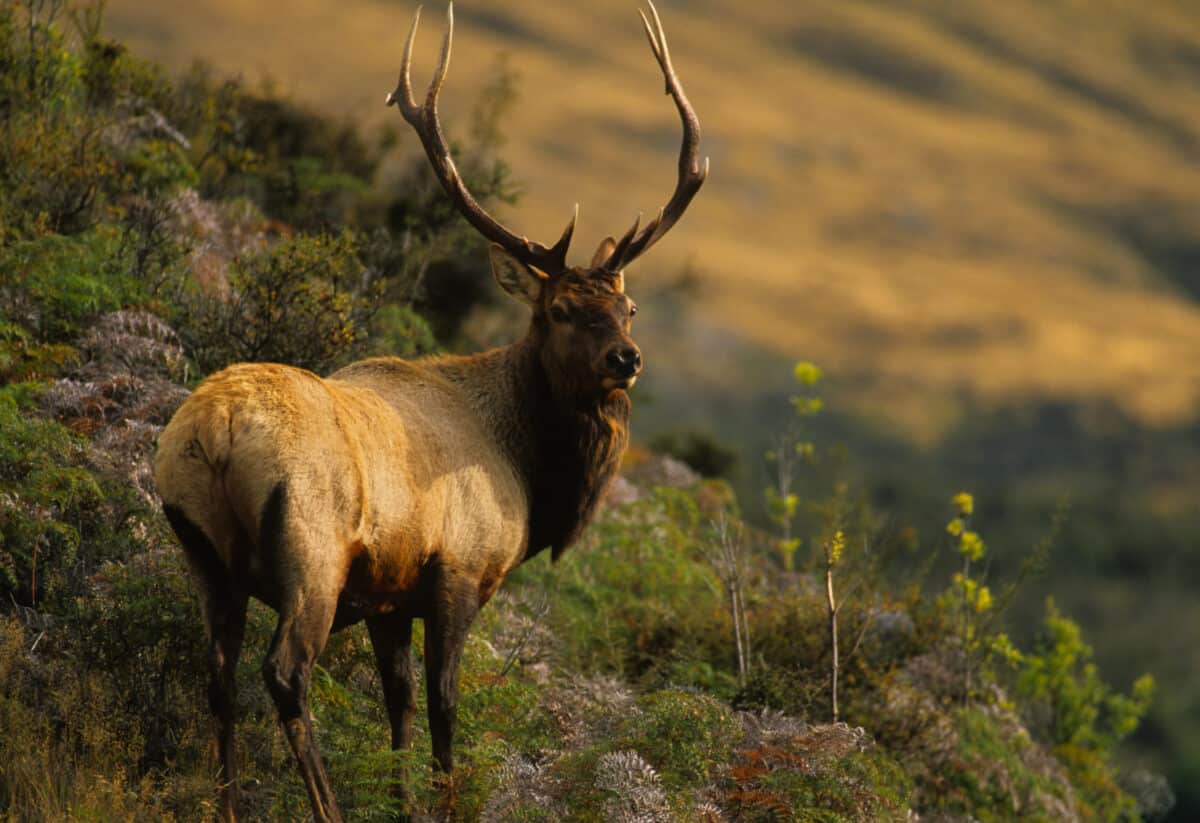
Named after President Theodore Roosevelt, who helped protect them from extinction, Roosevelt elk represent the largest subspecies of North American elk. Olympic National Park in Washington serves as their primary stronghold, where visitors can observe herds grazing in meadows or moving majestically through the temperate rainforest. Adult males can weigh up to 1,100 pounds and grow antlers spanning five feet. During the autumn rut, bull elk engage in spectacular bugling contests and physical confrontations to establish breeding rights. Redwood National Park in California also hosts significant Roosevelt elk populations, with Prairie Creek’s meadows offering some of the most accessible viewing opportunities. The best viewing times are early morning and late evening when the elk are most active. The Hoh Rain Forest in Olympic National Park and the Elk Country area of Redwood National Park provide excellent viewing prospects year-round, though spring offers the added attraction of observing newborn calves taking their first wobbly steps.
American Alligators The Ancient Reptiles

As living relics that have remained virtually unchanged for over 80 million years, American alligators represent one of the most impressive reptiles of North America. Everglades National Park in Florida provides the premier location for viewing these prehistoric predators, with an estimated population exceeding 200,000 throughout the park’s vast wetland ecosystem. Adult males can grow to 13 feet long and weigh more than 800 pounds, though most individuals encountered are considerably smaller. Alligators thrive in freshwater environments and can be readily observed basking along canal banks, swimming through marshes, or floating with just their eyes and nostrils visible above the water’s surface. Other excellent national parks for alligator viewing include Big Cypress National Preserve in Florida and Jean Lafitte National Historical Park in Louisiana. Winter months typically provide better viewing opportunities as cooler temperatures drive alligators to bask more frequently. The Anhinga Trail in Everglades National Park offers virtually guaranteed alligator sightings year-round from the safety of elevated boardwalks.
Bighorn Sheep The Alpine Climbers
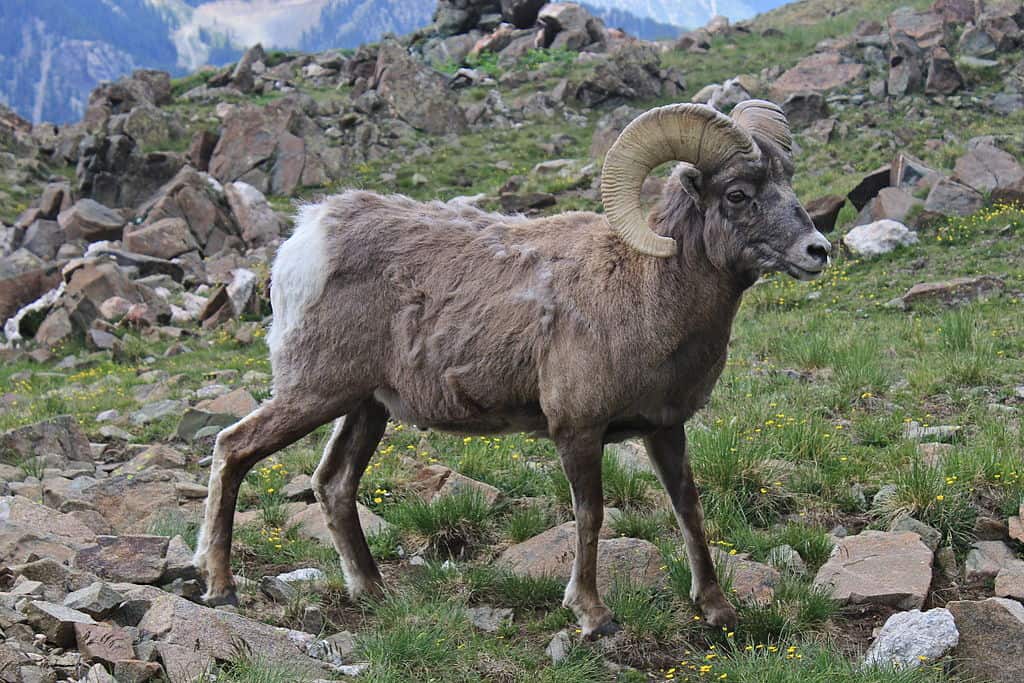
Named for the massive horns that adorn the males, bighorn sheep have captivated park visitors with their remarkable climbing abilities and dramatic mating behaviors. These agile ungulates inhabit some of the most rugged mountain ranges in America’s national parks, including Rocky Mountain, Glacier, Yellowstone, and Grand Teton. Perhaps the most reliable viewing location is Badlands National Park in South Dakota, where the sheep frequently graze alongside park roads. Males (rams) can weigh up to 300 pounds and grow horns that weigh up to 30 pounds. During the fall rut, rams engage in spectacular head-butting contests that can be heard echoing through canyons from considerable distances. The sheep’s specialized hooves, with hard outer edges and soft, grippy centers, allow them to navigate near-vertical cliff faces with astonishing ease. The best viewing opportunities come during early morning and late afternoon, particularly in winter months when the sheep descend to lower elevations. Zion National Park’s eastern portion offers excellent winter viewing along the park road.
Black Bears The Forest Opportunists

Despite their name, black bears can range in color from jet black to cinnamon brown and even blonde in some regions. These adaptable omnivores inhabit more national parks than any other large predator, with significant populations in Great Smoky Mountains, Shenandoah, Yosemite, Sequoia, and many others. Adult males typically weigh between 250-350 pounds, though exceptional individuals can reach 600 pounds. Unlike their grizzly cousins, black bears are excellent climbers and will often send cubs up trees when they sense danger. Their diet consists primarily of vegetation, insects, and berries, supplemented opportunistically with carrion and occasionally live prey. Great Smoky Mountains National Park hosts one of the densest black bear populations in the country, with approximately two bears per square mile. Early morning and evening hours provide the best viewing opportunities, particularly along forested roads and trails. Cades Cove in Great Smoky Mountains and Sequoia’s Giant Forest area offer particularly reliable black bear sightings during summer months.
Pronghorn The Prairie Speedsters

Often incorrectly called “antelope,” pronghorn are unique to North America and represent the continent’s fastest land mammals, capable of sustained speeds approaching 60 mph. These distinctively marked ungulates inhabit open grasslands and sagebrush plains throughout the western United States. Yellowstone National Park’s northern range, Grand Teton’s sagebrush flats, and Theodore Roosevelt National Park all support healthy pronghorn populations. Adults typically weigh 90-150 pounds, with both sexes growing pronged horns (though females’ are much smaller). Unlike deer antlers, pronghorn horns consist of a permanent bony core covered by a keratinous sheath that is shed annually. Their exceptional speed evolved as a defense against now-extinct American cheetahs, leaving pronghorn essentially “overbuilt” for their current predators. Their large eyes positioned on the sides of their head provide nearly 360-degree vision, making them challenging to approach. Pronghorn can be viewed year-round, though spring offers the added attraction of watching newborn fawns, which can outrun humans within days of birth.
cs The Vertical Masters

Few animals embody wilderness and extreme terrain quite like the mountain goat. These sure-footed climbers inhabit some of the most inaccessible alpine regions within America’s national parks, including Glacier, Olympic, and Mount Rainier. Despite their name, mountain goats aren’t true goats but belong to the subfamily that includes chamois and muskox. Their distinctive white coats, black horns, and rectangular pupils create an unmistakable appearance. Adults typically weigh between 125-180 pounds and possess specialized hooves with soft, grippy pads surrounded by sharp edges that provide extraordinary traction on near-vertical surfaces. Glacier National Park offers excellent viewing opportunities, particularly along the Hidden Lake Trail and at Logan Pass. Olympic National Park hosts a non-native population introduced in the 1920s, where Hurricane Ridge provides reliable viewing. These animals demonstrate remarkable climbing abilities, navigating precarious ledges and cliff faces that appear impossible to traverse. Summer months provide the best viewing opportunities when goats ascend to higher elevations to escape heat and insects.
Sea Otters The Coastal Charmers

With their playful behavior and endearing habits, sea otters rank among the most charismatic marine mammals in America’s coastal national parks. These aquatic members of the weasel family spend nearly their entire lives in the ocean, even giving birth and raising pups in kelp forests along the Pacific coast. Channel Islands National Park and Point Reyes National Seashore in California, along with Kenai Fjords National Park in Alaska, offer excellent viewing opportunities. Adult sea otters typically weigh 35-90 pounds and possess the densest fur of any mammal, with up to one million hairs per square inch. This insulating coat is vital, as otters lack the blubber layer that keeps other marine mammals warm. One of their most distinctive behaviors involves floating on their backs while using rocks to crack open shellfish on their chests. Nearly hunted to extinction for their luxurious fur, sea otters have made a remarkable recovery in some areas thanks to protection efforts. Elkhorn Slough near Monterey Bay offers virtually guaranteed sightings, while Alaska’s coastal parks host larger populations of the northern subspecies.
Wild Horses The Living Symbols

Few wildlife sightings evoke America’s frontier spirit quite like encountering free-roaming wild horses galloping across open landscapes. Though not native to North America (having been introduced by Spanish explorers in the 16th century), wild horses have become iconic symbols of freedom and wildness. Assateague Island National Seashore along the Maryland and Virginia coast offers the most accessible wild horse viewing, where approximately 150 ponies roam freely across beaches, salt marshes, and maritime forests. These smaller horses have adapted to survive on the island’s harsh conditions, developing stout bodies and tolerance for the coarse vegetation and brackish water. Theodore Roosevelt National Park in North Dakota also supports bands of wild horses descended from ranch stock, while Arizona’s Tonto National Forest (though not a national park) hosts the famous Salt River wild horses. Unlike truly wild animals, these feral horses descended from domestic stock, yet after generations of natural selection, they’ve developed unique adaptations to their environments. The horses can be observed year-round, though spring offers opportunities to see new foals.
Desert Bighorn Sheep The Heat Adapters
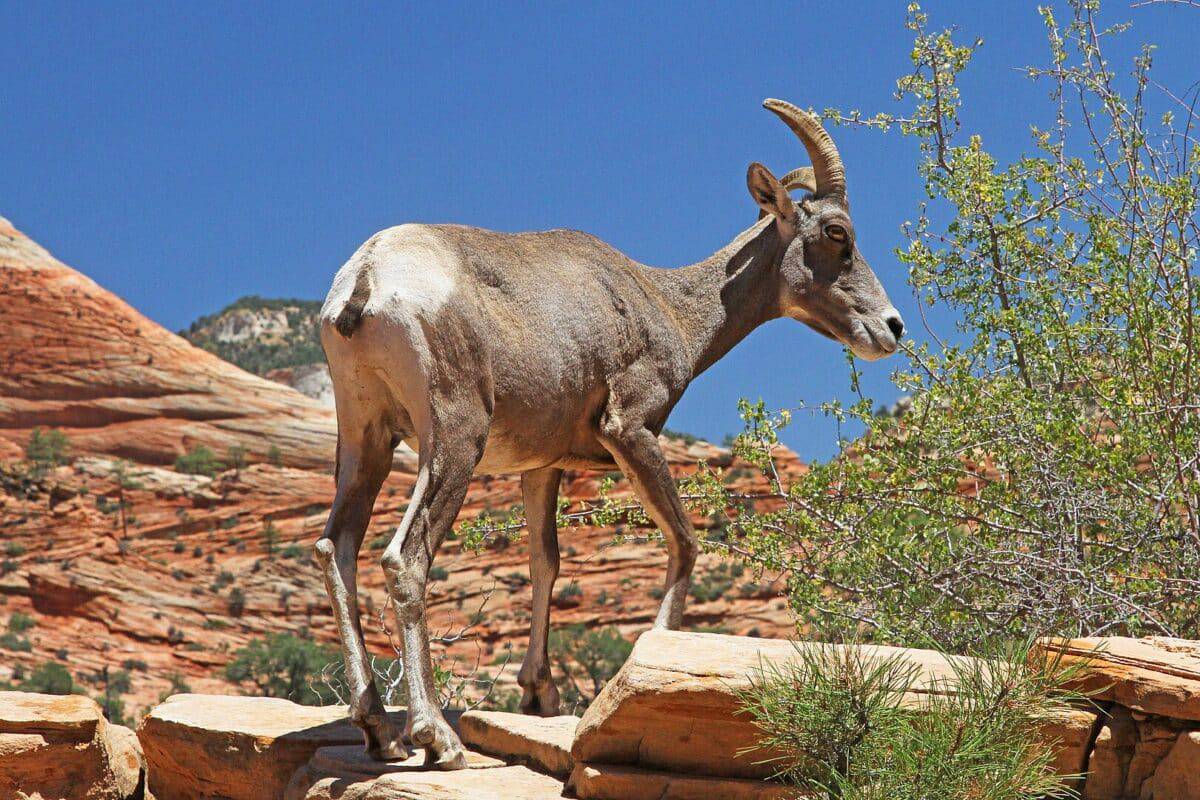
Smaller cousins to their Rocky Mountain relatives, desert bighorn sheep have evolved remarkable adaptations for surviving in some of America’s harshest environments. These resilient ungulates inhabit arid landscapes in parks like Grand Canyon, Zion, Death Valley, and Joshua Tree. Adult rams weigh approximately 175-180 pounds (considerably less than their mountain cousins) and grow distinctive curved horns that can weigh up to 30 pounds. Their specialized digestive systems allow them to extract moisture from desert vegetation, while their ability to go days without drinking water enables survival in extremely arid conditions. The sheep’s light-colored coats reflect sunlight, and they possess enlarged nasal passages that cool incoming air before it reaches their lungs. Grand Canyon National Park’s Desert View area offers reliable sighting opportunities, while Zion’s eastern sections frequently host small bands. Unlike many desert creatures, bighorns remain active during daylight hours, though they typically seek shade during the most intense midday heat. Winter and spring provide the best viewing seasons, particularly near water sources where the sheep congregate more predictably.
Brown Pelicans The Aerial Divers

With their prehistoric appearance and spectacular fishing technique, brown pelicans provide one of the most entertaining wildlife watching experiences in coastal national parks. These massive birds, with wingspans approaching 7.5 feet, plunge dramatically from heights of up to 60 feet to capture fish beneath the water’s surface. Gulf Islands National Seashore along Florida and Mississippi, Channel Islands National Park in California, and Everglades National Park all offer excellent pelican viewing opportunities. Despite their ungainly appearance on land, pelicans demonstrate remarkable grace in flight, often gliding in formation just inches above the waves. Their most distinctive feature, the expandable throat pouch, can hold up to three gallons of water and fish, which the bird drains before swallowing its catch. After being driven to the brink of extinction by DDT poisoning in the mid-20th century, brown pelicans have made a remarkable recovery, with populations now stable or increasing throughout their range. Viewing is possible year-round in southern parks, with breeding season (spring and early summer) offering opportunities to observe nesting colonies and adults feeding young.
Conclusion: America’s Wildlife Treasures

Exploring U.S. national parks offers more than just scenic beauty—it provides a front-row seat to the diverse and fascinating wildlife that call these landscapes home. Whether you catch a glimpse of a grizzly in Yellowstone, a manatee in the Everglades, or a bighorn sheep in Zion, each sighting deepens your connection with nature. Respecting these animals and their habitats ensures that future generations can enjoy the same awe-inspiring encounters. So pack your binoculars, tread lightly, and get ready to witness the wild wonders of America’s great outdoors.

From exploring the marine wonders in the Azores and witnessing the vast savannas of Kenya, to delving deep into the rich biodiversity of South Africa and traversing iconic landscapes in Australia and the US like Yellowstone, Chris's experiences are vast.
With a penchant for diving alongside sharks, the ocean holds a special place in his heart.
Through his academic insights, he champions wildlife conservation, striving with 'Animals Around The Globe' to cultivate a profound connection between humans and animals, enhancing our mutual appreciation.
Connect with him at Feedback@animalsaroundtheglobe.com.
- 10 Cat Breeds That Are Known for Their Intelligence - June 25, 2026
- How Monkeys Are Trained in Certain Cultures—And the Ethics Behind It - June 25, 2026
- The Most Venomous Snakes Slithering Through the Backwoods of Alabama - June 25, 2026