
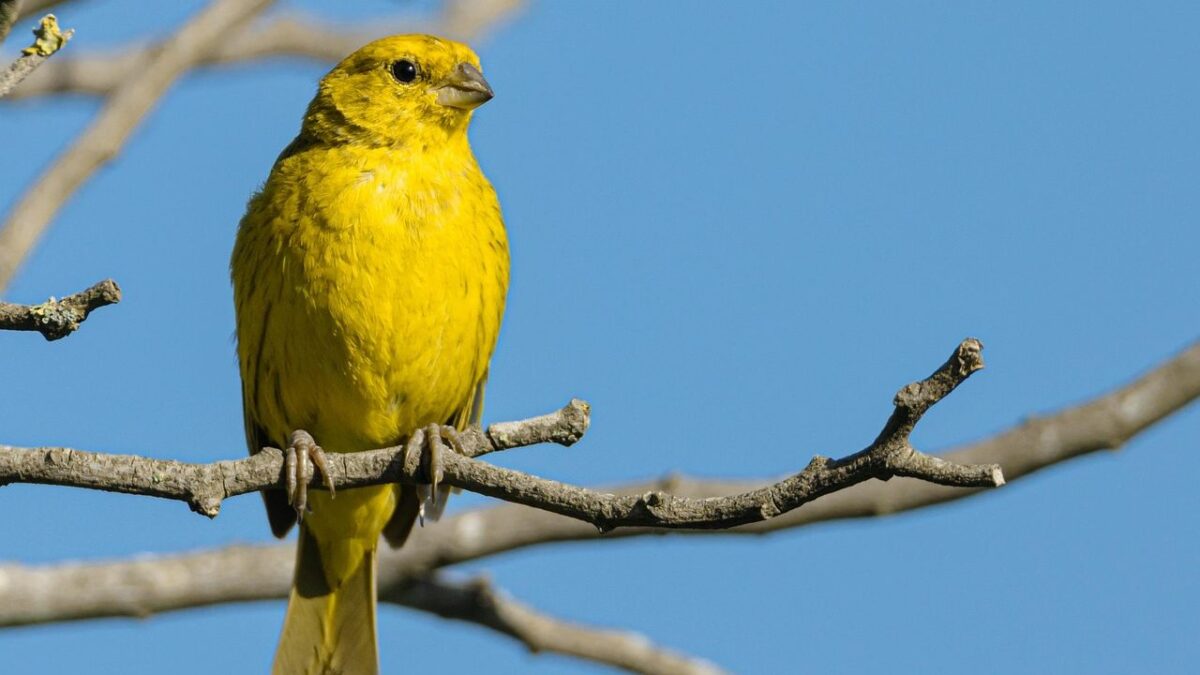
Spring in America’s national parks bursts with life as migratory birds return, filling the air with songs and colors you won’t forget. Picture yourself hiking a desert trail or scanning canyon rims, heart racing at the glimpse of something extraordinary. These parks shelter some of the rarest feathers on the continent, especially now in 2026 as warmer days draw them north.
From endangered giants to tiny jewels, eight standouts await patient eyes. Grab your binoculars. Let’s uncover where to find them.
California Condor in Grand Canyon National Park
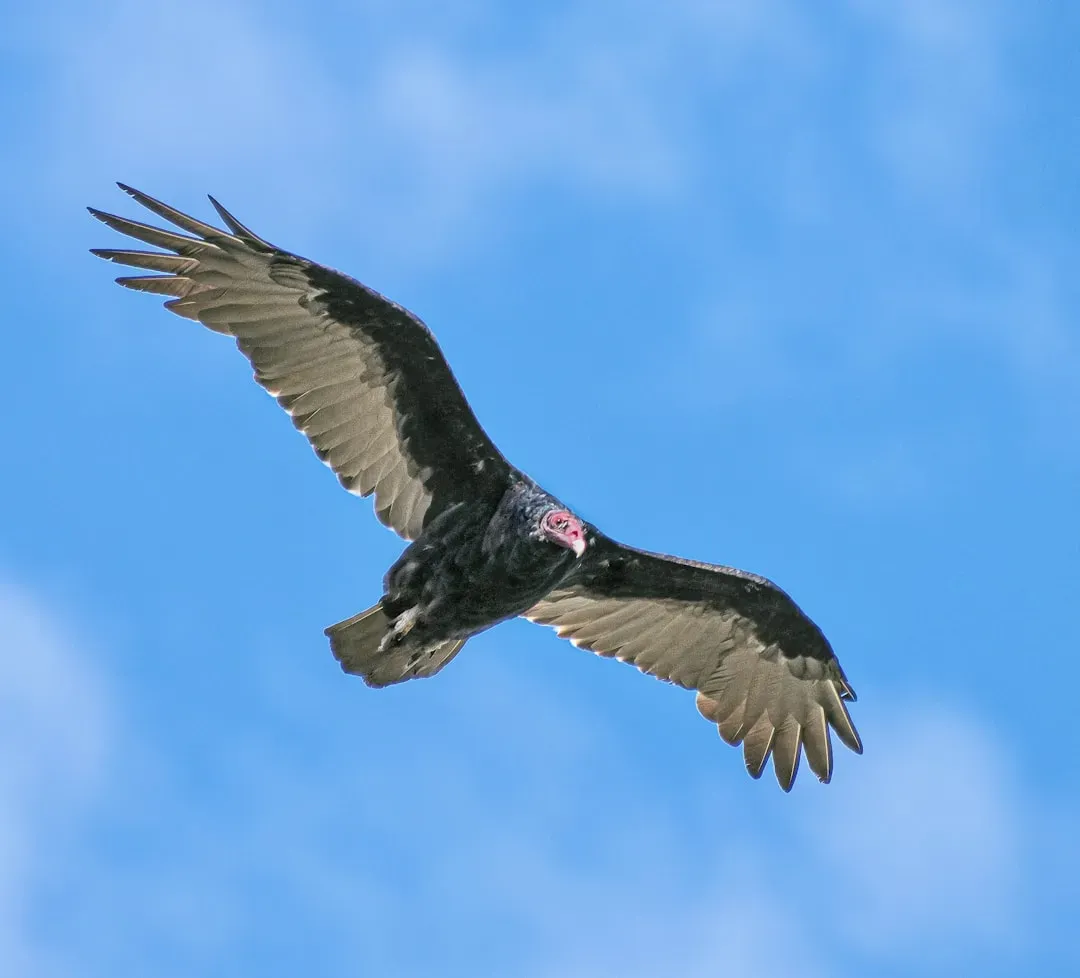
This massive vulture, with a wingspan pushing ten feet, teeters on the edge of extinction but thrives here thanks to recovery efforts. Spot them gliding silently over the canyon rims in spring, when thermals lift them high.[1][2]
Head to the South Rim trails early morning for the best views. Honestly, seeing one feels like witnessing a prehistoric survivor. Their bald heads and black feathers make them unmistakable against the red rock.
Colima Warbler in Big Bend National Park
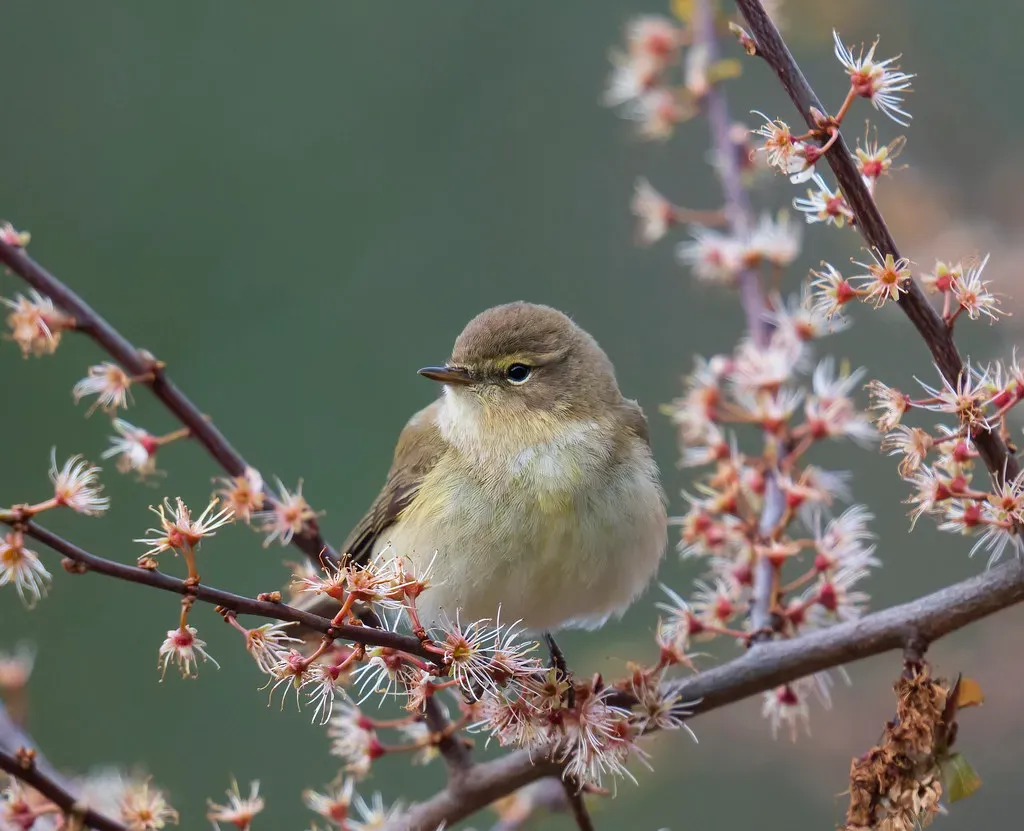
One of the U.S.’s rarest breeders, this warbler nests only in Big Bend’s high Chisos Mountains during spring. Listen for its sharp song echoing through oak woodlands as it arrives from Mexico.[1]
Hike the Boot Canyon Trail in April or May, where they’re most reliable. Here’s the thing: this spot marks their sole U.S. stronghold. Olive-green plumage blends perfectly with the greenery.
Patience pays off amid the wildflowers.
Snail Kite in Everglades National Park
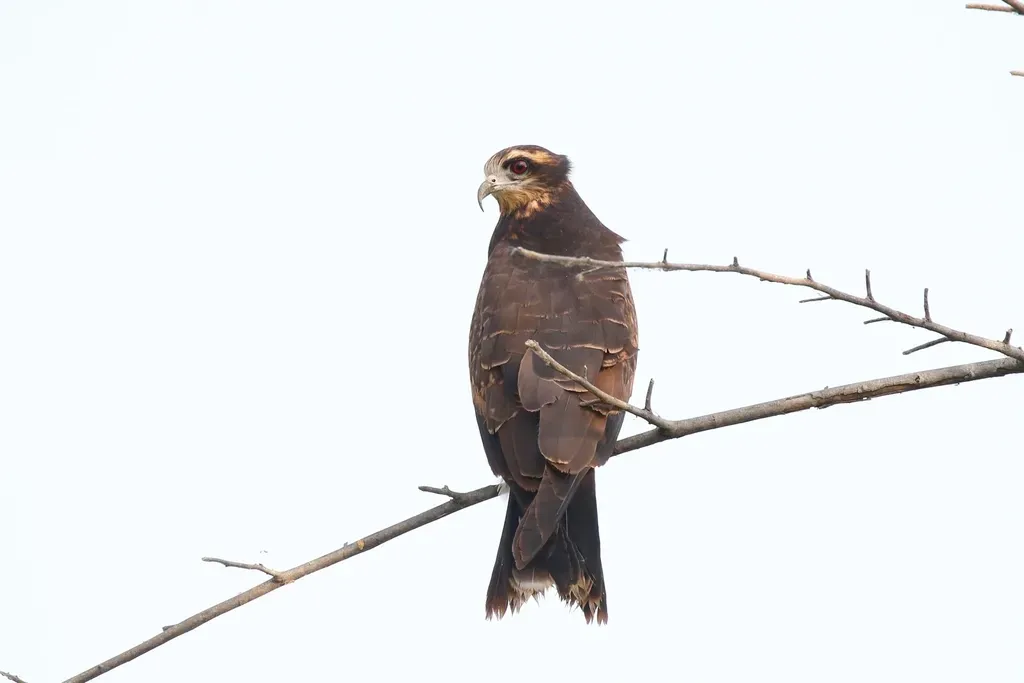
Slim and hawk-like, the snail kite hunts apple snails in the sawgrass marshes, a sight straight out of a nature documentary. Spring floods bring them out, hovering low over the water.[3]
Visit the Anhinga Trail at dawn for close encounters. I think their hooked bills and white tails scream elegance in this wild wetland. Endangered status makes every sighting precious.
Island Scrub-Jay in Channel Islands National Park
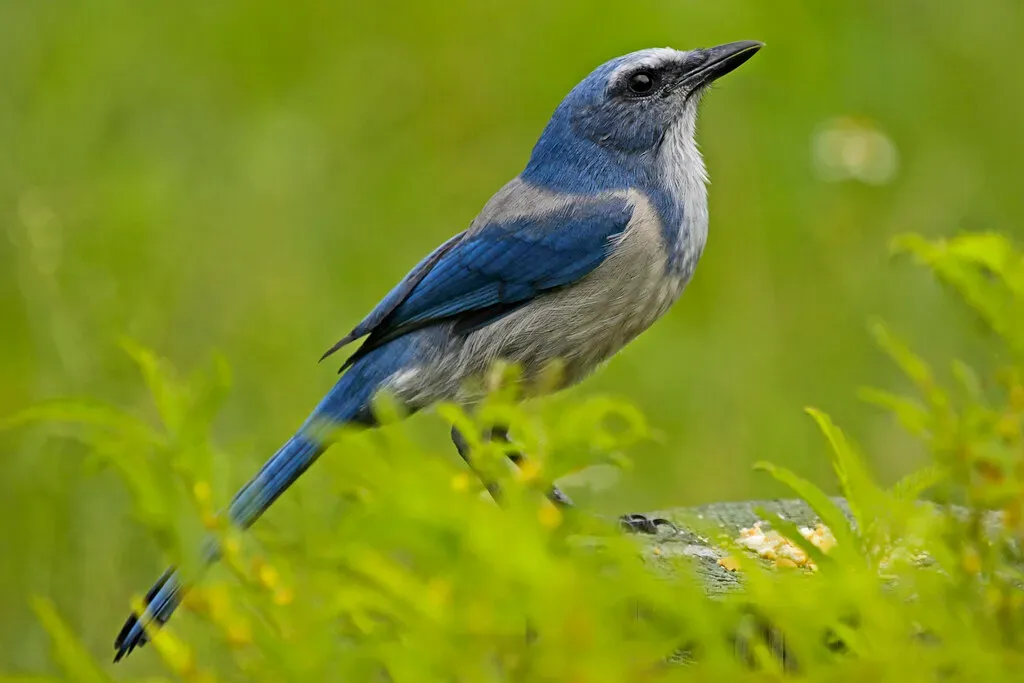
Endemic to Santa Cruz Island, this bold blue jay chatters from scrub oaks, unafraid of visitors. Spring breeding season amps up their activity on island trails.[3][4]
Ferry over and explore the island’s backcountry. No other place in America hosts them. Their acrobatic hops and piercing calls steal the show.
It’s like stepping into an isolated world.
Marbled Murrelet in Redwood National and State Parks
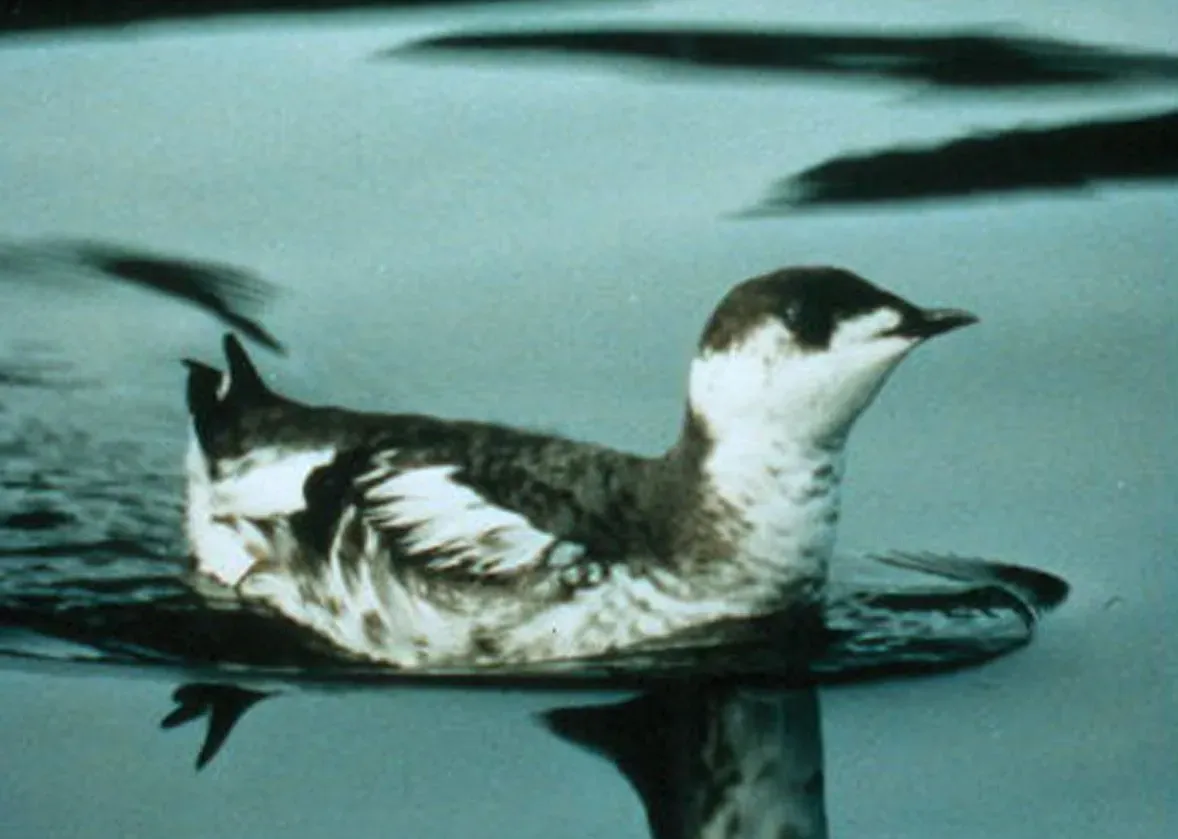
This quirky seabird nests high in old-growth redwoods, diving for fish offshore before vanishing into the canopy. Spring marks their nesting peak amid misty forests.[3]
Scan tall trees near the coast or watch from beaches. Threatened and secretive, they’re a thrill for sharp-eyed birders. Mottled plumage camouflages them masterfully.
Nēnē Goose in Haleakalā National Park
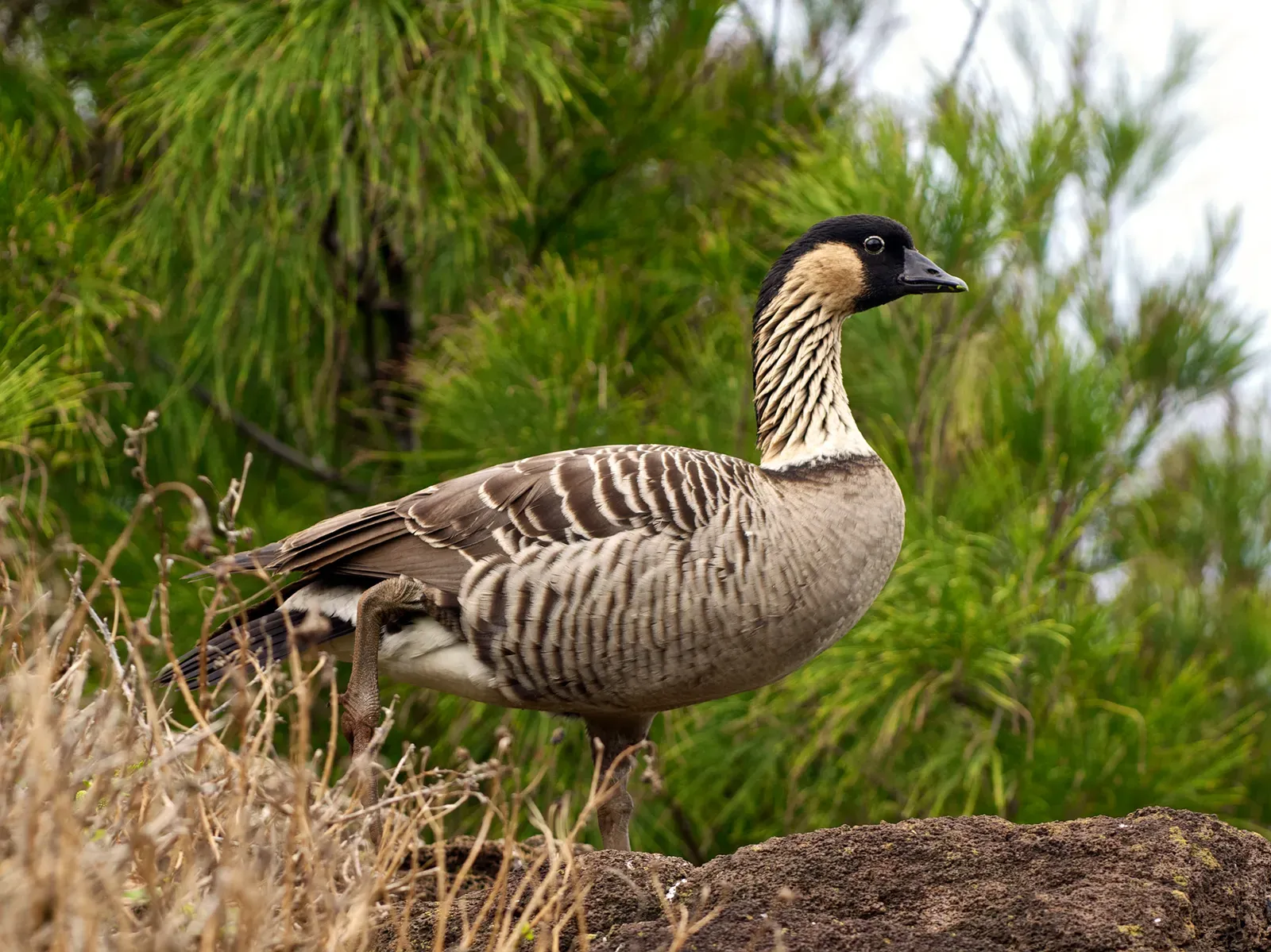
Hawaii’s state bird, the nēnē wanders volcanic slopes and grasslands, honking softly. Spring sees families foraging in the crater’s unique habitat.[1]
Drive the summit road or hike Hosmer Grove. Endangered and vocal, they embody island resilience. Gray-brown feathers with black bars stand out against lava rock.
Keep distance to protect these gentle giants.
Lucifer Hummingbird in Big Bend National Park
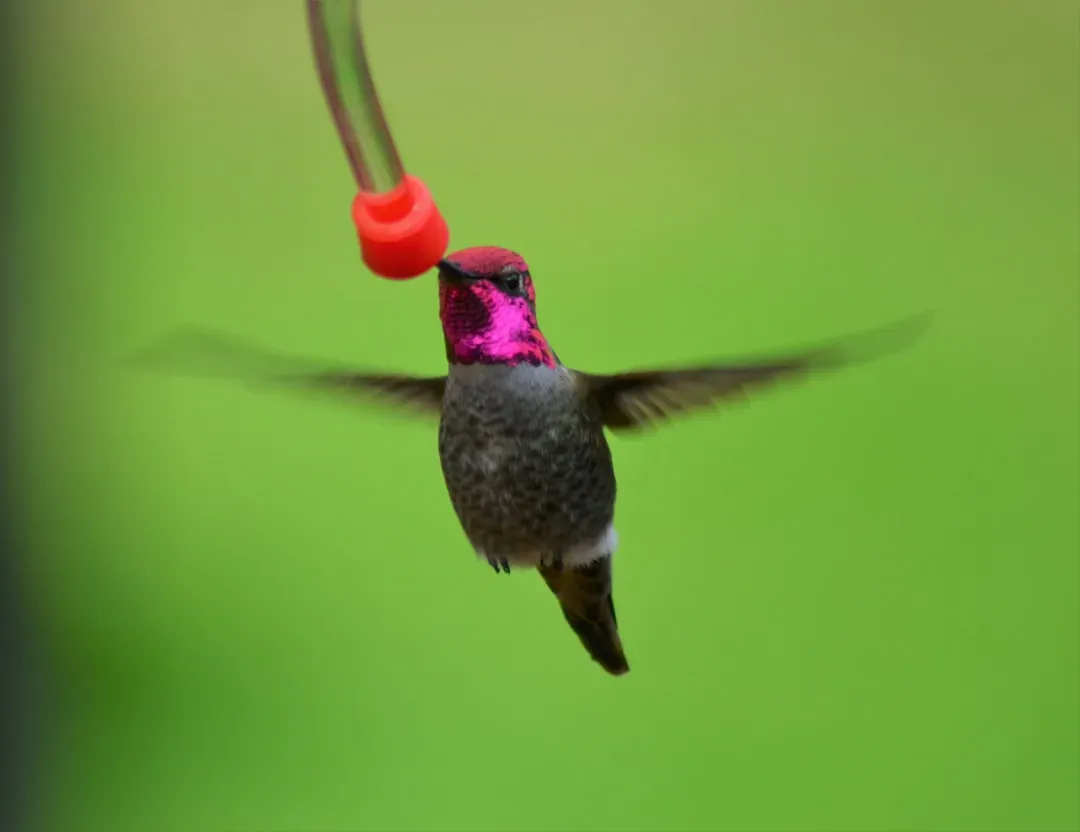
Tiny but fiery, this hummer flashes purple throat gorget and long tail during spring courtship. Desert oases draw them to nectar-rich flowers.[4]
Stake out at Rio Grande Village in April. Rare north of the border, their zippy flights mesmerize. I know it sounds crazy, but they hover like living jewels.
Yuma Clapper Rail in Grand Canyon National Park
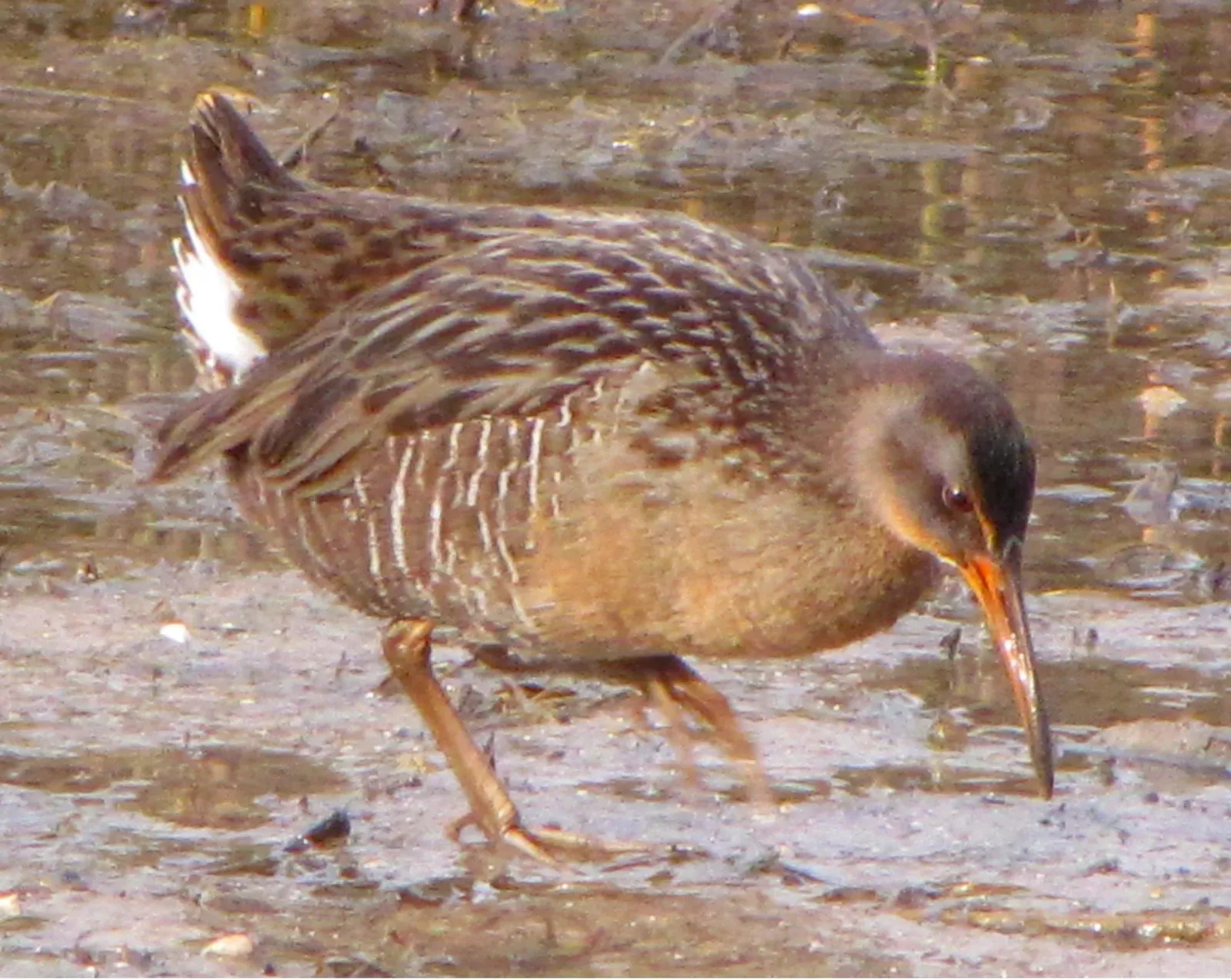
A secretive marsh dweller, this rail skulks through riparian thickets along the Colorado River. Spring nights echo with their clattering calls.[1][2]
Listen from river trails below the dam. Endangered and elusive, glimpses reward the quiet observer. Streaked brown bodies hide in reeds perfectly.
Why Chase These Feathered Gems?
U.S. national parks in spring offer unmatched access to birds fighting for survival amid stunning backdrops. Each sighting connects you to conservation triumphs and fragile ecosystems. It’s not just birding; it’s a call to protect wild places.
What rare bird would you hunt first? Share your park plans in the comments.

- 8 Myths About Surviving a Tornado - June 25, 2026
- 11 Incredible Birds That Migrate Thousands of Miles Every Year - June 25, 2026
- 8 Simple Gardening Tips That Work Anywhere - June 25, 2026