


Worried about unexpected vet bills?
Pet insurance can cover thousands in unexpected vet costs. Get a free quote from Lemonade in under 2 minutes.
Get My Free Quote →Sponsored · Opens Lemonade.com
The animal kingdom is full of remarkable adaptations, but few are as impressive as the heightened sense of smell many predators possess. While humans rely heavily on vision, many predators have evolved extraordinary olfactory capabilities to detect prey from astonishing distances, often long before visual confirmation is possible. These evolutionary advantages help predators track, hunt, and survive in their respective environments. For these animals, your scent travels like a beacon, announcing your presence well before you come into view. Let’s explore 15 wild predators whose sense of smell gives them a hunting edge that would make any human seem sensorially deprived by comparison.
The Science Behind Predatory Smell
Before diving into specific animals, it’s important to understand the biological mechanisms that make these extraordinary olfactory abilities possible. Most predators have a specialized olfactory epithelium—the tissue containing scent receptors—that is significantly larger than humans’. The average human has about 5-6 million scent receptors, but this pales in comparison to most predators. Additionally, many predators possess a vomeronasal organ (also called Jacobson’s organ), which detects pheromones and other chemical signals that humans cannot perceive. This organ connects to a different part of the brain than the main olfactory system and allows predators to essentially “taste” scents in the air. The combination of more receptors and specialized organs means these animals experience a world dominated by smells rather than sights.
15. Polar Bears Arctic Scent Detectives
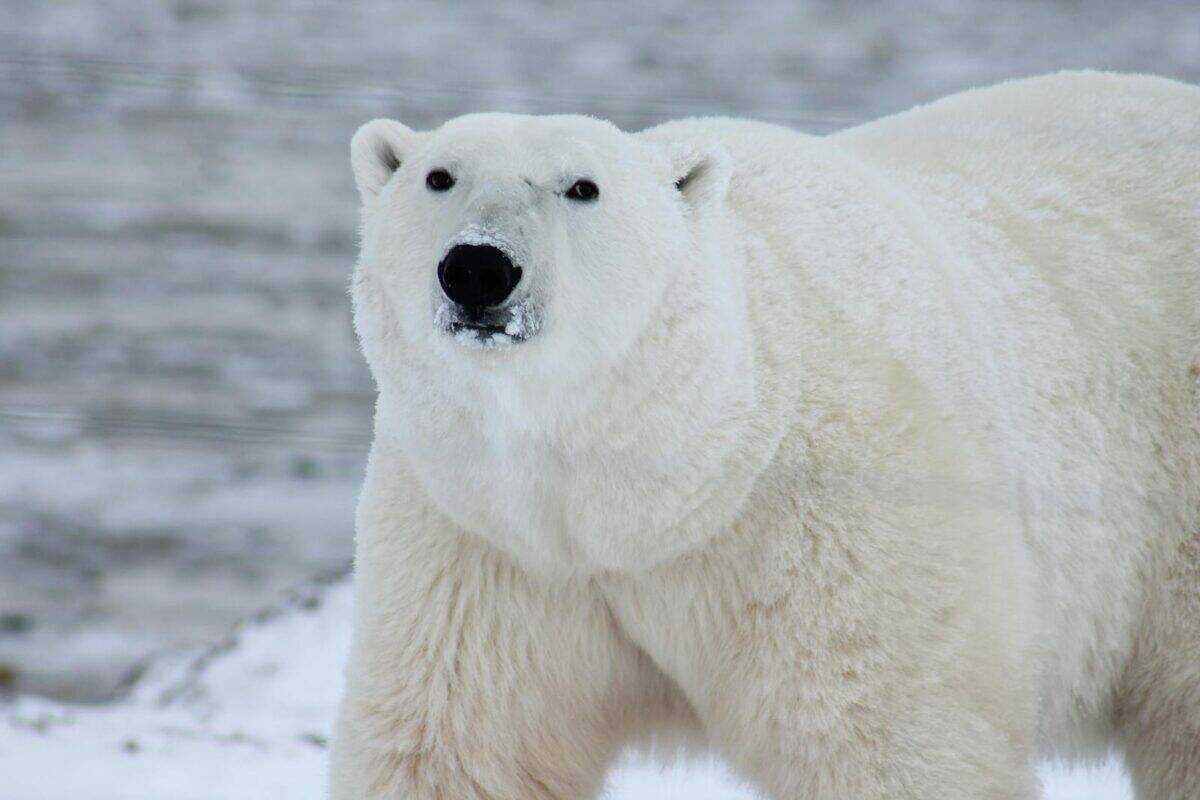
Polar bears possess one of the most powerful senses of smell in the animal kingdom. These Arctic predators can detect seals, their primary prey, through ice that’s 3 feet thick and from distances of up to 20 miles away. Their elongated snout houses an extensive nasal cavity lined with specialized scent receptors that are particularly attuned to detecting fatty seal blubber—a critical food source in their harsh environment. This remarkable ability helps them conserve energy in their frigid habitat by hunting efficiently. Human scent is particularly noticeable to polar bears, which is why Arctic travelers are advised to maintain substantial distances. Their olfactory prowess is so refined that they can distinguish between different types of seals and even determine a female seal’s reproductive status by scent alone.
14. Sharks The Ocean’s Olfactory Masters

Sharks have earned their reputation as the oceans’ most feared predators partly due to their extraordinary sense of smell. Their nostrils, located on the underside of their snout, serve only a sensory function (unlike humans, who use the same passage for breathing). Great white sharks can detect a single drop of blood in 25 gallons of water and can sense blood from up to three miles away. Their brain dedicates about two-thirds of its sensory processing to smell, compared to the mere 0.1% that humans allocate. Different shark species have varying olfactory abilities, with hammerhead sharks possessing possibly the most acute sense—their wide-set nostrils can detect directional scent gradients, allowing them to track prey with pinpoint accuracy. Even human perspiration contains compounds that sharks can detect, which is why divers are cautioned against diving while bleeding.
13. Gray Wolves Tracking Kilometers Downwind
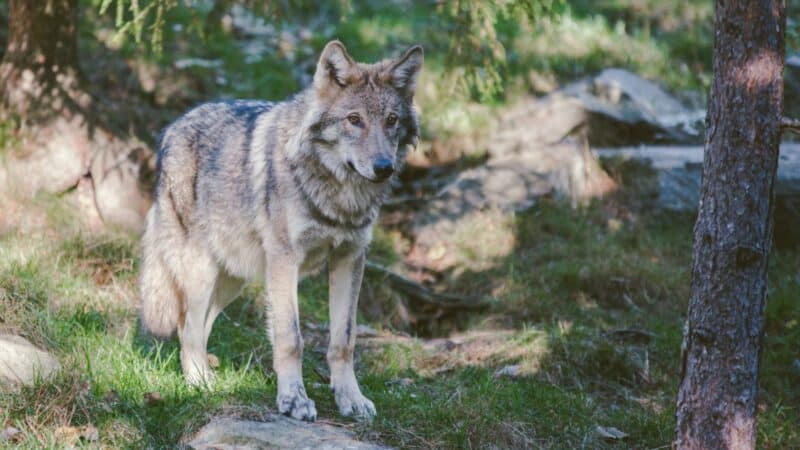
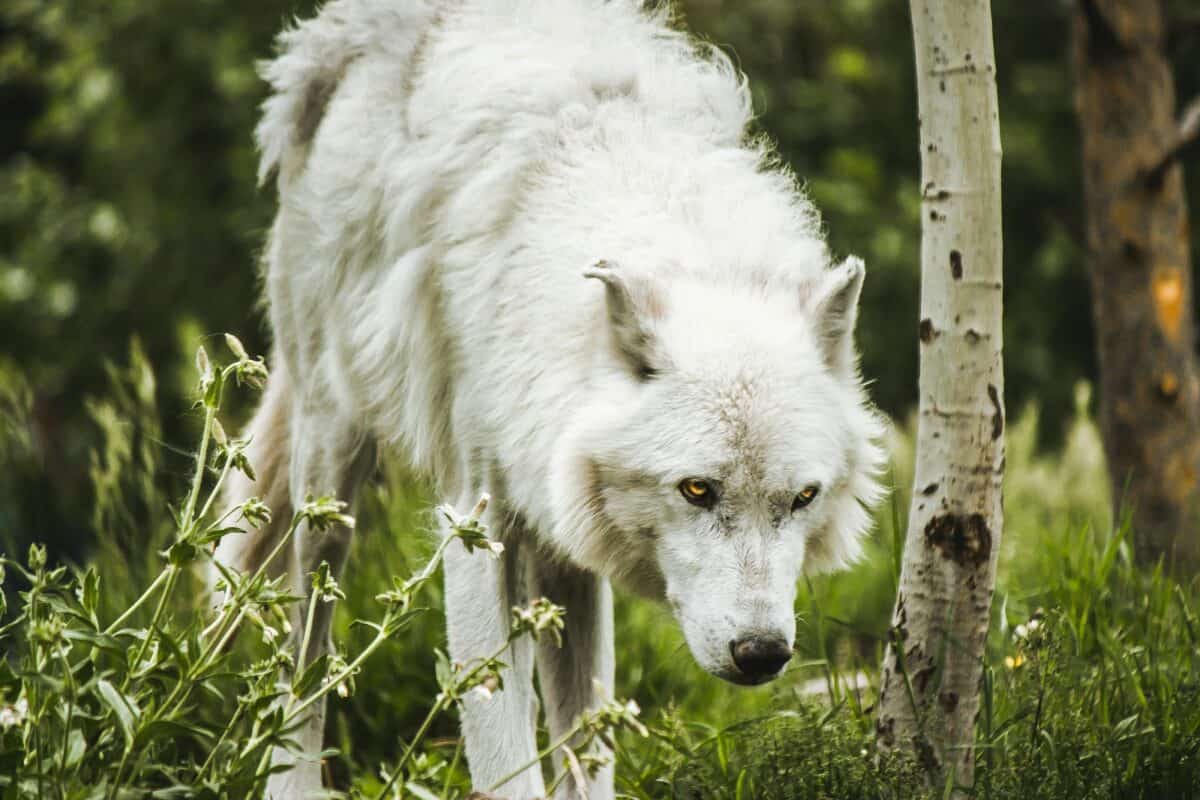
Gray wolves represent a pinnacle of olfactory evolution among terrestrial mammals. With approximately 200 million scent receptors (compared to our measly 5-6 million), wolves can detect odors up to 100 times better than humans. Under ideal conditions, they can smell prey more than 1.5 miles away. Wolf packs use this incredible ability to track prey across vast territories, sometimes following scent trails that are several days old. Their sense of smell is so refined that they can detect subtle hormonal changes in prey animals, allowing them to identify vulnerable individuals within a herd. Wolves also use scent for complex social communication within their packs, creating an invisible landscape of olfactory information. For a human hiking in wolf territory, your scent typically reaches the wolves long before any visual or auditory detection occurs.
12. American Black Bears Forest Sniffers

The American black bear possesses an olfactory system estimated to be seven times more sensitive than a bloodhound’s, which is already 300 times more sensitive than a human’s. These opportunistic omnivores can detect food sources from over a mile away under favorable wind conditions. Their impressive nasal architecture includes a large, moist nose with millions of scent receptors and an expanded area of the brain dedicated to processing smells. This remarkable ability helps black bears locate everything from berries and nuts to carrion and human food scraps. Campers in bear country are well-advised to use bear-proof containers and proper food storage techniques, as bears can smell food sealed in containers. Their ability to detect human presence through scent is one reason why surprised encounters sometimes occur—the bear has been aware of the human long before being spotted.
11. Mountain Lions Silent Stalkers with Superior Scent

Mountain lions (also known as cougars or pumas) combine stealth with exceptional olfactory capabilities. While their sense of smell isn’t quite as developed as some other predators on this list, it still far exceeds human capabilities. These solitary hunters can detect prey from over half a mile away under favorable conditions. Mountain lions use their sense of smell not only for hunting but also for maintaining their complex territory systems through scent marking. They can detect the subtle hormonal changes in the urine of potential mates or rival cats. For humans hiking in mountain lion territory, the cats can often smell human presence long before visual contact. Their sophisticated olfactory system helps these ambush predators determine the best hunting approach based on prey location, wind direction, and terrain features, making them particularly effective hunters.
10. Grizzly Bears Nature’s Ultimate Sniffers
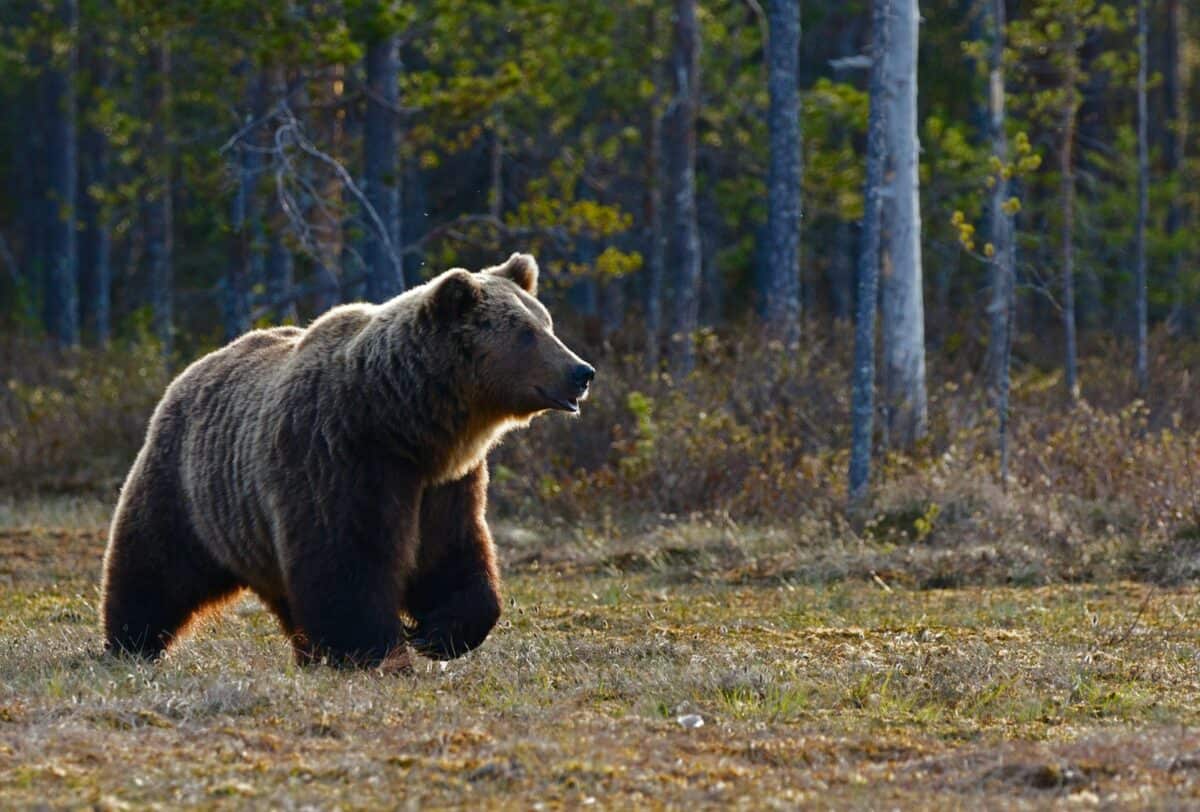
Grizzly bears possess perhaps the most acute sense of smell of any terrestrial mammal. Their olfactory prowess is estimated to be 2,100 times better than humans, allowing them to detect food sources from up to 20 miles away. A grizzly’s prominent nose houses millions of scent receptors within an enlarged nasal cavity, and nearly one-third of their brain is devoted to analyzing smells. This extraordinary ability helps them locate everything from buried roots and bulbs to spawning salmon and carcasses beneath several feet of snow. Grizzlies can detect human scent particles days after a person has left an area, making them acutely aware of human presence in their territory long before visual contact. Researchers studying grizzlies must employ elaborate scent-masking techniques to get close observations, though the bears almost always know they’re there anyway.
9. Snakes Chemical Sensors Beyond Smell
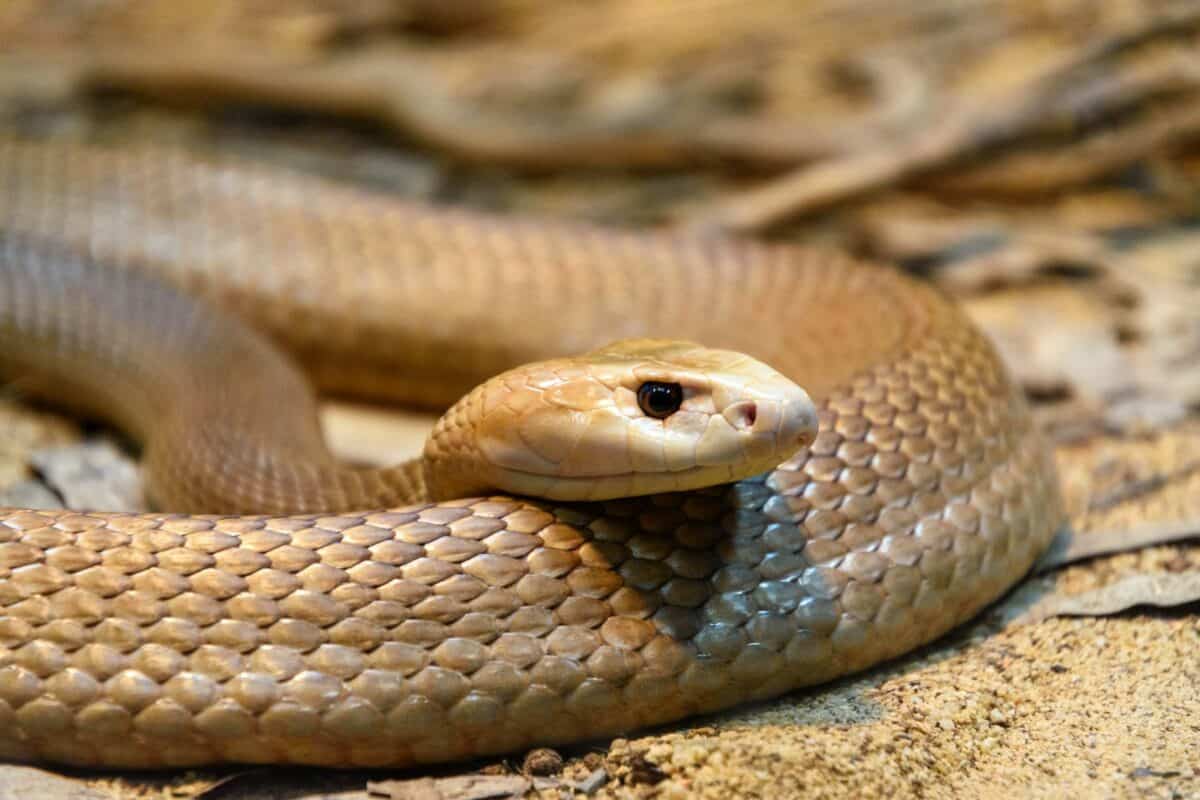
Snakes detect scents in a manner fundamentally different from mammals, using a specialized organ called the vomeronasal or Jacobson’s organ. When a snake flicks its forked tongue, it’s collecting airborne particles which are then transferred to this organ located in the roof of the mouth. This system allows many predatory snakes to track prey across substantial distances and even follow scent trails left hours earlier. Pit vipers like rattlesnakes combine this chemical sensing with infrared detection, creating a comprehensive sensory picture of their environment. Some species of snakes can detect certain prey pheromones in concentrations of just a few parts per trillion. Human scent is easily detectable to most snakes, though contrary to popular belief, they’re generally more interested in avoiding humans than tracking them. The unique dual-pronged tongue allows snakes to determine the direction of a scent, functioning as a sophisticated three-dimensional chemical sensor.
8. African Wild Dogs Synchronized Hunting Noses
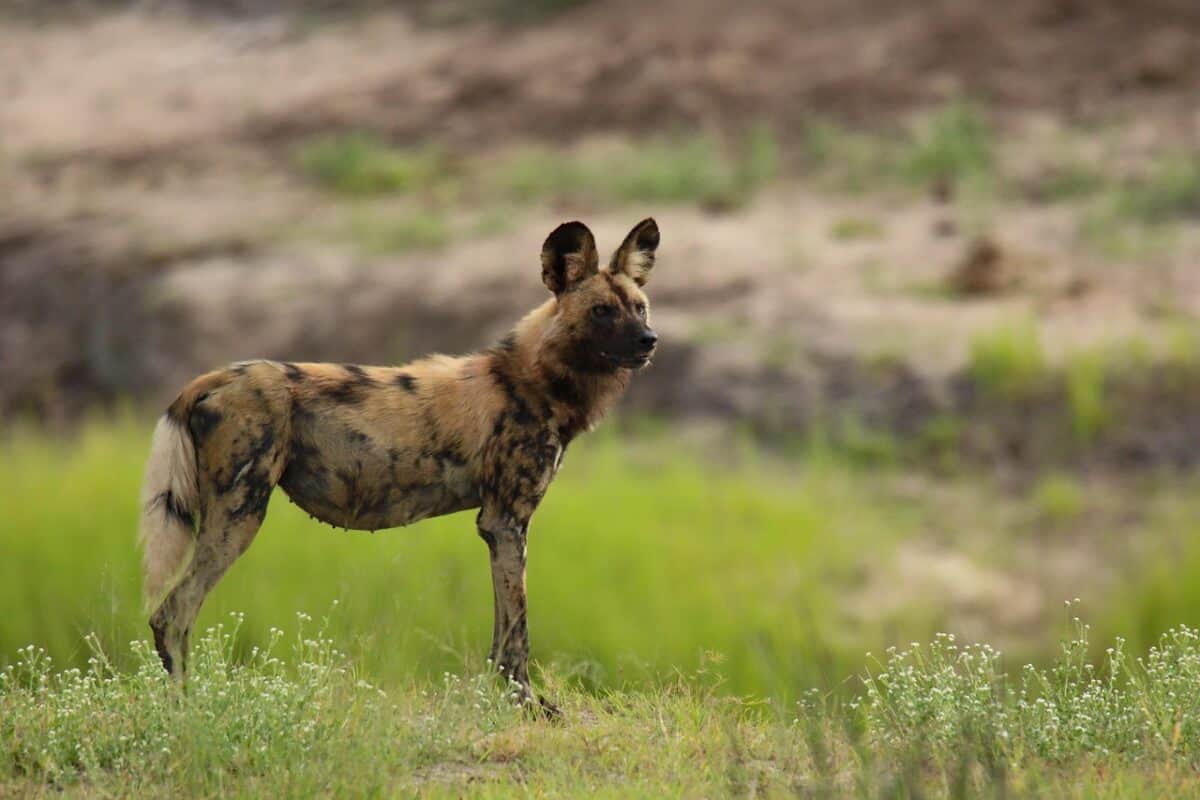
African wild dogs possess an extraordinary sense of smell that helps make them one of Africa’s most successful hunters, with a prey capture rate exceeding 80%. Their elongated snouts house complex nasal turbinates with millions of scent receptors that can detect prey from over a mile away. These social hunters use their olfactory abilities cooperatively, with pack members spreading out to cover more ground while tracking scent trails. Their large, rounded ears work in concert with their nose, allowing them to triangulate both sound and scent. African wild dogs can detect subtle differences in the hormonal composition of prey urine, helping them identify vulnerable individuals. They can follow a scent trail at speeds of up to 35 mph, making quick adjustments based on airborne scent particles. Human scent is easily detected by these predators, though they rarely view humans as prey, instead typically avoiding human contact whenever possible.
7. Hyenas Laughing Predators with Serious Noses

Spotted hyenas, despite their reputation as scavengers, are skilled hunters with an extraordinary sense of smell. Their wet, black noses contain highly developed olfactory bulbs that can detect carrion from up to 4 miles away. The hyena’s sense of smell is so refined that they can detect the difference between the territorial markings of clan members versus outsiders. Their complex nasal architecture includes enlarged turbinates—intricate, scroll-shaped bones that increase the surface area available for scent receptors. This allows hyenas to detect prey underground or hidden in dense vegetation. Hyenas use scent marking extensively for territorial communication, with specialized anal glands producing a paste that contains individual identification information. Their ability to detect humans through smell helps explain why hyenas often seem to appear mysteriously at campsites—they’ve been tracking human presence through scent long before making themselves visible.
6. Komodo Dragons Ancient Chemical Trackers

Komodo dragons represent one of the most sophisticated chemical detection systems in the reptile world. These massive lizards use a vomeronasal organ similar to snakes, sampling the air with their forked tongues to capture scent particles. What makes their system remarkable is the long, yellow forked tongue that can extend far from their mouth, collecting chemical information which is then transferred to sensory organs in the roof of their mouth. Komodo dragons can detect carrion from up to 2.5 miles away, even when the scent is being carried downwind. Their chemical sensing is so precise they can follow prey animals that have fled after being bitten, sometimes tracking them for days until the victim succumbs to the bacteria and venom in the Komodo’s bite. These predators can detect human scent easily, which researchers believe contributes to their surprising awareness of human presence in their territory.
5. Wolverines Small Predators with Mighty Noses

Don’t let their small size fool you—wolverines possess one of the most impressive olfactory systems in the weasel family. These tenacious predators can detect carrion buried under 20 feet of snow, a remarkable ability that helps them survive in harsh alpine and arctic environments. Their specialized nasal structure includes enlarged turbinate bones that increase the surface area available for scent receptors, allowing them to detect minute scent particles even in freezing conditions. Wolverines use their powerful sense of smell to locate hibernating mammals and cached food supplies during winter scarcity. They can follow the scent trail of larger predators like wolves and bears to scavenge kills. For humans traveling in wolverine territory, these animals can detect your presence from considerable distances, especially if you’re carrying food. Their ability to smell through deep snow layers is particularly important for locating carcasses during the harsh winter months when food is scarce.
4. Bobcats Stealth Hunters With Refined Noses

Bobcats may not have the most powerful sense of smell among predators, but their olfactory capabilities are still approximately 14 times more sensitive than humans’. These medium-sized cats combine their moderate sense of smell with exceptional hearing and vision to become effective hunters. Bobcats use their sense of smell primarily for detecting prey at closer ranges (within about 50-100 yards) and for complex social communication through scent marking. Their nasal structure includes a specialized vomeronasal organ that detects pheromones from potential mates and rival bobcats. While primarily visual and auditory hunters, bobcats can detect human scent easily, which explains why these shy predators are rarely seen by humans despite living in relatively close proximity to human settlements. Their ability to detect human scent helps them maintain their characteristic elusiveness—they often know you’re in the area long before you have any idea they’re nearby.
3. Coyotes Adaptable Predators With Versatile Noses
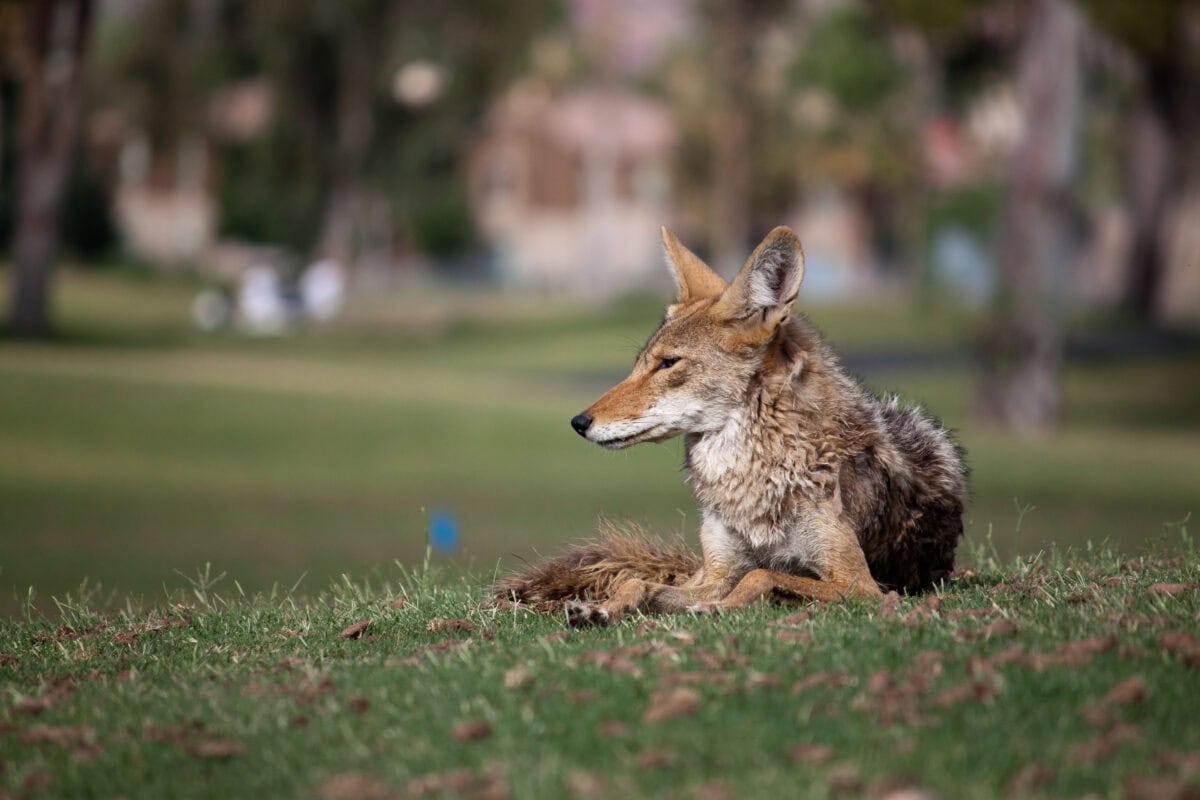
Coyotes have successfully adapted to diverse environments across North America partly due to their impressive olfactory capabilities. With an estimated 220 million scent receptors (compared to a human’s 5-6 million), coyotes can detect prey concealed underground or beneath snow. Their elongated snout houses complex nasal turbinates that increase the surface area available for scent detection, allowing them to pick up minute odor particles. Coyotes use their sense of smell not only for hunting but also for navigation and complex social interactions through scent marking. Their olfactory system is sensitive enough to detect rodents moving underground, which they can then pounce on with remarkable precision. Coyotes can easily smell humans from hundreds of yards away, though they typically avoid human contact. Their ability to detect scents from potential threats helps explain their remarkable adaptability and success in environments ranging from deserts to urban areas.
2. Tigers Big Cats With Powerful Noses

Tigers, while primarily visual hunters, possess a sense of smell estimated to be 25-30 times more acute than humans. Their specialized scent glands and receptors allow them to detect prey from distances exceeding half a mile under favorable conditions. Tigers use their olfactory abilities for hunting, territorial marking, and identifying potential mates. The characteristic “flehmen response”—where a tiger curls back its upper lip to expose the vomeronasal organ—allows these big cats to analyze complex scent information like the reproductive status of other tigers. Tigers mark their territory extensively with urine, feces, and secretions from special scent glands, creating an invisible boundary detectable by other tigers. Their ability to detect human scent is well-documented, with tigers often aware of human presence long before visual contact. This sensory advantage helps explain why these solitary predators can effectively patrol and defend territories spanning hundreds of square kilometers.
1. Foxes The Canids With Specialized Scent Skills

Red foxes and their relatives possess highly specialized olfactory capabilities that allow them to detect prey beneath snow or soil. With approximately 100 million scent receptors, foxes can pinpoint the exact location of mice or voles moving underneath snow cover, performing their characteristic “mousing leap” with remarkable precision. Their elongated snout houses complex nasal turbinates that dramatically increase the surface area available for scent detection. Foxes use scent marking extensively for territorial communication, with special emphasis on marking prominent landscape features to maximize scent dispersal. Their sense of smell is so refined that they can detect field mice from about 40 yards away under favorable conditions. Foxes can easily detect human scent from several hundred yards, particularly in open terrain with favorable winds. Their ability to combine olfactory information with acute hearing makes them particularly effective hunters in low-visibility conditions like dense fog or darkness.
Conclusion: The Evolutionary Advantage of Superior Smell
The remarkable olfactory capabilities of these predators represent millions of years of evolutionary refinement. These adaptations provide crucial survival advantages, from locating food and avoiding danger to finding mates and defending territory. Unlike humans, who evolved as primarily visual creatures with color vision and forward-facing eyes, these predators developed enhanced olfactory systems that allow them to detect chemical signals at astonishingly low concentrations. This sensory specialization represents different evolutionary paths—humans devoted brain power to complex visual processing and higher cognitive functions, while many predators allocated substantial neural resources to analyzing scent information. For animals that hunt in low-light conditions or track prey over vast distances, a superior sense of smell provides an indispensable survival tool. The next time you’re in wildlife territory, remember that even if you can’t see these remarkable predators, there’s a good chance they’ve already smelled you from distances that seem almost supernatural by human standards.
Worried about unexpected vet bills?
Pet insurance can cover thousands in unexpected vet costs. Get a free quote from Lemonade in under 2 minutes.
Get My Free Quote →Sponsored · Opens Lemonade.com

As a little kid, I fell in love with nature, wildlife, and animals. Living in the USA, South Africa, Italy, China and Germany gave me the opportunity to discover the world's Wildlife. My favorite animals are Mountain Gorillas, Siberian Tigers, and Great White Sharks.
I'm a certified PADI Open Water Diver, went to Everest Base Camp and Trekked Gorillas in Uganda. I hold a Master of Science in Economics and Finance.
Please send any feedback to feedback@animalsaroundtheglobe.com
- 13 Popular Dog Breeds Vets Secretly Wish You’d Stop Choosing - June 11, 2026
- 11 Bizarre Things Hummingbirds Secretly Love (But Most Gardeners Ignore) - June 11, 2026
- 12 Differences Between Old World and New World Monkeys - June 10, 2026