

There’s a moment every trainer dreads. A family walks in with a six-month-old puppy they clearly adore – and just as clearly can no longer handle. The dog is gorgeous. The kids are exhausted. The furniture is destroyed. And the parents have that look: equal parts guilt and desperation. It happens more than most people realize, and it almost always starts the same way: someone fell in love with a breed’s appearance before understanding its actual personality.
The first few weeks with a new puppy are deceptively easy. Then month six arrives, and the real dog shows up. The one with the energy, the drive, the instincts, the stubbornness – the one the Instagram photos never warned you about. Trainers have watched this pattern repeat across thousands of households, and they’re done being polite about it. Here are the 16 breeds that fool families the hardest, ranked from surprising to genuinely shocking.
#16 – Siberian Husky
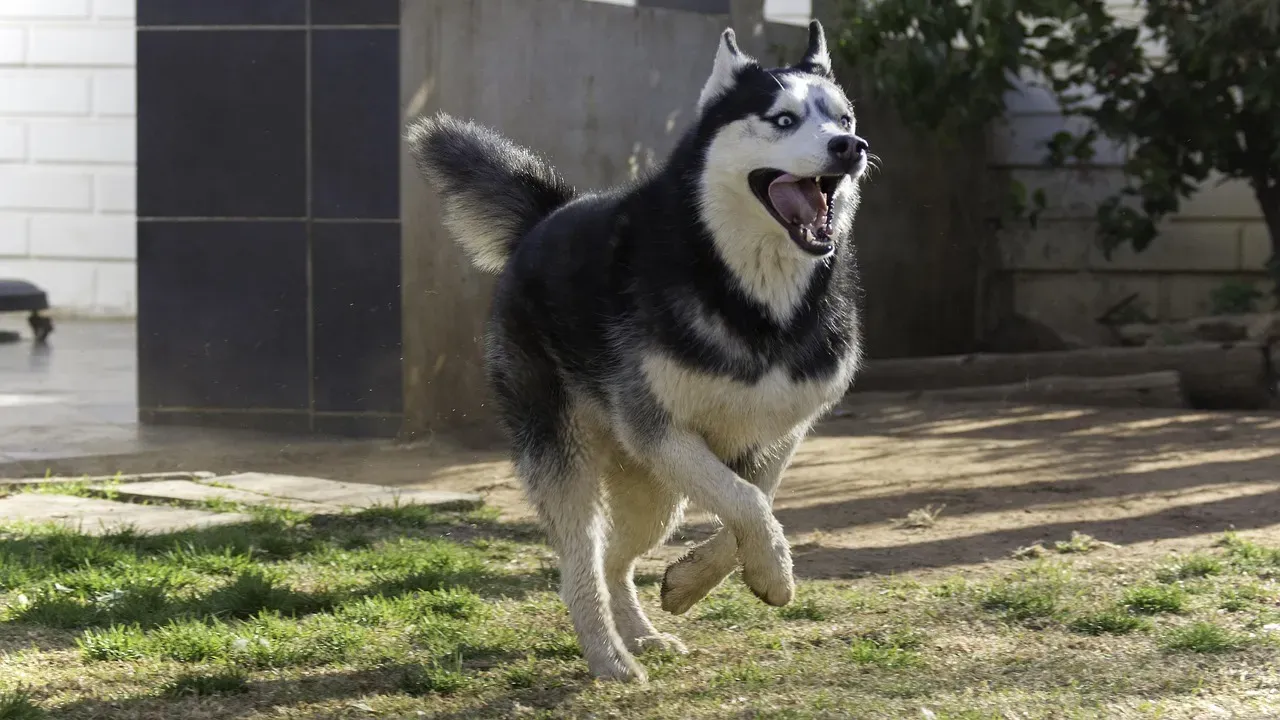
That wolf-like face and thick, cloud-soft coat sell a fantasy: a majestic, cuddly companion who looks incredible in photos and lounges peacefully by the fire. What families actually get is a dog bred to run 100 miles a day across frozen tundra – and one that has absolutely no intention of forgetting that heritage just because you live in a suburb. Without daily hard exercise, a Husky doesn’t wind down. It winds up. Furniture, baseboards, and door frames become collateral damage. And the second the backyard fence has a weak spot, they’re gone – because Huskies are among the most committed escape artists in the dog world.
The “talking” that seems so charming in videos – those dramatic howls and yodels – becomes a noise complaint waiting to happen once the novelty fades. Trainers also flag how quickly Huskies develop severe separation anxiety when their physical and mental needs aren’t met, turning destructive in ways that genuinely shock first-time owners. Many of these dogs end up in Husky-specific rescues by their first birthday, surrendered by families who thought the beautiful exterior meant an easy interior. It rarely does.
Fast Facts
- Originally bred to pull sleds across Arctic terrain for 100+ miles per day
- One of the top escape-artist breeds – able to dig under, scale over, or squeeze through most standard fences
- Howling and vocalizing can reach neighbors several houses away
- Heavy double coat sheds year-round, with two intense “blow coat” seasons annually
- Husky-specific rescues across the U.S. report being at or near capacity most of the year
#15 – Dalmatian
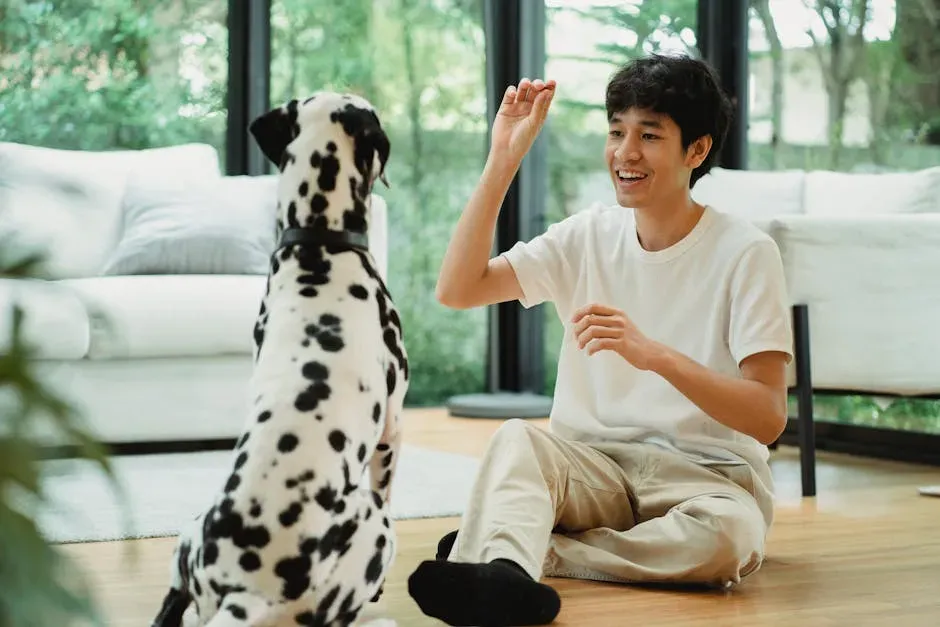
Blame the movies. Dalmatians became synonymous with playful, loyal family dogs – spotted, photogenic, and perpetually cheerful. The reality is a high-strung, endurance-built breed that needs far more structure and physical output than most families anticipate. They can be standoffish with strangers and reactive in loud, chaotic environments – exactly the kind of environment young children create. Without early, consistent socialization, that wariness can harden into something less manageable.
What trainers especially want families to know: up to 30% of Dalmatians carry a hereditary deafness gene, which creates training challenges that aren’t obvious until you’re already months in. Add year-round shedding (white hairs on everything, always), a genetic predisposition to urinary stones that requires a specific diet, and skin sensitivities that flare without warning – and this breed becomes expensive and exhausting fast. They reward patient, experienced owners. They punish the ones who picked them for the spots.
#14 – Border Collie
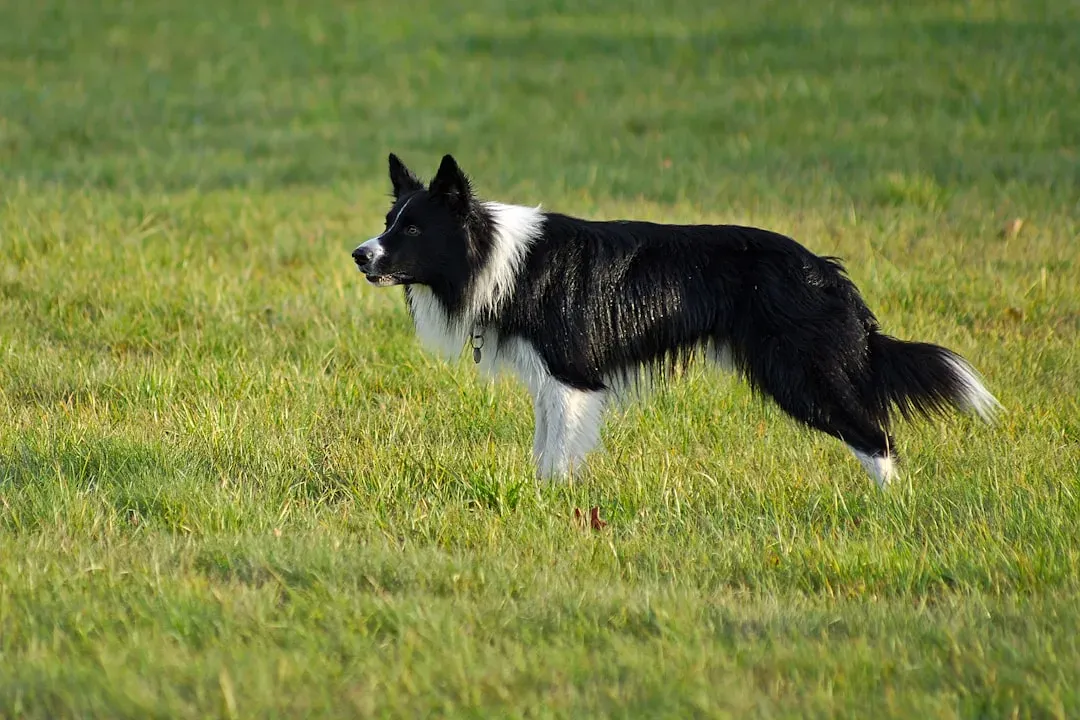
Border Collies are genuinely the most intelligent dogs on earth, and trainers will tell you that with a completely straight face – right before they explain why that’s actually the problem. Intelligence without an outlet doesn’t produce a peaceful, cooperative pet. It produces a dog that invents its own tasks: herding the children, obsessively chasing shadows or light reflections, nipping at ankles to move people where it wants them. The mental horsepower is real, and it demands a real job or it turns inward in destructive ways.
Families who chose a Border Collie because it seemed “smart and trainable” often hit a wall around month five or six when they realize what daily enrichment actually means for this breed. We’re not talking about a 30-minute walk. We’re talking about structured agility work, puzzle training, herding sessions, and hours of mental engagement – every single day, with no days off. The dogs that don’t get it don’t just get bored. They get neurotic. Surrenders spike between six months and a year, and trainers see it constantly.
At a Glance
- Consistently ranked the #1 most intelligent dog breed by canine researchers
- Needs 2+ hours of structured physical AND mental activity daily – not just a walk
- Shadow and light chasing can become a genuine obsessive-compulsive disorder if unmanaged
- Herding instinct is hardwired – ankle-nipping at children is a common complaint by month 4
- Best suited for active households with direct access to agility, herding, or competitive sport training
#13 – Australian Shepherd
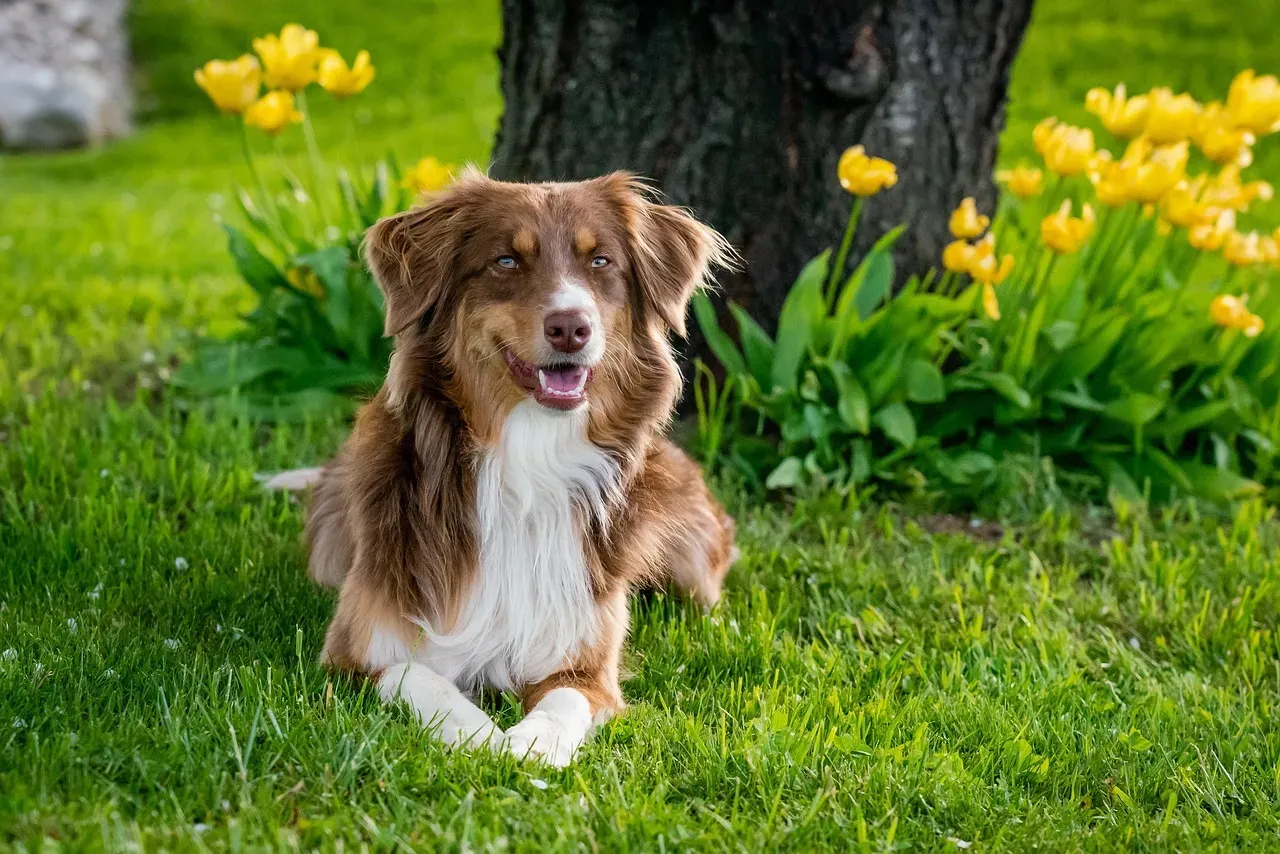
The merle coat. The mismatched eyes. The eager, grinning face. Australian Shepherds photograph like a dream, and early on, they live like one too – affectionate, bonded, enthusiastic about everything. But that enthusiasm is powered by generations of working-dog genetics, and it doesn’t switch off. The same instincts that made Aussies brilliant cattle dogs make them relentless in a family setting – following you from room to room, barking to organize activity, and growing genuinely anxious when the household isn’t moving fast enough for their liking.
The herding drive is the part families miss most. It can surface as adorable nipping at toddlers’ heels – until it isn’t adorable anymore, and the kids are scared of the dog. Resource guarding, compulsive barking, and boundary-testing behaviors often emerge together around the six-month mark, especially in homes that haven’t done structured training. Then come the vet bills: hip dysplasia and hereditary eye conditions are common in the breed, and they often show up exactly when you’re already maxed out on energy and patience.
#12 – Chow Chow
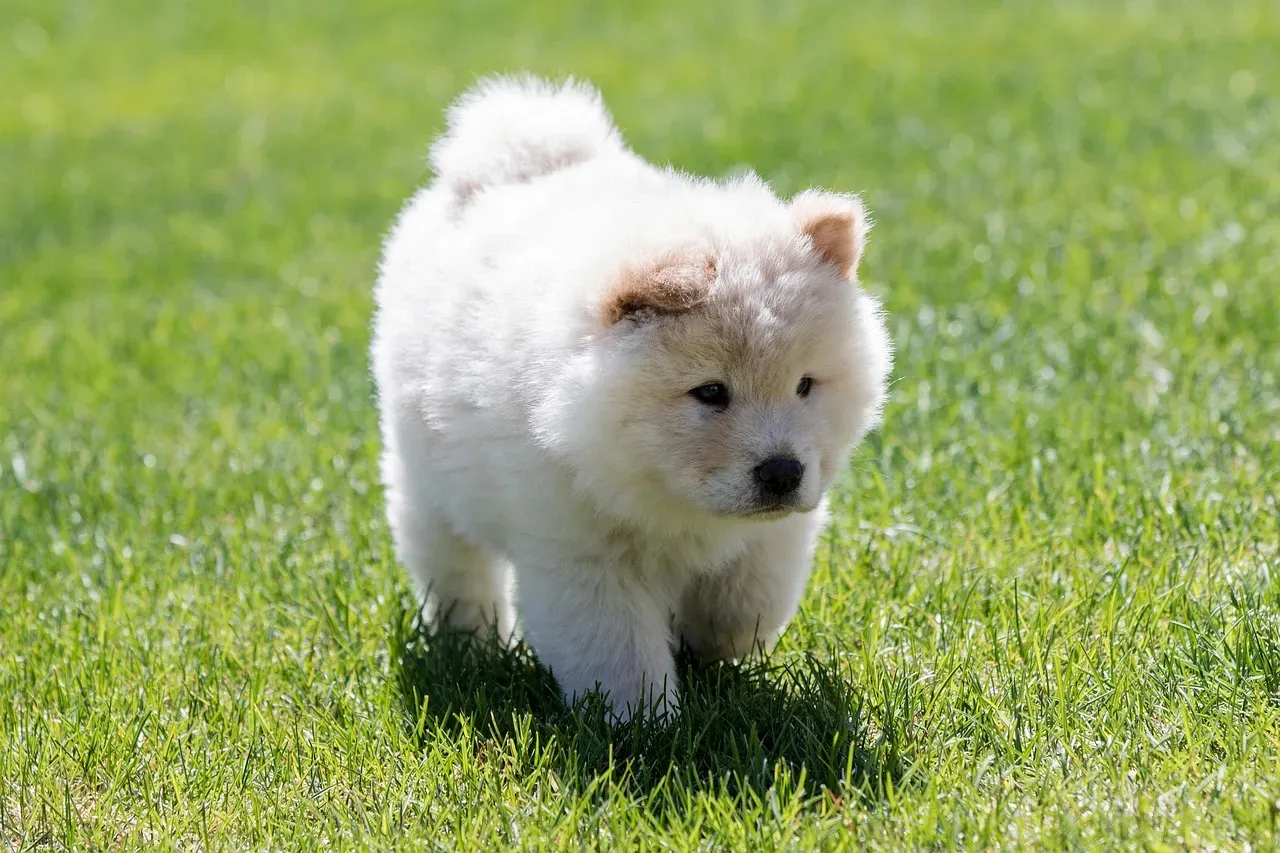
A Chow Chow puppy looks like a living stuffed animal – that round face, that lion’s mane, those dark, soulful eyes. Families bring them home expecting a gentle teddy bear. What they discover is a dog with a deeply independent personality, centuries of guarding instinct bred into every fiber, and a fundamental distrust of people outside its chosen inner circle. Chows don’t transfer affection broadly. They pick their person, and they tolerate everyone else at best.
Trainers are consistently blunt about this breed around children: Chows need socialization that starts on day one and never really stops, because their default response to unfamiliar situations is guarded suspicion, not curiosity. The grooming demands are also relentless – that gorgeous coat mats and tangles constantly and requires professional attention most owners aren’t prepared for. Combine that with brachycephalic breathing issues, joint problems, and a stubbornness that makes training feel like negotiating with someone who’s already decided the answer is no – and the teddy bear fantasy evaporates fast.
[article_quiz]#11 – Akita
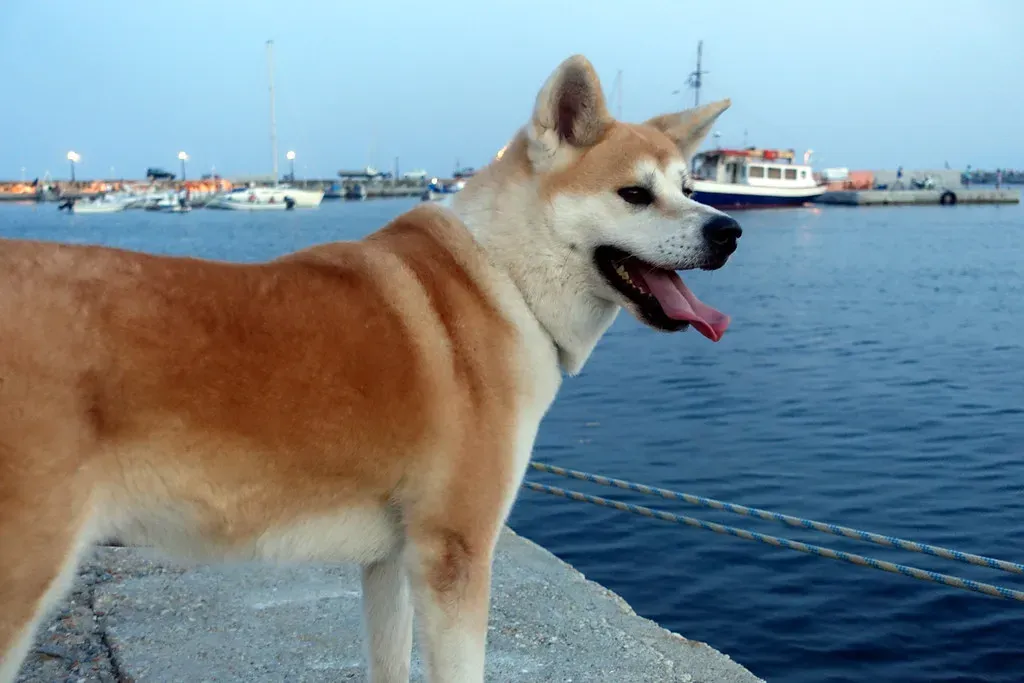
Akitas carry a dignified, almost regal presence that makes them seem like natural family guardians – loyal, composed, and deeply bonded to their people. And they can be all of those things, in the right household, with the right handler. The problem is that “the right household” is a very specific place. It has an experienced owner who understands dominant breeds, no same-sex dogs, a calm environment, and children who are old enough to understand boundaries. Most family homes aren’t that place.
By six months, an Akita with inconsistent training will start testing the hierarchy – and they test hard. Their protectiveness, which seemed like a selling point, can misfire toward houseguests, neighborhood kids, or other pets. Their size and strength mean that misfires have real consequences. Heavy seasonal shedding, a higher incidence of autoimmune disorders, and the sheer physical demands of managing a large, strong-willed dog round out a picture that surprises almost every first-time Akita family. This is a breed that rewards mastery. It simply requires it first.
Worth Knowing
- Same-sex aggression is a deeply ingrained trait – two male or two female Akitas under one roof is a high-risk situation
- Can weigh 70–130 lbs by adulthood – size alone demands confident, experienced handling
- Prone to autoimmune conditions including immune-mediated hemolytic anemia and hypothyroidism
- National breed clubs consistently recommend Akitas for experienced owners only – not first-time dog families
#10 – Shar Pei

Those wrinkles. Honestly, the wrinkles alone have convinced thousands of people to bring home a Shar Pei without doing any further research. They look like a philosophical little creature who wants nothing more than to sit quietly and be admired. The truth is more complicated. Shar Peis are territorial, often slow to trust, and carry one of the most demanding health profiles of any medium-sized breed – and those issues don’t wait until the dog is old to surface.
Entropion, where the eyelid rolls inward and scratches the cornea, is common enough that many Shar Pei puppies need surgical correction before their first birthday. The skin folds that make them irresistible in photos require regular cleaning to prevent painful infections. Familial Shar Pei Fever – an inflammatory condition unique to the breed – can appear without warning and requires ongoing management. Add their stubborn, independent temperament to that medical complexity, and trainers aren’t surprised when families feel blindsided. The cuteness is real. The workload behind it is also very real.
#9 – Belgian Malinois
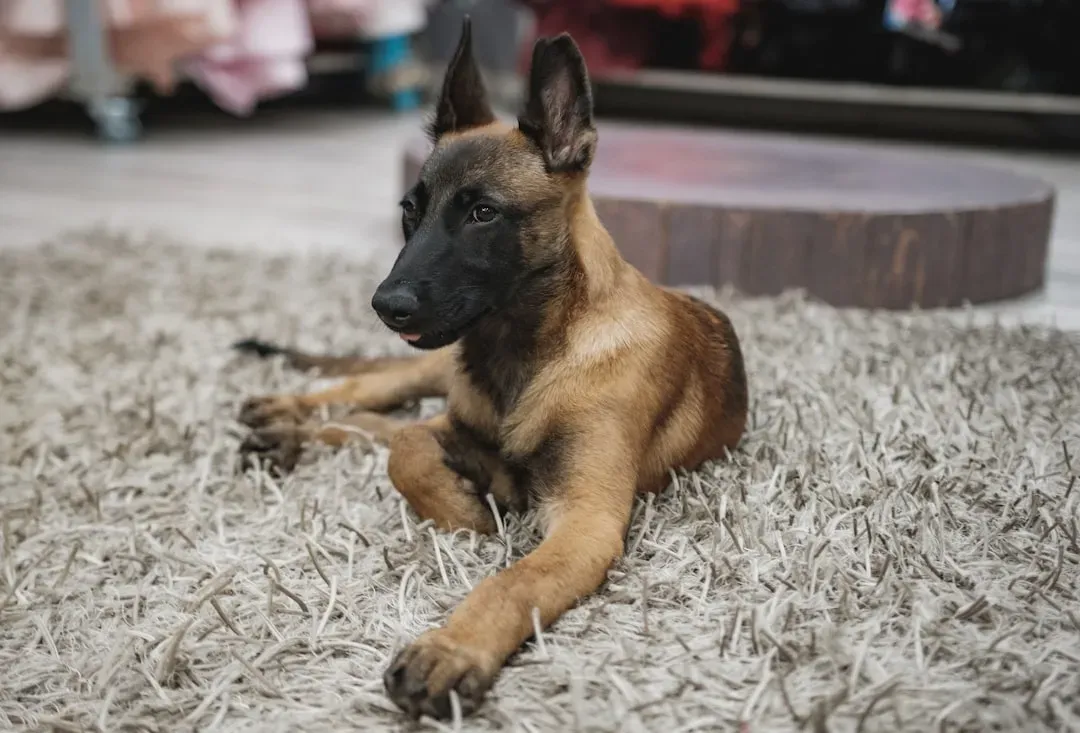
If you’ve seen videos of Belgian Malinois working with military units, scaling walls, or completing obstacle courses at full sprint, you’ve seen exactly who this dog is. That’s not a trained exception. That’s the baseline. The Belgian Malinois is the preferred dog breed for the Israel Defense Forces, the U.S. Secret Service, and the Navy SEALs. Malinois were purpose-built for elite working roles that demand extreme drive, near-constant activity, and a handler who treats training as a serious daily discipline. When they end up in family homes – which happens more often since the breed gained pop culture visibility – the results are predictable and painful.
These dogs don’t have an “off” switch. They pace, they fixate, they redirect their drive onto whatever’s available: your shoes, your walls, your other pets. Their excessively playful nature, coupled with a strong prey drive, can make them an inadvertent risk to young children or small pets. Trainers who work with Malinois professionally use words like “intense,” “demanding,” and “unforgiving” – not as complaints, but as honest descriptions. Around month six, when a Malinois has fully grown into its drive and a family’s novelty has worn off, the mismatch becomes impossible to ignore.
A working dog in a pet home is like a Formula 1 car used for grocery runs. It technically fits in the driveway. It’s just never going to work the way either party deserves.
Common trainer analogy in working-breed rescue communities
#8 – Jack Russell Terrier
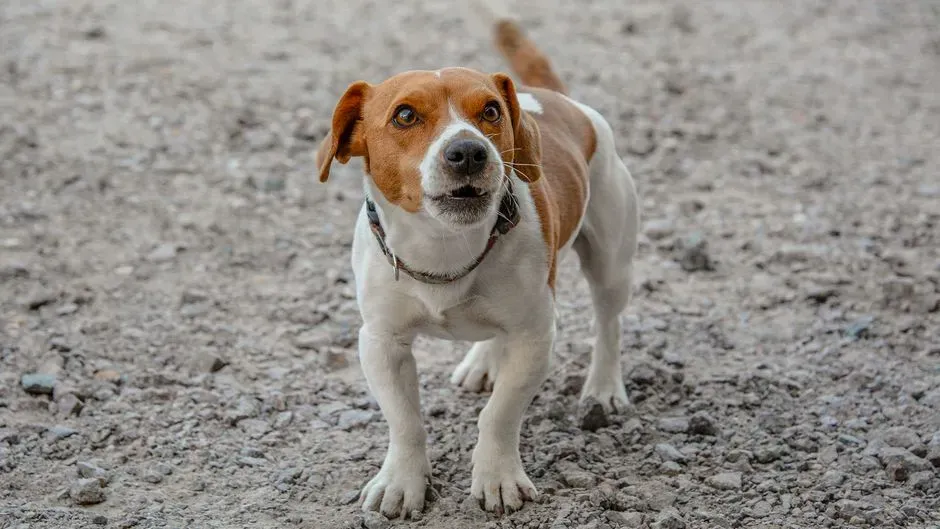
Jack Russells are marketed – implicitly and explicitly – as the ideal small family dog. They’re compact, they’re spirited, they’re hilarious on video. What the videos leave out is the 4 a.m. zoomies, the precision digging that can destroy a garden in an afternoon, and the sheer vocal persistence of a small dog who has decided something is unacceptable. Terrier breeds were engineered to work independently, chase prey into burrows, and never, ever give up. Jack Russells didn’t lose any of that just because they moved indoors.
Their size is genuinely misleading. Families expect a dog that’s easy to manage physically, and while that’s technically true, the mental and behavioral management is exhausting. They can be scrappy with larger dogs, they can be too rough with toddlers who don’t know how to interact, and they will bark – at everything, with conviction, for as long as it takes. Trainers see a lot of compulsive behaviors in under-stimulated Jack Russells: tail-chasing, obsessive patrolling, repetitive barking loops. The dog that seemed like a fun little character at eight weeks becomes a full-time management project by six months.
Quick Compare: What Families Expect vs. What They Get
| The Fantasy | The Reality |
|---|---|
| Small = easy to manage | Small body, enormous behavioral demands |
| Playful and fun | Relentless, never-off energy that outlasts the whole family |
| Good with kids | Too rough and mouthy for toddlers, reactive with other dogs |
| Quiet indoors | Barks at everything – with full conviction and no shame |
#7 – Beagle
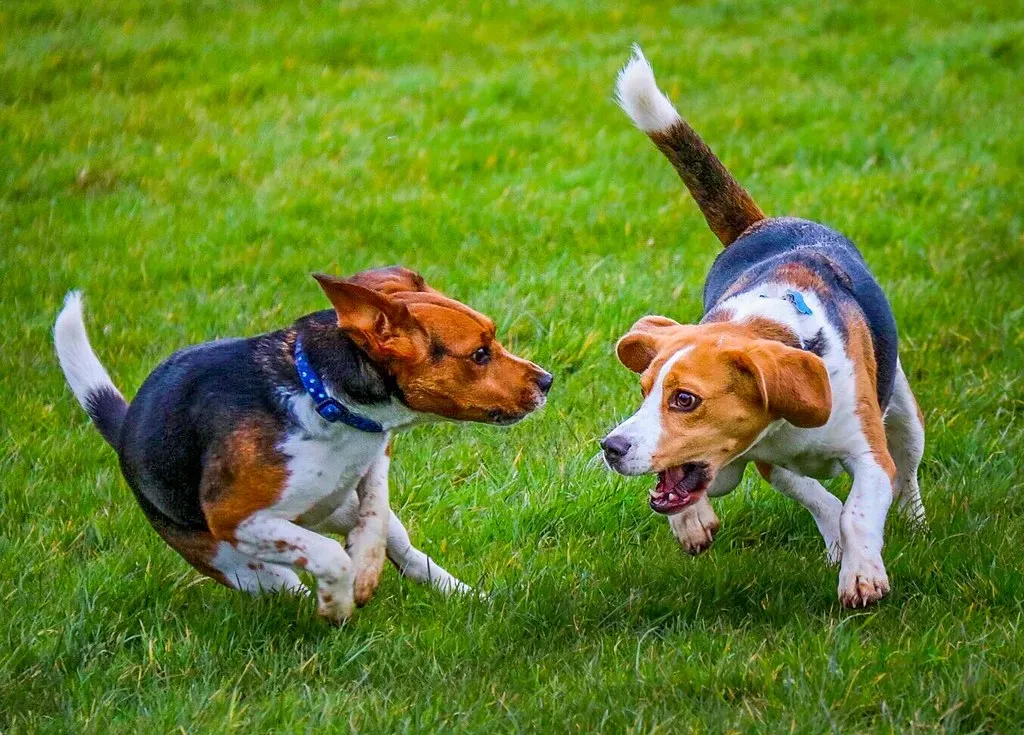
Beagles sit at the intersection of adorable and deeply misunderstood. Those droopy ears, those warm eyes, that compact tricolor body – they hit every “family dog” visual cue perfectly. And they genuinely are affectionate, social, and good with children in terms of temperament. The problem isn’t personality. It’s the nose. A Beagle’s sense of smell is one of the most powerful in the dog world, and once a scent trail activates, nothing else exists. Not your commands. Not the fence. Not the street beyond it.
Trainers report that Beagles are consistently among the top escape-artist breeds – not because they’re athletic jumpers, but because they’re relentless problem-solvers when motivated by a scent. The baying is the other thing families discover quickly: a full-voiced Beagle howl carries significantly, and a dog left alone and bored will broadcast that to the entire neighborhood. Counter-surfing, garbage raiding, and selective hearing during recall training are practically universal Beagle experiences by month six. They’re not being difficult. They’re being exactly what they were bred to be. Families just didn’t know what that was.
#6 – German Shepherd
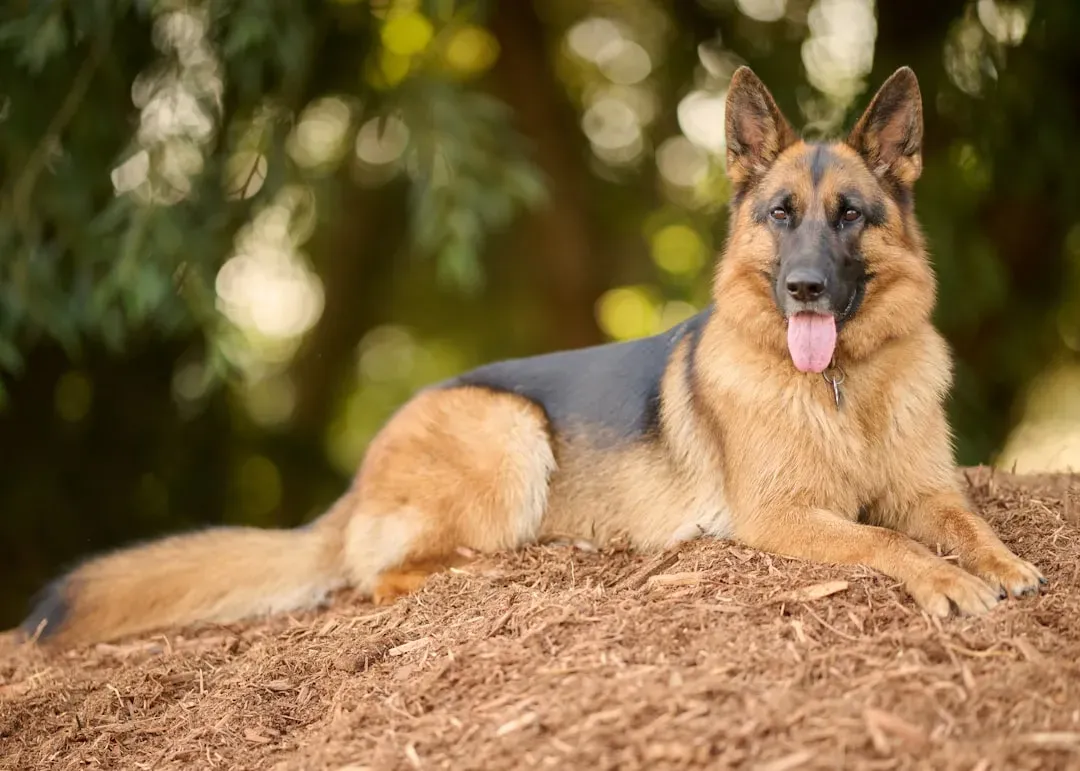
German Shepherds are one of the most popular breeds in the world, and trainers think that popularity is part of the problem. Because they’re so commonly seen as police dogs, service dogs, and loyal movie companions, families assume the breed is inherently stable and adaptable. And the potential is genuinely there – GSDs are brilliant, deeply bonded, and capable of extraordinary behavior. But that potential requires work. Consistent, structured, ongoing work. Without it, what grows isn’t a balanced dog. It’s anxiety, reactivity, and an over-protective streak that makes daily life harder.
By six months, a GSD that hasn’t had proper socialization and training begins to show the cracks. Reactivity toward strangers, resource guarding around children, excessive barking, and separation distress are all common outcomes of under-trained German Shepherds. Then come the physical realities: hip and elbow dysplasia are prevalent in the breed, and early signs often appear in that same six-to-twelve-month window. Trainers who specialize in large breeds will tell you that GSD rescues are overflowing – not because the breed is bad, but because it asks more than most families realize they’re signing up for.
#5 – Catahoula Leopard Dog
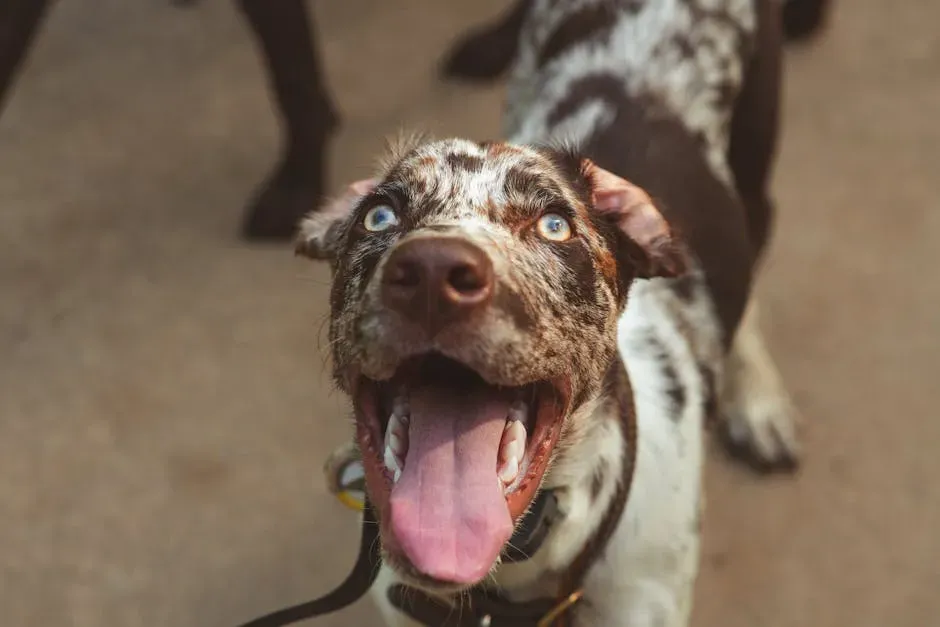
The Catahoula is one of those breeds that stops people cold – the marbled coat, the glass eyes, the muscular frame. They look exotic and striking, and that visual appeal drives a lot of impulse adoptions from people who’ve never owned a hunting breed before. Catahoulas were developed in Louisiana to track, bay, and hold wild boar. That’s the job description baked into their DNA, and it doesn’t disappear in a suburban backyard no matter how much you wish it would.
These dogs are independent thinkers who view commands as suggestions when they have something more interesting to focus on. They need wide open space, serious physical work, and an owner with real experience managing high-drive, strong-willed breeds. Same-sex aggression is a documented pattern, which means multi-dog households often hit serious friction by month six. Trainers who know the breed well tend to recommend it specifically for rural homes with experienced owners – and gently but firmly discourage it for everyone else, no matter how beautiful the dog looks in photos.
Why It Stands Out
- Louisiana’s official state dog – purpose-bred to locate, bay, and hold wild boar in dense swamp terrain
- “Glass” or marbled eyes are a signature trait and a common reason for impulse adoption
- Considered one of the most independent-minded breeds – recall training is notoriously unreliable off-leash
- Documented same-sex aggression makes them a serious risk in multi-dog homes without experienced management
- Trainers routinely recommend rural property with acreage as a baseline ownership requirement
#4 – Afghan Hound
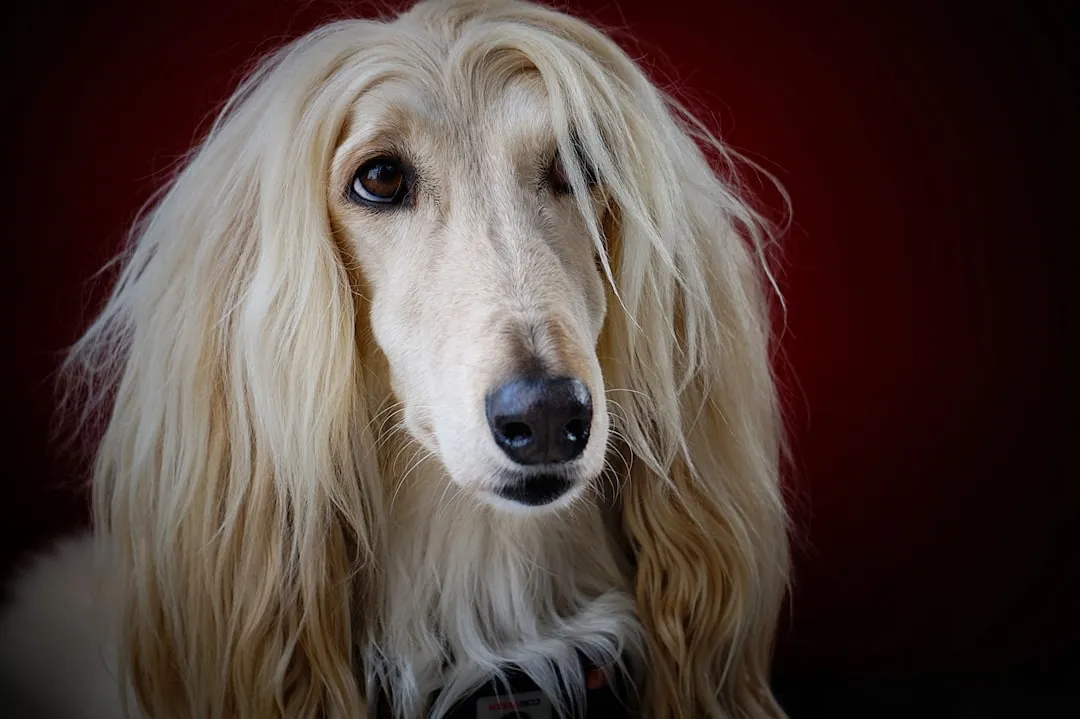
The Afghan Hound is arguably the most visually stunning dog on this list. That flowing silk coat, that aristocratic carriage, that otherworldly elegance – they look like they were designed by someone who wanted to make a dog that defied belief. And in purely aesthetic terms, they delivered. What they didn’t deliver was trainability. Afghan Hounds are ancient sighthounds who hunted independently across mountain terrain for centuries. Taking commands from humans was never really part of the arrangement.
Trainers describe Afghans as dogs that hear you perfectly well and simply find your requests uncompelling. Positive reinforcement works better than harsh methods, but progress is slow, and recall – getting the dog back when it’s spotted something worth chasing – is considered unreliable even in well-trained individuals. The coat maintenance alone is a part-time job: without regular professional grooming, it mats severely and becomes a source of skin problems. Families who chose this breed for beauty almost universally discover they’ve signed up for a high-maintenance, low-compliance companion that operates entirely on its own terms.
#3 – Weimaraner
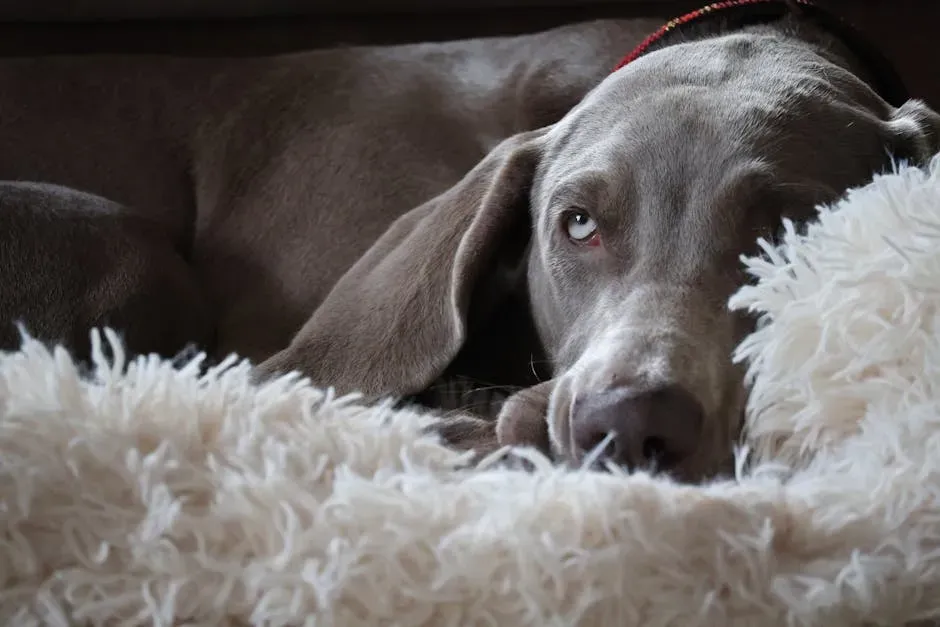
Weimaraners have one of the most distinctive looks in the dog world – that sleek silver-gray coat, those amber or blue-gray eyes, that lean, athletic build. They look like they’d be the effortlessly cool dog that runs alongside you in the morning and then naps elegantly on the couch. The napping part is wishful thinking. Weimaraners are German hunting dogs with stamina to match, and they were specifically bred to work close to their human hunter all day, every day. That proximity drive doesn’t turn into casual affection in a family home. It turns into full-blown velcro behavior.
Trainers consistently flag Weimaraner separation anxiety as one of the most severe they encounter in any breed. These dogs don’t just get sad when left alone – they panic, vocalize intensely, and destroy things methodically and completely. They need multiple hours of vigorous exercise daily, structured training sessions, and near-constant human presence. The family that imagined a sleek, easy athlete discovers a dog that can’t be left alone for a grocery run without consequences. By month six, the beautiful silver dog has become the most demanding presence in the house, and nobody was warned.
At a Glance: The Weimaraner Reality Check
- Nicknamed “the Gray Ghost” – they will follow you from room to room, every hour of the day
- Separation anxiety in this breed is rated among the most severe trainers encounter in any medium-large dog
- Requires 2+ hours of vigorous off-leash exercise daily – a backyard is not a substitute
- Destructive anxiety behaviors can begin within 20–30 minutes of being left alone
- Bloat (gastric dilatation-volvulus) is a documented health risk – a genuine emergency when it occurs
#2 – Vizsla
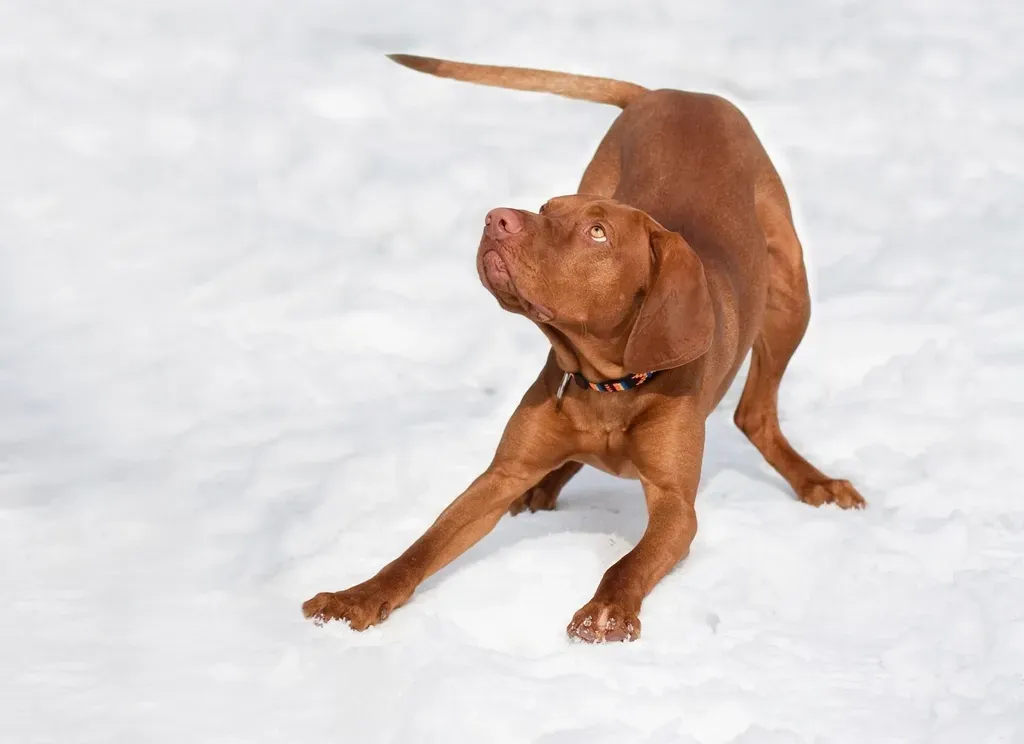
Vizslas are warm, affectionate, and genuinely loving dogs – trainers aren’t disputing that. The issue is the intensity of that love. Vizslas don’t simply enjoy your company. They require it, at a level that goes beyond what most households can realistically provide. They were bred as close-working hunting dogs in Hungary, staying near their handler all day in the field. That closeness is wired in, and it expresses itself as a need for constant contact, constant engagement, and constant reassurance that the relationship is intact.
Left alone, Vizslas develop anxiety behaviors fast. Left under-exercised, they become frantic. Left without daily mental stimulation, they begin disassembling your home to manage their stress. Their thin coats mean they’re physically sensitive to cold, and their emotional sensitivity means harsh corrections set them back significantly in training. Trainers who love the breed – and many do – are also the most honest about who shouldn’t own one: anyone who works full-time outside the home without a serious plan for the dog’s day, or anyone who wanted an affectionate dog without realizing “affectionate” in Vizsla terms means full-time emotional labor.
[article_quiz]#1 – Cane Corso
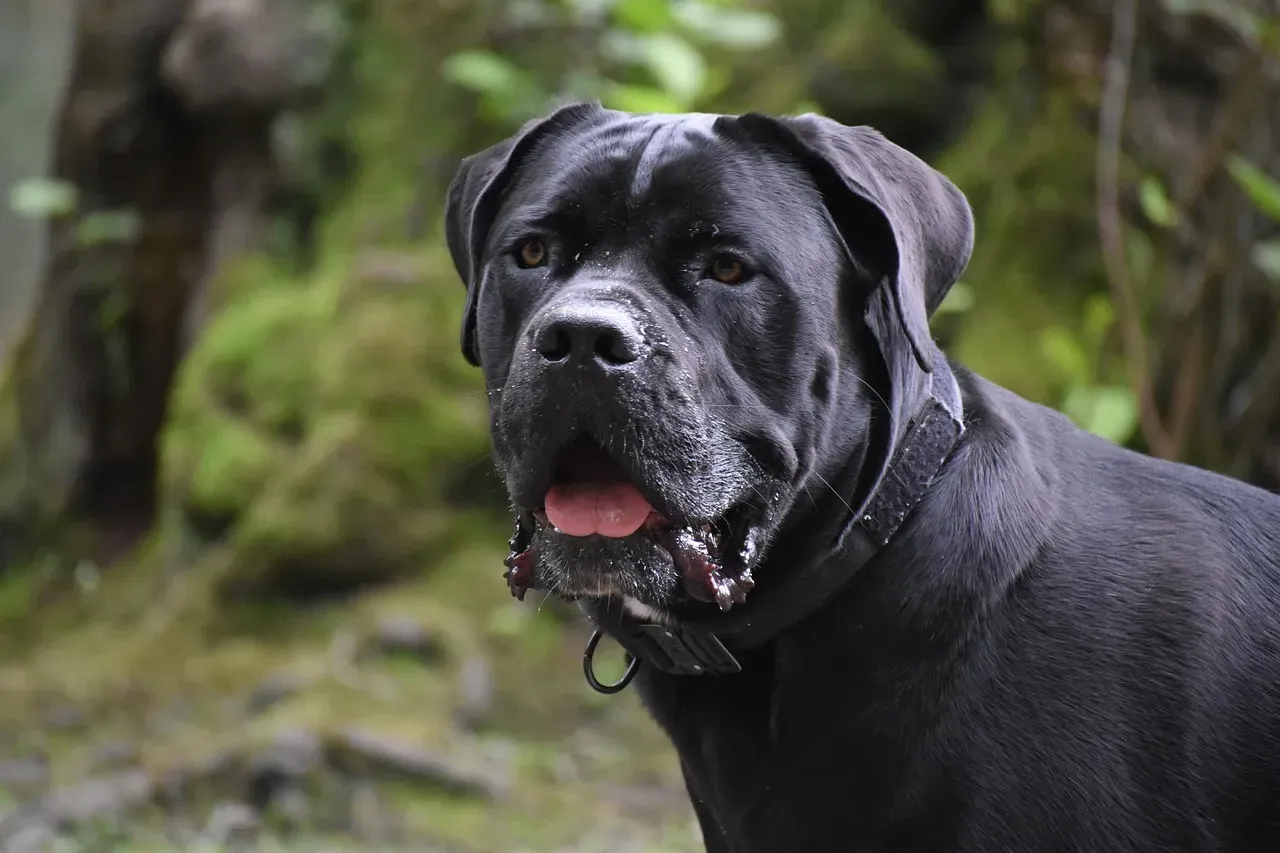
The Cane Corso tops this list because the gap between the fantasy and the reality is the widest – and the consequences of getting it wrong are the most serious. These dogs are magnificent. Powerful, loyal, deeply bonded to their family, and genuinely capable of being extraordinary companions. But they are also one of the largest, strongest, most physically imposing breeds in existence, and they carry protective instincts that require expert-level management from the very first day. Trainers are not gentle about this: an under-socialized, undertrained Cane Corso is not a frustration problem. It is a liability problem.
By six months, a Corso that hasn’t had rigorous, consistent socialization and boundaries has already formed habits and associations that are genuinely hard to reverse. Their sheer size means that even playful mistakes can injure a child. Their territorial instincts can make visitors feel genuinely unsafe. Hip dysplasia, bloat, and cardiac issues are documented in the breed and often surface in that critical first year – right when families are already overwhelmed by the behavioral demands. Trainers see Corsos rehomed constantly, surrendered by families who fell in love with the guardian fantasy and discovered too late that fantasy requires years of expertise and commitment to become real.
Fast Facts: The Cane Corso Reality
- Males can reach 110–150 lbs – sheer size alone demands an owner with genuine physical confidence
- Protective instincts are not a feature you can selectively turn on – they require constant, expert management
- Habits formed in the first 6 months are among the hardest to reverse in any large guardian breed
- Hip dysplasia, bloat, and dilated cardiomyopathy are documented breed health concerns, often emerging in year one
- Breed-specific legislation restricts or bans Cane Corsos in multiple U.S. cities and counties
The verdict from trainers, across all 16 of these breeds, is the same: the dog isn’t wrong for being what it is. The match is wrong. Every single breed on this list produces extraordinary dogs in the right hands. The six-month mark just has a ruthless way of revealing whether those are your hands or not – and by then, it’s the dog that pays the price. And the numbers back that up: 60% of adopted pets are no longer in their adoptive homes six months after their initial adoption, and 20% are returned to the original shelter. Meanwhile, behavior and general personality mismatches account for almost 28% of animals being surrendered to shelters. That is not a small statistic. That is a crisis with a face on it – usually a confused, loving dog who was simply the wrong breed in the wrong home.
The opinion here is blunt, and it is earned: breed research is not optional. It is the single most important thing a family can do before signing up for a decade-plus commitment. The dogs on this list are not mistakes of nature. They are masterpieces in the wrong frame. Wanting a dog because it’s beautiful, or viral, or vaguely familiar from a movie is how shelters stay full and dogs stay broken. The right dog for your family exists. It just might not be the one with the best Instagram presence. Choose with your lifestyle. Choose with your honesty. Not with your eyes.
