
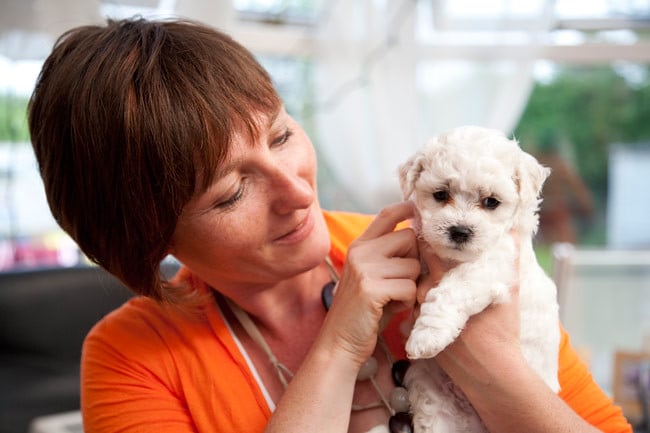
Here’s the myth: a dog is a dog. Food, water, a comfy bed, maybe a chew toy tossed on the floor, and they’ll be fine for the next nine hours. Right?
Wrong, and not in a small way. Some breeds are genetically wired to spiral into panic the second the door clicks shut, while others genuinely could not care less if you vanished until dinner. The scary part is how many owners misread the signs completely, calling anxiety “naughtiness” and boredom “independence” until the damage is already done. Below is what behaviorists and long-time owners actually see happen behind closed doors, broken into two very different camps.
#1 – Labrador Retriever: The Shadow You Can’t Shake
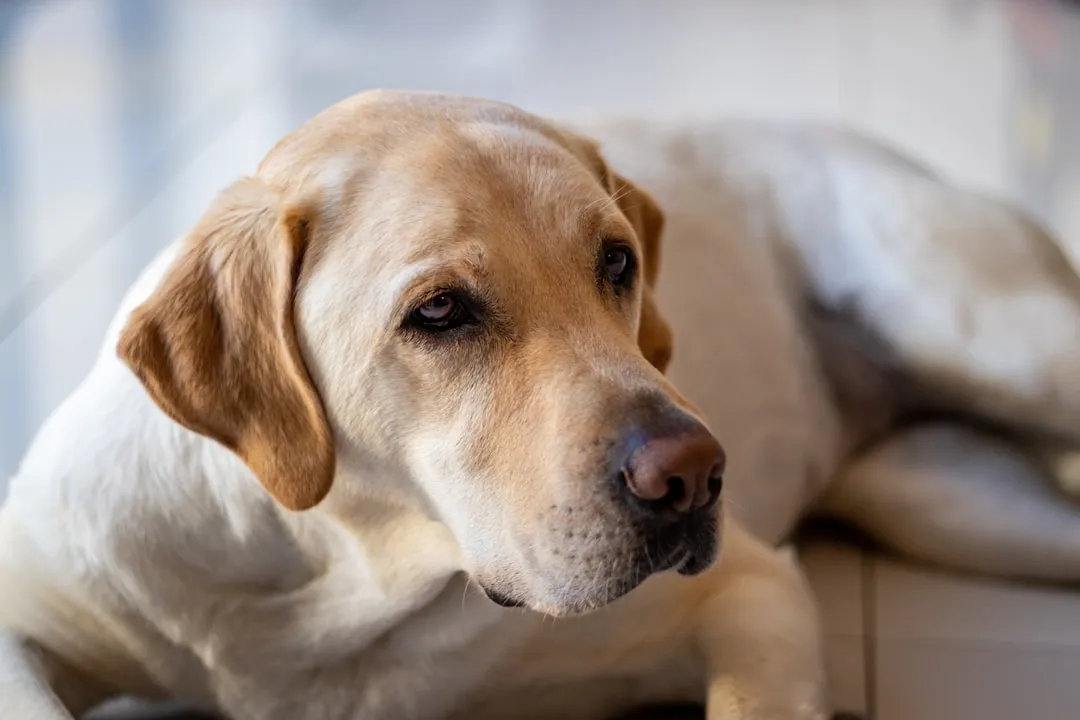
Labradors get sold as the “easy family dog,” but emotionally they’re closer to a toddler with abs. They were bred to work side-by-side with humans all day long, retrieving, watching, waiting for the next cue. When you suddenly expect that dog to sit alone in an apartment for nine hours straight, you’re fighting against its entire genetic history.
That’s why so many young Labs chew walls, destroy couches, or bark nonstop the moment you leave. It isn’t bad behavior. It’s a stress response wearing a disguise. Crate training, puzzle feeders, and slow, deliberate solo-time practice all help, but make no mistake: this is a breed that wants to live in your pocket, not your backyard.
#2 – Golden Retriever: The Sensitive People-Pleaser
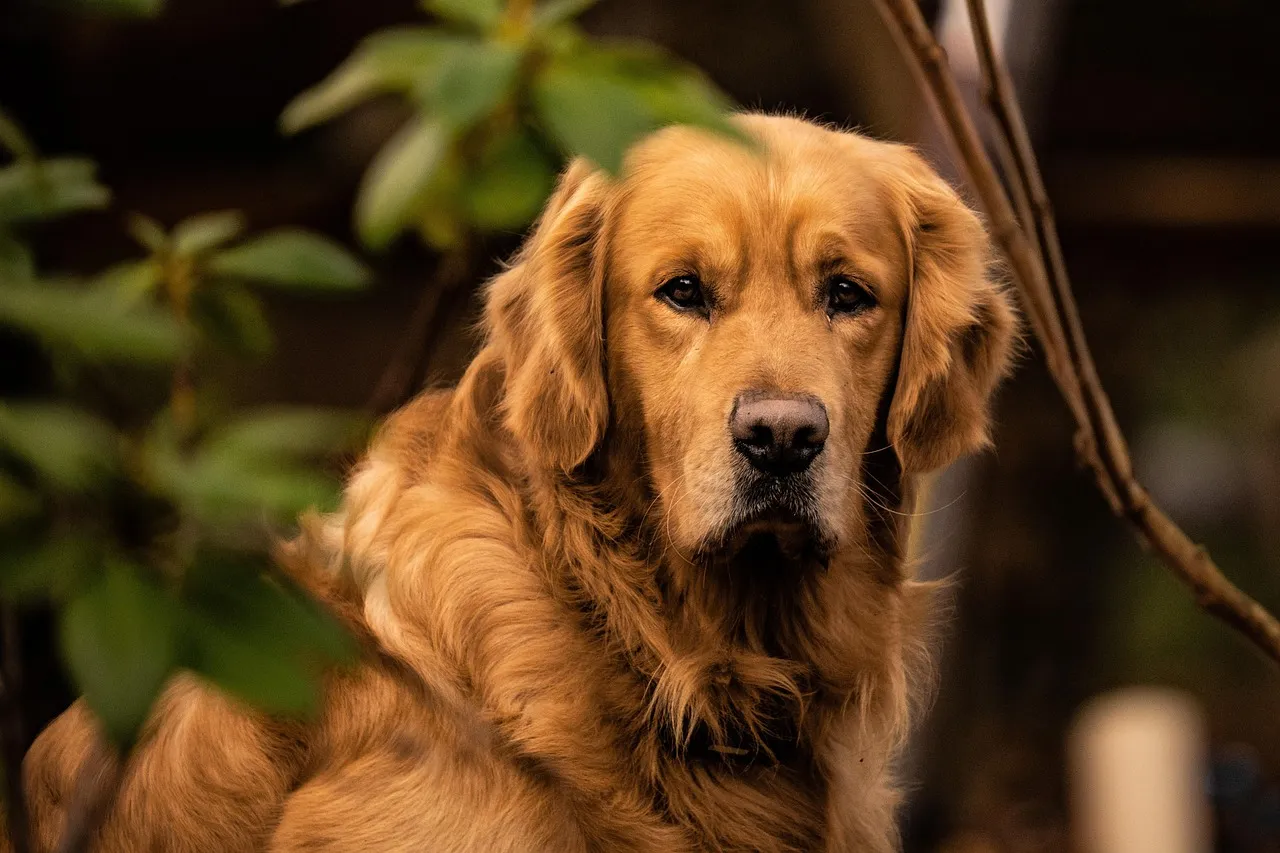
Goldens look chill on the surface, but underneath they’re reading your face, your tone, even the speed of your footsteps. They’re people-pleasers to an almost unhealthy degree, and dogs that tuned into humans tend to fall apart hardest when the humans disappear.
Owners often notice pacing, whining at doors, or those dramatic tail-wagging “greeting explosions” when they finally get home. Those aren’t just cute reunions; they’re signs of real emotional buildup. A lot of those viral “velcro Golden” videos online are actually dogs showing mild separation distress in real time. If you want a Golden but work long shifts, you need a real plan: walkers, daycare, and structured training, or the emotional fallout can get ugly fast.
#3 – German Shepherd: Hyper-Bonded and On Duty 24/7
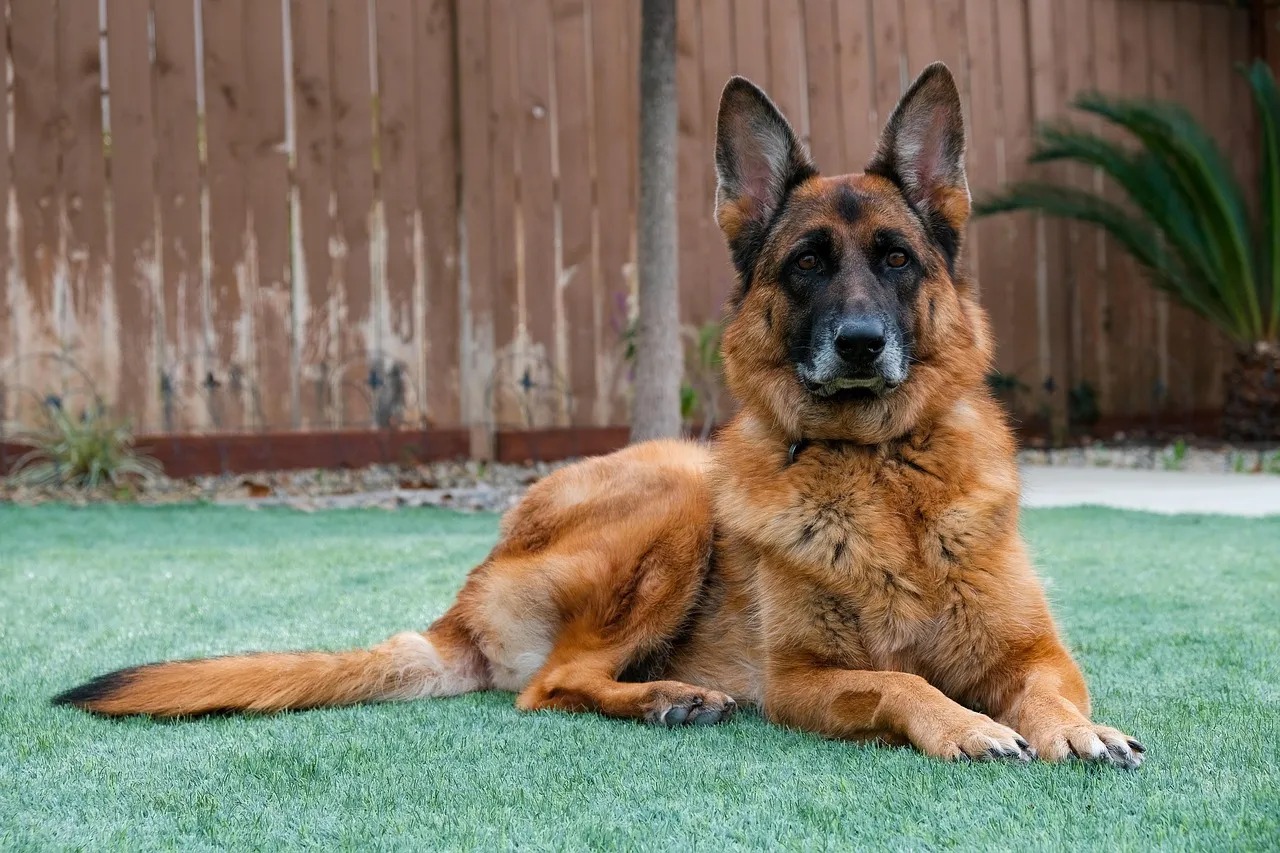
German Shepherds aren’t just attached to their people, they consider themselves on patrol. This is a breed bred to guard and work with humans, not away from them, so when you lock one in a quiet house alone, its nervous system doesn’t clock out. It goes into overdrive instead.
Every sound outside becomes a potential threat the dog can’t fully assess without backup, and that tension often shows up as pacing, barking, or frantic digging at doors and windows. Many owners mistake this for “guarding the house” when it’s actually low-grade panic. A bored, understimulated, lonely German Shepherd is exactly the kind of dog that ends up surrendered with the label “too much.”
#4 – Border Collie: Too Smart to Sit Still Alone
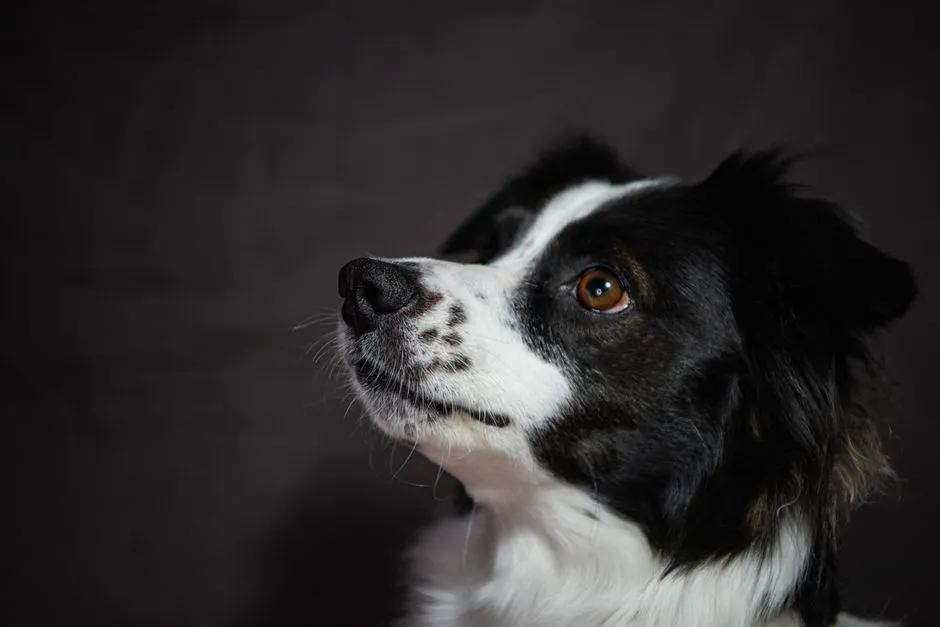
Border Collies might be the single worst choice for someone who’s gone all day. This breed was built to constantly watch, think, and react to subtle signals on a flock, and that brain doesn’t magically power down at 8 a.m. when you head to work.
Fast Facts
- Originated along the England-Scotland border as a specialist livestock herder
- Consistently ranked among the most trainable and intelligent dog breeds
- Bred for stamina, historically working outdoors for hours at a stretch
- Thrives on mental jobs like agility, herding trials, or scent work, not just physical exercise
Left alone with nothing to do, a Border Collie will invent its own job, and you probably won’t like what it picks. Obsessive barking, self-licking, furniture chewing, even chasing invisible shadows can all trace back to raw frustration. People assume high intelligence means independence, but it’s the opposite: smart, sensitive dogs bond harder and notice every crack in the routine. Without a real outlet like agility or trick training, this is not a dog that naps quietly all day.
#5 – Australian Shepherd: Velcro Dog With FOMO
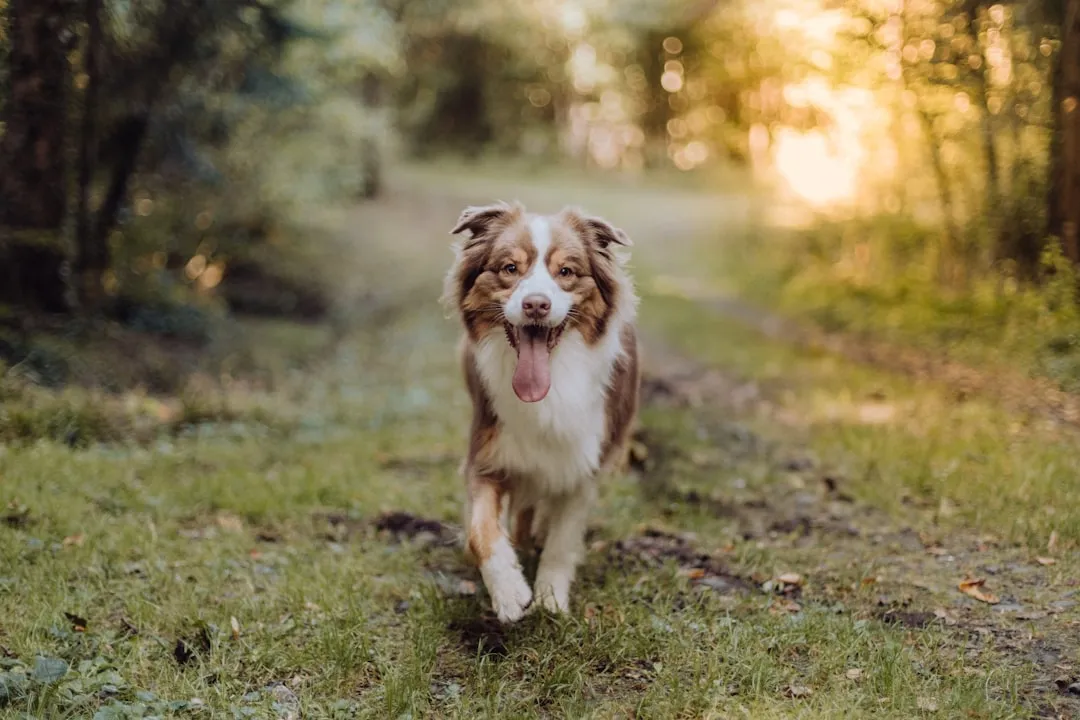
Aussies get marketed as outdoorsy, easygoing companions, but emotionally they’re glue. They were bred as all-purpose farm dogs, literally following people from task to task from sunrise to sunset. Take that same dog, drop it into a silent house with no flock and no farmer, and you’ve built the textbook recipe for separation anxiety.
Many Aussies show their stress through endless barking, spinning, or trying to herd anything that moves the second you’re gone. Owners often mislabel this clinginess as “cuteness” right up until it becomes a full-blown problem. If your Aussie can’t settle when you simply walk from one room to another, that’s not adorable, that’s a warning sign that needs gradual alone-time training before it gets worse.
#6 – Vizsla: The Velcro Breed Taken to Extremes
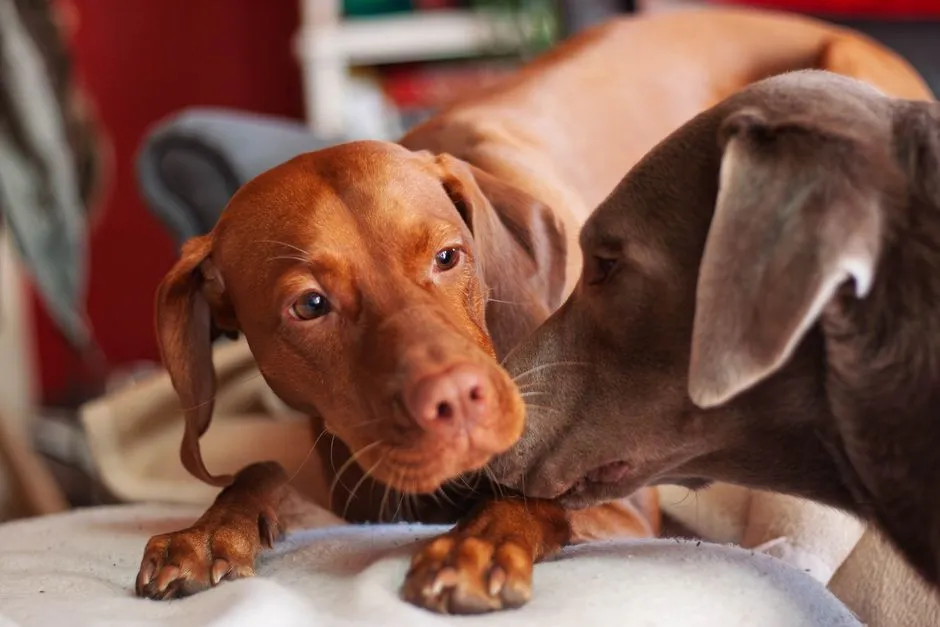
If one breed is famous for hating alone time, it’s the Vizsla. These dogs earned the nickname “velcro dog” honestly, bred to hunt in close contact with humans, often sharing beds and living quarters like a second shadow. A well-bred Vizsla doesn’t just prefer company, it practically expects constant skin-to-fur contact.
Many will physically press their bodies against you just to fall asleep, so being left solo, even for a couple of hours, can feel like a genuine social freefall. Excessive drooling, pacing, and frenzied greetings are all common signs they’re not coping. This breed suits people who genuinely enjoy being followed to the bathroom. If your life involves long office days and late nights out, a Vizsla is a mismatch no matter how much you love the way they look curled up on the couch.
#7 – Bichon Frise: Cute, Social, and Easily Overwhelmed Alone
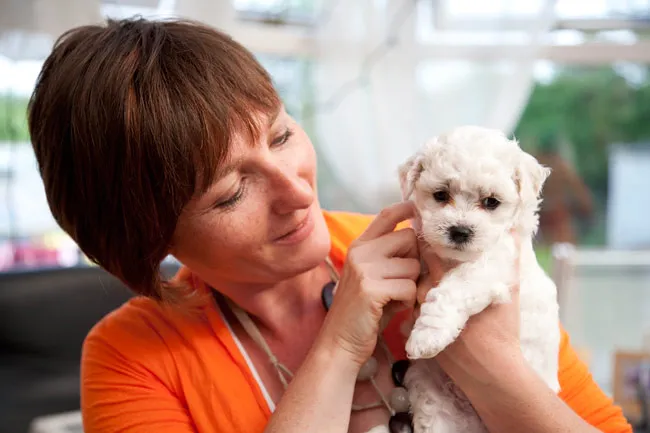
People see “small fluffy lapdog” and assume low maintenance. With Bichons, that assumption is dangerously wrong. They were historically bred as companion dogs, meaning their entire job description was simply to be with people, and companion breeds are consistently more likely to struggle when left on their own.
They may develop clingy habits, crying or scratching at doors even if you step outside for two minutes. What makes it tricky is that Bichons are usually cheerful and adaptable, but only when their need for company is actually met. Left alone too often, they can slide into destructive chewing, house soiling, or nonstop barking, and get unfairly labeled “spiteful” when it’s really anxiety wearing a happy little face.
#8 – Cavalier King Charles Spaniel: Built for Laps, Not Loneliness
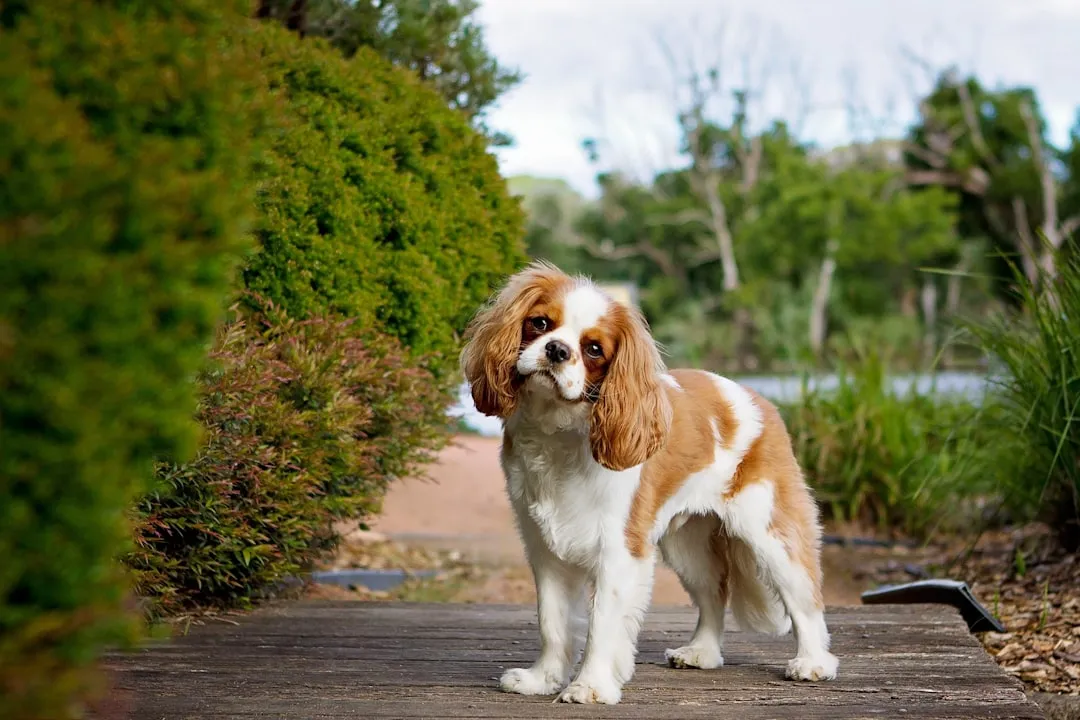
Cavaliers are almost engineered for human contact. They were literally bred as lapdogs for royalty, designed to sit, cuddle, and watch the world from someone’s side. A dog whose original job description is “be near humans 24/7” was never built for long solo shifts.
Many Cavaliers are deceptively calm, so their distress shows up quietly instead: refusing food while alone, subtle trembling, or over-the-top excitement the second you walk back in. They’re unusually people-focused compared to other toy breeds, often ignoring other dogs entirely if a human is available. If you want a dog happy to be a background roommate, look elsewhere. These dogs want front-row seats in your life, not a spot on the bench.
The Cavalier King Charles Spaniel was bred quite simply to be a companion, and that is precisely what it does best.
American Kennel Club breed description
#9 – Italian Greyhound: Sensitive, Clingy, and Easily Stressed
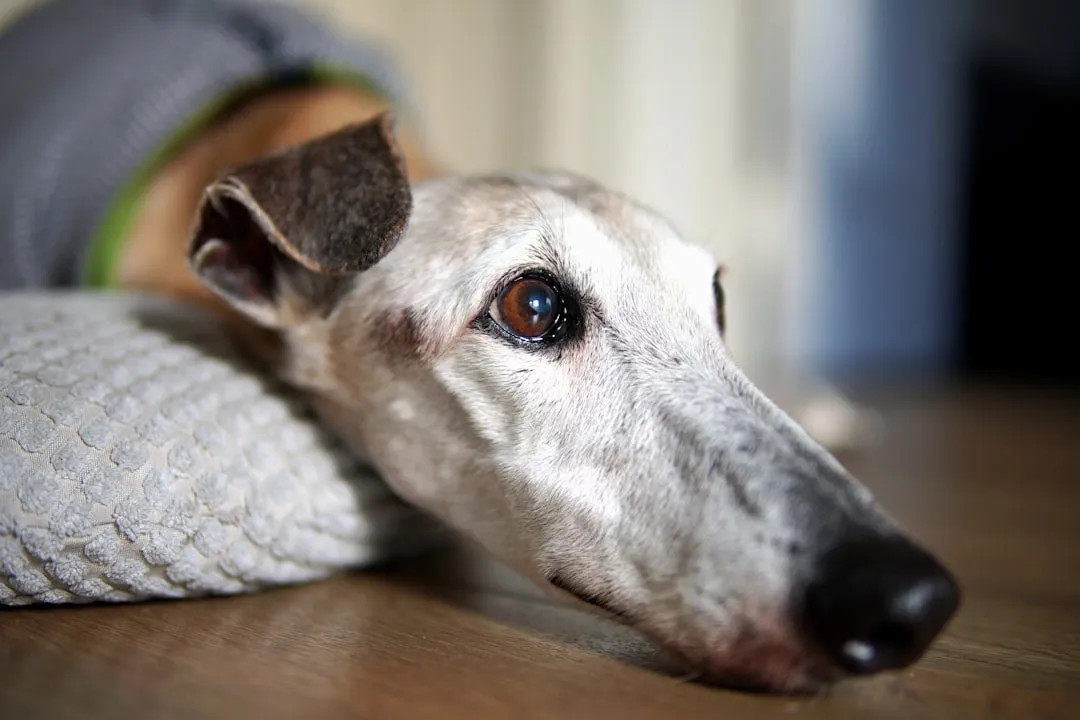
Italian Greyhounds look dainty and self-possessed, but emotionally they’re fragile. This breed is known for reacting sharply to noise, routine changes, and social shifts, and combine that sensitivity with a strong bond to their person and you get a dog that can genuinely unravel when left alone too often.
They may shake, whine, or freeze the moment you grab your keys, a classic sign of anticipatory anxiety setting in early. Because they’re small and indoor-friendly, people often choose them for apartments and busy city schedules, but the mismatch isn’t the space, it’s the solitude. Without a companion or someone usually home, anxiety can morph into destructive chewing and even accidents inside. This is simply not a dog built for long emotional silent treatments.
#10 – Toy Poodle: Brainy, Bonded, and Bored Fast
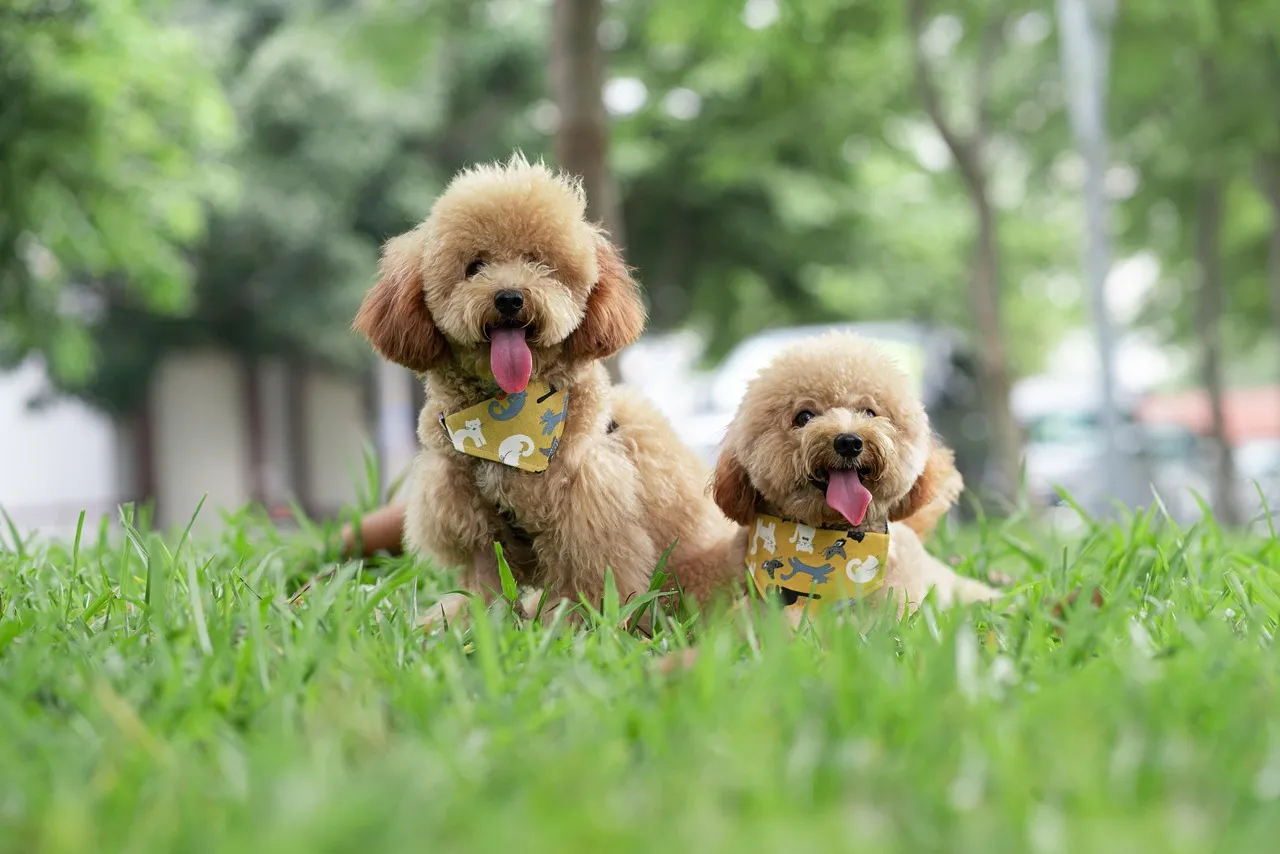
Toy Poodles are among the smartest small breeds on the planet, and intelligence here is a double-edged sword. Bright, people-focused dogs tend to notice every departure, every pattern, every tiny cue that you’re about to leave, and they don’t forget any of it.
Strip away daily human involvement like errands, couch time, or training games, and a Toy Poodle can flip from perfect little angel to anxious, noisy shadow shockingly fast. They’re also intensely routine-driven, so changing your schedule without offering mental outlets often triggers barking at hallway sounds, obsessive door-waiting, or nipping at blankets and furniture. Behaviorists quietly rank them among the highest-needs companion dogs emotionally, no matter how many families treat them like accessories.
#11 – Maltese: Devoted Lapdog With Separation Limits
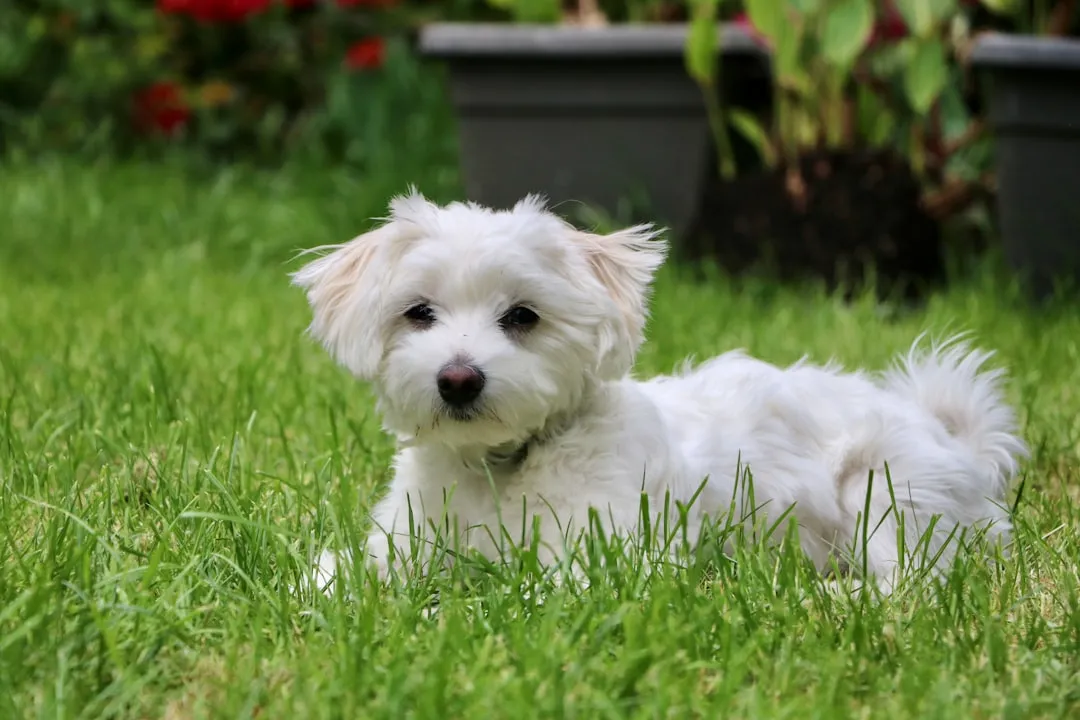
Maltese dogs were bred as cherished companion animals, historically living in the same rooms and even the same beds as their humans. That ancient job description hasn’t faded, and a Maltese left alone for long stretches often shows “soft” signs of stress that owners completely miss, like clinginess, problem barking, or sudden house-training regressions.
Quick Compare
- Toy Poodle: The smallest Poodle variety, standing around 10 inches or under at the shoulder, prized for trainability
- Maltese: The Maltese is one of the smallest toy breeds; the AKC calls out for a dog that is ‘under 7 pounds’, one of the oldest toy companion lines in Europe
- Cavalier King Charles Spaniel: The Cavalier’s average weight is between 13 to 18 pounds (5.9 to 8.2 kg), bred specifically as a royal lap companion
Because they’re quiet and small, people assume they’re apartment-proof and independence-ready. In reality, a Maltese typically thrives just from someone being present most of the time, even without constant interaction. If you’re gone eight to ten hours a day, a single Maltese is a risky bet unless there’s backup, a second dog, a sitter, or family at home. Without that safety net, this “easy little dog” can spiral in ways owners never saw coming.
#12 – Cocker Spaniel: Emotional and Attachment-Prone
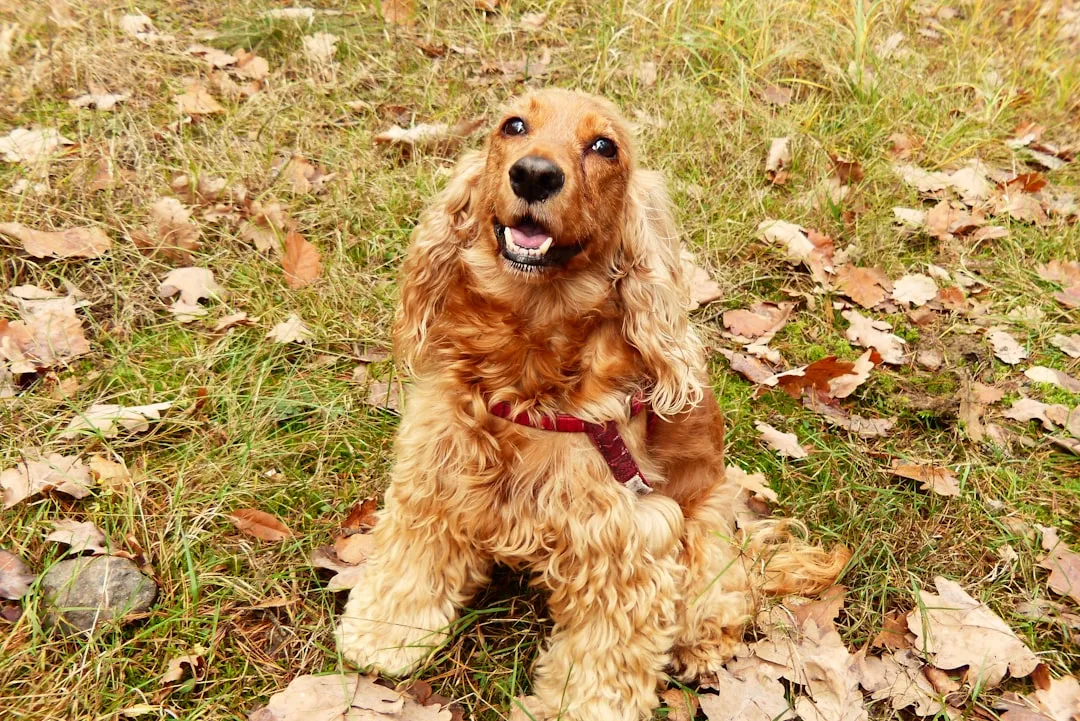
Cockers have big eyes and even bigger feelings. Originally bred as gun dogs working closely alongside humans, then reshaped into soft family companions, that combination of work drive and people-focus means many Cockers are deeply uncomfortable being left alone for long periods.
They can become anxious barkers or chewers, earning an unfair reputation for being “needy” or “high-strung.” What’s often missed is that a lot of that fragility is environment-driven, not bad breeding. Families that treat Cockers like plush toys, no training, no boundaries, but constant contact when home, accidentally build dogs that panic the instant that contact stops. Structured alone-time training from puppyhood isn’t optional here, it’s essential.
#13 – French Bulldog: Clownish, Yes. Independent, No.
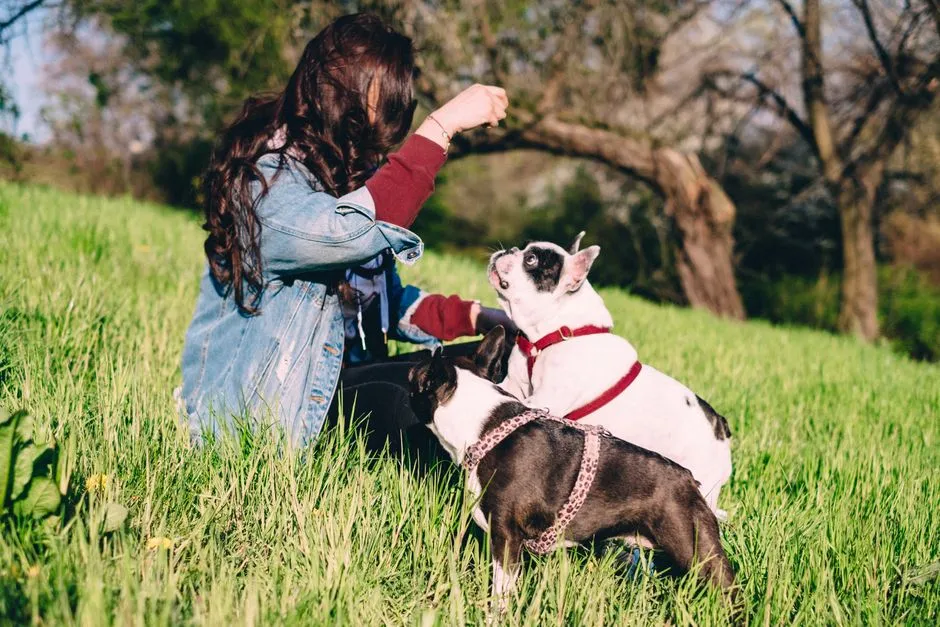
Frenchies are everywhere online, and their goofy, chilled vibe convinces people they’re low-maintenance couch ornaments. Reality check: French Bulldogs are often surprisingly clingy and human-dependent, and their small stature hides serious emotional needs.
Many become “room followers,” trailing you from kitchen to bathroom like it’s their actual job. Their respiratory issues and low stamina can also mask stress; a Frenchie that seems calm after you get home might just be exhausted from hours of anxious pacing in a stuffy apartment. Because they’re trendy, first-time owners often underestimate their emotional needs entirely. If you picture your Frenchie peacefully snoring all day, don’t be so sure. That snore might come after a full day of feeling abandoned.
#14 – Pug: Comedian Dog With a Serious Need for Company
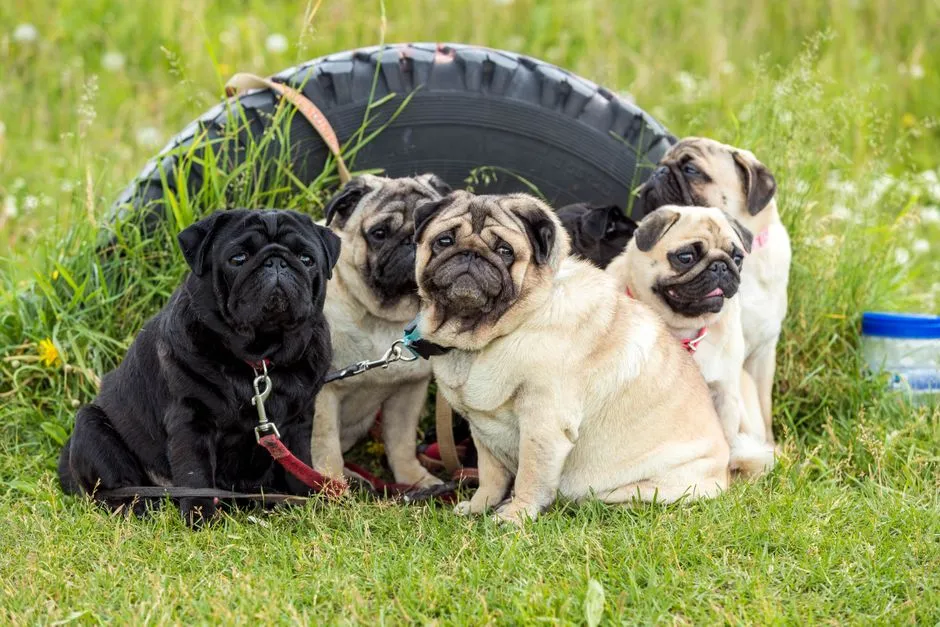
Pugs are natural clowns, always ready to make you laugh, and that humor hides a bigger truth: they are intensely people-oriented and often hate being alone. Historically bred as royal lapdogs meant to sit near important humans and be adored, that history doesn’t translate into “cool with Netflix and a chew toy for nine hours.”
Many Pugs become velcro dogs, insisting on touching you with a paw or hip whenever possible, and when that constant contact vanishes, you’ll often see vocalizing, attention-seeking destruction, or overeating out of stress. They’re not naughty, they’re frustrated and lonely. Pugs do best in busy households, with older adults, or as a second dog where someone, human or canine, is usually around.
#15 – Shetland Sheepdog: Sensitive Mind, Strong Attachment
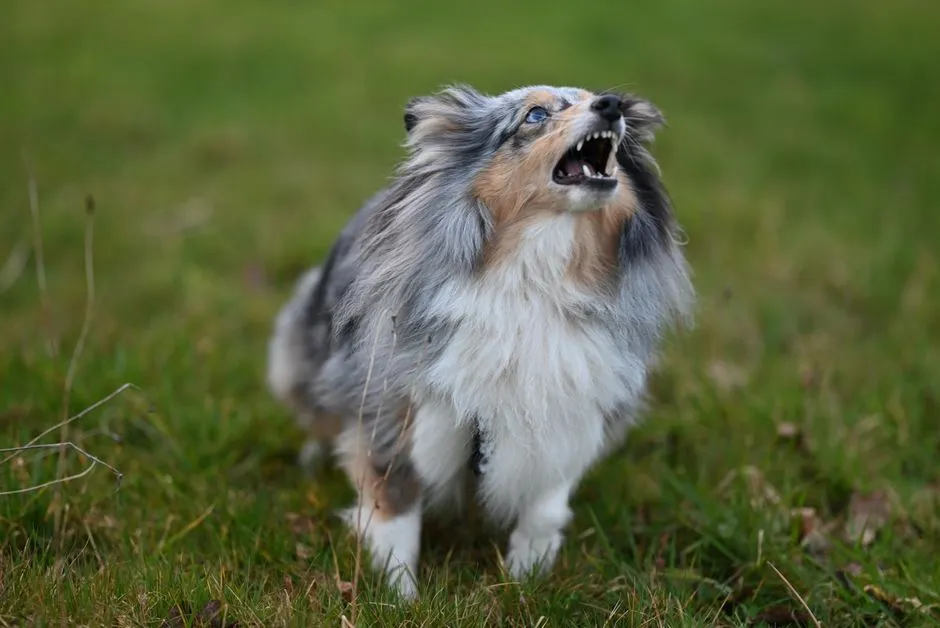
Shelties are like mini Border Collies with an anxiety streak. They’re smart, sound-sensitive, and extremely tuned into their owners’ emotions, which means changes like suddenly being left alone more often hit them harder than most breeds. Barking at every hallway sound, whining, and circling are all common signs they’re not okay being solo.
Developed to guard and move livestock close to the family home, modern apartment life with thin walls and constant noise is already stressful for them. Add loneliness on top and it becomes a genuine pressure cooker. Shelties generally handle alone time better with predictable routines and real mental work like scent games or trick training. Without that outlet, their brain will manufacture problems where none exist.
#16 – Havanese: Velcro Lite That Still Struggles Alone
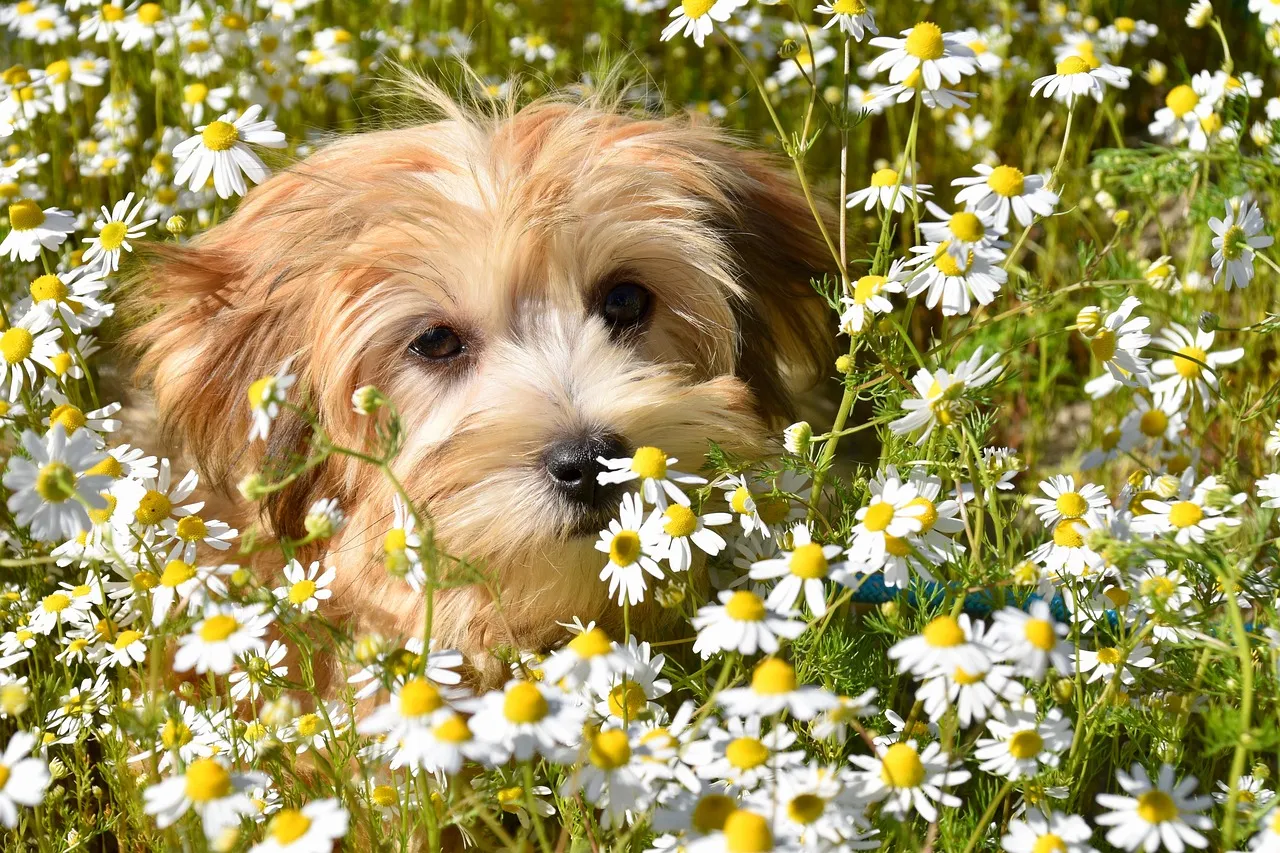
Havanese are marketed as adaptable, and they are, but with a big asterisk attached. Bred as Cuban companion dogs who lived closely with families and often went everywhere with them, most well-socialized Havanese still prefer being with their people and can turn anxious if suddenly expected to tolerate long, lonely days.
They may not destroy furniture, but quiet stress like pacing, whining, or over-grooming is still very real underneath the cheerful exterior. Because they’re friendly and upbeat, their distress gets misread as “quirky,” and owners laugh off crying at the door as cute without recognizing the warning sign. Gradual alone-time training from puppyhood, plus background company when possible, makes a real difference for this breed.
#17 – Basenji: Cat-Like and Genuinely Okay With Space
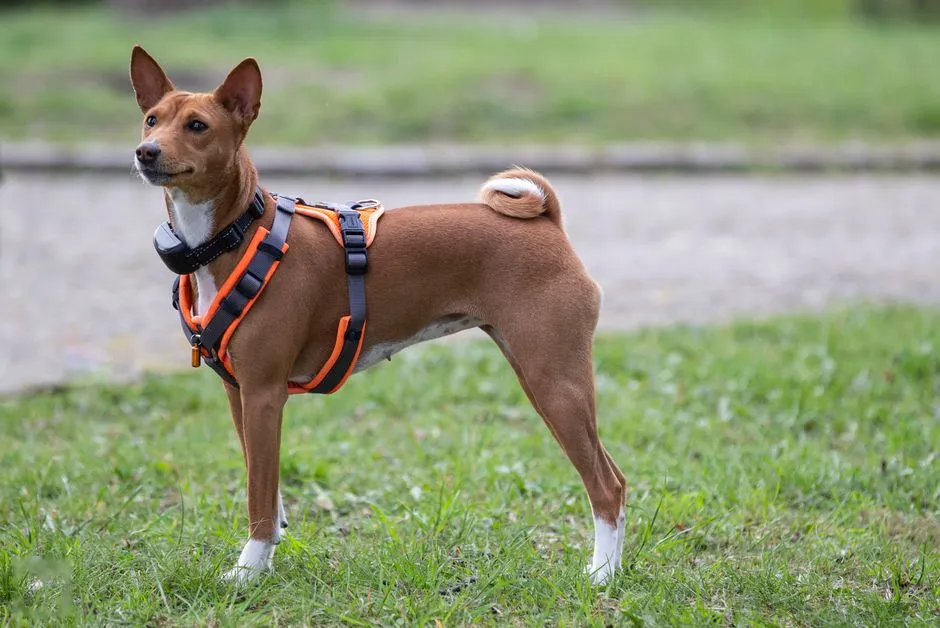
Now the script flips. Basenjis are often described as cat-like, and that’s not just about their fastidious grooming habits. This is a primitive breed with a strong independent streak and a tendency to be far more self-contained than the average dog.
They still bond with their humans, but many Basenjis are noticeably less distressed by alone time, assuming they’re well exercised and mentally stimulated beforehand. They’re curious, often content observing quietly or entertaining themselves with toys and a good vantage point. Compared to shadow-dogs like Vizslas or Cavaliers, Basenjis generally cope better with moderate solitude, even if they trade away some of that classic eager-to-please cuddliness in the process.
#18 – Chow Chow: Dignified and Emotionally Self-Sufficient
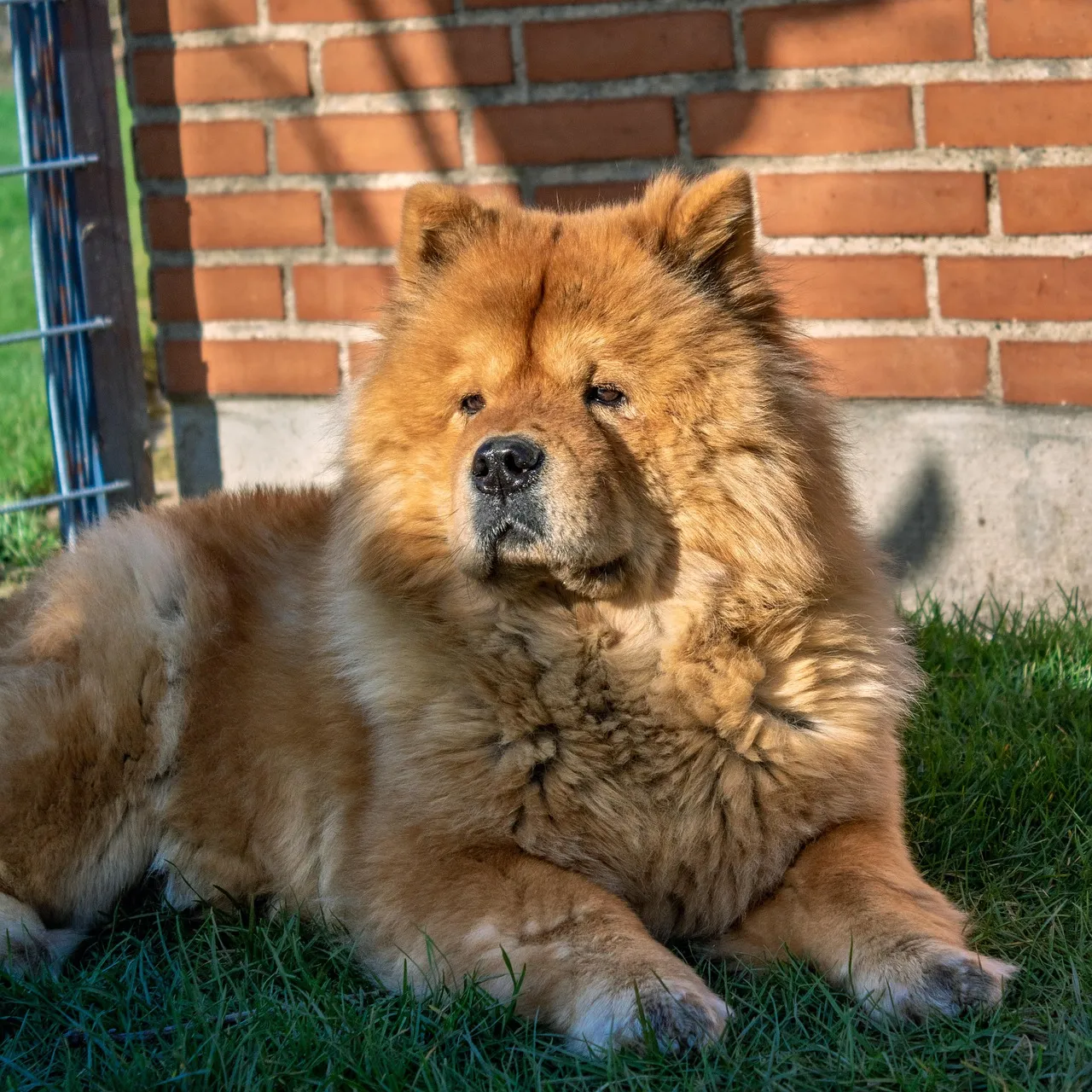
Chows are controversial. Some people adore them, others find them too aloof, but that aloofness is exactly what makes them more tolerant of alone time than many “friendlier” breeds. Chow Chows often form strong bonds while remaining emotionally self-contained, meaning they don’t typically need constant physical contact to feel secure.
Worth Knowing
- One of the oldest recognized dog breeds, with roots tracing back to ancient China
- Historically used as guard dogs, cart-pullers, and hunting companions
- Famous for a distinctive blue-black tongue found in few other breeds
- Naturally watchful temperament that leans toward calm observation rather than clinginess
In practical terms, your absence doesn’t shatter their world the way it would for a velcro breed. They’re naturally watchful and content simply overseeing their home base. Still, they need early socialization; an undersocialized Chow combined with constant isolation is a genuinely bad combination. In a normal, structured home, many Chows handle workday-length absences better than your average retriever or spaniel ever will.
#19 – Shar-Pei: Loyal, But Not Needy
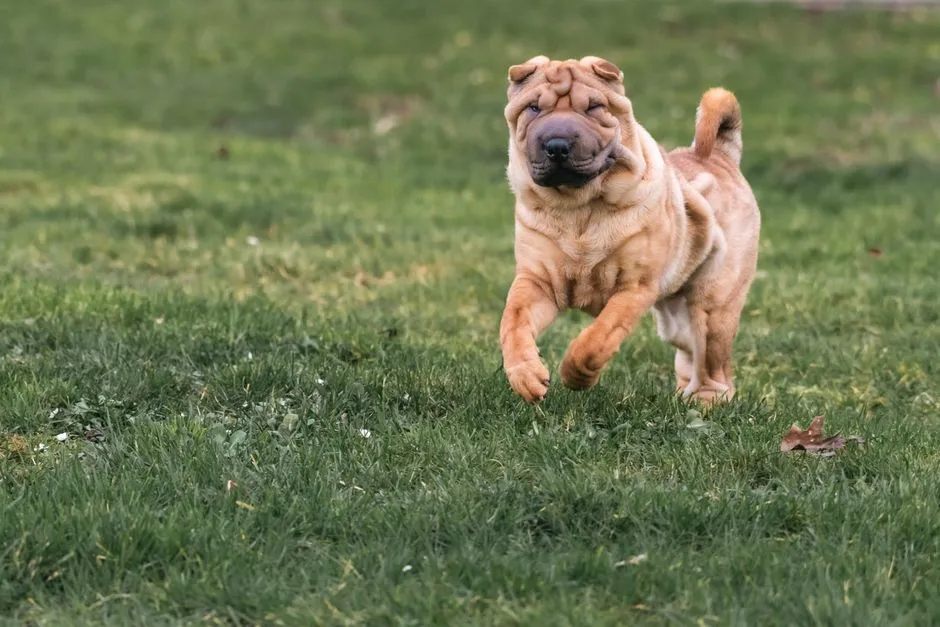
Shar-Peis are famously reserved. They tend to pick one person and stay fiercely loyal, but they’re rarely clingy in the classic sense. This breed has a reputation for being content just existing in the same space as you, not necessarily on top of you, which means stretches of alone time are often tolerated better than in hyper-social breeds.
Many Shar-Peis will greet you calmly rather than exploding with overexcited affection. They still need mental stimulation and exercise, but they’re not typically the dog that unravels emotionally the second you step out the door. What they do need is stability: predictable rules, a calm environment, and consistent interaction. For owners who work standard hours and don’t want a full-blown velcro dog, Shar-Peis can be a surprisingly practical fit.
#20 – Greyhound: The Professional Couch Potato
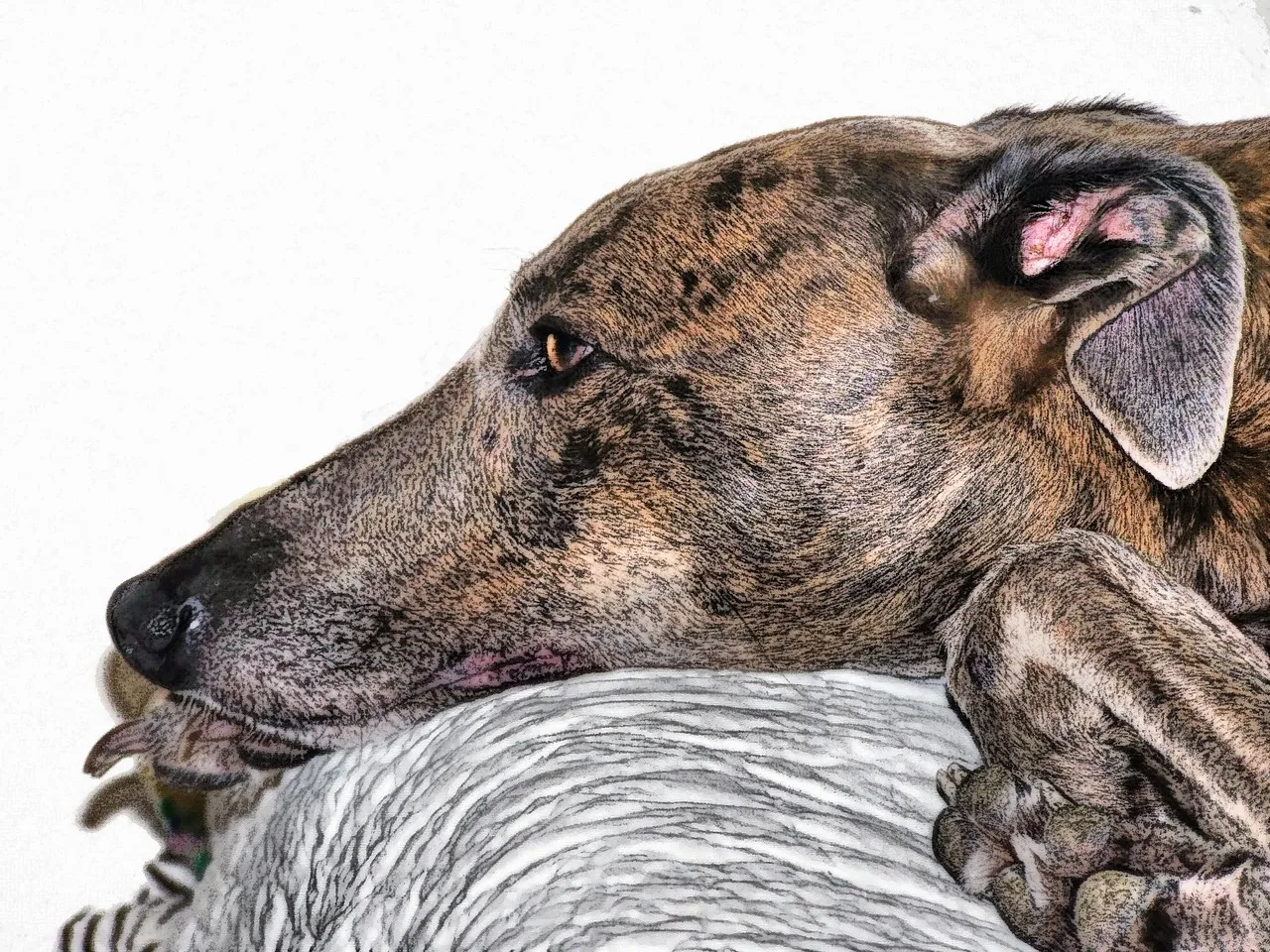
Retired racing Greyhounds have a reputation: lazy, gentle, and perfectly happy to nap for hours. That stereotype turns out to be surprisingly accurate. Many Greyhounds are genuinely content spending large chunks of the day snoozing, as long as their physical and emotional needs are met when you’re actually home.
They often adapt well to apartment life and full-time working schedules, provided they get daily walks and some affection. Their naturally calm temperament means they’re far less likely to spiral into full-blown separation panic. That said, newly retired racers can struggle at first with any change, including being suddenly alone in a house. Once settled, though, a well-adjusted Greyhound is one of the few large breeds that truly handles moderate alone time without drama.
#21 – Akita: Independent Guardian With Strong Boundaries
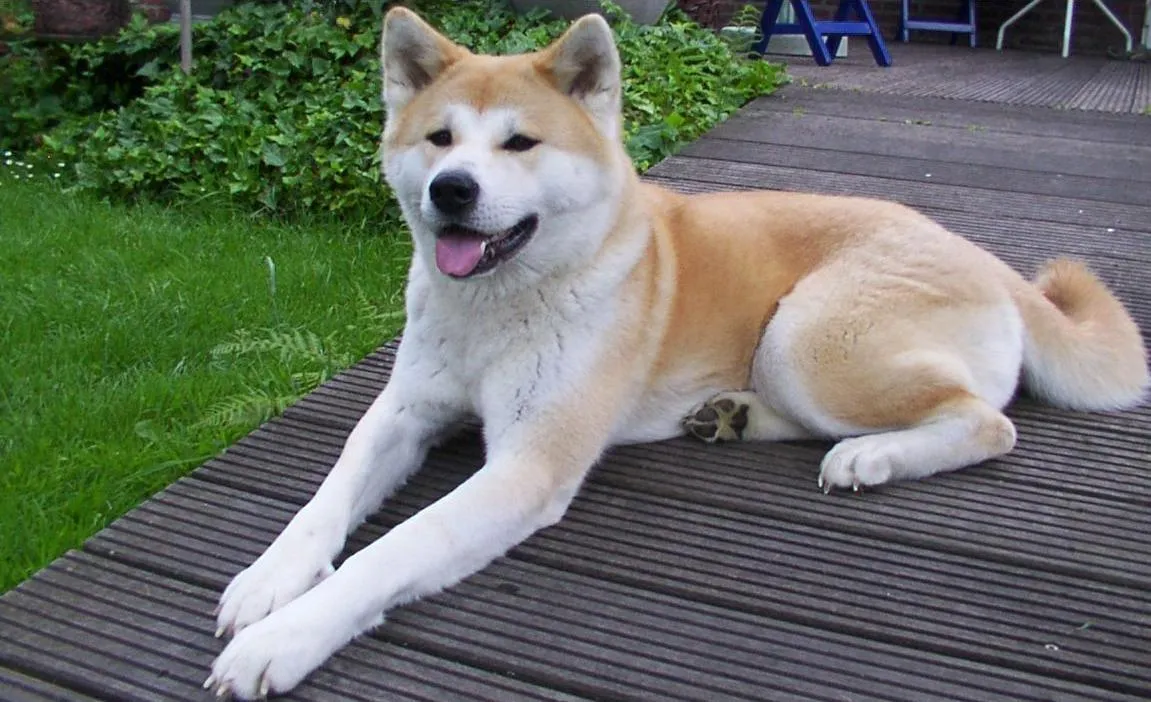
Akitas are famously independent, sometimes to a fault. They form powerful bonds with their families, but they’re not typically needy about it. An Akita is far more likely to quietly patrol the house than to cry at the door the moment you leave.
That instinct to calmly guard rather than panic makes them one of the more alone-tolerant large breeds, assuming proper socialization and training. This is not a beginner dog; it requires regular exercise, firm leadership, and respect for a strong personality. But in terms of separation, many Akitas handle standard workdays better than emotional breeds like Goldens or Aussies. Owners who understand that less overt affection doesn’t mean less bond usually thrive with them.
#22 – Shiba Inu: The Don’t-Cling-to-Me Companion
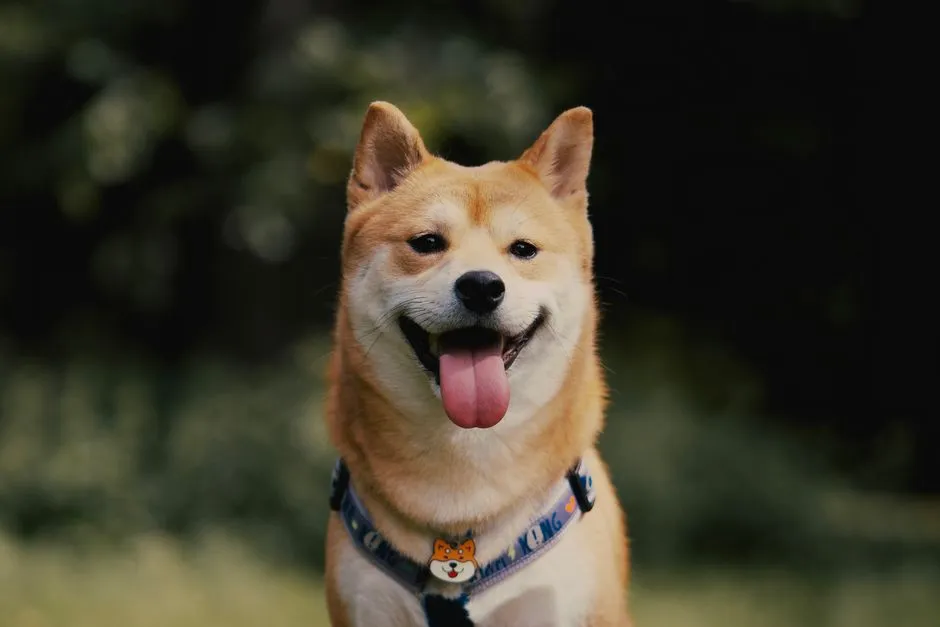
Shiba Inus are almost meme-level famous for their independence, and it’s not exaggerated. Most Shibas are affectionate strictly on their own terms, and they’re noticeably less distressed by alone time than classic velcro dogs.
Fast Facts
- Considered one of the oldest and smallest native dogs of Japan, its ancestry dates back several thousand years
- The Shiba Inu was bred to hunt and flush small game, such as birds and rabbits
- The American Kennel Club (AKC) recognized the Shiba Inu in 1992
- Known for a self-possessed, cat-like personality that keeps affection on its own terms
Many are content to nap, watch the window, or quietly patrol the house while you’re gone, especially with clear boundaries and alone-time built into their routine early on. Their independence cuts both ways, though. People misread it as “easy” when in reality Shibas are strong-willed and not especially eager to please. They’re a great fit for owners who respect a dog with genuine opinions and don’t need constant reassurance of affection.
#23 – Afghan Hound: Elegant, Aloof, and Surprisingly Solo-Tolerant
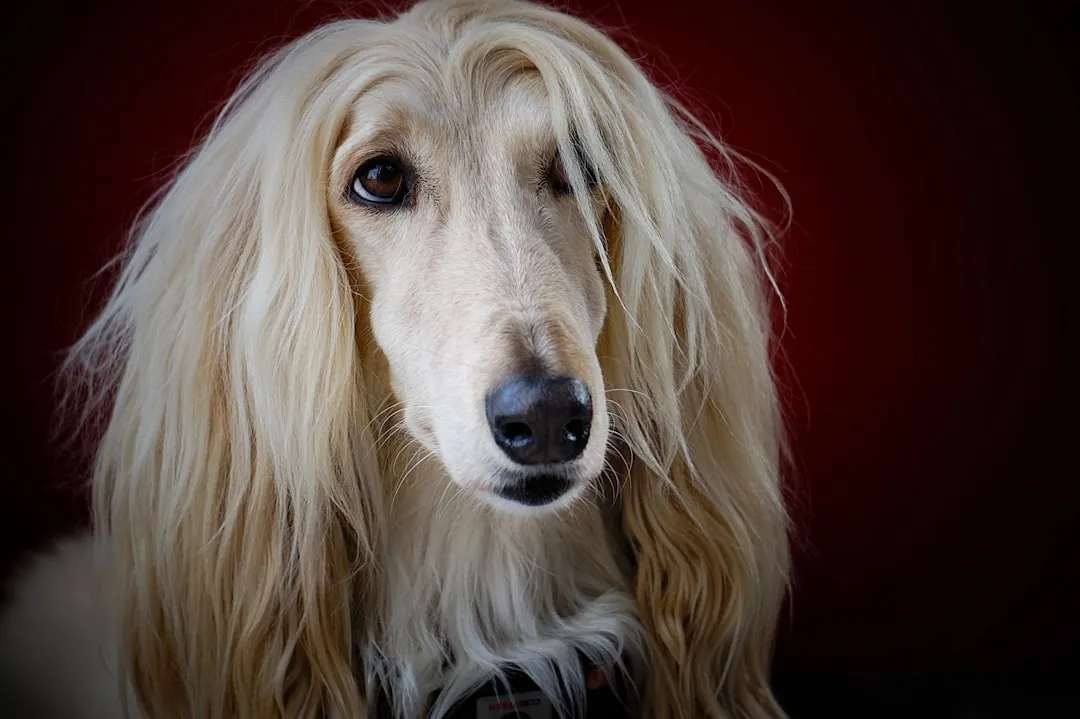
Afghan Hounds look dramatic, but emotionally they’re often quite detached. Bred as independent hunters working in harsh terrain, they’re used to making their own decisions at a distance from humans, and that working history tends to produce dogs less panicked by being alone.
They’ll often choose a quiet corner over constant cuddling, though they can still bond deeply and need proper socialization. Daily exercise and grooming are absolutely non-negotiable, neglect those and behavior and health problems follow fast. But from a pure separation standpoint, Afghan Hounds usually cope far better than their glamorous show-dog image suggests.
#24 – Chinese Crested: The Independent Lapdog Twist
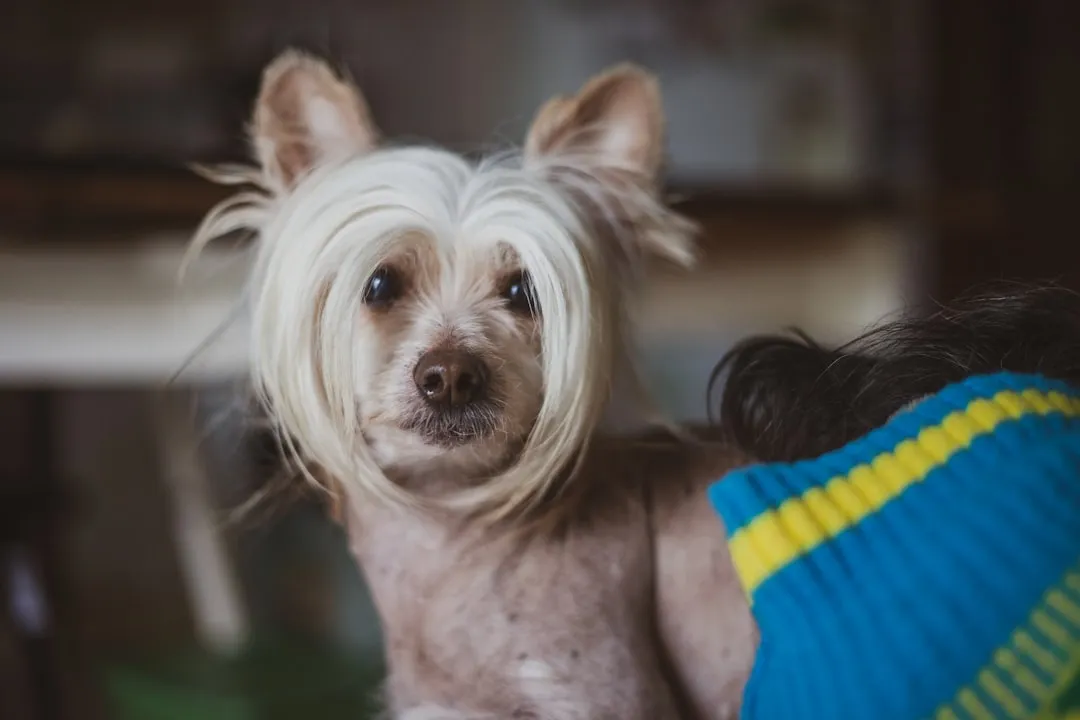
This one surprises people. Chinese Cresteds, both Hairless and Powderpuff, are small and often cuddly, yes, but many lines carry a distinctly independent streak. Compared to ultra-clingy toy breeds, a well-socialized Crested is often more adaptable and better at self-entertaining when left alone for reasonable periods.
They like being with you, but they don’t always need to be on you every second. They’re curious, playful, and often content with a comfy spot and a good window view, especially when raised with structured alone-time from puppyhood. No dog is truly fine being ignored constantly, Cresteds included, but if you want a smaller dog that handles a standard workday better than a clingy Maltese or Cavalier, this is an underrated option.
The Bottom Line
The idea that any dog can adapt to being left alone is one of the quietest, most damaging lies in pet ownership. Labs, Goldens, Vizslas, Cavaliers, these dogs are literally built to orbit humans, and they suffer when treated like decor you can leave for hours at a stretch. Basenjis, Chows, Shibas, Greyhounds sit on the opposite end, wired to be self-contained and genuinely capable of handling solo time once their other needs are covered.
None of this makes a breed good or bad. It means owners need to stop shopping with their eyes and start shopping with brutal honesty about their actual daily life. If you work ten-hour days and bring home a velcro breed anyway, that’s not the dog’s failure, it’s yours. Disagree with where your dog landed on this list? Say so. Did we miss the one breed that’s secretly the neediest, or the most shockingly independent dog you’ve ever met? Drop it in the comments.
