
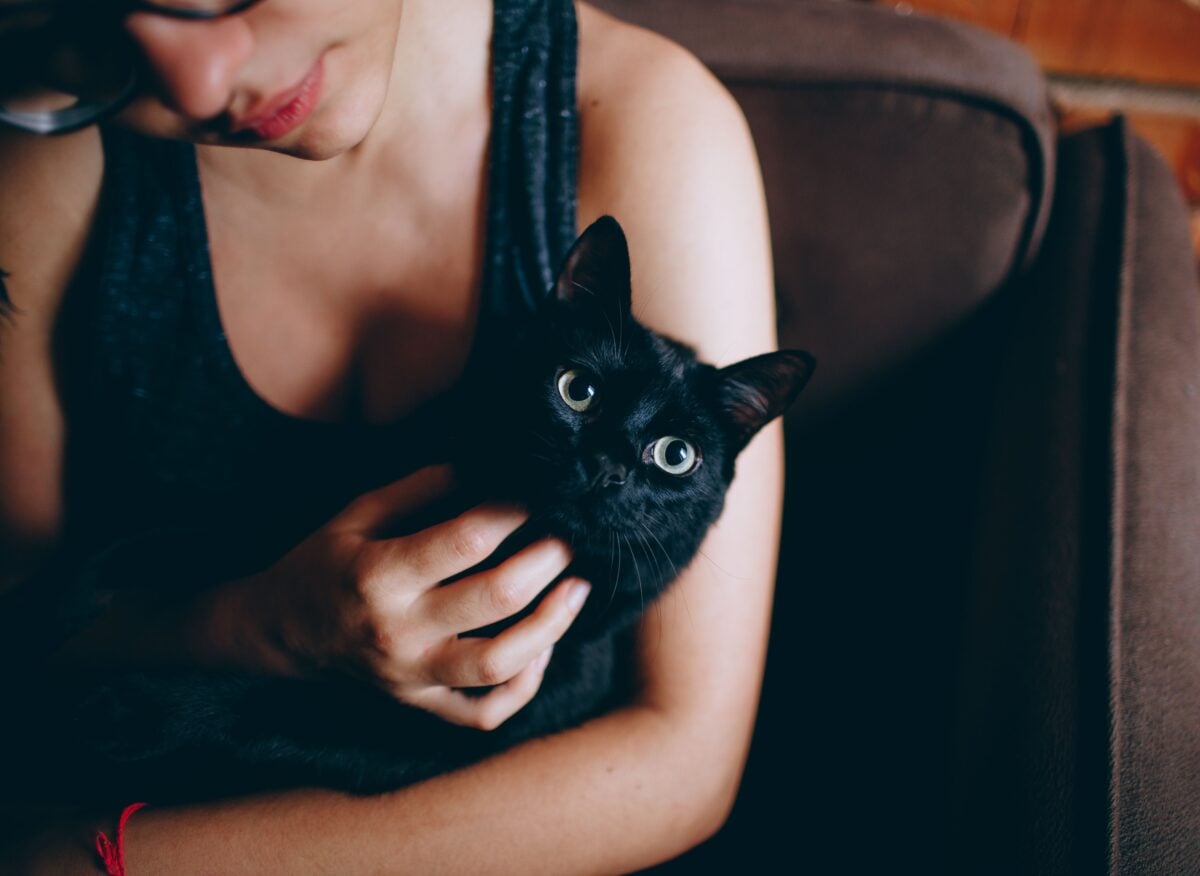
Everyone repeats the same tired line: cats crawl off alone to die, cold and private, wanting no witnesses. Vets who work in hospice care will tell you that’s often just wrong. A lot of aging cats do the opposite. They pick a person, plant themselves beside that person, and quietly rearrange their entire last chapter around them.
The catch is that this choosing rarely looks dramatic. It shows up as a stare that lasts a beat too long, a spot on the couch they suddenly refuse to leave, a purr that only comes out for you. Miss the pattern and it just looks like “old cat being weird.” Catch it, and you realize your cat has been trying to tell you something all along.
#1 – Your Cat Suddenly Becomes a “Velcro Shadow”
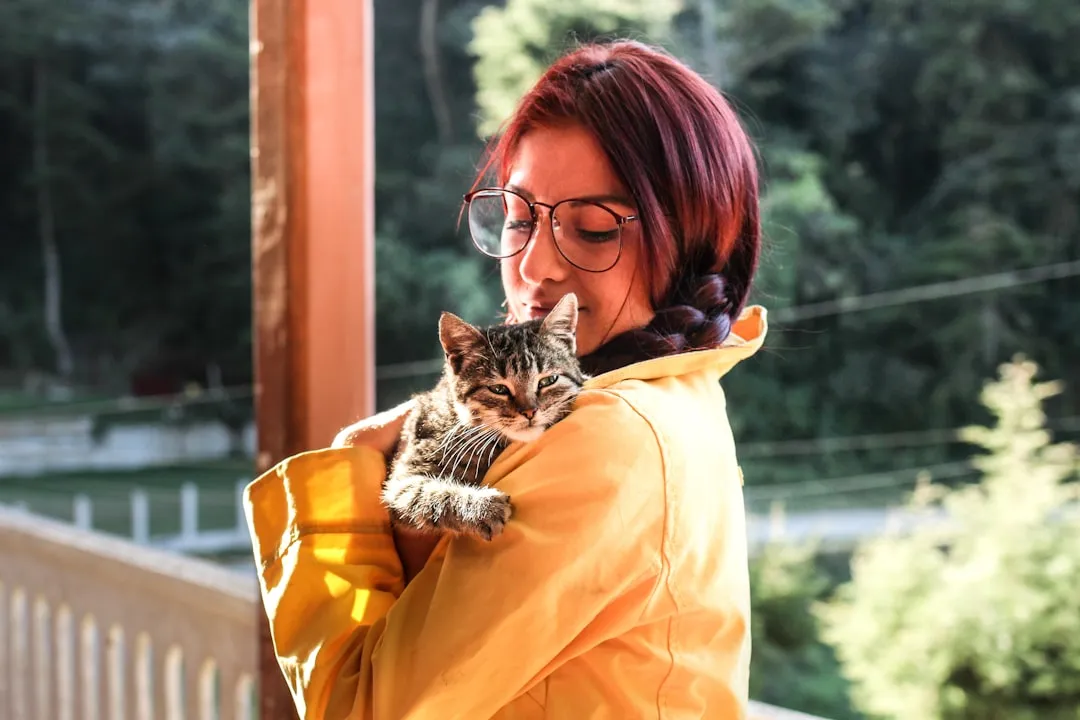
Out of nowhere, your independent cat is glued to you. This isn’t ordinary cuddliness, it’s deliberate. Many aging cats who start feeling vulnerable will pick one “safe person” and follow them from room to room, even if they never did this as a kitten.
Watch closely and you’ll notice it’s not just proximity, it’s priority. They might ignore other family members and pets entirely, but the second you move, they move. Hospice vets see this as a cat quietly saying, “I want you nearby when I don’t feel well,” and the clinginess almost always ramps up hardest at night, when they feel least secure.
#2 – They Choose Your Bed Over Every Favorite Spot They Ever Had
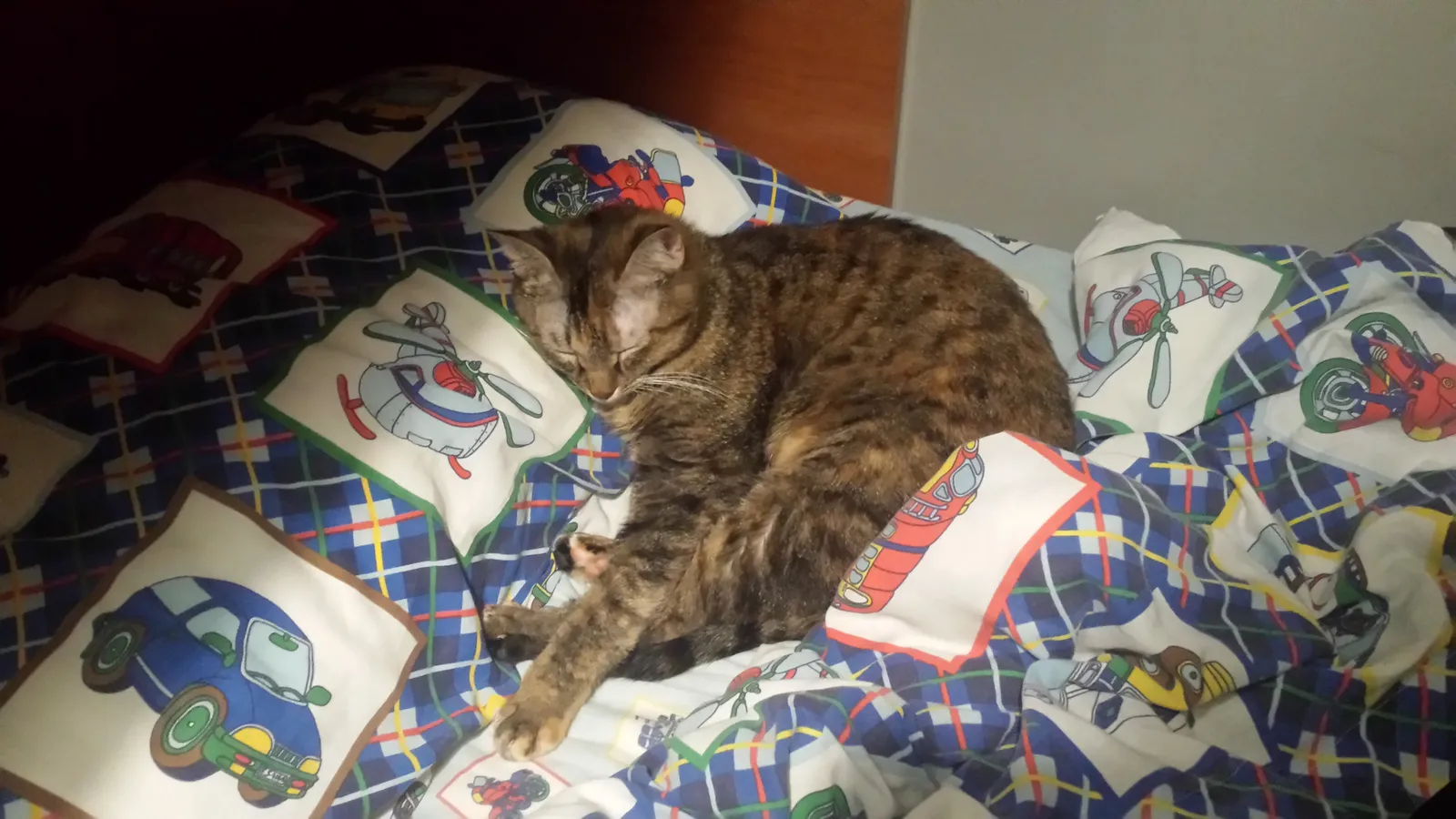
For years your cat preferred the back of the couch or a sunny windowsill. Then, without warning, they start insisting on sleeping on your bed every single night, often pressed right against you. Aging cats seek warmth, safety, and familiar scent all at once, and your bed happens to offer all three.
This isn’t comfort, it’s strategy. It’s the one place they know you’ll always come back to. Some guardians say their senior cat will actually wake them up just to resettle closer, or turn down a brand-new plush bed in favor of the lumpy spot by their human’s legs. When a cat that never cared about bedtime routines suddenly claims your pillow, they’ve picked your bed as their final sanctuary.
#3 – The Eye Contact Turns Long, Slow, and Strangely Human
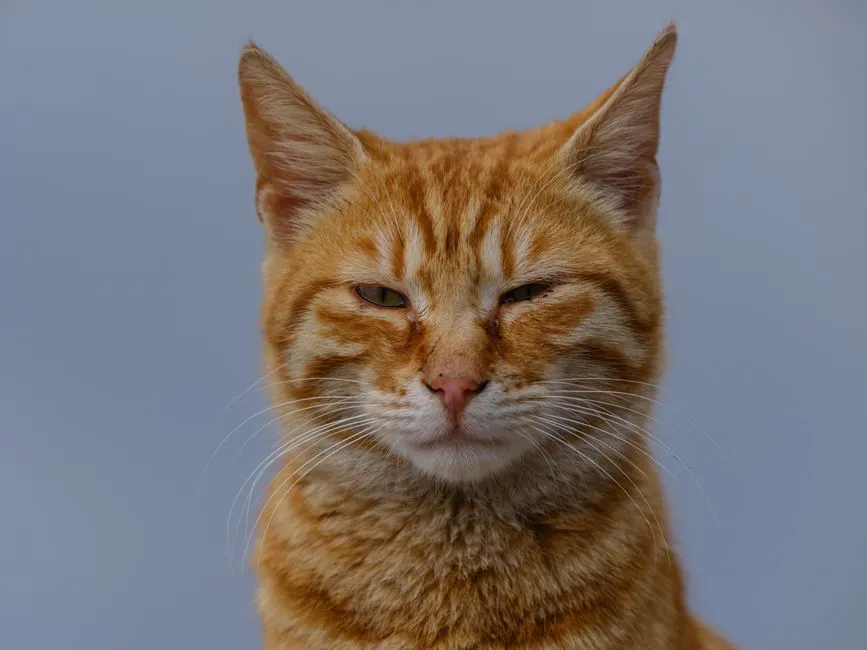
Most people underestimate what eye contact means to a cat, but end-of-life behavior can flip that completely. A cat who used to glance at you casually might now hold your gaze for long, unblinking stretches, then follow it with slow, deliberate blinks. In feline language, those slow blinks are trust, almost like saying, “I feel safe with you.”
With aging cats, this often intensifies. You may catch them watching you quietly from across the room, or staring calmly into your eyes while you pet them, as if memorizing your face. Some people find it unsettling and call it creepy, but hospee vets and behaviorists read it as emotional check-ins, your cat reinforcing the bond with the one person they’ve chosen as their anchor.
Fast Facts
- A 2020 study found cats are more likely to slow blink at their owners when their owners slow blink at them.
- The same research showed cats were more likely to approach an experimenter who had slowly blinked at them compared to an experimenter who maintained a neutral expression.
- Cats are considered to be “senior” once they are about 11 years old, and “super senior” when they reach over 15 years of age.
- Vision and hearing may decline, causing some cats to be startled, anxious, or reactive when approached unexpectedly.
#4 – They Start Craving Physical Contact They Used to Hate
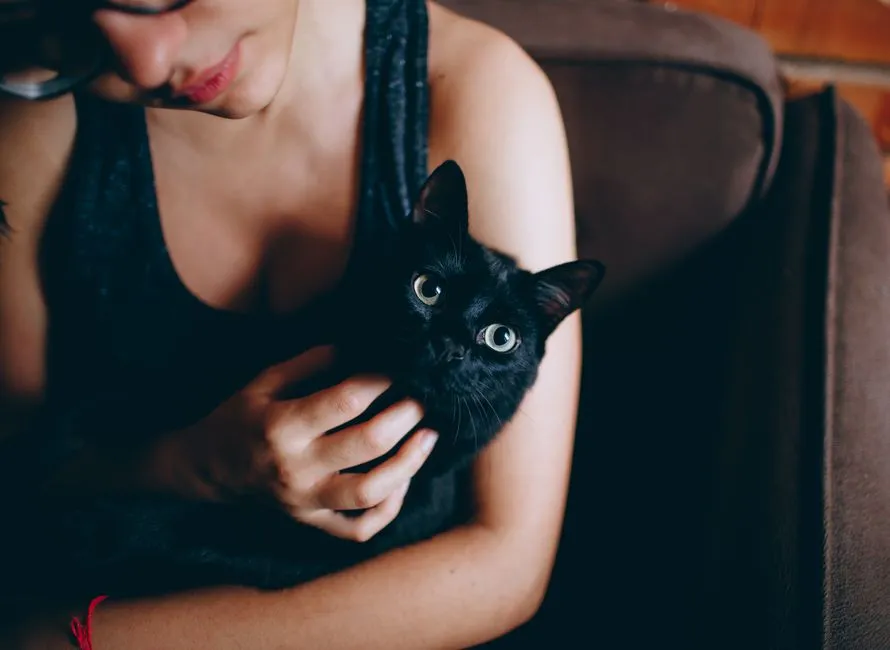
If you’ve lived with a “no hugs, thanks” cat for years and suddenly they’re climbing into your lap, something has shifted. Senior and terminally ill cats often soften their boundaries with the one person they trust most, tolerating longer petting sessions, resting their head on your arm, or leaning their whole body into your chest.
This isn’t only about feeling cold or achy. Being physically pressed against you can actually help regulate their anxiety and body temperature. Some cats even accept being picked up near the end, after a lifetime of despising it, as if they’ve quietly decided your comfort matters more than their old rules. If your hands become the only place they can settle, they’ve chosen you as their emotional life raft.
#5 – They Stop Hiding From You and Start Hiding With You
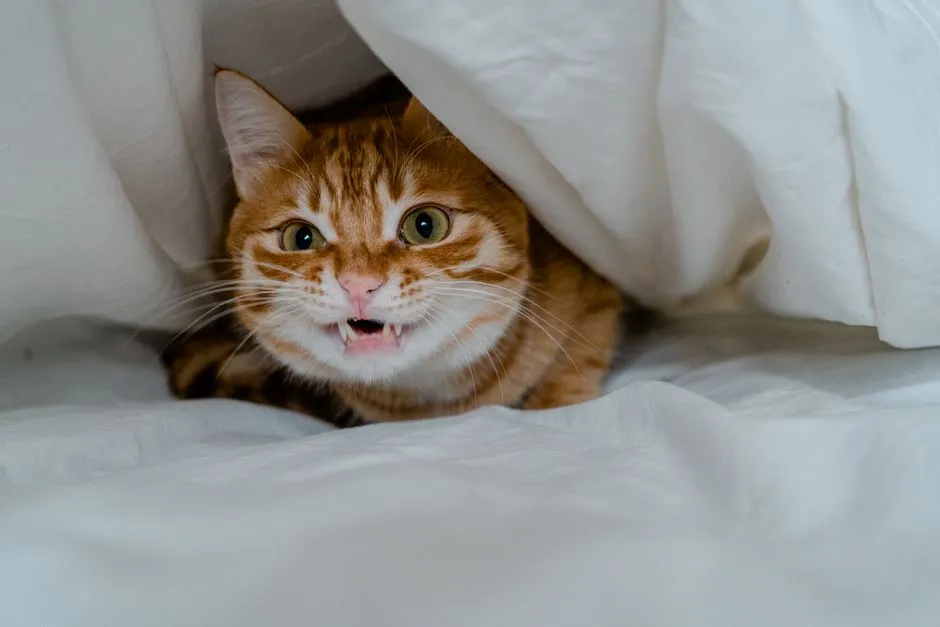
Most guides say “cats hide when they’re sick,” which is true but incomplete. A cat who has chosen you often stops hiding from you and starts hiding near you. Instead of disappearing under a far-off bed, they’ll tuck themselves under your side of the bed, your desk, or the chair you always sit in.
They still want a den, but now your presence is part of the den walls. Watch what happens if you leave the room while they’re tucked away. Many will drag themselves out just to relocate wherever you go, then burrow right back under the nearest object by your feet. That hybrid instinct, still hiding but never truly away from you, is one of the clearest emotional tells there is.
#6 – Their Meow Turns Into an Actual Conversation With You
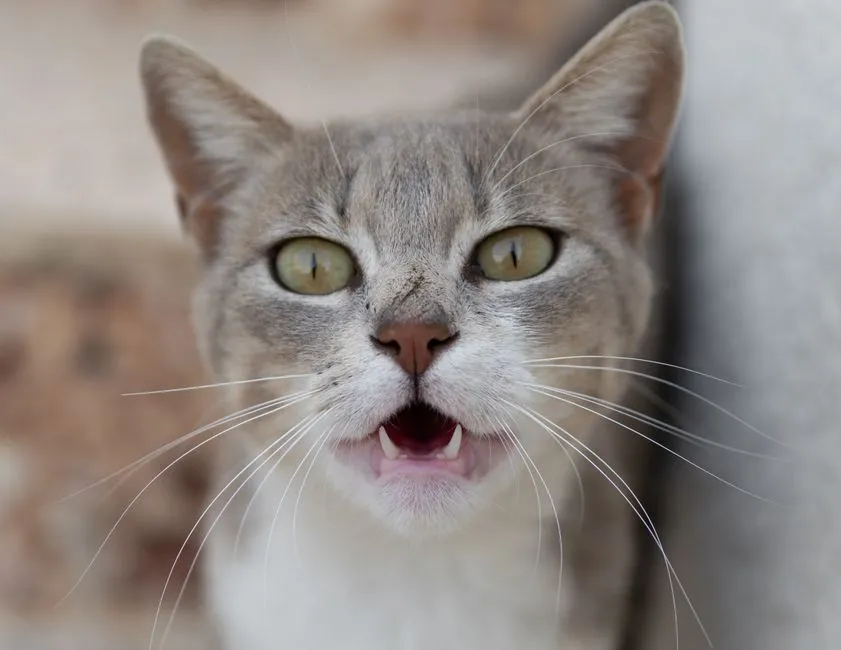
Aging cats, especially uncomfortable ones, often vocalize more, but the pattern matters. Cats that have bonded deeply with one person may start calling specifically to that person, using softer, more varied sounds only when you’re around.
You might notice gentle chirps or trills when you enter a room, or short, questioning meows if you walk away too long. This is less “feed me” and more “don’t vanish on me.” Some senior cats even seem to answer when you speak, offering a quiet sound or a slow blink back. Dismiss it as anthropomorphizing if you want, but cats absolutely learn social patterns from us, and near the end many lean hard on that learned dialogue to keep their chosen human close.
#7 – Their Whole Body Finally Relaxes the Moment You Walk In
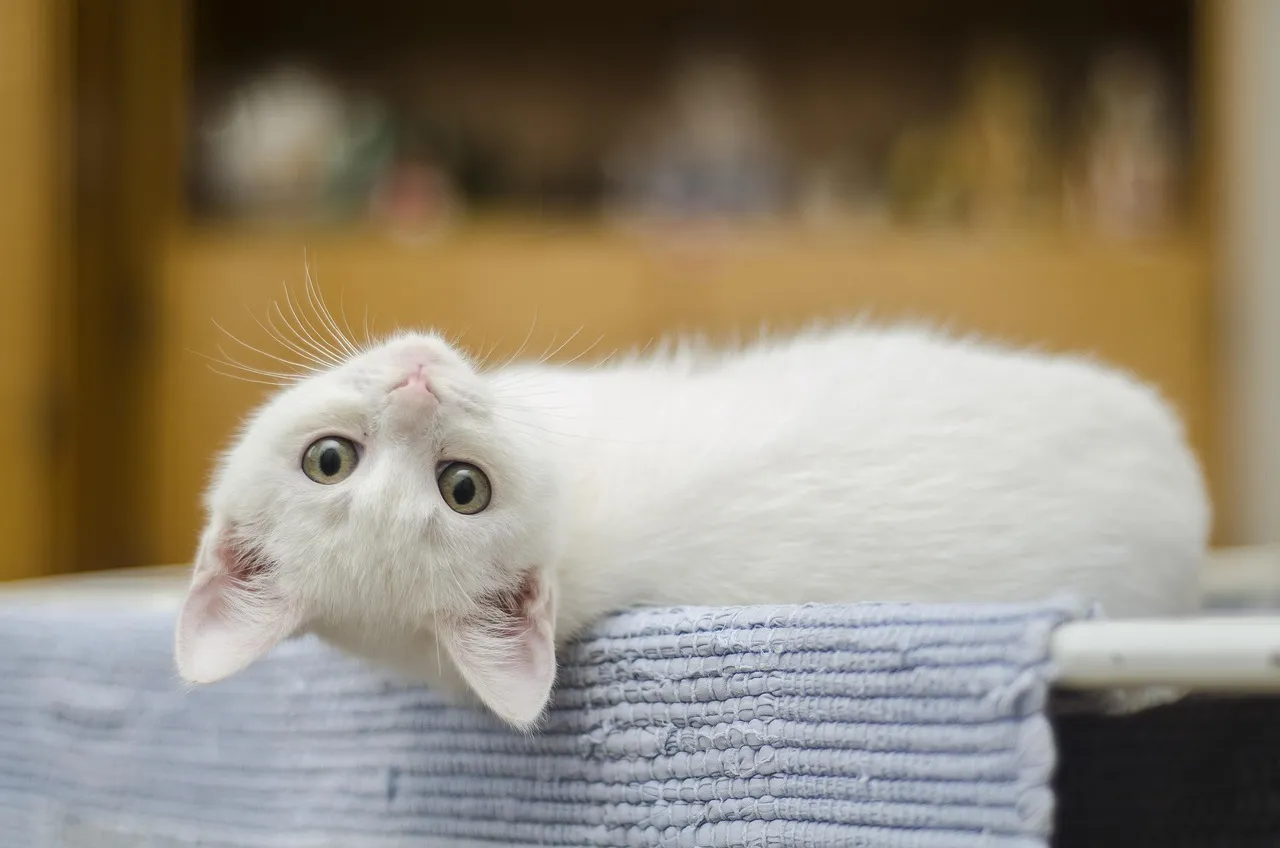
Watch your cat’s body language, not just their medical chart. An aging or terminally ill cat might seem restless, twitchy, or on alert, until you walk in. Then, almost like a switch flips, their body softens. Breathing evens out, paws stretch, and they finally drift off.
Some guardians notice their cat forces itself to stay “on guard” until their chosen person sits down nearby. In the wild, a sick animal can’t afford to fully relax. At home, your presence becomes their security system. If their deepest, most peaceful sleep only happens when you’re there, that’s not random affection, that’s a conscious outsourcing of safety.
#8 – They Quietly Stop Caring About Everyone Else in the House
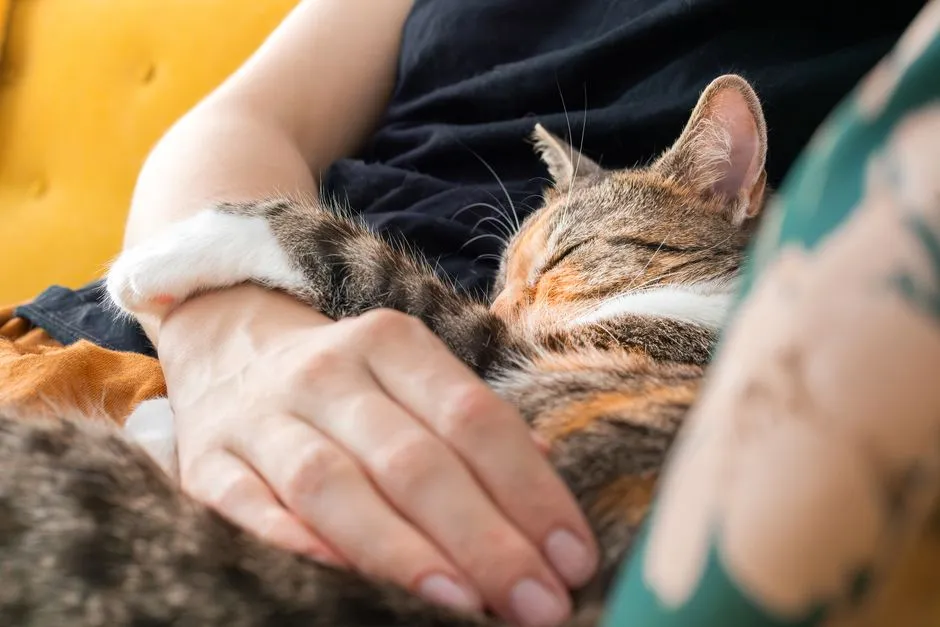
This is the sign that stings the most. A cat who once made the rounds, kids, partner, other pets, might begin funneling all their limited energy into one relationship: you. They stop greeting visitors, skip the kids’ bedtime routine, or no longer curl up with the resident dog. From the outside, it can look like they’ve turned cold.
In reality, they’re conserving what little energy they have for the bond that matters most right now. This selective attachment causes real friction. Someone in the house will say, “I thought I was their favorite,” or “Why won’t she come to me anymore?” But from the cat’s point of view, narrowing in on one person is risk management, a quiet decision about exactly who they trust to see this through.
#9 – They Start Leading You to Their “Chosen Spot”
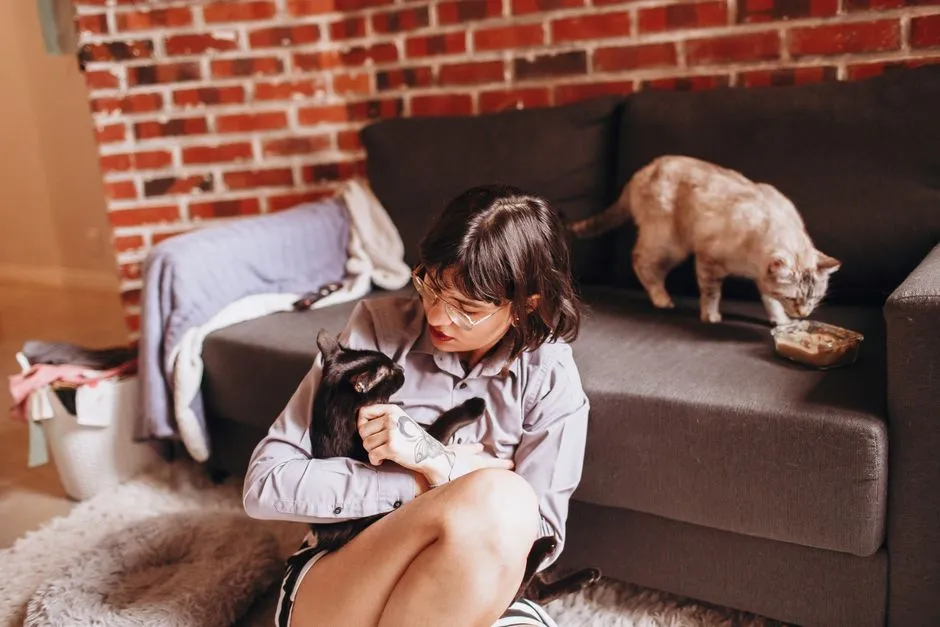
Many guardians notice this and write it off as coincidence: the cat keeps leading them to the same couch corner, armchair, or patch of floor. End-of-life cats often pick one specific safe zone and repeatedly recruit their chosen person to sit there with them. They’ll walk ahead, glance back to check you’re following, then settle in and stare until you sit down too.
This isn’t wandering, it’s scripting. They’re building a predictable, shared routine somewhere that feels safest, often near warmth or away from the loudest traffic in the house. Once they’ve imprinted on that space, they’ll return to it on bad days even without you, because it now carries your scent and presence. Heartbreakingly, it can become the exact place their final hours unfold.
Quick Compare: Ordinary Aging vs. “Choosing You” Signals
- Ordinary slowdown: Naps more overall, but still rotates between a few favorite spots around the house.
- Choosing you: Abandons every old favorite spot for one location, always within sight or touch of you.
- Ordinary vocal shift: General increase in meowing tied to hunger, confusion, or hearing loss.
- Choosing you: Specific chirps, trills, or calls that only happen when you enter or leave a room.
#10 – They Let You Do the “Unpleasant Stuff” They Refuse From Everyone Else
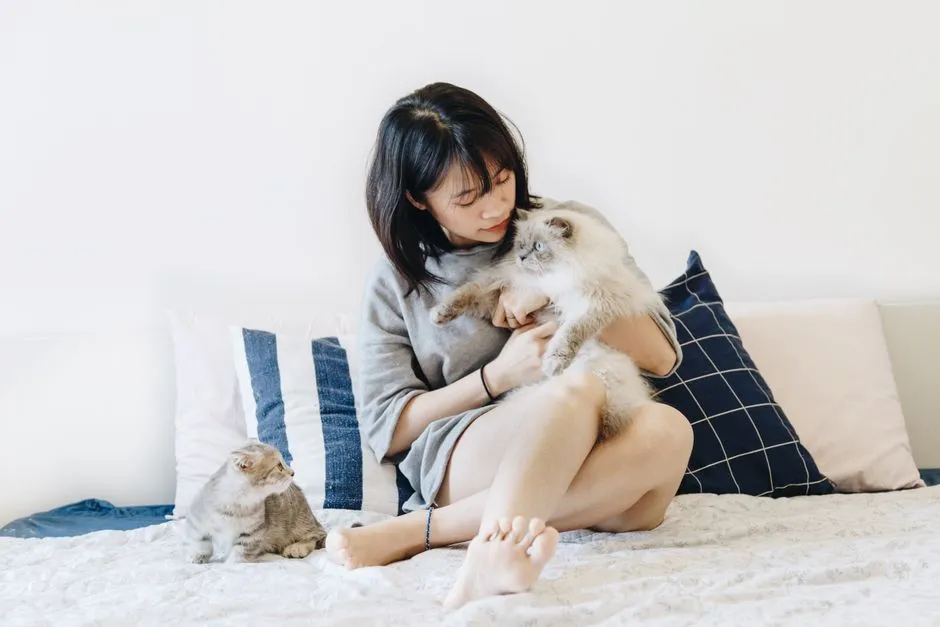
Senior cats can get prickly about being touched, medicated, or groomed. Yet you might be the only one allowed to handle the hard parts. Maybe they hiss the second your partner tries to put in eye drops, but go quiet, even resigned, the moment you do it.
This isn’t submissiveness, it’s calculation. They know they need help and have decided you’re the least risky person to hand control over to, which is a massive concession for a prey animal whose survival depends on staying in charge of its own body. When a cat chooses to be vulnerable with you specifically, especially around their fragile frame, that’s them naming you as caretaker for the hardest part.
#11 – Their Entire Daily Routine Starts Syncing to Your Schedule
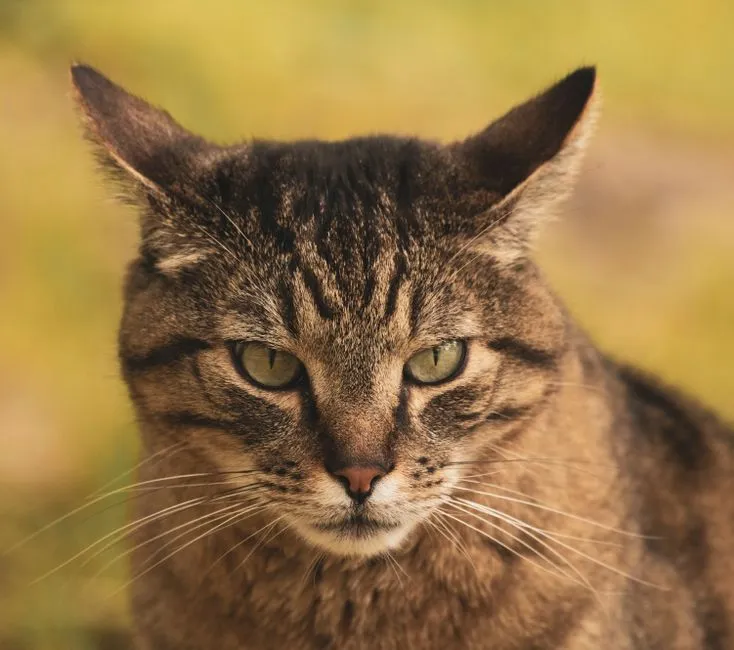
Plenty of pets get excited when their person walks in, but aging cats take it further. Instead of a short burst of greeting, their whole daily energy budget starts syncing to your schedule. They sleep more deeply while you’re gone, then rally whatever strength is left the second they hear your key in the lock.
Dinner, grooming, cuddles, it all starts clustering around your presence. Some cats will even delay eating or drinking until you’re nearby, as if basic survival only feels safe under your watch. When decisions as fundamental as when to eat or when to rest become tethered to your availability, that’s well beyond casual affection.
#12 – Their Touch Turns Unusually Gentle and Careful
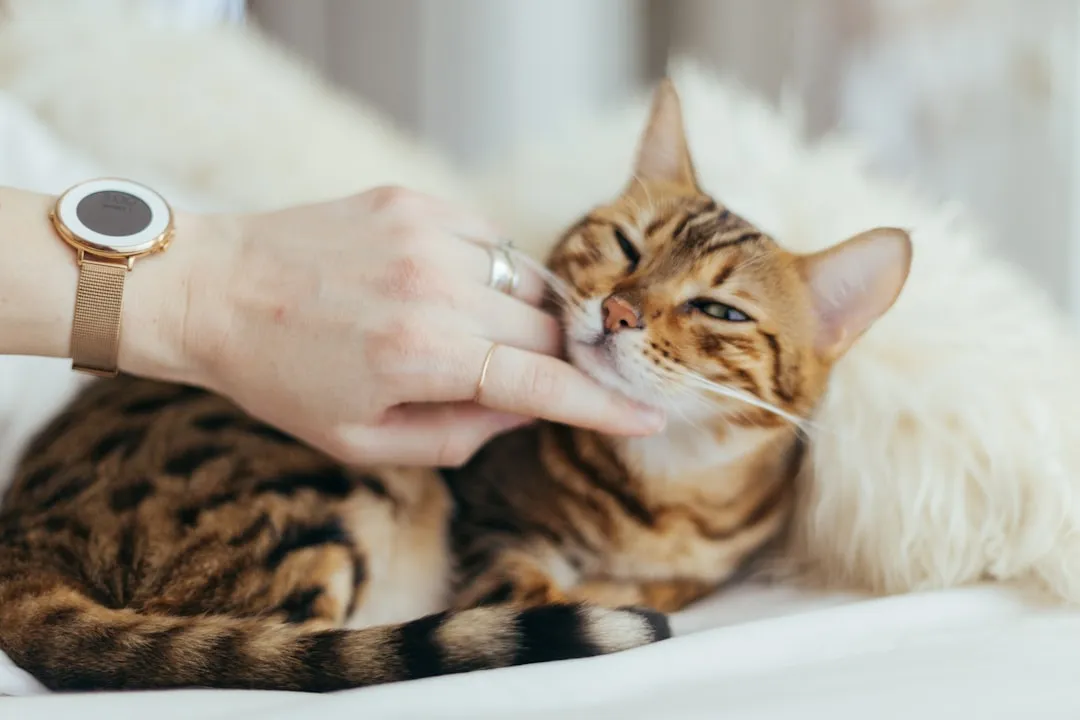
Cats are tactile communicators when they trust someone, and in their final stretch that touch often turns unusually gentle and intentional, especially toward the one they’ve chosen. You might notice soft paw taps on your arm or face with the claws tucked away, or light head nudges that linger far longer than usual.
Unlike playful swats or “feed me” pats, these touches feel almost careful, as if they’re handling you delicately instead of the other way around. Many guardians describe their cat suddenly being “extra polite.” Skeptics call it projection, but when the same cat is rougher with everyone else and almost ceremonially soft with you, it’s hard to write off as coincidence.
#13 – They Start Nesting in Anything That Smells Like You
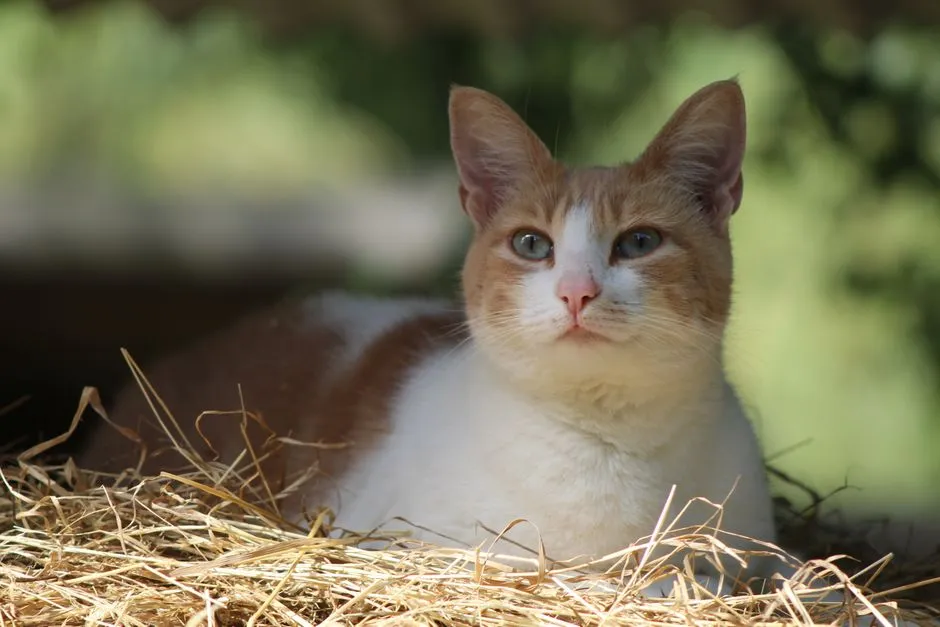
A lot of cats couldn’t care less about your hoodie until they get old and fragile. Then suddenly they insist on sleeping on your sweater, your blanket, your pillow specifically. Some will drag or knead a scented item over and over until it’s arranged exactly how they want it, effectively building a you-scented nest for when you’re not right there.
Even more telling, cats who used to hate being covered may now accept a light blanket over their hips or paws, but only if you’re the one who put it there. They’re not just chasing warmth, they’re chasing continuity. Your scent becomes a stand-in for your presence, a way to keep a piece of you close when fear or pain spikes.
#14 – They Drag Themselves to You Even When They’re Clearly Too Weak
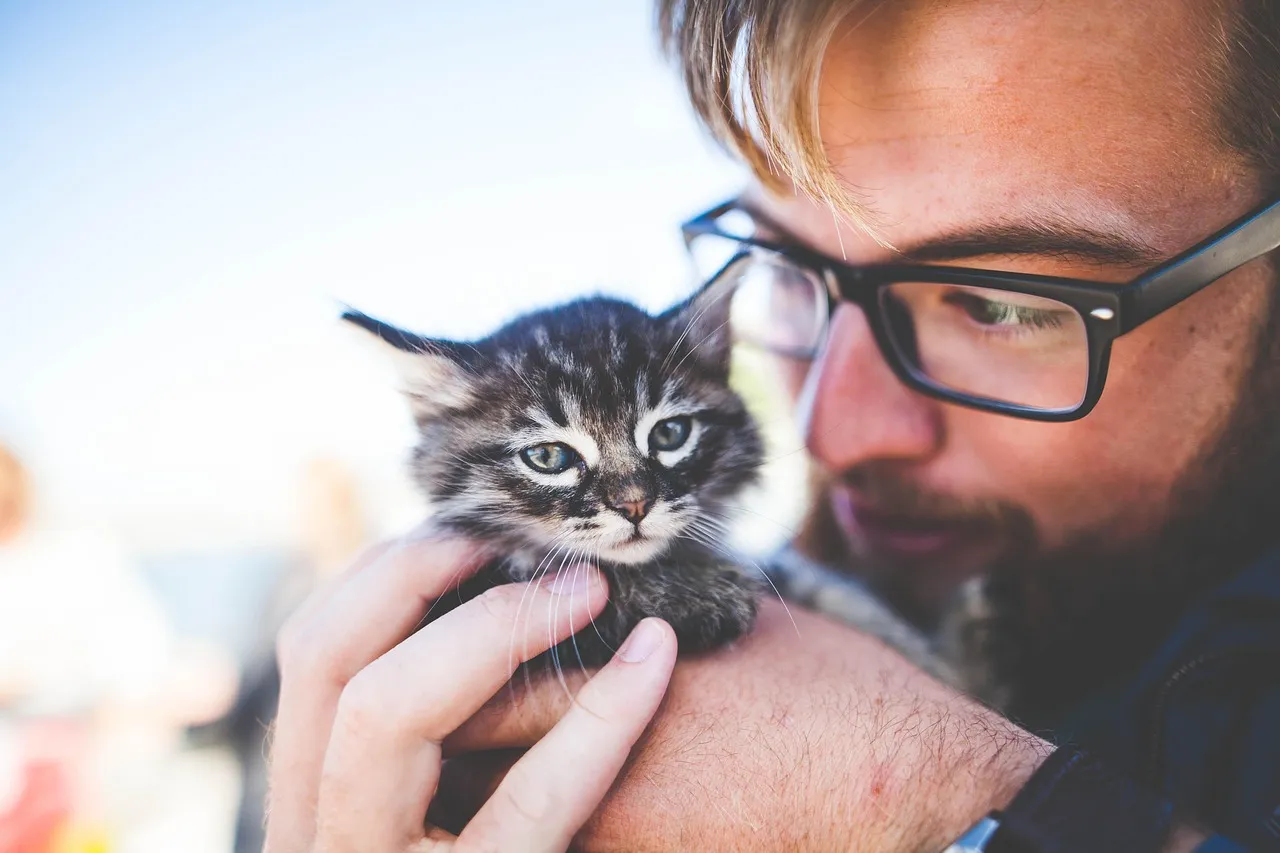
One of the hardest signs to watch is also one of the clearest. An aging cat who can barely jump, who moves stiffly or breathes heavier than usual, will still drag themselves to wherever you are. They may struggle onto the couch, or simply lie right beside your chair, but the intent is obvious: they’d rather be uncomfortable near you than comfortable far away.
From a pure energy-saving standpoint, this makes no sense, rest should come first. Yet plenty of cats ignore that logic entirely. That’s exactly why the old myth that “animals go off to die alone” doesn’t hold up the way people assume. Some do. But a surprising number push themselves, painfully, to stay in the orbit of one specific human. If that’s you, it isn’t random. It’s a decision.
Worth Knowing
- Reduced grooming, changes in posture, reluctance to jump, and social withdrawal are important indicators to discuss with your veterinarian.
- Vets note that cats often conceal discomfort by hiding, grooming less, changing litter box habits, or becoming quieter instead of showing clear signs of pain.
- At home, it helps to keep interactions gentle and predictable as your cat’s comfort needs shift.
- Older cats can be more sensitive to changes in routine or household, which can lead to stress, so consistency from their chosen person matters more than ever.
#15 – Their Purring Becomes a Sound They Save Just for You
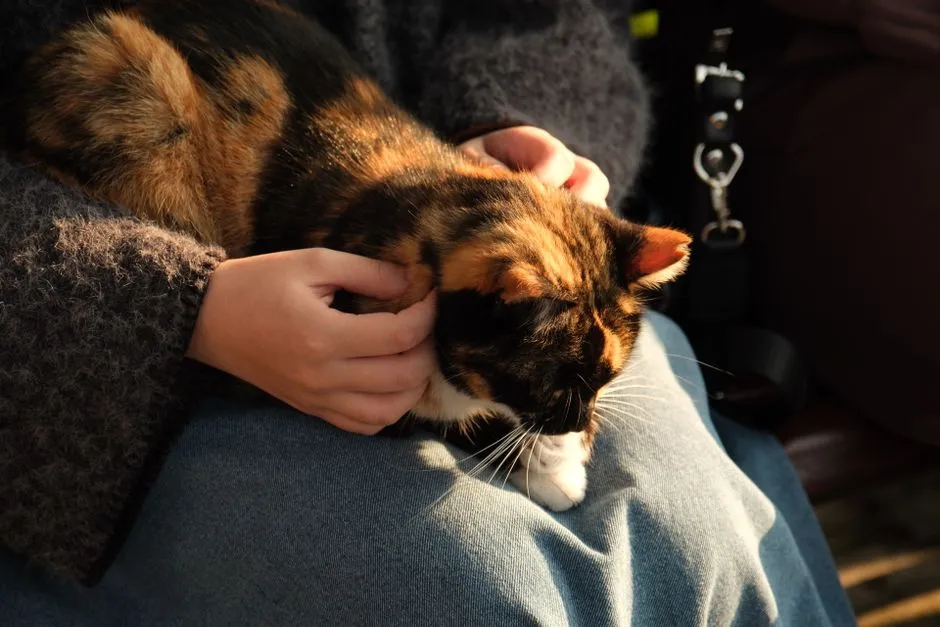
Purring isn’t only a happy sound, it’s also a self-soothing mechanism. Near the end, many cats purr less overall, but when they do, it’s often reserved for one person in very specific contexts, when you’re holding them a certain way, or speaking softly while petting a favorite spot.
They may stay silent for the vet or for other family members, yet the moment you sit in your usual chair and they curl against you, there it is, a low, steady rumble. Some argue purring can also signal pain, but the selectivity here is the real story. When the purr is rationed and you’re consistently the one who unlocks it, that’s your cat telling you exactly where they feel safe enough to let their guard down.
#16 – They Stay Strangely Calm While You Touch Their Weakest Spots
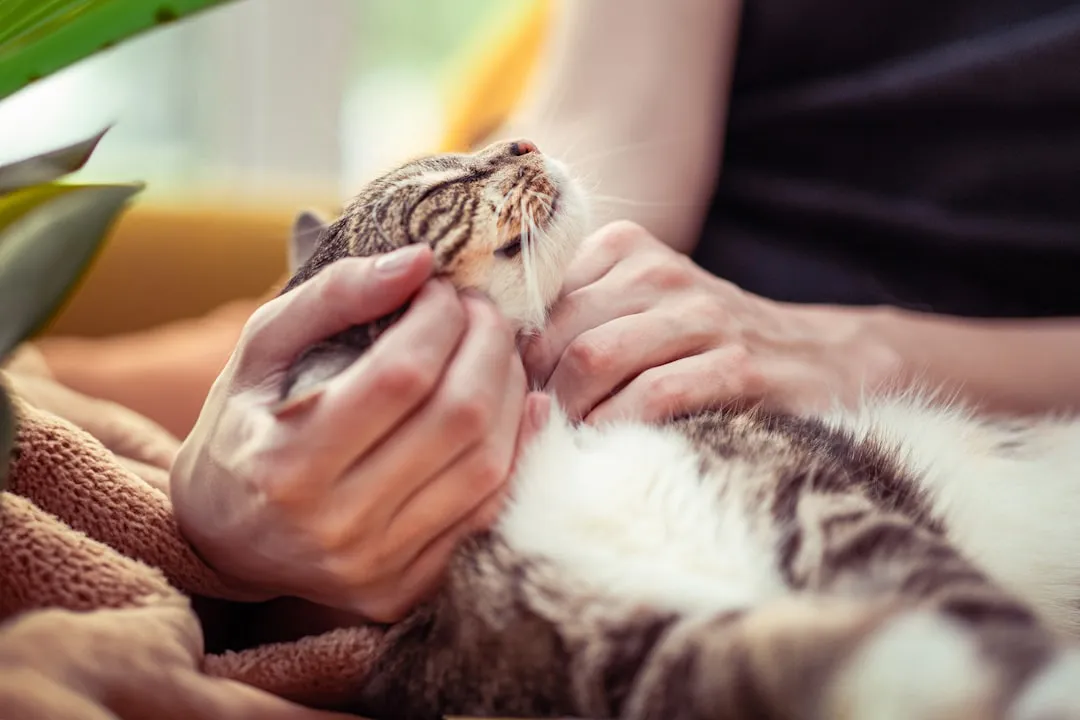
Senior cats often become hyper-sensitive about sore hips, bony spines, or tender bellies. Yet your cat may quietly allow you to touch or reposition areas they guard fiercely from everyone else. They might flinch but not pull away, or even lean in, eyes half-closed, while you gently massage a stiff joint or help support their body.
From an animal’s perspective, letting anyone touch your most vulnerable spots is a massive act of trust. That’s why behaviorists pay close attention when a cat stops biting or bolting and instead simply endures careful handling from one person. It isn’t that they’ve stopped feeling the discomfort, it’s that their need for your comfort now outweighs their instinct to protect themselves.
#17 – They Save Their Last “Good Days” Just for You
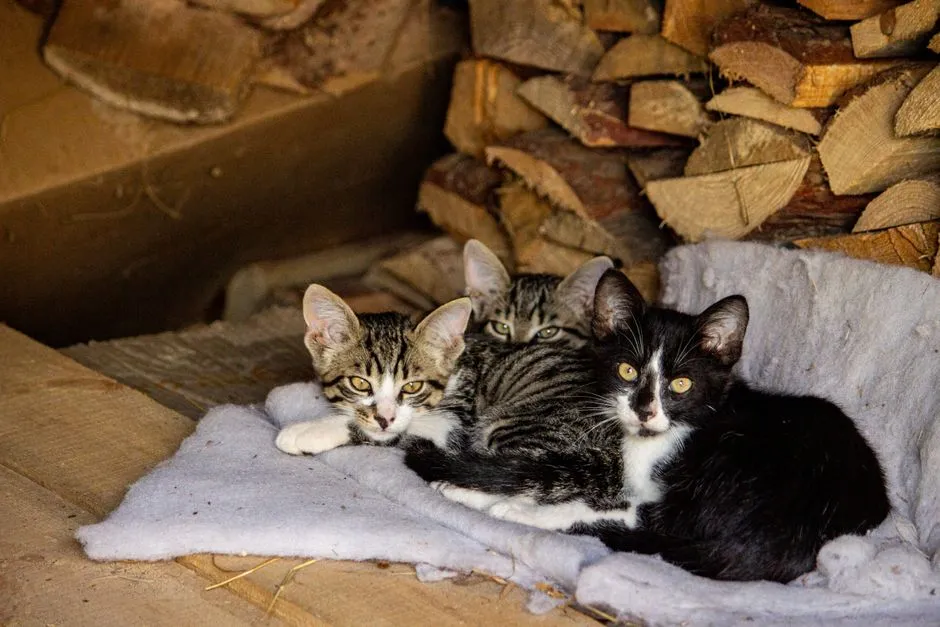
End-of-life isn’t a straight line down. There are bad days, and then, out of nowhere, a good one appears. Pay attention to who those good moments get spent with. Many guardians notice their cat rallies specifically when their chosen person is home, eating a little more, batting at a toy for a few seconds, doing one last slow lap around the house.
It’s tempting to read this as “getting better,” but more often it’s a final investment of energy into the relationship that matters most. They might repeat an old happy routine they haven’t done in months, or return to one quirky behavior just once more. These flickers feel like tiny miracles, but they’re also quiet goodbyes. The fact that they choose to spend their last rare bursts of energy on you says everything about who they’ve decided to walk this edge with.
Cats, more than any other animal, teach us that comfort is a language, and touch, closeness, and presence are how they speak it.
Common veterinary hospice observation
#18 – When Things Get Truly Bad, They Look for You First
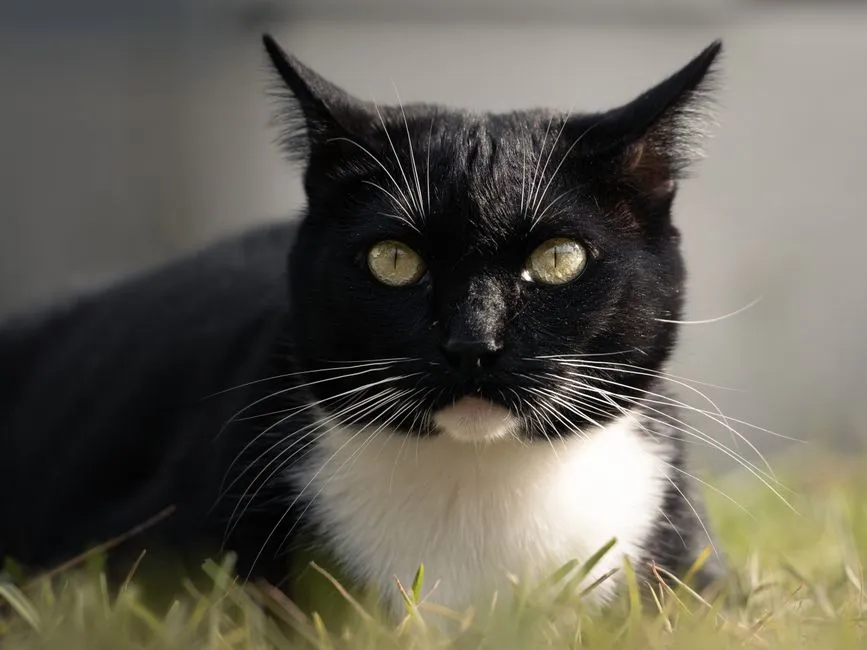
Here’s the hardest truth of all. When pain spikes, breathing turns rough, or their body suddenly fails them, many cats don’t want to be alone at all. They’ll cry out, stagger, or drag themselves, not toward a dark corner, but toward the one person they’ve trusted most.
Guardians describe this over and over: “She called for me.” “He tried to get to our bedroom.” “The second I picked him up, he relaxed.” This is the moment the old myth fully collapses. They’re not trying to disappear, they’re trying to find you. Your voice, your hands, your scent become their last anchor against fear and confusion. It’s awful and sacred at the same time, and if your aging cat, in their very worst moments, seeks your face and your arms, that’s not coincidence. That’s their final choice, made as clearly as they know how.
The Bottom Line
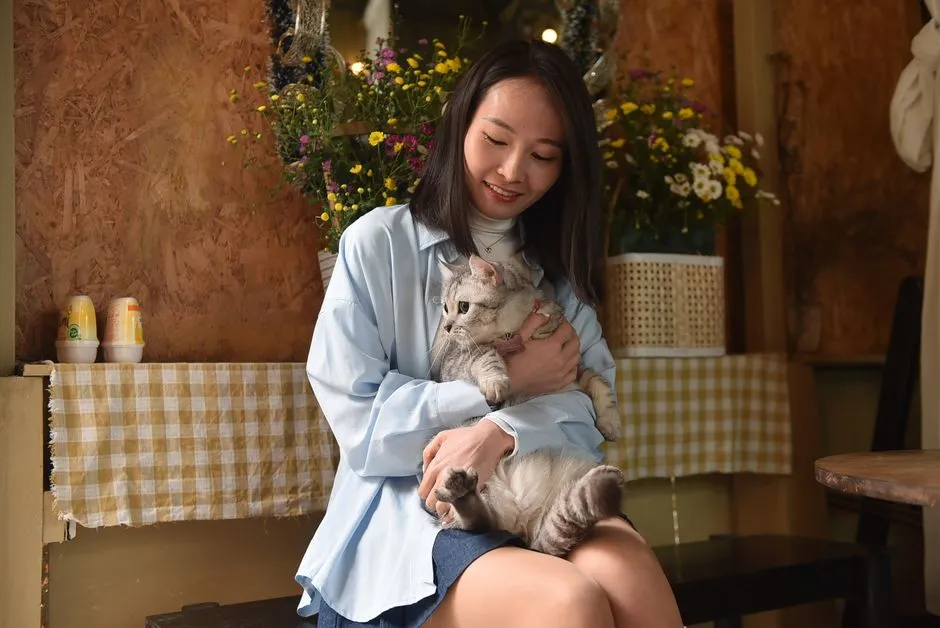
The quiet reality nobody warns you about is this: most cats don’t slip away in secret. They pick a person. They pick a bed. They pick a spot, a voice, a pair of hands, and then spend their final stretch quietly rearranging their whole world around those choices.
That isn’t you being dramatic, it’s them being deliberate. Being the chosen human means more than cute photos and inside jokes about your “shadow.” It means noticing the clinginess, the strange calm, the late-stage routines for exactly what they are, an animal asking, as plainly as it can, “stay with me through this.”
Some people find that idea comforting. Others find it almost too heavy to sit with. Either way, pretending it isn’t happening doesn’t make it any less true. If your cat has ever done even three or four of these things, they weren’t being random. They were choosing you, on purpose, until the very end.

- 18 Regrets Dog Owners Name Most Often That Almost Nobody Warns You About Beforehand - August 2, 2026
- 13 Quiet Changes in Your Aging Cat That Vets Say Mean Far More Than Most Owners Realise - August 2, 2026
- 16 Dog Breeds That Struggle Badly When Left Alone and 8 That Genuinely Prefer Their Own Company - August 2, 2026