
Most people assume that getting a dog means someone always needs to be home. It’s an understandable instinct, and for certain breeds, it’s absolutely true. Still, the reality is a bit more nuanced than that, and it surprises a lot of pet owners.
Some dogs are known to be social butterflies that can’t stand being by themselves, while other dogs simply don’t mind some alone time. While no dog should be left alone for the majority of the day, certain breeds can adapt well to living with humans who have busier lifestyles. The key is knowing which breeds are wired that way from the start. If you’ve ever felt that wave of guilt when you close the front door behind you, this list might give you a genuine reason to exhale.
Separation anxiety is one of the most common behavior problems in dogs, according to the American Veterinary Medical Association. In fact, anywhere from a fifth to nearly half of dogs referred to animal behavior practices in North America are diagnosed with the disorder. That’s a sobering number, which makes knowing your breed’s baseline temperament even more important before you bring one home.
#1. Basset Hound
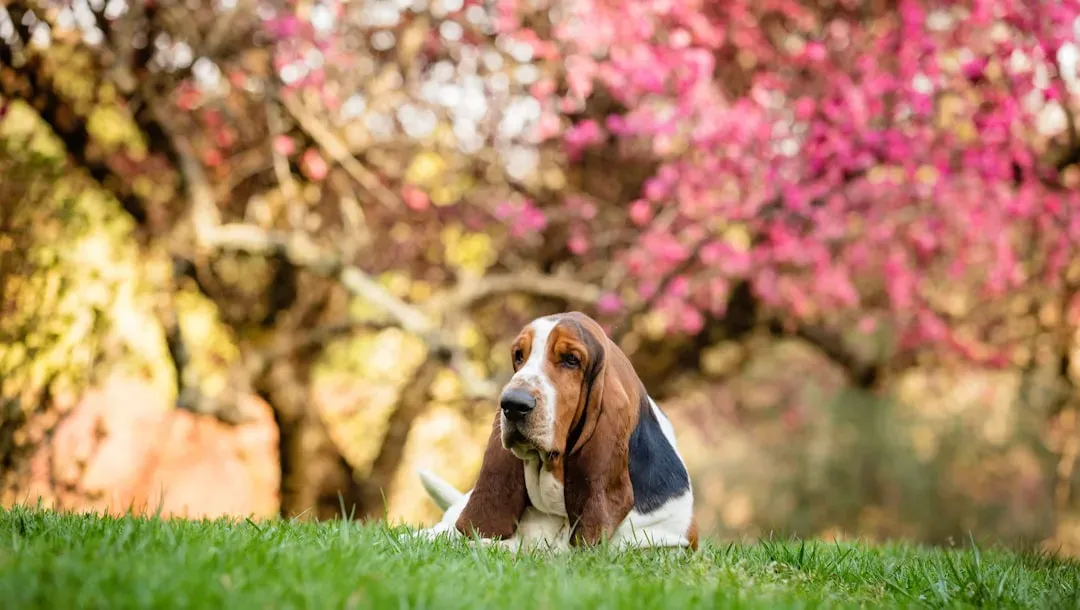
The Basset Hound is known for their long, floppy ears and soulful eyes. They are a medium-sized breed with a calm and friendly temperament, making them excellent family pets. Basset Hounds are known for being headstrong and independent, and they have a low tendency for separation anxiety, being able to tolerate being alone for several hours. There’s something almost comedically serene about a Basset Hound. They’ve mastered the art of doing nothing at a professional level.
The low-energy, laid-back nature of this breed means it handles alone time better than many other canines. Well-known for its large ears and drooping eyes, the Basset Hound is happy resting or lazing on the couch while its owner is away. Although they are loving with family, they are not prone to separation anxiety and don’t want continual engagement. To prevent boredom, you should provide them with some mental stimulation through puzzle toys or chew objects, and their modest activity needs are met by regular walks and brief play sessions.
#2. Greyhound
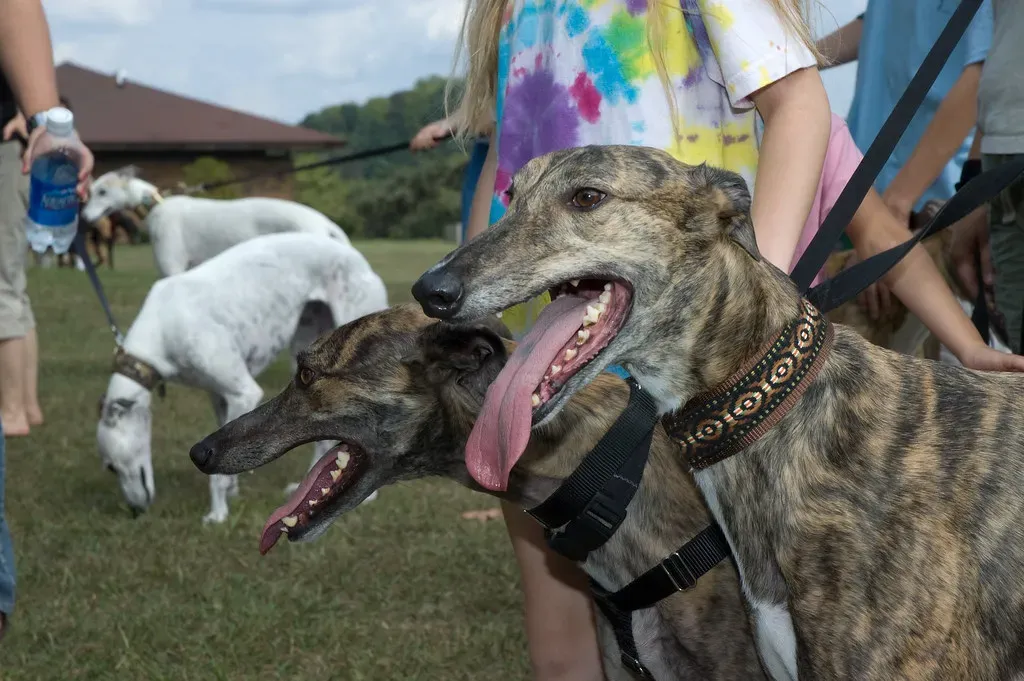
Greyhound retirees can be a great choice for people who are away from home for extended periods. Often adopted in their middle age, these gentle dogs have retired from their racing careers and are content with a low-maintenance lifestyle. Nicknamed the “fastest couch potato” for their love of napping, greyhounds are champion sleepers, logging an average of around 20 hours per day. That’s not a typo. A Greyhound will quite literally sleep through your workday.
These laid-back pups are happy with a leisurely walk or two each day, needing far less exercise than their race-track beginnings might suggest. According to the American Kennel Club, the Greyhound is especially gentle and a sweet-tempered companion. Just keep in mind that Greyhounds are prone to running off if not exercised in an enclosed area. So a securely fenced yard is worth its weight in gold with this breed.
#3. Shiba Inu
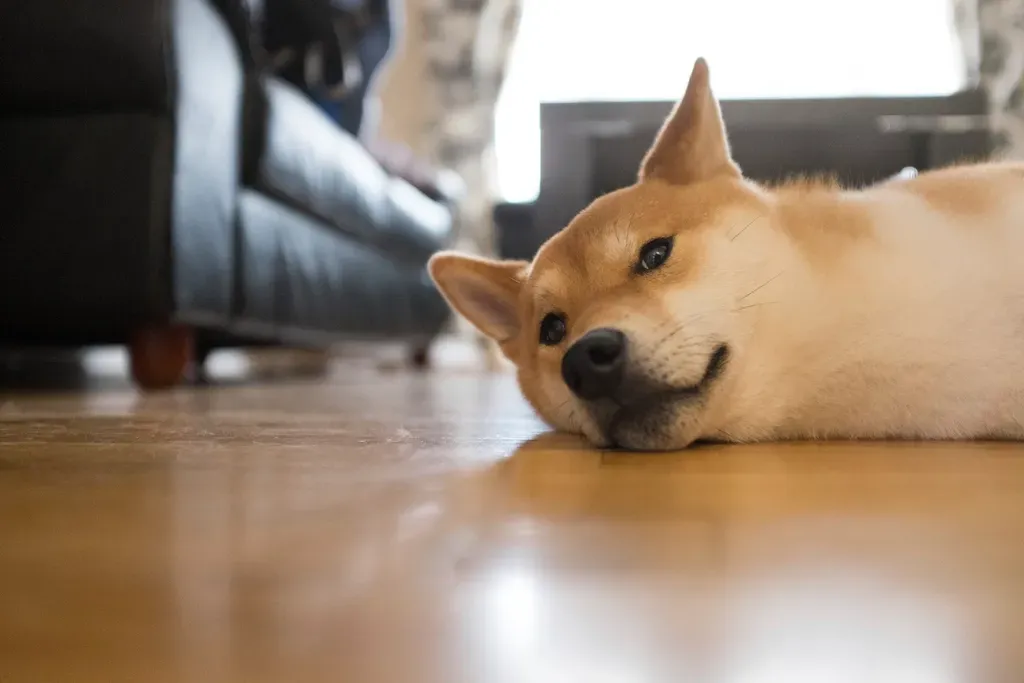
Shiba Inus are loyal yet independent dogs who are content spending several hours on their own once properly exercised and mentally stimulated. They don’t require constant attention and adjust well to households with or without children. Their cat-like self-sufficiency is one of the most talked-about traits in the breed, and it’s not an exaggeration.
The fox-like Shiba Inu is an independent-minded breed that respects the independence of their owners as well. As long as a Shiba Inu’s basic needs for activity and attention are met, they handle periodic alone time very well. In fact, too much coddling and attention makes some Shibas nervous. Setting aside time for daily walks and play maintains a healthy relationship without crossing into separation anxiety territory.
#4. Chow Chow
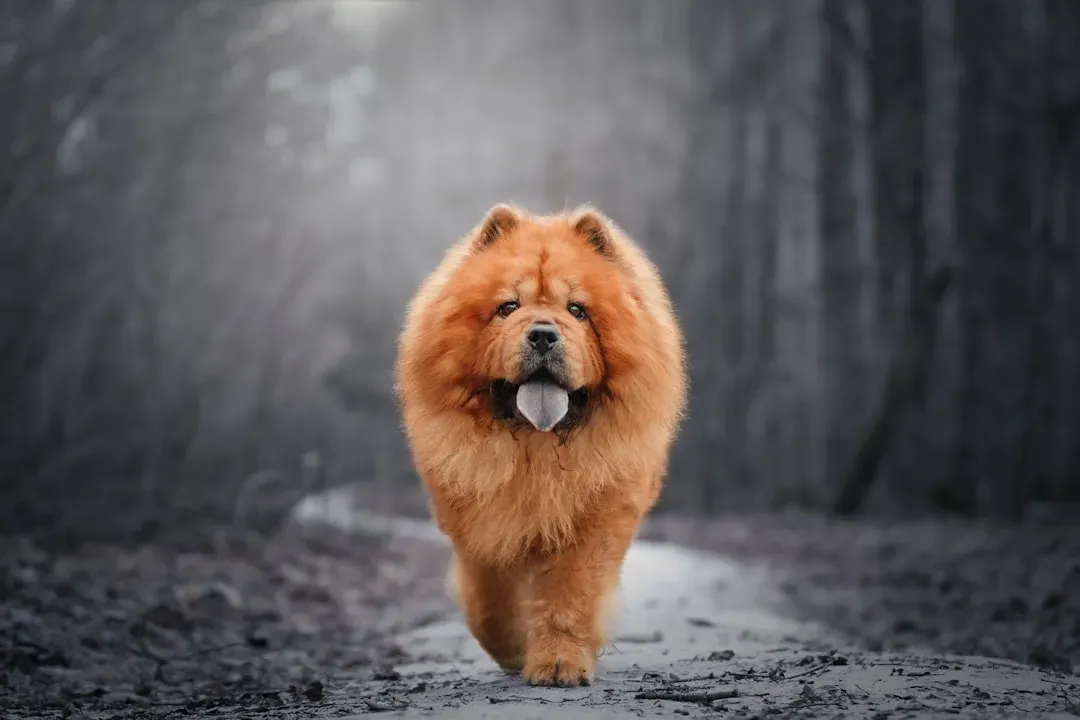
Chow Chows weren’t bred to be cuddled and fussed over, and after their centuries-long streak of independence, they’d prefer it to stay that way. That might sound a little standoffish, but it’s actually one of their most practical qualities for busy households. They’re devoted without being demanding, which is a rare combination in the dog world.
The Chow Chow forms strong bonds but expresses affection discreetly. This reserved nature allows it to tolerate separation better than highly clingy breeds. Its calm temperament makes solitude manageable, especially within a stable routine. The breed can spend an entire workday on its own as long as someone takes it for a midday walk. Delegate dog-walking duties to someone your Chow knows well, since the breed is territorial and somewhat stubborn in nature and won’t always be agreeable to walking with a stranger.
#5. French Bulldog
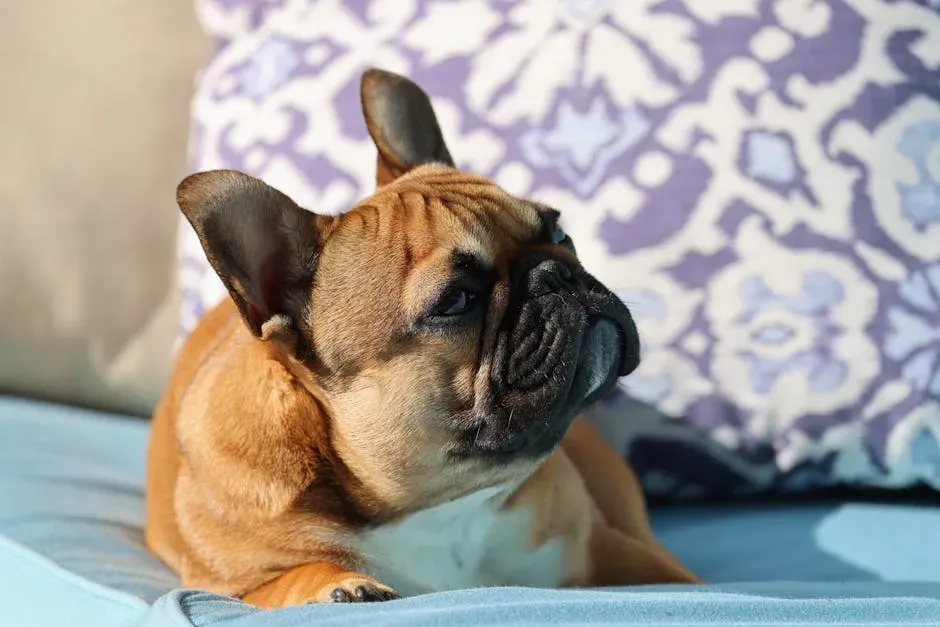
The French Bulldog is a small breed popular for their cute and affectionate personality, with a muscular body and distinctive bat-shaped ears. French Bulldogs can adapt well to living in apartments or smaller spaces. Although the French Bulldog is sometimes referred to as a “Velcro dog” that wants to follow their owner everywhere they go, they are also quite content entertaining themselves or in the company of other pets, so they can usually be left alone for several hours without stress.
Bred to be lap dogs that sit comfortably and calmly, French Bulldogs have a docile and low-energy personality. They tend to cycle between short bursts of playful energy and long, lazy stretches of rest. The French Bulldog may have a reputation for being clingy, but many are content entertaining themselves or relaxing solo for a few hours, and with their easygoing temperament and adaptable nature, they’re especially suited for apartment living.
#6. Lhasa Apso
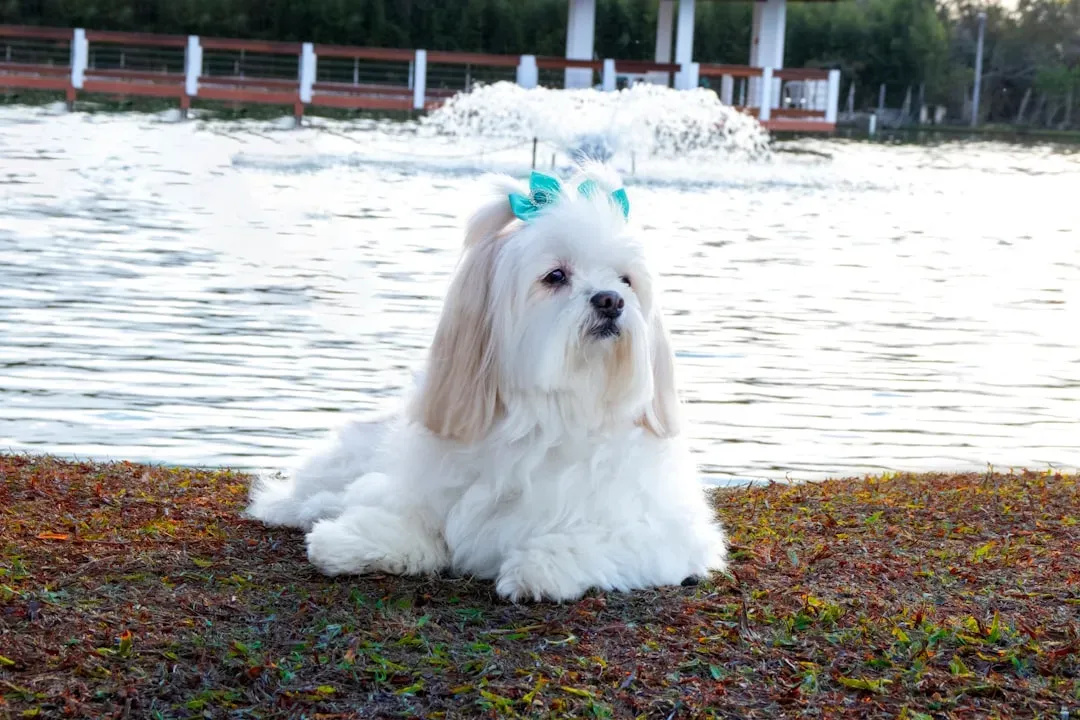
The Lhasa Apso is a small breed with a long, thick coat and a lion-like appearance. They have a calm and independent temperament that makes them excellent companion dogs. They also have a low tendency for separation anxiety, so they can be alone for several hours without getting upset. Don’t let the glamorous coat fool you. Underneath all that fluff is a quietly confident, ancient breed.
Historically used as monastery watchdogs, Lhasa Apsos learned to observe quietly for long periods. If you need to get out of the house without worrying that your best friend will be getting anxious in your absence, this breed might be the perfect match. These dogs are small but they act as if they’re twice their size, so training and early socializing are key to making sure they can be trusted without human supervision.
#7. Miniature Schnauzer
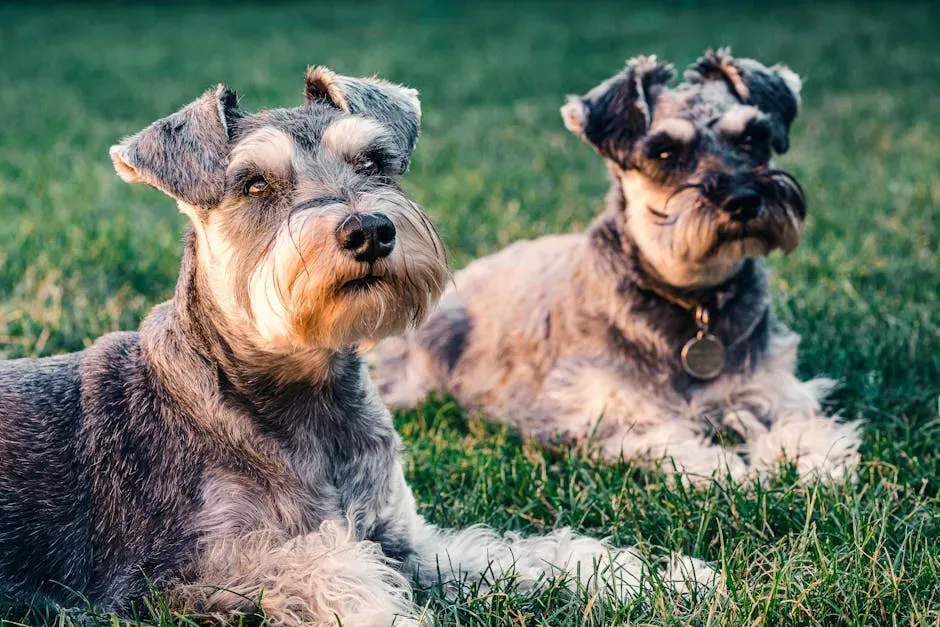
Miniature Schnauzers are wonderful companion dogs that enjoy spending time with their families. They’re typically good with children and do well living with other dogs if they’ve had early socialization. They’re also fairly easy to train and can adapt well to living in apartments as long as they get their daily exercise needs met. While Miniature Schnauzers are social dogs, they don’t mind having pockets of alone time throughout their day.
Mini Schnauzers were farm dogs bred to catch rats independently, so they’re super confident working on their own. These smart dogs are far less clingy than other small dog breeds and can keep themselves entertained for long periods. Unlike toy breeds that often develop separation anxiety, Mini Schnauzers tend to stay cool when you leave. Give them some puzzle toys and they’re perfectly fine hanging out solo until you return.
#8. Shar Pei
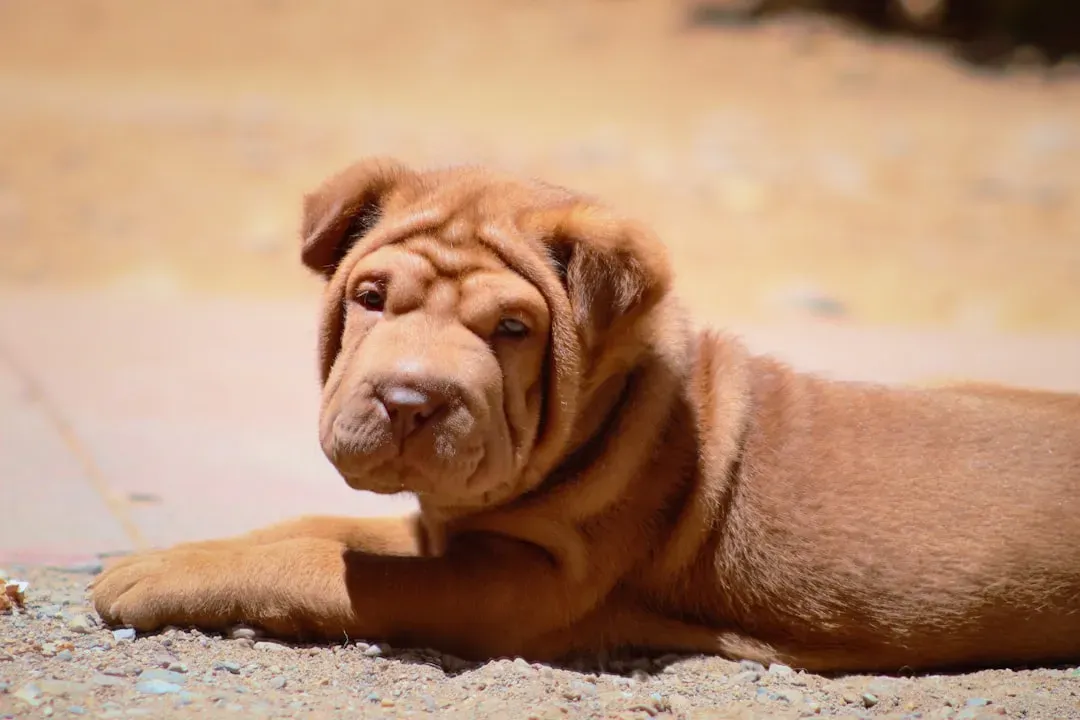
Shar-Peis can be a good fit for busy pet parents. While no dog is completely immune to separation anxiety, breeds with independent streaks, such as the Shar-Pei, tend to tolerate alone time better. They’re instantly recognizable by their many wrinkles, and while these playful pups may not readily snuggle up with everyone, early socialization can help them become more sociable companions.
The Shar Pei is a medium-sized breed with distinctive wrinkles and a strong, muscular build. They have a calm and independent temperament that makes them excellent guard dogs, as they spend plenty of time watching over the property without getting bored. They are clean, quiet, low-maintenance dogs that need only moderate daily exercise and sporadic grooming. Though they might not be very affectionate, they are devoted protectors that prefer quiet surroundings.
#9. Maltese
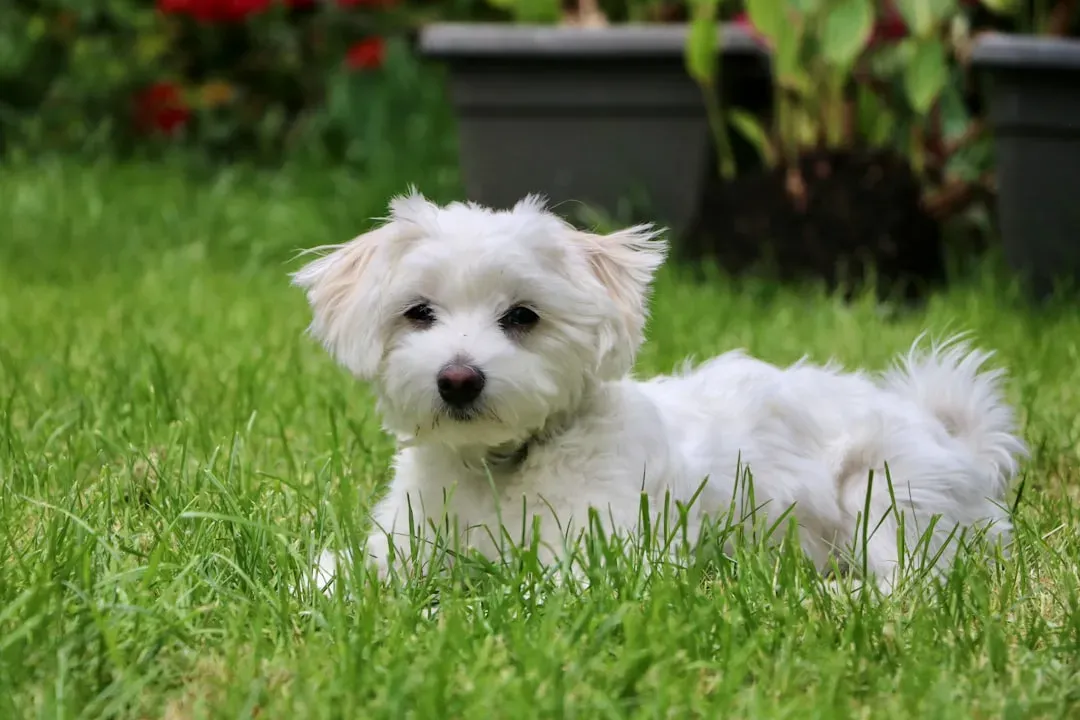
A Maltese is willing to sleep most of the day on the back of the sofa while waiting for their family to come home. A Maltese is not likely to tear up your house out of boredom and is not going to require long walks like some breeds. For such a tiny, delicate-looking dog, they carry a surprisingly relaxed attitude toward solitude.
Maltese dogs are affectionate but also enjoy their independence. These classic lapdogs often spend time alone curled up in their bed or crate, resting comfortably until their owner returns. Breeds that usually handle alone time well include the Maltese, and they are generally calm, independent, and adaptable. That adaptability makes them more flexible than their pampered reputation might suggest.
#10. Pug
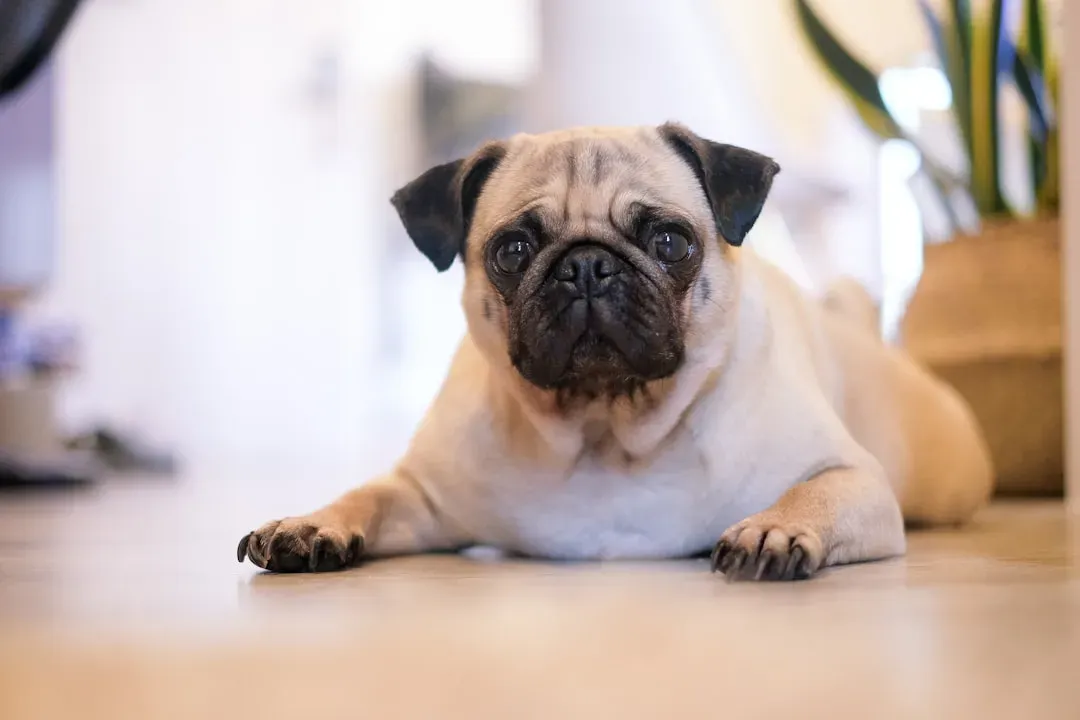
Pugs often rank as one of the dogs least likely to show separation anxiety, due to a combination of their calm temperament and lower energy requirements. They are happy to receive lots of attention when their owners are home, but Pugs are also just fine curling up comfortably alone at home too. A Pug’s idea of a perfect day involves a good nap, a meal, and a cuddle when you return. That’s a fairly achievable brief.
The Pug is a great breed for people who work full-time. With their iconic flat nose and smushy face, they’re more known for pushing the snooze button than going out for a morning run. They’re also not very vocal, so annoying your neighbors isn’t much of a risk. Their chilled-out nature and low energy levels allow their owner to leave them at home during the day without much fear of anxiety-driven behavior.
#11. Boston Terrier
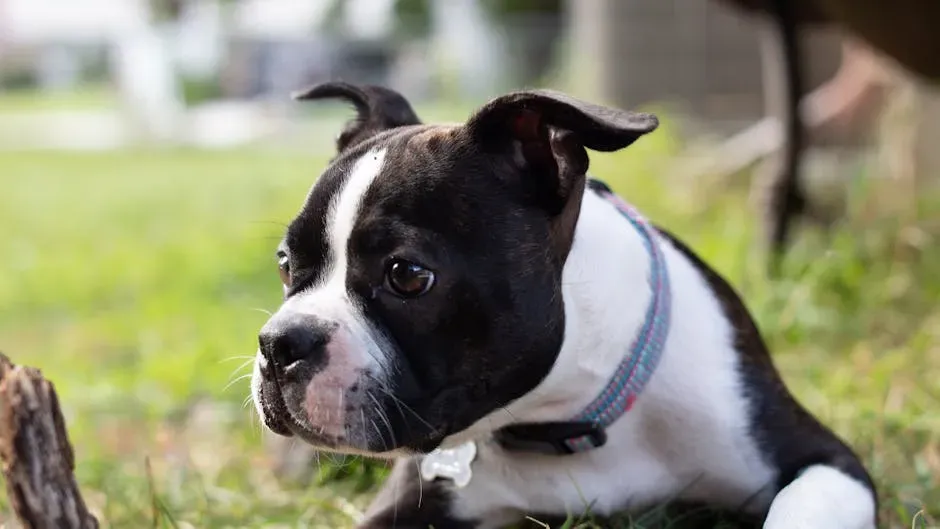
Boston Terriers are happy-go-lucky dogs that enjoy being with people and other dogs. They’re also fairly easy to train and are usually good with children. While Boston Terriers can be social, they also tend to enjoy napping and lounging around. That balance between sociability and contentment makes them genuinely well-suited for owners who are away during the day.
Boston Terriers can stay home while you’re away for the day, but it’s wise to choose a dog-proofed space or crate, as this breed may become destructive if bored. The solution is straightforward enough. A good morning walk, a chew toy, and a comfortable corner of the house will keep most Bostons settled until you walk back through the door.
#12. Bullmastiff
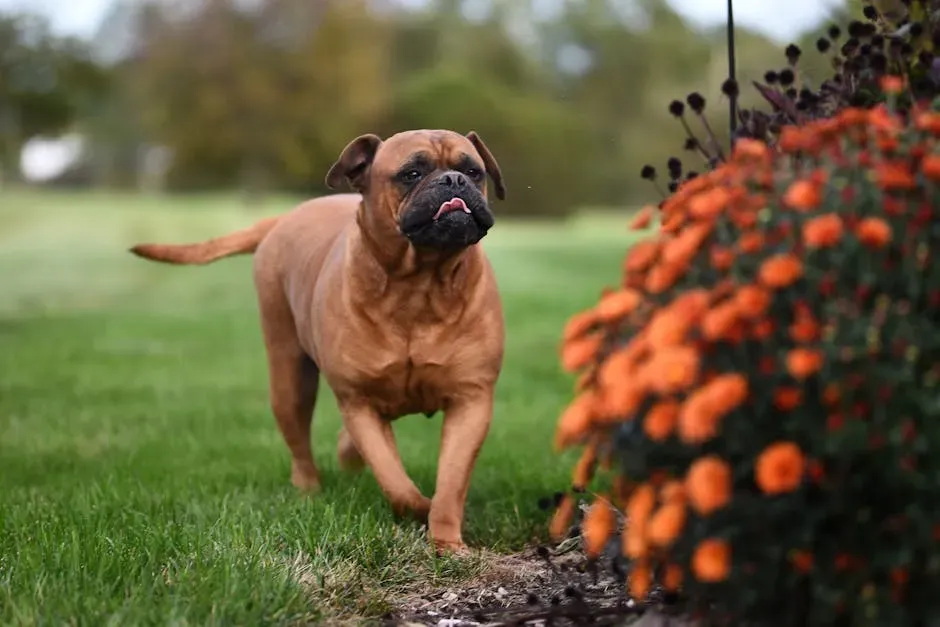
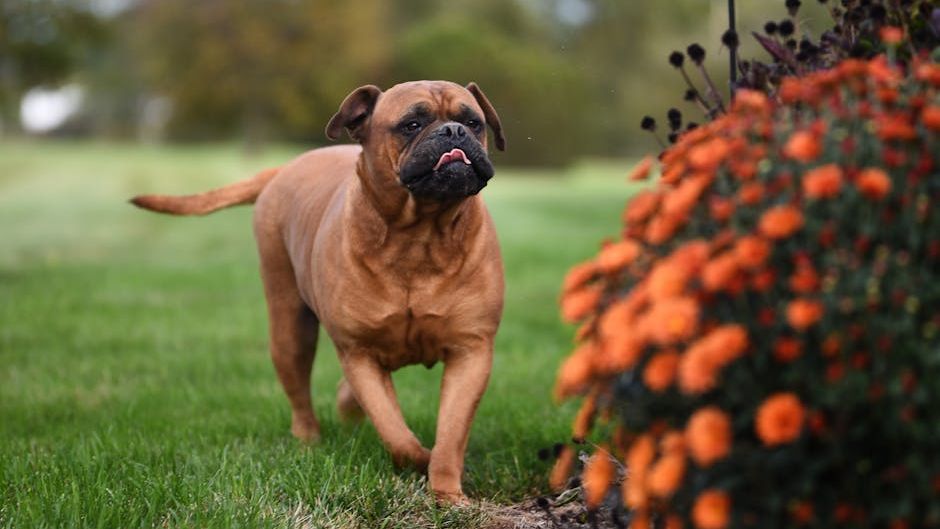
Bullmastiffs can be a bit challenging to train at first. However, they have the potential to become the most dependable and loyal companions. Despite their size, they’re not very demanding and are low-energy dogs that don’t require an extensive amount of exercise. When properly trained, Bullmastiffs can be trusted to be left home alone, and it’s rather rare for them to bark.
There’s a certain quiet dignity to a Bullmastiff at rest, and that’s often exactly what they’re doing when you’re not home. With plenty of exercise and mental stimulation when you’re around, these larger dogs can lounge about happily through the day. Their calm, guardian-natured personality means they don’t need constant reassurance. They simply hold the fort until you return.
#13. Shih Tzu
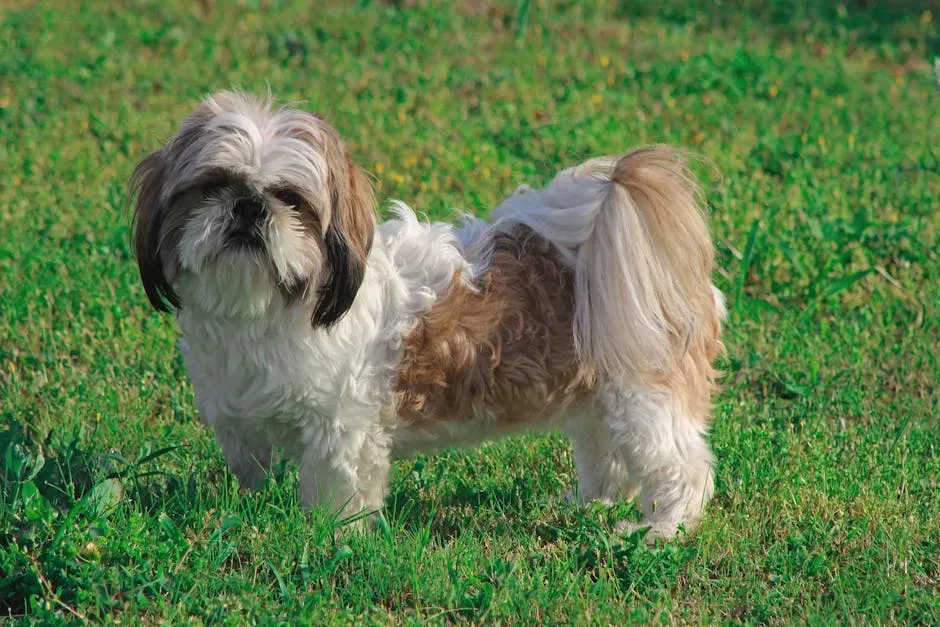
Shih Tzus, although small, are also quite independent and can spend hours without constant human interaction. That’s a trait many small dog owners genuinely don’t expect, since tiny breeds often carry a reputation for neediness. Because of the average Shih Tzu temperament, these happy-go-lucky dogs are happy just to be near you. They don’t require a ton of exercise and, with proper socialization, Shih Tzu dogs are good around new people, other animals, and in novel situations.
The Shih Tzu was originally bred as a palace companion, and somewhere in that history they developed a knack for independent contentment. The average Shih Tzu temperament means they’re happy just to be near you, and they don’t require a ton of exercise, though attention and playtime are still musts. With proper socialization, they’re good around new people, other animals, and in novel situations. A short daily walk and a cozy spot by the window usually keeps them perfectly satisfied.
#14. Chihuahua
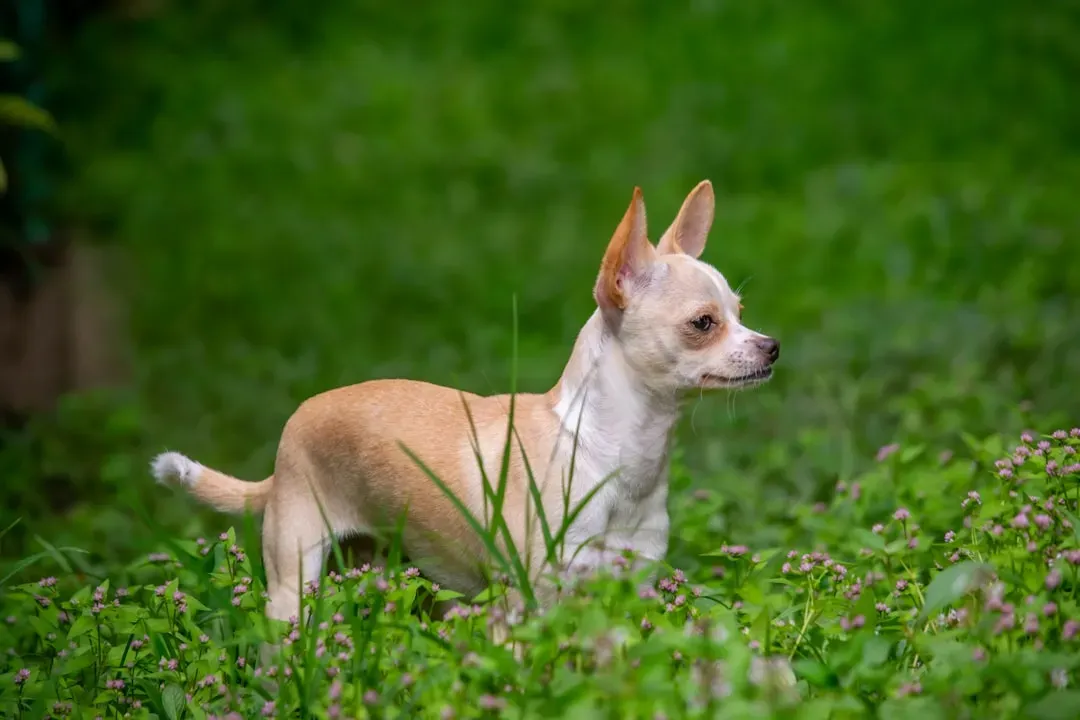
If you want a tiny dog but have to work, the Chihuahua is a great choice. They will do fine if left alone for much of the day. If you need a less active dog, the Chihuahua is also a good fit. Their reputation for being yappy little divas is unfair to a lot of individual dogs in this breed. Many Chihuahuas are genuinely quite settled when left to their own devices.
Chihuahuas may have a reputation for being anxious, but many are actually very independent and docile. They are a higher-energy breed, but due to their small size, they can be kept busy at home with plenty of toys and games. This keeps their minds active and prevents separation anxiety. They also love playing with other dogs, so having another canine companion at home while you’re at work can help keep them occupied for hours.
#15. Labrador Retriever
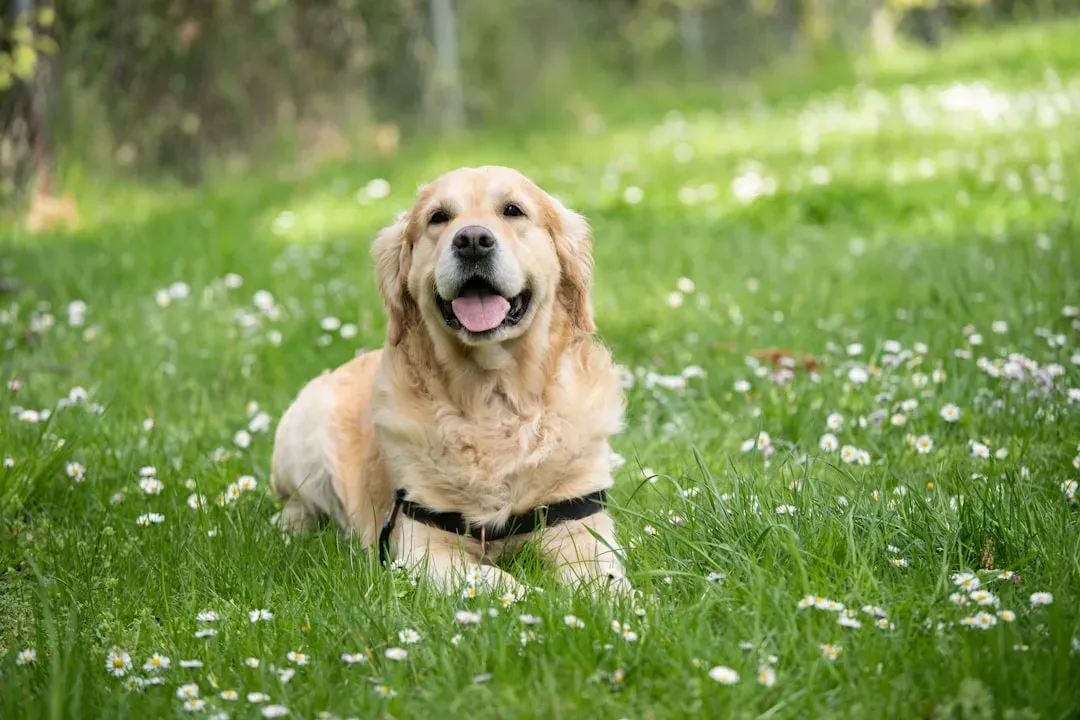
America’s most popular dog breed, the Labrador Retriever, tends to have a very even-tempered, friendly personality. They do enjoy lots of playtime and interaction with their families, but as long as their basic needs for exercise and attention are met, Labradors usually handle periodic alone time well. Their affectionate nature means they still appreciate the time spent bonding with their owners too.
Labs do best when they receive at least some daily exercise and play. As long as they can unwind and sleep when alone, Labs are usually trusting companions who are accepting of everyone. A well-exercised Labrador is a calm Labrador, and that principle holds whether you’re home or not. The energy they burn in the morning tends to translate directly into quiet, comfortable hours later in the day.
#16. Great Pyrenees
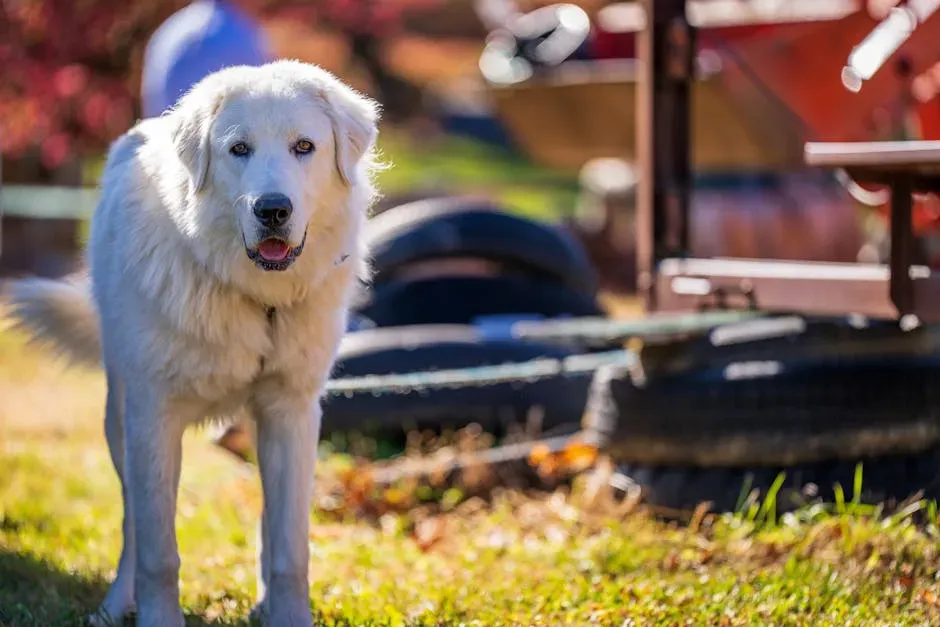
The Great Pyrenees, affectionately called “Pyrs,” have a unique sleep schedule that might be a perfect fit for some pet parents. These immensely powerful but gentle giants prefer to snooze during the day and then roam the house at night, perhaps on an instinctual patrol mode leftover from their days guarding livestock. That daytime sleepiness is genuinely useful for owners who are out during working hours.
Though your Great Pyrenees would much rather spend time with you, he’s a laid-back companion. As long as you shower him with love and attention whenever you’re together, you can leave him alone for four to eight hours. If it’s more than five hours, a walk in the middle of the day is worthwhile, and challenging puzzle toys and a cozy space may also help stave off boredom and give him a sense of security.
The Bottom Line: Breed Is a Starting Point, Not a Guarantee
A dog’s ability to be left alone will depend on their age, temperament, and overall health. Most adult dogs can be left alone for four to six hours at a time, but some dogs adapt to being left for up to eight hours a day if they have sufficient space to move around and play. Every dog on this list still needs structure, stimulation, and genuine connection when you are home.
Even calm breeds can become anxious if there’s a big change in their environment or routine. Consistent structure and gentle training help prevent this. While some breeds are naturally independent, proper care from an early age ensures that every pup grows into a well-adjusted family member. Providing mental stimulation, regular exercise, and attention before leaving them helps prevent destructive behaviors.
Choosing a breed that handles solitude well is a smart, responsible decision, not a shortcut to neglect. The truth is, a dog that’s secure, exercised, and mentally engaged will do far better during the hours you’re gone than one that’s simply assumed to cope. These sixteen breeds give you a solid foundation. What you build on top of it is still very much up to you. The guilt of leaving them can be real, but for these dogs, a well-prepared goodbye is far less dramatic than owners tend to fear.
