

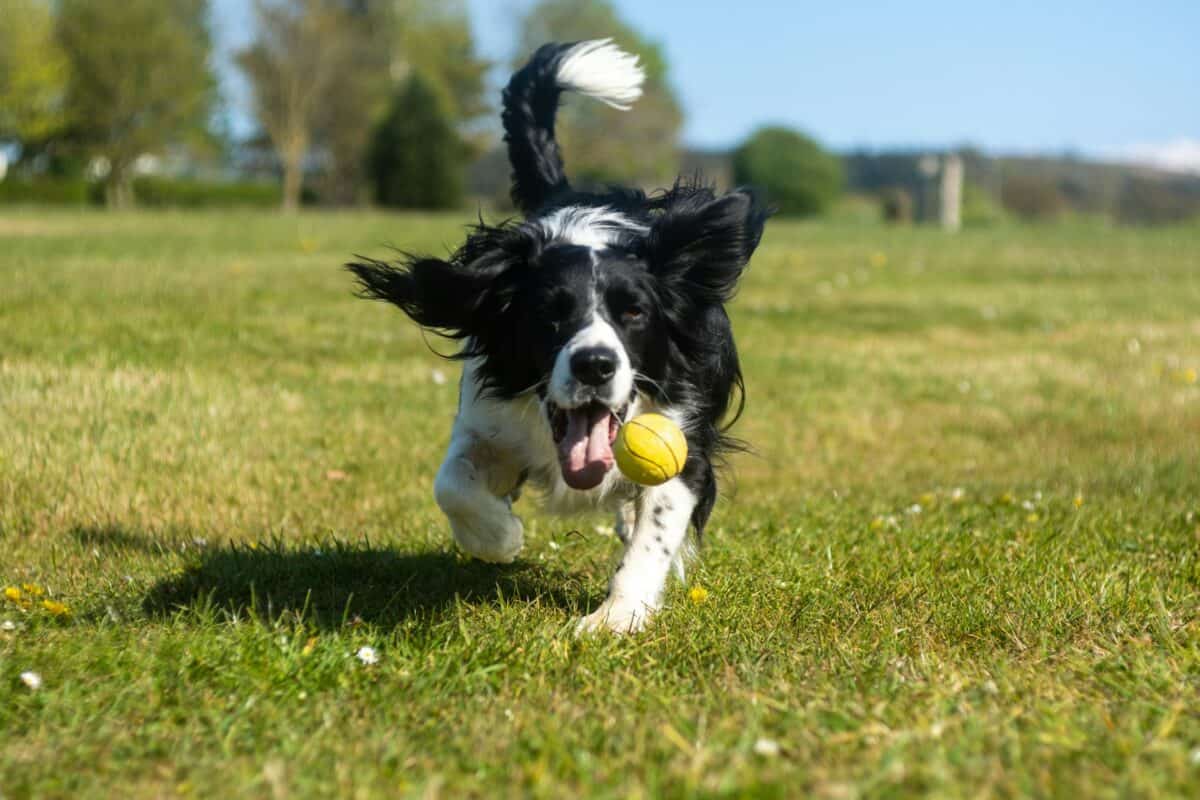
Imagine your dog’s world being limited to four walls, day after day. For many pups, that’s reality—especially during rainy seasons, extreme heat, or when life just gets hectic. Dogs crave more than a soft bed and a tasty meal; they need their minds worked, their curiosity sparked, and their boredom busted. If you’ve ever seen your dog chew up a shoe or dig into the laundry, you know just how creative a bored pup can get. Instead of frustration, let’s turn that energy into fun, learning, and joyful bonding with these 17 simple but powerful ways to keep your dog’s mind busy indoors. Ready to see your furry friend light up with excitement? Let’s dive in!
17. Teach New Tricks

Dogs thrive on learning, and teaching a new trick is like solving a puzzle for them. Even older dogs can learn fresh skills—think “spin,” “crawl,” or “bow.” The process keeps their brain working and the treats coming. Take it slow, use lots of praise, and keep sessions short to avoid overwhelming your pup. You’ll be amazed at how quickly dogs catch on with a little patience and consistency. Training also strengthens the bond between you and your dog, making your relationship even more rewarding. Plus, nothing beats the look of pride on your dog’s face after nailing a new trick. Try filming your progress—sometimes the bloopers are as adorable as the successes!
16. Rotate Toys Regularly

Dogs can get bored with the same toys day after day, just like we get tired of old movies or songs. Keep things fresh by rotating their toys every few days. Hide a few away and bring them back out later—your dog will act like it’s a brand-new treasure! This trick keeps their interest piqued and prevents overstimulation from having too many options at once. Different toys also encourage different types of play, from tugging to squeaking to chewing. If you notice a favorite, make it the “grand prize” for special occasions. Variety truly is the spice of a dog’s life!
15. Try Interactive Puzzle Feeders

Puzzle feeders turn mealtime into a challenging game. These clever devices require your dog to think, paw, and nudge to get their kibble or treats out. It slows down fast eaters and gives their brains a workout. Many puzzle feeders can be adjusted for difficulty, so your dog stays challenged as they grow. For a budget-friendly option, you can even make your own using muffin tins and tennis balls. Watching your dog figure out how to get to the food is both hilarious and heartwarming. It’s a win-win: mental stimulation and a tasty reward.
14. Set Up Indoor Obstacle Courses

Who says agility is only for the outdoors? You can build a mini obstacle course right in your living room with cushions, chairs, and broomsticks. Guide your dog through tunnels (made from blankets draped over chairs), over jumps, and around cones. Not only does this exercise their bodies, but it also demands focus and problem-solving. Change the course layout often to keep your dog guessing and engaged. Don’t forget to cheer them on—your excitement is contagious! Obstacle courses are a fantastic way to burn off energy and boost confidence.
13. Play Hide and Seek

Dogs love a good game of hide and seek. Ask your pup to “stay,” then go hide somewhere in the house. Call their name and let them sniff you out. This game taps into their natural scenting abilities and gives them a fun challenge. You can also hide treats or their favorite toys for them to find. Each successful search is a mini adventure that lights up their day. Not only does this game provide mental enrichment, but it also builds trust and teaches impulse control. Every round is a little celebration for both of you!
12. Teach the Names of Toys

Believe it or not, dogs can learn the names of their toys—some even know dozens or more! Start by picking one toy and naming it every time you play. Gradually add more toys, always using their specific names. Then, ask your dog to fetch a particular toy from a pile. This mental challenge keeps their memory sharp and gives you both a fun party trick to show off. It might take time, but the “aha!” moment is priceless. You’ll be amazed at how smart your dog really is.
11. Practice Nose Work Games

A dog’s nose is their superpower, and nose work games let them put it to good use. Scatter treats around a room and encourage your dog to sniff them out. For a bigger challenge, hide treats in harder-to-reach spots or inside cardboard boxes. You can even buy scent kits designed for at-home nose work training. These games tap into ancient instincts and provide deep mental satisfaction. Nose work is perfect for days when walks aren’t possible—it’s like a workout for their brain, and your dog will love every sniff.
10. Offer Chew Toys and Food-Stuffed Treats

Gnawing on something tasty or tough is more than just fun—it’s mentally soothing. Chew toys and treat-stuffed items, like Kongs filled with peanut butter, keep dogs occupied for long stretches. The act of chewing releases calming hormones and helps your dog relax. For extra engagement, freeze the stuffed toy to make the challenge last longer. Rotate the fillings—try yogurt, mashed banana, or small bits of meat—to keep things interesting. Chewing provides not only entertainment but also dental benefits and stress relief.
9. Arrange Doggy Playdates Indoors

Socializing with other dogs isn’t just for the park. If you have friends or neighbors with friendly pups, invite them over for supervised indoor play. Watching dogs interact is like seeing kids on a playground—there’s excitement, learning, and the occasional hilarious misunderstanding. New playmates mean new games and social skills for your dog to develop. Always monitor the fun to ensure everyone gets along and has a positive experience. Interacting with fellow canines is pure joy and mental stimulation for any dog.
8. Practice Impulse Control Exercises
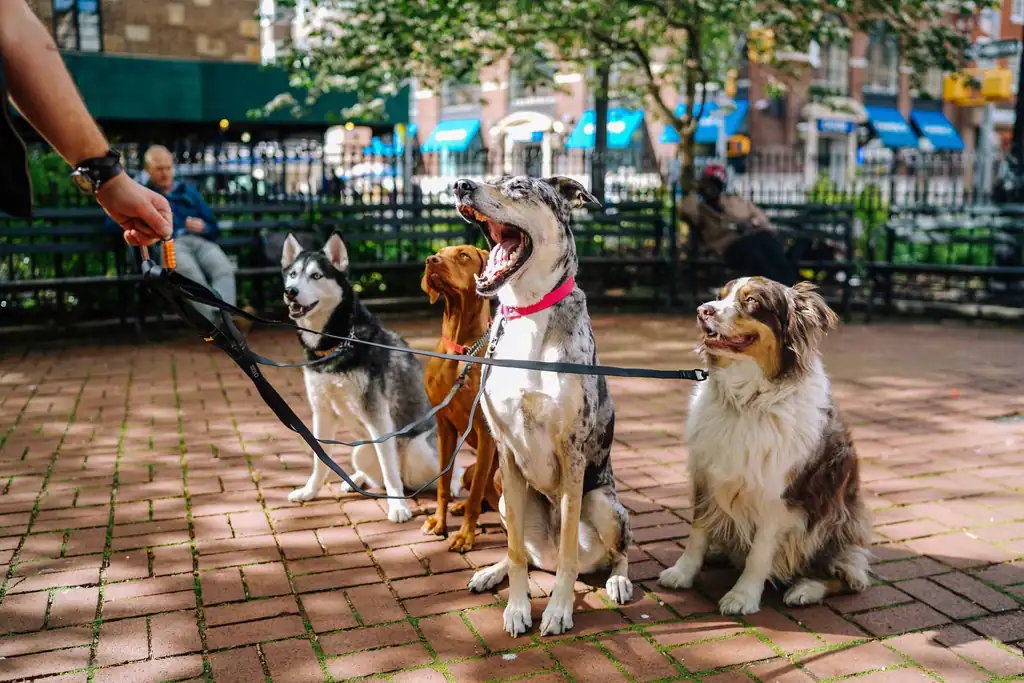
Impulse control is the secret ingredient behind a well-mannered dog. Simple games like “wait” before eating, “leave it” with treats, or “stay” at the door teach patience and focus. These exercises are like brain yoga, helping your dog develop self-discipline and calmness. Start small and celebrate every tiny victory—progress is what counts. Over time, you’ll notice your dog becoming more attentive and less reactive. Impulse control isn’t just practical; it’s a brain-boosting challenge that pays off in everyday life.
7. Try Scent-Based Toys
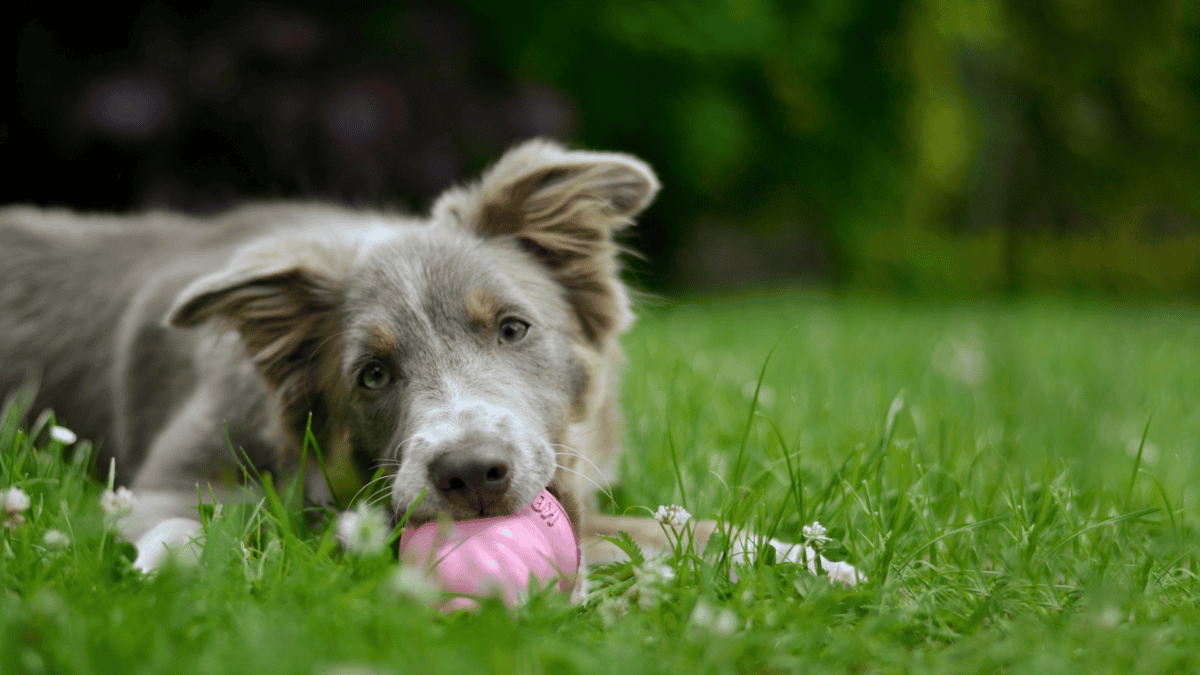
There’s a whole world of toys designed to engage your dog’s powerful nose. Scent-based toys come infused with irresistible smells or can be filled with your dog’s favorite treats. Some even let you add your own scents, like a worn sock or a dab of essential oil (dog-safe only, of course). These toys provide hours of sniffing and investigating, keeping boredom at bay. They’re especially great for older dogs or those with mobility issues who still crave mental stimulation. Scent games are proof that you don’t need a big backyard to make your dog’s day.
6. Play the Shell Game
The classic shell game isn’t just for humans! Hide a treat under one of three cups, shuffle them around, and encourage your dog to guess where the treat is. This game sharpens their problem-solving skills and memory. Start simple, then add more cups or shuffle faster as your dog gets the hang of it. Dogs love the challenge, and you’ll both laugh at their excitement and determination. The shell game is a perfect rainy-day activity that requires nothing more than a few cups and a handful of treats.
5. Use Training Sessions to Reinforce Old Skills

Don’t let skills like “sit,” “stay,” or “come” get rusty. Short, daily training sessions keep your dog sharp and confident. Mix up the order of commands or practice in different rooms to keep things interesting. This is also a great time to introduce new distractions or add distance to commands for an extra challenge. The repetition helps solidify good habits and builds your dog’s self-esteem. Training isn’t just about obedience—it’s about communication, partnership, and fun.
4. Listen to Dog-Friendly Audio or Video

Music and sounds can be surprisingly stimulating for dogs. There are playlists and videos created specifically for canine ears, featuring soothing music, nature sounds, or even footage of squirrels and birds. Leave these on when you need to step out or want to create a calming atmosphere. Some dogs even enjoy watching TV, especially programs with animals moving and making noise. Experiment to see what your dog likes best—some may perk up at classical music, while others prefer the sound of gentle rain. It’s a simple way to enrich your dog’s environment, even when you’re busy.
3. Create a DIY Dig Box

Digging is a natural dog behavior, but it’s not always welcome indoors—unless you make it safe and fun! Fill a large box or kiddie pool with old towels, blankets, or safe balls. Hide treats or favorite toys inside and let your dog dig to their heart’s content. This activity satisfies their need to burrow and search, providing both mental and physical exercise. A dig box is especially helpful for breeds with strong digging instincts. Watch your dog’s tail wag as they “discover” hidden treasures right in your living room.
2. Play Tug of War with Rules

Tug of war isn’t just a physical game—it’s a lesson in self-control and teamwork. Use a sturdy rope or tug toy and set ground rules, like “drop it” or “take it.” This ensures the game is safe and respectful. Tugging engages your dog’s muscles and mind, making it a favorite for many pups. Alternate between gentle and more energetic play to keep things balanced. Always let your dog win sometimes—it boosts their confidence and keeps the game exciting. Tug of war is proof that the simplest games can be the most rewarding.
1. Introduce New Scents

Dogs experience the world with their noses first. Bring in safe, interesting scents from outside—like a pinecone, a handful of leaves, or even a friend’s old t-shirt. Let your dog sniff and explore each new smell at their own pace. This simple activity can be incredibly enriching, sparking curiosity and excitement. You’ll see their brain working as they analyze and “read” the story behind each scent. Switching up the smells in their environment adds endless variety, even on the most ordinary days. It’s a tiny change that can make a big difference for your dog’s happiness.
Conclusion

Keeping your dog mentally stimulated indoors isn’t just about avoiding boredom—it’s about building a happier, healthier life together. With a little creativity and patience, you can turn any day into an adventure, no matter the weather. So, which idea will you try first?

As a little kid, I fell in love with nature, wildlife, and animals. Living in the USA, South Africa, Italy, China and Germany gave me the opportunity to discover the world's Wildlife. My favorite animals are Mountain Gorillas, Siberian Tigers, and Great White Sharks.
I'm a certified PADI Open Water Diver, went to Everest Base Camp and Trekked Gorillas in Uganda. I hold a Master of Science in Economics and Finance.
Please send any feedback to feedback@animalsaroundtheglobe.com
- Oceanography Says a Layer of Water Exists in the Pacific That Has Not Mixed With the Surface in Over a Thousand Years and What Lives There Defies Current Classification - June 26, 2026
- 12 Wild Animals That Build Homes Better Than Humans - June 26, 2026
- 13 Flight Patterns That Defy Gravity - June 26, 2026