
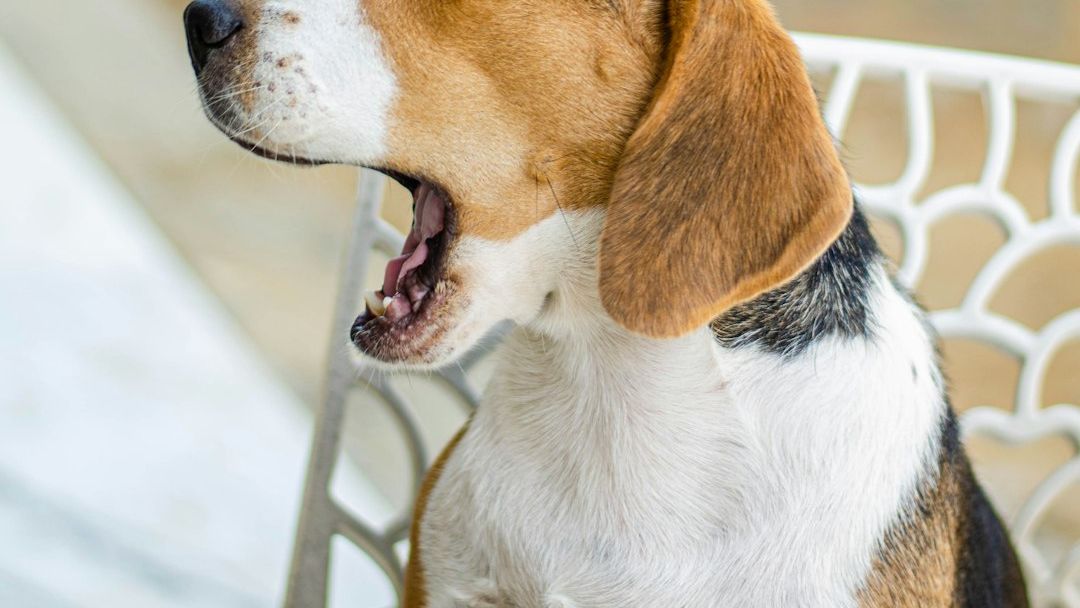
Most people know that dogs like company. What fewer people realize is just how quickly certain breeds can spiral from content to genuinely distressed the moment the front door closes. It’s not drama. It’s not a training failure. For some breeds, it’s biology, history, and deep emotional wiring working together against solitude.
Separation anxiety in dogs is a distressing emotional disorder that can lead to symptoms like whining, barking, pacing, chewing, and other destructive behaviors. Unlike occasional boredom or mild nervousness, it’s characterized by extreme stress when a dog is left alone. It’s actually one of the most common behavior problems in dogs, with somewhere between one fifth and nearly half of all dogs referred to animal behavior practices in North America being diagnosed with the disorder.
The breeds listed here aren’t bad dogs. In fact, many of them are among the most beloved, loyal, and rewarding companions you’ll ever own. The catch is that their greatest strength – their intense bond with people – is also their biggest vulnerability when you walk out the door.
#1. Vizsla

The Vizsla is a high-energy breed developed for hunting, bred to have the stamina to last through an entire day of hunting as well as to maintain a strong connection with their human handlers. That human-focused devotion is part of the breed’s essential identity, not a quirk that can be easily trained away.
What separates Vizsla separation anxiety from other breeds is the intensity and the speed at which it develops. While some dogs simply whimper when you leave, a Vizsla may destroy a door frame, break out of a crate, or injure themselves trying to follow you. The distress is extreme, it is physical, and it can start the moment your car pulls out of the driveway. The combination of extreme attachment and extreme energy makes Vizsla separation anxiety one of the most challenging behavior issues any dog owner can face.
#2. Border Collie
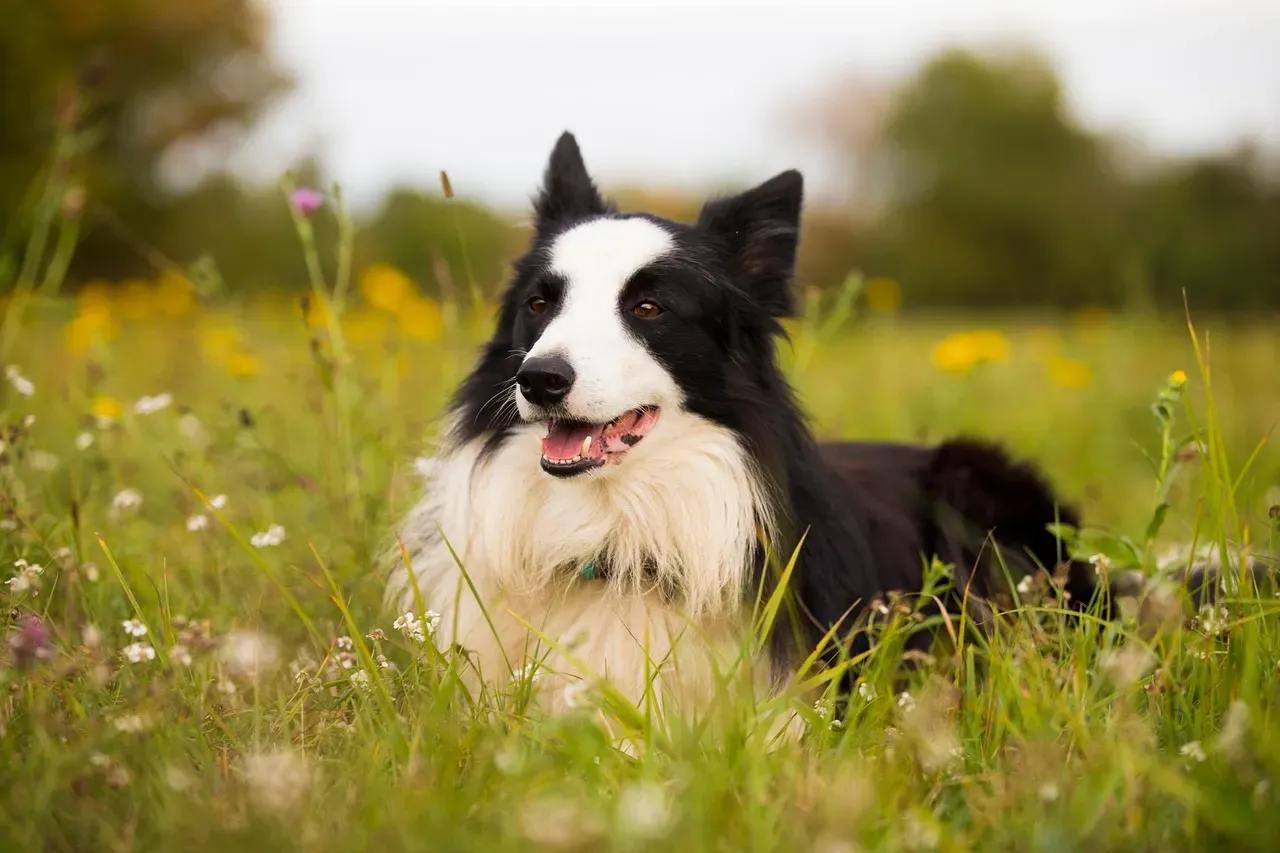
The Border Collie is one of the most active breeds of dog, bred to be out and about herding sheep. Their high energy levels and intelligence mean they need a huge amount of stimulation, and a regular lack of company will lead to separation anxiety very quickly.
The Border Collie consistently ranks as the most intelligent dog, but this means they are more likely than other breeds to become bored when they have no stimulation. Leaving them alone can lead to separation anxiety and destructive behavior as they look for ways to amuse themselves. A restless Border Collie doesn’t sit quietly. It finds a project, and your sofa may well be that project.
#3. Cavalier King Charles Spaniel

Cavaliers are often called “velcro dogs” because of their eagerness to stay close to their owners. This intense pack instinct can make time alone genuinely distressing. The Cavalier King Charles Spaniel is one of the smallest spaniel breeds and was used primarily as a companion dog – they are used to being around people, enjoy being around people, and are prone to developing separation anxiety if left alone for too long.
When left alone, they may experience distress which could lead to unwanted behaviors such as excessive barking, chewing, or even accidents in the house. Factors like moving to a new home, sudden changes in daily routines, or certain health conditions can further aggravate their anxiety. These dogs were quite literally bred to be royal companions, so sitting alone in an empty house feels deeply unnatural to them.
#4. Labrador Retriever
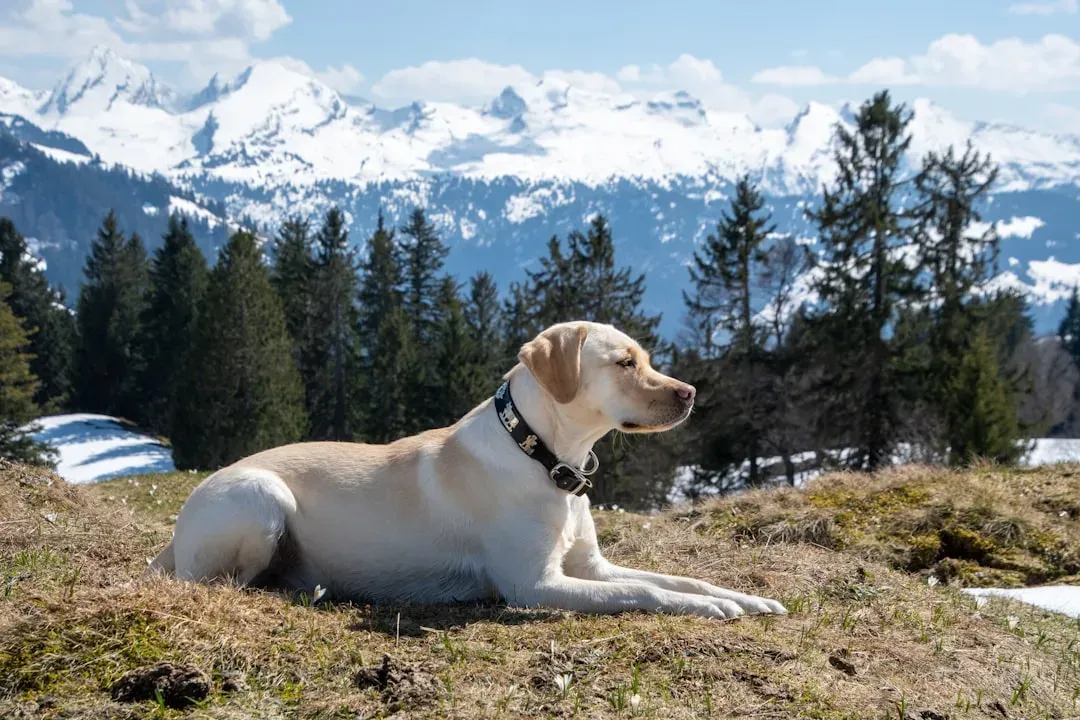
Labradors are social butterflies, known for their friendly demeanor and love of family. Their popularity, however, means they are also highly prone to loneliness if not given enough attention. They thrive on being with their pack, and separation can cause them to become very sad, restless, and bored.
The Lab is currently one of the most popular family dog breeds and generally has a relaxed disposition. However, because they are so social, they can struggle if left alone for long periods of time. Their easygoing nature fools a lot of owners into thinking they’ll be fine. Left alone too long and with too little mental activity, Labs will let you know otherwise – usually through your shoes or your couch cushions.
#5. Australian Shepherd
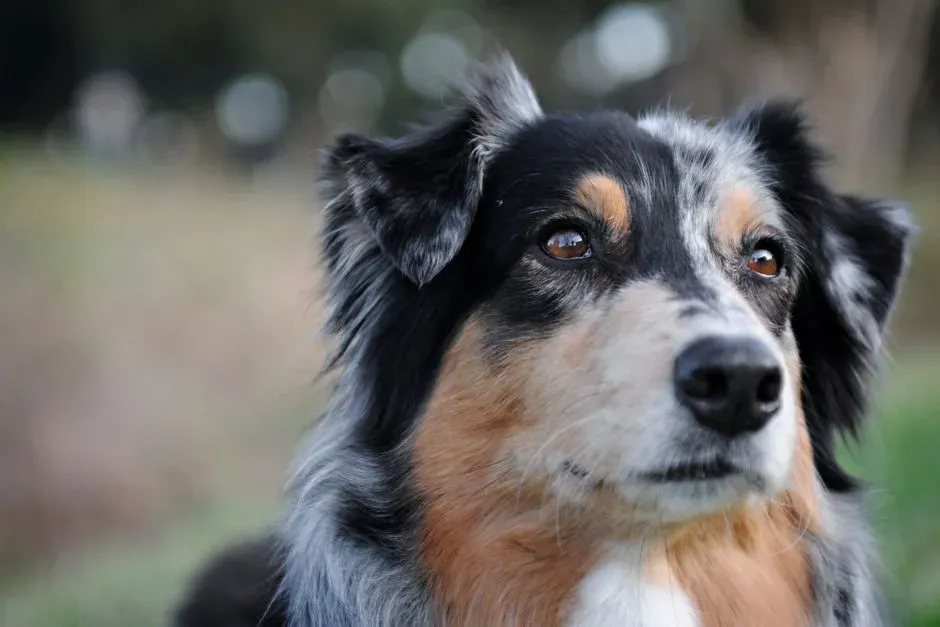
The Australian Shepherd is an extremely intelligent dog that loves nothing more than working for you. Easily trained, they are energetic and athletic and need an outlet for that energy. Leaving them alone can cause an undue amount of stress, and in severe cases they can actually become self-destructive if left alone for too long.
This breed was bred for herding and is a very active dog that does best when at work. They need to stay active and may suffer anxiety when there’s nothing to do. They’re a working breed with big needs, and understimulation can turn into destruction fast. An Aussie without a job to do is an Aussie that will invent one, and rarely for the better.
#6. Bichon Frise
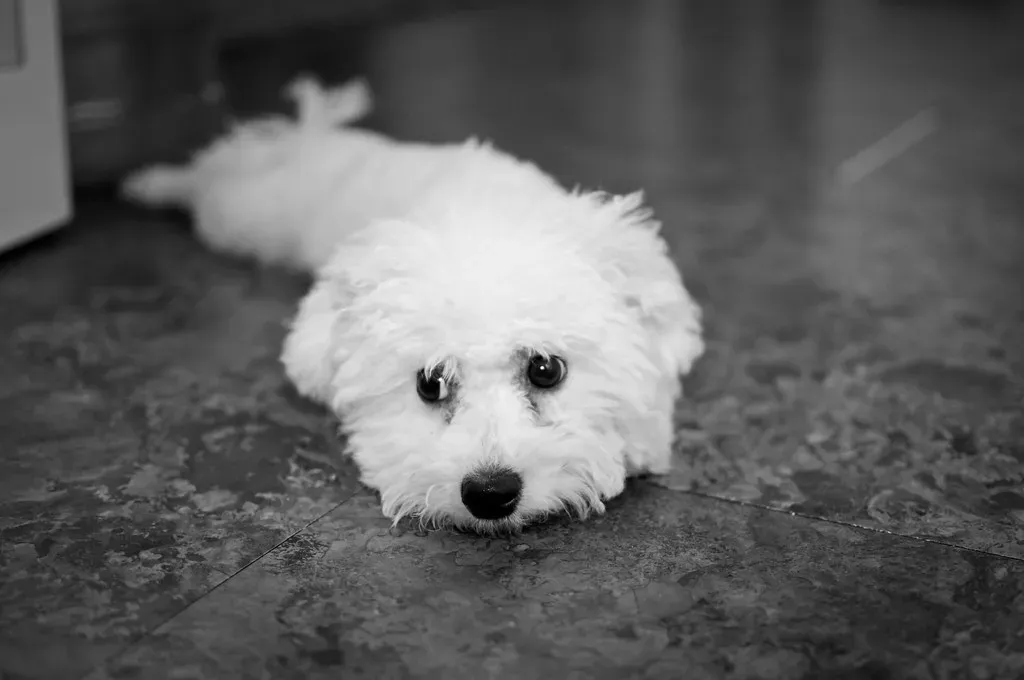
The Bichon Frise has been bred to be the perfect lap dog, which means it can feel anxious and abandoned if it doesn’t have a lap to curl up on at all times. Separation anxiety can be a very real problem with this adorably fluffy breed.
One of the most common problems reported among Bichon Frise owners is their separation anxiety. This breed is a companion and lapdog and does not do well when unable to see their owners for extended periods. Bred as a companion dog, this breed really does best when around their human family, and when left alone they can become bored and suffer severe distress due to loneliness. For a small dog, the emotional response can be surprisingly loud and surprisingly destructive.
#7. German Shepherd
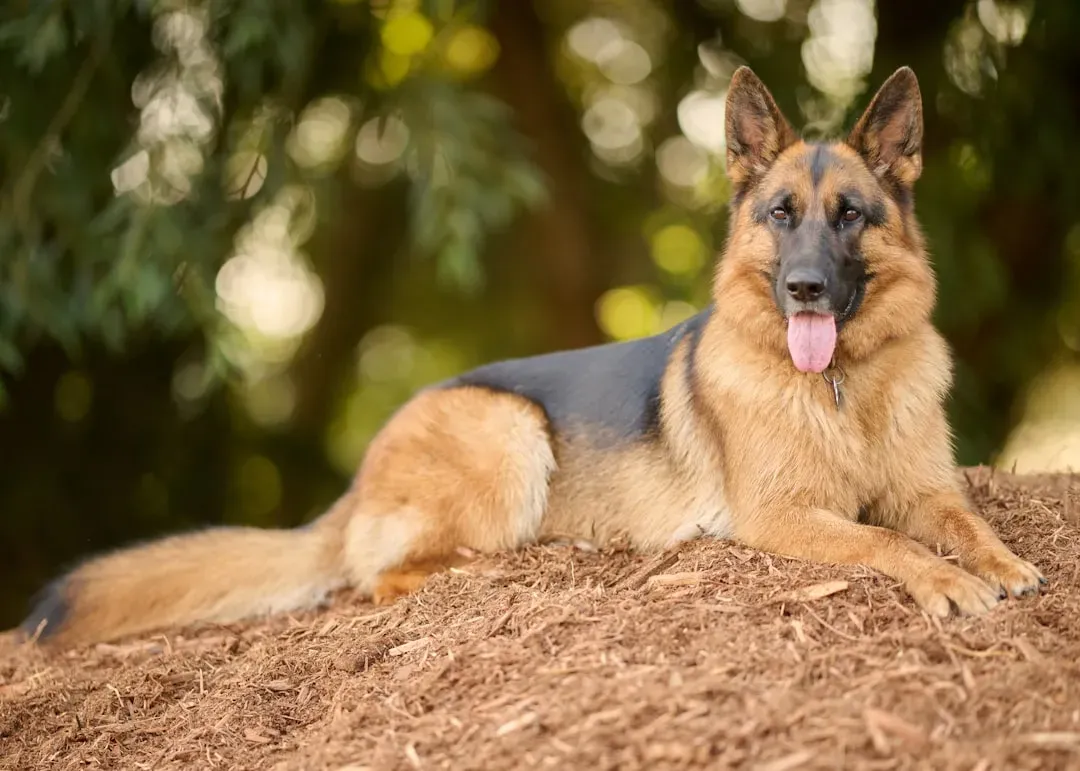
The German Shepherd needs a physically and mentally stimulating environment, and as a brilliantly trainable and intelligent working dog, they form strong bonds with their owners. This means they can be prone to distress if left alone or not adequately exercised and stimulated.
German Shepherds need plenty of consistent training, adequate exercise, and a good routine to avoid behavior problems like separation anxiety. Some larger breeds like the German Shepherd experience separation anxiety because of a lack of mental stimulation, while others may have developed a strong bond with their dog parents. When a German Shepherd’s loyalty turns into dependency, the resulting distress tends to be large-scale, both in noise and in damage.
#8. Toy Poodle
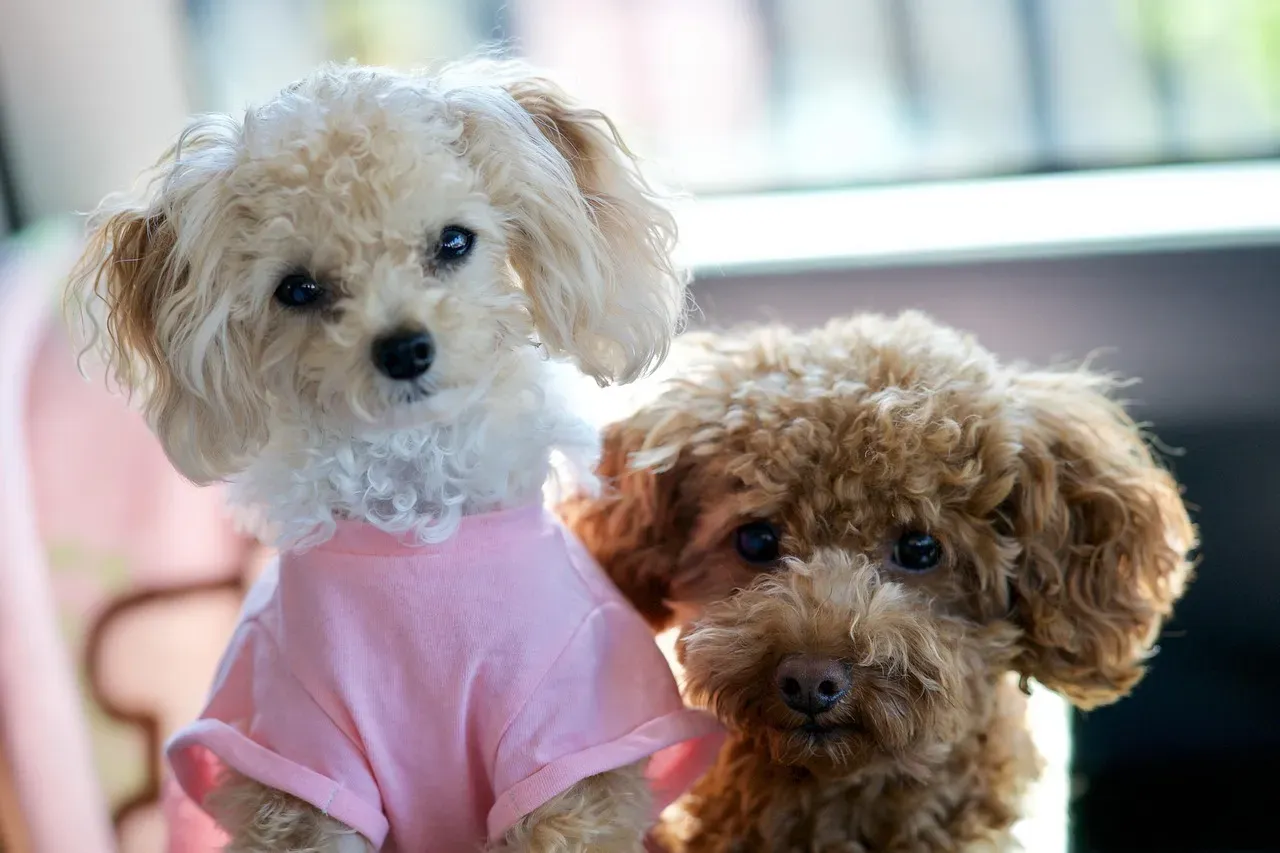
The Toy Poodle is the smallest of the Poodles and probably the softest in temperament. Bred solely as companion dogs, they do not fare well when left alone for long periods as they desire regular human interaction.
This sweet little ball of fur is affectionate and will bond strongly with you. Unfortunately, the Toy Poodle can become overly dependent on your presence and develop severe separation anxiety if left alone for long periods of time, sometimes resulting in negative behaviors like having accidents in the house. Sensitive and deeply attached, they may whine, pace, or cling before you even go.
#9. Siberian Husky
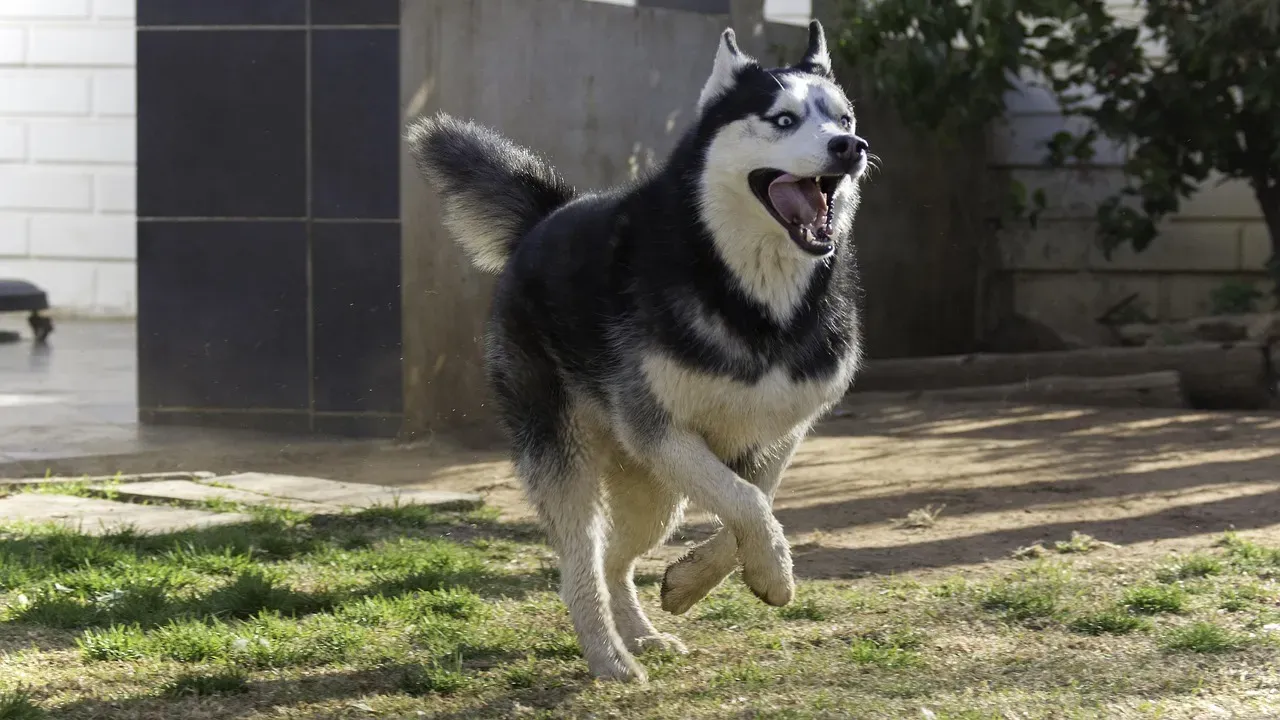
The Siberian Husky doesn’t handle being left alone with nothing to do, particularly if their energy needs for the day have not been met. Furthermore, they have been bred as a pack animal, so isolation is genuinely hard for them to cope with.
Because of their strong need to be in a pack and high energy levels, Huskies are prone to being destructive if left alone for long periods. If your Husky is being destructive when left alone, it’s time to increase the amount of physical activity and exercise they get, as well as their social interaction or playtime with other dogs. A bored Husky with a big voice and separation stress is genuinely a neighbor relations problem waiting to happen.
#10. Golden Retriever
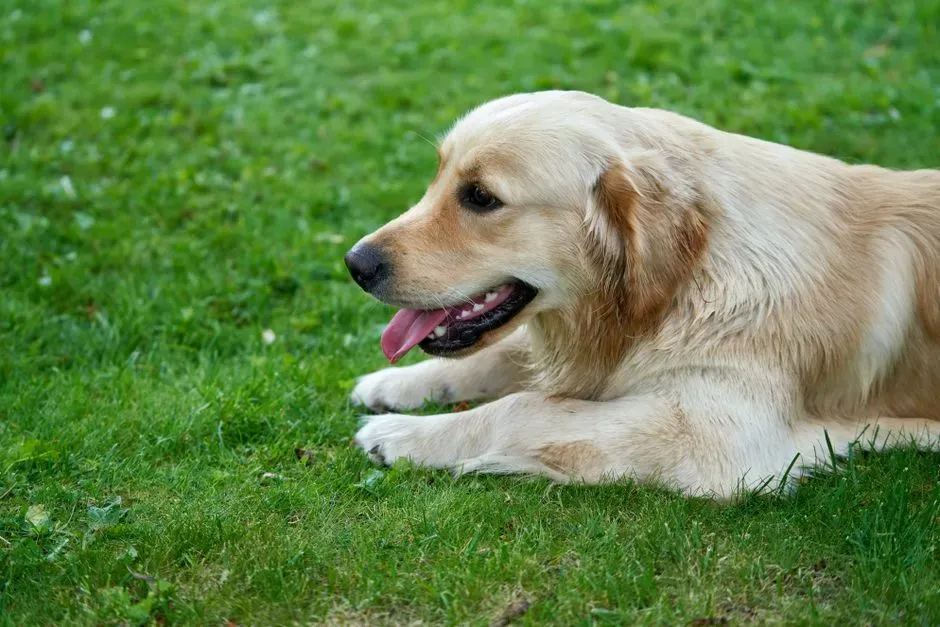
Golden Retrievers are incredibly loyal and affectionate dogs who are bred to be part of the family. This makes them more prone to separation anxiety than most large dog breeds. Their sunny temperament might suggest they handle everything well, but the flip side of that warmth is a deep need for company.
Golden Retrievers often struggle more with being left alone. These breeds may exhibit intense loyalty and attachment to their owners, making solitude especially difficult for them. Ensuring that they have plenty of mental and physical stimulation can help, as can gradually increasing the time they spend alone. A Golden that’s been home alone all day will meet you at the door with a level of relief that’s genuinely heartbreaking if you think about what they’ve been feeling.
#11. Beagle
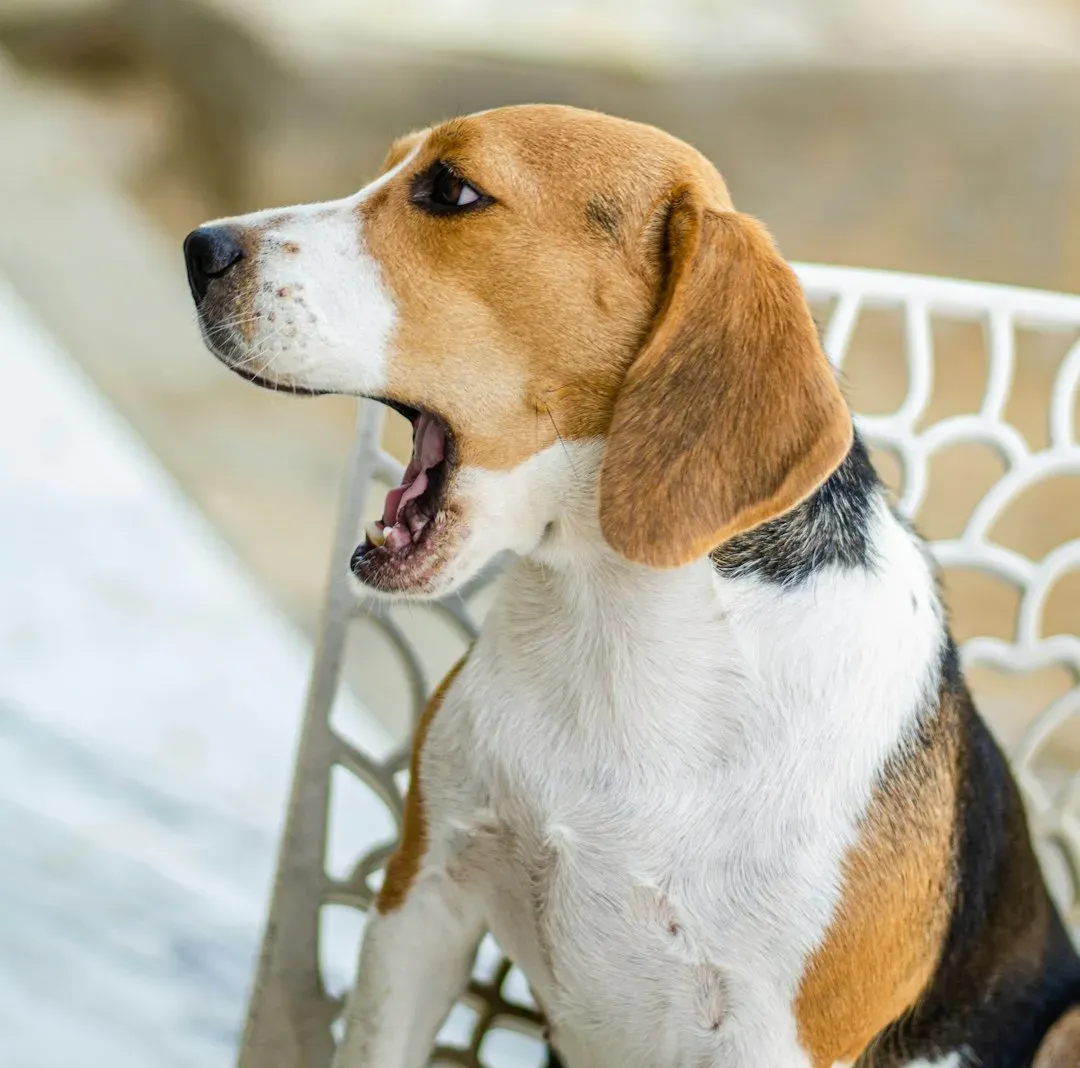
Beagles are hunting dogs with a strong pack instinct and they’re simply not built for being alone. This specific breed is both active when young and very driven by scent, and they’re prone to loneliness. This can cause destructive behaviors when they’re home alone.
Beagles are hunting dogs with a strong pack instinct that makes being alone feel unnatural to them. This breed is active when young, very driven by scent, and prone to loneliness – a combination that can cause destructive behaviors when left at home. Providing plenty of mental stimulation and using gradual desensitization techniques can help alleviate their anxiety. Their howl, designed to alert a hunting pack, carries remarkably well through walls.
#12. Cocker Spaniel
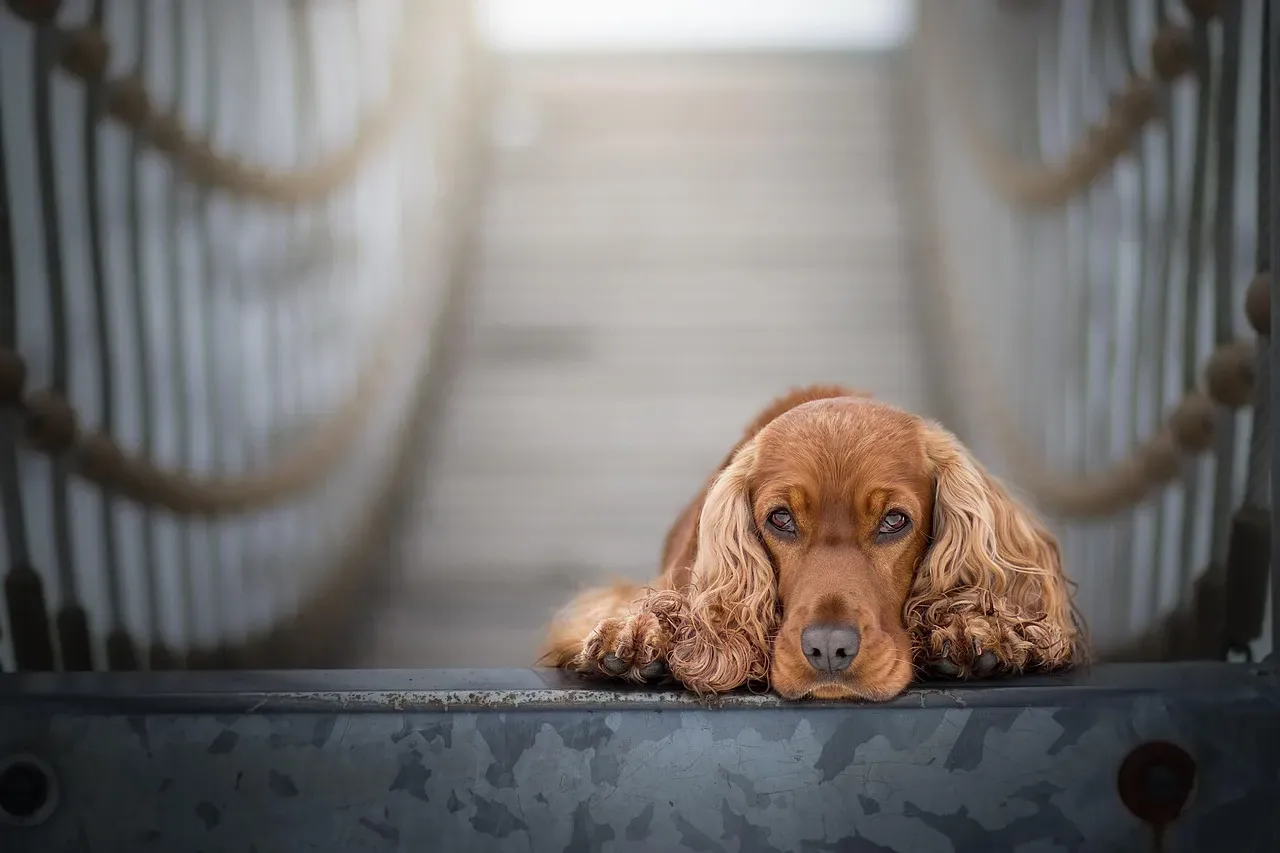
The Cocker Spaniel is a gundog used to spending a lot of quality time with its family. They make great family companions, but their popularity has introduced a lot of temperament issues, including severe separation anxiety.
The Cocker Spaniel is affectionate and routine-based, and a long time alone may trigger barking or chewing. Their need for routine is genuine. Any sudden shift in schedule – a later return home, an unexpected absence – can set off a stress response that seems out of proportion to the event but makes complete sense from the dog’s perspective. Structure and predictability are this breed’s best friends.
#13. Italian Greyhound
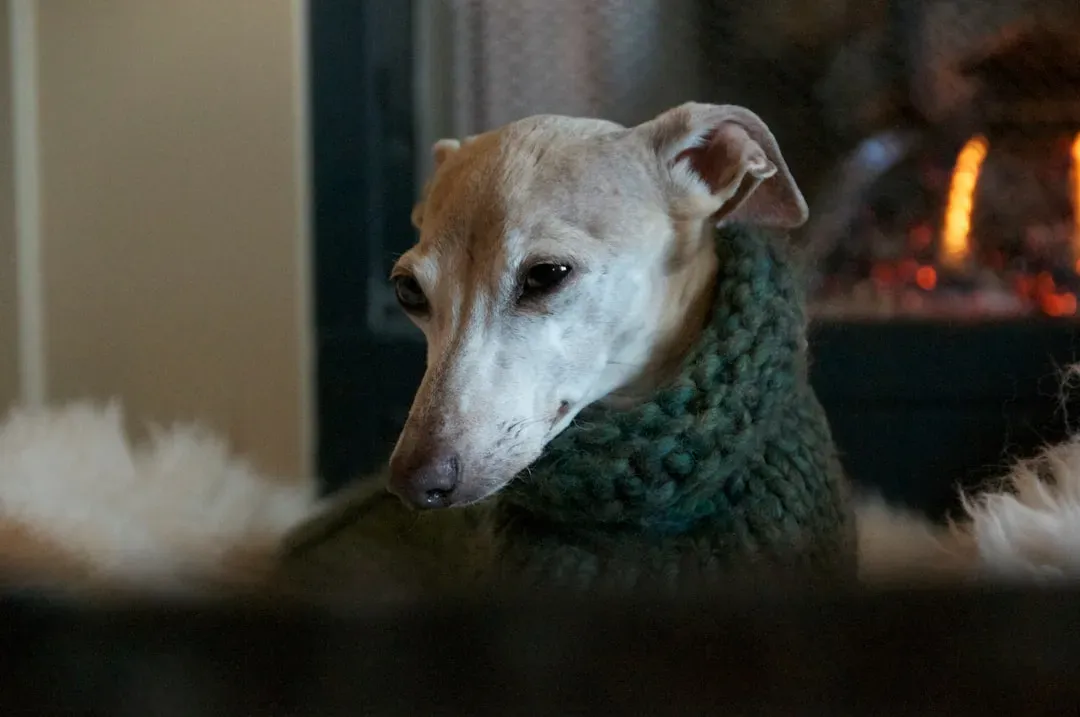
Italian Greyhounds are the smallest sighthounds and they make excellent family companions. Because they bond so closely with their owners, they are prone to suffering separation anxiety should they be left alone for long periods.
Like a small greyhound, Italian Greyhounds were bred to run and hunt. Though this elegant dog loves to be in your lap, they also need lots of exercise and an outlet for their energy. If left alone too long, they may become anxious, aggressive, or destructive. The mismatch between their delicate appearance and the intensity of their distress surprises many first-time owners.
#14. Maltese
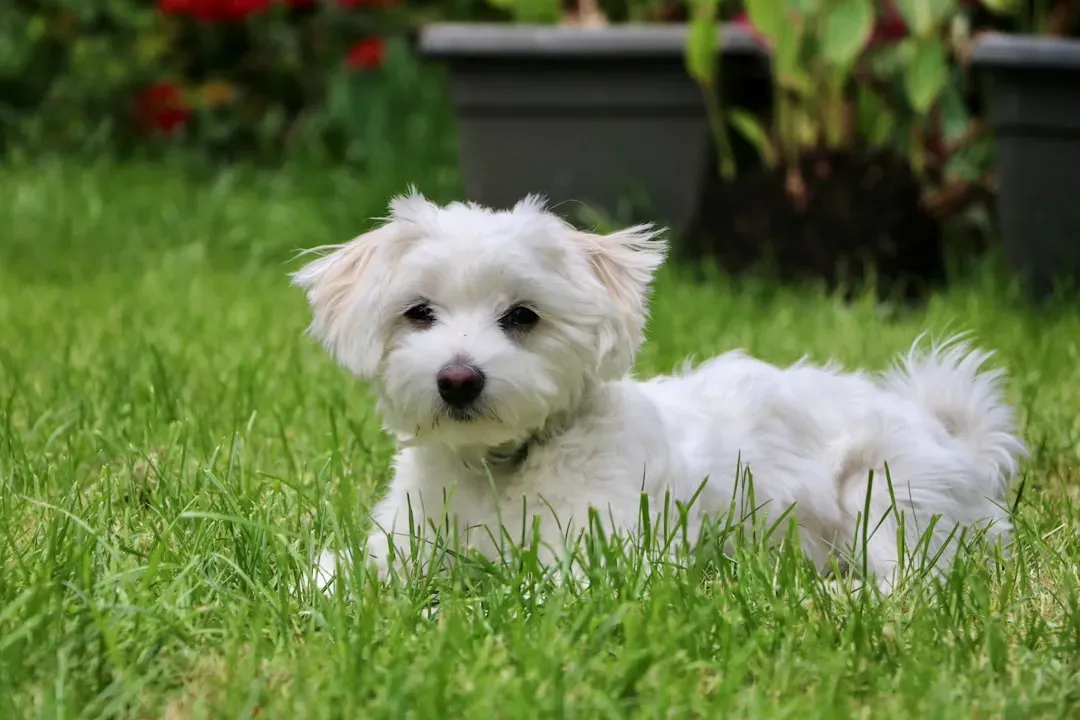
Like the Chihuahua, the cute little Maltese is often treated more like a child than a dog. They quickly become accustomed to being the center of attention, and can become resentful when left alone. These little powerhouses are not as fond of exercise as they are of snuggling with you, and they covet your complete attention.
Addicted to human company, they can become jealous if your attention is divided between them and someone else, and they absolutely hate to be alone. Studies have identified the Maltese among the dog breeds most prone to having trouble being left alone. Their size doesn’t soften the volume of their distress – a lonely Maltese is fully committed to letting you know about it.
#15. Havanese
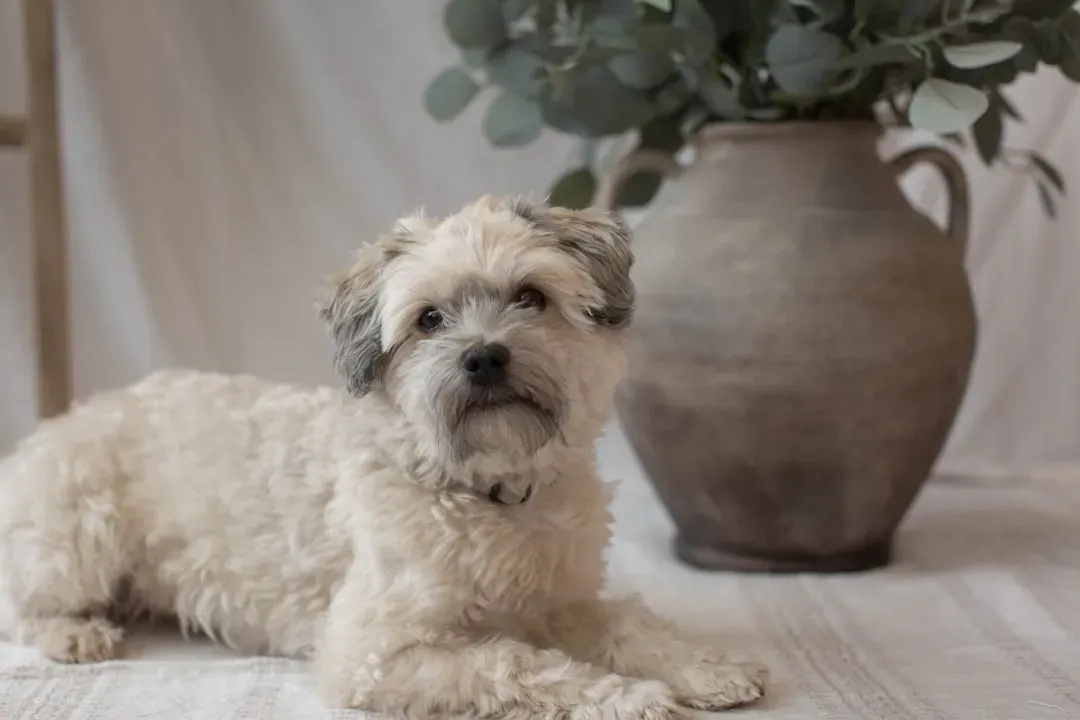
The Havanese is a small dog that makes an excellent family companion. Because they were bred to be lapdogs, they desire human companionship and do not do well when left alone for long hours. Cuba’s national dog was designed from the ground up to be people-centered, and that orientation doesn’t switch off when you leave the room.
For dog breeds with separation anxiety, separation can feel especially difficult because dogs are social by nature and often rely on routines and companionship. When a dog is highly attached, their entire sense of security is tied to the physical presence of their owner. The resulting panic is a physiological response, not a behavioral choice. The Havanese, with its centuries of lapdog breeding, feels this acutely.
#16. German Shorthaired Pointer
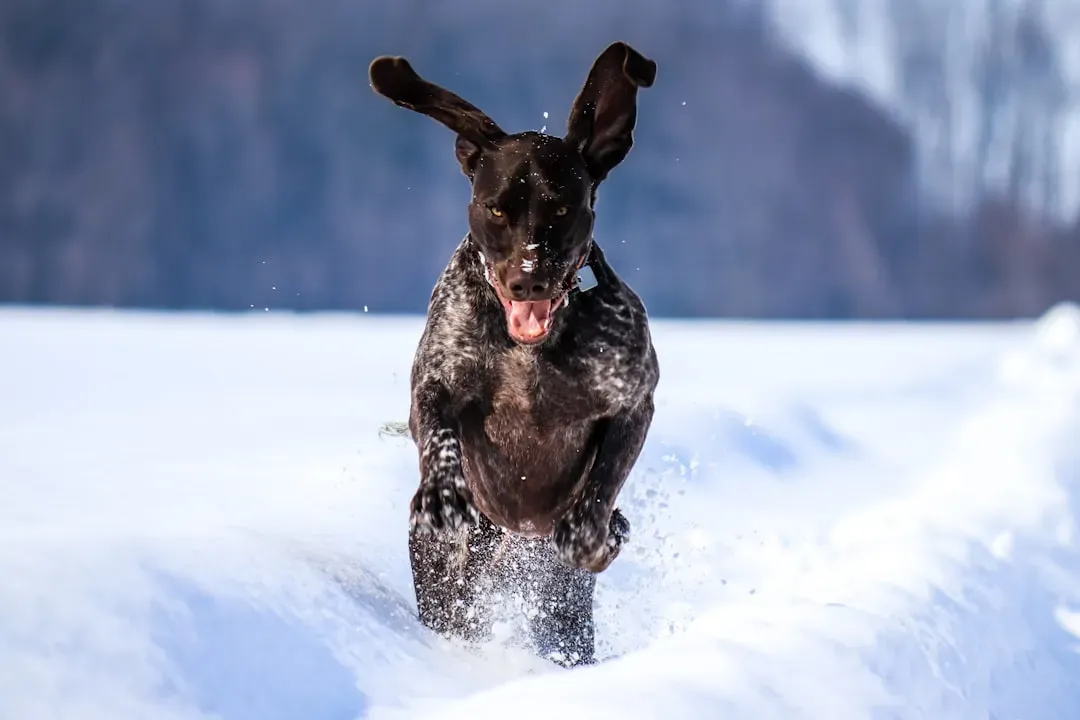
The German Shorthaired Pointer is a German gundog and one of the most popular hunting dogs today. Because they were bred to work alongside their owners for long hours, they do not do well when left alone for extended periods.
Built for action, their restlessness when alone can quickly show up as chewing or barking. Separation anxiety often develops in high-energy breeds that aren’t provided with enough exercise and enrichment, and in breeds that rely strongly on their bond with humans for a sense of safety. The German Shorthaired Pointer ticks both of those boxes, which is why vets and behaviorists consistently flag it as a breed that genuinely struggles when left without activity or company.
What Every Owner of These Breeds Should Know
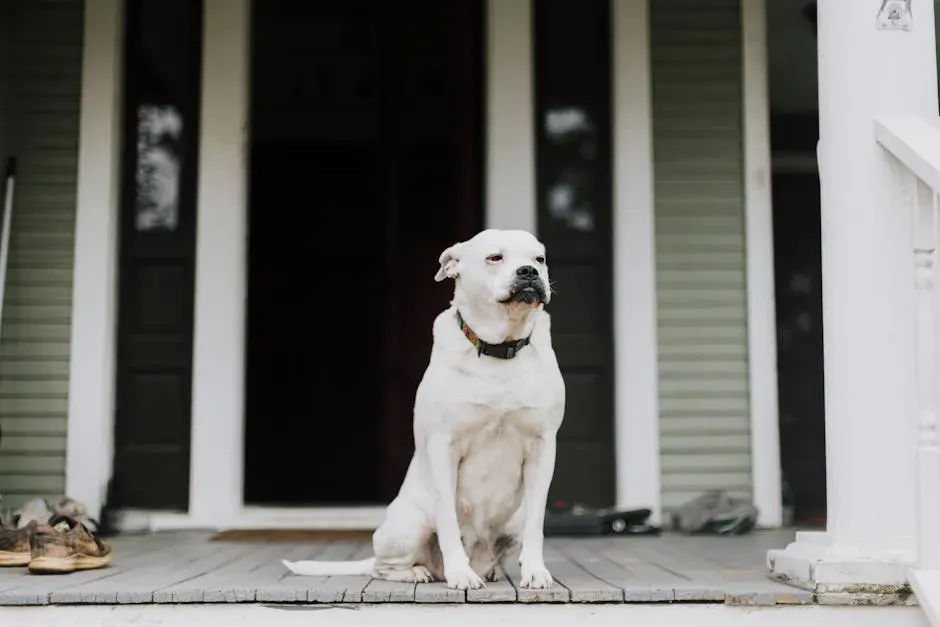
Any dog can develop separation anxiety, but some breeds may be more likely to struggle with being alone due to inherited temperament traits, original breeding roles, and natural instincts. Knowing your breed’s tendencies before the problem becomes serious is the clearest advantage you have.
Managing separation anxiety in dogs involves establishing a routine that provides security, creating a safe space at home where the dog can feel comfortable, and considering professional advice from a veterinarian or an animal behaviorist if the anxiety is severe. Training techniques like desensitization and counter-conditioning can help, and in severe cases it may be necessary to seek medical intervention, as a veterinarian can prescribe medications or recommend supplements that help ease anxiety alongside a consistent training regimen.
Still, any dog can develop anxiety if left isolated too often or without stimulation. Routine exercise, enrichment, and affection matter for every breed. Owning one of these breeds isn’t a burden. It’s simply a commitment that asks for more presence, more planning, and a genuine understanding of what your dog actually needs. The reward for getting it right is a loyalty that few other animals can match.

- How to Create a Pet-Friendly Home on a Budget - August 1, 2026
- If a Shark Swims Close to You, Here’s What You Should Do - August 1, 2026
- 10 Incredible Animals That Can Switch Their Sex - August 1, 2026