
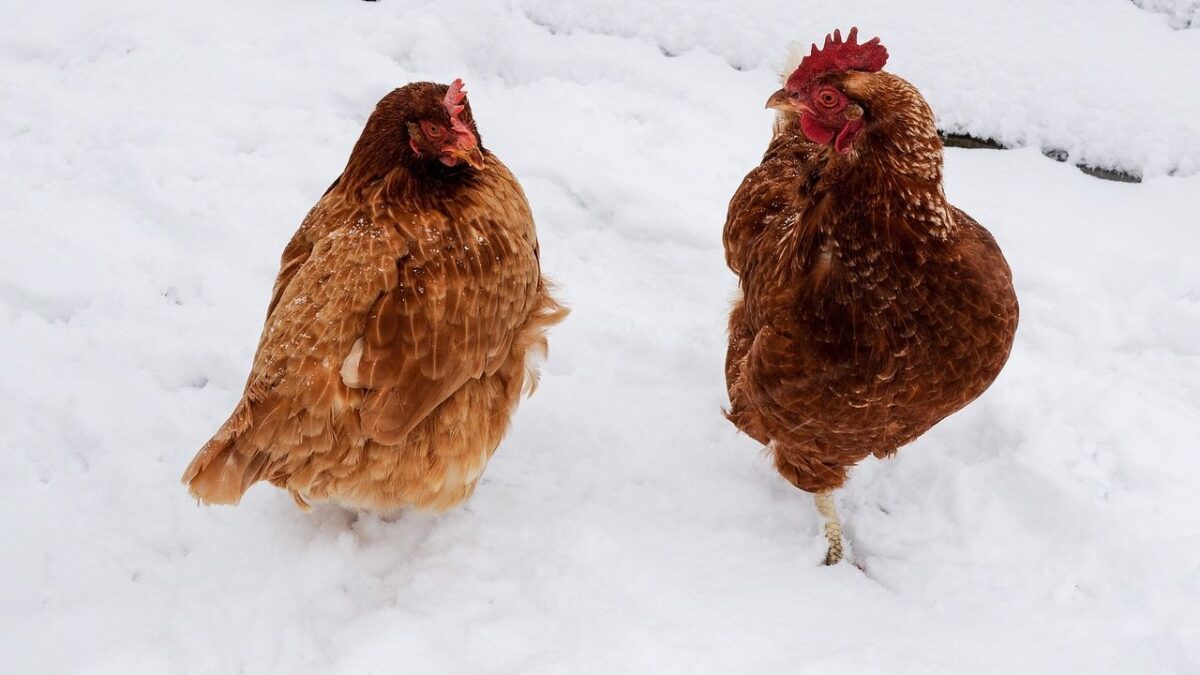
Winter can feel like a battle against the elements, especially when you’re caring for a backyard flock. Imagine stepping outside on a bitterly cold morning, worried about whether your hens are shivering in their coop. The reality is that chickens are surprisingly resilient creatures, but they still need your help to stay healthy when temperatures plummet.
The key isn’t about wrapping them in sweaters or cranking up the heat. It’s about creating the right environment that works with their natural abilities to stay warm and comfortable. From managing moisture to preventing frostbite, there’s more to winter chicken care than you might expect, and some of the advice you’ve heard might actually do more harm than good. Let’s dive in and discover what really works to keep your flock thriving when the snow starts falling.
Understanding How Your Chickens Stay Warm Naturally
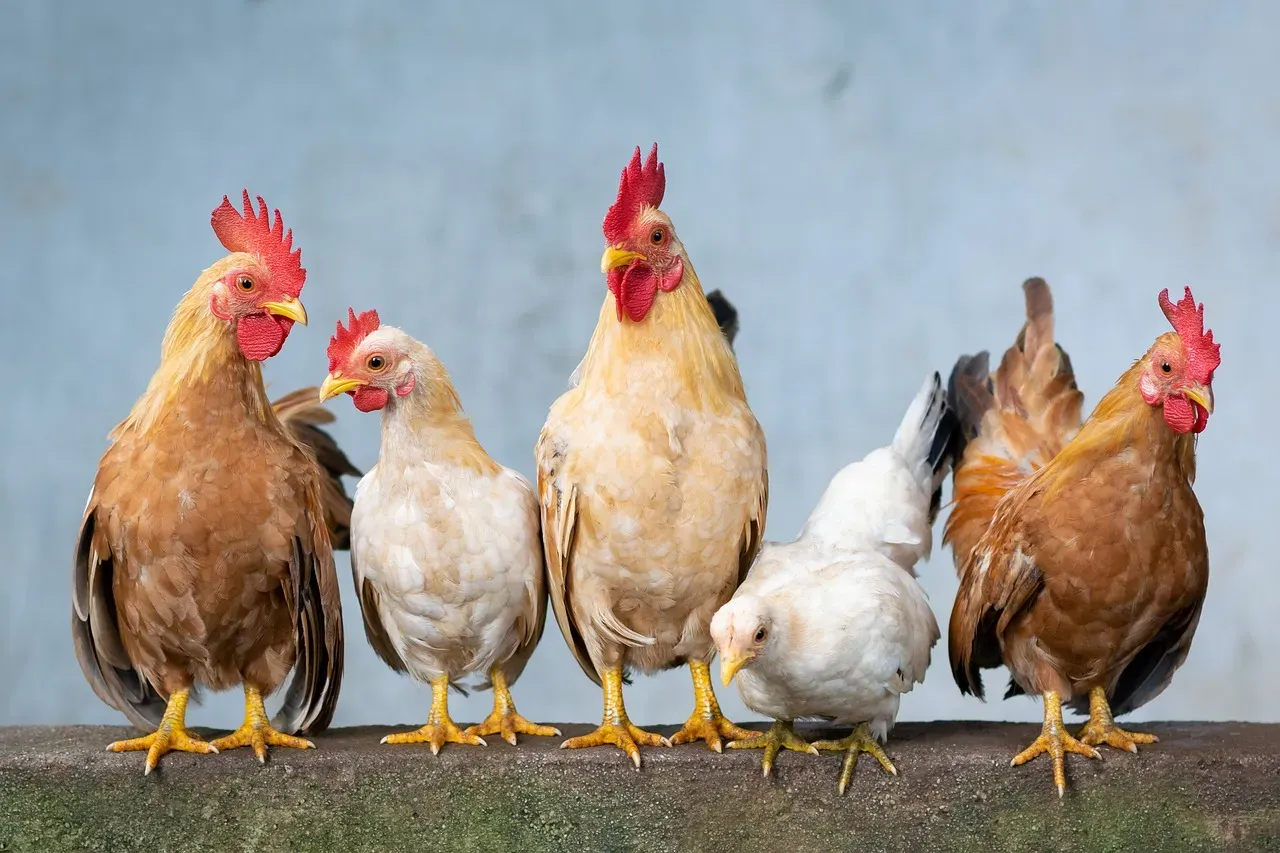
Here’s the thing most people don’t realize: chickens come equipped with their own built-in down jacket. Their feathers provide great insulation, and chickens don’t have sweat glands, so they actually prefer cooler temps over warm ones. It’s pretty remarkable when you think about it. These birds can fluff up their feathers to trap warm air close to their bodies, creating an incredibly efficient insulation system that would make any outdoor gear company jealous.
Most poultry can maintain their body temperatures when the environmental temperature is between 60 and 75 degrees F. However, different breeds handle cold differently. Heavier breeds such as Plymouth Rock, Wyandotte, Ameraucana and Orpington over-winter well, while smaller breeds have less feathering, or have large combs and wattles and may need extra care to stay warm. Knowing your breed’s cold tolerance is honestly the first step in winter preparation.
Proper Ventilation Is More Critical Than You Think
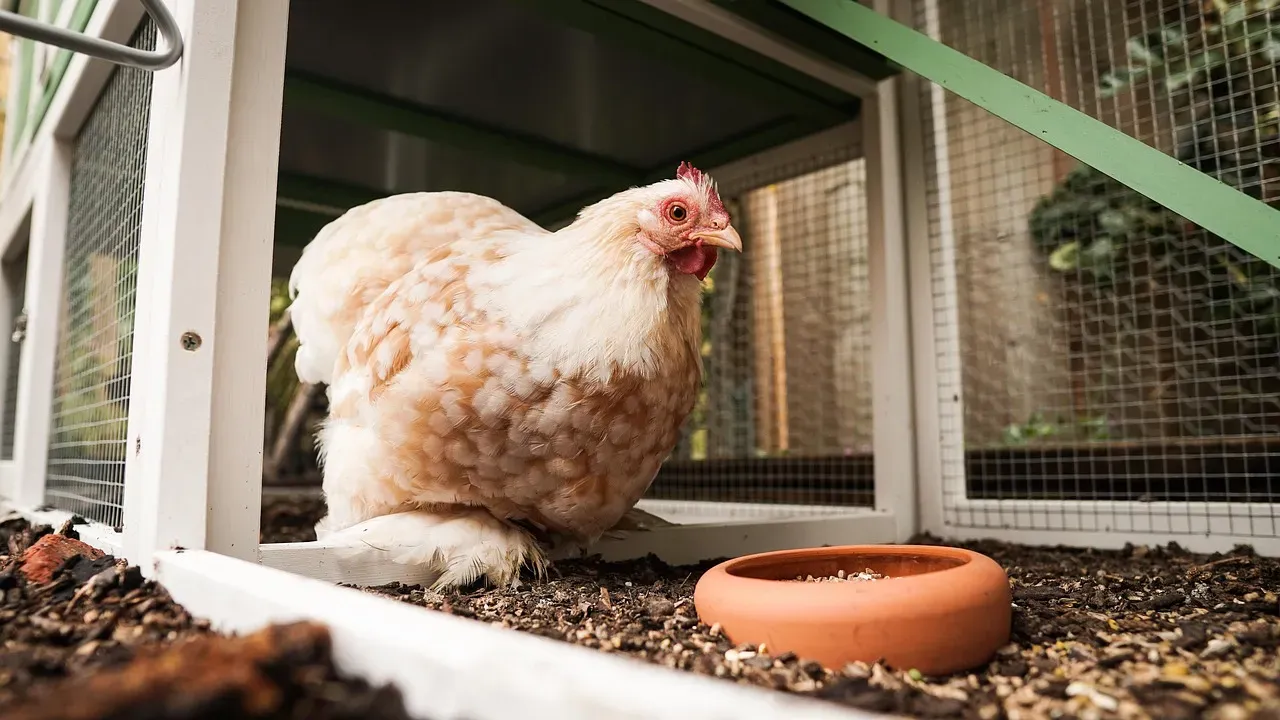
This might sound counterintuitive, but sealing up your coop tight as a drum is one of the worst things you can do. Let’s be real, moisture is your flock’s biggest enemy during winter. The main causes of frostbite are high moisture and cold temperatures, so controlling moisture through airflow and manure management during the winter is critical. Chickens produce an astonishing amount of moisture just from breathing, and their droppings add even more humidity to the air.
Good ventilation reduces ammonia fumes which can cause respiratory and sinus problems in poultry, prevents frostbite because it allows moisture to escape the coop, helps manage dust levels, and allows for proper air exchange within the coop. The trick is positioning ventilation openings high up near the ceiling where warm, moist air naturally rises. The key is finding the balance between blocking cold drafts and allowing fresh air to circulate by sealing off direct wind exposure while leaving ventilation gaps near the roofline to let moisture escape.
Preventing Frostbite on Combs and Wattles
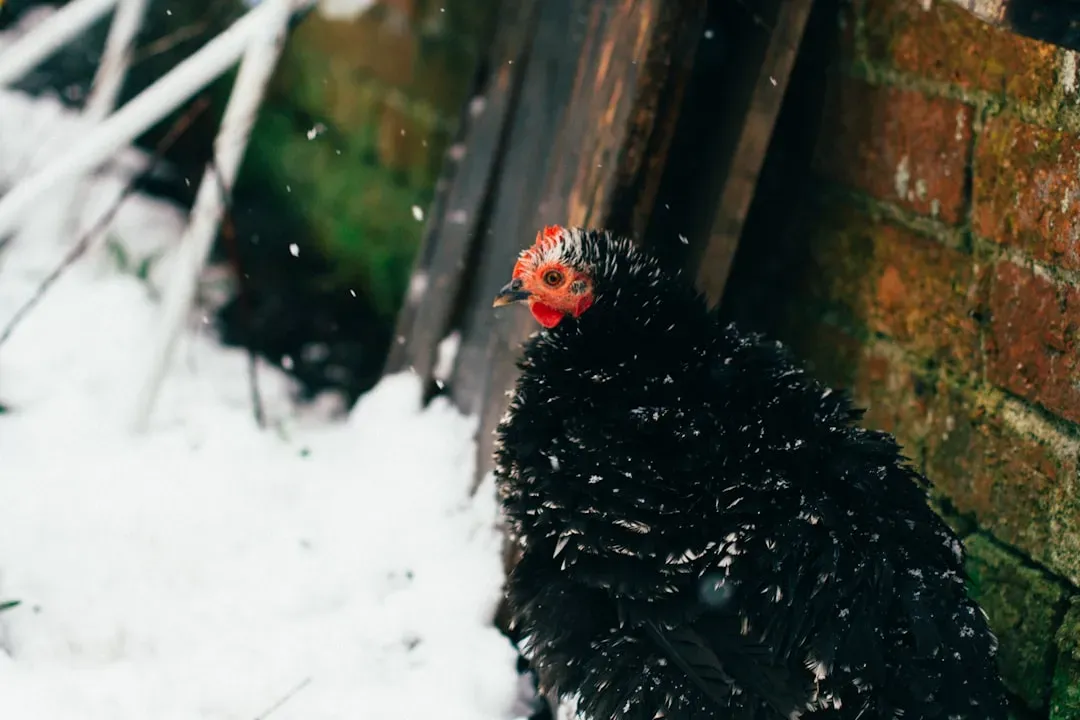
Frostbite might not seem like a huge concern until you see your favorite rooster with blackened comb tips. It takes about 10 minutes in below freezing temperatures to cause chicken frostbite. The most vulnerable parts are the combs, wattles, and feet, especially on birds with large single combs. I think many people underestimate how quickly it can happen.
You can apply petroleum jelly to chicken combs and wattles to help insulate them and prevent frostbite damage. Some chicken keepers swear by applying this protective layer on the coldest nights. If you use an open waterer, chickens will dip their wattles in when drinking, which will then freeze and cause frostbite. Switching to nipple-style waterers can prevent this surprisingly common problem. Breeds with smaller pea combs have a definite advantage here since they’re naturally less prone to freezing.
Setting Up Proper Roosting Spaces for Cold Nights
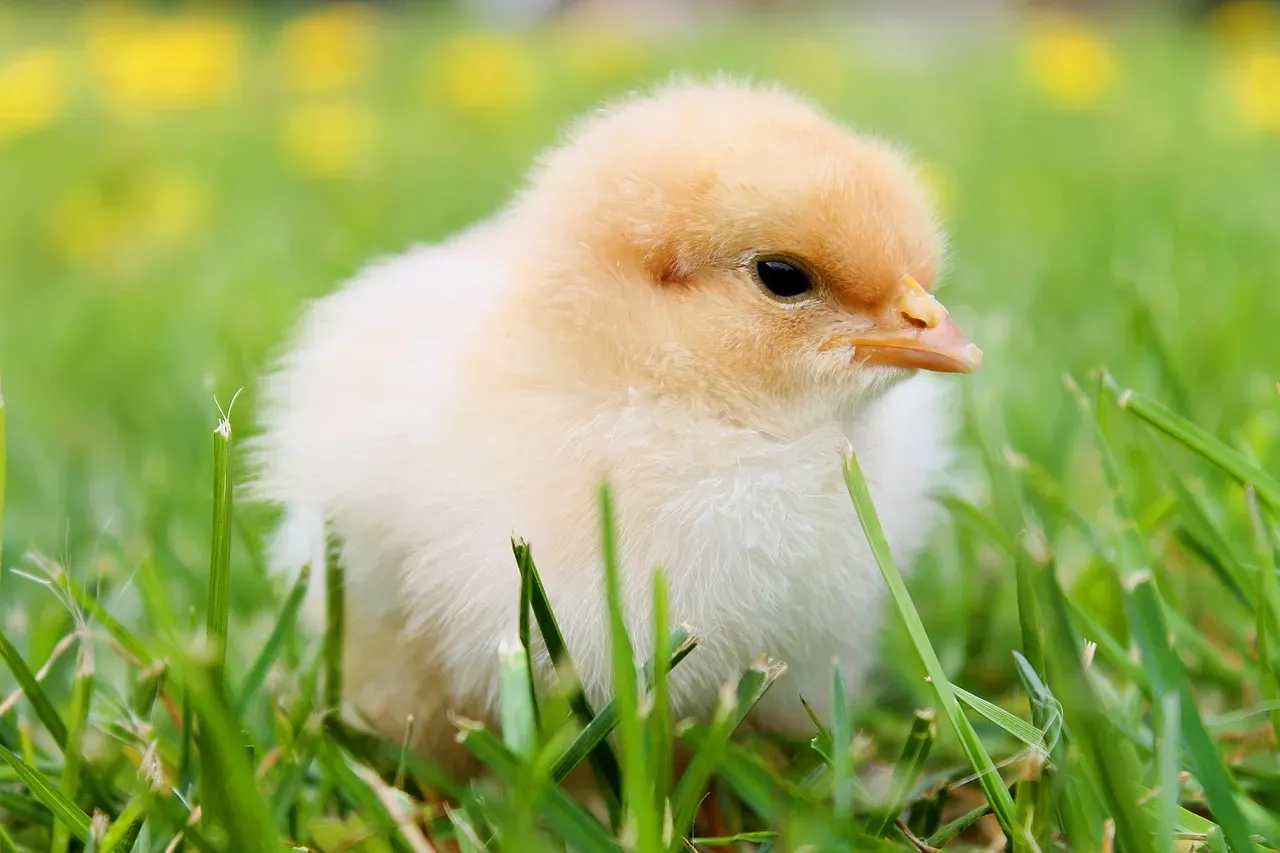
Where your chickens sleep at night makes a massive difference in how comfortable they stay. Roosts offer an elevated space for chickens to rest overnight, which keeps them off the cold floor, and while roosting, chickens can comfortably lay on their feet to warm them, with roosts providing enough space for the chickens to fluff their feathers and lay together for warmth without overcrowding. This natural behavior is their secret weapon against the cold.
Generally, roosts should start at least 12 inches above the floor of the coop and provide 9 inches of room per chicken, avoiding using metal, plastic, or other materials that retain the cold and may cause frostbite, with wooden 2 x 4- or 2 x 2-inch boards working well. The positioning of roosts is something you really want to get right before winter hits. Chickens naturally huddle together on roosts, sharing body heat throughout the long, cold night.
Insulation and Draft Prevention Without Trapping Moisture
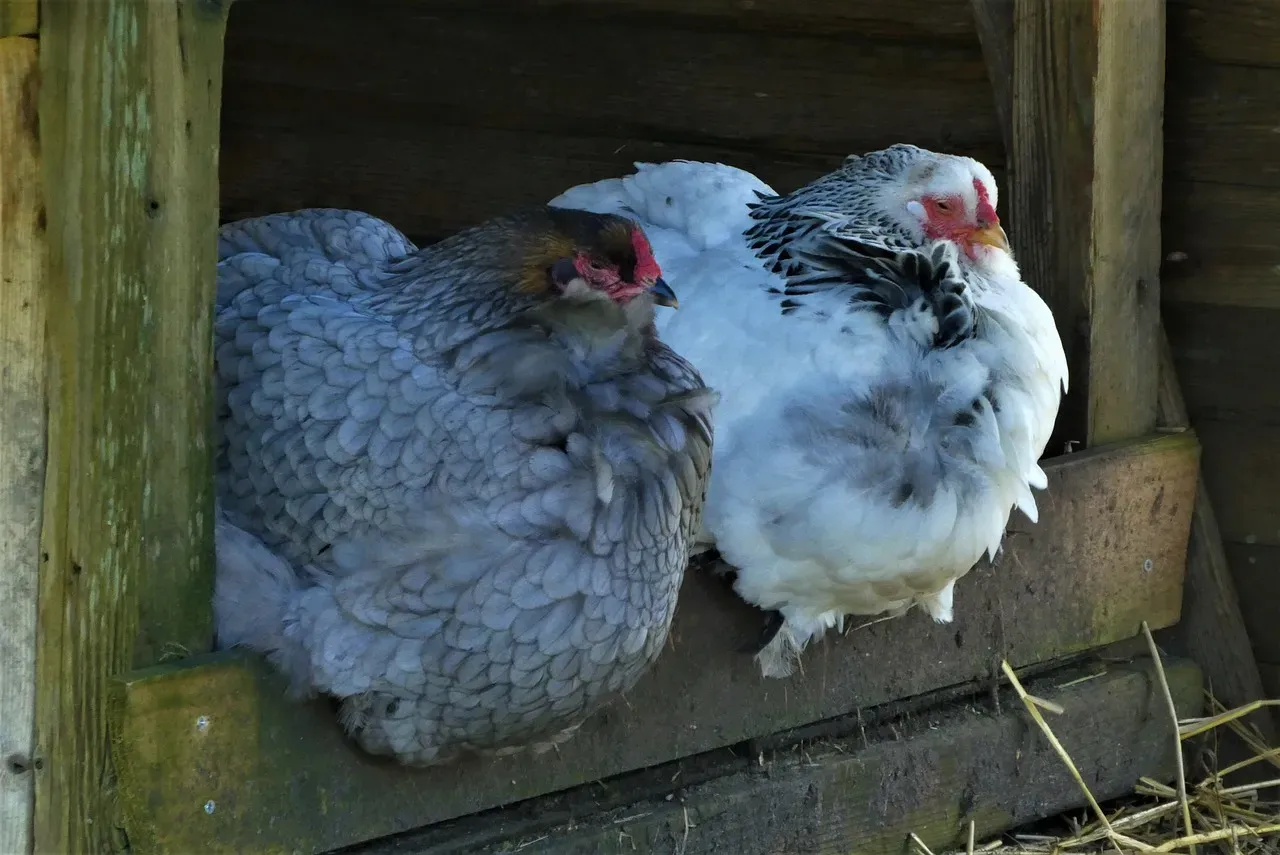
Insulating your coop is helpful, but it’s not about creating a hermetically sealed box. Inspect your coop for holes and cracks that may allow air to flow freely into the coop, as sealing these spots will prevent cold drafts and rodents from entering your coop over winter. Small gaps around doors and windows are often the culprits that create those chilling drafts that chickens absolutely hate.
If your coop is unfinished, consider insulating the interior to help retain heat, making sure the insulation is closed off to prevent chickens from pecking or scratching at it, but also to keep rodents out. The ceiling is one of the most important areas to insulate, as heat naturally rises, using materials like foam board or fiberglass sheets covered with plywood to protect against pecking and simplify cleaning. Honestly, focusing on ceiling insulation gives you the biggest bang for your buck.
Managing Water and Nutrition in Freezing Conditions
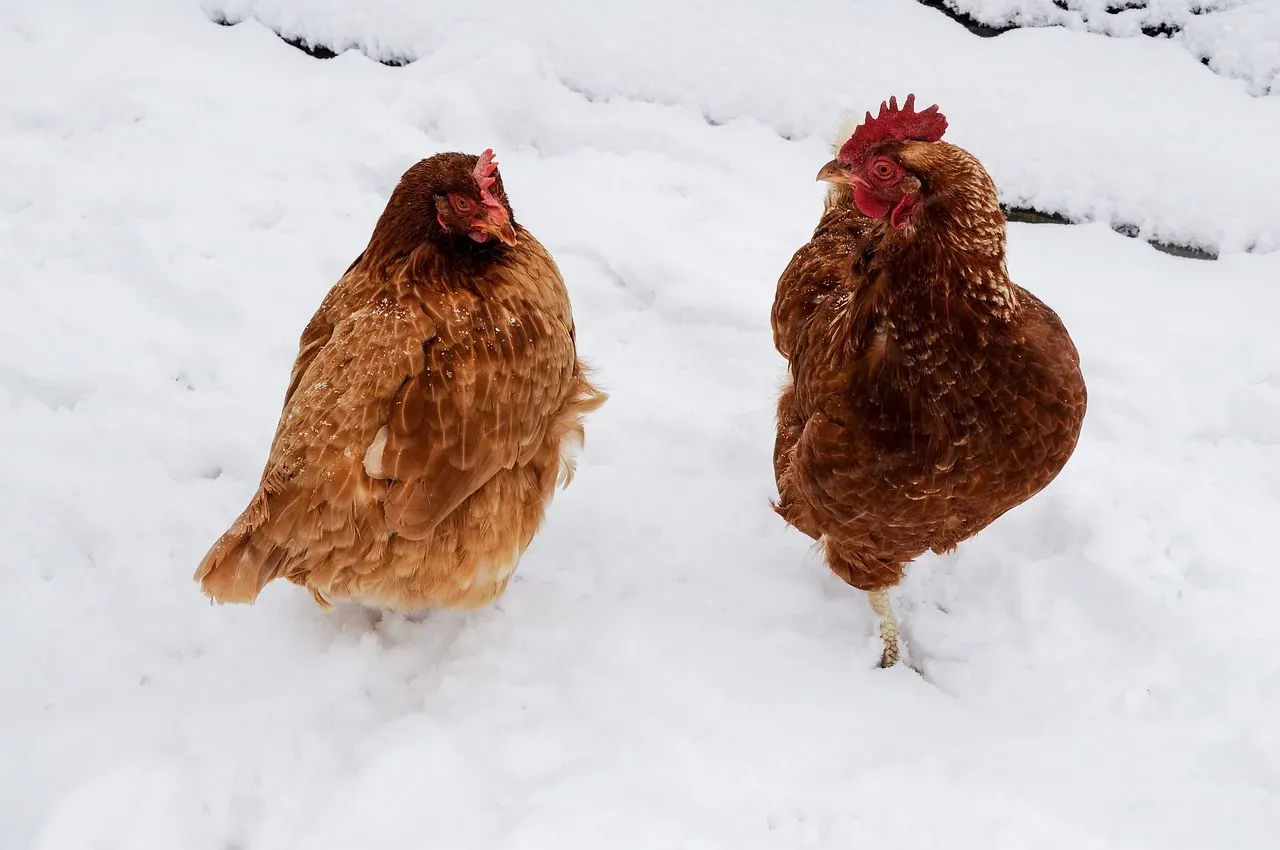
Keeping water from freezing is probably the most frustrating daily winter challenge. Chickens need access to liquid water throughout the day to stay healthy and maintain body temperature. Hydration is another key factor in preventing frostbite, so always have a warm-water source for the chickens during the colder months. Heated waterers are worth every penny if you live in an area with prolonged freezing temperatures.
Nutrition becomes more important during winter too. Some folks like feeding scratch corn or cracked corn as an evening treat because digesting these carbohydrates generates body heat. Consider offering your chickens a high-density vitamin filled feed, or enhancing your current feed with vitamins and food supplements, as adding vitamins will help provide the additional nutrients they need during the molt as well as dealing with colder temperatures. It’s not about overfeeding, it’s about providing the extra calories they need to fuel their internal furnace.
Bedding Strategies and the Deep Litter Method
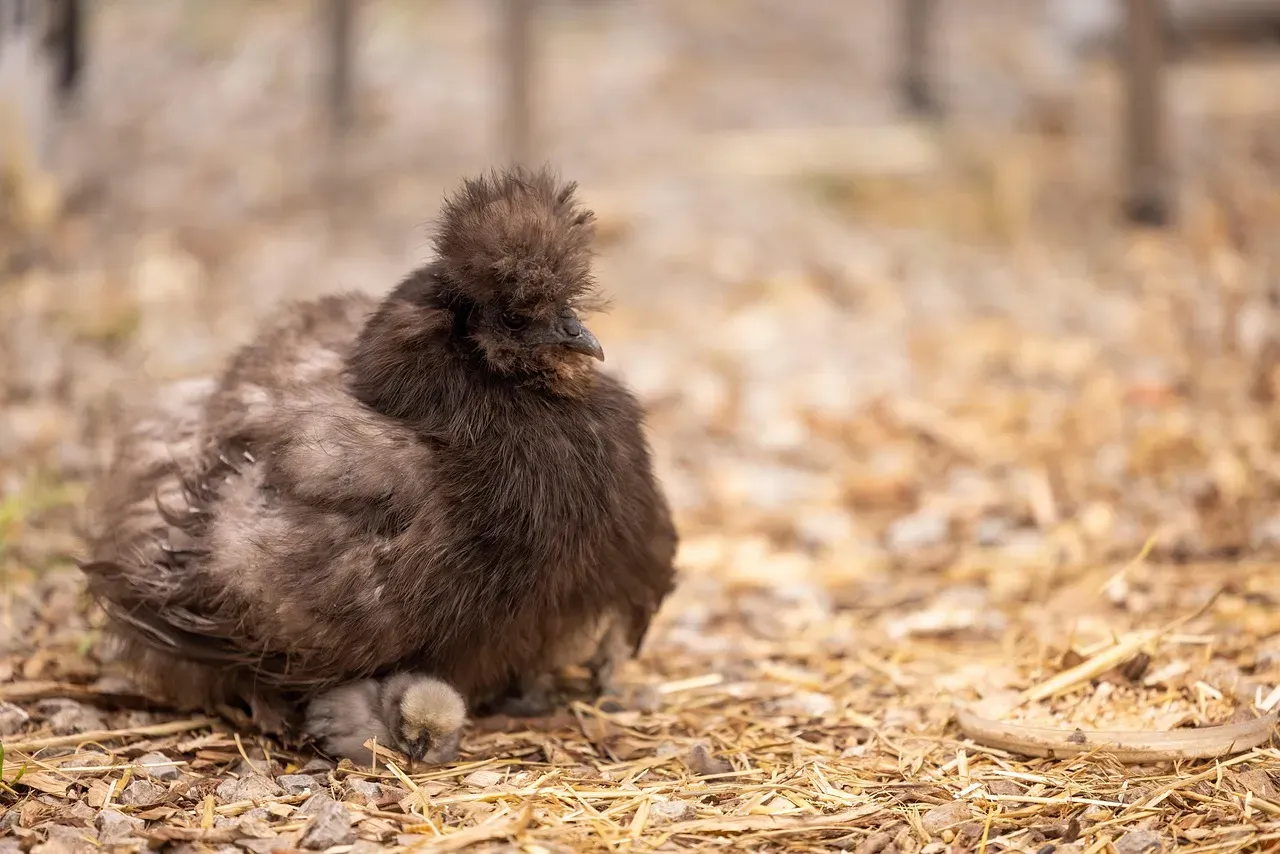
The flooring of your coop deserves more attention than most people give it. Hay in the coop helps insulate the chickens, and the deep litter method is the practice of adding more hay to the spent bedding throughout the winter and letting it decompose in place, with the decomposing hay and chicken poop giving off heat. This method creates a composting system right inside your coop that generates natural warmth.
Hemp bedding is a great coop insulator, prevents frostbitten toes, promotes composting, provides superior insulation since hemp fibers are dense and can easily trap air, and when warm air is trapped by the hemp bedding, it can help maintain a stable temperature within the coop even when outside temperatures get freezing. Whatever bedding material you choose, keep it dry and add fresh layers regularly throughout winter. Wet bedding creates moisture problems and completely defeats the purpose.
What do you think about these winter chicken care strategies? Have you discovered any tricks that work particularly well for your flock? Share your experiences in the comments below.

- 6 Exotic Bird Species You Can Spot in U.S. National Parks - July 19, 2026
- 11 Iconic American Birds Facing New Challenges and How You Can Help - July 19, 2026
- 10 Friendliest Animals in the World - July 19, 2026