


The bald eagle, an emblem of freedom and resilience, holds a special place in the hearts of Americans. With a wingspan that can reach over seven feet, this magnificent bird is both a symbol of national pride and an indicator of environmental health. As bald eagle populations continue to recover from near extinction in the late 20th century, certain states stand out for their robust numbers of this bird. This article explores which U.S. state boasts the highest bald eagle population, the reasons behind this accolade, and the factors contributing to this state’s avian success story.
Bald Eagle Redemption: A Brief History

The bald eagle was on the brink of extinction in the United States due to habitat destruction, illegal shooting, and the contamination of its food source by the pesticide DDT. By the 1960s, the bird had become an endangered species. However, thanks to protective legislation like the Bald and Golden Eagle Protection Act and the banning of DDT, bald eagle populations have soared since the 1980s.
The Current Status of Bald Eagles in the U.S.
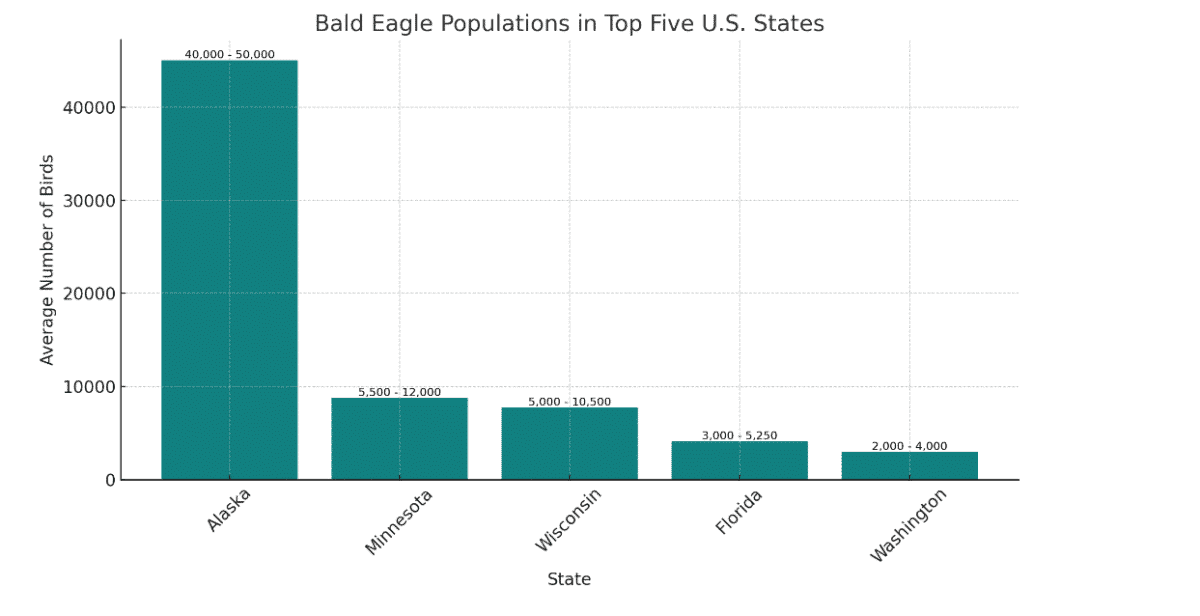
As of the most recent data, the bald eagle is no longer on the endangered species list, though it remains protected under multiple federal laws. Nationwide, the population has rebounded to more than 316,000 individuals, according to the U.S. Fish and Wildlife Service. This rebound is a genuine environmental success story, showcasing effective conservation efforts and legislative action.
Alaska: The Crown Jewel of Bald Eagle Habitats
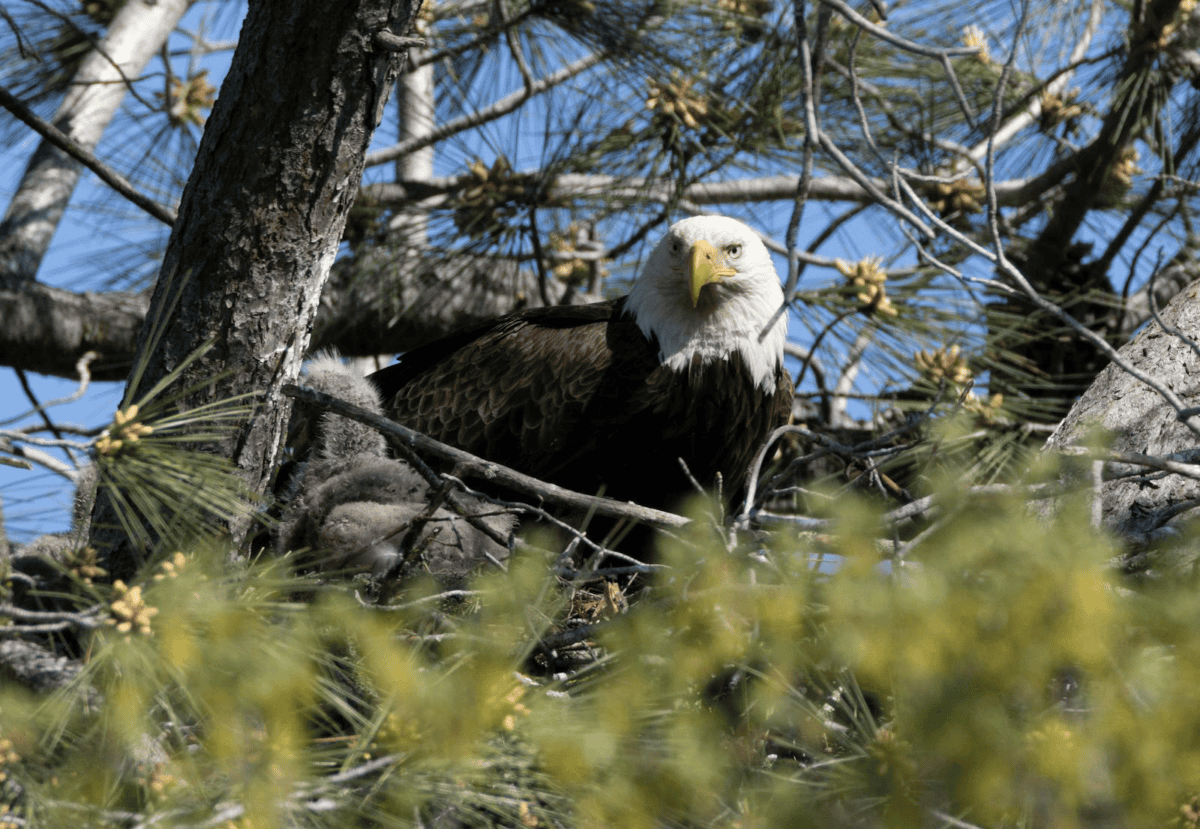
Alaska stands tall as the U.S. state with the highest bald eagle population. With its vast and remote wilderness, Alaska provides an ideal environment for these majestic birds. Estimates suggest there are between 30,000 to 50,000 bald eagles in the state, the largest concentration anywhere in the country.
Why Alaska? Understanding the Habitat

Unlike other states, Alaska offers a relatively untouched landscape filled with ample food sources and suitable nesting sites. The state’s extensive coastlines, untouched forests, and numerous waterways provide a bounty of fish and other prey essential for the bald eagle’s diet. This abundance allows eagles to thrive in large numbers.
Alaska’s Unique Ecosystem: A Sanctuary for Eagles

Alaska’s unique climate and geography contribute to its status as a bald eagle haven. The varied ecosystems range from coastal rainforests to tundra, supporting a wide array of wildlife. The Tongass National Forest in southeastern Alaska, an expansive temperate rainforest, is a particularly vital habitat for these birds.
Coastal Abundance: A Food Paradise
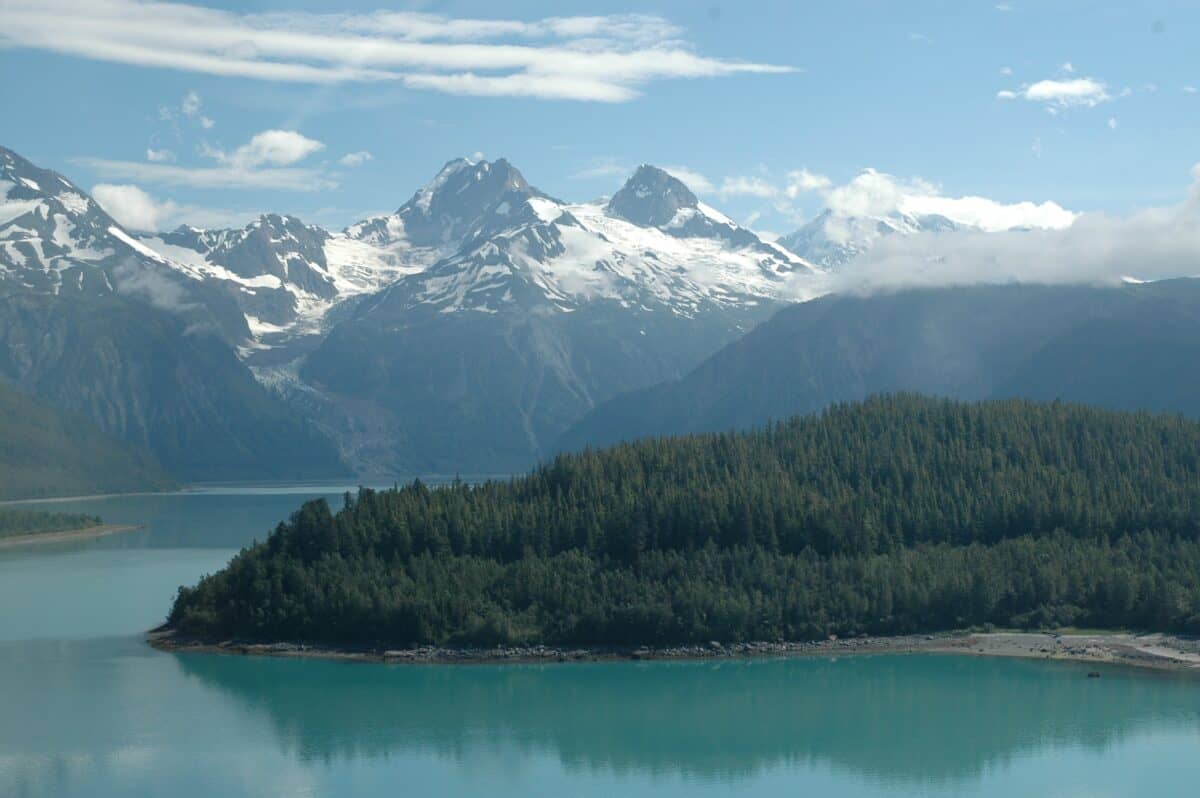
The state’s abundant coastline makes it a paradise for bald eagles. Rich in salmon, herring, and other fish, these coastal areas provide a steady food supply. Additionally, Alaska’s numerous rivers and lakes serve as prime feeding grounds during open-water seasons.
Nesting Preferences of Alaska’s Bald Eagles

Bald eagles prefer to nest in tall trees or cliffs near water bodies. Alaska’s old-growth forests and the snags in its diverse landscapes offer ideal nesting sites. Eagles in Alaska often build their nests high up to keep a vigilant eye on their surroundings and to gain a strategic advantage in protecting their young.
The Role of Community and Conservation
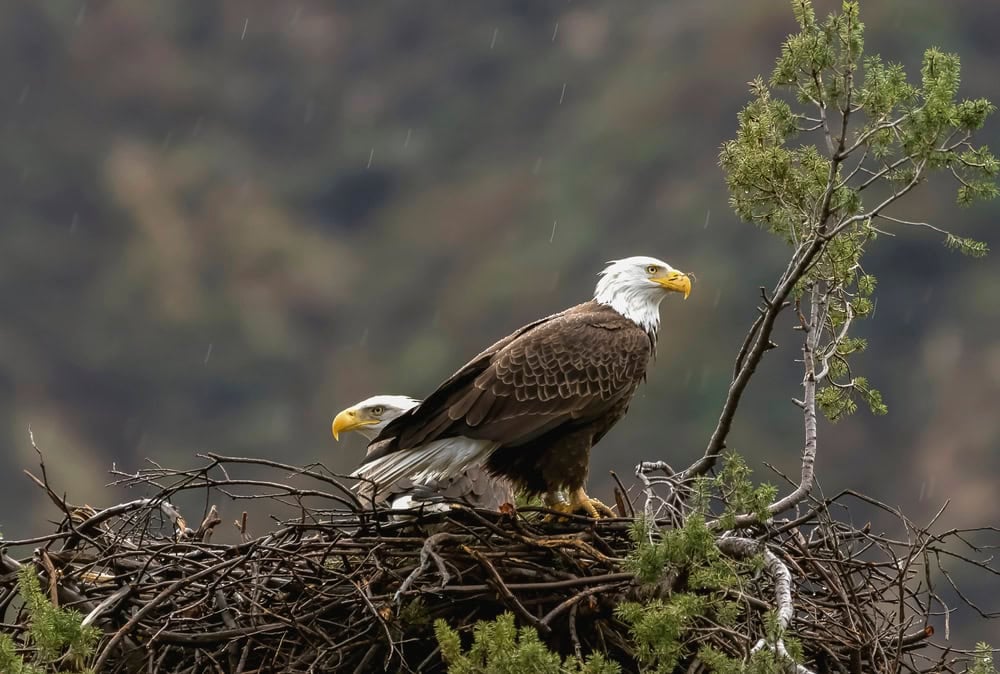
Local communities and wildlife organizations in Alaska play an essential role in bald eagle conservation. Eagle festivals and educational programs help foster an appreciation for these birds, ensuring their protection continues as a community priority.
Seasonal Movements and Migration

While some bald eagles in Alaska are year-round residents, others migrate based on food availability and weather conditions. Tracking these migratory patterns helps scientists understand eagle behavior and develop strategies to protect critical habitats along migratory routes.
The Impact of Climate Change

Climate change poses ongoing challenges for Alaska’s ecosystems, potentially affecting food availability and nesting sites for bald eagles. Melting ice and shifting weather patterns may impact salmon populations, prompting scientists to closely monitor these changes and develop adaptive management strategies.
Public Participation: A Call to Action

Citizen science initiatives encourage Alaskans and visitors to report bald eagle sightings, contributing valuable data for research. These efforts, combined with public education, empower individuals to take an active role in conservation efforts.
The Future of Bald Eagles in Alaska

Thanks to the ongoing efforts by conservationists, scientists, and local communities, the future of bald eagles in Alaska looks promising. By continuing to prioritize habitat protection and sustainable fishery practices, Alaska can serve as a role model for bald eagle conservation across the nation.
In conclusion, Alaska is more than the largest state in the U.S.; it is a sanctuary for the bald eagle, illustrating the power of conservation success. As we celebrate the rebound of this iconic bird, we also remember our responsibility to protect the natural world that supports such majestic creatures. The bald eagle’s journey from near extinction to flourishing populations is a testament to the resilience of nature and the impact of sustained conservation efforts.

- The Most Enormous Rhino Ever Roamed the Earth - August 1, 2026
- What Makes a Racehorse Fast? - August 1, 2026
- Why Horses Rest Their Heads on Each Other - August 1, 2026