
Walk into almost any horse rescue centre and you will hear the same exhausted sentence: “We just don’t have room.” Most people assume that means the stalls are full of horses waiting for a second chance. The harder truth is that some of those stalls have been full of the same horses for years, breeds that arrive broken-hearted and leave almost never. Rescues are not heartless. They are doing brutal math with limited feed budgets, shrinking volunteer pools, and adoption inquiries that dry up the moment a potential owner googles the real cost of ownership.
What nobody talks about publicly is that many centres have quietly stopped accepting certain breeds altogether, not because the horses are unworthy, but because taking them in is practically a life sentence for the facility. The sixteen breeds below are the ones insiders whisper about at conferences and regional meetings. Some will surprise you. A couple might genuinely break your heart. And at least one will make you rethink everything you thought you knew about the most “popular” horses in America.
#1 – Miniature Horses
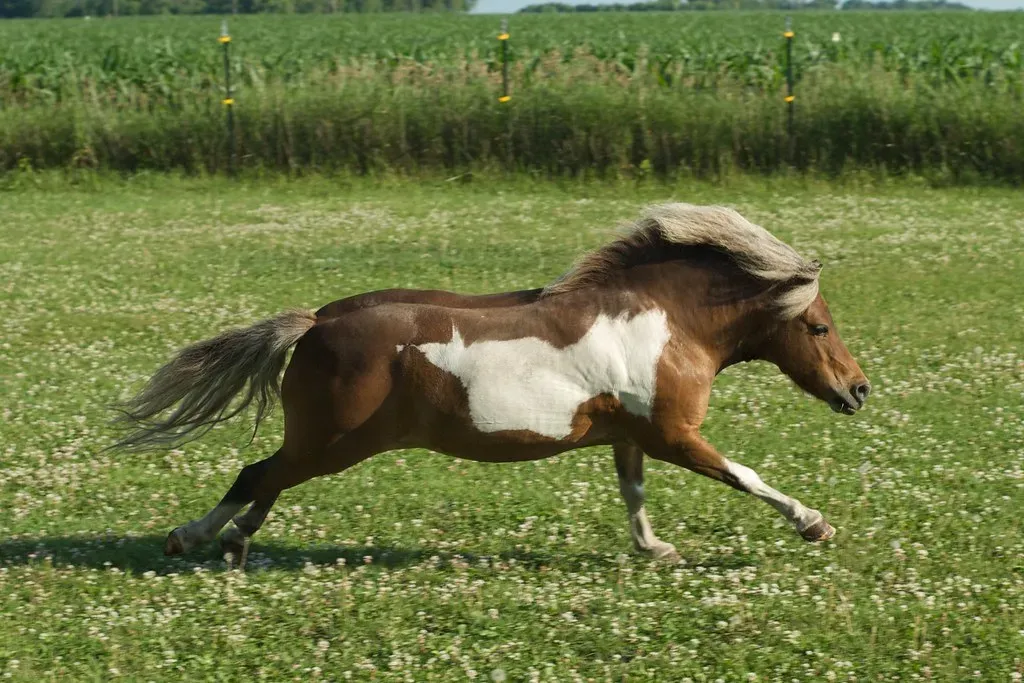
Miniature Horses top this list for a reason that feels almost cruel: they are so irresistibly adorable that people buy them on impulse, then surrender them the moment reality sets in. The “backyard pet” fantasy collapses fast when owners discover that minis are prone to dwarfism complications, severe dental issues, and a condition called hyperlipemia that can turn fatal with alarming speed if their diet is even slightly mismanaged. Veterinary bills for a 34-inch horse can easily rival those for a full-sized one, and most owners are completely blindsided by that.
The result is that rescue centres in nearly every state have been flooded with surrendered minis, and they stay. Because minis cannot be ridden, the adopter pool shrinks to people who want a companion animal and have the land, fencing, and specialized farrier access to keep one safely. That is a very small group. Many facilities have now quietly capped mini intakes or stopped accepting them outright, a heartbreaking policy for an animal that deserves far better than the impulse-purchase culture that created this crisis.
Fast Facts
- Pet-quality Miniature Horses typically sell for $1,000–$3,000 new; rescue adoption fees run as low as $500 — but ongoing costs catch most owners completely off guard.
- Minis cannot be ridden by adults, instantly eliminating the majority of potential adopters who want a usable horse.
- Hyperlipemia, a potentially fatal metabolic crisis, can develop within days of feed mismanagement — even a modest dietary change can trigger it.
- Farrier visits every 6–8 weeks are non-negotiable, and not every farrier is comfortable working on miniature hooves.
- A single routine rescue intake — exam, vaccinations, Coggins, dental, and deworming — can easily exceed $300 per animal before any specialized care begins.
#2 – Paso Finos
Paso Finos are genuinely wonderful horses. Their four-beat lateral gait is so smooth that experienced riders describe it as sitting in a rocking chair going 30 miles an hour. The problem is that outside of a small and passionate enthusiast community, almost nobody knows what a Paso Fino is, and general adopters have zero frame of reference for evaluating, training, or even enjoying one. Rescues in the Southeast and Southwest report that Paso Finos routinely sit in care for a year or longer while more familiar breeds cycle in and out.
The niche appeal cuts both ways. Passionate breed owners do sometimes show up, but they are almost always looking for a specific age, gait quality, or bloodline that a rescue animal rarely matches. The average surrendered Paso Fino is older, has some training gaps, or comes in with health baggage, and the small pool of interested adopters evaporates quickly when those details emerge. Centres that have learned this the hard way now think twice before pulling a Paso Fino off a transport list.
#3 – Tennessee Walking Horses
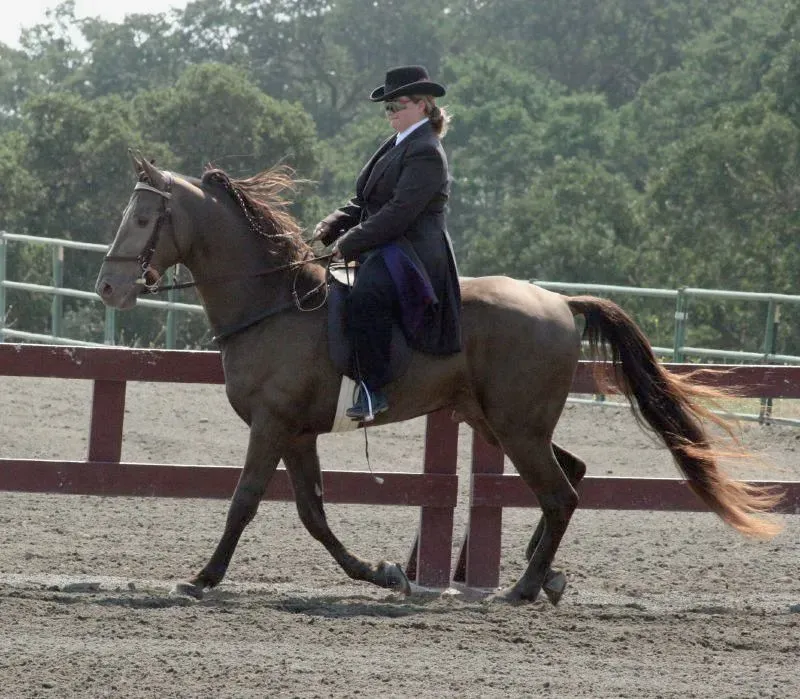
The Tennessee Walking Horse carries a reputation that precedes it in the worst possible way. The breed’s signature running walk is genuinely beautiful, and horses that were trained humanely can be phenomenal trail companions. But decades of soring scandals, in which trainers deliberately caused pain to exaggerate the gait, have left a shadow over the entire breed that potential adopters cannot unsee once they research it. Rescues report that serious inquiries drop sharply the moment someone does even a basic internet search on the breed’s history.
Beyond the reputation damage, these horses often need experienced riders who can correctly assess gait quality and identify horses still carrying physical and psychological trauma from past abuse. Most rescues simply do not have the specialized volunteer base to rehabilitate and evaluate them properly before adoption. A horse placed incorrectly can be dangerous, and so centres have quietly slowed intake, waiting for inquiries that rarely come fast enough to justify the bed space.
#4 – Morgans
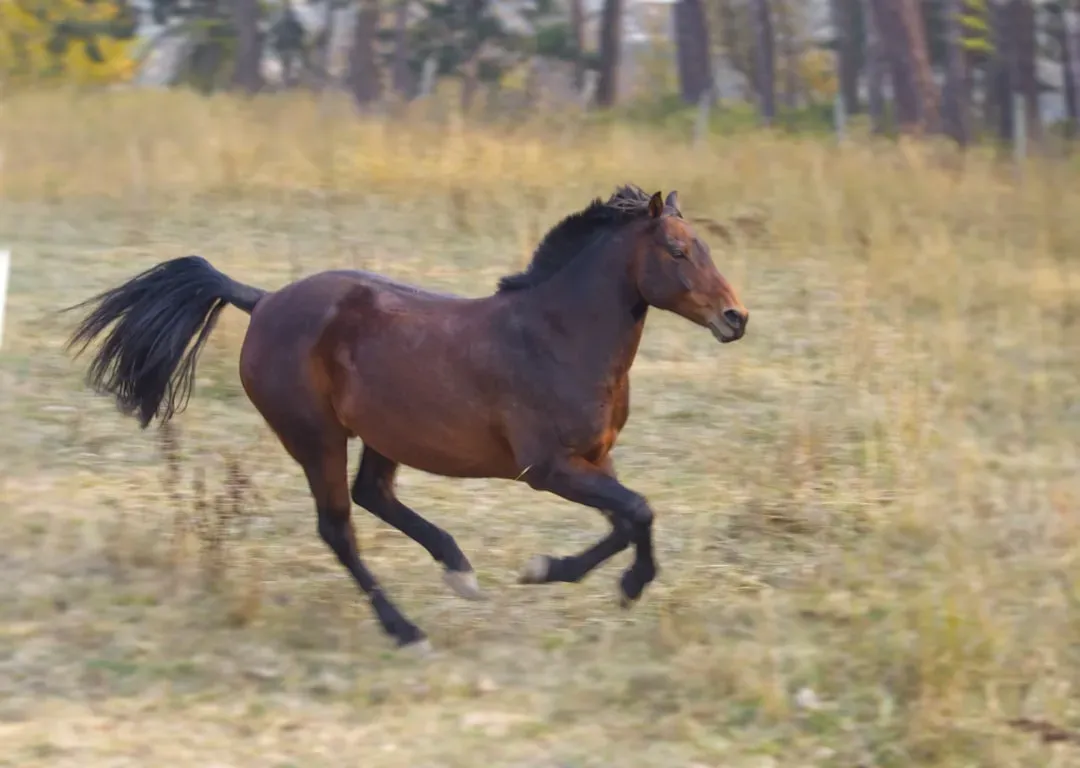
The Morgan horse built America, literally. They pulled carriages, carried soldiers, and served as the foundation stock for several other breeds. That history, though, does not translate into modern adoption demand, and older Morgans especially find themselves stuck in a strange purgatory: too well-known to be exotic, too old or unsound to be exciting, and too numerous to be rare. Many arrive after years of quiet family service, surrendered when a child grows up and the parents realize they have a 20-year-old horse and no plan.
Smaller size should work in the Morgan’s favor, and sometimes it does for younger individuals. But age-related soundness issues, navicular changes, or simply the blank training slate of a horse that has only ever been a pasture ornament makes the placement conversation hard. Rescue centres that have watched multiple Morgans age out in their care without ever finding permanent homes have started weighing intake decisions much more carefully than they once did.
#5 – Standardbreds
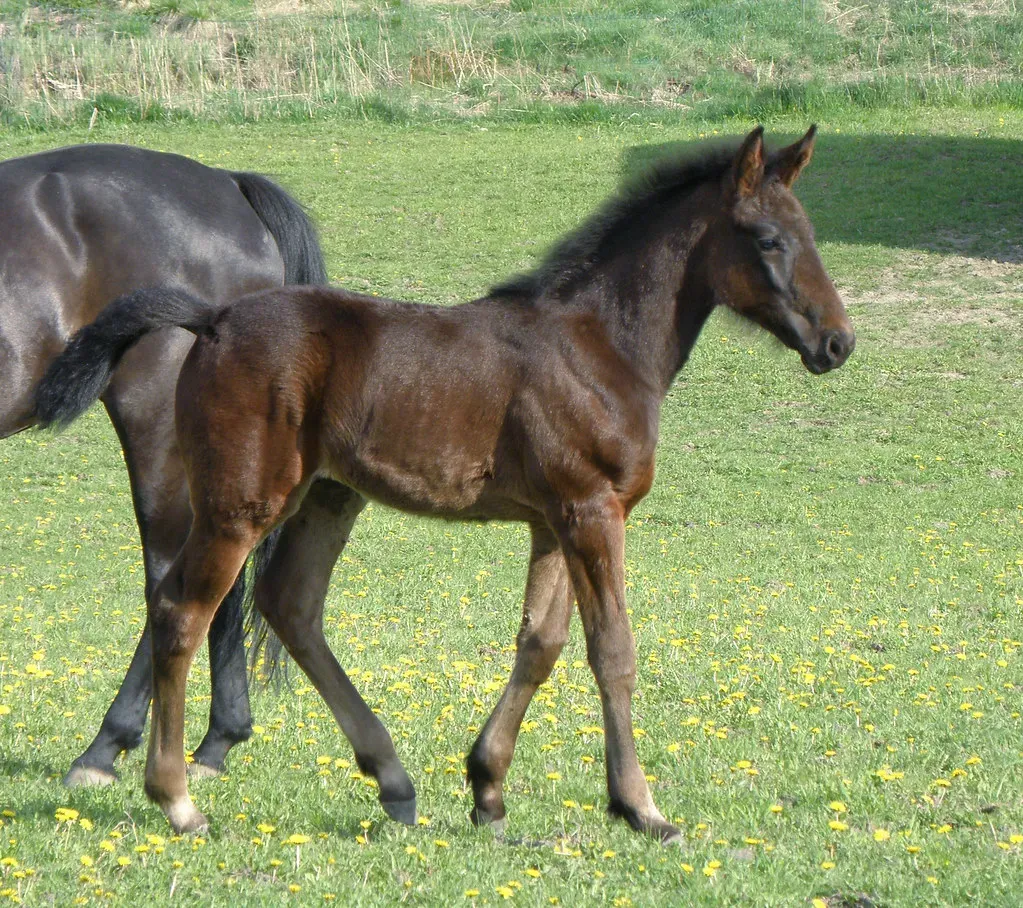
Off the track Standardbreds are, by almost every objective measure, among the most sensible horses a person could own. They are calm, they are tough, they handle stress well, and they genuinely seem to enjoy human company. The problem is that they arrive wired for a very specific job, either harness racing or, in large numbers across the Midwest and Northeast, Amish farm and carriage work, and transitioning that training to a pleasure riding context requires patience and skill that most adopters do not have and most rescues cannot provide indefinitely.
A Standardbred that has trotted in harness for five years does not automatically become a smooth under-saddle riding horse without consistent retraining. Many will pace instead of trot under saddle, which is jarring for unprepared riders. Rescues that lack dedicated retraining volunteers end up with horses in long-term holding, eating feed and occupying stalls while better-suited adopters never materialize. The result is a quiet but firm tightening of intake criteria that the breed absolutely does not deserve.
Worth Knowing
- Standardbreds that pace in harness will often continue pacing under saddle without dedicated retraining — a jarring surprise for riders expecting a standard trot.
- Many come from Amish working backgrounds with zero under-saddle experience, requiring essentially a full restart from groundwork.
- Their calm, people-friendly temperament makes them genuinely excellent horses once retrained — the problem is the “once retrained” part.
- Retraining a gaited harness horse to ride correctly under saddle typically takes 3–6 months of consistent, skilled work — a resource few general rescues can commit.
#6 – Paints
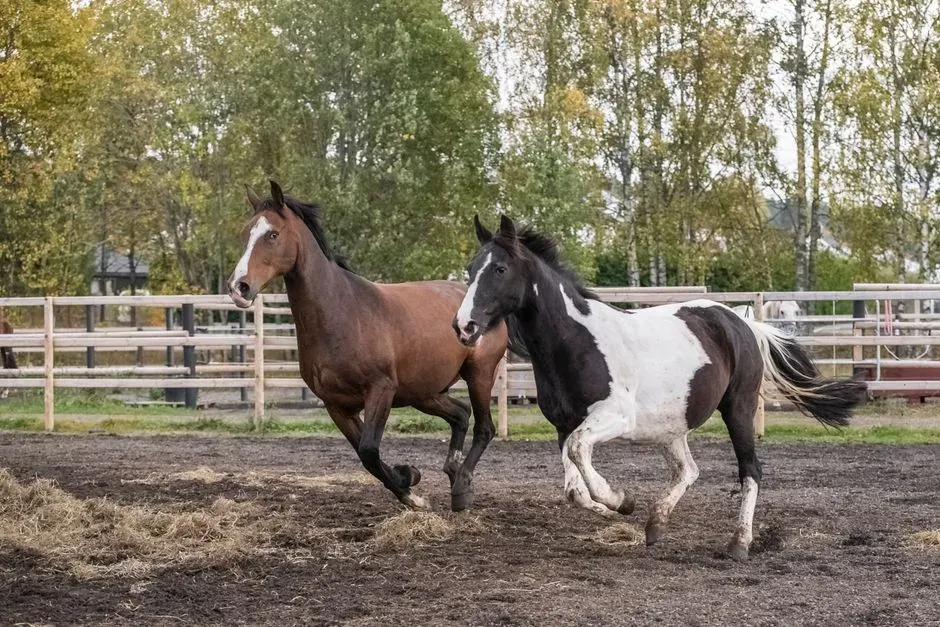
Paint Horses look like nature decided to have some fun with a paintbrush, and for years that novelty drove enormous demand. Breeders responded by producing them by the thousands, chasing the “pretty spots” market with little regard for athleticism, temperament, or conformation. The inevitable result is a rescue pipeline overflowing with Paints that have variable quality, color patterns that fell short of the breeder’s vision, and the same Quarter Horse-adjacent issues of training gaps and soundness problems layered underneath the flashy coat.
Adoption interest still exists for heavily marked, young, well-trained individuals. For the average surrendered Paint, a mid-marked bay tobiano with some behavioral history and a hoof issue, the inquiries are sparse. Centres have watched the breed’s popularity work directly against it as overproduction normalized the horses to the point where nobody felt urgency about adopting one. When everything is available, nothing feels precious, and Paint Horses are living that economic reality right now in rescue facilities across the country.
#7 – Appaloosas
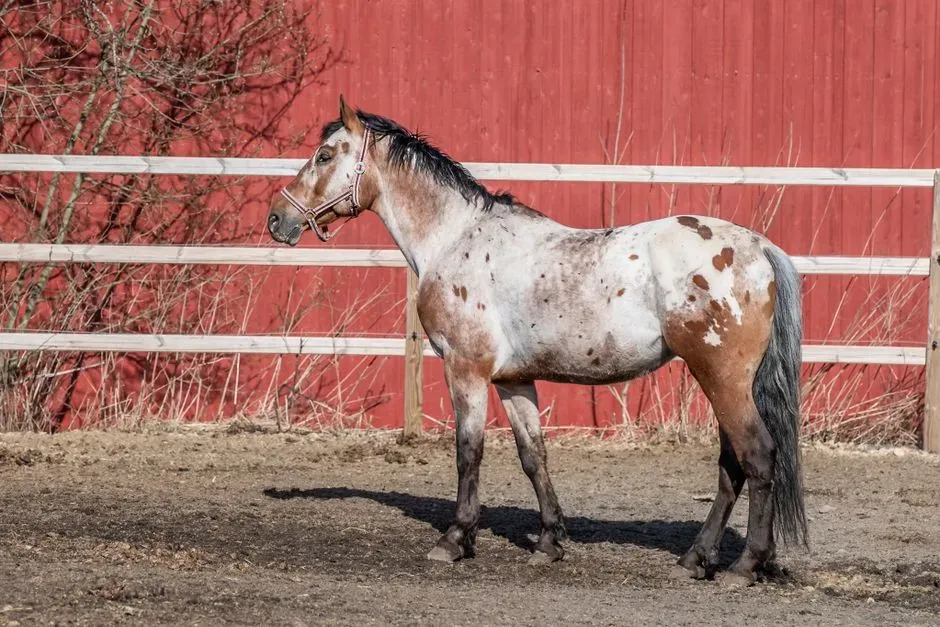
The spotted coat of an Appaloosa turns heads in any pasture, and the breed’s Native American heritage gives it genuine historical weight. What the Instagram photos never show is the veterinary complexity that often comes with the color. Appaloosas have a notably higher incidence of Equine Recurrent Uveitis, a painful and progressive eye condition that can lead to blindness and requires ongoing management. Once a potential adopter hears the words “may need lifelong eye treatment,” most of them quietly back away.
Rescues report that Appaloosas with confirmed eye issues can sit in care for eighteen months or longer, their striking appearance drawing visitors who then read the intake notes and move on. The irony is brutal: the very thing that makes people stop and look, the vivid coat, sometimes sits atop a horse that needs more specialized care than a beautiful animal should have to apologize for. Facilities have adjusted intake policies in recognition that accepting an Appaloosa with eye history is often accepting a permanent resident.
At a Glance — The Appaloosa Dilemma
- The draw: Striking spotted coats, rich Nez Perce heritage, strong loyal temperament.
- The hidden cost: Equine Recurrent Uveitis (ERU) is significantly overrepresented in the breed and can require lifelong veterinary management.
- The adoption wall: Most general adopters cannot or will not commit to ongoing eye treatment — even for a horse they love on sight.
- The timeline: Appaloosas with confirmed ERU history routinely spend 12–18+ months in rescue care without a single qualified adoption inquiry.
#8 – Arabians
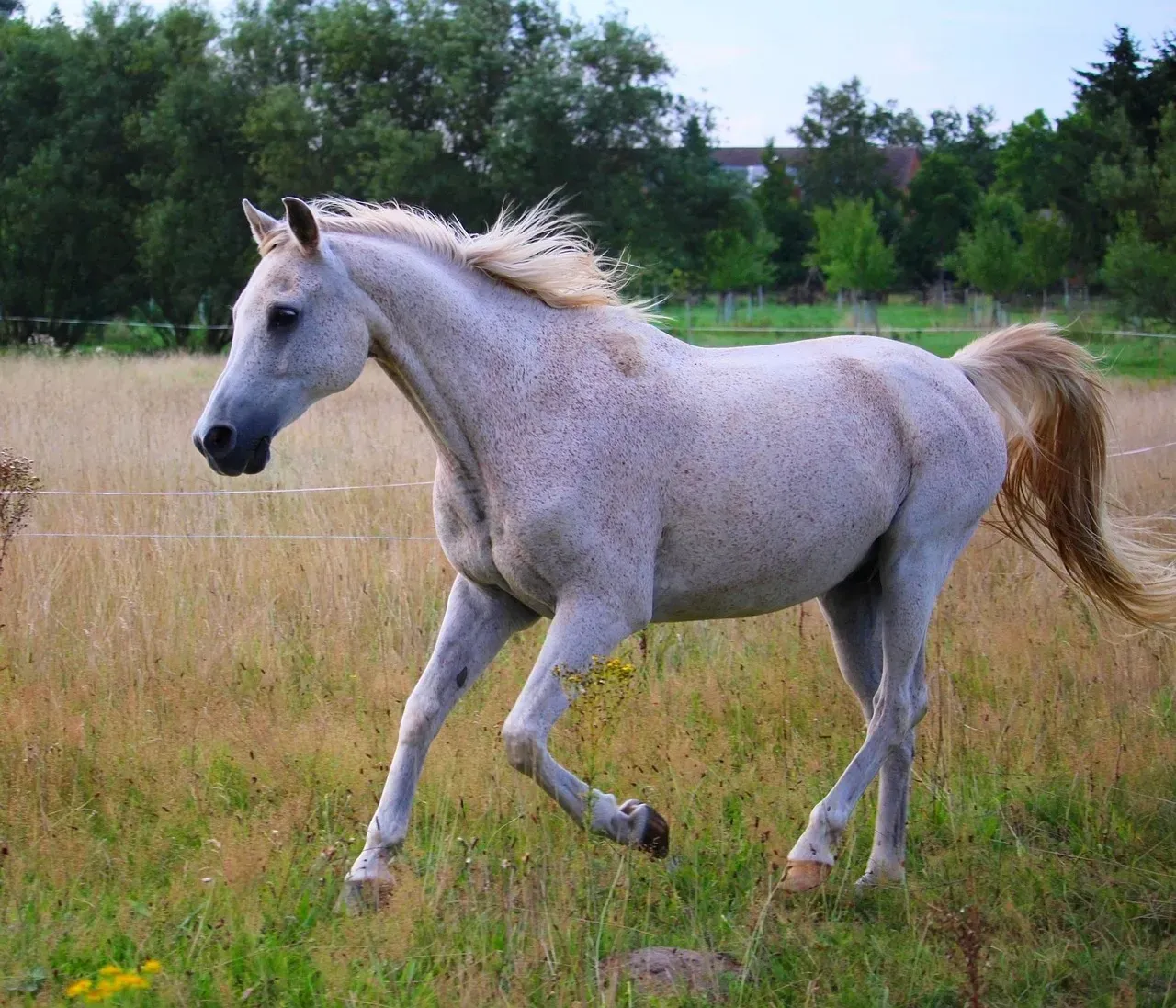
Arabians are among the most ancient and physically refined breeds on earth, and they know it. Their intelligence is genuine and remarkable, but intelligence in a horse without a job, consistent training, and a confident handler translates directly into behavioral complexity that overwhelms novice owners. Rescues in Arizona, California, and Texas, states with large Arabian populations, have watched the breed cycle through owners like a cautionary tale: bought for the beauty, surrendered for the temperament, repeated endlessly.
The breed’s reputation for being “hot” is not entirely fair, experienced Arabian people will tell you these horses are deeply loyal and responsive when handled correctly, but the rescue environment is not set up to provide the level of consistent, skilled handling that brings out their best. An Arabian in a crowded rescue with rotating volunteers and minimal daily work can spiral quickly into a horse that nobody will touch. Centres have quietly slowed intake in regions where placement rates confirm what insiders already know.
#9 – Quarter Horses
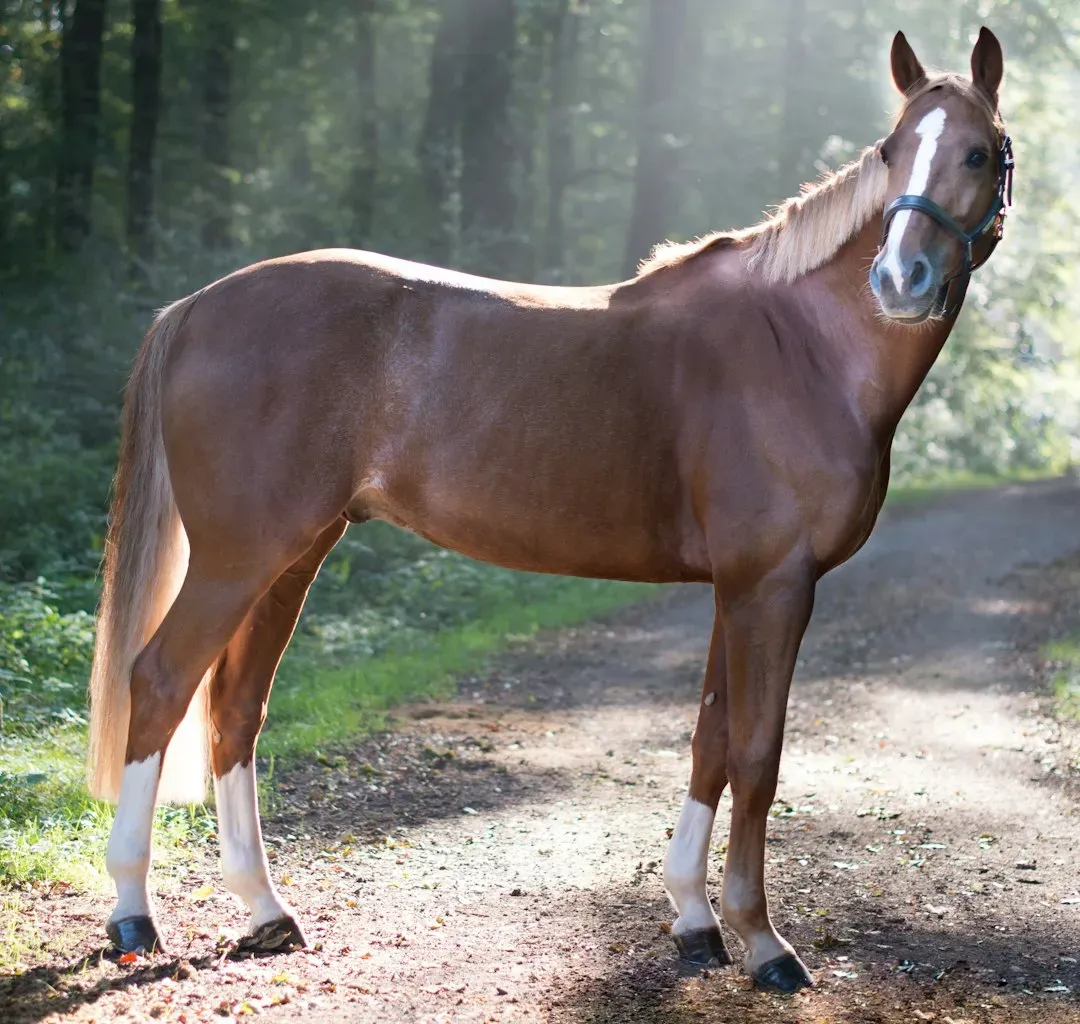
Quarter Horses are America’s most popular breed by registration numbers, and that popularity is precisely why they are drowning rescue centres. The sheer volume of Quarter Horses bred annually, for pleasure riding, ranch work, barrel racing, reining, and every other western discipline imaginable, guarantees a massive surplus of horses that do not quite make the cut. They arrive at rescues with training inconsistencies, minor conformational flaws that make buyers hesitate, or simply the misfortune of being an average horse in a market that only rewards exceptional ones.
Their versatility should make them easy to place, and for young, well-broke individuals it often does. But the average surrendered Quarter Horse is not young or well-broke. It is a seven-year-old with some ground manners, limited training, and a history that raises more questions than answers. Multiply that by the hundreds arriving at facilities monthly and you understand why some centres in Oklahoma, Texas, and Colorado have implemented breed-specific caps that would have seemed unthinkable ten years ago.
Quick Compare — The Quarter Horse Paradox
- Most popular U.S. breed by registration: High visibility drives massive overproduction.
- Easy to place: Young (under 6), well-trained, sound individuals — adopted quickly.
- Hard to place: 7–12 year olds with training gaps, minor lameness, or unknown history — can wait 6–18 months.
- Hardest to place: Senior horses (15+) surrendered from family situations — rarely adopted, often aging out in care.
- The hidden driver: Overbreeding for performance markets creates a constant, predictable surplus that rescue infrastructure simply cannot absorb.
#10 – Thoroughbreds
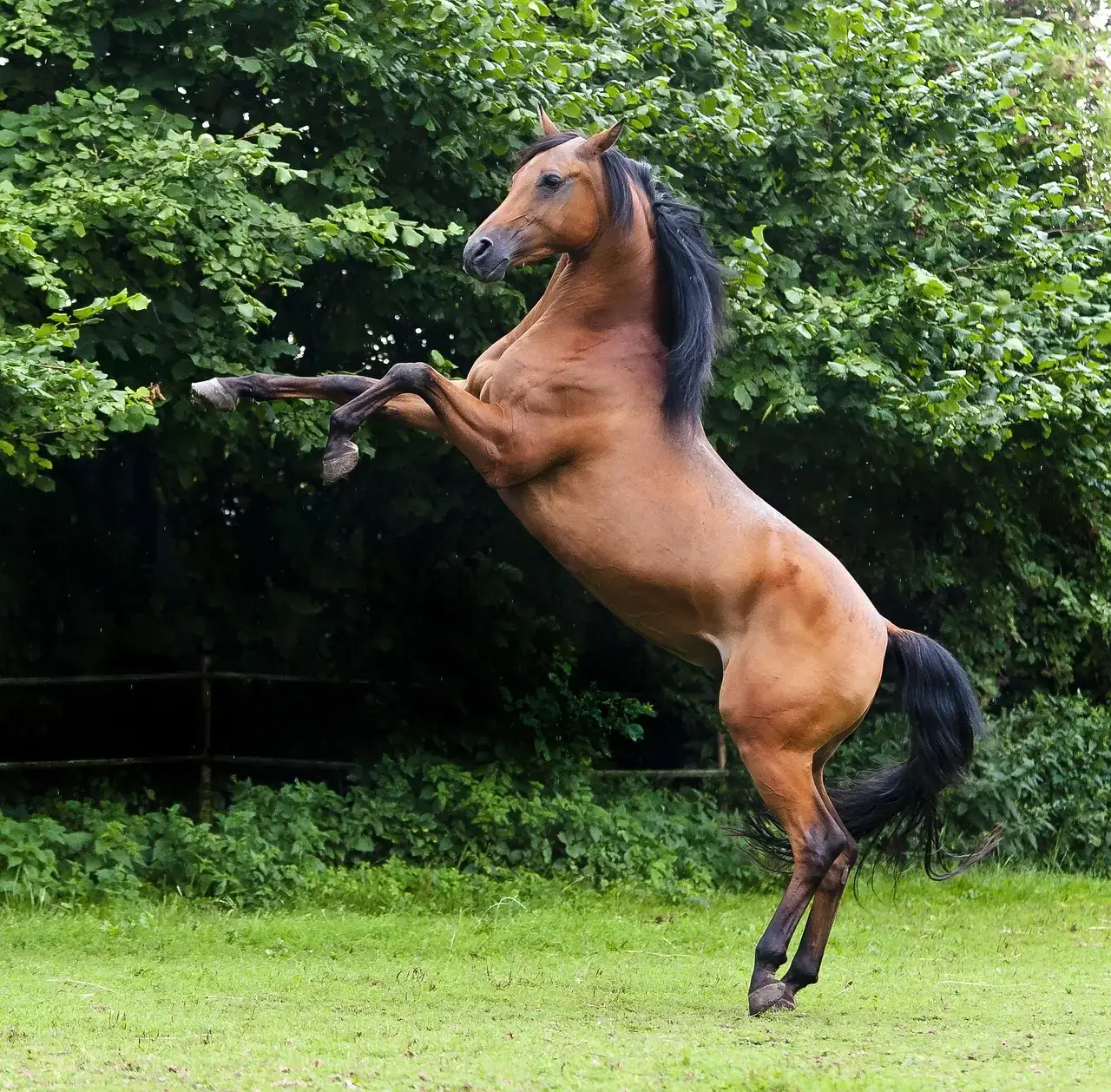
The Thoroughbred is the athlete of the horse world, built for speed, sensitivity, and a very specific kind of high-performance life. When that career ends, usually between ages four and eight, these horses enter a second life that most of them are not remotely prepared for. Soundness issues are common: arthritis in joints stressed by early racing, old injuries that flare unpredictably, and metabolic sensitivities that make feeding them a careful science. Rescues that specialize in Thoroughbred aftercare, the OTTB world, do tremendous work, but even they have waiting lists.
For general rescues without OTTB-specific expertise, these horses present a steep challenge. Their energy and sensitivity can be misread as dangerous by adopters expecting a quiet trail horse, and their soundness history can sink an adoption conversation immediately. Centres that have placed horses with undisclosed issues and faced returns and complaints have tightened their criteria hard, sometimes declining intakes they would once have accepted without hesitation. The horses pay the price for a racing industry that has historically not planned adequately for its retirees.
“Regardless of their race record or registration status, all Thoroughbreds leaving the racing or breeding industry deserve a safe, supported transition into a second career or retirement.”
Thoroughbred Aftercare Alliance
#11 – Mustangs
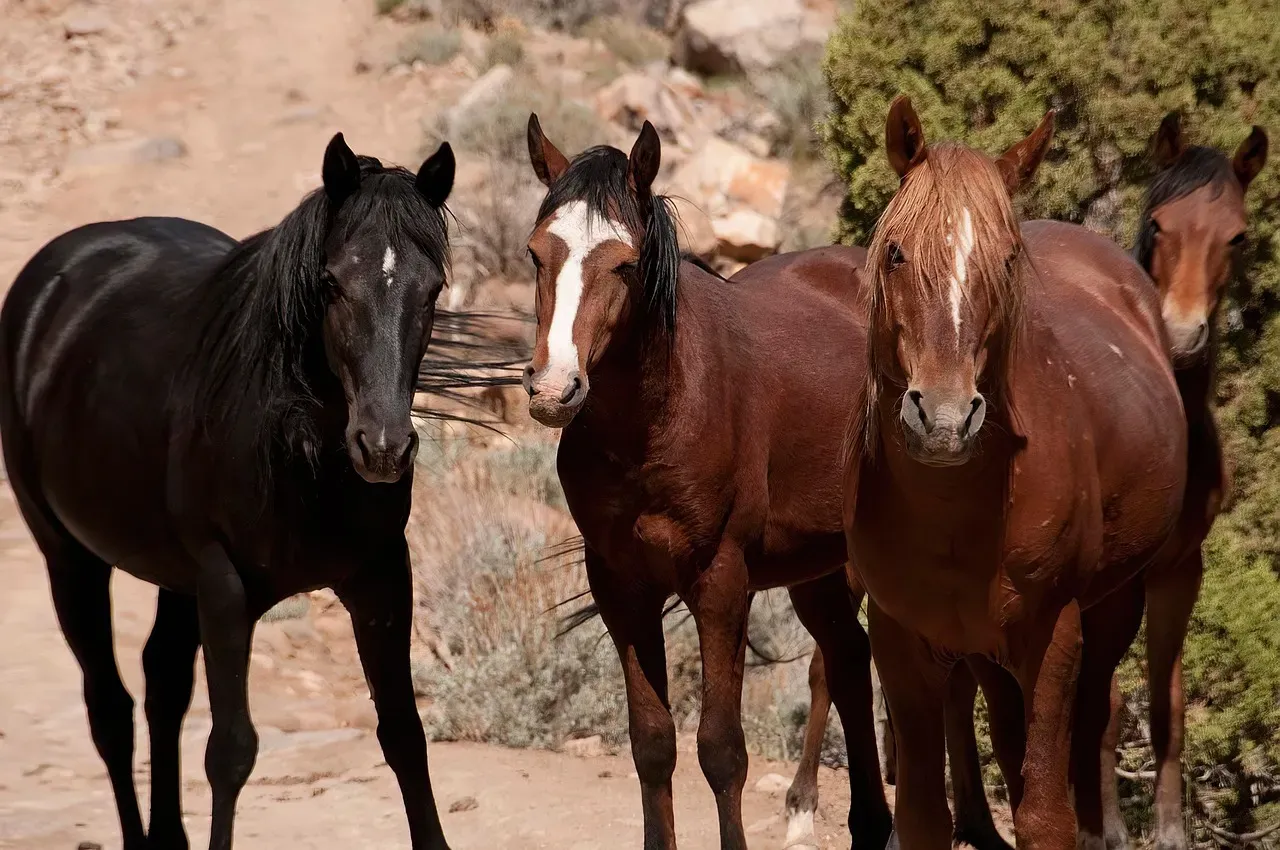
The Mustang is the symbol of American wildness and freedom, which makes the reality of their rescue situation feel especially uncomfortable to confront. Bureau of Land Management roundups produce thousands of untouched horses annually, many of which cycle through holding facilities, adoption programs, and eventually private rescues without ever finding permanent homes. The romance of the wild horse is real and powerful. The daily reality of working with an animal that may have had minimal human contact before age four is something else entirely.
Genuinely talented trainers can transform a Mustang into a brilliant partner, and the BLM’s own adoption events showcase that regularly. But most rescue facilities do not have those trainers on staff, and a semi-wild horse in a general rescue environment can become increasingly difficult to handle over time without consistent skilled work. Rescues that have accepted Mustangs in good faith and watched them become effectively unplaceable have learned a hard lesson about matching resources to the horses they take in.
Fast Facts — The Mustang Crisis by the Numbers
- As of March 2025, an estimated 73,130 wild horses and burros roam BLM-managed lands — more than twice the level the land can sustainably support.
- An additional 62,000+ removed horses are held in off-range BLM pastures and corrals, with total capacity of 78,751 animals.
- Caring for off-range animals cost the government $108.5 million in 2023 alone — nearly two-thirds of the entire Wild Horse and Burro Program budget.
- Trained Mustangs have a significantly higher adoption rate than untrained ones — but most general rescues lack the skilled trainers to bridge that gap.
- Since 1971, the BLM has adopted out more than 290,000 wild horses and burros nationwide — yet the holding crisis continues to grow.
#12 – Gypsy Vanners
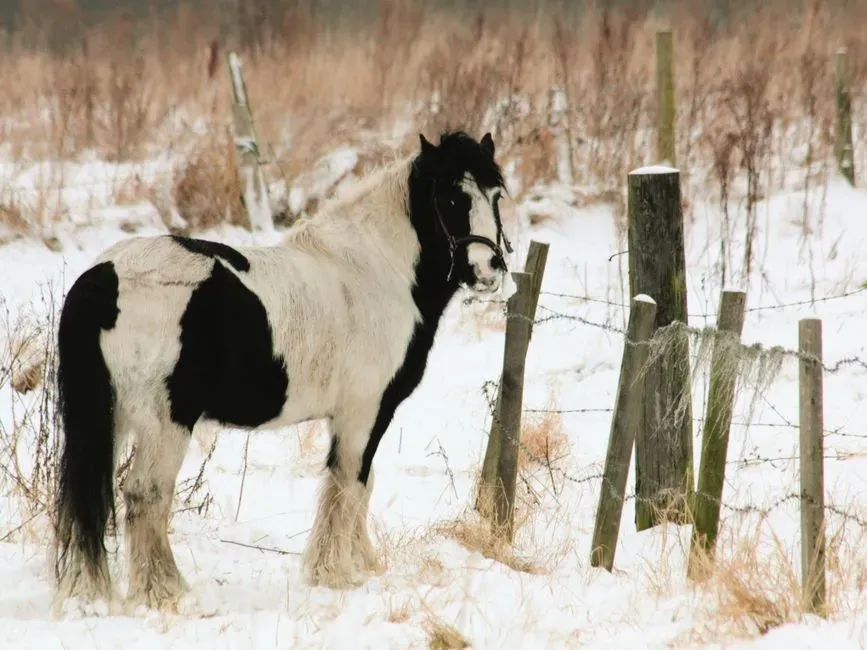
Few breeds have ridden a hype cycle as steep as the Gypsy Vanner. When they arrived in the American market in the late 1990s, they looked like horses pulled from a fairy tale, massive feathering, flowing manes, dramatic coloring, and a gentle giant temperament that seemed almost too good to be true. Breeders charged enormous prices and buyers lined up. Then the breeding boom produced far more animals than the market could absorb, and the horses that did not match the high-end visual standard became essentially unsellable.
The maintenance reality compounded the problem. Those gorgeous feathered legs require daily grooming and monitoring to prevent scratches, a bacterial skin infection that can cause serious lameness and becomes expensive to treat when it takes hold. Many owners who bought the dream discovered that the dream requires a grooming commitment that rivals a full-time job. Rescues now see the downstream result: Gypsy Vanners surrendered by overwhelmed owners, sitting in care while potential adopters admire the photos and then quietly choose something less demanding.
#13 – Friesians
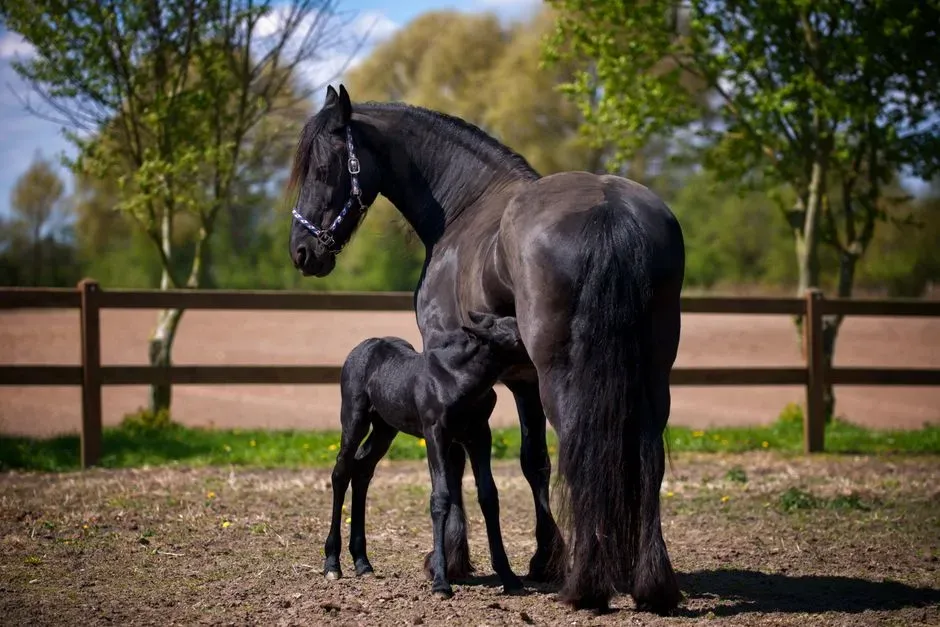
Friesians are genuinely breathtaking horses. That jet-black coat, the arched neck, the high-stepping trot, they photograph like no other breed on earth and have built a devoted following in dressage and driving circles. But underneath the glamour is a breed carrying a notable genetic load. Friesians have elevated rates of a skin condition called verrucous pastern dermatopathy, a higher incidence of choke and megaesophagus compared to other breeds, and a relatively short average lifespan that shocks owners who paid premium prices expecting decades of partnership.
Rescues that have accepted Friesians in good faith have often found themselves managing expensive ongoing health conditions with no adopter in sight willing to take on that responsibility. The breed attracts plenty of admirers and very few people equipped to handle their actual needs. Centres have grown noticeably more selective about Friesian intakes, particularly for horses with confirmed health histories, because the gap between how many people love looking at them and how many can genuinely care for them is wider than almost any other breed on this list.
Worth Knowing — The Friesian Health Reality
- Veterinary researchers acknowledge four breed-specific genetic disorders in Friesians: dwarfism, hydrocephalus, aortic rupture tendency, and megaesophagus.
- In one clinical study, 41 of 45 recorded megaesophagus cases were Friesians — strongly suggesting a hereditary link within the breed.
- Megaesophagus can progress to fatal aspiration pneumonia, making it an expensive and heartbreaking condition to manage long-term in a rescue setting.
- Studies show 18% of Friesians have insect bite hypersensitivity (sweet itch), and their heavy feathering raises the risk of chronic pastern dermatitis.
- The breed’s global registered population is limited to approximately 70,000 horses with fewer than 100 approved stallions — meaning inbreeding pressure is structural, not accidental.
#14 – Shires
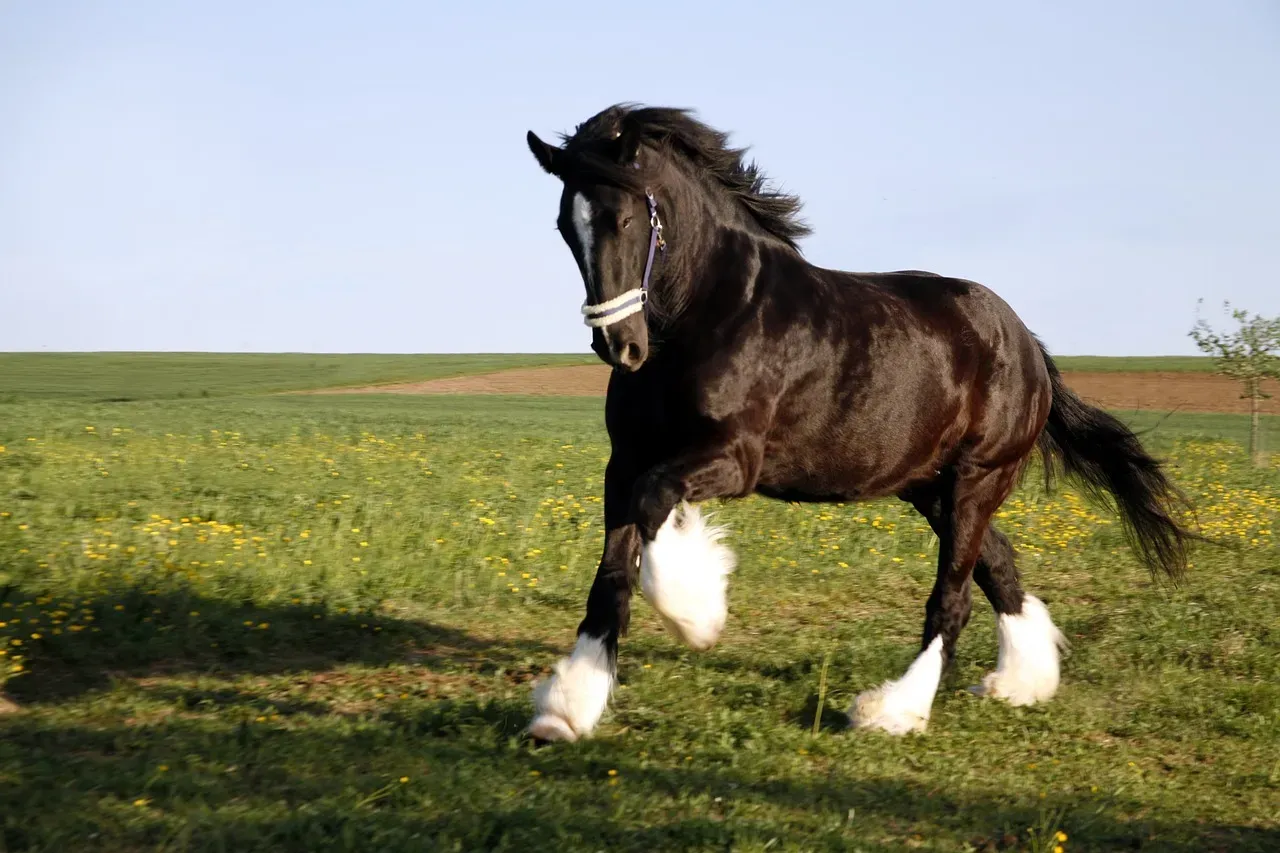
The Shire horse is a monument of a living creature. Some individuals exceed 19 hands and approach a ton in body weight, and even a modest Shire is rarely under 1,700 pounds. Everything about their care scales with that size: feed costs, farrier bills for those massive hooves, veterinary medications dosed by weight, specialized trailers, and the sheer physical infrastructure of managing an animal that large safely. Most private owners, even experienced horse people, simply do not have the setup for it.
Rescues that have taken in Shires report that the horses themselves are often lovely, calm, and willing, which makes the situation more heartbreaking rather than less. The horses are not the problem. The problem is that the population of people with the land, budget, and equipment to properly care for a draft of this scale is genuinely small, and many of them already have horses. Facilities that have watched individual Shires spend three or four years in care without a single serious adoption inquiry have quietly started capping intakes rather than accept horses they cannot realistically place.
#15 – Clydesdales
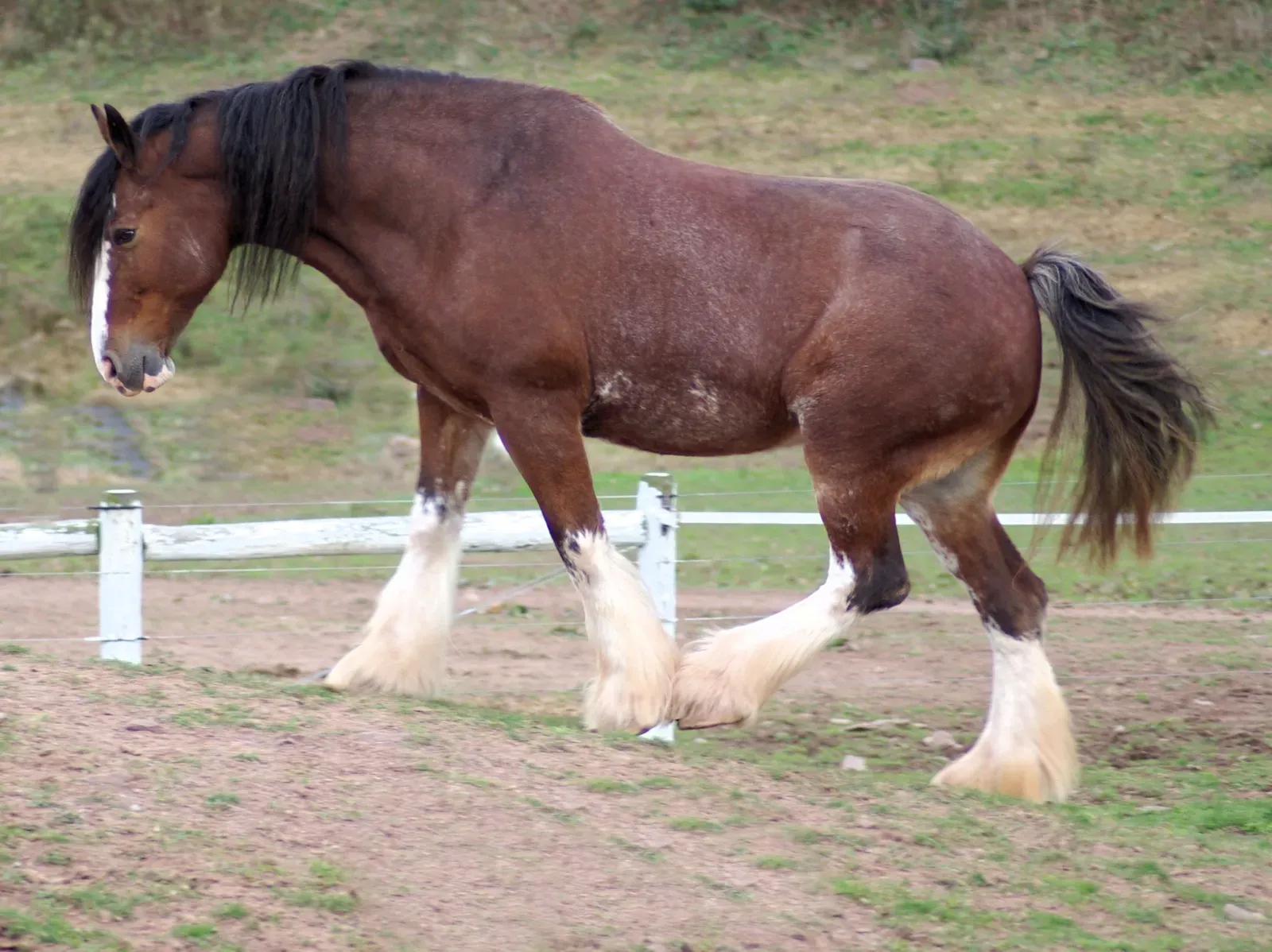
The Budweiser commercials have a lot to answer for. Clydesdales carry one of the most romanticized images in the horse world, those gleaming chestnut coats, the white feathering, the proud carriage through snow, and that imagery fills potential adopters with feelings that evaporate on contact with the actual ownership experience. The feathered legs that look so spectacular in Super Bowl ads are a grooming and health management challenge. Moisture trapped beneath the feathering creates the perfect environment for bacterial infections, and owners who skip even a few days of maintenance can find themselves dealing with painful, persistent conditions.
Beyond the grooming, Clydesdales need draft-specific tack, farriers who specialize in large hooves, trailers that can safely accommodate their weight and height, and feed budgets that most families have not genuinely calculated before inquiring. Rescues report that Clydesdales attract significant interest, plenty of people call and visit, but the conversion rate from “interested caller” to “approved adopter” is devastatingly low. Centres have started requiring draft-specific home checks before even discussing placement, and the number of families who pass those checks is sobering.
At a Glance — Draft Horse Ownership Realities
- Feed: A draft horse can consume twice the daily forage and grain of a standard light horse — annual feed costs alone can exceed $4,000–$6,000.
- Farrier: Large breeds require specialists comfortable with oversized hooves; appointment availability and cost both run significantly higher than for light horses.
- Trailer: Standard two-horse trailers are often unsafe — a dedicated stock or large-format trailer is required, adding thousands in equipment cost.
- Vet medications: All dosing scales with body weight, meaning routine treatments cost proportionally more for a 1,800–2,000 lb animal.
- Infrastructure: Stall dimensions, fence strength, and gate width must all be evaluated before a draft horse arrives — most standard setups simply don’t qualify.
#16 – Percheron Drafts
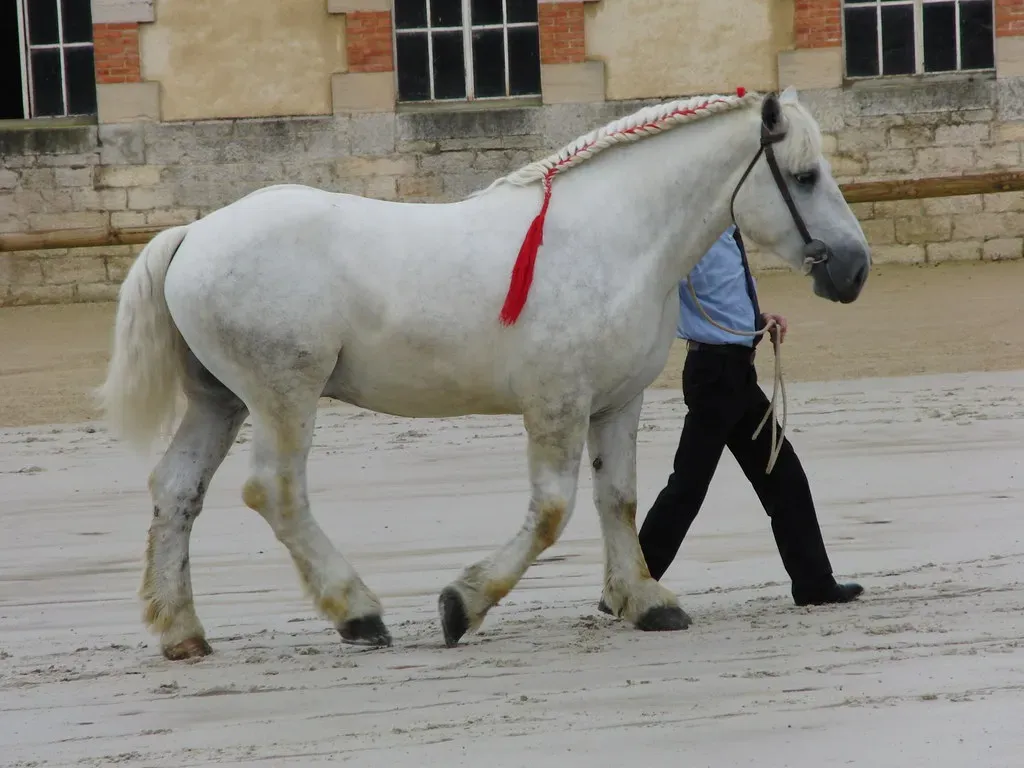
Percherons are the workhorses that built modern agriculture, and their retirement crisis is a direct consequence of that working legacy. Most arrive at rescues after a lifetime of farm labor, often underfed in their final years, with joint wear consistent with years of heavy pulling and hooves that have not seen a farrier regularly enough. They arrive needing significant rehabilitation investment at the worst possible time, when a rescue is trying to justify the enormous ongoing cost of feeding and housing a 2,000-pound animal that may have years of care ahead.
The math is brutally simple. A Percheron eats roughly twice what a light horse eats. Farrier work on those massive feet costs more. Deworming, dental care, and veterinary medications are all dosed higher. And the adopter pool, people with draft horse experience, appropriate land, heavy-duty equipment, and the budget to sustain it, is small and already well-stocked with horses. Rescues that have prioritized smaller equines to stretch their resources further are not being cruel to Percherons. They are making the only rational decision available when the alternative is turning away three adoptable horses to feed one that may never find a home.
The Uncomfortable Truth Nobody in the Industry Wants to Say Out Loud
Every single horse on this list arrived at a rescue because a human being made a decision that did not account for the full picture. A breeder produced one more foal the market did not need. An owner bought a breed they researched on Pinterest instead of in a pasture. A racing operation retired a horse without a transition plan. The rescues are not the problem. They are the last wall standing between these horses and outcomes far worse than a long wait in a good facility.
The quiet policy shifts described here are not abandonment. They are triage. When a centre stops accepting a breed it cannot realistically place, it is making room for a horse it can actually help, one with a real shot at a permanent home and a life worth living. The genuine solution has nothing to do with rescue capacity and everything to do with what happens before a horse ever needs rescuing: honest breeding decisions, realistic ownership preparation, and an industry-wide reckoning with the gap between how many horses we produce and how many good homes actually exist. Until that math changes, these sixteen breeds will keep arriving at doors that can no longer afford to open for them.
Here is an opinion that not everyone in the horse world will appreciate hearing: the responsibility for this crisis sits almost entirely with buyers and breeders, not rescues. We have spent decades romanticizing horse ownership through advertising, social media, and pop culture while completely failing to tell the honest story of what ownership actually costs and demands. The Budweiser Clydesdale, the wild Mustang galloping free, the spotted Appaloosa on a mountain trail — these are marketing images, not ownership guides. Until we start being as loud about the realities as we are about the romance, rescues will keep running out of room, horses will keep running out of options, and the same conversation will be had at the same exhausted facilities for another generation. These sixteen breeds deserve better. So do the people who genuinely love them.

- 13 Remarkable Dog Breeds With Surprising Intelligence Beyond Their Playful Demeanor - August 2, 2026
- 8 US States With the Most White-Tailed Deer - August 2, 2026
- 11 Historic US Landmarks That Tell Incredible Stories Of The Past - August 2, 2026