
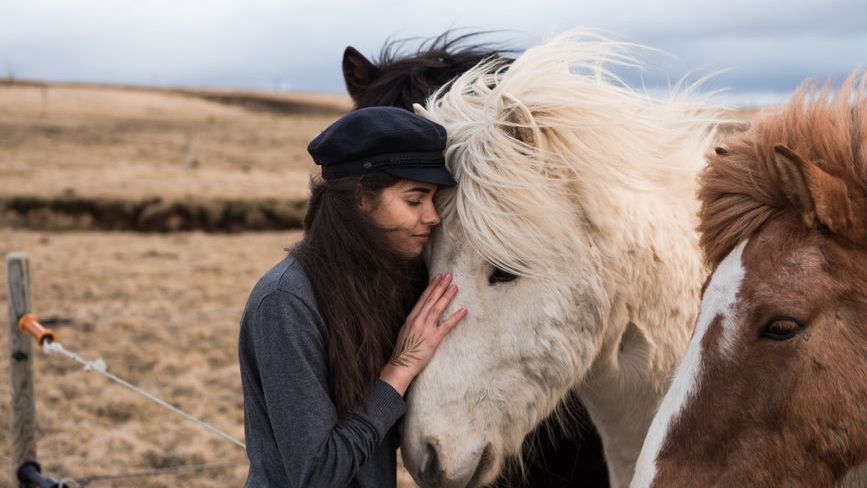
Most horse owners spend years wondering whether their horse actually loves them – or simply tolerates them in exchange for grain and a dry stall. Here’s the thing almost no one tells you upfront: horses are not generous with their trust. These are prey animals shaped by millions of years of evolution to make ruthlessly careful decisions about who gets close to them. When a horse extends its inner circle to a specific human, it isn’t politeness, habit, or good training. It’s a declaration – and the behavioral signs that reveal it are unmistakable once you know what to look for.
The thirteen signs below go far deeper than simple obedience or a horse that happens to be well-mannered. Some of them are quiet and easy to miss. A few of them will genuinely surprise you. And at least one of them – the one buried near the end – is the kind of thing that stops experienced horse people cold the first time they experience it. If you’ve ever sensed that your horse treats you differently than everyone else at that barn, you’re probably not imagining it. Here’s the science and the behavior that proves it.
#1 – They Cross a Full Pasture to Reach You Without Being Called
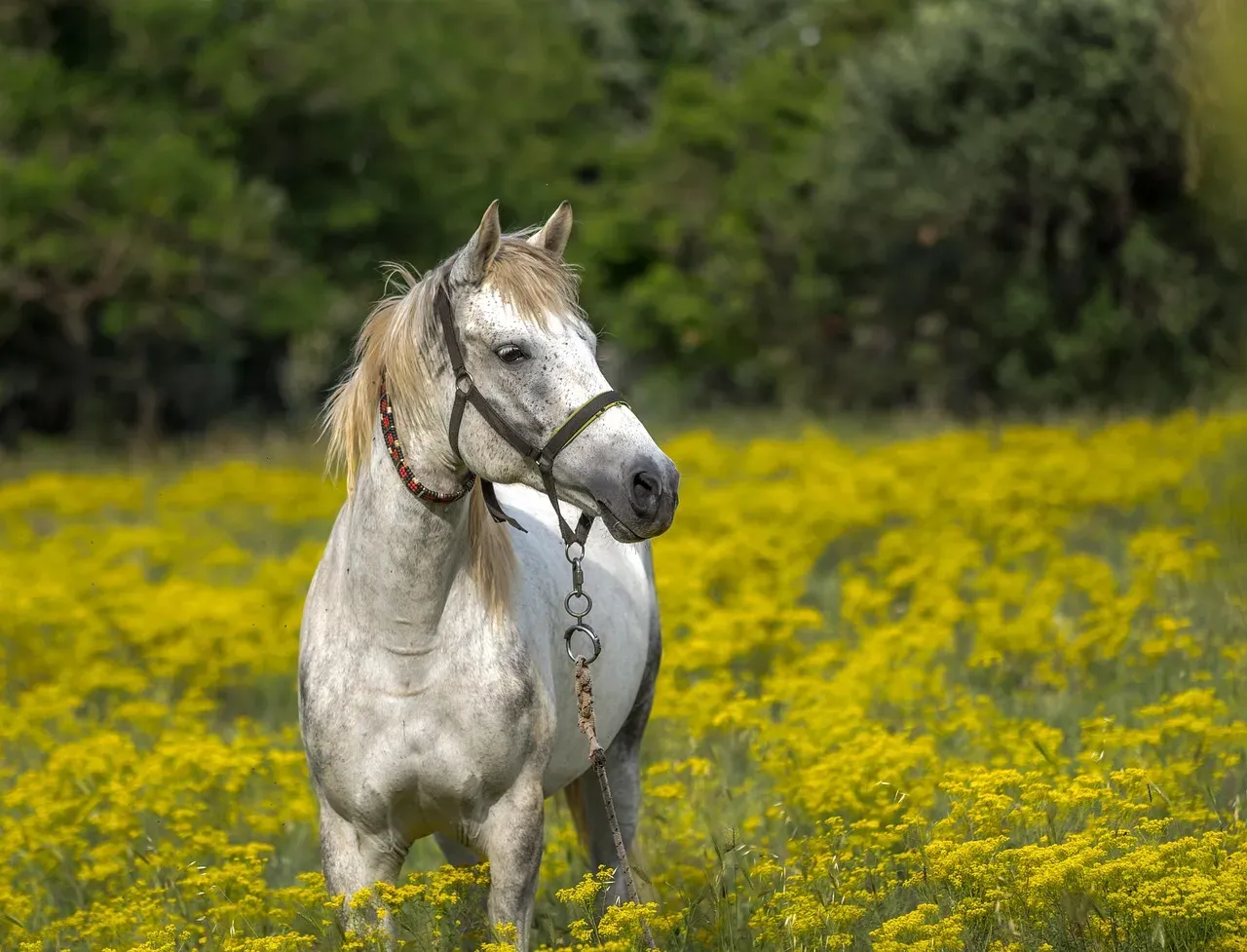
There’s a version of this that doesn’t count, and experienced horse people can spot it immediately: the horse who charges the gate whenever any human appears because they’ve learned that humans equal grain. That’s not bonding – that’s Pavlov with hooves. The real sign is when your horse is grazing at the far end of a large paddock, you walk out without a bucket, without calling their name, and they lift their head, identify you specifically across that distance, and walk over. Deliberately. Unhurried. Straight to you.
That quiet, deliberate walk across an open field is one of the most honest signals a horse can give, because nothing is forcing it. They don’t run away when you approach. They cock an ear in your direction, take a few steps toward you, and drop their muzzle into your hands. No grain involved, no other incentive on offer. In equine terms, that walk says something very specific: you are not just a human to them. You are their human. And they’ve decided that’s worth crossing a field for.
Fast Facts
- Horses can identify individual humans from a distance using vision, scent, and sound simultaneously.
- A horse grazing at the far end of a pasture who lifts its head specifically for you is making an active recognition decision – not a reflexive one.
- Food-motivated gate-charging happens for anyone; a deliberate, unhurried approach with no reward on offer is a fundamentally different behavior.
- This voluntary approach is considered one of the clearest indicators of a genuine human-horse pair bond by equine behaviorists.
#2 – They Nicker Specifically at You – Not at Everyone Who Walks In
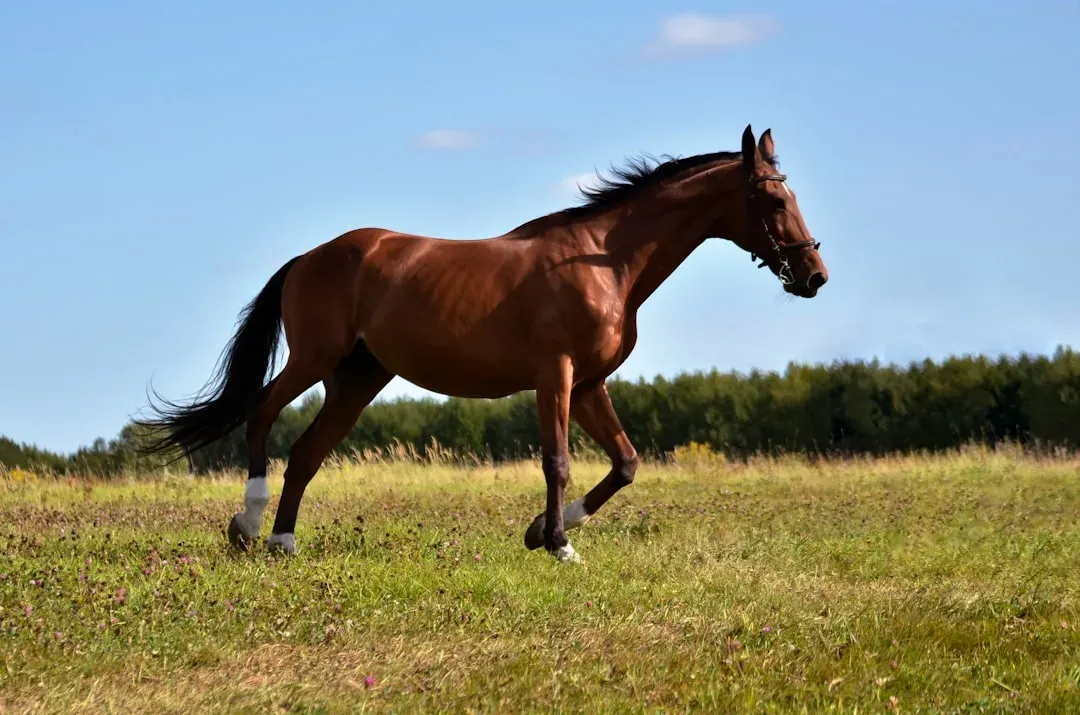
Walk into a busy barn and you’ll hear plenty of horses call out. Some holler at feeding time. Some whinny when a herd mate leaves the aisle. But there’s a very different sound – low, rumbling, almost private – that horses tend to reserve for individuals they have genuinely bonded with. If you’ve captured your horse’s heart, you may hear it the moment you round the corner. The critical detail most people miss? Watch whether your horse makes that exact sound for the barn manager, the weekend volunteer, and the farrier too. If they do, it’s almost certainly food-related. If it’s directed at you and noticeably quieter around others, pay attention.
Vocal greetings are powerful indicators of recognition. When your horse consistently nickers specifically as you appear, they’re acknowledging your presence the same way they’d greet a trusted herd mate – not just any human who happens to be holding a feed scoop. Horses use whinnies and nickers to signal positive emotions and proximity to companions they value. The fact that your horse sorts you out of a crowd, by sight or sound, and responds with that specific soft rumble means you have made it onto a very short list.
#3 – They Stay Lying Down When You Approach
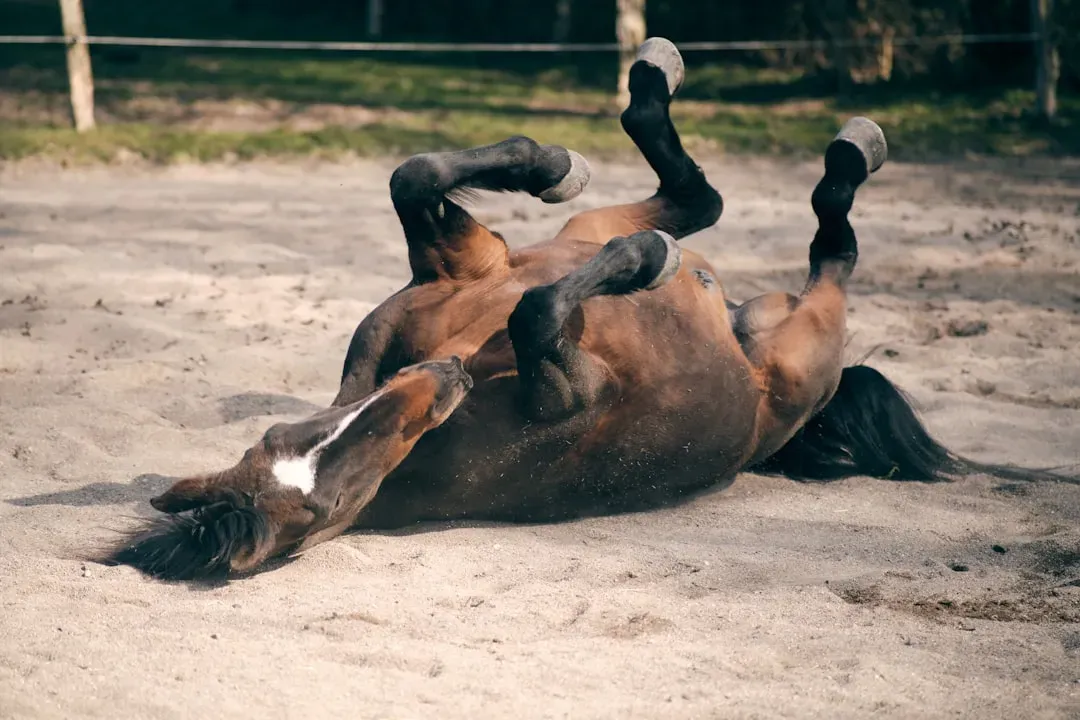
This one stops people cold the first time they experience it. A horse lying flat on the ground is at their most physically vulnerable – legs folded, temporarily unable to bolt, every prey-animal instinct screaming at them to be ready to spring upright at the first hint of anything uncertain. Most horses will scramble to their feet the moment a person they don’t fully trust gets close. But a horse that stays lying down as you crouch beside them? That horse is telling you something profound: they trust you with their life. In equine terms, that is almost literally true.
What makes this sign so powerful is that it cannot be trained or faked. You cannot condition a horse to suppress one of its deepest survival responses – that suppression only happens when the horse has made an authentic judgment that your presence overrides the danger. Most horses will do this for one person at a barn, if anyone at all. If that person is you, you haven’t just earned their respect. You have been chosen as the one individual whose calm presence is more convincing than a million years of hard-wired panic.
#4 – They Groom You Back Without Being Prompted
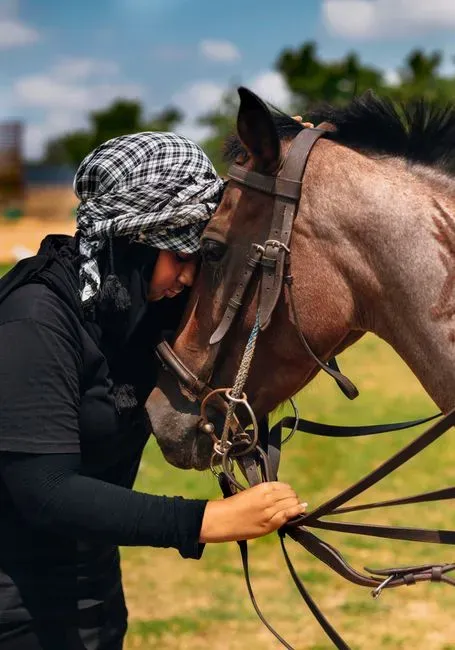
Mutual grooming – called allogrooming in behavioral research – is one of the most intimate social behaviors horses engage in. They don’t offer it to every horse in the pasture. They extend it to the ones they genuinely care about, and studies have shown it lowers heart rate and relieves tension in both animals involved. So when your horse turns during a grooming session and begins working their muzzle carefully along your shoulder, your back, or your jacket collar, they are not misbehaving. They are reciprocating. They are including you in the most exclusive social ritual they have.
A horse may nibble at your shoulders, lay their chin on the back of your neck, or deliver what feels unmistakably like a slow, deliberate back scratch with their upper lip. It can catch you off guard the first time. It shouldn’t – because what your horse is doing is treating you exactly the way they’d treat their closest companion in the herd. Mutual grooming is how horses say I trust you, I value you, and I am choosing to maintain this bond. When they do it with you, that message is not lost in translation.
Worth Knowing
- Research shows that allogrooming is a “relaxing and bond-strengthening activity” when horses have the agency to shape the interaction.
- A horse’s preferred grooming site is the lower neck – stimulation there has been shown to measurably reduce heart rate in the recipient.
- Studies of 200 domestic mares found that horses show strong preferences for specific grooming partners – and seek those partners out even more often during stressful situations.
- When a horse grooms you, they are slotting you into the role normally reserved for their most trusted herd companion.
#5 – Their Eyes Go Soft and Half-Closed Around You
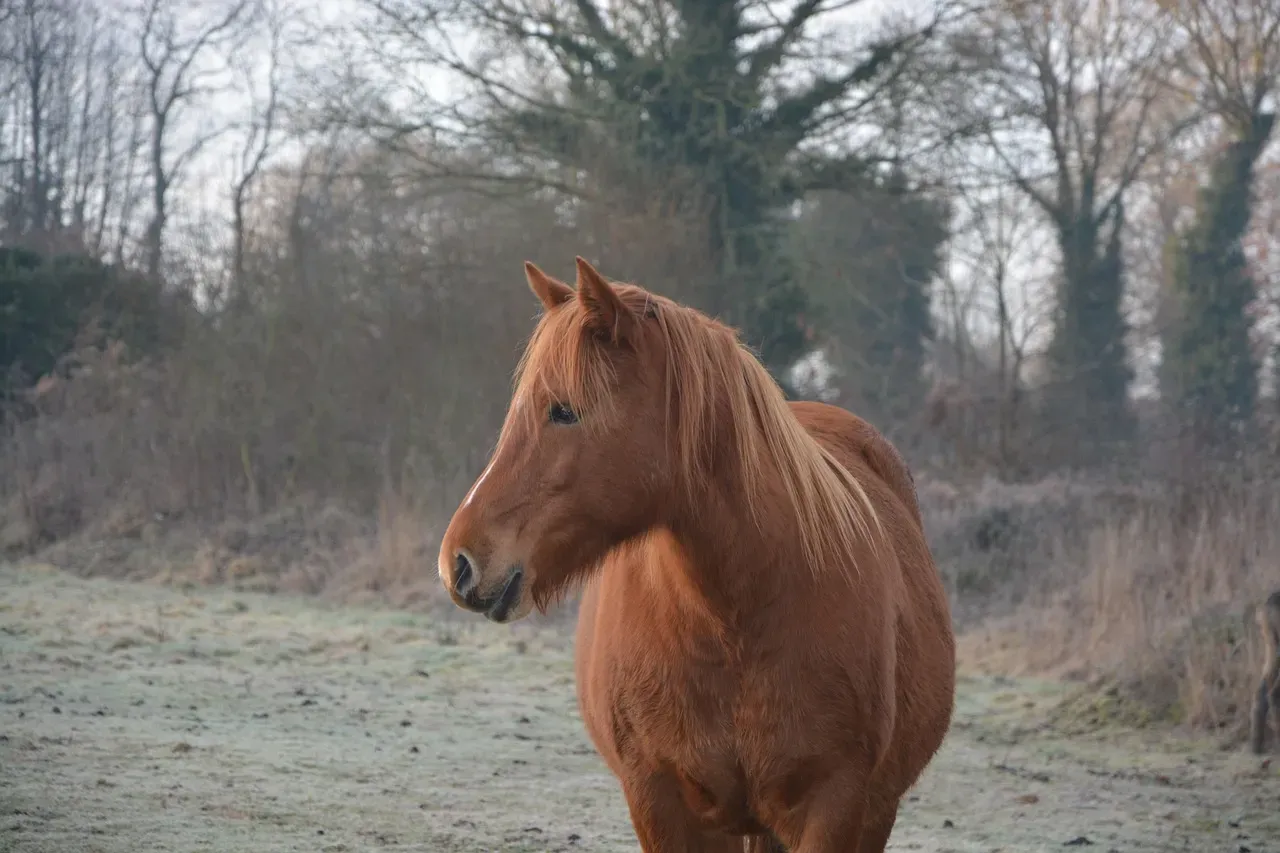
The eye is everything in horse behavior, and learning to read it is one of the most important skills in horsemanship. A hard, wide eye signals fear. A bright, fixed eye signals active alertness or threat assessment. But a soft, slightly drooping, half-moon eye – the kind where the lids look heavy and the whole expression settles – that’s a horse who is genuinely at peace. Ears gently pointed toward you rather than pinned back or spinning anxiously. Head lowered. Jaw loose. The whole body saying the same thing the eyes are saying.
The truly revealing moment is when those soft eyes appear specifically in your presence and not consistently with others. Research from the Universities of Sussex and Portsmouth has demonstrated that horses recognize and remember human facial expressions, actively using that information to decide how relaxed or guarded to be. Your horse isn’t just unwinding at random – they’re reading you, making a judgment, and concluding that you are safe. When the verdict comes back as soft eyes and a lowered head, you have cleared the highest bar of equine evaluation. They have decided, based on actual evidence, that you are worth trusting.
#6 – They Follow You Off-Lead With No Pressure
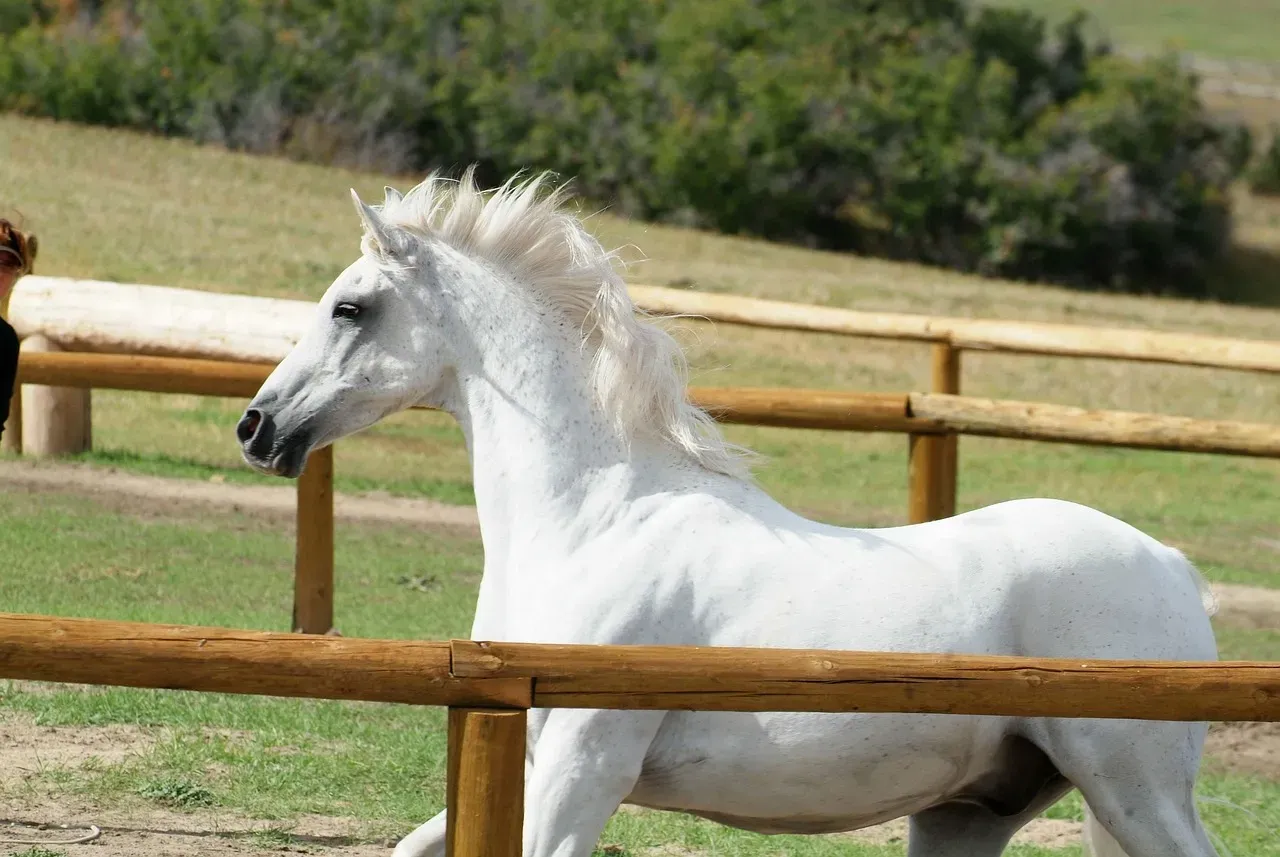
Anyone can make a horse follow them when there’s a halter and a lead rope involved. Liberty work – where a horse moves freely with no physical connection, no rope, no pressure – is considered by many natural horsemanship practitioners to be the purest test of real bond. A horse who trails you around an open field, matching your pace, stopping when you stop, turning when you turn, is making a completely voluntary choice in every single step. There is nothing keeping them there except the decision to stay.
In a herd, horses follow one another as a core part of their social structure – and when they extend that to a human, they’re slotting that person directly into their herd dynamic. Not as a servant. Not as a feed dispenser. As a companion whose movements are worth tracking and whose direction feels worth following. The horse isn’t behind you because they have to be. They’re behind you because wherever you’re going, they’ve decided that’s where they want to be. That is one of the quieter signs on this list, and one of the most meaningful.
At a Glance: Liberty Following vs. Lead Rope Following
- Lead rope following: Physically directed, horse has limited choice, compliance reflects training.
- Liberty following: Entirely voluntary, horse can leave at any moment, continuation reflects a genuine decision.
- What to look for: Does your horse match your pace changes, your stops, your direction shifts – all without prompting?
- What it means: You have been accepted as a trusted companion within their herd structure – not as a handler outside it.
#7 – They Blow Warm Air Softly Into Your Face or Cupped Hands
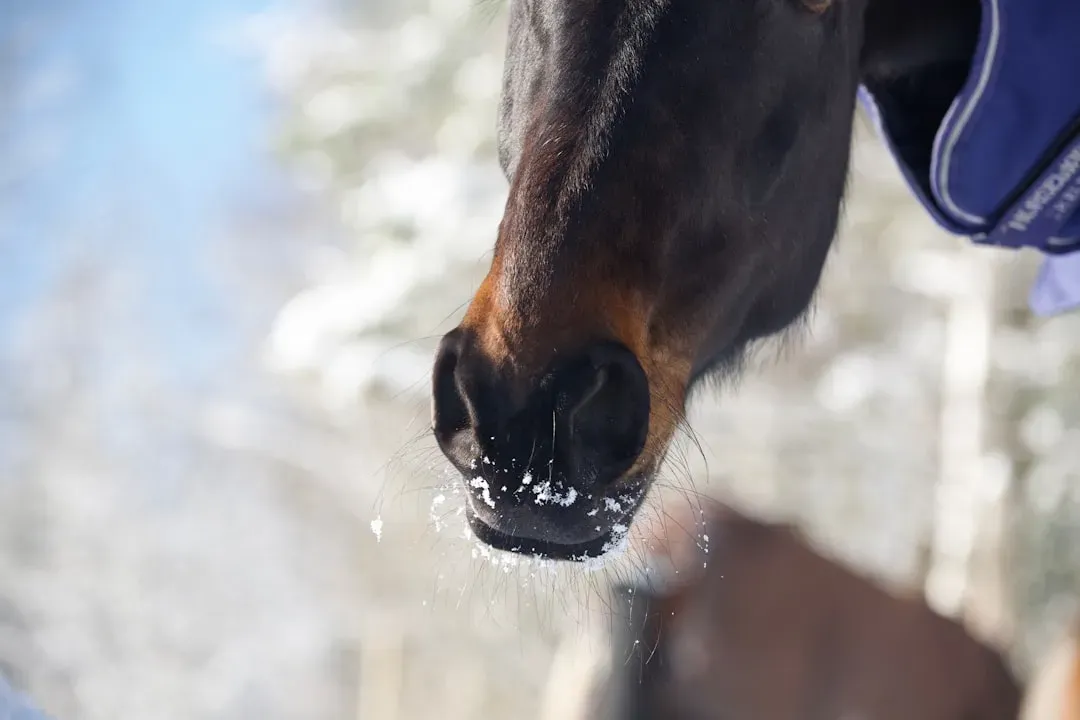
This one catches people completely off guard the first time it happens. You’re standing quietly together, and your horse stretches their muzzle toward your face and exhales – long, warm, slow – right into your cheek or your cupped palms. It might feel accidental or random. It is neither. Horses greet one another by touching noses and exchanging breath. It is an intimate recognition ritual, reserved for animals they consider close companions. When they do it across the species line, they are extending the exact same greeting.
Horses are incredibly sensitive creatures. They don’t give their trust easily – but when they do, they give it completely.
Monty Roberts
A 2018 study published in PLOS ONE by researchers at the Université de Rennes found that horses reliably produce more snorts and soft exhalations in favorable, calm situations – the behavior is a measurable signal of contentment rather than agitation. So when your horse breathes into your face, they are not just being nosy. They are calm, they are content, they are in the presence of someone they consider safe – and they are greeting you the only way their biology knows how. If your horse does this with you and you’ve never quite known what to make of it, now you do: they’ve essentially just called you family.
#8 – They Physically Lean Into You or Rest Their Head on Your Body
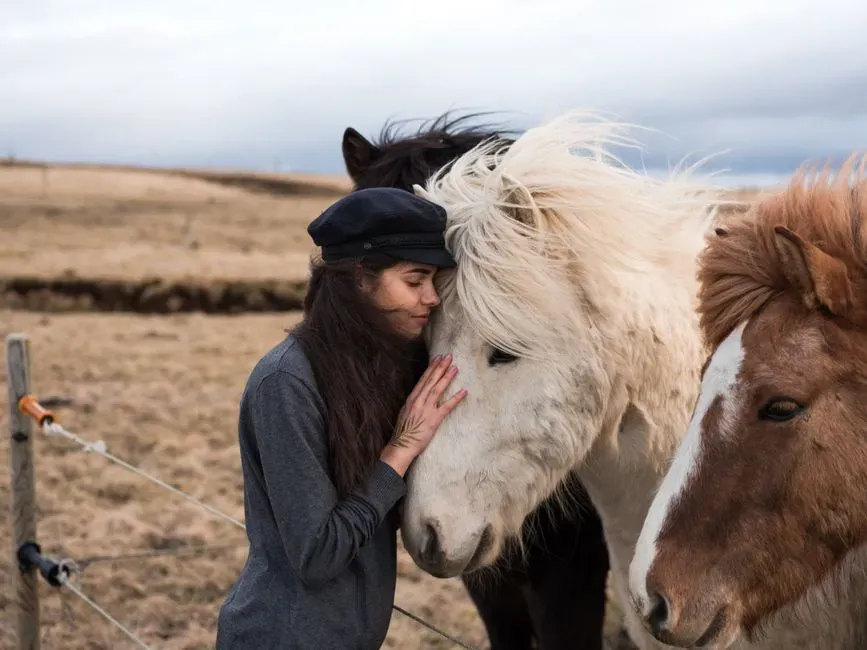
There are horses who tolerate being touched, horses who enjoy a good scratch in exactly the right spot, and then there is a third category entirely: horses who actively seek physical contact with one specific person. They’ll rest their forehead against your chest. They’ll lean their full neck weight into your shoulder. They’ll position themselves so that you are, effectively, holding a portion of them up – and they couldn’t seem more pleased about it. This is not accidental contact. This is a horse requesting closeness from the individual they have emotionally adopted.
Horses are herd animals who use physical contact constantly within their social group – pressing flanks, resting chins on backs, standing in close contact during rest. When they replicate that behavior with a human, they are making a clear social statement: you are in the circle. Not outside it, not on the perimeter of it – inside it. Most horses simply will not do this with handlers they merely respect or tolerate at a professional level. If your horse regularly comes and parks their head on you like you’re a piece of furniture they personally own, you haven’t just earned their trust. You have been claimed.
#9 – Their Heart Rate Actually Drops When You’re Near
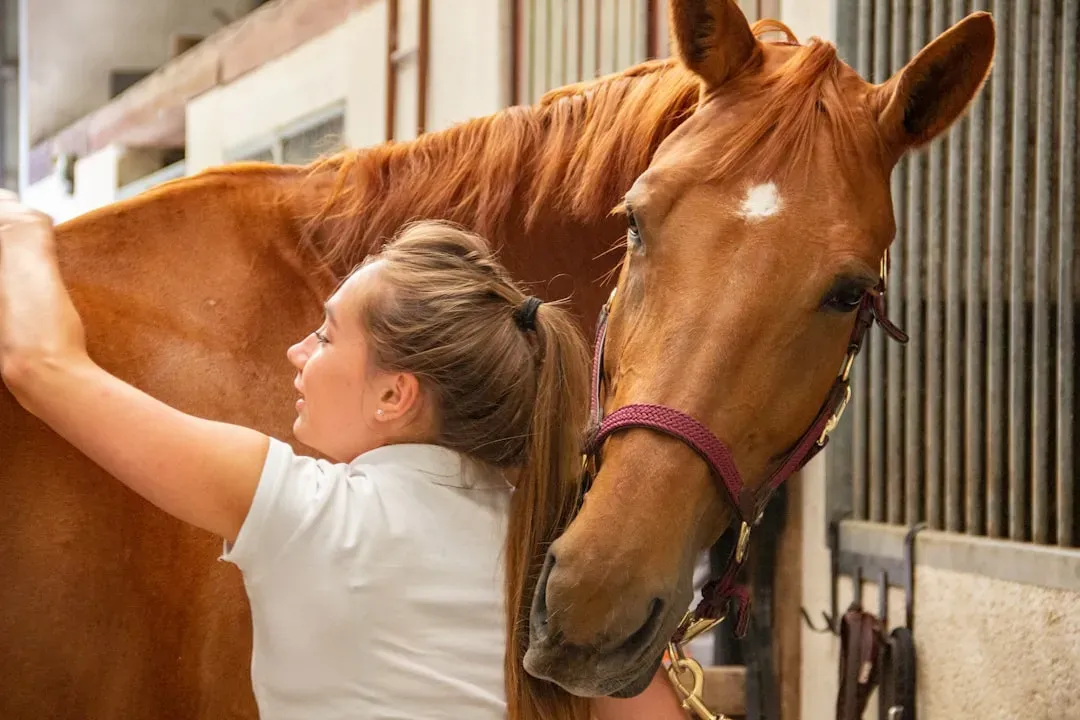
This is the one you can’t see with the naked eye, but the science behind it is striking. Research has found that horses show measurable physiological changes – including lowered heart rate and reduced cortisol levels – when interacting with their preferred humans. The bond isn’t just behavioral. It runs deeper than that. Your horse’s body chemistry literally shifts in your presence in ways it does not shift around other people. You are, in a measurable and physical sense, calming to them in a way that belongs uniquely to you.
Studies have shown that horses who experienced consistent, gentle handling displayed lower heart rates, fewer stress behaviors, and stronger attachment toward their primary handlers – even after periods of separation. The practical version of this? When your horse is visibly tense with a farrier or a vet or a stranger, but settles the moment you place your hand on their neck – that is not coincidence, and it is not just good manners. That is a documented physiological response to you specifically. Your presence is medicine to them in a way no one else’s is. That’s not a small thing.
Fast Facts
- Research has documented bidirectional heart rate synchronization between horses and familiar humans during grooming and free interaction.
- A study of horse-human pairs found that horses sensed their handler’s anxiety – and their own heart rates rose in response, even when no visible threat was present.
- Horses who received consistent, positive handling showed lower heart rates and fewer stress behaviors toward their primary handlers even after separation periods.
- This physiological calming response is specific to the trusted individual – it does not transfer to strangers at the same intensity.
#10 – They Mirror Your Movements Without Being Asked
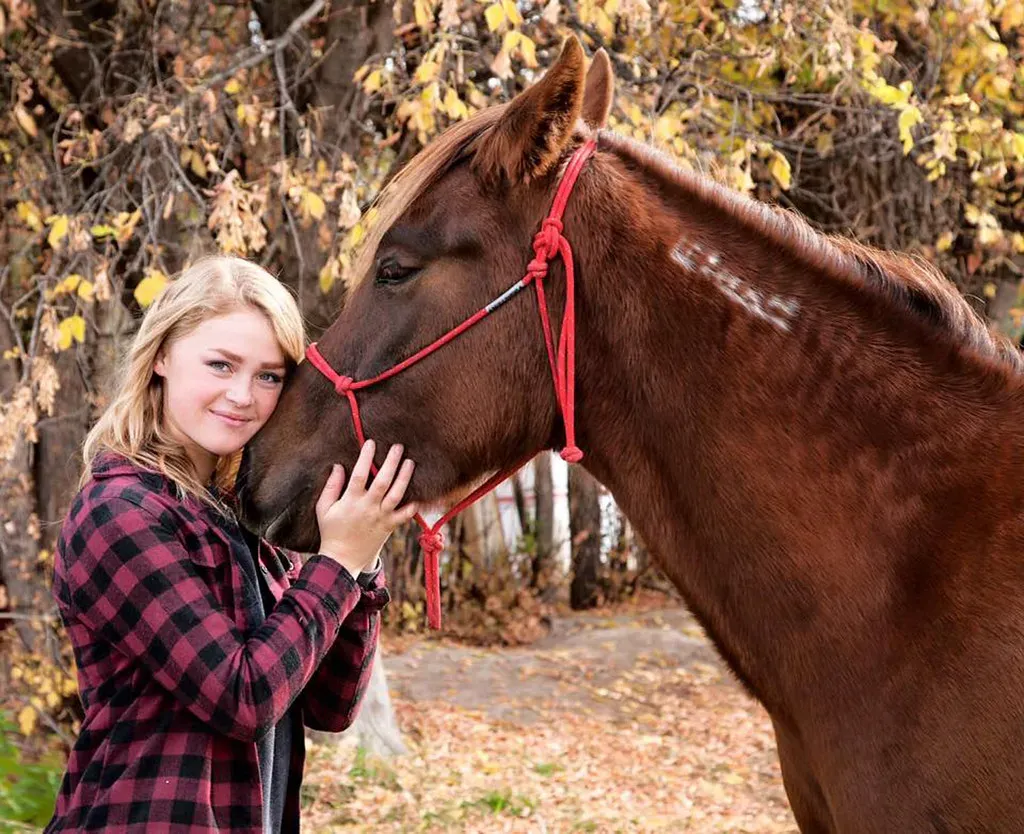
Watch a horse that has genuinely bonded with someone move around them. When the person stops, the horse slows. When the person turns, the horse shifts. When the person sits on the fence rail and goes quiet, the horse drops its head and sighs along with them. Most people miss this entirely because it looks almost accidental – like the horse just happened to stop at the same moment, happened to turn the same direction. Once you know to look for it, you cannot unsee it.
Horses are remarkably perceptive animals with cognitive abilities that allow them to recognize and track individual humans from considerable distances, using vision, scent, and sound simultaneously. A horse who is constantly attuned to your body – adjusting their position, their pace, their emotional state to match yours – has made you their primary point of reference for the world around them. They are orienting to you the way they would orient to their most trusted herd mate. That level of attunement is not something they extend casually, and it is not something training alone can manufacture.
#11 – They’re Noticeably More Tense or Unsettled With Other Handlers
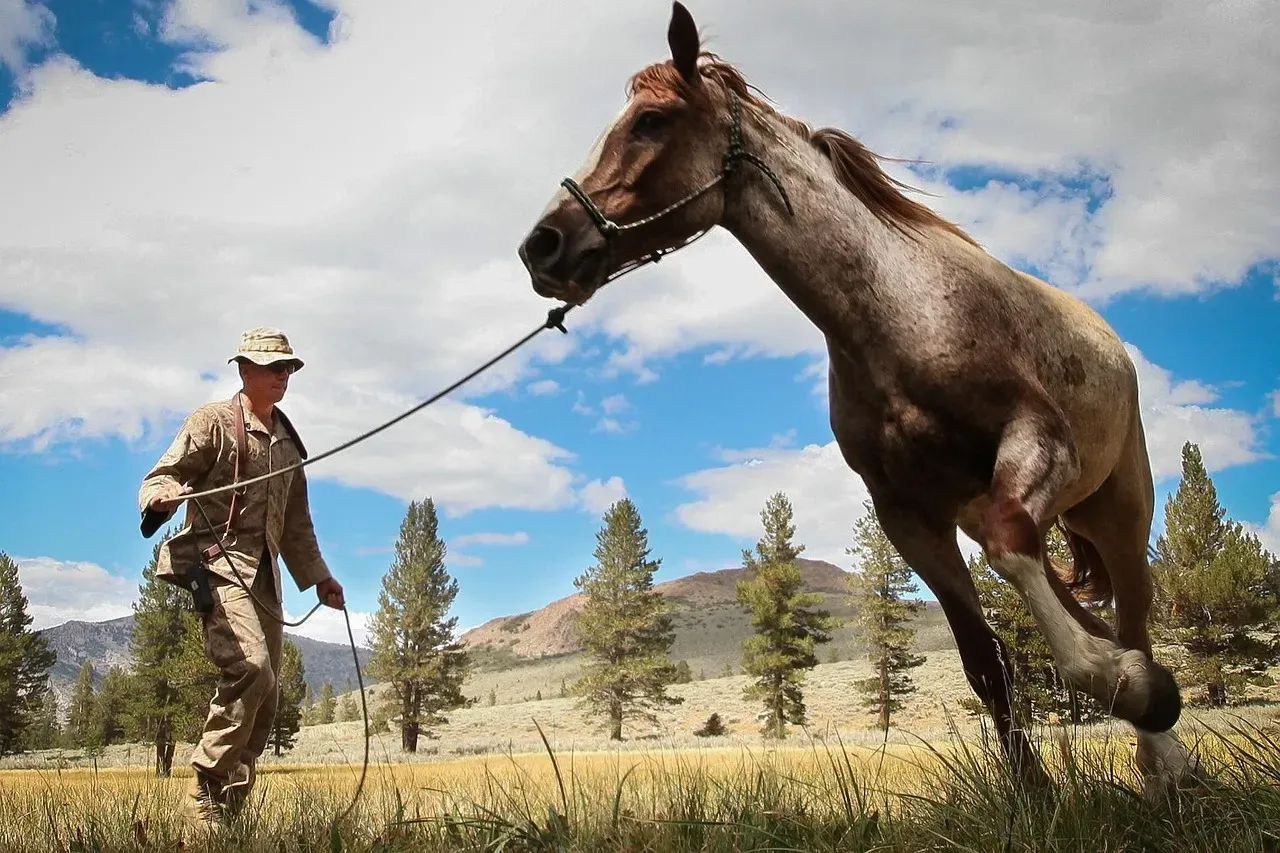
Here is the controversial one that many people in the horse community won’t fully admit out loud. If your horse has genuinely chosen you, they may be subtly – or not so subtly – different with other people. Not dangerous, not unmanageable, but noticeably more on edge. Less cooperative. Less present. Research has found that horses show measurably different behavior depending on whether the handler is familiar or trusted – the body language, the tension, the willingness to engage all shift depending on who is at the end of the lead rope.
Some trainers will tell you that a horse behaving differently for a specific person simply means that person has better technique. Sometimes that’s exactly right. But sometimes it means the horse has formed a genuine preference and is operating at a fundamentally different emotional baseline depending on who’s in the arena with them. Horses don’t bond with us because we feed them – they bond with us because we’ve proven ourselves trustworthy, patient, and consistent over time. When a stranger hasn’t earned that, many horses make the distinction quietly but unmistakably clear. Your horse’s behavior around others can be one of the loudest things they say about what they feel when they’re with you.
#12 – They Seek Your Company When Given a Free Choice
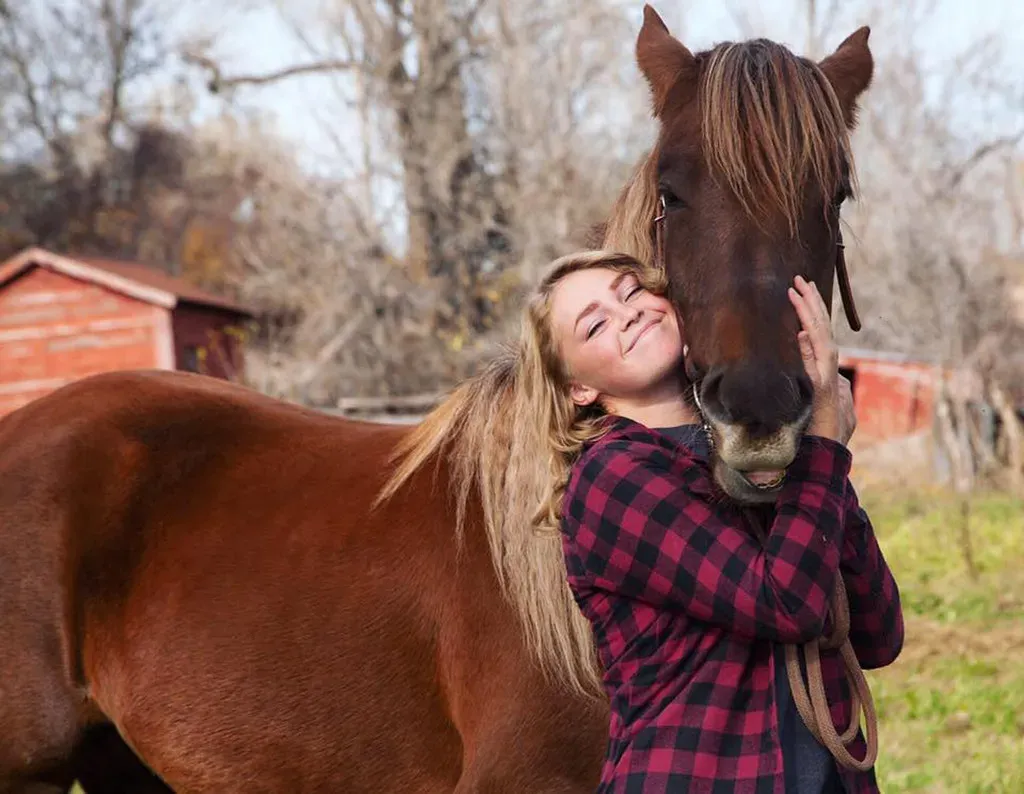
Most horses, turned loose with other horses and given complete freedom, will gravitate toward other horses first – that’s herd instinct working exactly as it should. So when a horse who has the choice to go anywhere consistently positions themselves near the gate when you’re working in the barn, walks the fence line in parallel with you, or simply turns to face in your direction while grazing, that is worth paying attention to. They are choosing proximity to you over the default pull of the herd, and that is not a small override.
Research has shown that horses maintain strong social preferences even after long separations, and that they actively seek out specific companions during stressful situations rather than settling for whoever is nearby. As a human, you can earn that kind of pair-bond status – but you cannot manufacture it. It develops through hundreds of calm, consistent, respectful interactions over time until your horse has decided, on their own terms, that your company is worth choosing. When a horse picks you over open grass and horse friends, you have become part of their herd in the most genuine sense. That is the deepest compliment they know how to give.
Why It Stands Out
- Horses naturally form pair bonds that can last a lifetime, providing mutual protection and emotional security.
- Research shows horses choose specific social companions based on shared experience, temperament, and trust – not just proximity.
- Bonded horses show signs of stress when separated from their preferred companion – whether that companion is another horse or a trusted human.
- Voluntarily seeking a human’s company when free to roam is one of the clearest expressions of a genuine cross-species pair bond.
#13 – They Trust Your Judgment When They’re Genuinely Scared
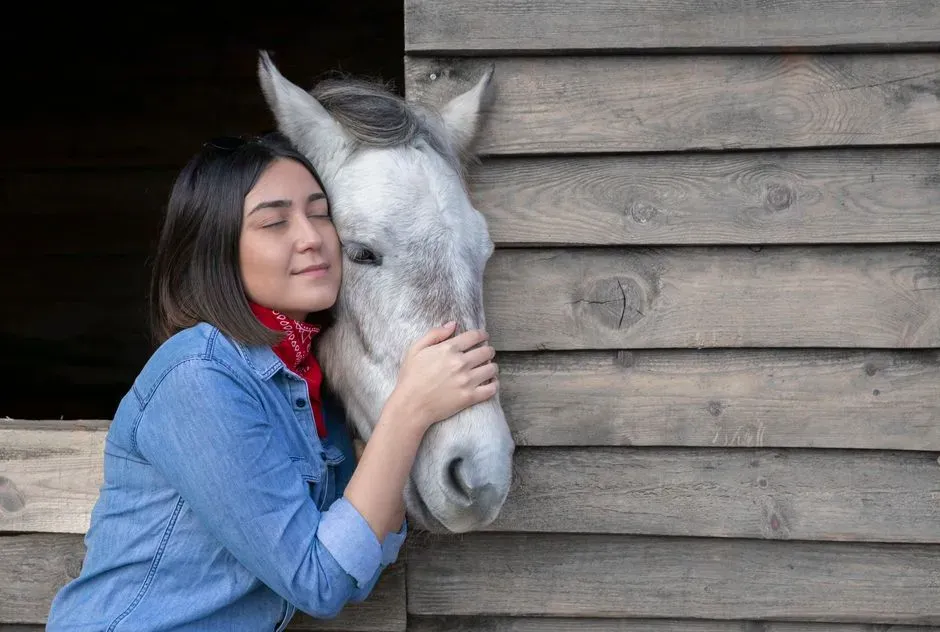
Every horse has moments of real, unscripted fear – a plastic bag caught in the fence wire, a dog erupting from the bushes, an unfamiliar piece of machinery clattering at the end of a trail. What happens in that exact moment tells you more about your bond than every calm arena session combined. A horse who has truly chosen you will feel that spike of adrenaline, look to you, read your body language, and – if you stay calm – make a conscious decision to trust your assessment of the situation over their own screaming instincts. They override their panic because you said it was okay. That is an extraordinary act of faith.
Consider what that actually means for a prey animal. Loading into a trailer, standing tied, walking past something unknown – these are things that every instinct in their body is designed to refuse. When your horse does them anyway because you’re calm and you asked, that is not trained compliance. That is trust operating at its deepest level. Horses do not hand that out freely. They give it to the person who has proven, over and over again, that their judgment is worth following into the unknown. If your horse looks to you in fear and then takes the step forward – they have not just accepted you. They have chosen to believe in you. And there is no higher sign than that.
The Honest Truth About Being Chosen
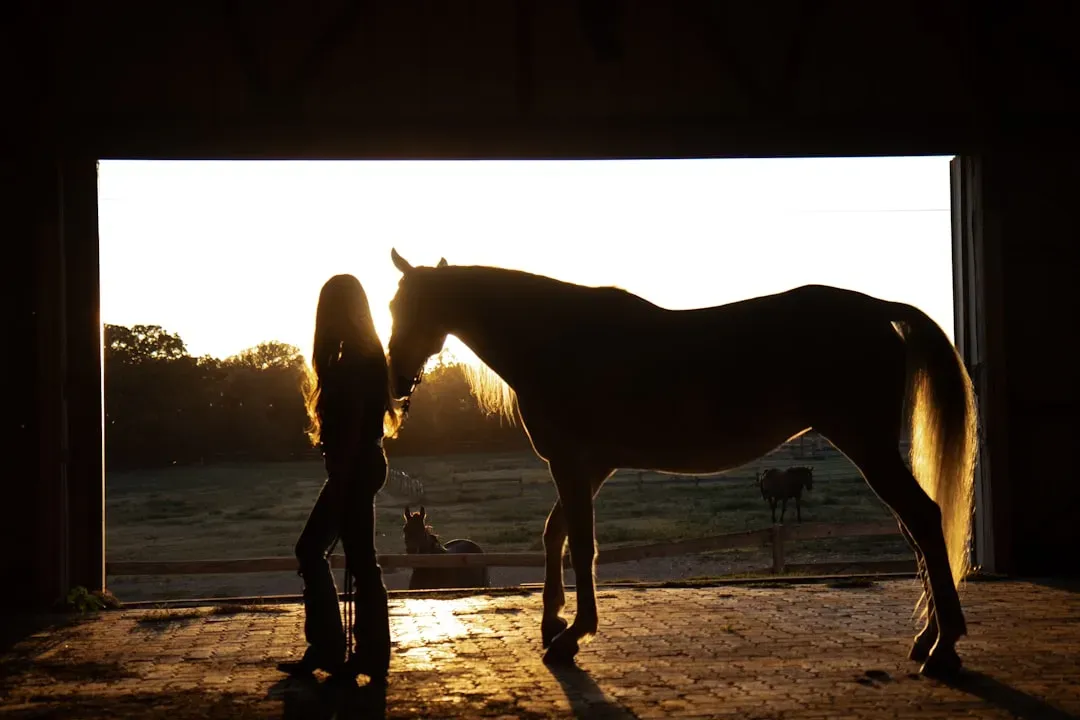
The horse world spends an enormous amount of energy telling people what they should do to bond with their horse. Groundwork exercises, consistency programs, natural horsemanship techniques – and plenty of them have real value. But the signs your horse gives you – the quiet nicker across a busy barn, the soft eye that appears for you and not for the next person who walks in, the deliberate walk across a full pasture with nothing to gain from it – those are the ones that actually tell the truth. Those behaviors cannot be trained into a horse from the outside. They emerge from the inside, from an animal that has made a genuine assessment and arrived at a genuine decision.
Here’s the opinion worth stating plainly: not every horse owner earns this. Some people spend years with a horse they feed, groom, ride, and care for impeccably – and that horse remains polite, cooperative, and emotionally somewhere else. That’s not always a failure of care. Horses are individuals with preferences as specific and stubborn as any person’s, and sometimes the chemistry simply isn’t there. But when it is – when your horse crosses that field for you, breathes into your face, stays lying down as you crouch beside them, and looks to you in the middle of genuine fear – something remarkable has happened. A prey animal, shaped by millions of years of survival instinct to trust almost no one, has looked at you and decided you are the exception. That doesn’t just mean they like you. It means they have built their sense of safety around you. In a world where these animals have every biological reason to keep their guard up forever, being the person they let it down for is one of the most quietly extraordinary things that can happen between two living creatures.

- 13 Odd Hummingbird Habits Ornithologists Say Still Puzzle Them After More Than Four Decades of Study - August 2, 2026
- 18 Dog Breeds Older Vets Remember Treating Constantly That Younger Vets Have Never Once Seen - August 2, 2026
- 17 Small Things Your Old Cat Starts Doing When It Knows the End Is Coming Closer - August 2, 2026