
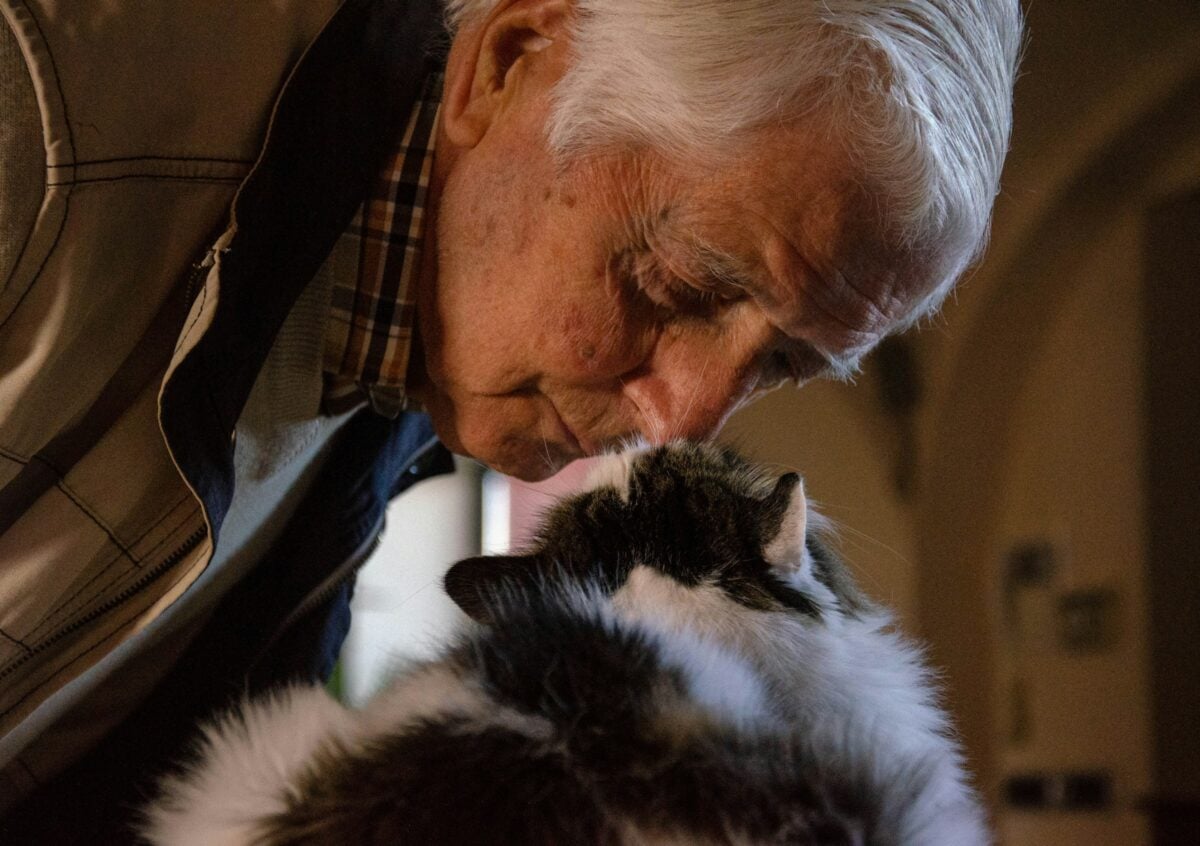
Most cat owners think the final weeks come down to big medical calls – one more test, one more specialist, one more hard decision in a cold exam room. But vets who work in hospice and palliative care keep saying something different. The thing that actually shapes those last weeks is smaller than that. It’s the way a room smells. The tone in your voice. Whether the litter box is asking too much of a body that can barely walk anymore.
None of this is dramatic, and that’s exactly why nobody talks about it. Vets say these quiet, almost invisible choices often decide whether a cat’s ending feels peaceful or panicked – and most owners never hear about them until it’s too late to use them fully. Here are the 16 comforts vets say matter most, straight from the people who sit with dying cats for a living.
#1 – A Predictable, Calm Daily Rhythm
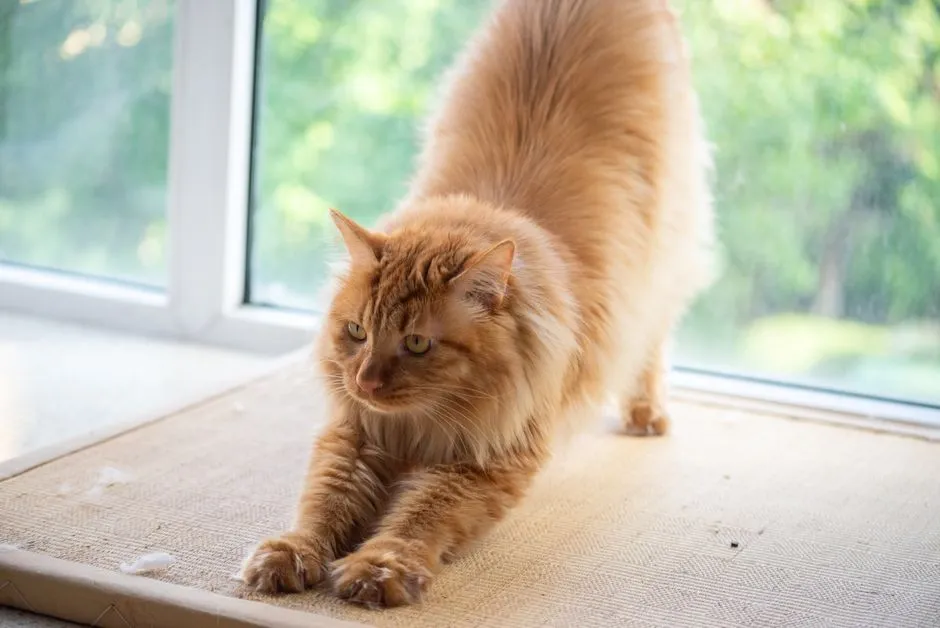
Vets say the biggest comfort isn’t a gadget – it’s predictability. In the last weeks, a cat’s world shrinks fast. Their body hurts, their senses fade, and anything unfamiliar can suddenly feel like a threat. A steady routine – same wake time, same quiet corner, same feeding and medication windows – lowers stress hormones and lets them rest instead of constantly scanning for danger.
Keep the day loosely scripted: a gentle check-in, meds, food, water, then a short cuddle or brushing session if they’ll tolerate it. Even while sleeping more, their nervous system still reacts to chaos. A sudden schedule change, noisy visitors, or late-night vacuuming can feel brutal to a body running on fumes. A rhythm that feels boring to you can feel like safety to them.
#2 – A Pain-Managed Body, Not One Just “Toughing It Out”
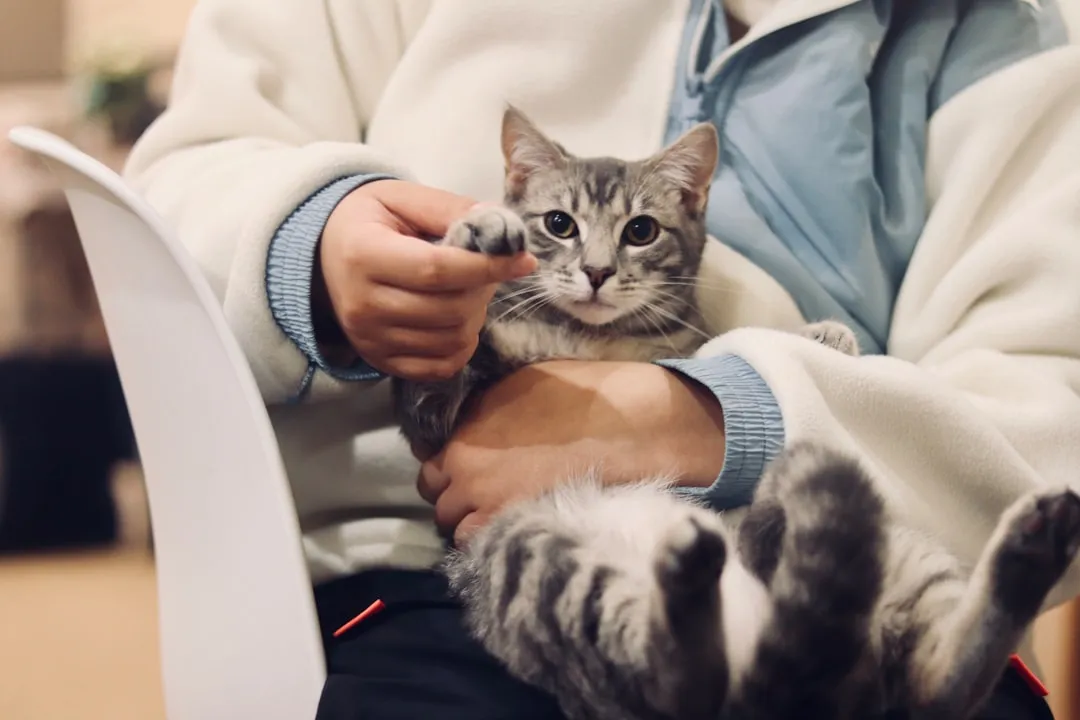
Many people mistake quiet for comfortable. Vets will tell you plainly: a lot of dying cats go silent because they’re shutting down, not because they’re okay. Cats are hardwired to hide pain, and in the final weeks, that instinct can work against them in the cruelest way – even loving owners miss it, convinced they’d “just know.”
Work closely with your vet on a real pain plan. That usually means medication on a fixed schedule, not “only if they seem bad,” plus quick dose adjustments when appetite, mobility, or breathing shift. Watch for the quiet signs – a hunched posture, squinting eyes, hiding more, skipping grooming. Vets say the regret they hear most often isn’t about a treatment that failed. It’s owners saying, “I wish we’d started pain meds sooner.”
Fast Facts
- Cats are prey animals wired to mask pain instinctively, a trait that persists even in the friendliest, most bonded pets.
- Subtle signs often outweigh dramatic ones: skipped grooming, reduced jumping, and a slightly hunched posture.
- Pain medication tends to work best on a fixed schedule rather than “as needed,” since cats rarely show pain until it’s severe.
- A squinting or half-closed eye can be one of the earliest, most overlooked pain signals in cats.
#3 – A Warm, Low-Effort “Safe Zone” They Never Have to Leave
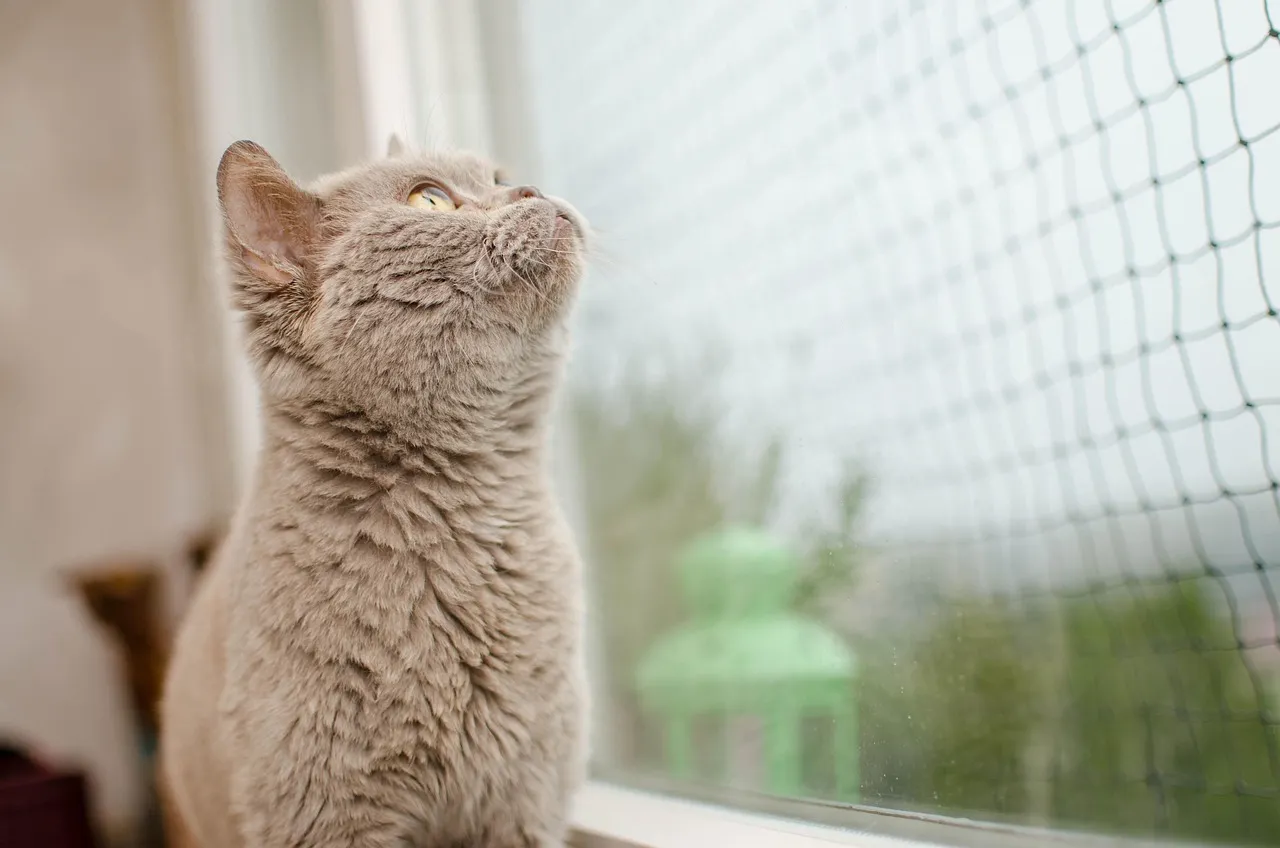
In the last weeks, forcing a cat to “live in the whole house” can quietly exhaust them. Vets often recommend building one small safe zone where everything they need – soft bed, litter box, water, food, meds – sits within a few steps. That cuts the physical strain of walking and the mental stress of navigating stairs or slick floors.
Pick one quiet room, away from slamming doors, running kids, loud TVs, drafts, and cold floors. Making a frail cat walk far for food or litter can feel, to their body, like asking an arthritic elder to cross a parking lot for every bathroom trip. A small, contained space says something simple: you’re safe, and you don’t have to work this hard anymore.
#4 – Familiar Smells Over Fancy New Stuff

Humans think new bed, new blanket, new toy equals love. Cats don’t work that way. They live and die by scent, and in the final stretch, unfamiliar smells can actually spike anxiety instead of soothing it. Vets often see cats settle more deeply into an old, worn, faded item than the plush new one bought in a panic.
Skip the last-minute haul of gear. Keep the ratty blanket they’ve kneaded for years – it tells their nervous system, “I know this, I’m safe.” Better yet, use one of your worn T-shirts as bedding, so your scent stays close even when you’re not in the room. Trading that lived-in comfort for something “cuter” right at the end is, quietly, one of the mistakes vets say they wish more owners avoided.
#5 – Food Offered Like a Gift, Not a Battle
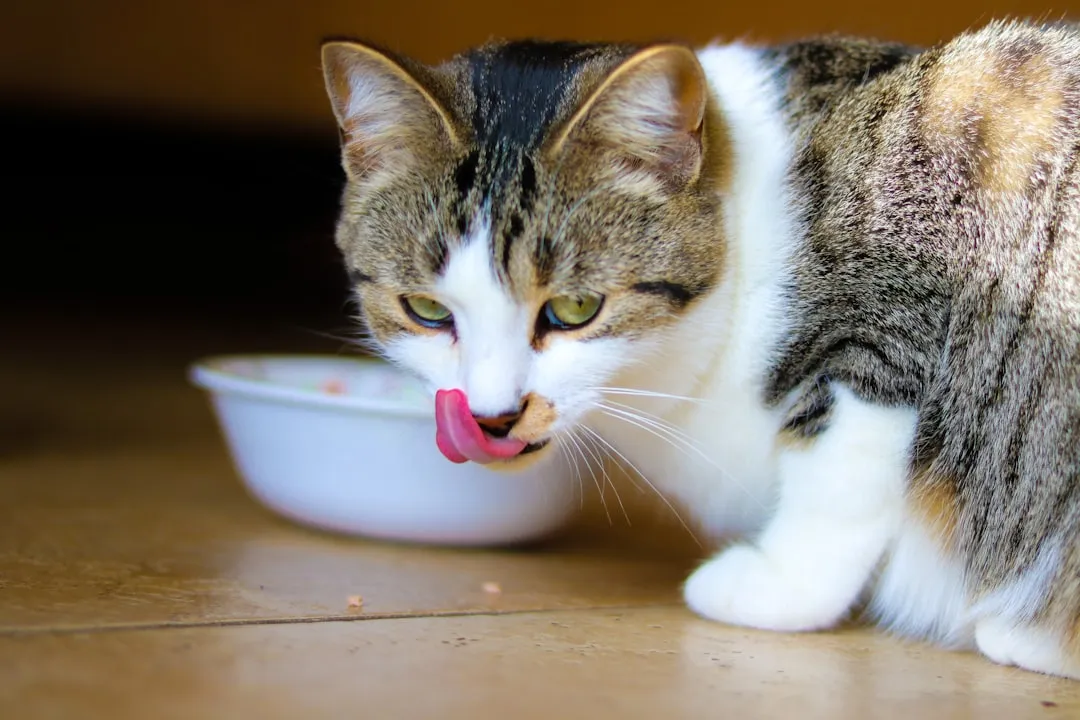
In the last weeks, appetite turns emotional fast. Owners panic when a cat stops eating, and suddenly every meal becomes a negotiation. Vets warn that turning food into a fight is one of the quickest ways to make a dying cat miserable – food should feel like an invitation, never a demand.
Offer small, frequent portions instead of full meals. Warm the food slightly to bring out the smell, and experiment with textures – pâté, shredded, broth-heavy – to find what’s easiest to manage. Sometimes just setting the dish near their nose while they lie down is all they can handle. The hard truth: no topper or trick fully fixes a failing appetite at this stage. Your job shifts from counting calories to making each bite feel gentle, and if they walk away, you simply try again later.
#6 – Water They Barely Have to Work For
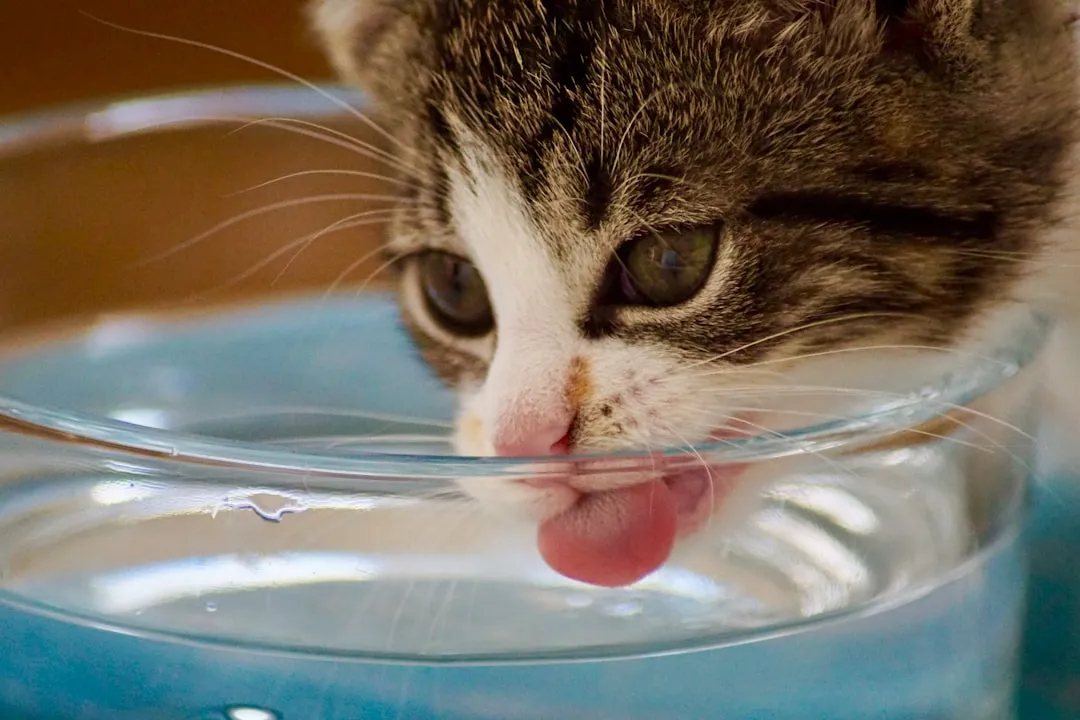
Dehydration makes everything worse – nausea, confusion, lethargy. Yet many cats in their final weeks simply don’t have the balance or energy to trek to a distant bowl or lap from something deep. Vets quietly stress one underrated comfort: making water require almost no effort at all.
Place multiple shallow, wide bowls right in their safe zone, especially near the bed, since low dishes don’t press on sensitive whiskers. Refresh the water often so it always smells clean, and ask your vet about a little low-sodium broth or tuna water for interest. Some hospice vets will even teach you to give subcutaneous fluids at home, which many cats tolerate better than owners expect. If intake naturally fades in truly final days, the goal shifts from chasing ounces to simply keeping their mouth clean and moist.
#7 – A Litter Setup That Doesn’t Humiliate Them
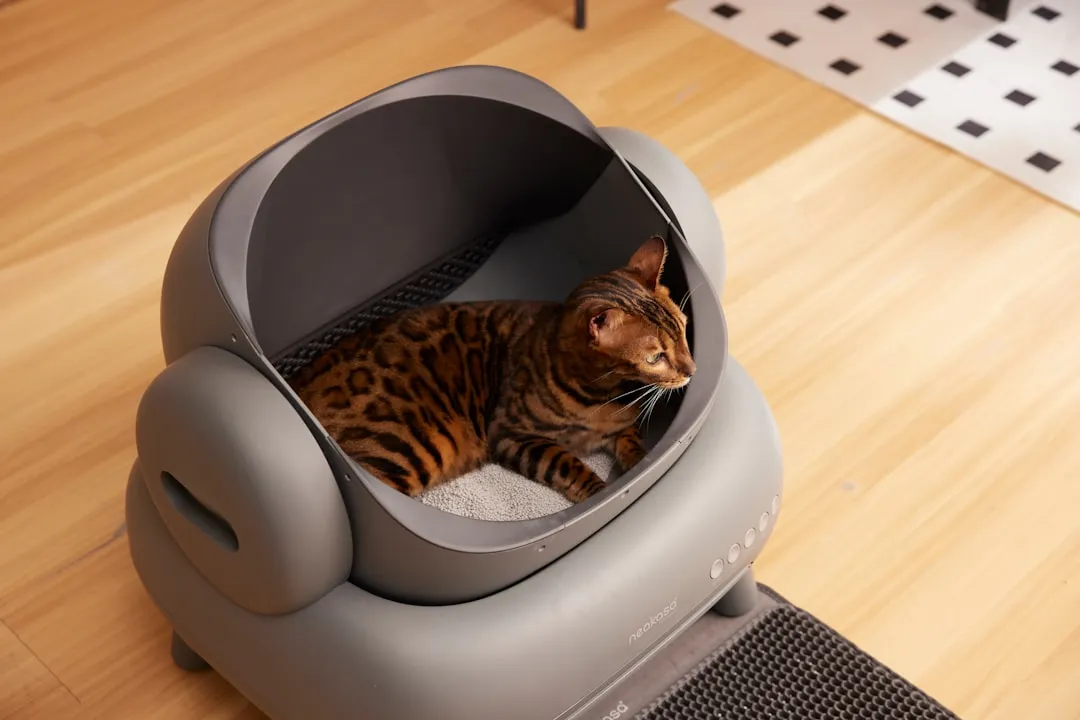
Vets see this constantly: an elderly or dying cat starts missing the box, and owners assume it’s spite. In reality, the box has quietly become a mountain – high sides, too far away, painful to step into. In the last weeks, the right setup is about preserving dignity, not enforcing training.
Make it absurdly easy. Use a very low-sided box, or even a shallow bin, and move it just a few steps from their bed, with washable pads nearby just in case. Responding to accidents with frustration instead of adaptation can leave a real emotional wound in a cat’s final chapter. Vets would rather see one slightly messy corner of your home than a cat forced to struggle, hold it, or get scolded for something their body no longer controls.
At a Glance
- Struggling to climb over box walls is often mistaken for stubbornness – it’s usually pain or weakness.
- Crying, straining, or hesitating right at the edge can signal the box itself has become the obstacle.
- Missing the box “just outside it” is frequently a sign of poor aim from a body that can’t fully squat anymore.
- A puppy pad or shallow tray placed a few steps from the bed removes most of the physical demand.
#8 – Gentle Touch on Their Terms, Not Yours
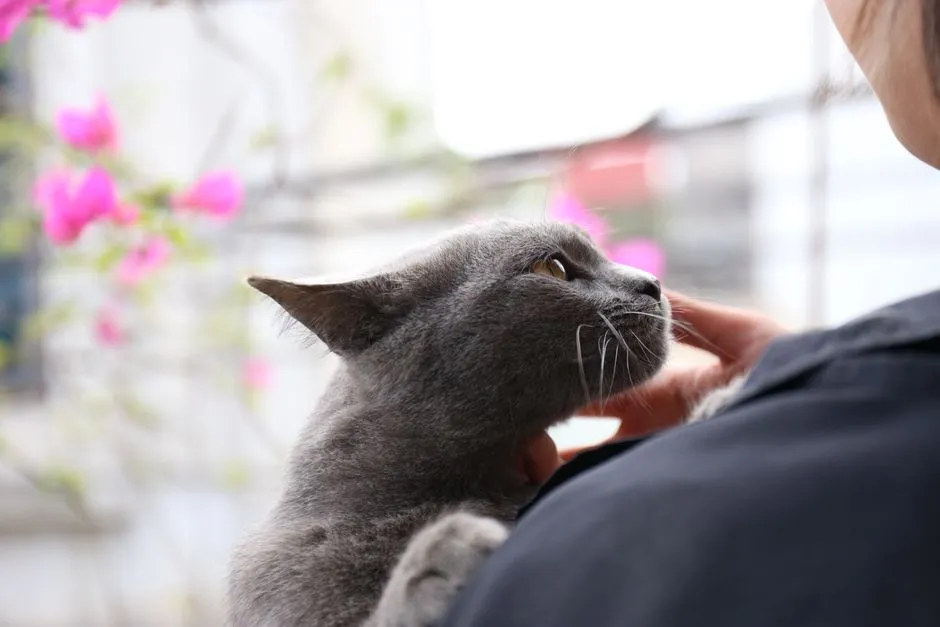
Many owners assume a dying cat wants constant cuddling because we need that closeness. Vets are blunt about it: some cats crave more touch at the end, others want almost none, and ignoring which one yours is can be unfair to them. The comfort is in offering, never insisting.
Watch their signals closely. Slow blinks, relaxed paws, and leaning into your hand mean yes. Flattened ears, tail flicks, or shifting away mean enough. Favor soft, slow strokes on the head, cheeks, and chin, and avoid sore spots like hips, spine, or tumor sites.
Your cat should never have to protect their body from your love.
Shared sentiment among hospice veterinarians
#9 – A Voice That Stays Calm Even When You’re Falling Apart
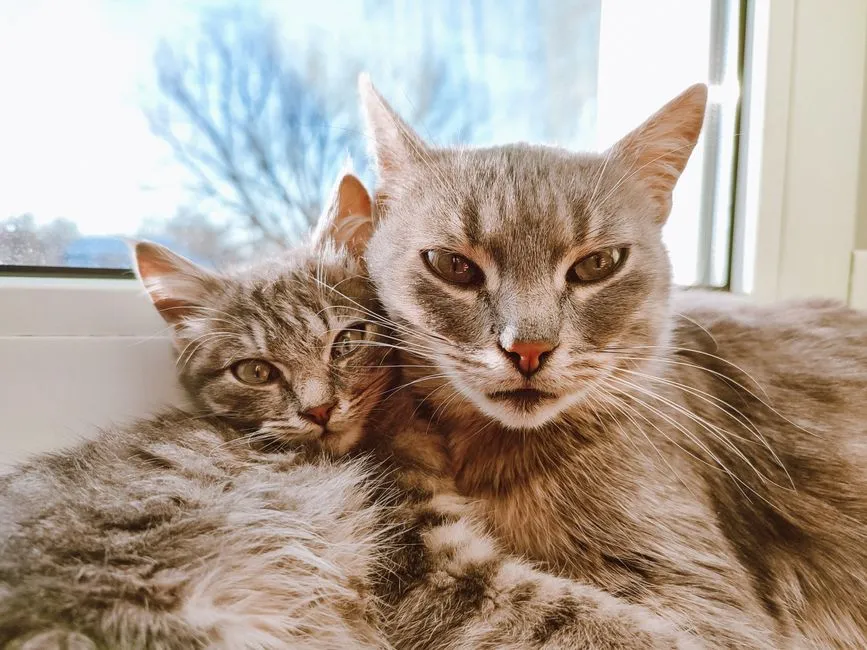
To you, this might be the most heartbreaking stretch of your life. To your cat, it’s simply now, and they’re reading your body language far more than your words. Vets repeatedly say a steady, soft voice can comfort more than any toy or treat in these final weeks.
You’re allowed to cry. Just try not to sob into them or shout across the room while holding them. Speak slowly, close to their ear, and narrate plainly what’s happening as you move or medicate them. Vet techs often notice cats visibly relax the moment an owner shifts from panicked chatter to low, steady reassurance. You are the one constant left in their world, and that steadiness becomes the emotional wallpaper of their last days, even while your own heart is in pieces.
#10 – Temperature and Light Tuned to Their Aging Body
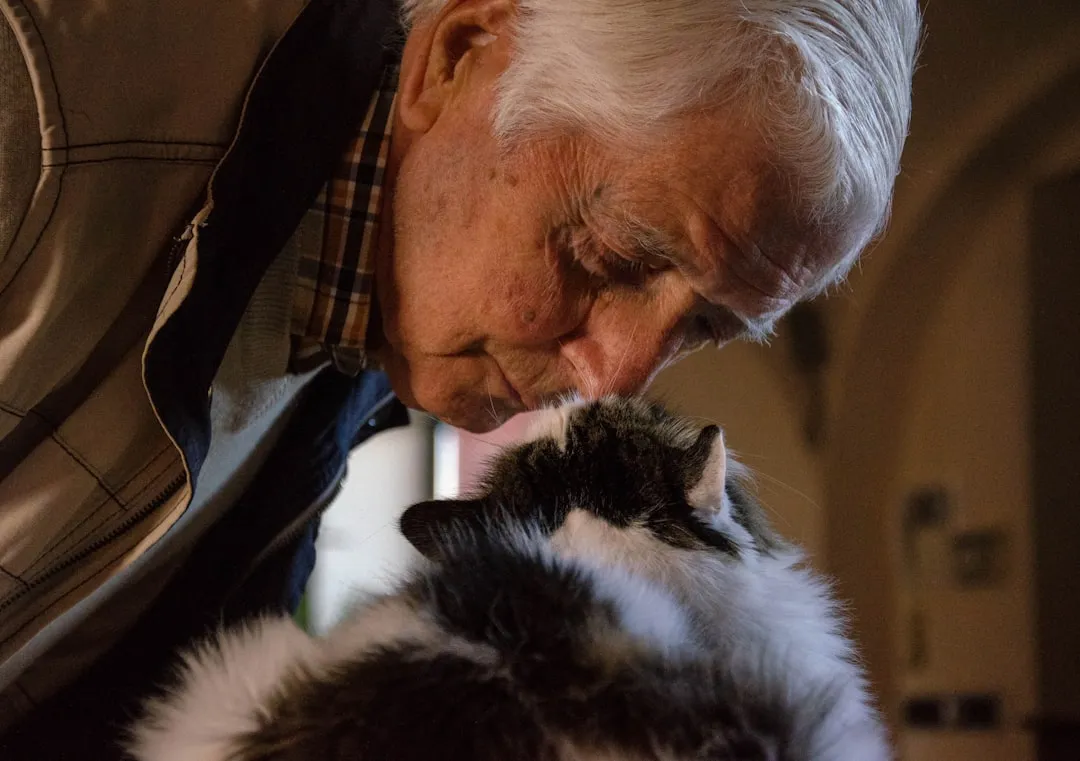
Tiny environmental tweaks can feel massive to a failing body. Older cats struggle to regulate temperature, and either bright light or total darkness can leave them disoriented. Vets often recommend a soft environment – warm without being stuffy, dim without being pitch black.
Give them a warm, draft-free bed away from vents and windows, plus a small indirect night-light so they’re never moving through total darkness. A thick blanket, self-warming mat, or supportive bed can ease arthritis and weight loss almost as much as an extra pill. Check ears and paw pads for clues – too hot or too cool matters. Adjust the room before you adjust the medication; trying to rest cold, in harsh light, while sick, isn’t something most of us could manage either.
Worth Knowing
- Cold ears, cool paw pads, or curling into a tight ball can mean a cat is chilled, not just resting.
- Panting, stretching out flat, or seeking tile floors can signal they’re too warm.
- Senior cats lose muscle mass that once helped regulate body heat, making small temperature shifts feel bigger.
- A heated bed set to low, placed a few feet away rather than directly under them, lets them choose their comfort level.
#11 – Minimal, Chosen Visitors, Not a Parade of Goodbyes
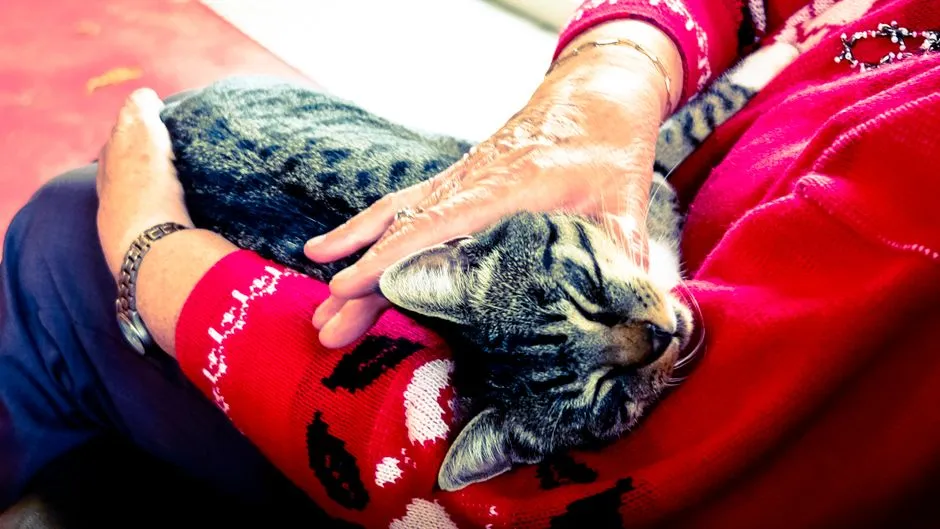
This one is more controversial than most people expect. A dying cat is not an exhibit, and flooding them with relatives who want to “say goodbye” often serves human guilt more than feline comfort. Many hospice vets now suggest keeping the circle small – just the people the cat actually knows and trusts.
Ask honestly: does this person have a real relationship with my cat, and will they stay calm and quiet instead of crying loudly and crowding in? If your cat tenses the moment someone walks in, that person doesn’t get a visit just because they’re family. Your cat’s comfort outranks human expectations now, full stop – a few short visits from chosen people beat a chaotic weekend of traffic, perfume, and unfamiliar hands.
#12 – Vet Care That Shifts from Fixing to Comfort
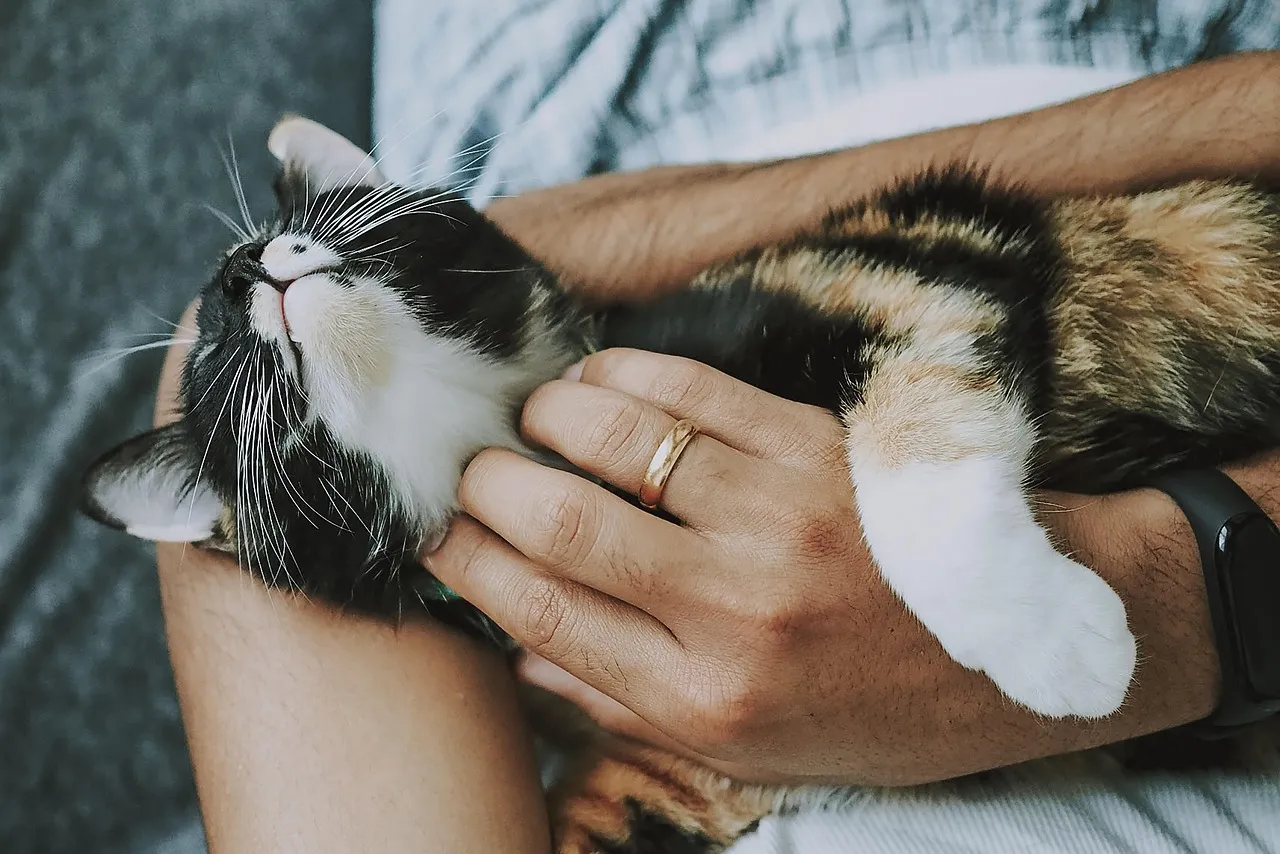
There’s a moment most owners miss when the goal should quietly shift from cure to comfort. Vets call this palliative or hospice care, and it isn’t giving up – it’s ending the war a cat’s body can’t win, and instead making every remaining day softer and less frightening.
That shift usually means fewer invasive tests and more pain and nausea control, less hauling to clinics and more home visits or tele-vet consults where possible. Vets admit that endless “just one more” procedures often ease our emotions more than the cat’s suffering. Asking directly, “if this were your own cat, what would you do?” can reset the whole conversation. When your vet starts discussing quality-of-life scales instead of lab numbers, that’s usually where real comfort begins.
#13 – Permission to Sleep, Even When It Feels Like Giving Up
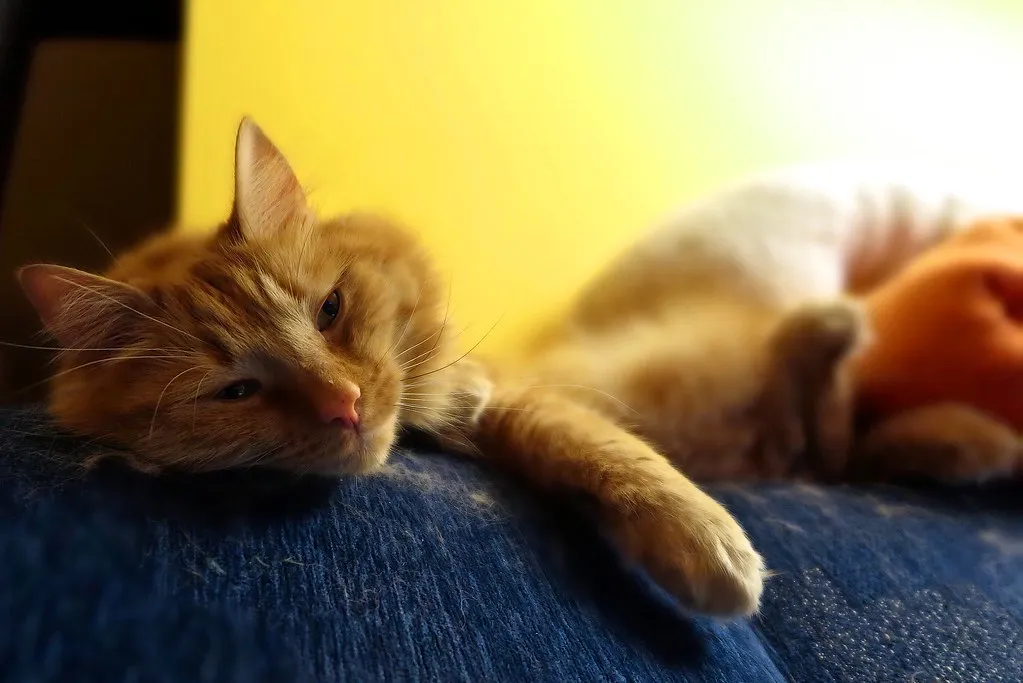
In the last weeks, a cat may sleep twenty-plus hours a day. Some owners panic and try to keep them stimulated, afraid that letting them rest means giving up. Vets strongly disagree – sleep isn’t the enemy here, it’s a genuine refuge.
Let them sleep without constant poking, repositioning, or waking for a cute picture. Your quiet presence nearby is usually more comforting than forced playtime. If you need contact, keep it short and predictable: meds, a few strokes, fresh food and water, then back to rest. One hard truth vets share is that the last real gift many cats want is simply permission to drift between sleep and waking without being pulled back for our own emotional needs. They’re not “themselves” anymore in the old sense – but they’re still them, just very tired.
#14 – A Space Free of Sudden Loud Shocks
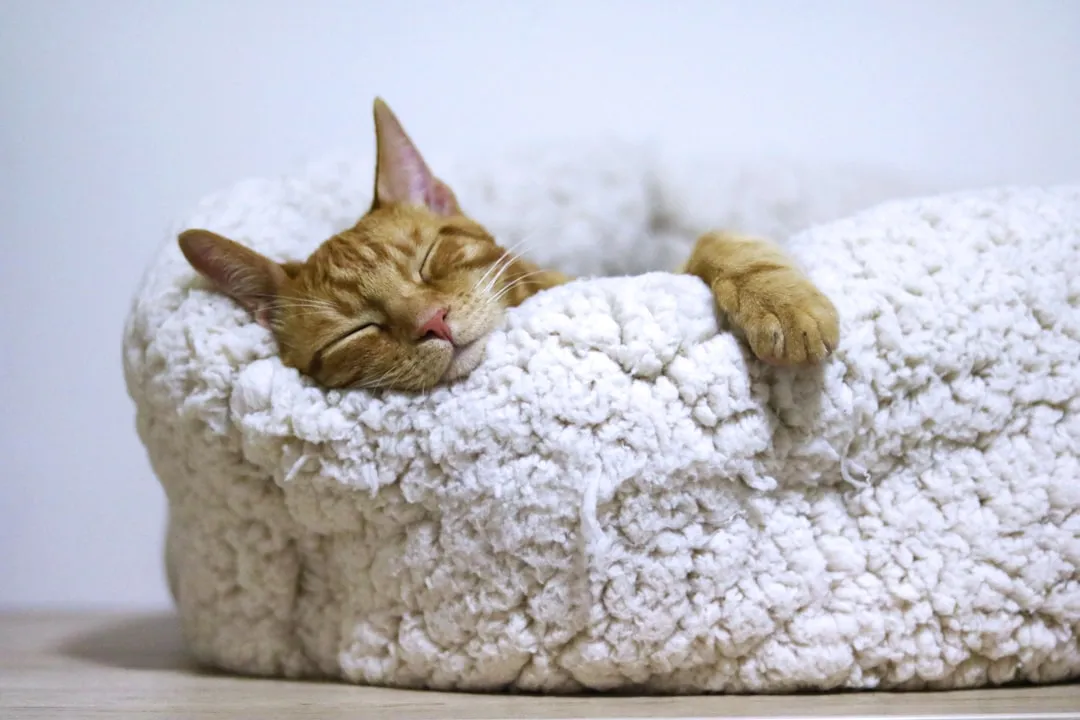
We underestimate how brutal sudden noise feels to an already frayed nervous system. In the last weeks, vets often suggest treating a cat’s environment like a recovery room – no surprises, no jolts, no sensory assaults.
That means rethinking loud TV or gaming near their safe zone, and sudden clapping, shouting, or slamming cabinets nearby. Cats with fading hearing or vision can be especially rattled by vibrations and noises they can’t locate, and a single dropped pan can trigger a full-body startle that takes minutes to shake off. Life won’t be silent, but you can build a buffer – close a door, move the litter box away from the washer, lower the volume, warn everyone in the house. Small effort, outsized payoff.
#15 – Honest, Early Conversations About “When”
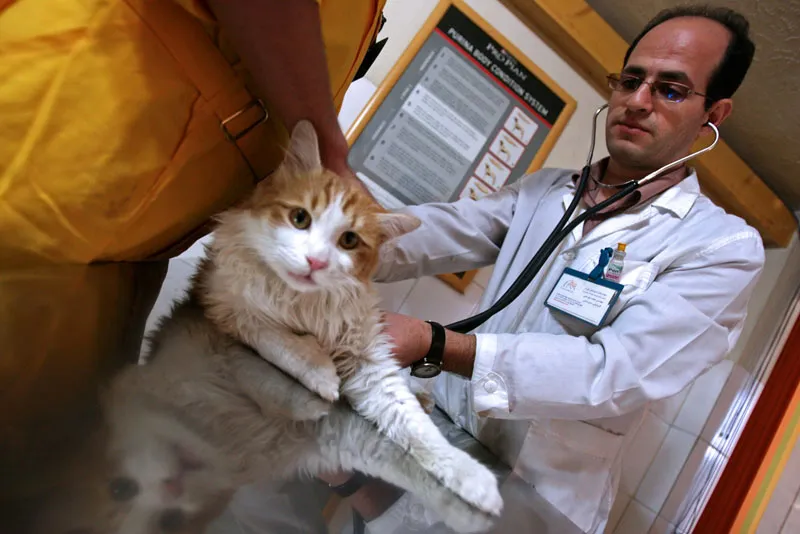
Almost nobody wants to talk about euthanasia until they’re already in crisis. But vets repeatedly say that waiting for an obvious, dramatic crash usually means you’ve waited too long. This comfort isn’t really for you – it’s what keeps your cat’s very last days from becoming a frantic ER scramble.
Have the hard conversation early, not in a parking lot. Ask your vet what specific signs would mean it’s time, and track a quality-of-life scale over days, not hours. Many experienced vets admit they’d choose “a few days too early” over “one day too late” for their own animals – a brutal-sounding stance, but one rooted in watching thousands of endings up close. Planning ahead turns a terrifying unknown into a softer, more controlled goodbye.
Why It Stands Out
- Many hospice vets lean on a simple quality-of-life framework built around hurt, hunger, hydration, hygiene, happiness, mobility, and having more good days than bad.
- Tracking even a few of these daily, on paper or a phone note, turns a vague feeling into something you can actually see change over time.
- A string of “bad” days that outnumbers the good ones is often the clearest signal vets point to when families ask, “how will I know?”
- This kind of tracking doesn’t remove the heartbreak – but it does remove much of the guesswork.
#16 – A Goodbye That Feels Like Your Cat, Not a Movie Scene

The final comfort isn’t a candlelit, camera-ready moment. It’s whether your cat spends those last minutes surrounded by whatever has always meant home to them. Vets say forced “perfect” goodbyes – new props, new scents, heightened emotion – often overwhelm a cat instead of soothing it.
Keep it small and honest: their usual blanket, your regular clothes, your everyday voice, a familiar phrase instead of a rehearsed speech. Home euthanasia, where it’s available, can be remarkably peaceful, but even in a clinic you can recreate familiarity by bringing their bed, wearing your own T-shirt, and speaking softly the way you do on the couch. The most comforting goodbyes vets witness are messy, tearful, and completely ordinary – but the cat leaves hearing the same sounds, smelling the same person, feeling the same hands they’ve trusted for years. That’s the real quiet comfort, and it’s the one that matters most.
None of these sixteen things require money, and most of them require you to do less, not more – less forcing, less fixing, less performing grief for an audience. That’s uncomfortable for a lot of owners, because we want the ending to look like something. Vets keep saying the opposite: it should feel like nothing new at all, just more of the same safety a cat has always known from you.
Some people will say it’s just a cat, don’t overthink it. They’re wrong, and most vets who’ve sat through thousands of these afternoons would say so too. How gently you handle this chapter is the last thing your cat will ever know about you – and it’s worth getting right.

- 16 Quiet Comforts Vets Say Matter Most to Your Cat in the Very Last Weeks of Its Life - August 1, 2026
- 16 Garden Choices Experienced Growers Wish They Had Made a Full Decade Earlier Than They Did - August 1, 2026
- 14 Things Veteran Gardeners Wish Someone Had Told Them Before Their Very First Full Planting Season - August 1, 2026