
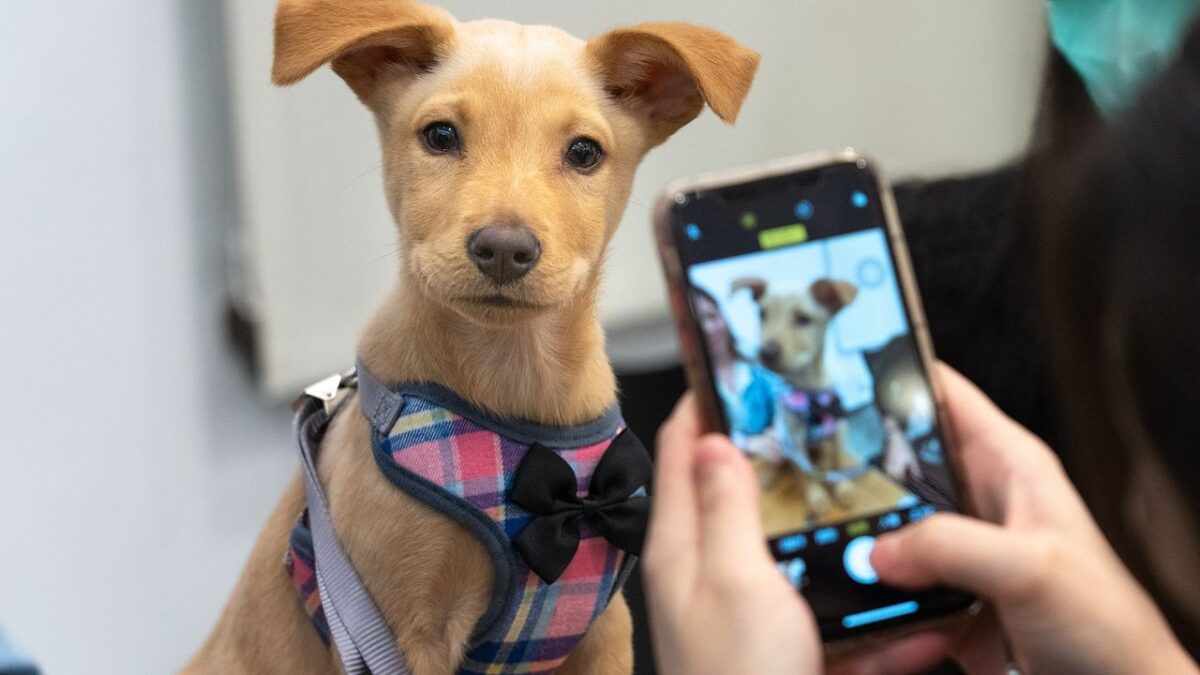
Most people walk into a shelter thinking they’re the one doing the saving. They picture themselves as the hero of the story, offering a second chance to some trembling dog in a concrete kennel. And yes, that part is real. But what nobody warns you about is what happens next, when the dog you brought home quietly, stubbornly, lovingly refuses to let you fall apart.
These 16 rescue dogs didn’t just adapt to their new families. They held on tight, pushed through fear and pain and grief, and gave back more than anyone expected. Some of their stories will make you smile. A few will wreck you. All of them will remind you why people say the dog always chooses you, not the other way around.
Fast Facts: The State of Rescue Dogs in America
- 2.8 million dogs entered U.S. shelters and rescues in 2025, according to the ASPCA.
- Approximately 2 million dogs were adopted in 2025 – but hundreds of thousands are still waiting.
- About 46% of all shelter dog intakes are strays, many of whom have known families before.
- The length of time large dogs wait in shelters before adoption has grown steadily over the past five years.
- 88% of people surveyed say saving an animal’s life is their primary reason for adopting.
16 – Lola: The Burn Survivor Who Chose Joy Anyway
Lola arrived at the Animal Rescue League of Iowa as a puppy with severe burns covering her small body. The kind of pain she endured before rescue is hard to think about for long. Most animals in her condition retreat inward, wary of every hand that reaches toward them. Lola did the opposite. She leaned in.
Hannah Stuart took her in as a foster, telling herself it was temporary. Lola had other plans. Her affectionate, resilient spirit made “temporary” feel increasingly ridiculous, and Hannah adopted her permanently. Now a decade old, Lola moves through her home like she’s always belonged there, because she does. She’s proof that trauma doesn’t have to write the final chapter.
15 – Boo: The Dog Who Waited a Month for People Who Never Came Back
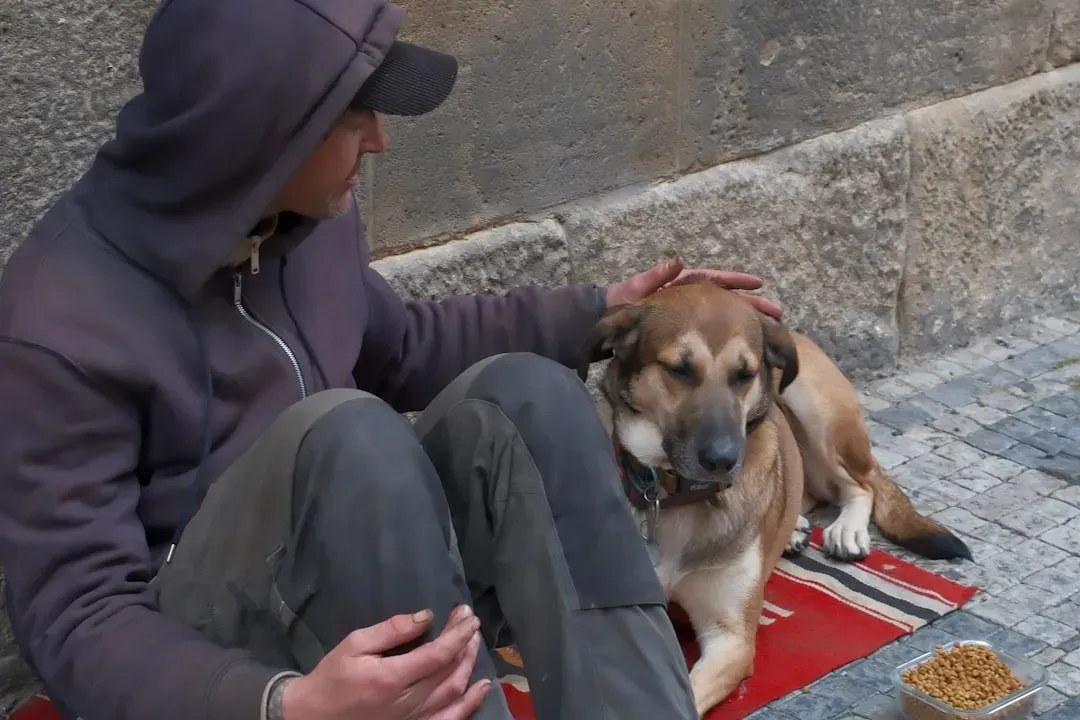
When Boo’s owners left, he didn’t understand that they weren’t coming back. So he waited. For a full month, he stayed outside his former home in Detroit, sleeping in the same spot, watching the same driveway. Neighbors kept him fed, but no one could convince him to leave. Loyalty like that, directed at people who had already abandoned him, is almost too much to sit with.
Dustin Oliver from Detroit Youth and Dog Rescue spent hours earning Boo’s trust before he could finally bring him in. What happened next says everything about rescue dogs: Boo didn’t become guarded or cold. He transferred that same fierce devotion to his new family and never looked back. Some dogs love you harder because they know what loss feels like.
14 – Basil: Named After a Memory, Chosen to Help Carry the Grief
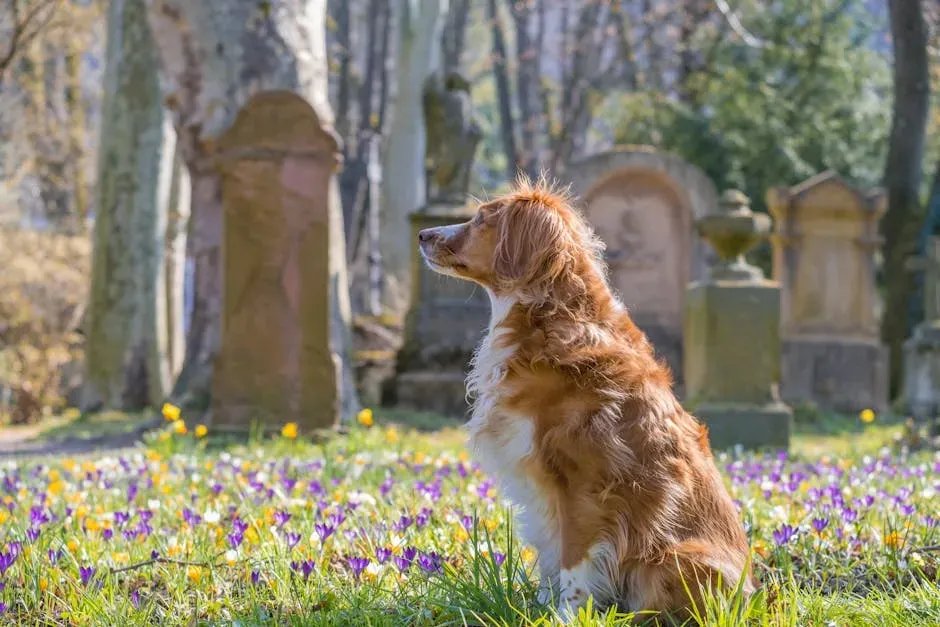
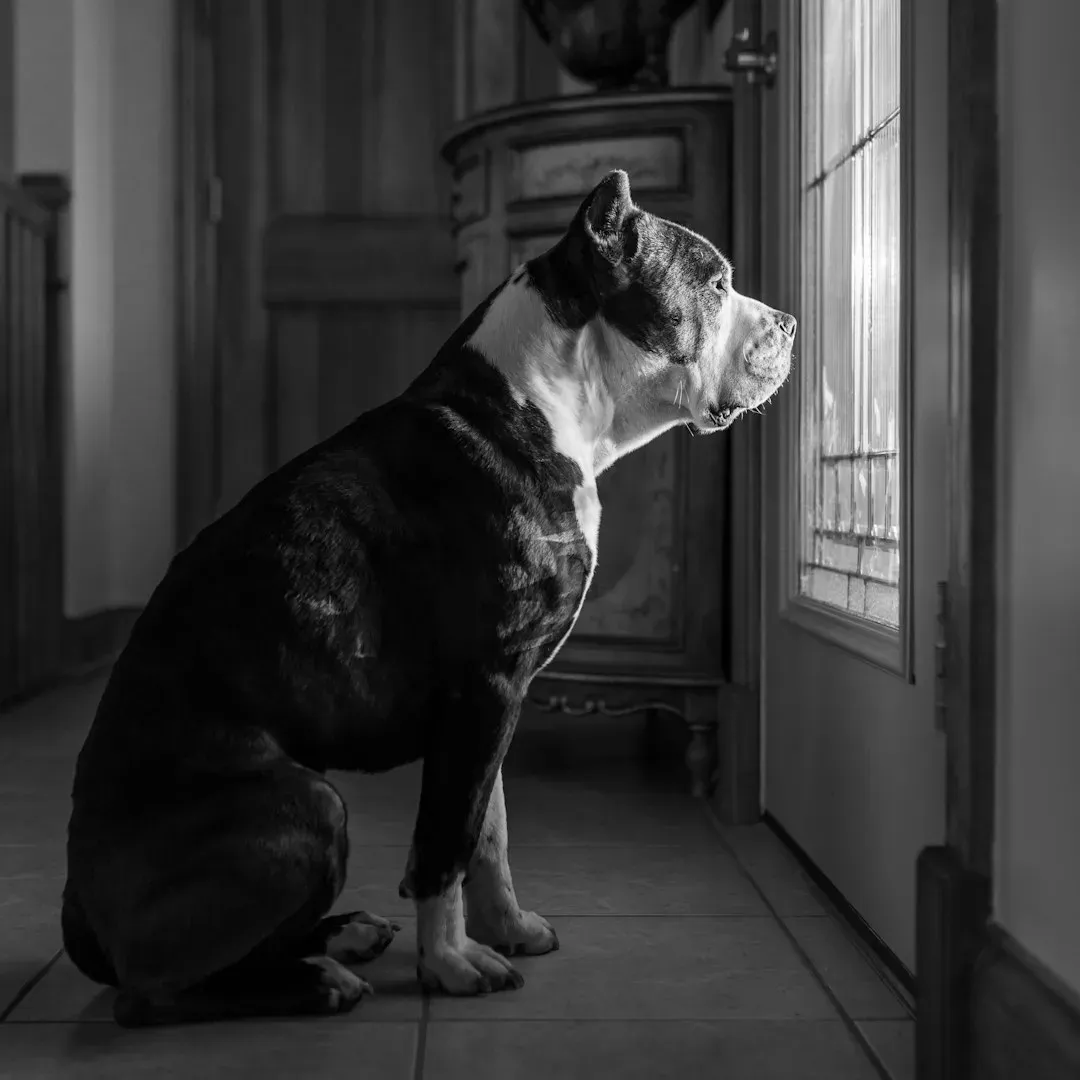
When a young woman lost her boyfriend suddenly, she was left with a name they had chosen together for a dog they never got to adopt. She adopted him anyway, and named him Basil. There’s something about that decision, honoring a future that was stolen by bringing a piece of it to life, that takes real courage.
Basil didn’t know any of this backstory, of course. He just showed up every morning, goofy and warm and present, demanding walks and belly rubs and completely indifferent to grief schedules. That relentless, cheerful aliveness is exactly what she needed. Basil didn’t replace what was lost. He just made it possible to keep going.
13 – Bruno: The Gentle Giant Who Became the Kids’ Best Friend
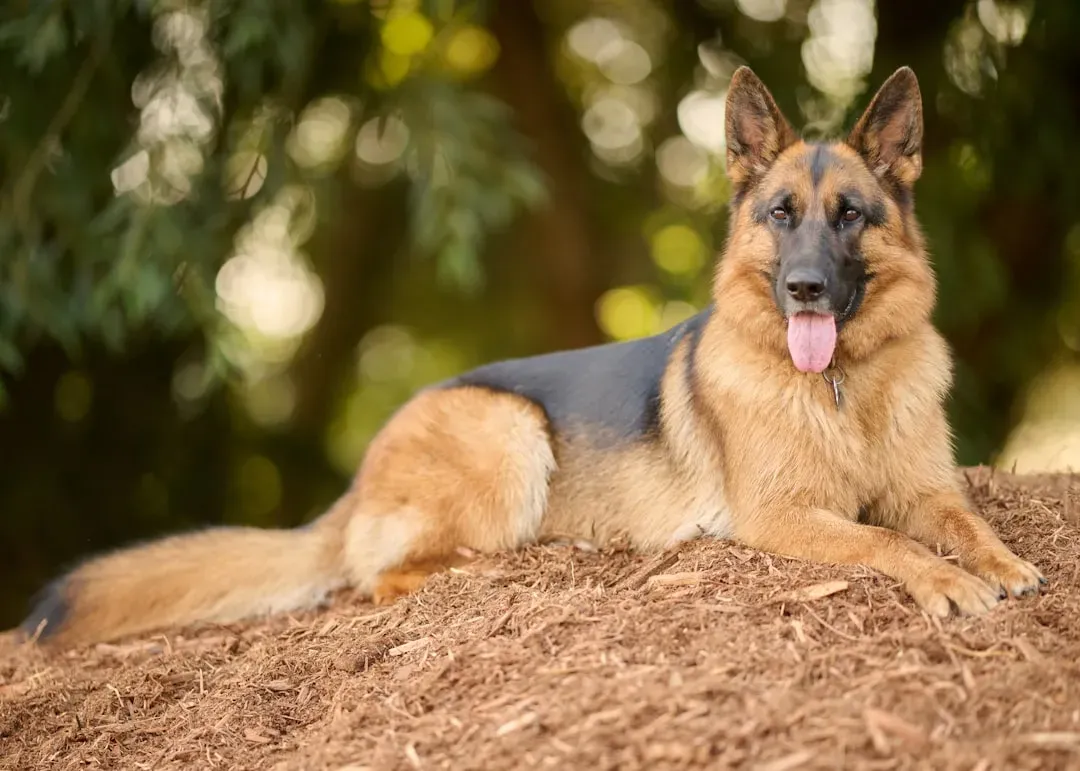
Emily’s family had a specific wish list when they approached Ace of Hearts Foundation. They had young children, a busy household, and they needed a dog who was calm enough to be safe but loving enough to feel like family. Bruno walked in and immediately made the job look easy.
He settled into the family rhythm like he had always been part of it, patient with the kids, gentle with the chaos, and quietly devoted to every person in the house. Families sometimes worry that a rescue dog will need years of careful management before they truly belong. Bruno crossed that threshold in days. He didn’t just fit into their family. He made it better.
12 – Sammie: Forty Dogs, One Tiny Apartment, and the Long Road Back to Trust
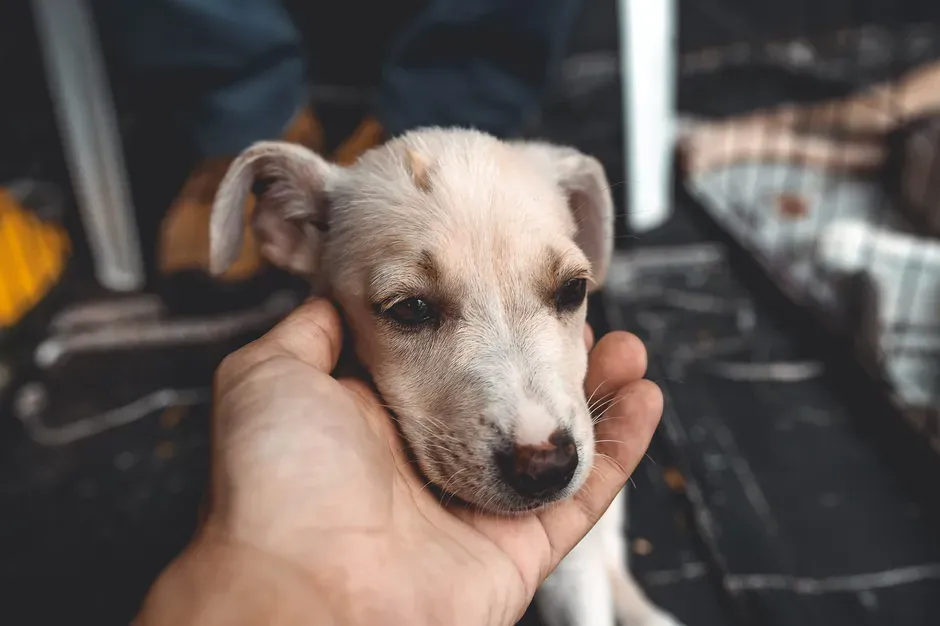
Sammie came out of a hoarding situation where he had shared a tiny apartment with roughly 40 other dogs. That’s not a home, that’s survival mode. When he was finally rescued, he had essentially shut down, fearful, withdrawn, and completely unsure what safety was supposed to feel like.
His new family didn’t push. They gave him space, consistency, and time. Slowly, Sammie came back to himself. The dog hiding behind that wall of fear turned out to be warm, curious, and deeply loyal once he believed the stability was real. Sammie’s story isn’t just about his transformation. It’s a reminder that some dogs need you to be steady long before they can show you who they are.
Worth Knowing: Why Some Dogs Take Longer to Open Up
- Dogs from hoarding or neglect situations often need weeks or months to decompress before showing their true personality.
- Consistent routines – same feeding times, same walking route – are among the most powerful tools for rebuilding trust.
- Patience, not training intensity, is typically what unlocks a shut-down dog’s real self.
- Many shelters report that behavioral challenges are rising – but so are the programs designed to address them.
11 – Milo: Sold on a Street Corner, Destined for Something Better
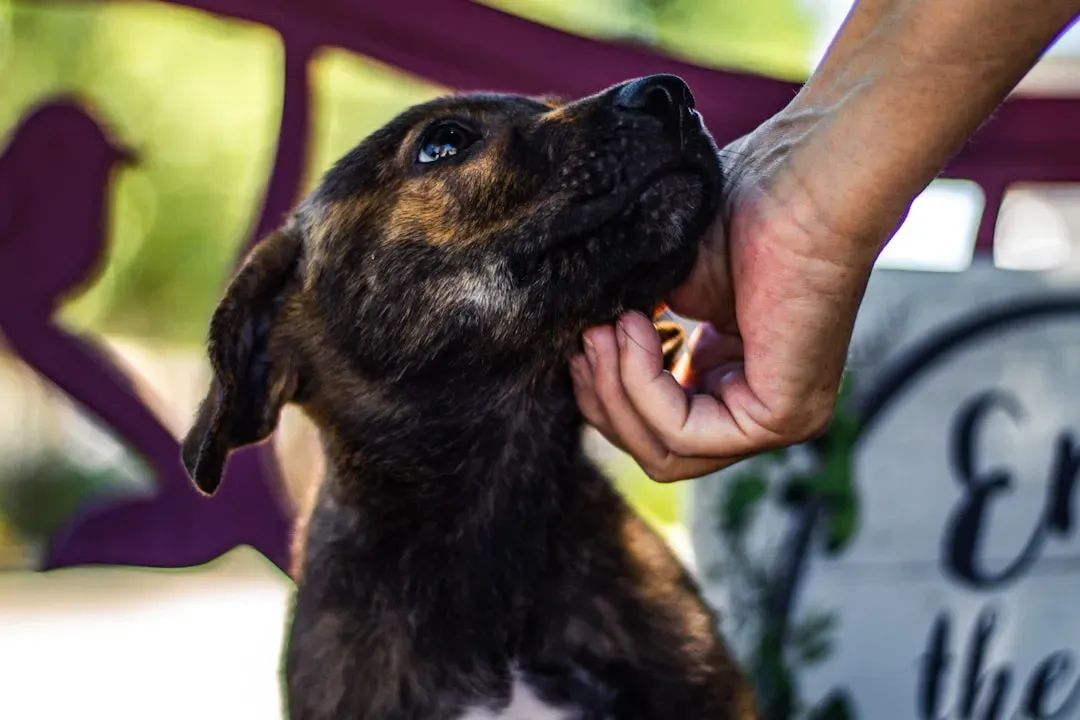
Milo, then called Hutch, was being sold on a street corner when he was found. Not surrendered to a shelter, not found wandering. Sold, casually, like he was a commodity. The indignity of that start makes what came next feel even more meaningful.
After rescue and rehabilitation, Milo was adopted by a family who gave him exactly what that street corner never could: permanence. A name he got to keep. People who came home every day. Milo settled into his new life with the kind of easy joy that suggests he somehow knew he’d made it to the right place. Dogs don’t hold onto the insult of a bad beginning. They just get busy loving the life they have now.
10 – Sarge: The “Difficult” Dog Who Just Needed Someone to Stay
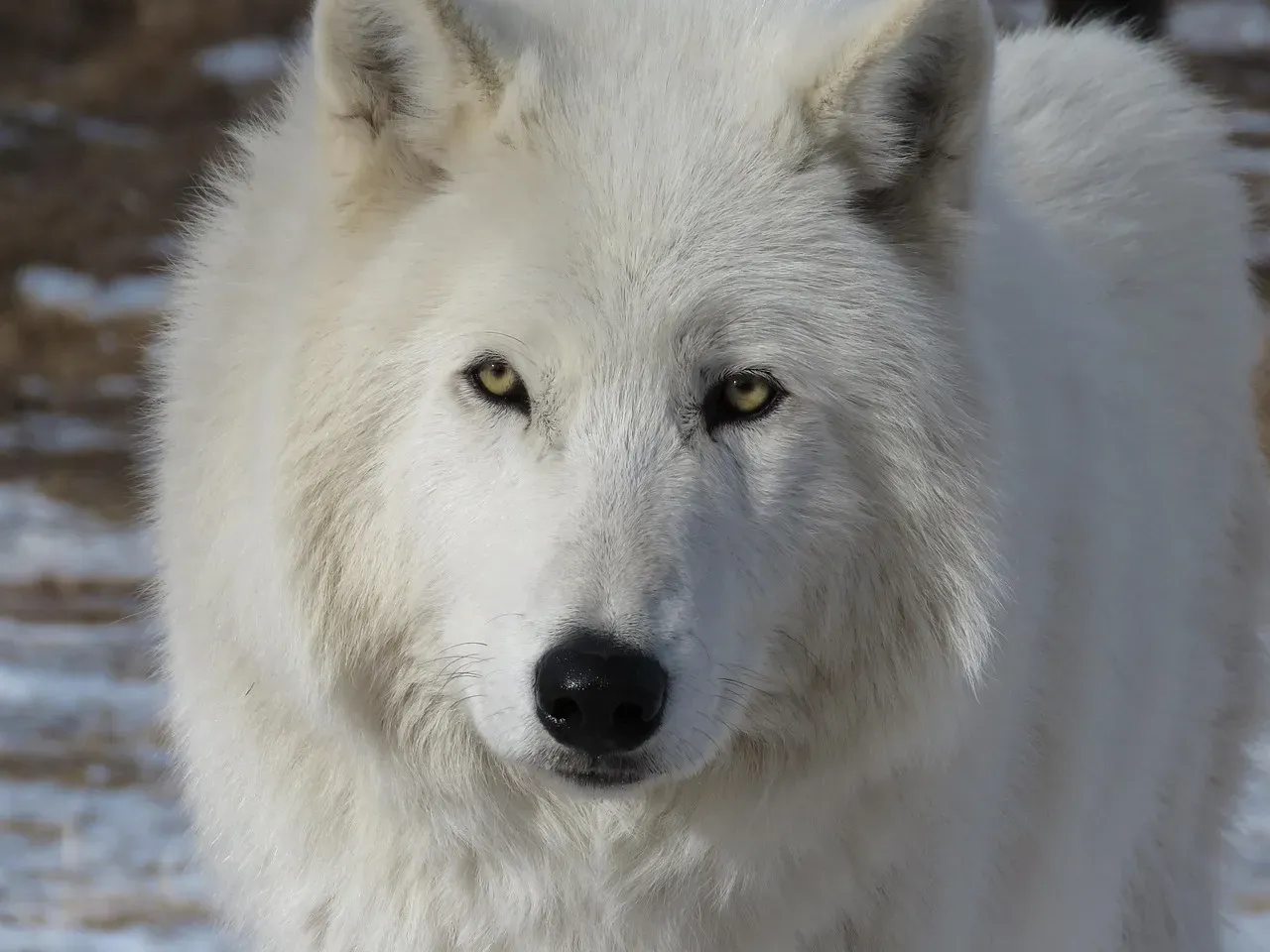
Sarge came with a reputation. Behavioral challenges that had made previous placements fall through, a history that made potential adopters hesitate. He was the dog people looked past on the way to the easier ones. Finding someone willing to put in the real work felt uncertain for a long time.
Then the right person showed up and simply refused to quit. Through patient, consistent training and the kind of commitment that doesn’t waver when things get hard, Sarge became a different dog. Not a different personality, the same dog, just finally given the tools and the safety to be his best self. His story is a quiet argument against giving up on the ones who need the most.
9 – Oliver: The Stray Who Turned His Adopter Into an Advocate

Oliver arrived at his rescue as a stray with a surplus of energy and a brain that wanted constant engagement. He learned fast, adapted quickly, and had a personality so vivid it was hard not to be charmed by him. His adopter Alex wasn’t prepared for how much he would change her, not just her daily routine, but her whole sense of purpose.
Watching Oliver transform from a stray with no history to a dog with a full life and a devoted person inspired Alex to become a volunteer at the rescue organization. One dog’s adoption created ripples that helped other dogs get the same chance. Oliver didn’t just find a home. He helped make more homes possible.
8 – Teddy: The New Dog Who Immediately Became the Other Dog’s Best Friend
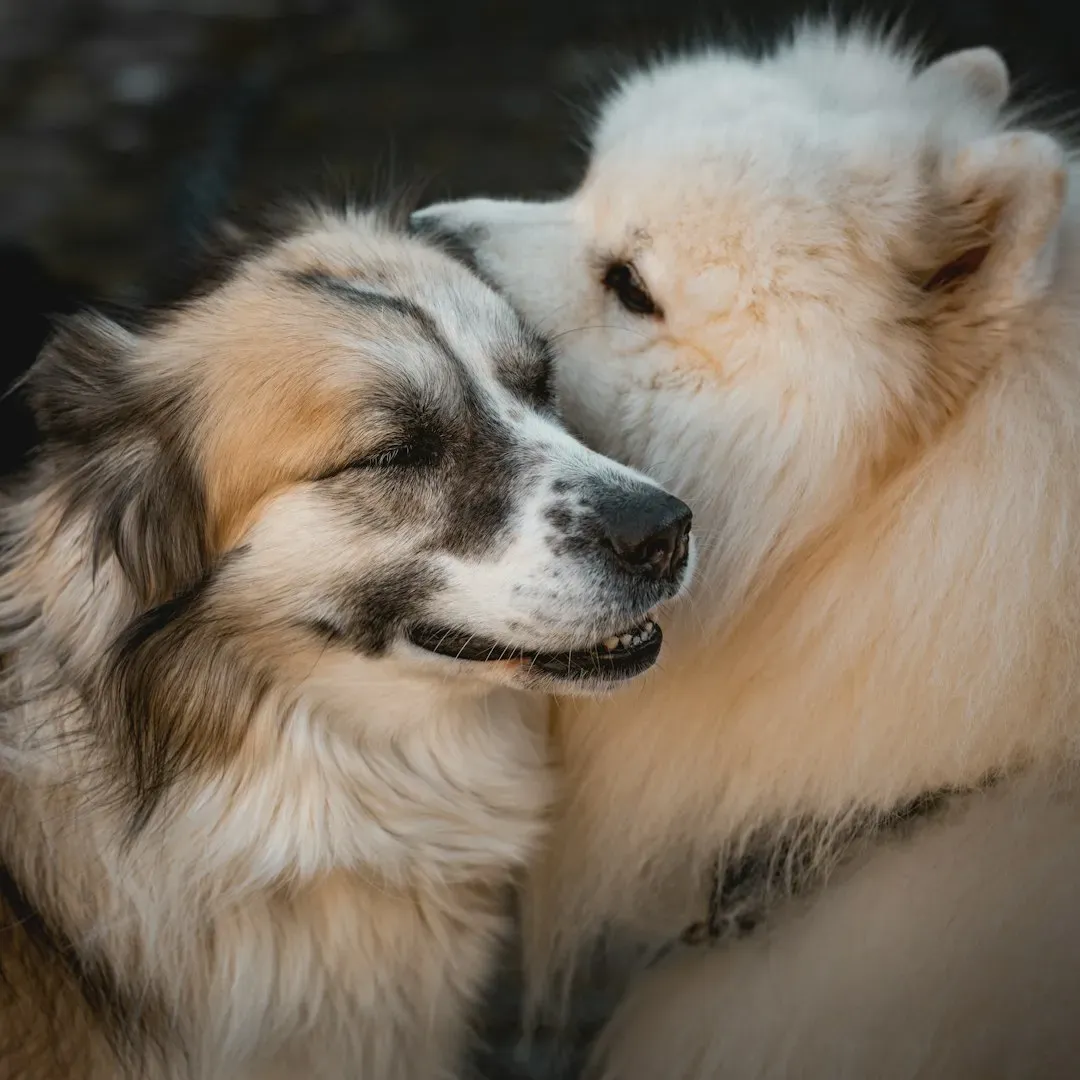
Some rescue dogs need weeks or months to feel comfortable in a new home. Teddy apparently missed that memo. From nearly the first day, he and the family’s existing dog Max operated like they had grown up together, sharing toys, sleeping in the same spots, moving through the house in easy tandem.
For the family, watching that friendship form was one of the unexpected joys of the adoption. They had hoped for a dog who would fit in. What they got was a dog who upgraded the whole household. Teddy proved something that experienced rescue adopters already know: sometimes the dog you weren’t sure about becomes the one you can’t imagine living without.
At a Glance: What Most Adopters Don’t Expect
- The bond often forms faster than people anticipate – many adopters report feeling deeply attached within the first two weeks.
- Rescue dogs frequently integrate with existing pets better than expected, especially when introductions are done on neutral ground.
- Between 7% and 20% of adopted pets are returned within the first six months – usually because families weren’t prepared, not because the dog was “broken.”
- Most rescue dogs arrive already spayed or neutered and come with vaccination records, reducing early vet costs significantly.
7 – Ichiro: The Dog Who Made “Before” Feel Hard to Remember
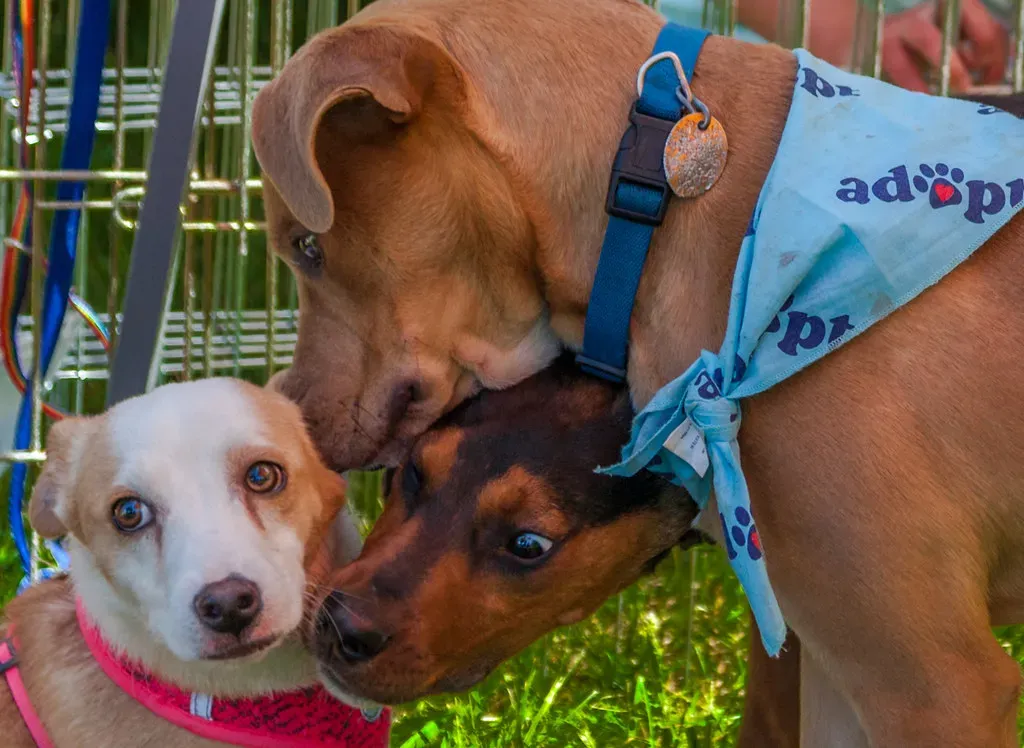
Ichiro came in under the name Astro, and while the name changed, everything that made him remarkable stayed intact. He was energetic, affectionate, and completely committed to being involved in whatever his new family was doing. Within weeks, the house felt different without him in it, which is to say, it felt emptier than it ever had before he arrived.
His adopters have said plainly that they can’t imagine life without him now, which might sound like ordinary sentiment until you realize how many rescue dogs spend their lives passed over, unseen, running out of time in kennels. Ichiro’s story is joyful, but it carries a shadow: there are thousands of dogs exactly like him still waiting. He just got lucky enough to find his people first.
6 – Daisy: The Senior Dog Who Proved Age Is Not a Dealbreaker
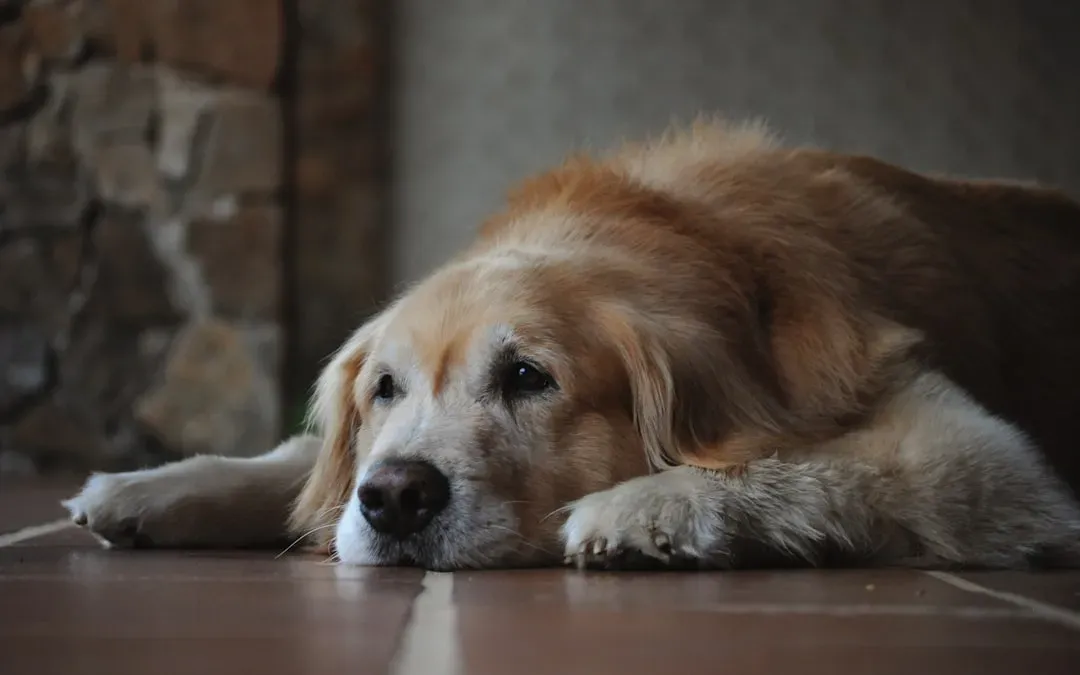
Daisy was several years past the age when most shelter dogs get adopted, which is to say she was overlooked constantly. Puppies and young dogs move fast. Seniors wait. Daisy waited. And then a family who specifically wanted a calmer, more settled companion chose her, and something quietly extraordinary began.
She required a gentler pace, shorter walks, a warm spot to sleep. What she gave back was a depth of presence that younger dogs rarely have. She seemed to understand that she had been chosen against the odds, and she responded with a steady, grateful love that filled the house in a way no one quite expected. Senior dogs don’t ask for much. They just give everything they have left, and it turns out that’s more than enough.
Quick Compare: Senior Dogs vs. Puppies in Shelters
| Senior Dogs (7+) | Puppies & Young Dogs | |
|---|---|---|
| Adoption rate | ~25% | ~60% |
| Time spent waiting | Up to 4x longer | Moves quickly |
| Energy level | Calmer, settled | High, needs training |
| Personality | Already formed | Still developing |
| Best for | Quieter homes, seniors, apartments | Active families, children |
5 – Rex: The Dog Who Sensed Something Was Wrong Before Anyone Else Did

Rex had been in the shelter long enough that staff had started to worry. He wasn’t aggressive, wasn’t broken, just overlooked. When his adopter finally brought him home, there was an adjustment period, cautious circling, gradual trust. And then one night, Rex woke his owner at 3 a.m., insistent and urgent in a way that couldn’t be ignored.
His owner had a medical issue that needed immediate attention. The doctors later said that the delay of even another hour could have made the outcome far worse. Rex had no training for this. He just knew something was wrong and refused to let it go unaddressed. That’s not a trick you can teach a dog. That’s a dog who has fully claimed the people he loves as his to protect.
4 – Luna: The Dog Who Helped a Veteran Find His Footing Again
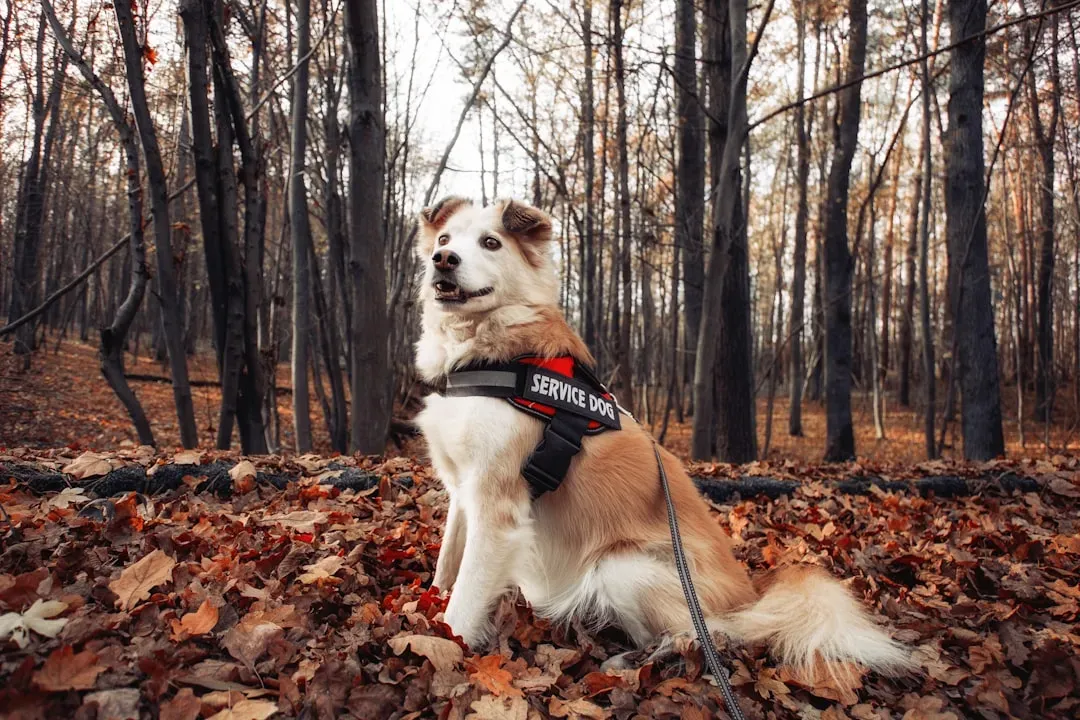
Coming home from military service sounds like it should be the good part, but for many veterans the transition back to civilian life is its own kind of war. Noise, crowds, sleep, ordinary moments that feel anything but ordinary. Luna was adopted without any formal service dog designation. She just arrived and started paying attention.
She learned his patterns, stayed close during hard nights, and created a quiet routine that gave shape to days that had felt formless. His family noticed the shift long before he talked about it. Luna didn’t cure anything. But she made the hard days navigable, and on the worst ones, she was simply there, warm and real and completely unbothered by whatever darkness the night brought. Sometimes that’s the whole job.
3 – Stella: The Fearful Dog Who Taught a Grieving Child What Healing Looks Like
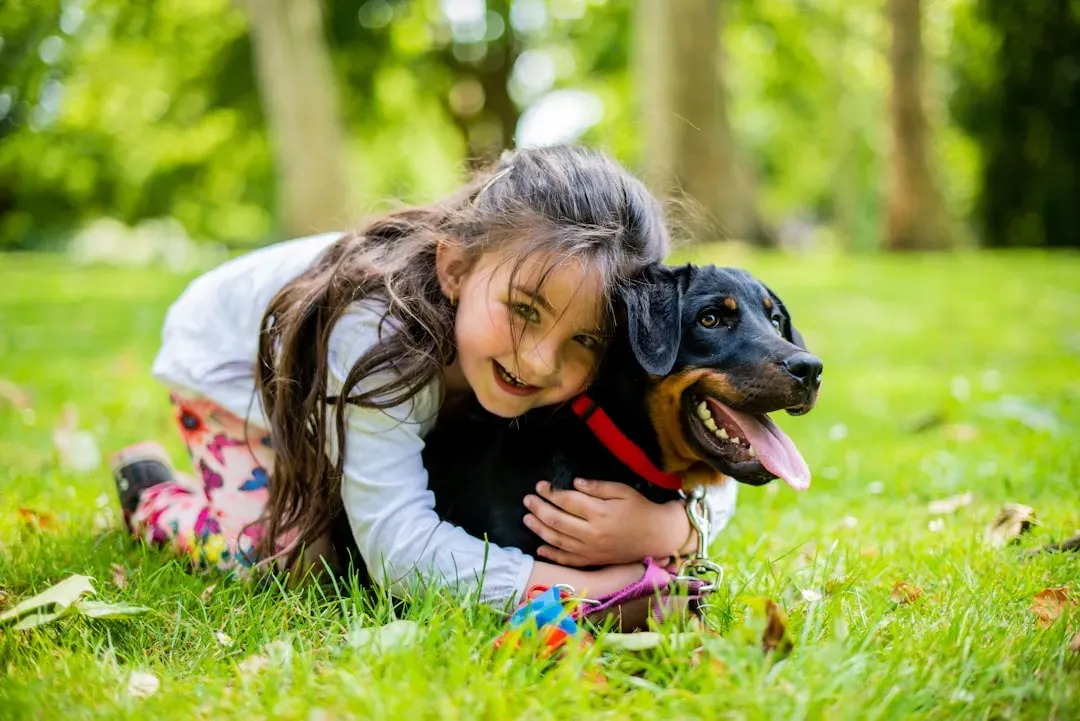
Stella came in terrified of nearly everything, loud sounds, fast movements, strangers, even certain rooms. She had clearly been through something before rescue, though no one knew exactly what. Her new family included an eight-year-old boy who had recently lost his grandfather and was struggling with a grief he didn’t have words for yet.
Something happened between them that no adult in the house fully planned. The boy took it upon himself to help Stella feel safe, moving slowly, speaking softly, sitting on the floor for hours so she wouldn’t have to look up at him. Watching her trust him, inch by inch, day by day, gave him a language for his own healing. They were both learning the same thing: that being scared doesn’t mean you’re stuck, and that sometimes the way forward is just one small, steady step at a time.
2 – Copper: The Dog Who Stayed When Everyone Else Left
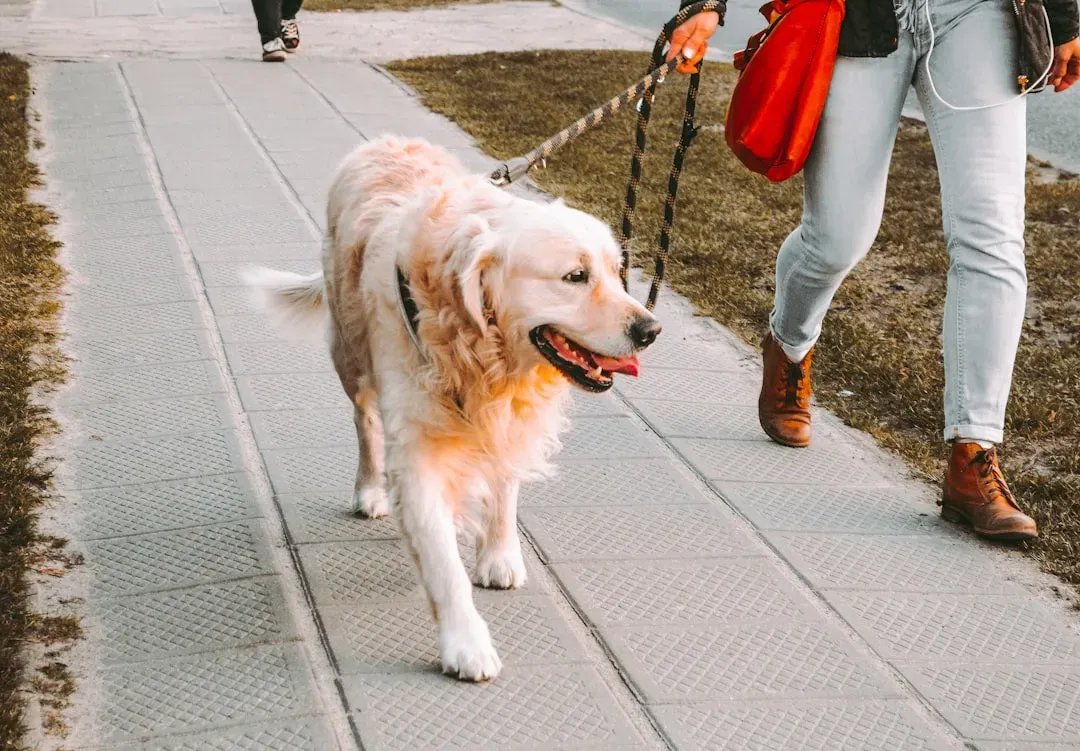
Copper was adopted during what looked like a stable chapter of his new owner’s life. Then the marriage ended, the job disappeared, and the apartment got smaller. People cycled out. Friends became harder to reach. The bad stretch lasted longer than anyone expected, and through all of it, Copper stayed.
He wasn’t performing loyalty. He wasn’t making a point. He was just there, every morning, asking for a walk, requiring food, demanding to be present in a life that could have easily collapsed inward without that small, daily obligation. His owner has said that taking care of Copper was, for a while, the only thing keeping a routine in place. Copper didn’t save him dramatically. He just refused, quietly and completely, to let him disappear.
1 – Maya: The Dog Nobody Wanted Who Became Someone’s Entire World
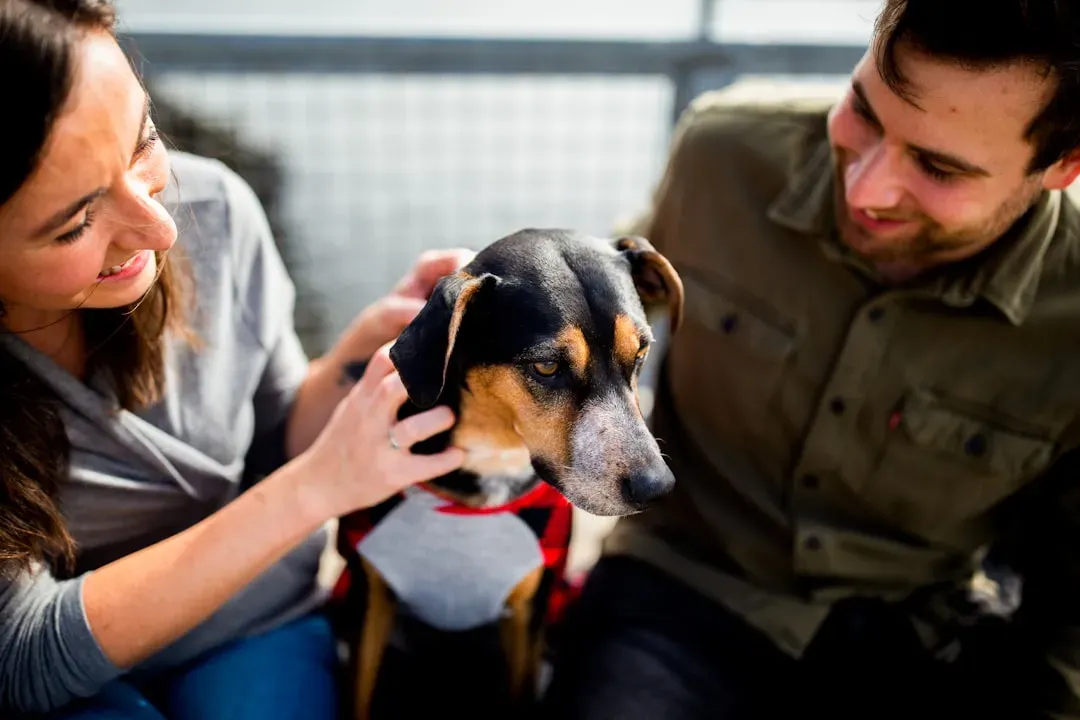
Maya had been returned twice. Two families, two failed placements, two trips back to the kennel. By the time she was three years old, she had learned not to get too excited when people came to look at her. She had also learned to protect herself with a reserve that made her seem standoffish to strangers, which made it harder to get chosen, which kept her in the shelter longer. It was a cruel loop.
Her third adopter saw something the others had missed, or maybe just stayed long enough to see it. Maya needed to believe the arrangement was permanent before she would let herself love someone again. Once she believed it, once she was sure no one was coming to take her back, she opened up completely. The woman who adopted her calls her the best decision she ever made. Maya doesn’t know she was returned twice. She only knows where she is now, and she has absolutely no intention of giving that up.
Why It Stands Out: The Truth About “Returned” Dogs
- Between 7% and 20% of adopted pets are returned to shelters within the first six months – it’s more common than most people realize.
- A return doesn’t mean the dog is unlovable. It usually means the first match wasn’t right.
- Dogs returned multiple times often become more guarded, which ironically makes them harder to re-adopt – creating a cycle that patient adopters can break.
- With over 14,000 rescue organizations operating across the U.S., the right match is out there for nearly every dog – it just requires the right person to stay long enough to see it.
Here’s the opinion nobody in the shelter system will argue with: we have this backwards. We talk about rescue dogs like they’re damaged goods that need to be fixed before they’re worth loving, like patience with a rescue is some kind of charity. But dog after dog, story after story, the evidence points the other direction. These animals come in having survived things that would break most of us. And then they turn around and pour everything they have into the families lucky enough to choose them. The dogs aren’t the ones who need saving. Plenty of the time, we are. And somehow, they already know that.

- 10 Things Otters Do That Reveal Their Remarkably Complex Social Lives - July 16, 2026
- Crows remember dangerous places long after the threat has disappeared. - July 16, 2026
- 7 US States With the Most Arctic Foxes - July 16, 2026