
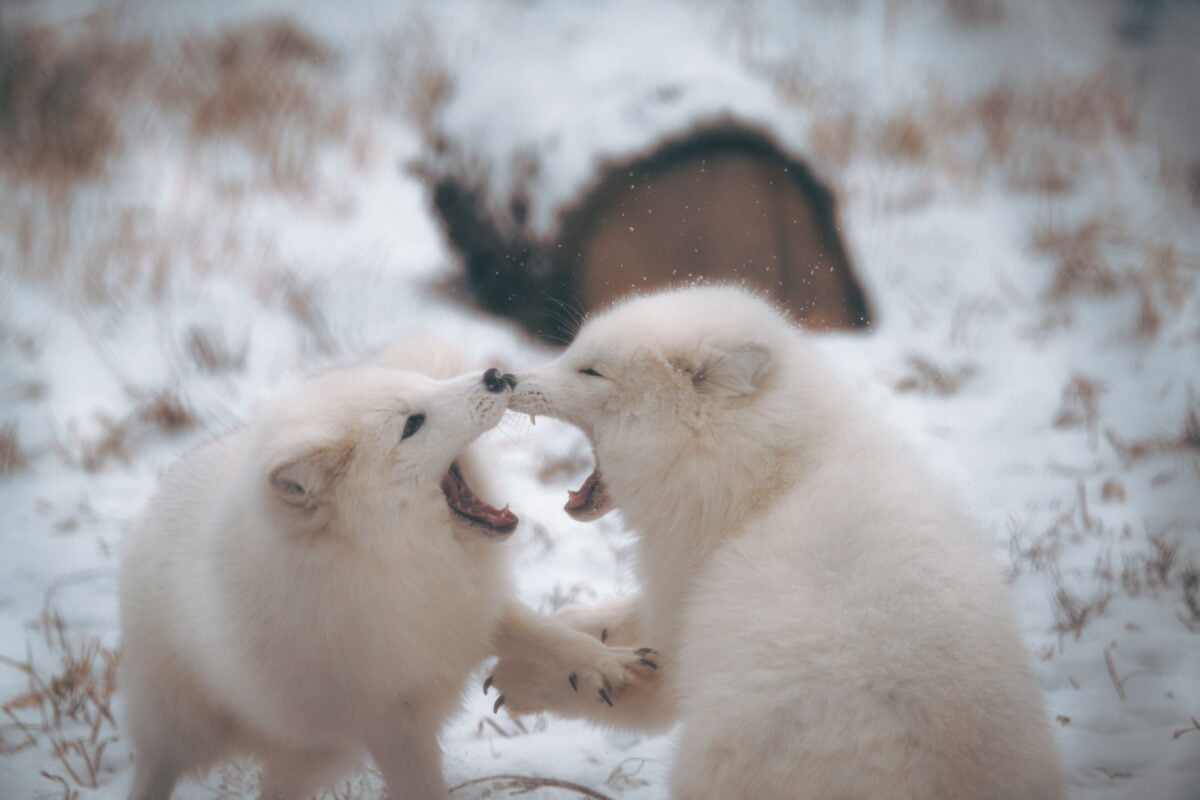
The Arctic fox, a resilient and captivating creature, thrives in some of the harshest environments on Earth. While its presence is predominantly associated with the icy expanses of the Arctic, certain U.S. states provide suitable habitats for these adaptable animals. Let’s explore the seven U.S. states where Arctic foxes are most commonly found.
Alaska: The Arctic Fox Stronghold
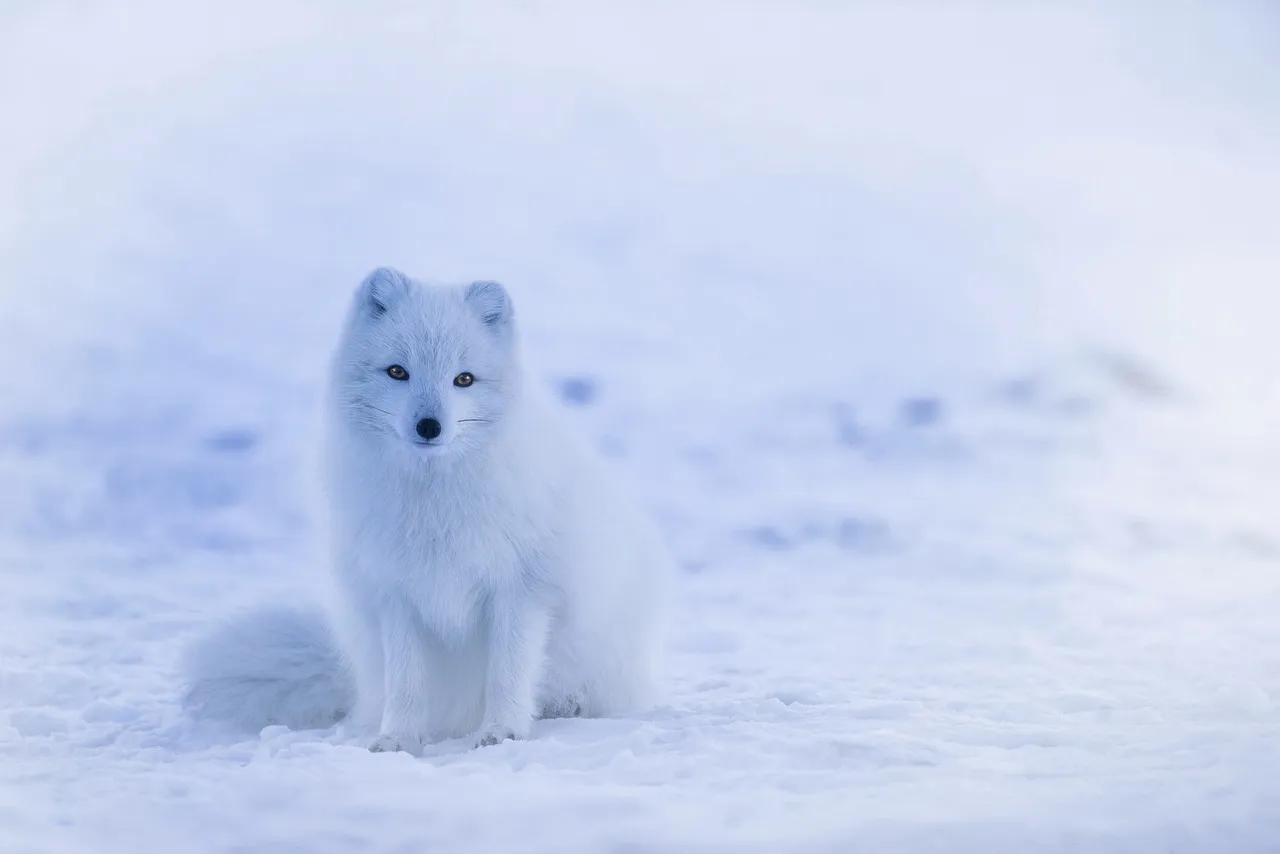
Alaska stands as the primary habitat for Arctic foxes in the United States. These foxes are widespread across the state’s vast tundra regions, from the Aleutian Islands to the northernmost areas near Utqiagvik. The diverse landscapes, including coastal areas and open tundra, offer abundant food sources and denning sites, making Alaska an ideal environment for Arctic foxes.
In Alaska, Arctic foxes exhibit remarkable adaptability, thriving in both coastal regions and inland tundra. Their diet is varied, consisting of small mammals like lemmings, birds, and even carrion left by larger predators. This versatility ensures their survival in the state’s challenging conditions.
Washington: Occasional Sightings
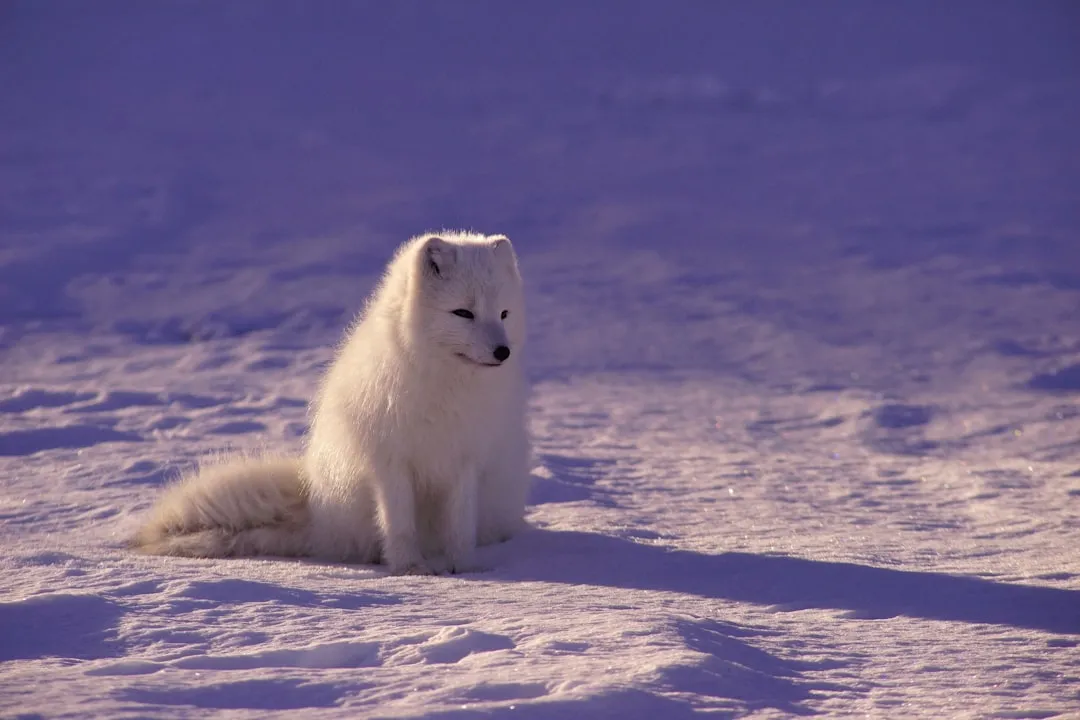
While not a primary habitat, Washington has reported occasional sightings of Arctic foxes. These instances are rare and typically involve individual foxes that have wandered from their usual range. The state’s diverse ecosystems, from coastal areas to mountainous regions, can sometimes support transient Arctic fox populations.
However, these sightings are infrequent, and Washington does not host a stable Arctic fox population. The state’s milder climate and different ecological conditions make it less suitable for sustaining these animals long-term.
Oregon: Rare Encounters
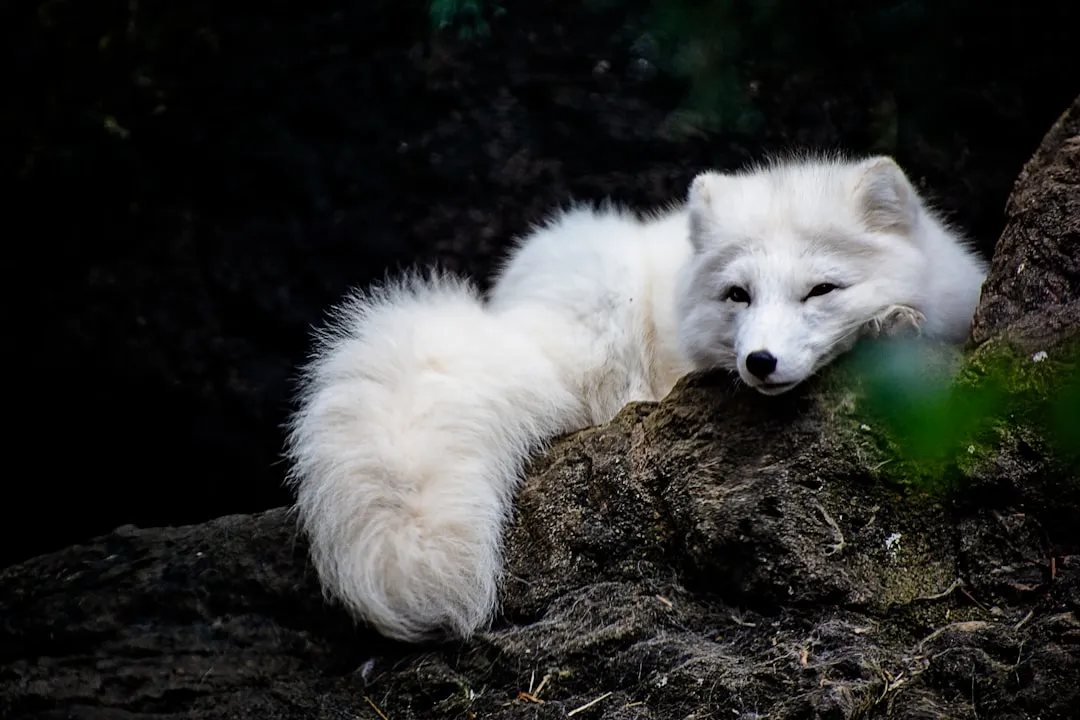
Similar to Washington, Oregon experiences rare encounters with Arctic foxes. These are typically isolated incidents involving foxes that have strayed from their native habitats. Oregon’s varied landscapes, including coastal regions and high-altitude areas, may occasionally attract these wandering foxes.
Despite these rare appearances, Oregon does not support a resident Arctic fox population. The state’s environmental conditions differ significantly from the Arctic tundra, limiting the foxes’ ability to establish a foothold.
Montana: Uncommon Visitors
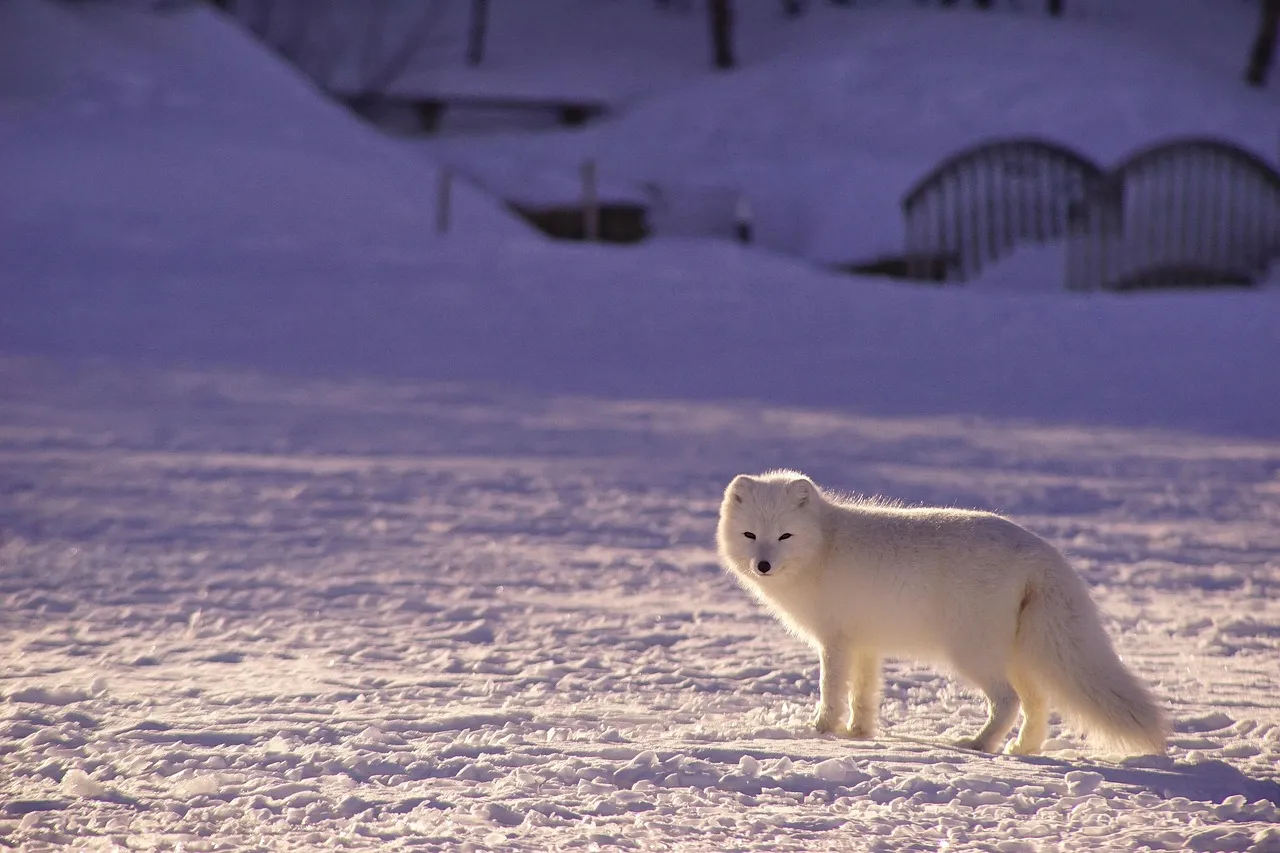
Montana’s vast wilderness areas and mountainous terrains have occasionally hosted Arctic foxes. These uncommon visitors are usually individuals that have migrated southward, possibly in search of food or new territory. The state’s colder regions can provide temporary refuge for these foxes.
However, Montana’s climate and ecosystems are not conducive to sustaining a permanent Arctic fox population. These sightings remain anomalies rather than indicators of a stable presence.
Idaho: Isolated Sightings
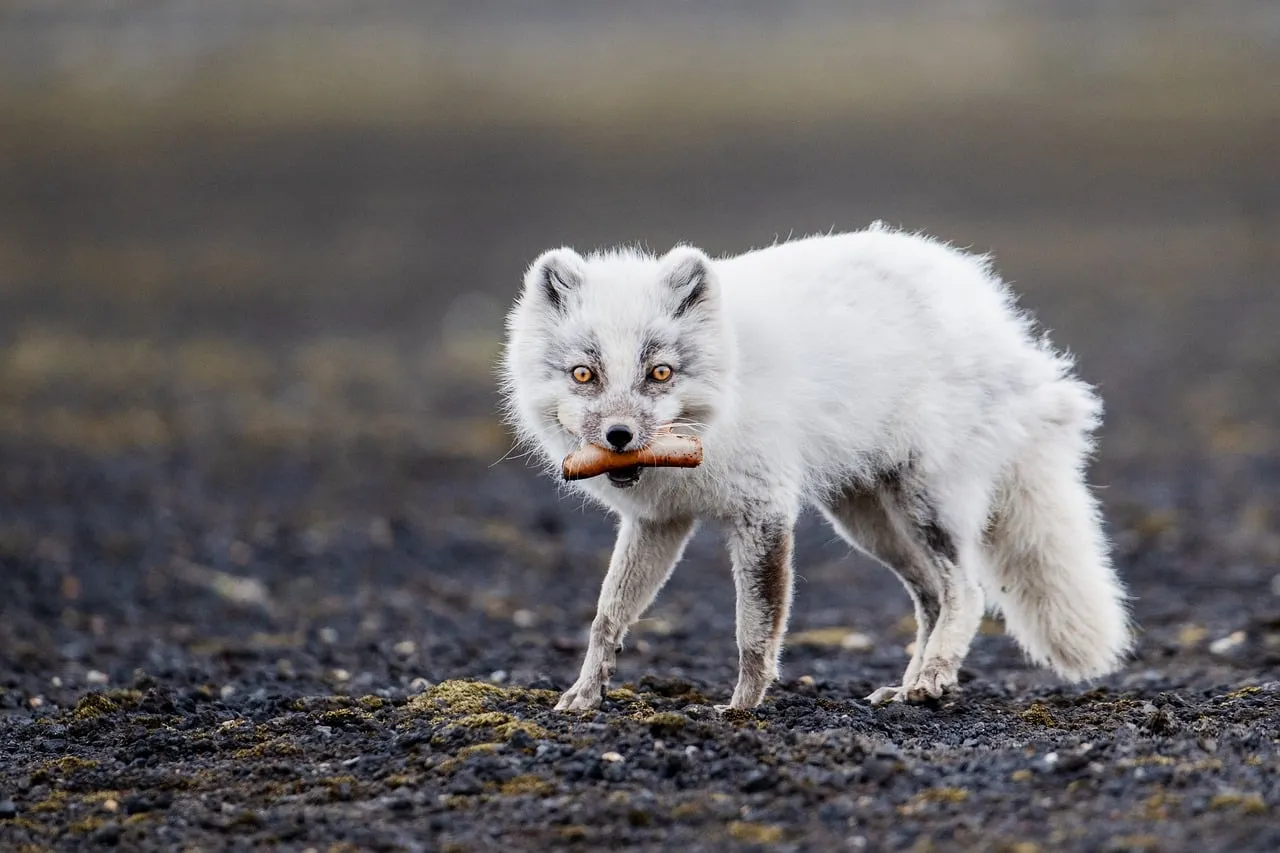
Idaho has reported isolated sightings of Arctic foxes, particularly in its northern regions. These instances are rare and typically involve foxes that have ventured beyond their usual range. The state’s diverse habitats, including mountainous areas, can occasionally support these transient animals.
Despite these sightings, Idaho does not host a resident Arctic fox population. The state’s environmental conditions differ from the Arctic tundra, making it unsuitable for long-term habitation by these foxes.
Wyoming: Occasional Appearances
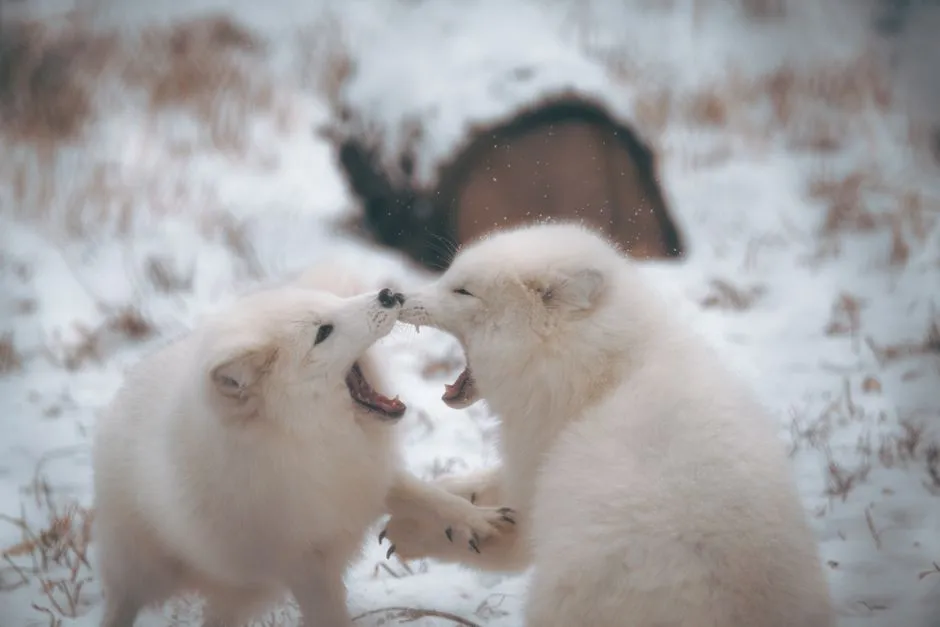
Wyoming’s rugged landscapes and high-altitude regions have occasionally seen Arctic fox appearances. These are typically individual foxes that have migrated from their native habitats, possibly in search of food or new territory. The state’s colder areas can provide temporary refuge for these animals.
However, Wyoming’s climate and ecosystems are not conducive to sustaining a permanent Arctic fox population. These sightings remain rare and do not indicate a stable presence.
Minnesota: Rare Sightings
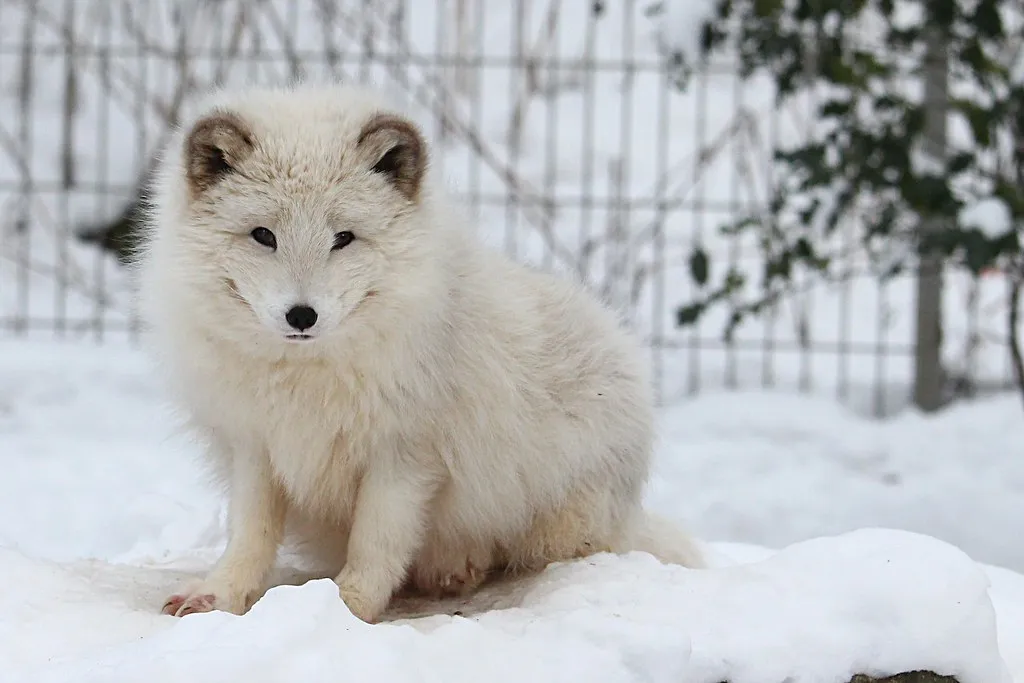
Minnesota has reported rare sightings of Arctic foxes, particularly in its northern regions. These instances are uncommon and usually involve foxes that have strayed from their typical range. The state’s colder climate and diverse habitats can occasionally support these transient animals.
Despite these rare appearances, Minnesota does not support a resident Arctic fox population. The state’s environmental conditions differ significantly from the Arctic tundra, limiting the foxes’ ability to establish a foothold.
In conclusion, while Alaska remains the stronghold for Arctic foxes in the United States, other states occasionally witness these remarkable creatures. However, these sightings are rare and typically involve transient individuals rather than established populations. The adaptability and resilience of Arctic foxes continue to captivate and inspire, reminding us of the delicate balance within our ecosystems.

- 10 Things Otters Do That Reveal Their Remarkably Complex Social Lives - July 16, 2026
- Crows remember dangerous places long after the threat has disappeared. - July 16, 2026
- 7 US States With the Most Arctic Foxes - July 16, 2026