
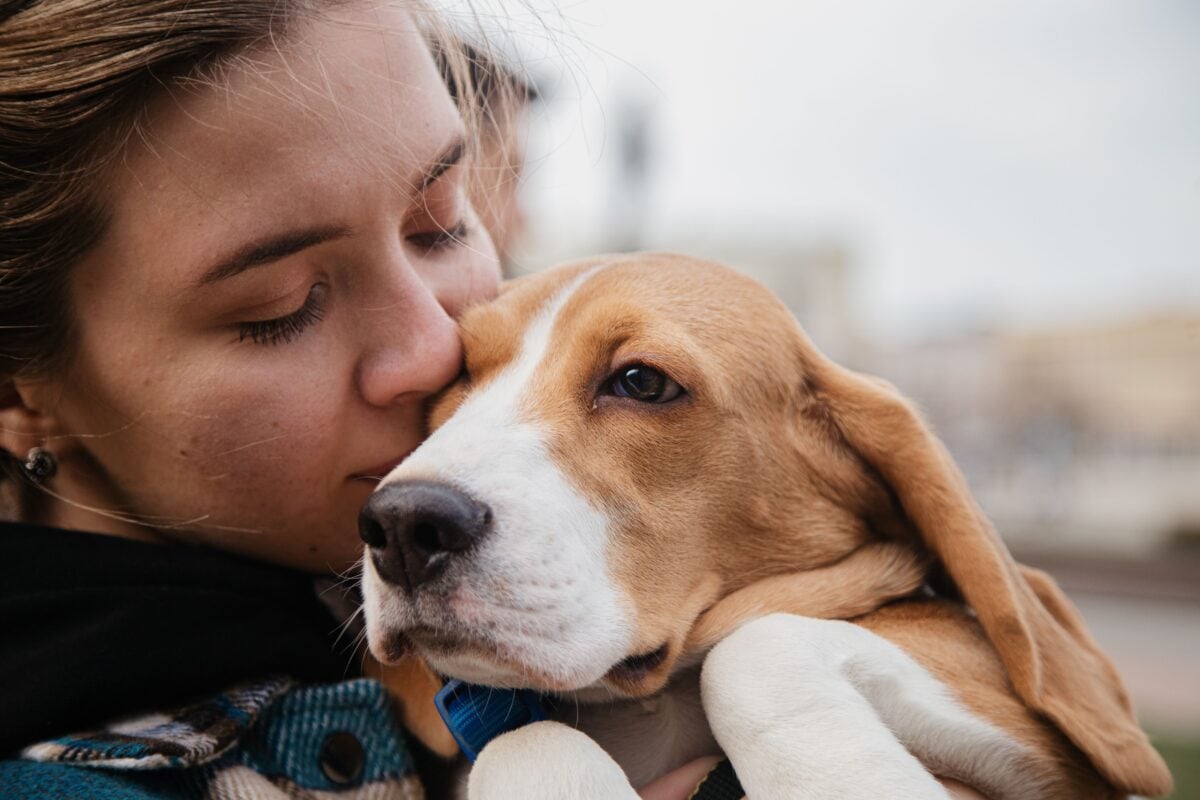
Imagine a loyal dog, steadfastly remaining at the very spot where its beloved owner passed away. This poignant behavior isn’t mere confusion or blind hope; it’s a profound demonstration of the canine mind grappling with loss through scent memory and an absence detection system that defies resolution.
The Power of Scent in Canine Memory
Dogs experience the world predominantly through their noses. Their olfactory senses are so acute that they can detect subtle changes in human body chemistry, including those associated with illness or emotional states. This extraordinary ability allows them to form deep, scent-based memories of their owners.
When an owner dies, their unique scent begins to fade from the environment. The dog, relying on this scent for comfort and orientation, may remain in places where the scent lingers longest, attempting to reconnect with their lost companion. This behavior underscores the depth of the bond formed through scent and the dog’s struggle to process its absence.
Absence Detection: A Canine’s Unresolved Protocol
Beyond scent, dogs are creatures of routine and social structure. They notice when a member of their ‘pack’ is missing and often exhibit behaviors indicating their awareness of this absence. However, unlike humans, dogs lack the cognitive framework to understand the permanence of death.
This absence detection system, when faced with the unresolvable loss of an owner, can lead to behaviors such as waiting at the last known location of the person, searching the home, or displaying signs of anxiety and depression. The dog’s brain is essentially running a program it has no protocol to complete, leading to prolonged periods of waiting and searching.
Behavioral Manifestations of Grief in Dogs
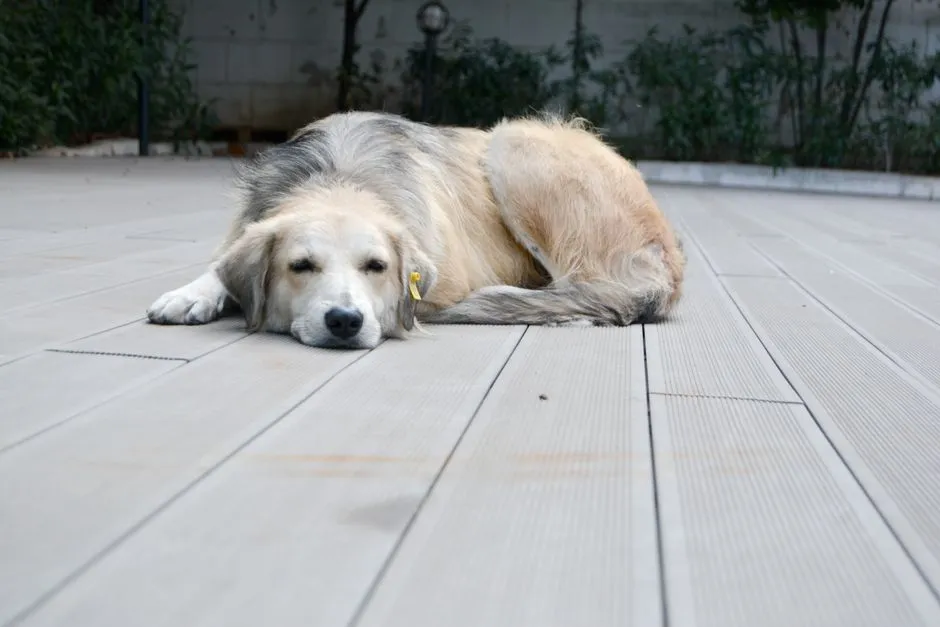
Grieving dogs often exhibit noticeable changes in behavior. They may become withdrawn, lose interest in food, or show signs of restlessness. These behaviors are not just random; they are manifestations of the dog’s attempt to cope with the loss.
Understanding these signs is crucial for providing appropriate support. Recognizing that a dog is not merely ‘acting out’ but is genuinely grieving can guide caregivers in offering the necessary comfort and stability during such a challenging time.
The Role of Routine and Environment in Canine Grief

Maintaining a consistent routine can be beneficial for a grieving dog. Regular feeding times, walks, and play sessions provide a sense of normalcy and security. Additionally, allowing the dog access to the deceased owner’s belongings can offer comfort through familiar scents.
Creating a supportive environment helps the dog navigate its grief. Patience and understanding from caregivers are essential, as the dog may take time to adjust to the new reality without its owner.
Canine Empathy and Human Emotions
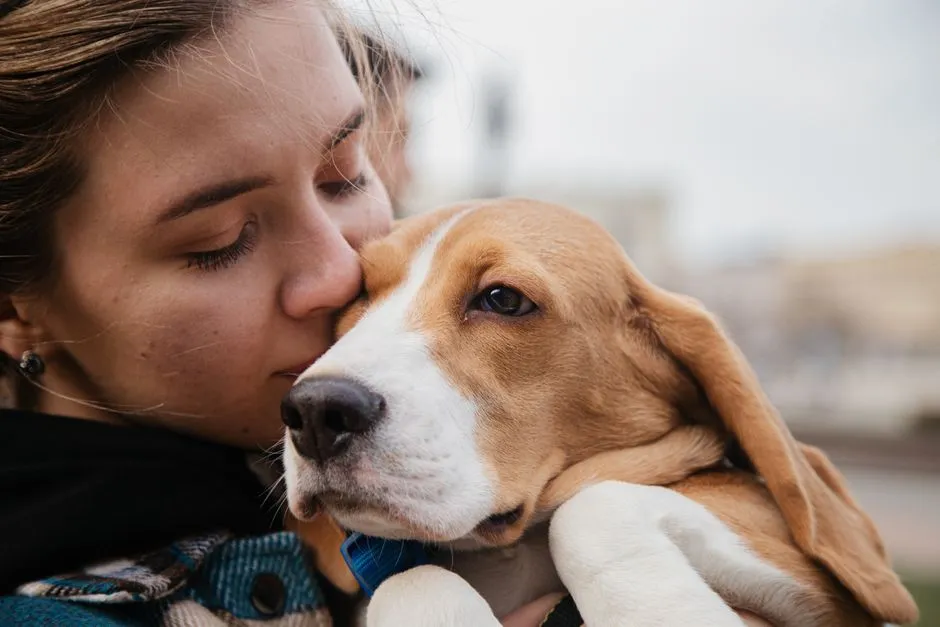
Dogs are highly attuned to human emotions. They can sense when their human companions are sad or stressed and often respond with comforting behaviors. This empathy extends to their own experiences of loss, as they mirror the emotional states they observe and feel.
Recognizing this emotional depth in dogs challenges the notion that they are simple creatures driven solely by instinct. It highlights the complex emotional lives they lead and the profound connections they form with their human counterparts.
Supporting a Grieving Dog: Practical Steps

Supporting a grieving dog involves patience, consistency, and compassion. Maintaining routines, providing extra attention, and ensuring the dog remains physically active can aid in the healing process. In some cases, introducing new activities or even another pet can help, but this should be approached cautiously and based on the individual dog’s temperament.
It’s also important to monitor the dog’s health during this period. Prolonged grief can lead to physical symptoms, and consulting a veterinarian may be necessary if there are concerns about the dog’s well-being.
Conclusion: A Testament to Unwavering Loyalty
The image of a dog steadfastly waiting at the spot where its owner died is a powerful testament to the depth of the bond between humans and their canine companions. This behavior is not mere confusion but a profound expression of love, memory, and the struggle to comprehend an unresolvable absence.
Understanding the psychological mechanisms behind this behavior not only deepens our appreciation for dogs but also calls us to provide the empathy and support they need during times of loss. After all, isn’t unwavering loyalty deserving of our utmost compassion?

- 7 US States With the Most Arctic Foxes - July 16, 2026
- Psychology Says When a Dog Won't Leave the Spot Where Its Owner Died It Isn't Confused or Simply Waiting – It Is Running a Scent Memory and an Absence Detection System That the Brain Has No Protocol to Resolve - July 16, 2026
- 12 Behaviors That Make Wolves Some of Nature's Most Cooperative Hunters - July 16, 2026