

There’s a particular kind of ache that settles in when you start to notice your dog isn’t quite themselves anymore. The bowl sits fuller than usual. The tail wags a little slower. They look at you with those soft, knowing eyes in a way that feels different, heavier, like something unsaid is hanging in the air between you.
Watching a dog you love move toward the end of their life is one of the most quietly devastating things a person can experience. What makes it harder is the uncertainty. You’re always asking yourself whether what you’re seeing is just a bad day, a manageable health issue, or something more final. Signs that a pet is nearing the end of their life may not be obvious, and you may struggle to recognize or accept them. While subtle or profound changes in appetite, behavior, or mobility can indicate that your dog is dying, each pet’s journey is unique.
This article won’t make that grief smaller. What it can do is help you understand what your dog may be going through, so you can meet them with presence, clarity, and love during the time that matters most.
#1: Refusing to Eat, Even Their Favorite Foods

One of the earliest and most heartbreaking signs is when a dog stops eating, not just being picky, but genuinely losing interest in food. A common sign that a dog is close to death is when they start refusing to eat or becoming fussy with certain foods. If they feel sick or take medication that causes a loss of their sense of smell or taste, the pet may also lose their appetite.
Refusing to eat even highly palatable foods or favorite treats indicates a general lack of enjoyment in things that once pleased them. When even the smell of grilled chicken or their favorite kibble gets no reaction, that’s a meaningful shift. It reflects not just nausea or discomfort, but a body that is beginning to step back from the everyday acts of living.
#2: Dramatic Loss of Energy and Prolonged Lethargy
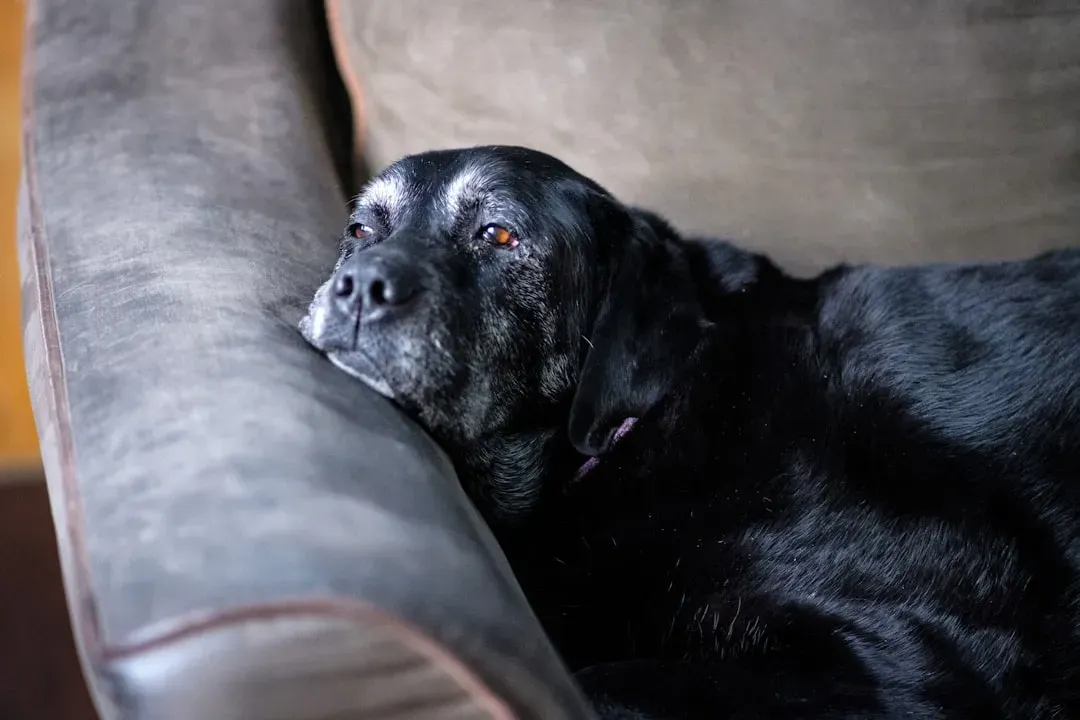
Other end-of-life behaviors include sleeping more and moving less. You may notice your dog seems tired after a short trip to the water bowl and back. They might struggle with stairs, walking, or standing, which typically progresses over time and may be accompanied by muscle loss.
If a dog is near the end, they may not want to get up from their spot, even for their most favorite things, like toys, treats, and offers to go for a walk. They might not even seem happy to see family members. The dog who used to sprint to the door at the sound of their leash now barely lifts their head. That stillness can feel eerie precisely because it is so unlike them.
#3: Withdrawing and Seeking Solitude
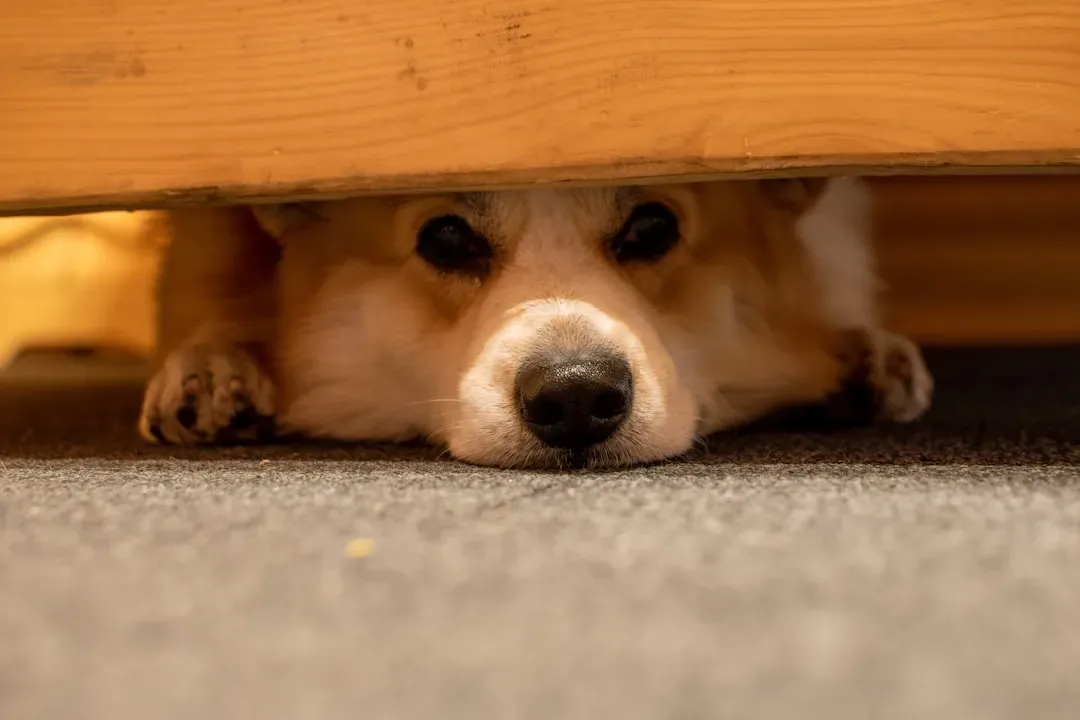
As their body temperature regulation changes or their urge to feel safer increases, dying dogs start seeking unusual places to rest. This could include under furniture, in closets, and in other secluded spots. Your dog may want to be away from the hustle and bustle of daily household activities.
Dogs still hold onto many of their natural instincts when it comes to the end of their life, so they may often try to hide that they’re sick, even from their favorite person. Furthermore, a dog suffering from lethargy may not have the energy to seek out comfort. Some dogs may also hide as death nears instead of seeking comfort. If your dog is consistently retreating to dark, quiet corners of the house, it’s worth paying close attention to the other signs alongside it.
#4: Unusual Clinginess or Neediness

Some dogs begin to withdraw from their families. Spending hours hiding and sleeping in a quiet corner could be warning signs your dog is dying. Other dogs become clingier, needing constant reassurance as their senses deteriorate.
Becoming more affectionate and seeking constant proximity to their owners, as if seeking comfort and reassurance, is one of the most tender and bittersweet things a dog can do near the end. They may follow you from room to room, press their body against yours, or simply rest their head in your lap more than they ever did before. It’s worth cherishing every single one of those moments.
#5: Labored, Irregular, or Shallow Breathing

Irregular, shallow, or labored breathing is a warning sign that a dog or cat may be dying. Particularly in a pet’s final hours, a gasping breath pattern known as agonal breaths may occur. This kind of breathing is hard to miss once you know what you’re looking for.
At the very end of life, breathing often becomes ragged. Instead of a nice even in-and-out, you might hear great breaths in, and then a long pause, and a little sigh out. There might be panting, great pauses, or almost a rattling sound as your pup struggles to keep going. Dogs may start panting even while at rest, develop a cough, or have increased difficulty drawing a normal breath. Any of these patterns warrant an immediate call to your veterinarian.
#6: Significant and Visible Weight Loss

Shedding pounds or having a noticeable change in body shape can become apparent as a dog’s health deteriorates. This may appear as increased prominence of hips or ribs, or loss of muscle mass, particularly in senior dogs.
Weight loss is very common in senior dogs and will start well before the end of life. Part of this is a normal aspect of the aging process: as the dog gets older, his body becomes less efficient at digesting protein, which causes him to lose muscle mass. When that weight loss accelerates noticeably or becomes coupled with other symptoms on this list, it’s a signal that the body is no longer fighting to sustain itself the way it once did.
#7: Loss of Bladder and Bowel Control

Incontinence refers to when a dog loses control of its bladder or bowels. It is a common condition in senior dogs and worsens as they approach their end. If your dog starts soiling the house involuntarily when walking or sleeping, it might indicate they are close to death.
A dog who is dying often loses control of their muscles, including all the sphincter muscles that hold waste in the intestines or urine in the bladder. Combine that loss of control with the inability to move with confidence and general lethargy, and you see incontinence. Often, you’ll find your dog has soiled themselves without even attempting to get up, urinating or defecating right where they’re lying. Respond with gentleness, not frustration. They aren’t choosing this.
#8: Confusion, Disorientation, and Cognitive Decline

Canine Cognitive Dysfunction (CCD) is very similar to dementia in humans. Early signs of CCD include pacing at night, fussiness, and irritability. As it progresses, your dog may seem to get lost in the house and yard or not know who you are.
Some pets become mentally disoriented as they decline, which may reflect serious cognitive dysfunction or a health condition affecting the brain and inducing end-of-life behaviors. Affected pets may pace, stare, vocalize, develop anxiety, or seem lost in their once-familiar home. Watching your dog stare blankly at a wall they’ve passed a thousand times, or stand frozen at the bottom of a staircase, is one of the most disorienting things for a pet owner to witness.
#9: Unusual Restlessness or an Inability to Settle

Some dogs will become restless, wandering the house and seeming unable to settle or get comfortable. Others will be abnormally still and may even be unresponsive. Your dog’s sleeping patterns may change.
A dog’s emotional state can become more fragile as their final journey nears, leading to heightened anxiety or apprehension. Becoming restless, unable to settle in one spot, or engage in repetitive pacing, even at night, is a sign that discomfort or internal anxiety may be building. If you notice that your dog is whining, pacing, crying or panting, it may be a symptom of anxiety. Sometimes, anxiety can be worse for a dog than pain.
#10: Pale Gums and Cold Extremities
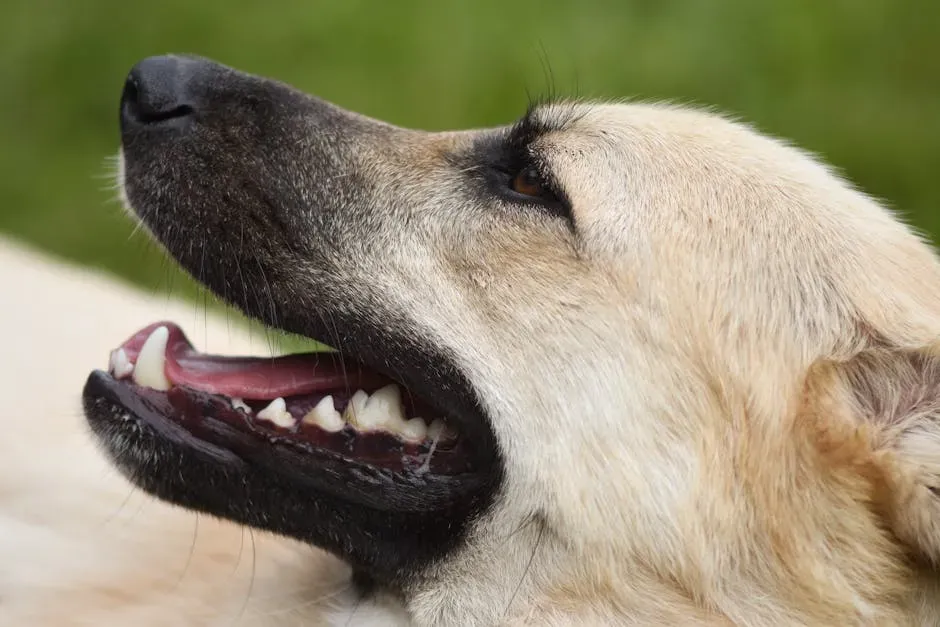
If your dog has pale gums or cold paws or lips, it could be a sign the end of their time is near. Pale gums and cold extremities can be caused by poor circulation, a sign that the heart is struggling to pump blood.
A dying pet’s body may develop cardiovascular shock, causing poor circulation and low blood pressure. The pet may become cold or appear pale or bluish from lack of oxygen. These changes indicate the end is very near; possibly within minutes. Checking your dog’s gum color is one of the fastest ways to gauge their circulatory status. Healthy gums are pink and moist. Anything that looks grey, white, or bluish needs immediate veterinary attention.
#11: Noticeable Changes in Body Temperature

If your dog is sick, aging, or near the end of life, you may notice they get hotter or colder than they used to. These temperature changes are due to hormonal changes that can make it difficult for your dog’s body to regulate temperature.
Rapid changes in your dog’s body temperature are a huge sign you can’t miss. It can be cool paws, ears, or nose, or warmth in areas like the stomach, indicating fever. Their body temperature will begin to fall, and their extremities may feel cooler to the touch as they enter their final stage. A soft blanket and a warm, quiet resting spot can offer genuine comfort during this time.
#12: Dull Eyes and a Changed Expression
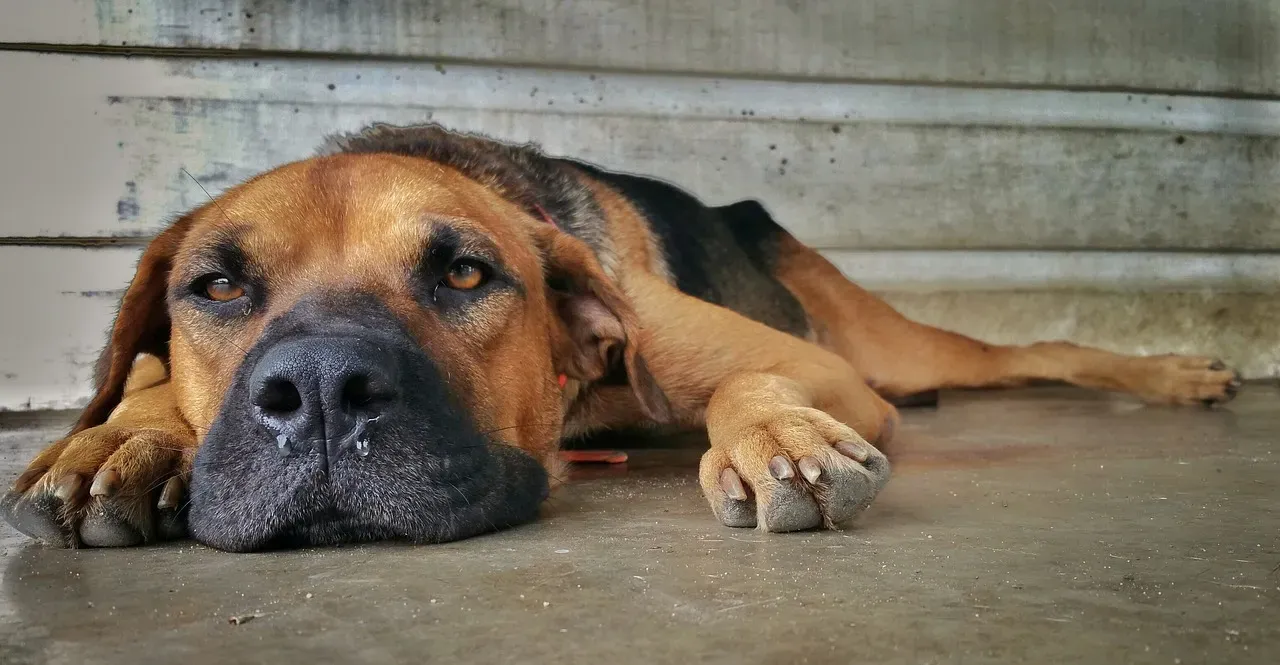
By itself, dull eyes may be a sign of age or an eye condition; however, when taken together with other signs, it could mean something more. The brightness and alertness that once lived behind your dog’s eyes is hard to quantify, but you’ll recognize its absence immediately.
What families are often seeing are physical changes from illness, like muscle loss that makes the eyes look sunken or pain that creates tension in the face. These are medical signs, not a goodbye glance. Still, the shift in a dog’s gaze near the end of their life is something every devoted owner notices, and it’s not nothing. It’s a reflection of a body and mind that are working much harder just to be present.
#13: Increased Vocalization Without Obvious Cause

Some may become unusually quiet, while others may exhibit increased vocalization, such as whining, howling, or barking, often without an apparent trigger. These vocalizations can be a sign of pain, anxiety, confusion, or a general sense of unease.
Signs of pain include limping, trembling, vocalizing, panting, or flinching, depending on the source of the pain. Some pets may isolate themselves to cope and hide their signs of pain, while others show obvious distress. If your dog cries out when repositioning or moans softly at rest, don’t dismiss it as nothing. These are their only tools for communicating what they’re feeling, and they deserve to be heard.
#14: Medications and Treatments Stopping to Work

As your dog’s body wears out, they may stop responding to treatments and medications that had previously kept them happy and healthy. A dog with arthritis may require additional pain medications, or a dog with diabetes may require seemingly endless insulin dose changes.
When the tools that once gave your dog quality of life start losing their effectiveness, it often signals that the body’s underlying decline has outpaced what medicine can reasonably manage. Pain that cannot be controlled with medications or other treatments is a strong indication that it’s time to consider euthanasia. This is one of the hardest realities to face, but your veterinarian can help you navigate it thoughtfully.
#15: Seizures or Muscle Twitching
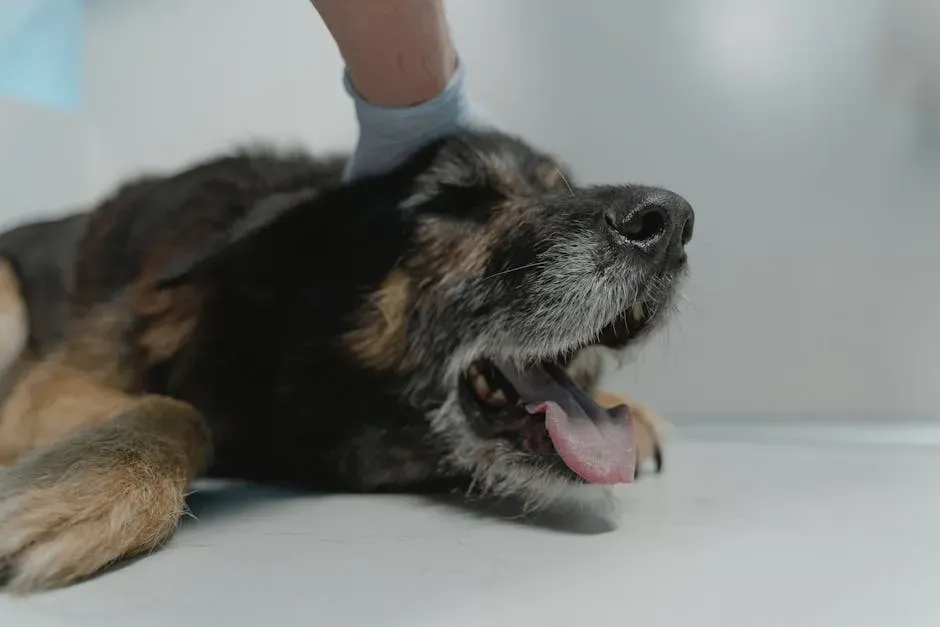
At the end of their life, some dogs may start having seizures. This can be the result of metabolic changes, kidney failure, or problems in the brain. This is understandably alarming to witness, especially if it happens without warning.
Your dog may experience some loss of muscle control with age, which can lead to twitching. Pain can also cause twitching, as can some secondary symptoms, like dehydration. Twitching by itself isn’t always a bad sign. However, when it persists, intensifies, or occurs alongside other end-of-life indicators, it’s an important signal to discuss urgently with your vet. Staying calm and keeping your dog safe during these episodes is the most meaningful thing you can do in the moment.
#16: More Bad Days Than Good

Some pet owners find it helpful to monitor their dog’s quality of life by keeping a journal of their dog’s good days and bad days. When the bad days start to outnumber the good, it may be time to speak to your veterinarian about the right time to say goodbye and your options for easing your dog out of this life.
Sometimes, specific end-of-life behaviors are hard to pinpoint. Many pet parents seem to sense when something is off with a pet’s overall energy or expressions. Trust your gut as a pet owner, especially if other signs of dying are present or your pet has a diagnosis that makes dying more likely. You know your dog more deeply than any chart or checklist ever could. When the weight of their days seems heavier than the joy, that quiet knowing matters.
A Final Note on Being Present
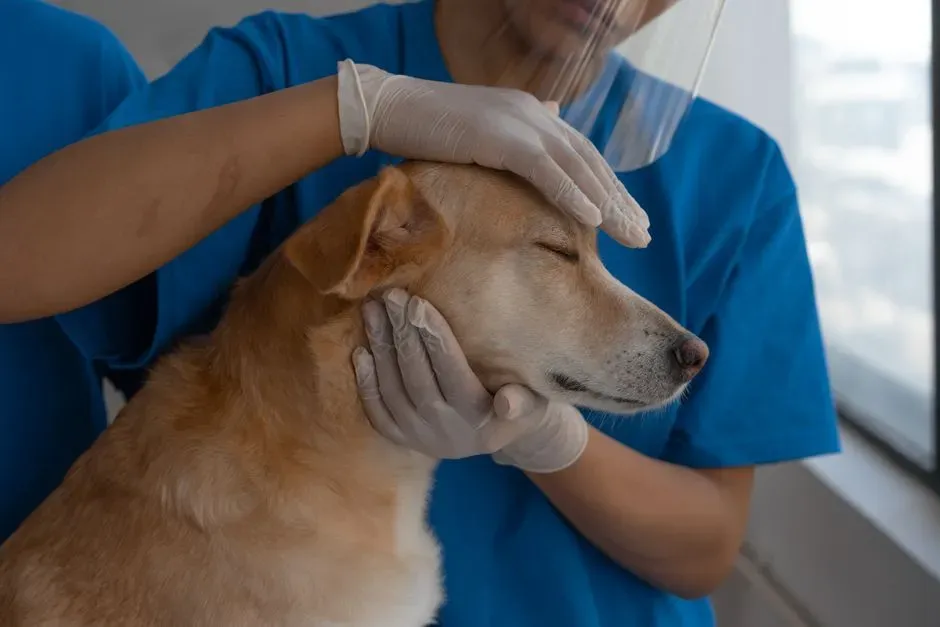
No article can fully prepare you for this. What it can do is remind you that recognizing these signs is an act of love, not surrender. Recognizing end-of-life behaviors lets you adapt your care to address your dog’s specific needs, whether creating quiet spaces or knowing when pain management should be discussed with your veterinarian. This understanding helps you make compassionate choices to prioritize your dog’s comfort and dignity during their final days.
These changes can look similar to signs of treatable conditions, so veterinary evaluation is essential. Planning ahead with your veterinarian can help ensure a peaceful, comfortable end-of-life experience for your dog. Always consult your vet before drawing conclusions about any single sign on its own.
The dogs we love don’t need us to have all the answers. They need us to show up, stay close, and let them feel, in whatever time remains, that they were never alone. That’s the promise worth keeping all the way to the end.

- 14 Quiet Signs Your Dog Knows Its Time Is Near and Wants You Close - July 22, 2026
- 10 Falcon Facts That Will Blow Your Mind - July 22, 2026
- 5 Incredible Migratory Journeys Animals Make Every Year - July 22, 2026