
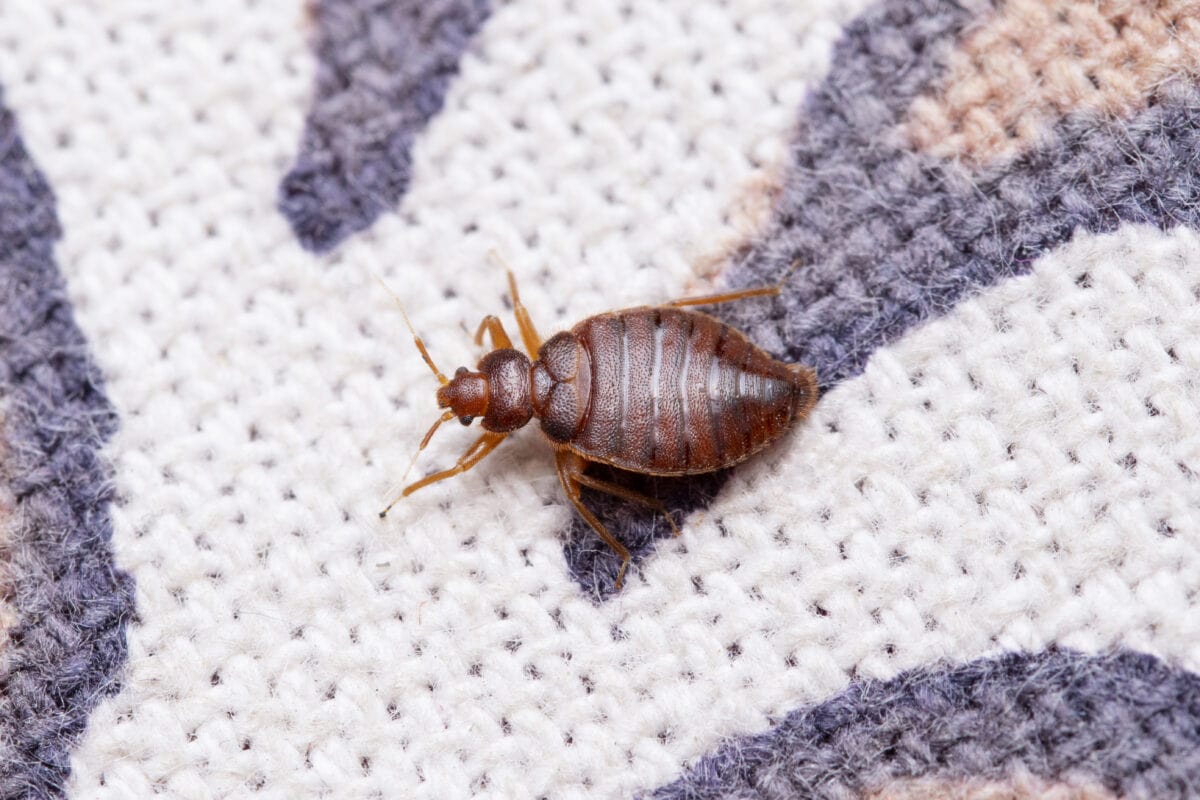
There is something deeply unsettling about the thought of creatures feeding on you while you sleep. It sounds like something out of a horror movie. Yet for millions of people every year, it is a very real, very itchy, very frustrating reality. Bed bugs are small, sneaky, and surprisingly resilient, and once they find your mattress, they treat it like a five-star hotel they never intend to leave.
The good news? You do not always have to throw your mattress away and start from scratch. With the right approach and a little persistence, you can tackle an infestation head-on. Here is everything you need to know to take back your bed. Let’s dive in.
How to Spot a Bed Bug Infestation Before It Gets Worse
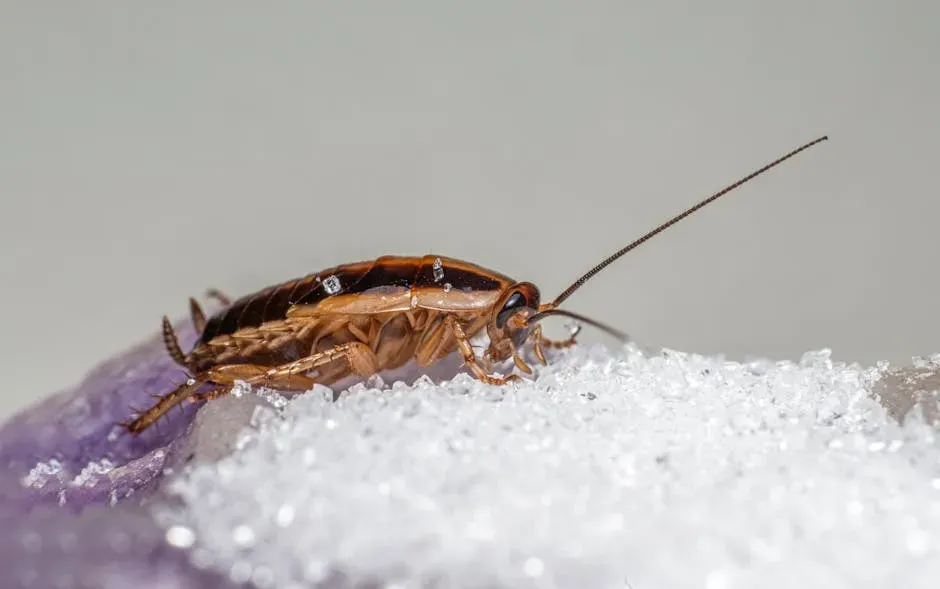
Here is the thing about bed bugs – they are experts at staying hidden. Spotting them can be difficult because they are tiny creatures that hide during the day, so it’s best to look for them before bedtime when they are more likely to come out of hiding. Think of it like trying to catch a teenager sneaking in past curfew. Timing is everything.
Signs of a bed bug infestation include small and itchy red bites often mistaken for mosquito bites, bloodstains, dark or reddish-brown spots, tiny eggs, eggshells, shed skin, and a musty odor. That distinctive smell alone should raise an alarm. If your bedroom suddenly has an unexplained, unpleasant scent, trust your instincts.
To check for bed bugs, start by inspecting your mattress – focus on seams, crevices, and other hiding spots, using a flashlight for hard-to-see areas. A magnifying glass helps too. The key to effective bed bug control is early detection. If you notice any signs of bed bugs, tackle them immediately. The longer you wait, the more difficult it will be to get rid of them.
Approximately one in five homes experiences a bed bug infestation. That is a staggering number. Honestly, it means the chances of encountering these pests at some point in your life are not as small as most people would like to believe.
The Power of Heat: Steam Treatment and Hot Washing
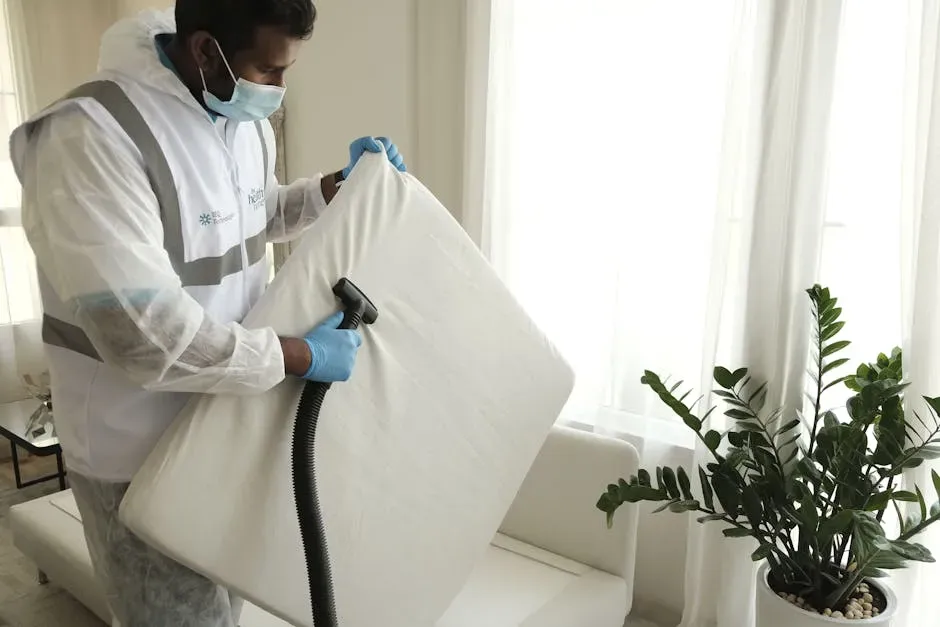
If there is one thing bed bugs absolutely cannot survive, it is intense heat. This is where you want to start. High temperatures exceeding 120 degrees Fahrenheit kill bed bugs on contact. Steaming is a good alternative to using chemicals, and it also gets rid of bacteria and allergens. That is a double win right there.
A commercial-grade steam cleaner producing dry steam at temperatures above 100 degrees Celsius is an effective surface treatment. Move the nozzle slowly, no faster than about 2.5 centimeters per second, across every seam, piping, handle, and surface of the mattress. The steam must penetrate into the fabric, not just glide over it. Rushing this step is one of the most common mistakes people make.
Do not soak the mattress. Excess moisture promotes mold growth. Use a low-moisture setting if available. Allow the mattress to dry completely before encasing it. Getting rid of bed bugs only to grow mold is trading one problem for another.
Remove all bedding, including pillowcases, and any clothing on the floor, and place them in the washing machine to clean in hot water before putting them in the dryer on the highest possible setting. Items that cannot be washed, like shoes and stuffed animals, can be run through the dryer for 30 minutes to kill any possible bed bugs. Think of the dryer as your secret weapon for anything that cannot be steamed directly.
As a word of caution, steam is not ideal for memory foam mattresses – heat and liquid can cause memory foam to quickly deteriorate. Worth knowing before you start.
Vacuuming Like You Mean It: The Mechanical Battle

Vacuuming might seem too simple to be effective. It is not. Done properly, it can make a significant dent in a bed bug population. The key word here is properly, because a half-hearted pass with your regular vacuum is not going to cut it.
For maximum effectiveness, use a high-powered vacuum with a HEPA filter, as standard vacuums may not trap all bed bugs. Focus on areas where bed bugs commonly hide, such as mattress seams, headboards, baseboards, cracks in furniture, and carpet edges. Basically, anywhere dark, tight, and warm is a candidate.
Apply a stiff brush to the mattress seams to displace bed bugs and eggs. Immediately use a vacuum cleaner on the sleep surface to remove displaced bugs and eggs, then vacuum the area around the bed. Empty vacuum contents or the vacuum bag into plastic bags before sealing and tossing into outdoor trash cans. Do not, under any circumstances, empty it inside your home.
Avoid using the brush attachment as the bugs can hide away in the bristles. Instead, use the hose. That is a detail most people overlook entirely. Dry scrubbing and vacuuming only removes visible bed bugs and bed bug eggs on the surface of the mattress, not bed bugs that are burrowed deeper inside. So vacuuming alone is never enough – but it is a critical first step.
Mattress Encasements and Targeted Treatments

Once you have vacuumed and steamed, do not leave your mattress exposed. This is where encasements come in, and I think they are genuinely underrated by most homeowners. A certified bed bug-proof encasement prevents new bugs from entering the mattress and traps existing bugs inside so they cannot feed. It does not kill bugs in the room outside the mattress. Encasements must be combined with room treatment to be effective.
Bed bug mattress encasements are designed with tight, durable fabrics that bed bugs cannot penetrate, which can help contain existing infestations. While mattress covers can help trap bed bugs already inside the mattress and prevent new ones from infesting it, they do not stop bed bugs from crawling onto the bed or biting you. So think of the encasement as one layer of a bigger strategy, not the whole plan.
If bed bugs are in your mattress, using special bed bug covers on your mattress and box springs makes it harder for bed bugs to get to you while you sleep. Leave the encasements on for a year. Honestly, leaving it on longer is even better. Leaving an encased mattress sealed for 18 months eliminates all bugs that were present inside at the time of encasement.
Look for covers made with durable, tightly woven fabrics that fully encase your mattress and the box spring separately. Full encasement is crucial because bed bugs can hide in any part of the mattress or box spring, not just the top or sides. Skimping on quality here is a false economy.
When to Call the Professionals and How to Prevent a Comeback

Let’s be real – sometimes DIY is just not enough. If you suspect this to be a large infestation or you are not seeing results, it is recommended to contact professional exterminators right away. There is no shame in that. Bed bugs are genuinely one of the hardest household pests to eliminate completely.
With professional treatment, most infestations are fully resolved in two to four weeks, requiring two to three treatment visits spaced about ten days apart. DIY treatment of a mild infestation may take four to eight weeks of consistent effort. That timeline matters when you are losing sleep every night. Hiring an experienced, responsible pest control professional can increase your chance of success in getting rid of bed bugs. If you hire an expert, be sure it is a company with a good reputation and request that it use an integrated pest management approach.
Prevention after treatment is just as important as the treatment itself. Prevent bed bugs by doing routine inspections of your bedroom, steam cleaning furniture, washing and drying bedding with high heat, and inspecting hotel rooms when travelling. Travel is one of the most common ways bed bugs hitch rides into homes. They can live in places you might not expect: offices, hotels, airplanes, movie theaters, dorms, and mattress stores. Bedbugs can make their way into your home by hitching a ride on your clothing, in your luggage, or from soft goods and upholstered furniture purchased from any store.
A cluttered home provides more places for bed bugs to hide and makes locating and treating them harder. Keeping your bedroom tidy is not just aesthetically pleasing – it is genuinely a pest prevention strategy. Routinely inspect the mattress encasement for any signs of wear or damage. Keep an eye out for bed bug activity or any other pests. If you notice any tears or suspect bed bug activity, take immediate action to address the issue.
Conclusion

Getting is not a one-afternoon project. It is a multi-step, persistent process that demands attention and consistency. The combination of heat, thorough vacuuming, proper encasements, and where necessary, professional intervention, gives you the best possible chance at winning this battle.
The most important takeaway is this: acting fast matters more than anything else. The longer you wait, the deeper the infestation becomes, and the harder it is to reverse. Think of bed bugs like a slow leak in your roof – ignore it and the damage compounds quickly.
You now have the knowledge to fight back effectively. The question is, how early did you catch the signs in your own home? What would you have done differently if you had known sooner? Drop your experience in the comments below – your story might just help someone else.

- 10 Fascinating Facts About the Amazing Osprey - July 23, 2026
- The Impact of Heatwaves on Animal Behavior and Survival - July 23, 2026
- The Enduring Loyalty of Elephants Shows Us the True Meaning of Family Bonds - July 23, 2026