
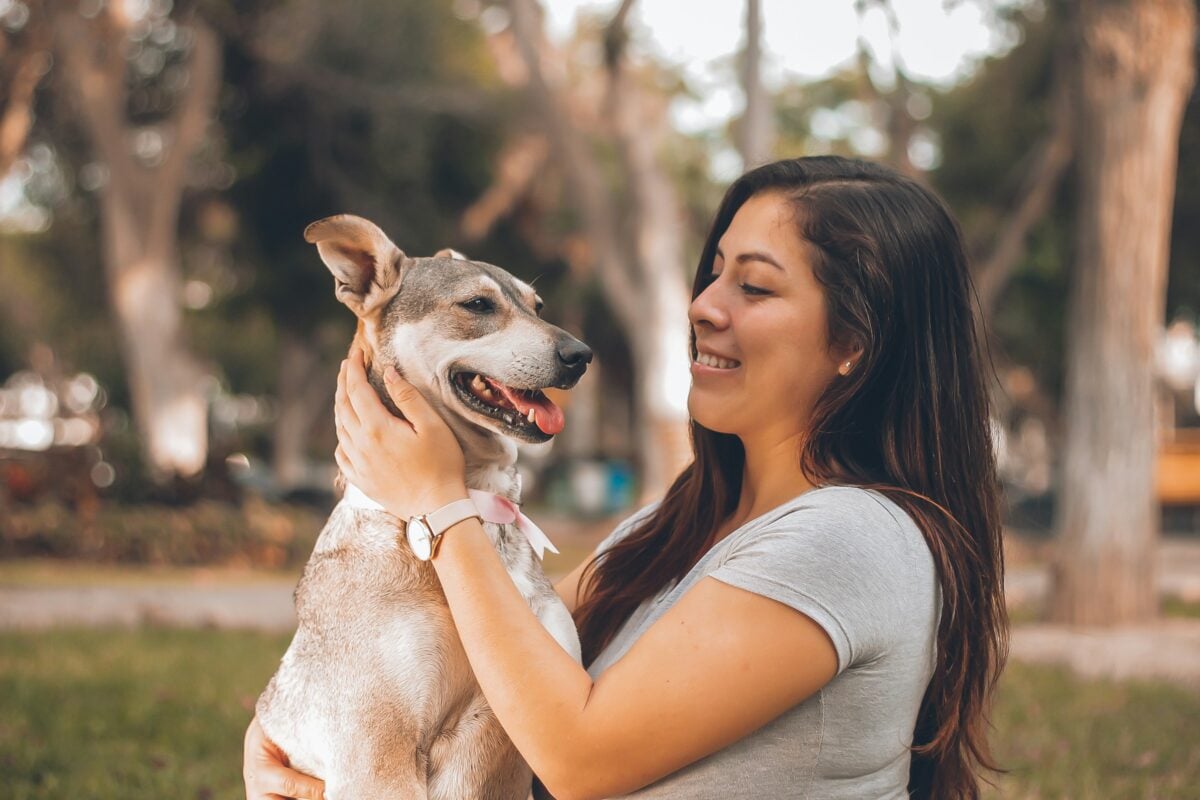
Most people assume their dog loves everyone in the house exactly the same way – the same tail wag, the same excited spin, the same sloppy kiss at the door. That’s mostly a comforting myth. Behaviorists say dogs quietly rank the humans around them, and one person almost always ends up in a category by themselves: the “forever” human.
The tricky part is that most owners never catch the exact moment they got chosen. It doesn’t come with a dramatic announcement. It shows up in small, easy-to-miss behaviors that look like habit but are actually loyalty in disguise. Once you know what to look for, you’ll probably realize your dog has been telling you this for years.
#16 – They Relax in “Ugly” Positions Only With You
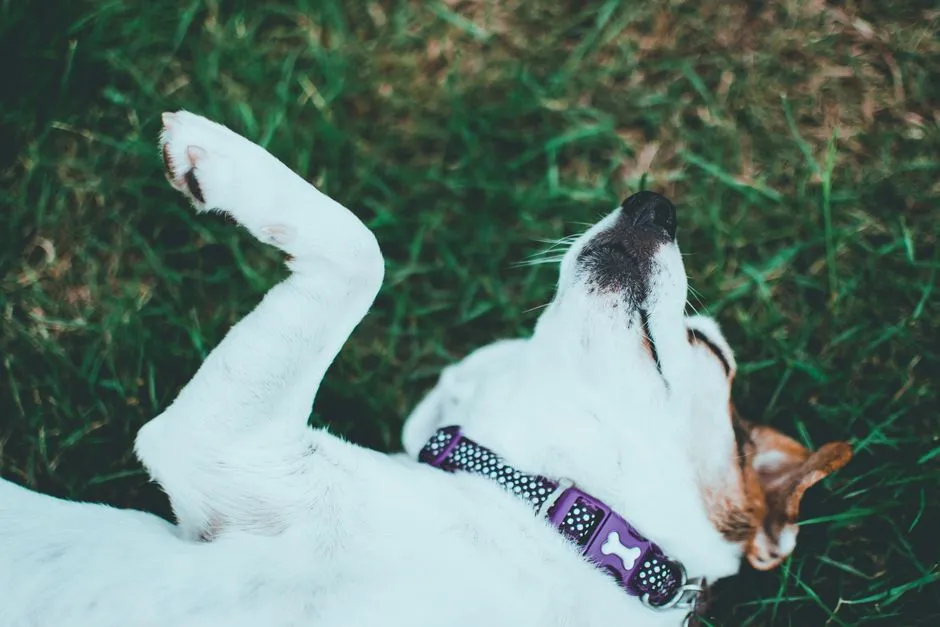
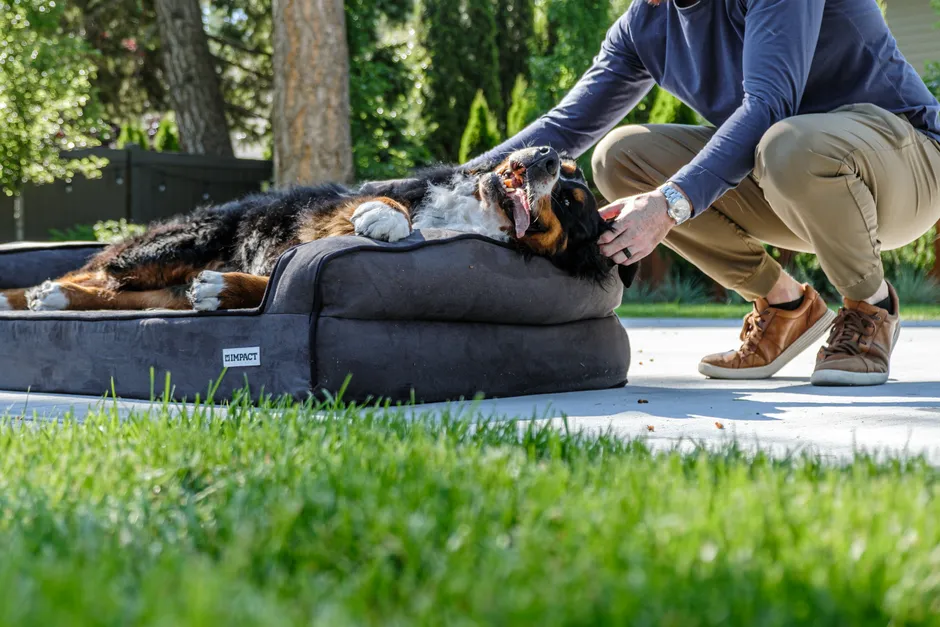
When a dog fully trusts one human, it stops trying to look “ready for anything.” It lets everything go. If your dog flops on its back, legs splayed, or lies twisted like a dropped pretzel only when you’re around, that’s not random – it’s vulnerability on display.
Belly-up sleep is one of the least defensive positions a dog can take, because it exposes every vital area on its body. Most dogs will only do this near their chosen human, even with other people sitting right there in the room. If they snore, twitch, or “dream run” closest to you, that’s their guard turning off completely – and that kind of surrender is never handed out evenly.
Fast Facts
- Belly-up sleeping exposes the throat, chest, and stomach – areas dogs instinctively protect around anyone they don’t fully trust.
- Twitching, soft whimpers, and “dream running” happen during deeper sleep cycles, when a dog is at its most unguarded.
- A fully twisted, relaxed sleeping posture usually only appears once a dog feels zero need to stay alert.
#15 – They Shadow You From Room to Room for No Logical Reason
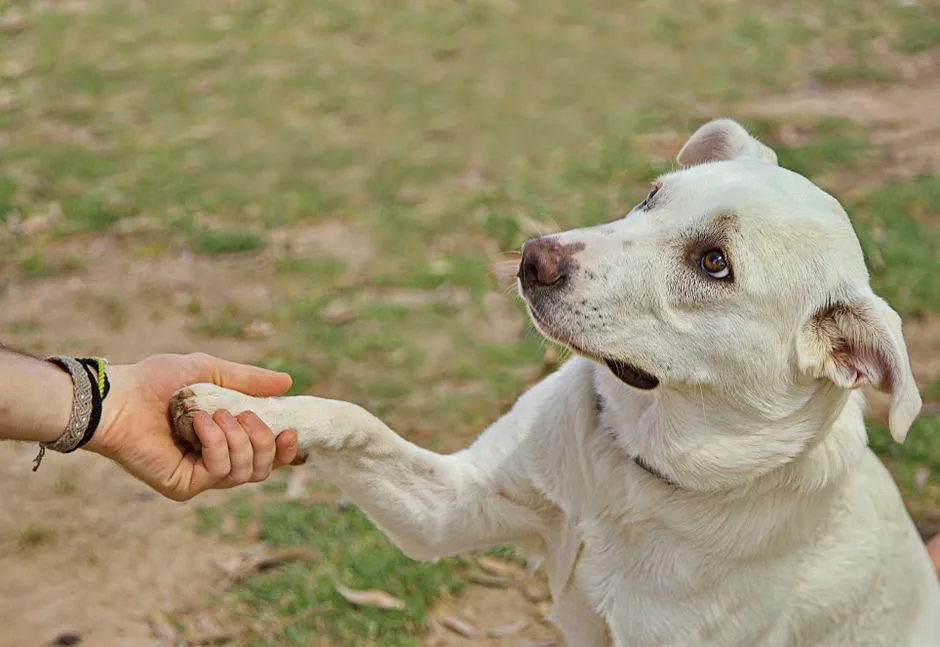
Every dog follows people sometimes. But a dog that has truly picked one person turns into your silent shadow, even when there’s zero payoff waiting – no food, no walk, no toy. They just quietly get up and go wherever you go.
If you can’t use the bathroom alone because there’s always a nose against the door, that’s bond behavior, not neediness. Behaviorists call it “proximity seeking,” and it’s strongest toward the one person a dog considers its attachment figure. Notice who your dog tracks by sound alone – keys jingling, a chair scraping, footsteps down the hall. If it’s you every time, that’s not an accident. That’s a dog quietly saying, “You’re my person. Period.”
#14 – They Make Deep, Soft Eye Contact Without Demanding Anything
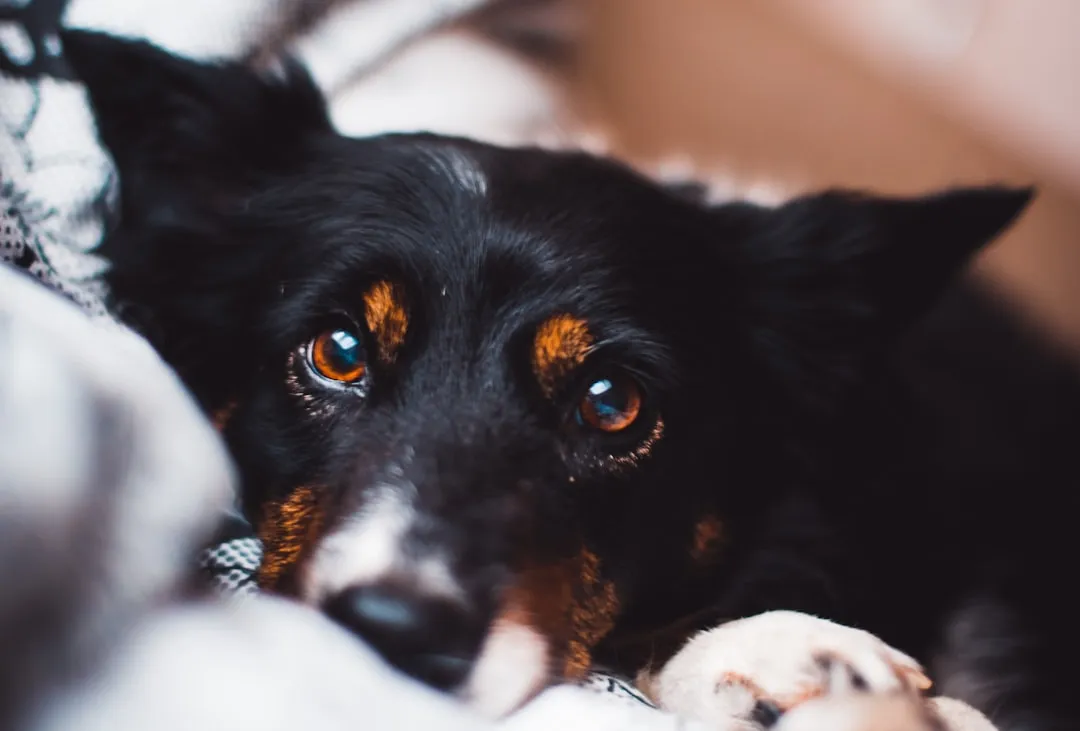
Most people assume eye contact in dogs is about dominance or begging. The science says otherwise. When a dog locks eyes with its chosen human in a soft, relaxed way, both brains actually release oxytocin – the same bonding hormone that connects human parents and their babies.
This isn’t the hard stare before a bark, or the laser focus on a treat bag. It’s the quiet moment when your dog looks at you and then slowly blinks or sighs. If your dog often seeks your eyes just to “check in,” that’s attachment talking. They pick one person to use as their emotional home screen, and they keep coming back to it.
#13 – They Bring You Their Most “High-Value” Item
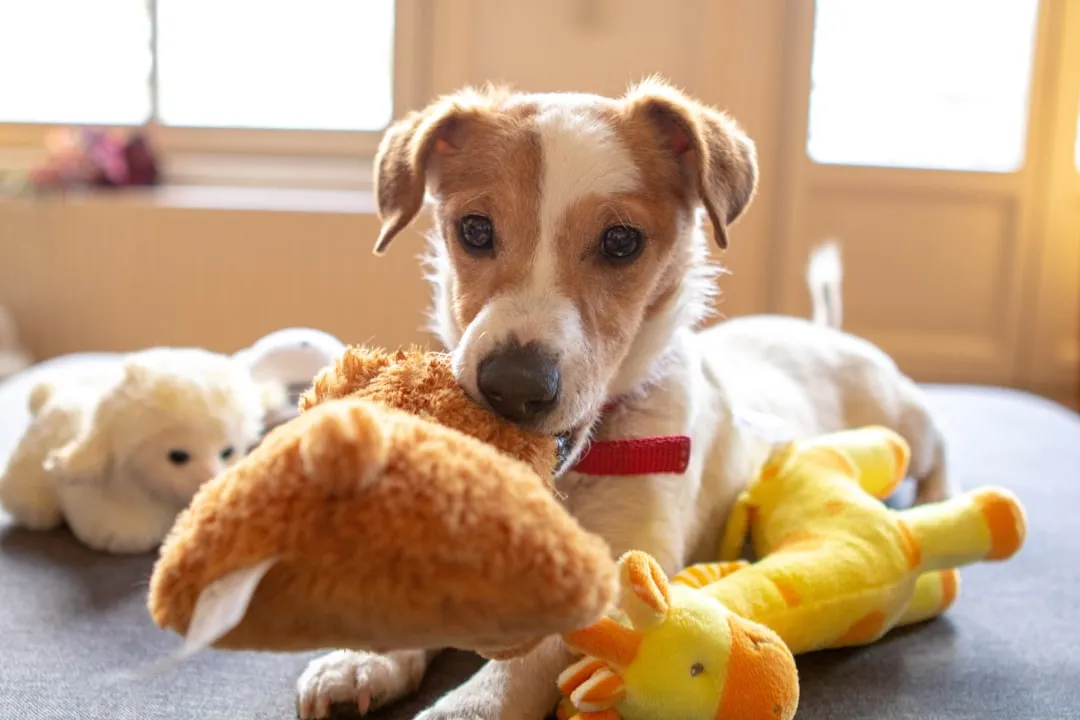
A dog will fetch a ball for almost anyone. That’s just fun. But there’s a different behavior that reveals who they’ve truly chosen – they bring YOU the thing they value most. It could be a battered toy, a favorite stick, or the sock they always steal and never surrender to anyone else.
Dogs don’t hand over prized possessions lightly. In the wild, giving up a resource is a massive act of trust. If they trot over and drop their gross, beloved toy in your lap unprompted, they’re not just inviting play – they’re sharing status. Many owners misread this as simple playtime, but it’s really your dog making an emotional offer you should take seriously.
#12 – They Check on You During Chaos, Not Just Quiet Moments
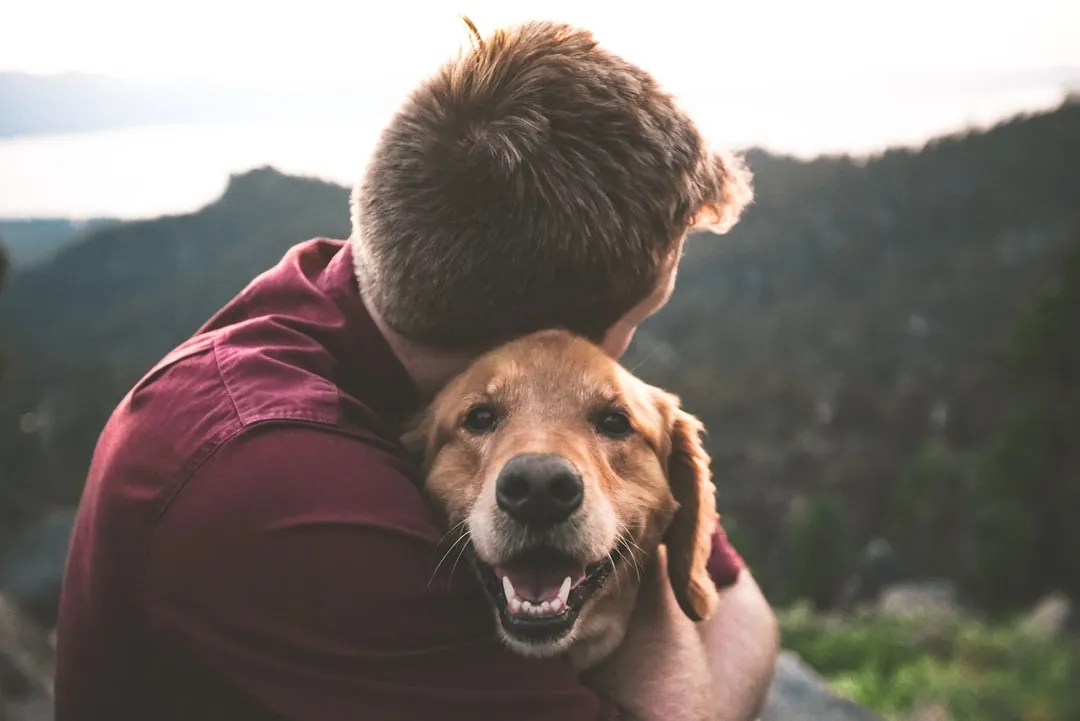
Parties, delivery people, kids running wild, a blasting TV – chaos is when a dog’s true loyalty shows itself. A dog that has chosen one human will repeatedly “check back” with that person the moment the environment feels unpredictable.
You’ll see quick glances, brief returns to your side, or a lap around the room that ends with a nose tap to your leg before they go explore again. This isn’t random pacing – it’s an emotional safety check. What’s interesting is that many dogs ignore whoever is being the loudest or handing out the most treats, and instead quietly orbit their chosen human like they’re a lighthouse in a storm.
#11 – They “Guard” You Subtly, Even When You Don’t Notice
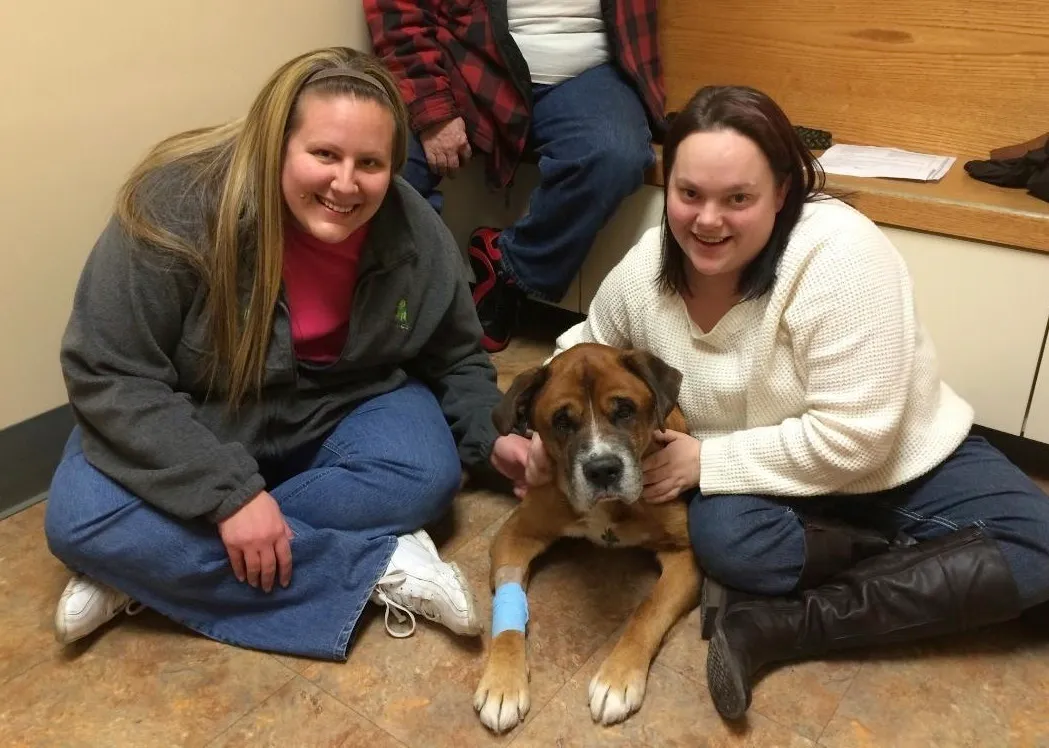
Not all protective behavior looks like barking or lunging. Often the most telling sign that a dog has chosen you is quiet, deliberate body placement. They’ll position themselves between you and a doorway, or stand slightly in front of you when a stranger approaches, without ever making a scene.
Watch where your dog lies down when you’re on the couch with guests. Are they consistently between you and everyone else’s feet? Do they shift closer when someone leans toward you or raises their voice? That’s not coincidence – that’s quiet vigilance. You’ve become their job, and they take it seriously without ever being asked.
#10 – Their Ears and Tail “Tell on Them” When You Walk In
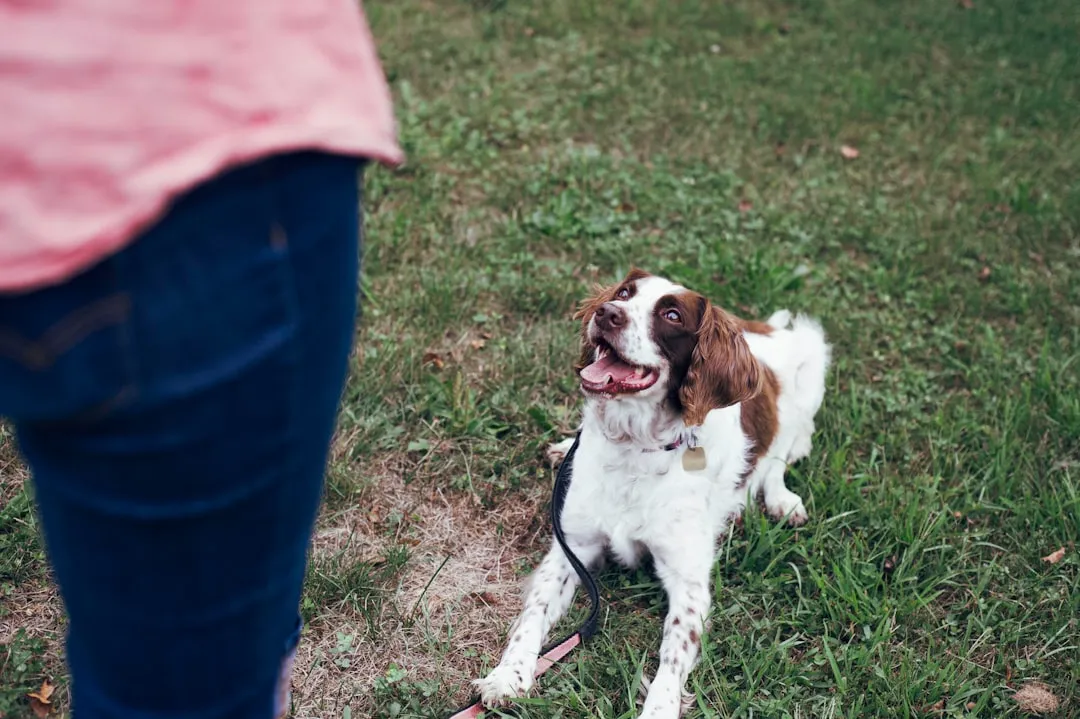
Forget the big zoomies for a second. The real giveaway lives in the small details – ear position, tail height, the softening of the eyes. Dogs reserve their deepest micro-expressions for one person, and when you walk into a room, their whole body language shifts in a way it doesn’t for anyone else.
Maybe the tail goes from neutral to a loose, full-body wag. Maybe the ears drop back and the mouth relaxes into something that looks almost like a smile. They might greet others politely, but you get the full emotional display, even after years together. That’s not just excitement – it’s recognition: “My person is here, and now the world is right again.”
#9 – They Adjust Their Energy to Match Yours
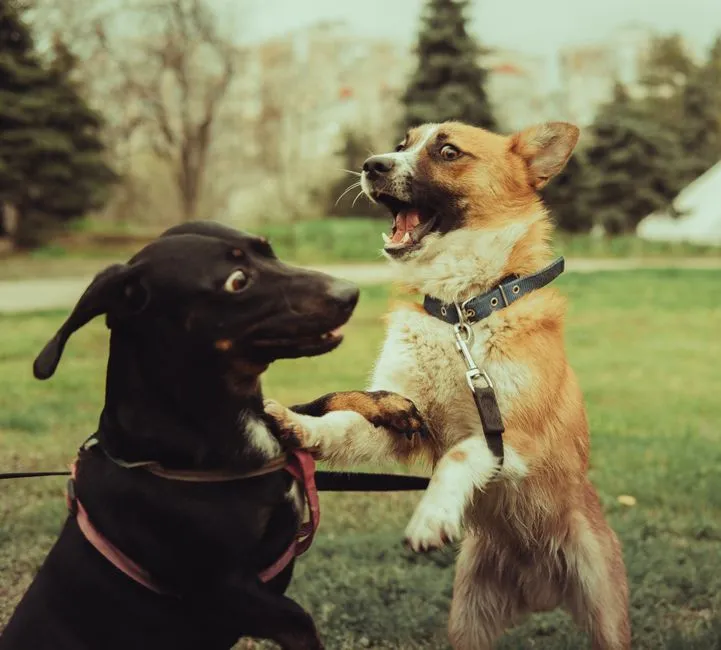
A dog that’s truly bonded to one human doesn’t just live with you – it syncs with you. Researchers call this “behavioral mirroring,” and it shows up when your dog naturally matches your energy without any training involved: hyper when you’re playful, calm when you’re tired, quiet when you’re upset.
If you’re anxious, they may become watchful and stick closer. If you’re relaxed on the couch, they’ll often settle instead of pestering you to play, even if everyone else in the house is up and moving. Over time, this mirroring gets so strong your dog starts to feel like an external mood ring – shifting as your day does, because they’ve picked you as their primary emotional reference point.
Worth Knowing
- Dogs pick up on breathing rate, posture, and tone of voice long before most people consciously notice a mood shift.
- This kind of mirroring tends to be strongest with whoever a dog spends the most quiet, one-on-one downtime with.
- It’s not trained behavior – it develops naturally from repeated exposure to one person’s emotional patterns over time.
#8 – They Tolerate (or Even Enjoy) Your Specific Quirks
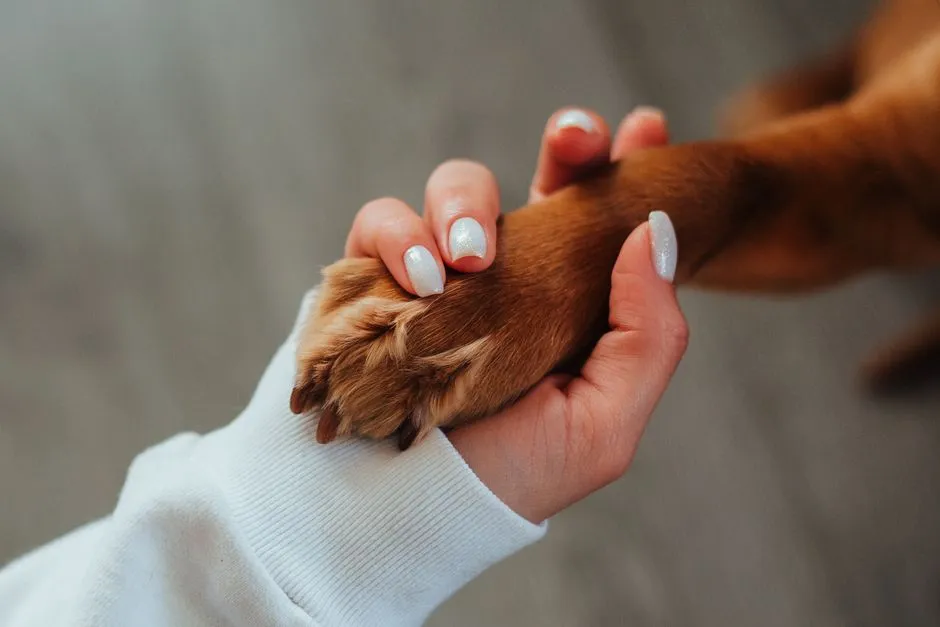
Dogs are not blanketly tolerant creatures. They have clear preferences and firm boundaries. Yet many owners notice something strange: their dog will put up with things from them that it flatly refuses from anyone else.
Maybe you can trim a paw, wipe their eyes, or hug them briefly, even though they dodge that exact same touch from other people. Some dogs will only let one human handle their nails or clean their ears. This isn’t about dominance – it’s about trust. They’ve decided your hands, your voice, your weird habits are safe, and that decision is a form of choosing you.
#7 – They Seek You Out When They’re Scared or in Pain
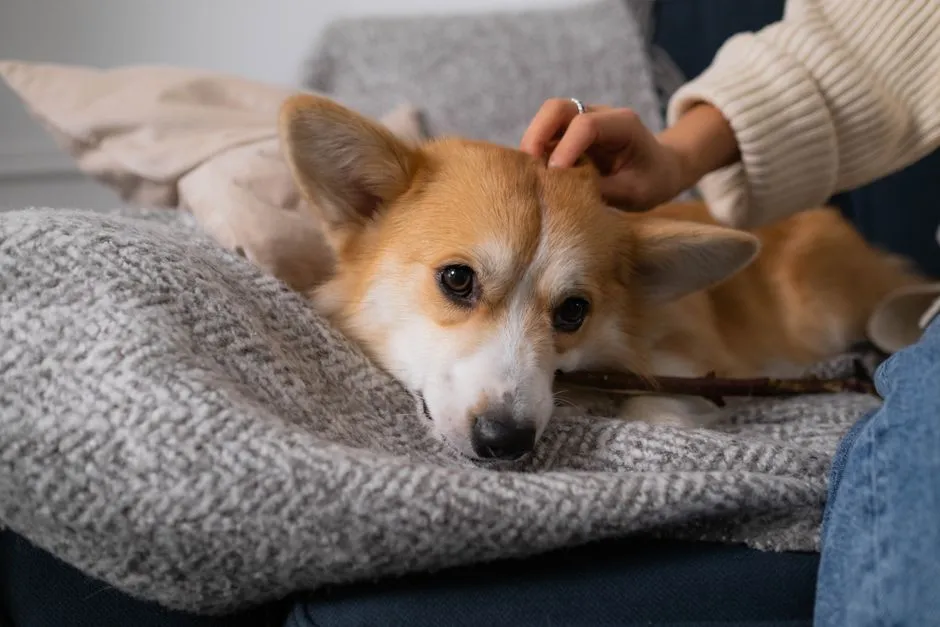
This is one of the clearest “chosen human” tests, and it’s also the one that hits hardest emotionally. Dogs often hide discomfort by instinct, but when fear or pain breaks through, they gravitate to the one person they trust most in the world.
Fireworks, thunderstorms, vet trips, a hurt paw, a sudden loud bang – who do they physically try to reach? If your dog wedges themselves against your legs or buries their face in your side during scary moments, that’s raw, primal attachment. Some dogs will even drag themselves toward their person after an injury while ignoring everyone else trying to help.
#6 – They Greet You Differently Than Everyone Else
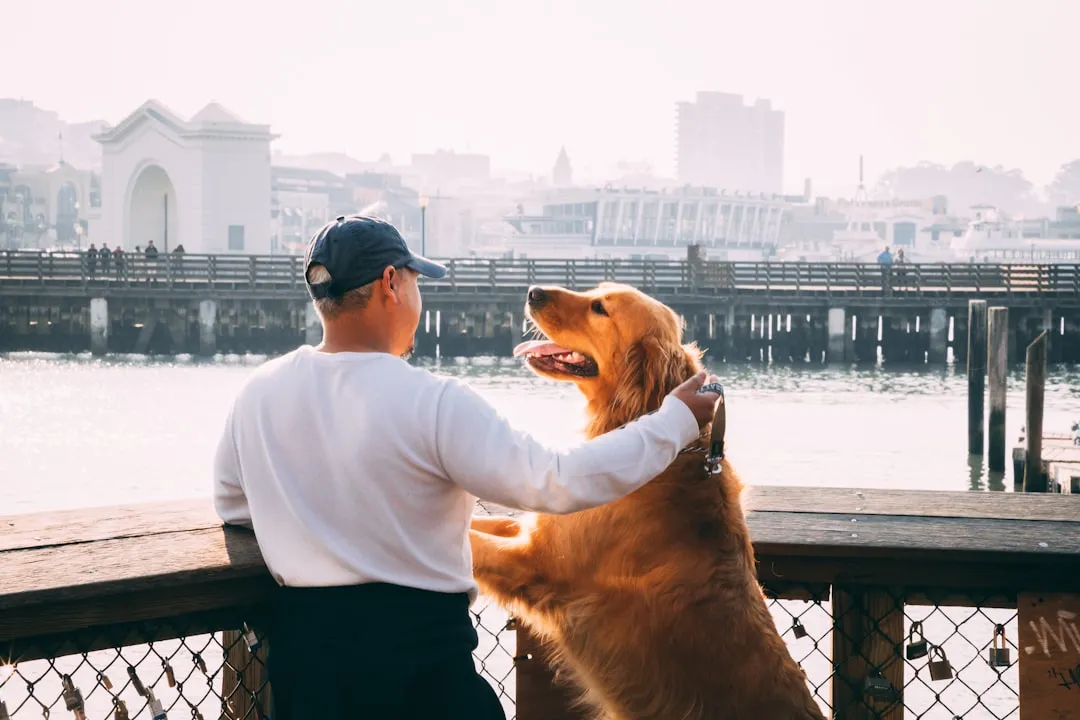
Most households swear the dog goes wild for everybody. Watch closely for a week, and you’ll see that’s usually not true. The chosen human gets a greeting that’s longer, more intense, and noticeably more emotional than anyone else receives.
This can look like frantic wiggles, whining, little howls, or the famous “I brought you a random shoe because I’m overwhelmed” ritual. The tell is how hard they struggle to regulate themselves the moment you walk through the door. People love to claim their dog loves everybody equally, but the real story shows up in that first frantic thirty seconds when you appear.
#5 – They Sleep Where They Can Monitor You, Not Just Be Near You
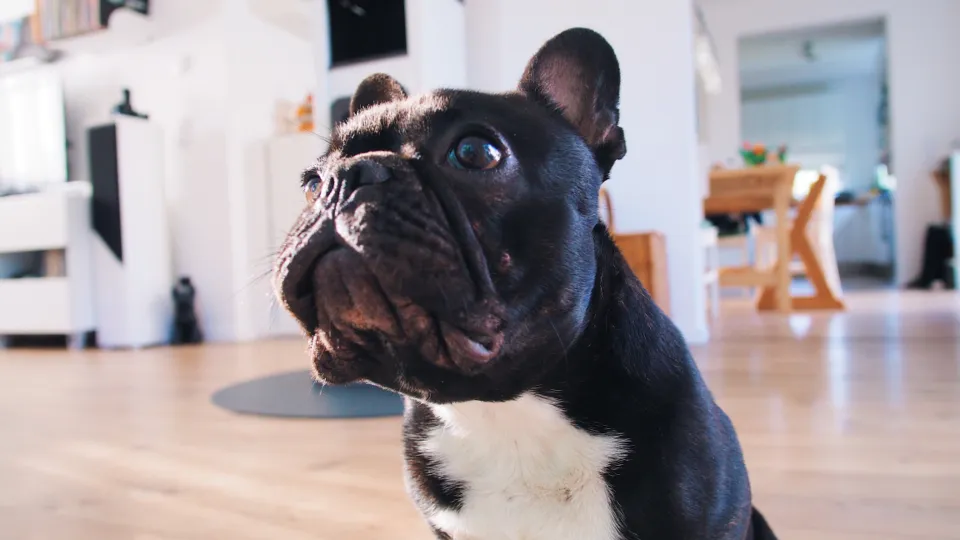
Sleeping beside the bed, on your pillow, or on the bathroom mat while you shower – these aren’t random napping spots. Dogs often choose resting places specifically because they can track their chosen human’s movements from there.
Do they pick your doorway over a softer bed elsewhere? Do they suddenly move their whole nap setup if you change where you sit or work? A deeply bonded dog will quietly re-map their favorite spots to stay on “you duty” around the clock. They don’t just want proximity – they want surveillance, and that calm, always-on watchfulness centers on one person, not the whole house.
#4 – They Copy Your Routines and Rituals
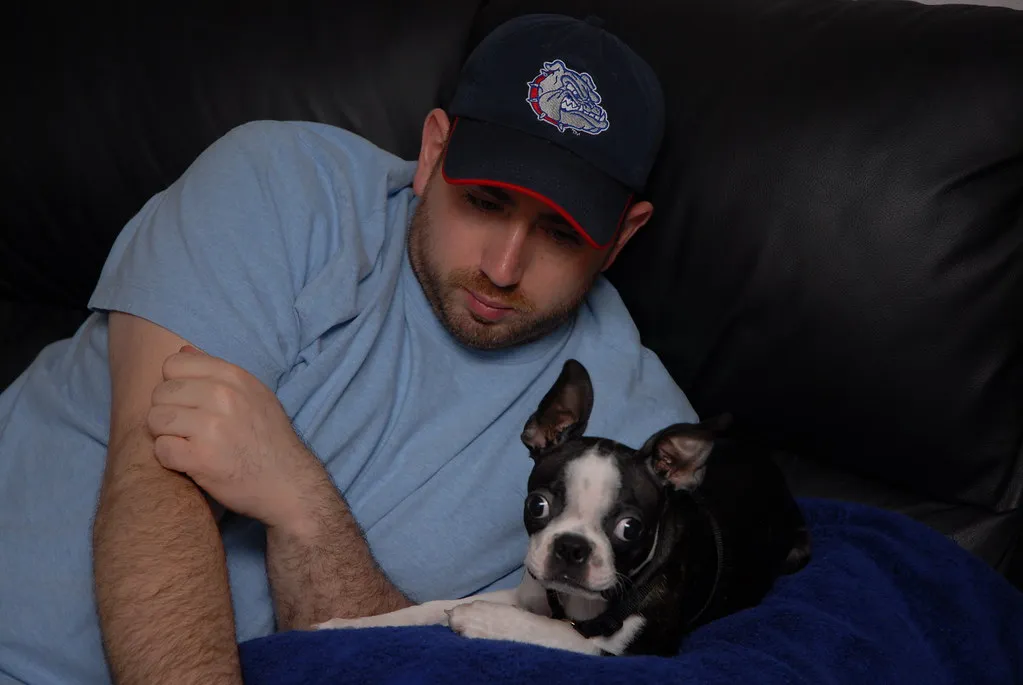
People throw around the phrase “velcro dog” like it’s cute, but there’s a deeper layer underneath it. Dogs often synchronize their daily micro-routines with the one human they’re most bonded to. You sit at your desk, they settle in the same spot every time. You make coffee, they appear in the kitchen before you’ve even reached the machine.
Over time, some dogs build entire rituals around one person – waiting at the same window when you leave, doing a specific stretch when you stand up, circling the same spot before curling up when you grab a blanket. These patterns are learned, not trained, built from constant, focused observation of one person’s habits. They’re not this dialed-in with everyone, only with the human whose rhythm they’ve decided to live by.
#3 – They Offer “Comfort Behaviors” When You’re Upset
Here’s where the science and the sentiment collide. Studies show dogs can pick up on human emotional changes through body language, tone of voice, and even shifts in scent when we’re stressed. But only some dogs respond by actively trying to comfort one specific person, and that’s usually the human they’ve chosen.
If you cry and your dog quietly lays their head on you, brings a toy, or presses their body into your side, that’s not random sympathy – it’s directed care. Many people report their dog completely ignoring other upset family members but beelining for them the second their own mood dips. You didn’t teach them this. They learned you, and decided your emotional state was their business.
Dogs are not our whole life, but they make our lives whole.
Roger Caras
#2 – They Ignore Competing Offers to Stay With You
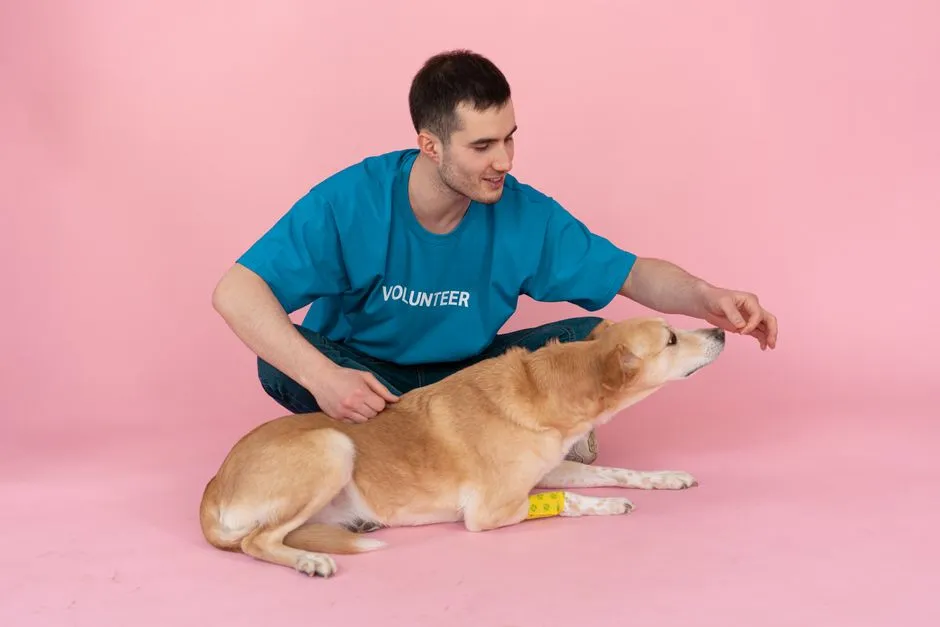
This is the behavior that quietly exposes the “my dog loves everyone equally” myth. Watch what happens when someone else calls, pets, or offers a treat while your dog is already engaged with you. A dog that has truly chosen you will often hesitate, check your face, or flat-out refuse to leave your side.
Trainers see this constantly in group settings: one person can clap or squeak a toy and most dogs will go running, except the one that glances at their chosen human first, as if asking permission. It’s not that they dislike the other person. They simply prioritize you, and if you’re sitting, they’d rather lean into your leg than chase a faster reward somewhere else.
Quick Compare
- General friendliness: Tail wags for anyone, chases any squeaky toy or raised voice.
- Chosen-human bond: Glances back at one person first, hesitates before leaving their side.
- General friendliness: Treats and attention from strangers get an instant reaction.
- Chosen-human bond: Outside rewards are welcome, but staying close to “their person” still wins.
#1 – They Choose You Even When They’re Given Complete Freedom
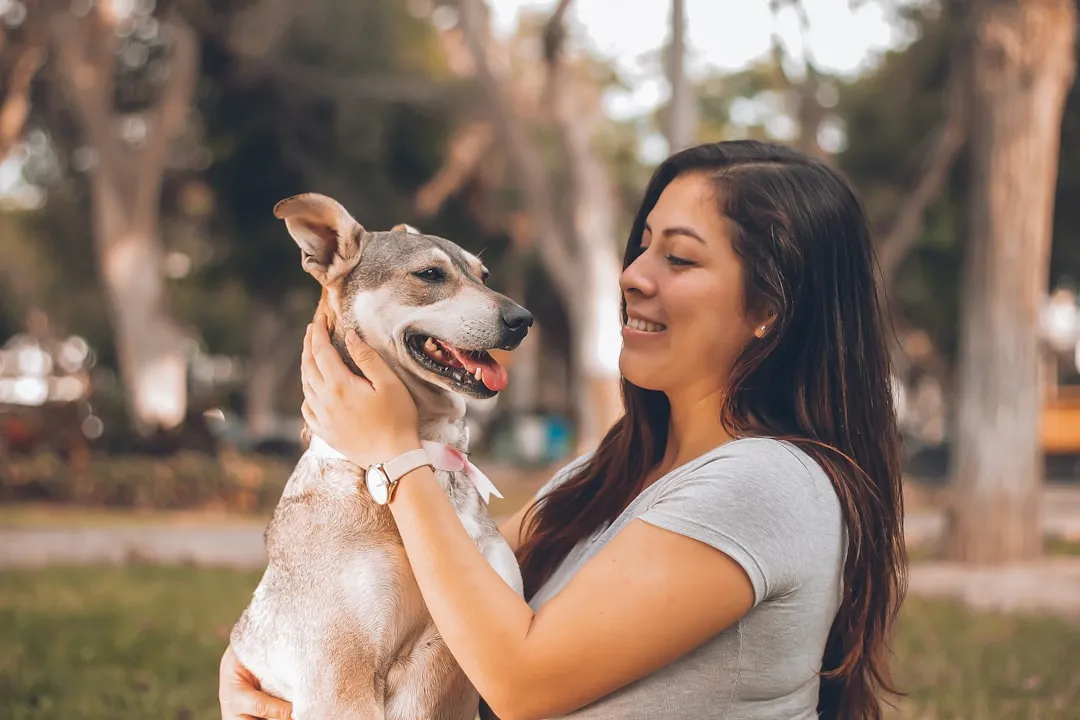
The strongest sign of all doesn’t happen in your living room. It shows up when your dog has full freedom – off leash in a safe area, at a friend’s house, at daycare, running loose at the park. Dogs that have truly chosen one human will explore, socialize, and then repeatedly return to that person like a living boomerang. Not because they’re forced to, but because they want to.
This is called “checking in,” and it’s completely different from anxiety-based clinging. The dog feels safe enough to leave, but anchored enough to come back on their own, tracking your location and your cues even when they could easily ignore you and chase fun elsewhere. That’s not training. That’s attachment telling the quiet truth: out of every option in the world, you are home.
The Bottom Line
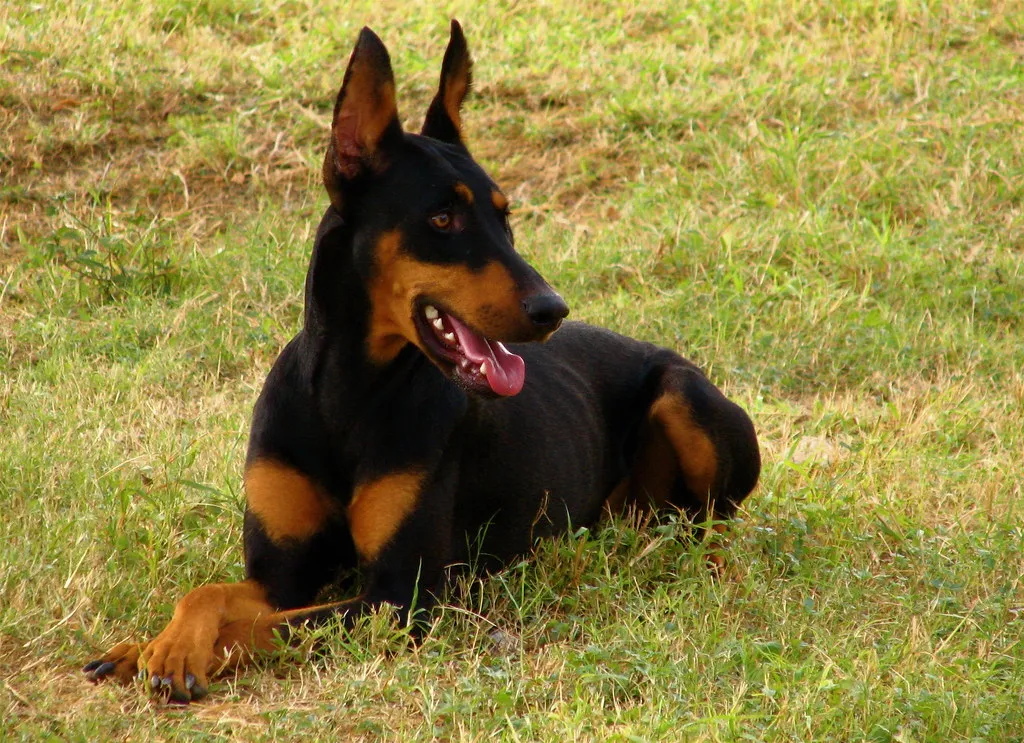
A lot of people insist dogs don’t really have a favorite human, but the behavior patterns say otherwise. The dog that sleeps in twisted, vulnerable positions near you, shadows you for no logical reason, chooses you when scared, and checks in even when the whole world is available to them has already made its decision.
Not every dog will show every single sign, and some bonds do spread more evenly across a family. But when most of these behaviors point squarely at you, that’s not just “being a good owner.” That’s a dog quietly, permanently choosing you for life – and honestly, no title or treat bag will ever earn a bond that deep. It has to be given.
Do you think dogs really have one true person, or should love be shared equally? Say what you honestly believe in the comments.

- 16 Things a Dog Only Ever Does Around the One Human It Has Truly Chosen for Life - July 31, 2026
- 19 Dog Breeds Disappearing From Family Homes Faster Than Almost Anyone Has Realised - July 31, 2026
- What Hummingbirds Do in a Storm Will Surprise You: 14 Behaviours Researchers Rarely Get to Film - July 31, 2026