


Nothing feeds the soul and mind more than traveling – many say it’s the one thing that you pay but it still makes you richer. But, in order to keep experiencing our amazing planet, we need to take good care of it. Here are 16 tips on how to travel in the most eco-friendly way to make sure that the generations after us also can marvel at the world’s wonders.
1. Choose Direct Flights

Whenever possible, book direct flights. Fewer takeoffs and landings mean less fuel consumption and fewer emissions. It’s an easy way to reduce your carbon footprint.
2. Pack Light

Pack only what you need. Lighter luggage reduces the fuel needed for transportation, whether you’re flying, driving, or taking a bus. Plus, it makes your travel experience more comfortable.
3. Use Public Transportation

Instead of renting a car or taking taxis, use buses, trains, and subways. Public transportation is often more energy-efficient and reduces traffic congestion and pollution.
4. Stay at Eco-Friendly Accommodations

Choose hotels and lodges that follow sustainable practices. Look for certifications like LEED or Green Seal, which indicate a commitment to eco-friendly operations.
5. Support Local Businesses

Shop at local markets, eat at family-owned restaurants, and hire local guides. This helps the local economy and reduces the environmental cost of importing goods and services.
6. Reduce Plastic Use

Bring a reusable water bottle, shopping bag, and utensils. Avoid single-use plastics that can harm wildlife and pollute the environment. Many destinations have water refill stations available.
7. Conserve Water and Energy

Be mindful of your water and energy use. Take shorter showers, turn off lights when you leave a room, and unplug electronics when not in use. Small actions add up to big savings.
8. Respect Wildlife
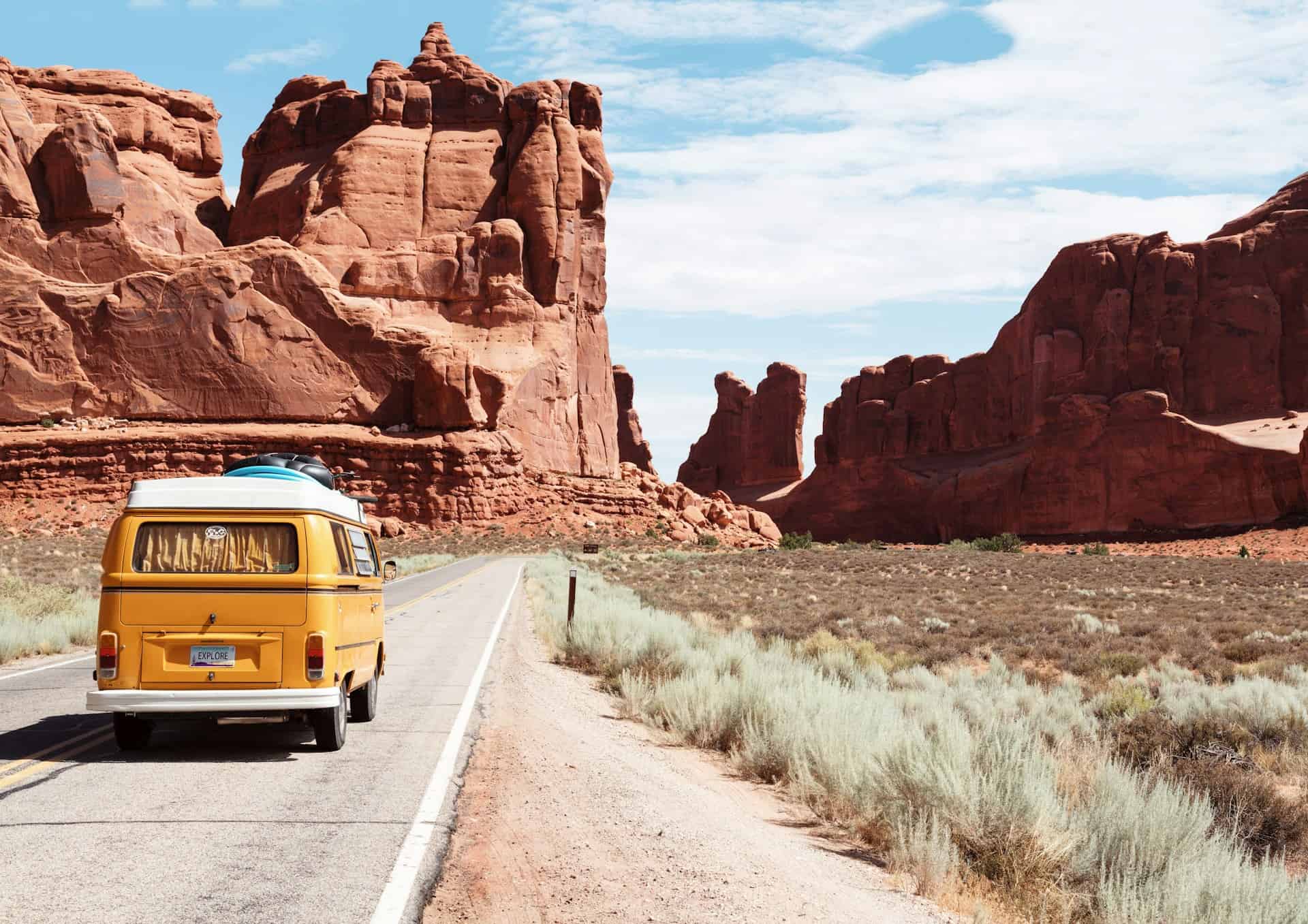
Keep a safe distance from animals and avoid feeding them. Disturbing wildlife can disrupt their natural behaviors and habitats. Always follow local guidelines for wildlife interactions.
9. Offset Your Carbon Footprint

Consider purchasing carbon offsets to balance the emissions from your travel. Many organizations offer programs that support renewable energy, reforestation, and other environmental projects.
10. Walk or Bike

Explore your destination on foot or by bicycle. It’s a great way to see the sights, get some exercise, and minimize your environmental impact. Many cities offer bike rentals and walking tours.
11. Choose Sustainable Tour Operators

Book tours with companies that prioritize sustainability. Look for operators that support conservation efforts, use eco-friendly practices, and give back to the local community.
12. Avoid Animal Attractions

Steer clear of attractions that exploit animals, like elephant rides or marine parks. Instead, visit sanctuaries and reserves that focus on animal welfare and conservation.
13. Use Digital Tickets and Maps
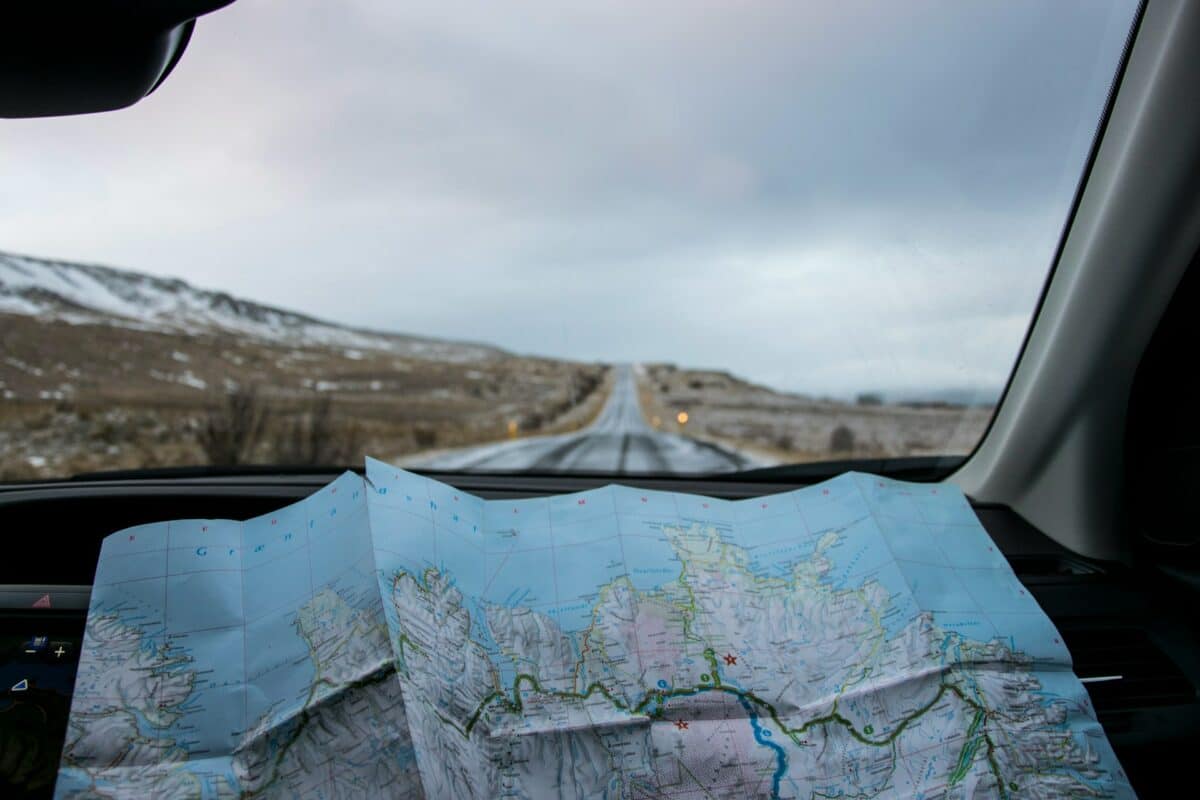
Go paperless by using digital tickets and maps. It reduces waste and is often more convenient. Most places now offer mobile-friendly options for all your travel needs.
14. Participate in Eco-Friendly Activities

Choose activities that have minimal environmental impact, like hiking, snorkeling, or kayaking. These activities allow you to enjoy nature without harming it.
15. Eat Local and Plant-Based

Opt for locally sourced and plant-based meals. This reduces the carbon footprint associated with food transportation and animal agriculture. Plus, it’s a great way to experience local flavors.
16. Limit Use of Disposable Products

Avoid using disposable products like travel-sized toiletries. Instead, use refillable containers and reusable items. This reduces waste and the demand for single-use plastics.
If you’ve been thinking about booking a trip – this is your sign! Nothing fills our cup more than seeing different kinds of cultures and nature. But as you pack, remember to bring these tips to do your best to leave this planet as you found it.

For any feedback please message to Feedback@animalsaroundtheglobe.com
- 22 Animals You Could Encounter If You Go Camping in Minnesota - July 20, 2026
- Leopard Seals’ Double Threat: How Their Unique Teeth Make Them Master Hunters - July 20, 2026
- 23 Most Endangered Spiders - July 20, 2026