
Most people assume wild animals want nothing to do with us – and that if one ever “bonds” with a human, it’s basically a Disney movie waiting to happen. The real story is stranger, messier, and a lot less magical than the highlight reels suggest.
A handful of species really do fixate on one person: memorizing their voice for years, ignoring everyone else, even reacting with panic when that human disappears. But once you understand what’s actually happening inside that animal’s brain, the “aww” factor gets complicated fast. Here’s what wildlife rehabbers, trainers, and researchers say really happens when a wild animal picks its human – and refuses to let go.
#1 – Wolves: The Obsessive “Pack Bond” That Doesn’t Switch Off
🔥 Would you like to save this?
We'll email this post to you, so you can come back to it later!
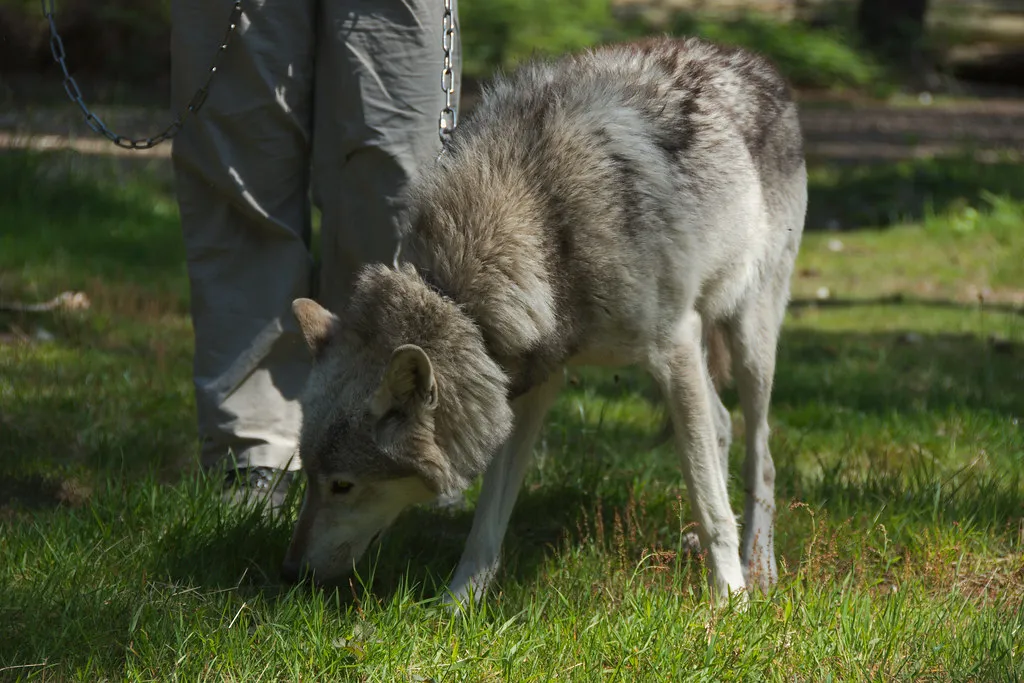
Wolves raised by hand don’t just tolerate their human – they slot that person straight into their mental “pack” map. Bottle-feed a pup, sleep near the enclosure, handle the socializing yourself, and that animal can key in on you so hard that nobody else ever earns the same trust. Handlers describe wolves pacing, whining, or refusing food the moment “their” human disappears for too long. That’s not cute. That’s dependency with teeth.
The strange part is that wolves don’t really do casual relationships. Once you’re imprinted into their social structure, it’s serious. Some will recognize your scent and voice years later, and show calmer body language, softer eyes, and more approach behavior only with you. But even a deeply bonded wolf can redirect aggression at you during high-stress moments, because to its brain, you’re still a wolf-sized body caught inside a wolf-sized drama. The attachment is real. So is the danger.
#2 – Orcas: Ocean Giants With Eerie Social Memory
🔥 Would you like to save this?
We'll email this post to you, so you can come back to it later!
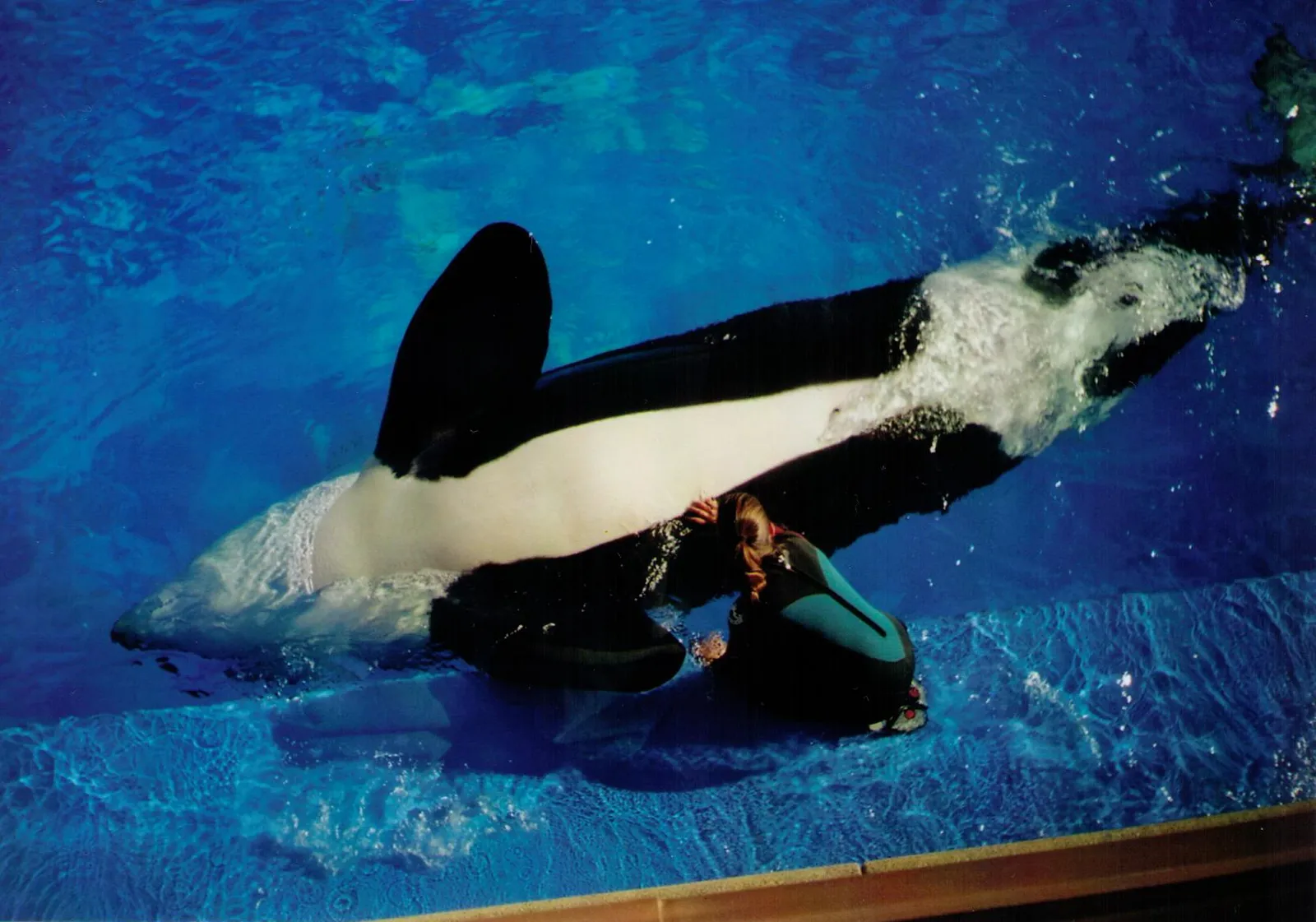
Orcas live in tight-knit matrilineal pods and carry some of the most complex social brains in the animal kingdom. In captivity and rehab settings, individuals have shown long-term attachment to specific trainers – responding only to their whistle patterns, checking in visually for reassurance, and growing agitated when that person steps out of sight.
Their social memory is almost unsettling. There are documented cases of orcas recognizing the same human after years apart and instantly resuming familiar behavior, like the relationship never paused. In the wild, rescued juveniles released back into the ocean have lingered near the boat of the human who cared for them, trailing it far past what curiosity alone would explain. Orcas live inside layered social realities – family, alliance, culture – and once you’re written into that story, the animal may never fully close the file.
#3 – Elephants: Grudges, Grief, and Lifelong Human Files
🔥 Would you like to save this?
We'll email this post to you, so you can come back to it later!
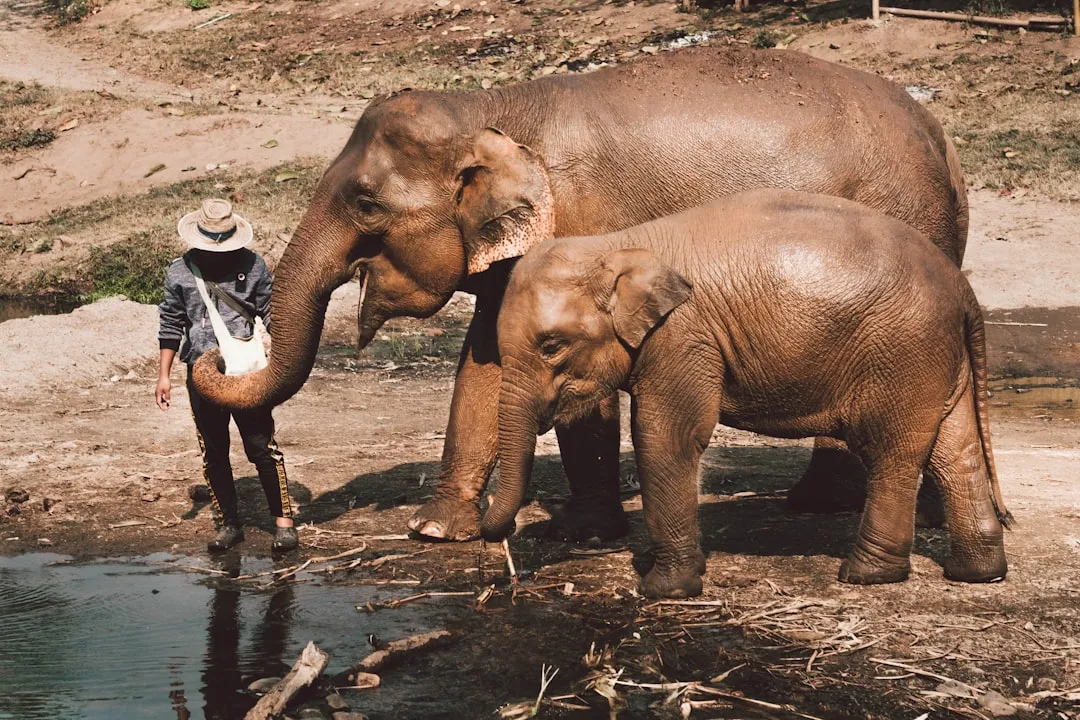
Elephants don’t just remember watering holes. They remember people, for decades. Across parts of Africa and Asia, individual elephants have been seen relaxing around one former keeper or vet while staying tense and defensive with everyone else. Researchers believe elephants build something like a social file on specific humans, tagged emotionally as “safe,” “dangerous,” or “family-adjacent.”
Bottle-feed a rescued calf, or spend years as its primary caretaker, and you often become that anchor for life. Sanctuary staff describe elephants rumbling and reaching their trunks toward one specific person from across a field, or relocated animals responding instantly to an old caretaker’s voice after years apart. This isn’t food-based conditioning – elephants seek touch, calm down in certain presences, and will walk away from the herd just to stand near “their” human. It’s beautiful. It’s also shaped by trauma, captivity, and loss, which makes it a lot messier than it looks.
Fast Facts
- Elephants have some of the largest brains of any land mammal, with a temporal lobe closely tied to long-term memory.
- Matriarchs typically lead herds for decades, passing down knowledge of routes, danger, and trusted humans to younger generations.
- Sanctuary elephants have been recorded reacting to a specific caretaker’s voice after 15-plus years of separation.
#4 – Dolphins: The Ocean’s Social Stalkers
🔥 Would you like to save this?
We'll email this post to you, so you can come back to it later!
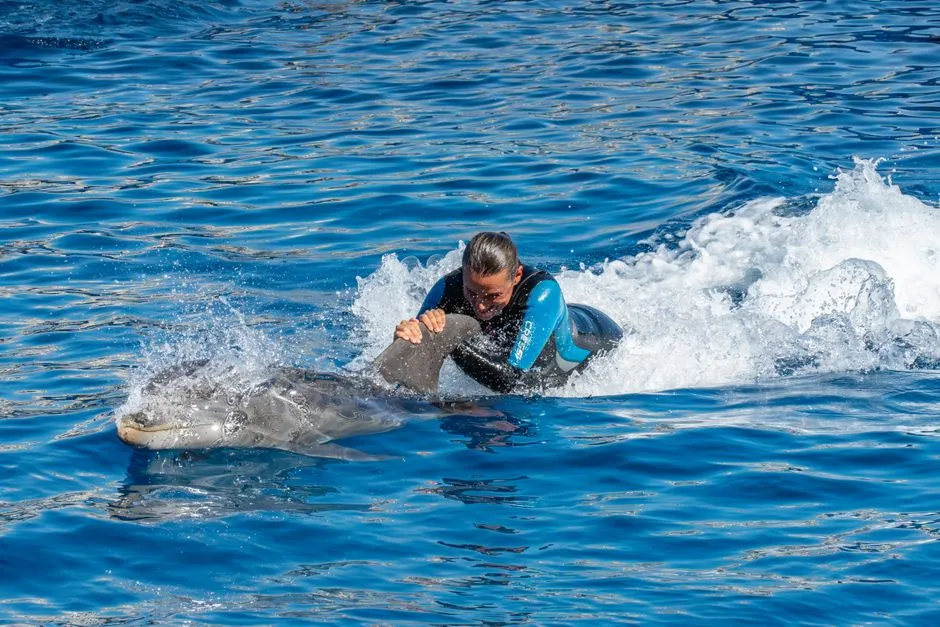
Dolphins are the animal everyone wants to believe is simply “friendly,” but the real story runs deeper. Certain individuals, especially those habituated to human feeding, fixate on one particular person or small group. Trainers describe dolphins that ignore everyone else in the pool and only perform, play, or bring objects to “their” person – a selective preference, not random affection.
In some coastal areas, wild dolphins have developed quasi-relationships with local fishers or regular swimmers, recognizing their gait at the surface, the engine sound of a specific boat, even a distinct whistle. Once locked on, some escalate: following kayaks for miles, blocking a swimmer’s path, or offering fish and seaweed like gifts, always to the same human. It looks flattering right up until mating season or stress kicks in, when that same fixation can turn rough fast.
#5 – Ravens: Wild Birds That Remember Faces Like a Rolodex
🔥 Would you like to save this?
We'll email this post to you, so you can come back to it later!
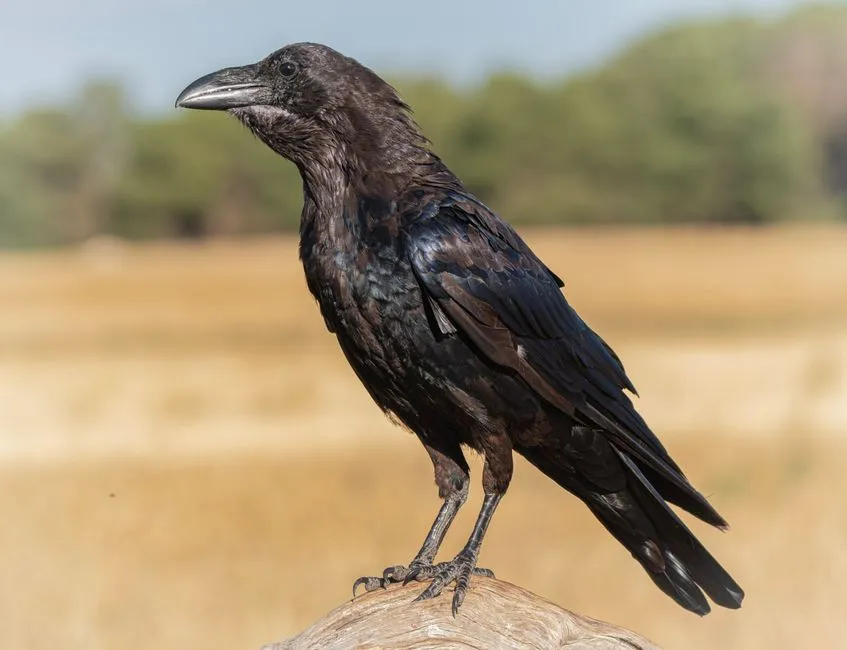
Most people think “bird brain” means forgettable. With ravens, it means the opposite – you’re on file, possibly forever. Studies confirm ravens can recognize individual human faces and react differently based on past experience. What’s less talked about is how some semi-wild ravens attach to one familiar person and treat everyone else like background noise.
Rehabbers describe ravens that wait for a specific car, perch outside one office window, or shadow a single hiker’s route day after day while every other person on the trail goes unnoticed. These birds bring odd gifts – shiny objects, bones, sticks – and reserve their longest vocal displays for one person alone. It’s strategic bonding, not romance: a raven that’s gotten food or safety cues from you once may keep checking in for years. And yes, ravens are equally famous for holding grudges when that trust gets broken.
#6 – Red Foxes: Street-Smart Opportunists That Turn Clingy
🔥 Would you like to save this?
We'll email this post to you, so you can come back to it later!
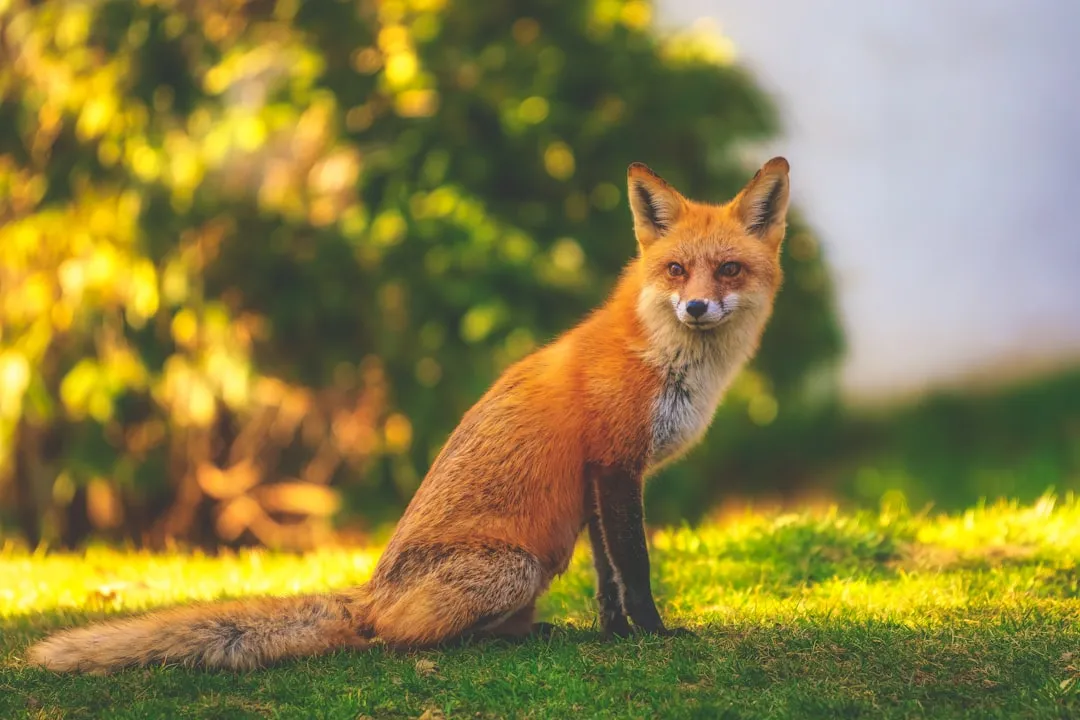
Foxes are usually skittish, but a human-raised or heavily habituated red fox can become oddly fixated on one person. Hand-raised kits often treat a single caregiver as their entire social center – shadowing them room to room, whining at separation, greeting them with frantic tail-wags. It’s adorable, until you remember this is still a wild canid with sharp teeth and a real prey drive.
Even semi-wild foxes on the edges of rural towns sometimes imprint on the one homeowner who feeds them, showing up on schedule and avoiding everyone else in the yard. In enclosures, only the “chosen” person can handle them without stress responses, while strangers get visible agitation or defensiveness. The uncomfortable truth is that this creates a one-way dependency the human can’t ethically sustain – relocation, illness, or a simple change in routine can leave the animal dangerously disoriented.
#7 – Great Apes: Attachment With Human-Level Complications
🔥 Would you like to save this?
We'll email this post to you, so you can come back to it later!
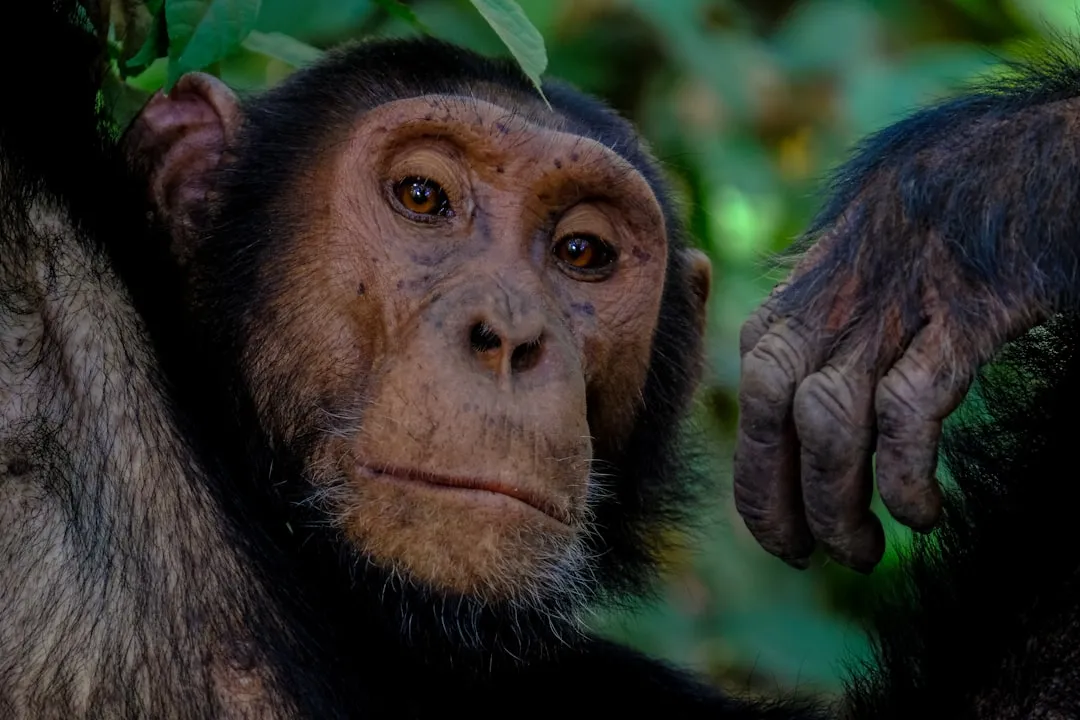
If any wild animals form disturbingly human-like attachments, it’s the great apes. Chimps and bonobos raised by or heavily handled by humans develop deep, long-lasting bonds with one or two specific people, responding with clear joy even decades later. They remember voices, smells, routines – and they absolutely play favorites.
But it’s not just affection. Their social minds generate jealousy, possessiveness, and status games around “their” human. Zoo staff report chimps turning aggressive toward other keepers who get close to their favorite person, and orangutans refusing medical care unless that one trusted human is present. A bonded individual might bang on windows, scream, or stop eating when their person vanishes. It feels like loyalty. It’s also emotional captivity created by literal captivity.
Chimpanzees, more than any other living creatures, have helped us to understand that there is no sharp line dividing humans from the rest of the animal kingdom.
Jane Goodall
#8 – Big Cats: Dangerous Devotion
🔥 Would you like to save this?
We'll email this post to you, so you can come back to it later!
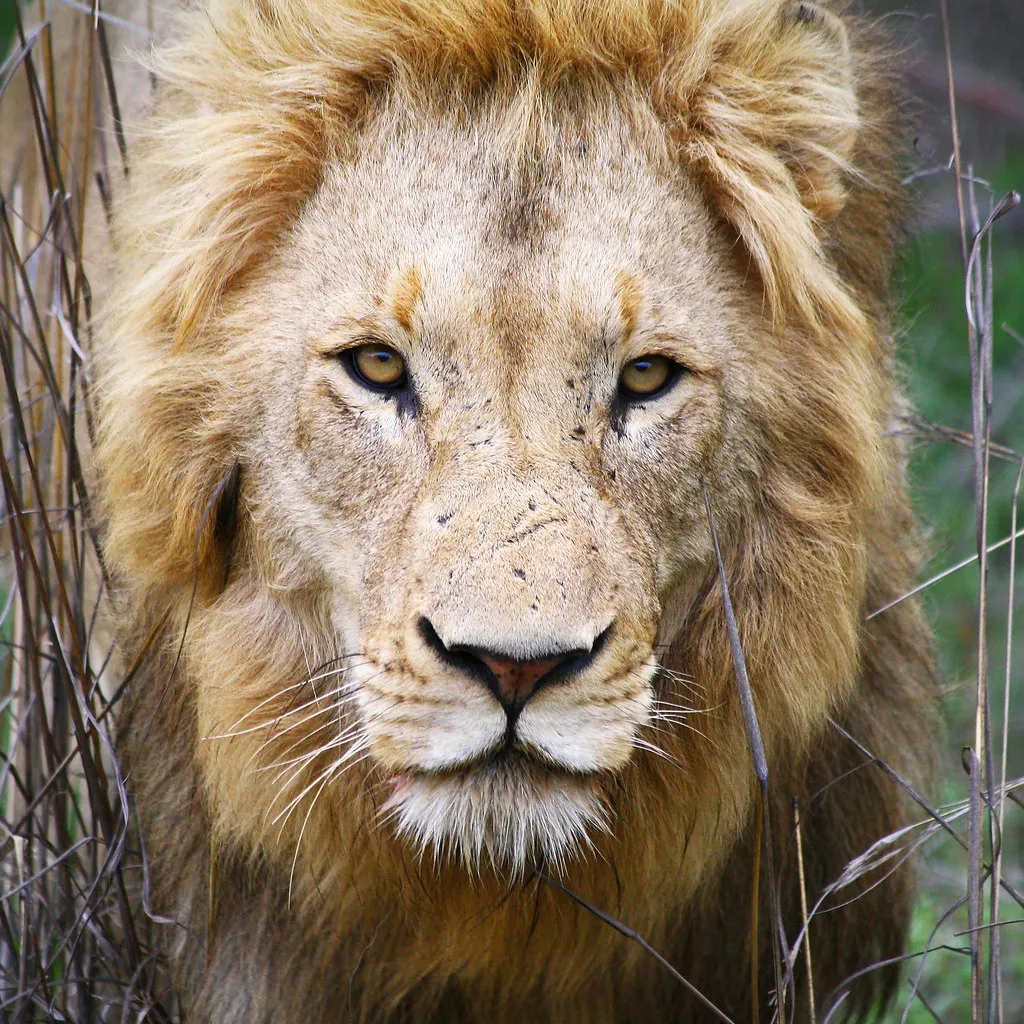
Videos of “tame” lions hugging former caretakers go viral for one reason – they hit a fantasy nerve. The reality is a cocktail of imprinting, resource association, and social bonding, all running through a predator’s body. Trainers describe tigers that chuff excitedly for one person and stay aloof or hostile with everyone else, following that human’s movements along the fence line for years.
The cat calms visibly at a familiar voice, even off exhibit, and may resist handling or feeding from anyone new. The illusion is that bond equals safety. It doesn’t. Even with a lifelong favorite person, big cats keep their full predatory toolkit intact and can flip in an instant if startled, frustrated, or sexually charged. The attachment is real – these animals genuinely grieve when that human disappears – but it’s built inside a brain wired for ambush and dominance, and that’s the disconnect social media never shows.
#9 – Brown and Black Bears: From Curious Cubs to Fixated Giants
🔥 Would you like to save this?
We'll email this post to you, so you can come back to it later!
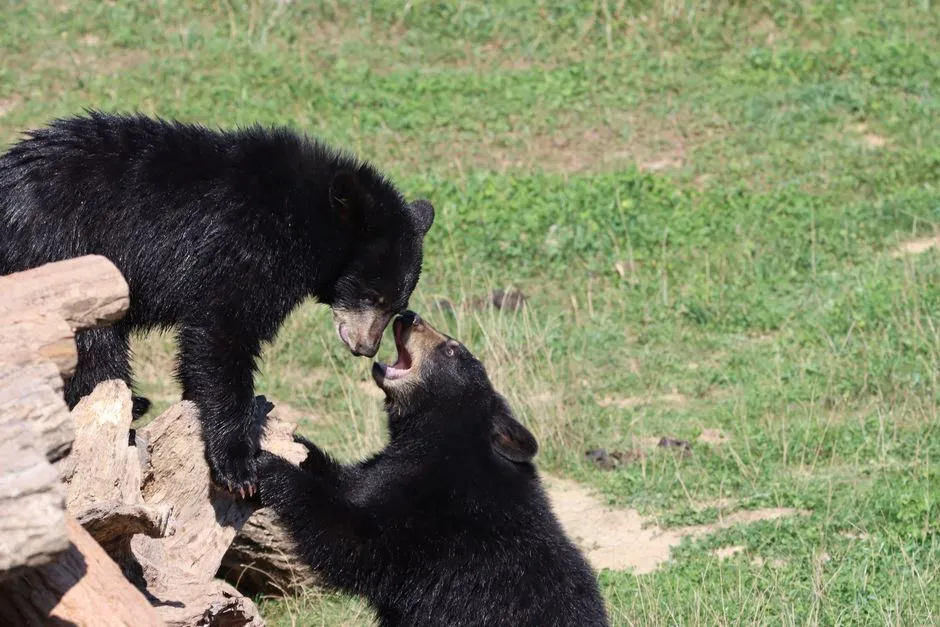
No responsible biologist wants a bear bonding to a human, because it usually ends badly. But where it happens, especially with orphaned cubs raised by hand, the attachment to one caregiver can be incredibly strong. Rehab workers describe bears whimpering or pacing when “their” human leaves, and relaxing into full-body contact only with that one particular person.
Some released bears have later been spotted lingering near old rehab sites, apparently drawn back by familiar smells and routines. At sanctuaries, certain bears come to the fence only when a specific voice calls, offering relaxed posture solely to that handler. The awful truth is that a bear which sees one human as safe and everyone else as neutral or threatening becomes a serious liability. That’s why many programs now enforce strict rotation and minimal handling – to prevent exactly this kind of single-person fixation.
Worth Knowing
- Many wildlife agencies require multiple rotating caretakers for orphaned cubs specifically to prevent single-person imprinting.
- A bear that loses its natural wariness of humans is often labeled “habituated” and considered unreleasable.
- Black bears can live two to three decades in the wild, meaning early imprinting can shape an animal’s behavior for most of its life.
#10 – Raccoons: Trash Pandas With Imprinting Issues
🔥 Would you like to save this?
We'll email this post to you, so you can come back to it later!
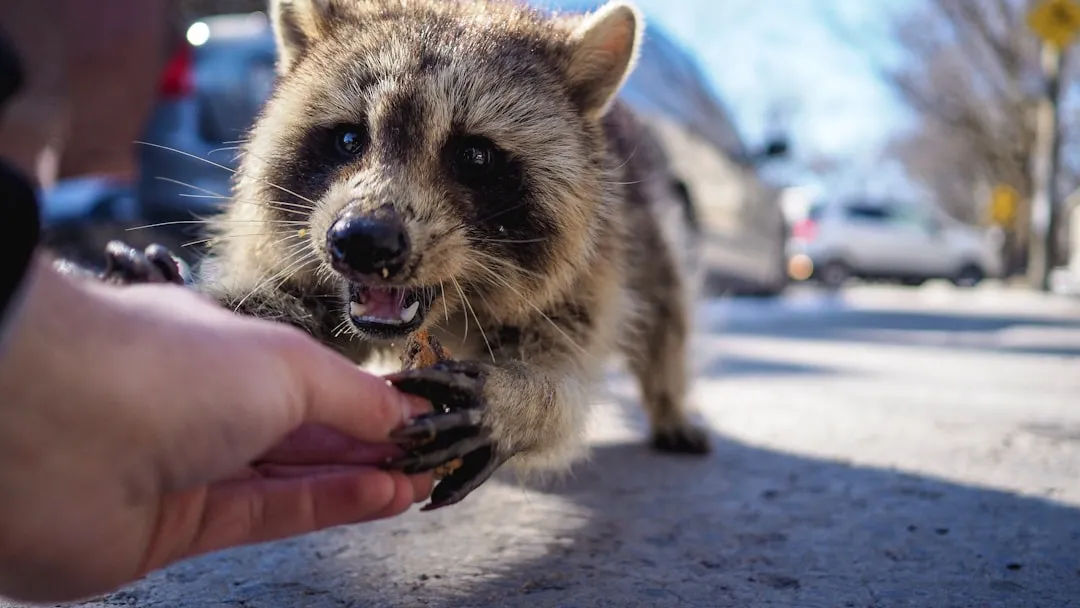
Raccoons look like cartoon bandits, but their social intelligence is underrated. Taken in as orphaned kits, they often latch onto one primary human with dog-level intensity – climbing them, riding on shoulders, following everywhere. That’s not domestication. That’s imprinting fused with a smart, manipulative little brain.
Long-term, this can turn into a pseudo-bond where the raccoon runs to the door only at the sound of one person’s footsteps, and accepts handling or medical treatment only from them. Even after release, some raccoons return repeatedly to the yard or porch of “their” human while ignoring the neighbors entirely. It’s flattering right up until you realize you’ve created an animal that fits cleanly into neither world – too bold for the wild, too wild for a home. That’s exactly why many rehabbers now limit one-on-one bonding on purpose.
#11 – Crows: Urban Locals That Put You on Their Mental Map
🔥 Would you like to save this?
We'll email this post to you, so you can come back to it later!
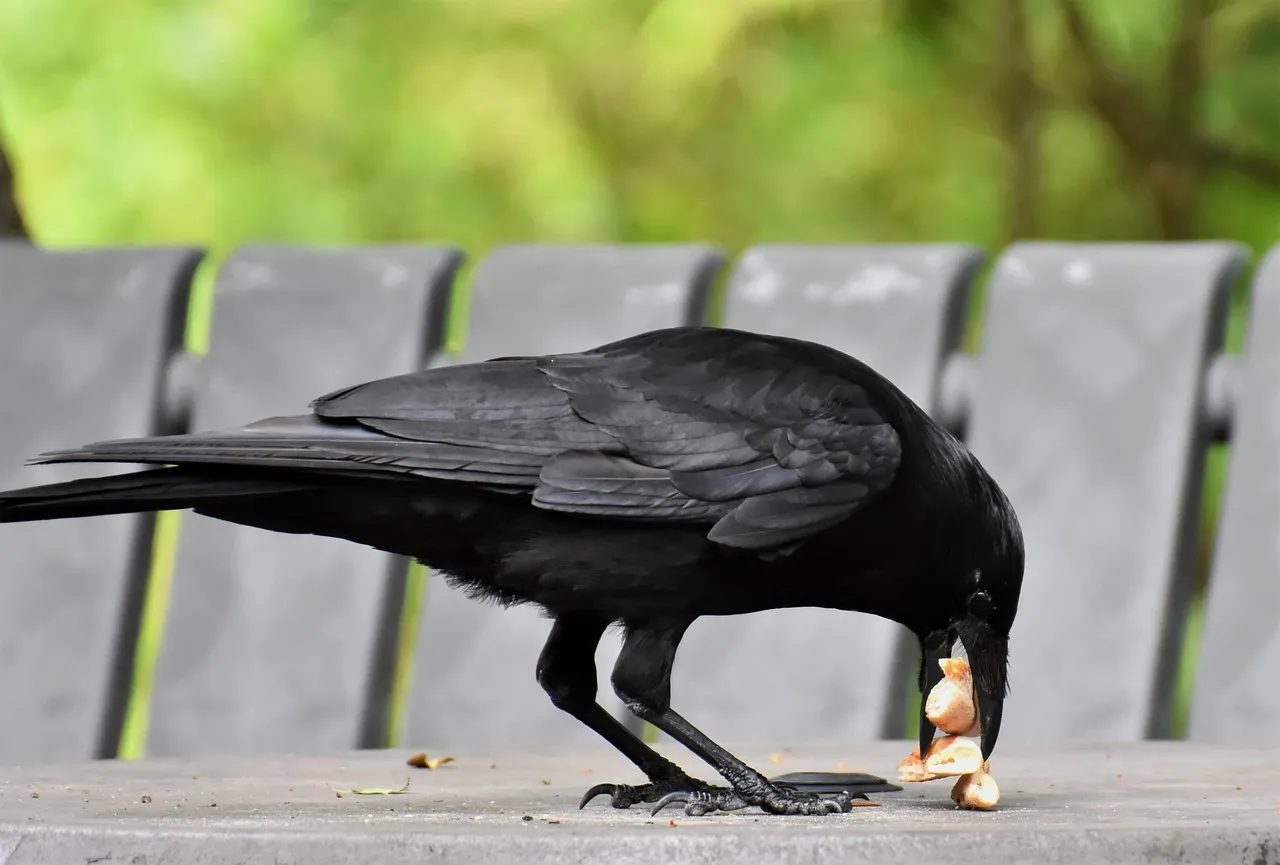
Crows might be the most relatable wild animal on this list, because millions of people live under active crow surveillance without knowing it. Feed one consistently, or interact with it in a memorable way, and it can lock onto you as a known individual, tracking your schedule, your home, even your car.
Some city dwellers accidentally become “crow people” when one bird starts following them block to block, or a small group calls out the moment they step outside – but not for anyone else in the household. There are credible reports of crows delivering small objects, shells, bottle caps, bits of plastic, to one specific human and nobody else nearby. Once a crow decides you’re a reliable resource or an interesting social partner, that file stays open for years, and birds have been known to check an old routine long after the human moved away.
At a Glance: Corvid Memory
- Crows and ravens can recognize and remember individual human faces for several years.
- They’re known to pass along information about “threatening” or “friendly” people to their own offspring and other crows.
- Both species use and sometimes shape simple tools to solve problems, a rare trait outside primates.
#12 – Grey Parrots and Other Wild-Caught Parrots: Emotional Hostages in Domestic Settings
🔥 Would you like to save this?
We'll email this post to you, so you can come back to it later!
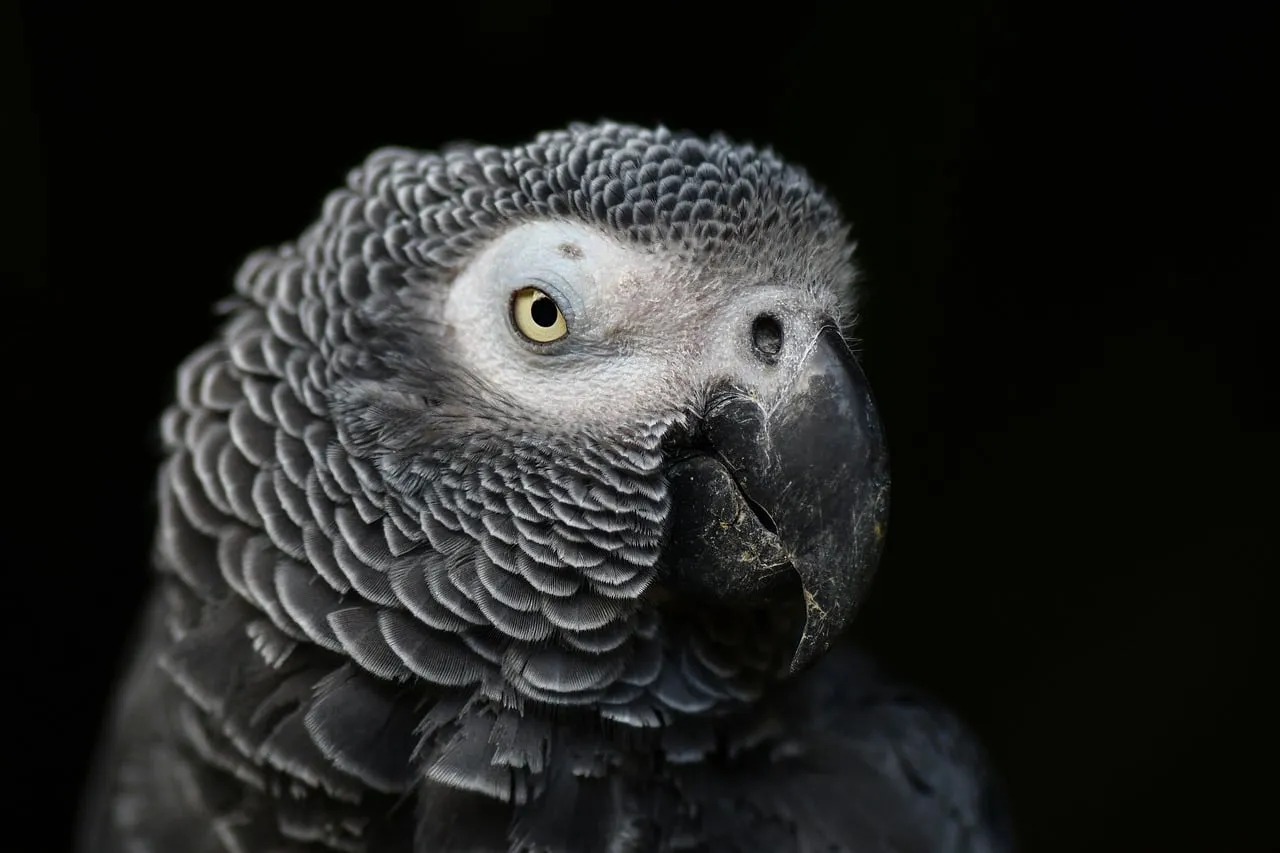
Parrots blur the line between wild and pet like almost no other group. Many species are technically wild animals living in private homes, especially older, wild-caught African greys and Amazons, and they’re notorious for bonding intensely to one human while rejecting everyone else. That can mean screaming when the person leaves the room, feather-plucking, or attacking family members who get too close.
Their cognitive and emotional capacity is high enough that the bond can look eerily like obsession, stepping up only for one individual and refusing food or attention from anyone else. What makes this especially tragic is lifespan – some parrots live 50-plus years, so an early attachment can shape decades of behavior. Even if the primary human rehomes the bird, it may never fully let go, staying depressed, phobic, or selectively aggressive for the rest of its long life.
#13 – Dingoes and Other “Almost Dogs”: Halfway Between Wild Pack and Living Room
🔥 Would you like to save this?
We'll email this post to you, so you can come back to it later!
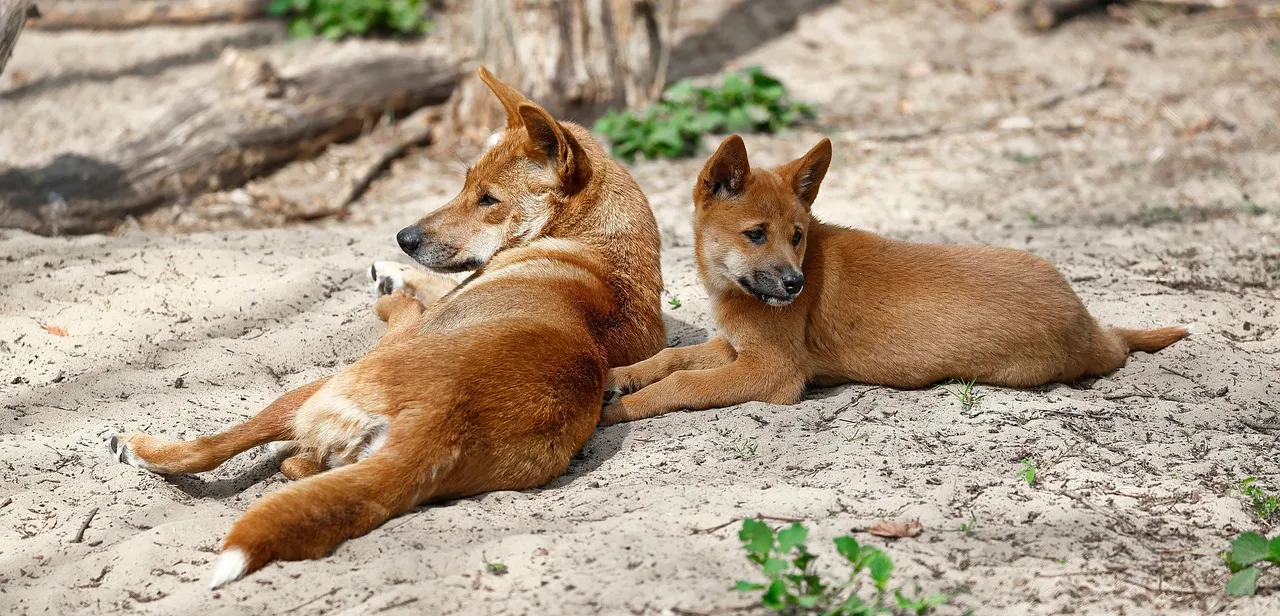
Dingoes, New Guinea singing dogs, and other primitive canids sit in a grey zone between wolves and domestic dogs. Raise one in close contact and you get a bond that feels like a dog’s loyalty but runs on wild instincts. Owners describe dingoes shadowing a single person relentlessly, maintaining line-of-sight almost constantly, and panicking or turning destructive when separated.
Unlike a typical dog, these canids haven’t been shaped by thousands of years of selection for stable, flexible bonding with humans. The result is a more brittle connection – incredibly deep with one person, fragile or even dangerous with the rest of the world. You can change houses or jobs, but in the animal’s mind, you’re still its human, and some never truly reattach if that link breaks.
#14 – Barn Owls and Imprinted Raptors: Ghosts That Still Come When You Call
🔥 Would you like to save this?
We'll email this post to you, so you can come back to it later!
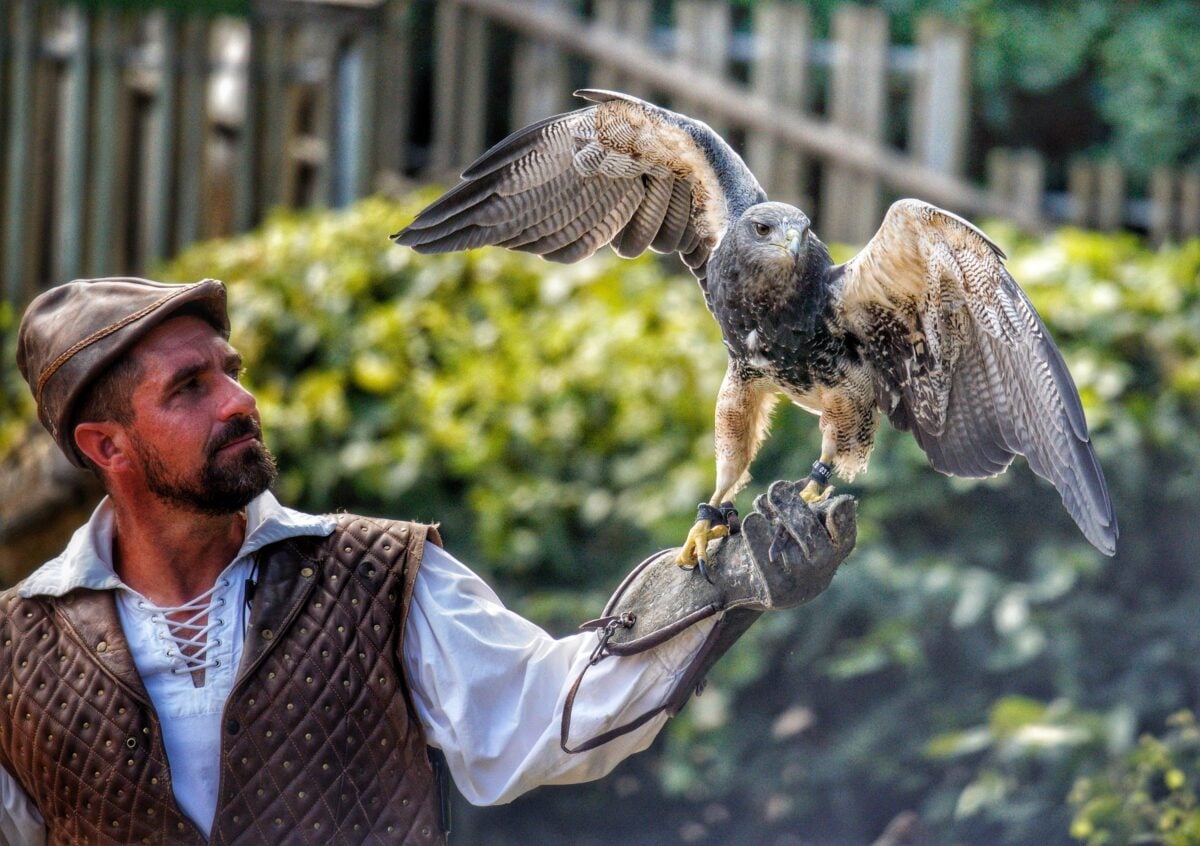
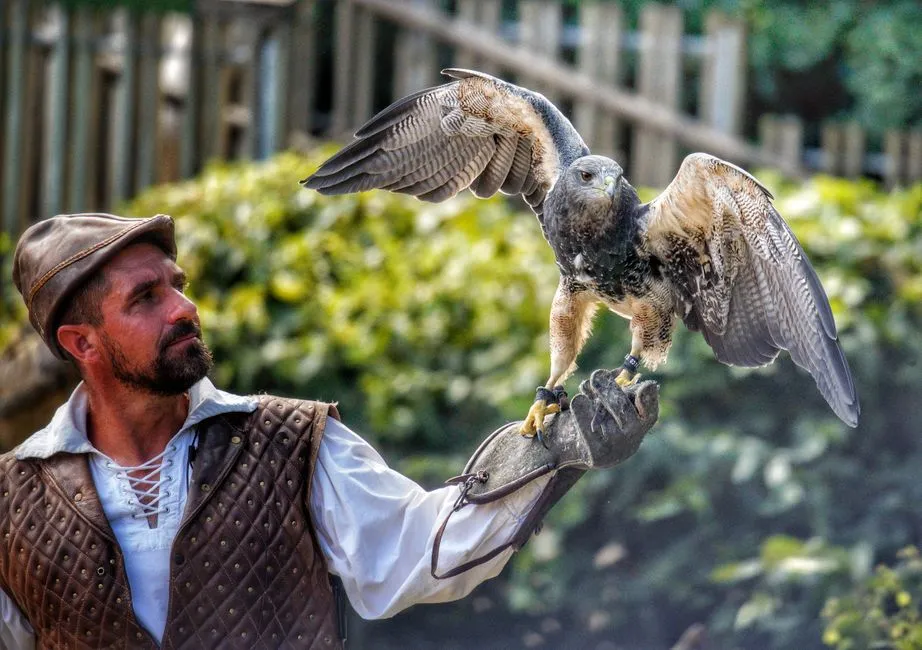
Raptors are supposed to stay wild-eyed and aloof, but imprinting changes everything. A barn owl or hawk raised from a small chick in a falconer’s home can bond so strongly to that person that its normal fear of humans barely exists. It begs for food, seeks contact, and may even attempt courtship behavior toward its person once mature.
Falconers describe imprinted birds refusing to hunt or train for anyone except their original handler, and released raptors returning repeatedly to the old mews, car, or house. Even when transferred to new handlers, some never fully rewire that original attachment, tolerating new people while staying keyed to the specific voice or handling style of the first. It’s one of the biggest reasons ethical raptor rehab now works hard to avoid imprinting in the first place.
#15 – Harbor Seals and Other Marine Mammal Orphans: Beach Babies That Don’t Forget
🔥 Would you like to save this?
We'll email this post to you, so you can come back to it later!
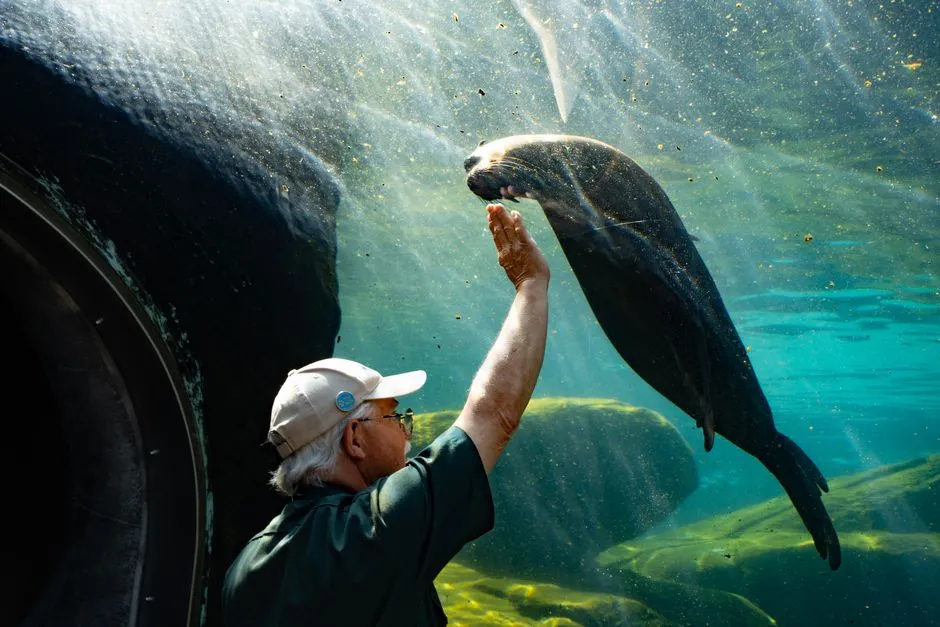
Few things melt people faster than a big-eyed seal pup, and that emotional reaction is exactly what turns some orphans into lifelong human chasers. Raised in close quarters, harbor seals, sea lions, and other pinnipeds can zero in on one particular caregiver as their default safety anchor, tracking that single person across a pool while ignoring everyone else.
Even after a proper release, some rehabbed individuals keep hanging around harbors and beaches where humans gather, especially when they spot someone with a familiar build or gait. They’re not being grateful – they’re imprinted, still searching for a connection that technically ended. Wildlife agencies now actively warn the public not to interact with “friendly” seals for exactly this reason: once a wild animal maps a human as its person, turning that off is nearly impossible.
Fast Facts
- NOAA guidelines recommend staying at least 150 feet away from seals and sea lions on public beaches.
- A seal pup that approaches humans repeatedly is often sick, orphaned, or improperly habituated rather than simply “friendly.”
- Human contact with a seemingly abandoned pup can cause the mother to reject or abandon it permanently.
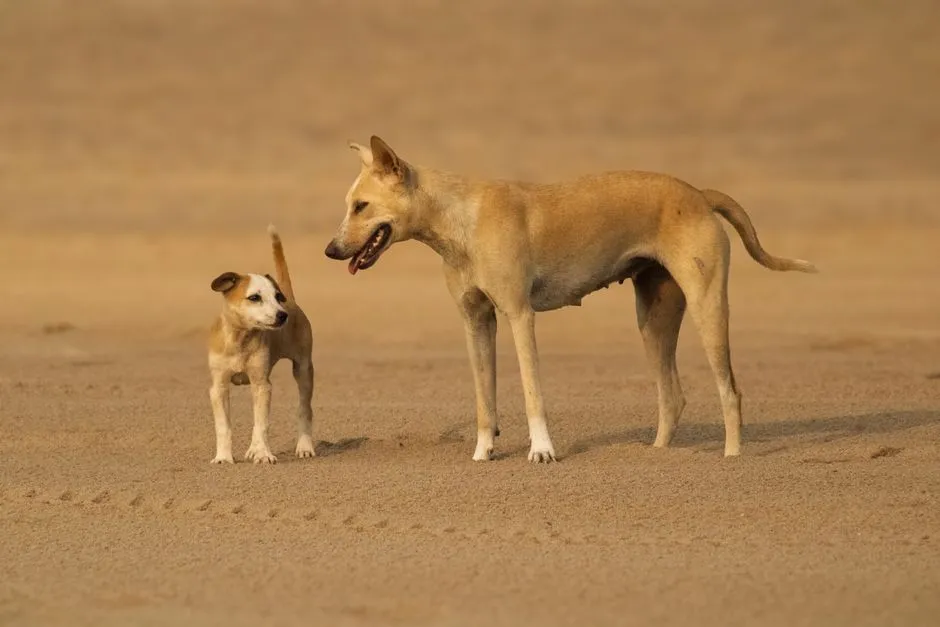
#16 – Domesticated Dogs Gone Feral (and Then Reclaimed): The Attachment That Survives Both Worlds
🔥 Would you like to save this?
We'll email this post to you, so you can come back to it later!
Here’s the twist ending: the wild animal that most obsessively attaches to one human is often a formerly domestic dog that went feral and then reconnected. Behaviorists have seen the pattern repeat – a dog bonds deeply, gets lost or dumped, survives semi-wild for months or years, then still recognizes and reattaches to that original human as if no time passed at all.
These dogs can form some of the most unshakeable bonds on this entire list, remembering a specific voice or car engine after living rough, and choosing to walk away from a feral pack just to follow their person back into human life. Once home, they can become hyper-attached, shadowing that human and panicking at any hint of separation. A feral dog isn’t technically a wild species, but it’s lived both realities – and the fact that the original bond survives trauma, hunger, and an entirely different lifestyle says something blunt: dogs were built, over thousands of years, to latch onto us and never fully let go.
The Bottom Line
The romantic version of this story is that wild animals choose one special human out of pure love. The real version is harsher and more interesting: most of these intense bonds are a side effect of imprinting, trauma, or unnatural proximity, not a fairy-tale connection. Wolves and dingoes treat us like confused pack members. Dolphins and crows file us under “useful social contact.” Elephants, apes, and parrots turn into emotional hostages when we trap them in relationships they never asked for and can’t walk away from.
Here’s the part that sticks with me: when a wild animal attaches to one person and never fully lets go, it usually means we dragged it into a human-centered world it didn’t choose. That connection can feel magical, but it often signals a life cut off from normal wild behavior. So the next time someone brags about their “special bond” with a wild animal, ask the uncomfortable question – are we celebrating loyalty, or our own inability to let wild things stay wild?
Did we miss a species you think belongs on this list? Say which one, and why, in the comments.

- 7 Everyday Habits That Can Make Your Senior Dog Happier - November 5, 2026
- 10 Enigmatic Structures That Continue to Puzzle Scientists Today - November 5, 2026
- 10 Strange Ruins in the Americas That Challenge What We Know About Early History - November 5, 2026