
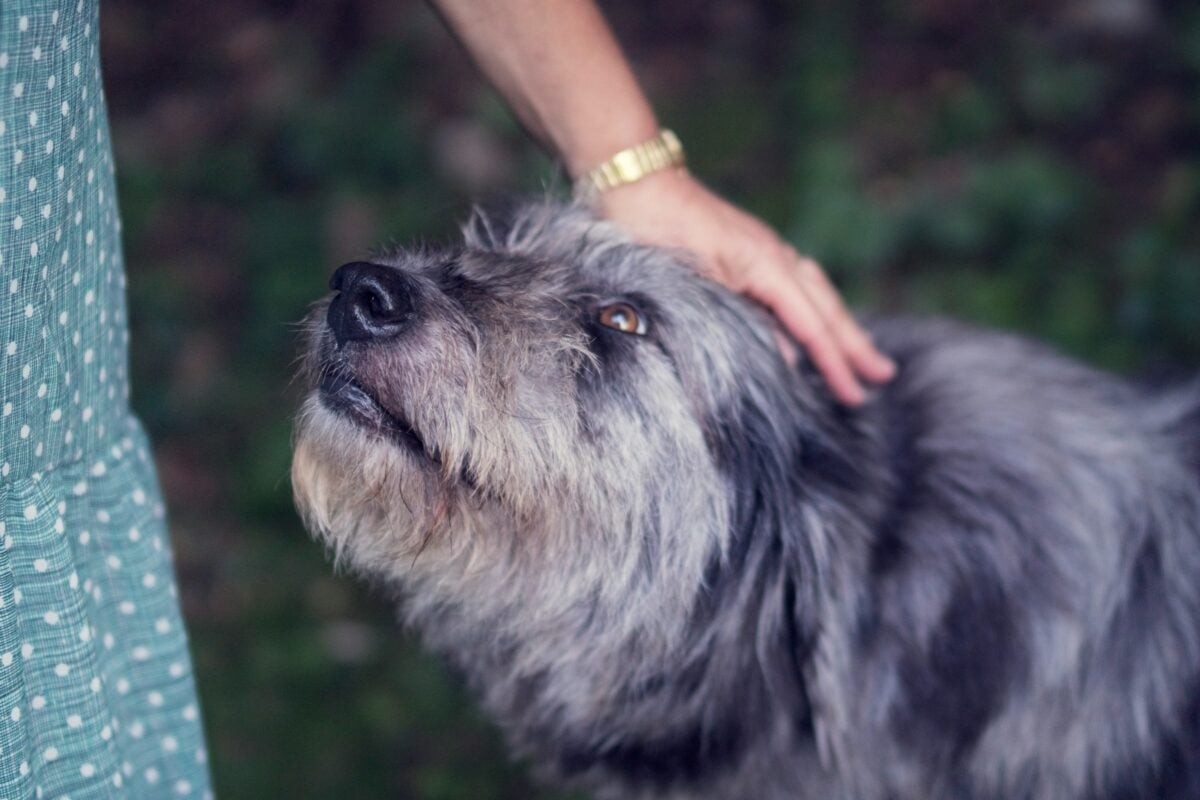
Most people assume a dog’s final days come down to a soft bed and a few extra treats. Veterinarians and animal behaviorists know something most owners never hear out loud: your dog isn’t watching the blanket or the biscuit. They’re watching you.
Your tone, your touch, your routine, even the way you walk into a room – all of it quietly shapes what their last days feel like. And here’s the uncomfortable part: some of the things humans do “out of love” actually make a dying dog more anxious, not less. Keep reading, because comfort #1 is the one almost every owner gets backwards.
#15 – Quiet, Predictable Days (Not Big, Emotional Goodbyes)

🔥 Would you like to save this?
We'll email this post to you, so you can come back to it later!
Most people assume a dog’s last days should be filled with constant activity and dramatic farewells. In reality, the first thing a dying dog quietly begs for is predictability. Their body is failing, their world is shrinking, and loud visitors, frantic crying, or last-minute “bucket list” chaos can feel more confusing than comforting.
Dogs are routine-driven animals. When they’re weak, that routine becomes their safety net. That means:
- Keeping feeding, meds, and bathroom trips on a steady rhythm.
- Limiting new people or environments unless your dog clearly loves them.
When pain, nausea, or confusion from organ failure or medication kick in, the brain clings to patterns it understands. A stable, boring day can be kinder than a dramatic, “special” one.
This doesn’t mean you can’t have last walks or favorite car rides. It means you space them out, keep them gentle, and don’t pile everything into a frantic final weekend. To your dog, predictable quiet with you nearby beats an emotional circus.
But that’s nothing compared to what we found about #14…
#14 – Your Calm Energy, Not Your Panicked Tears
🔥 Would you like to save this?
We'll email this post to you, so you can come back to it later!
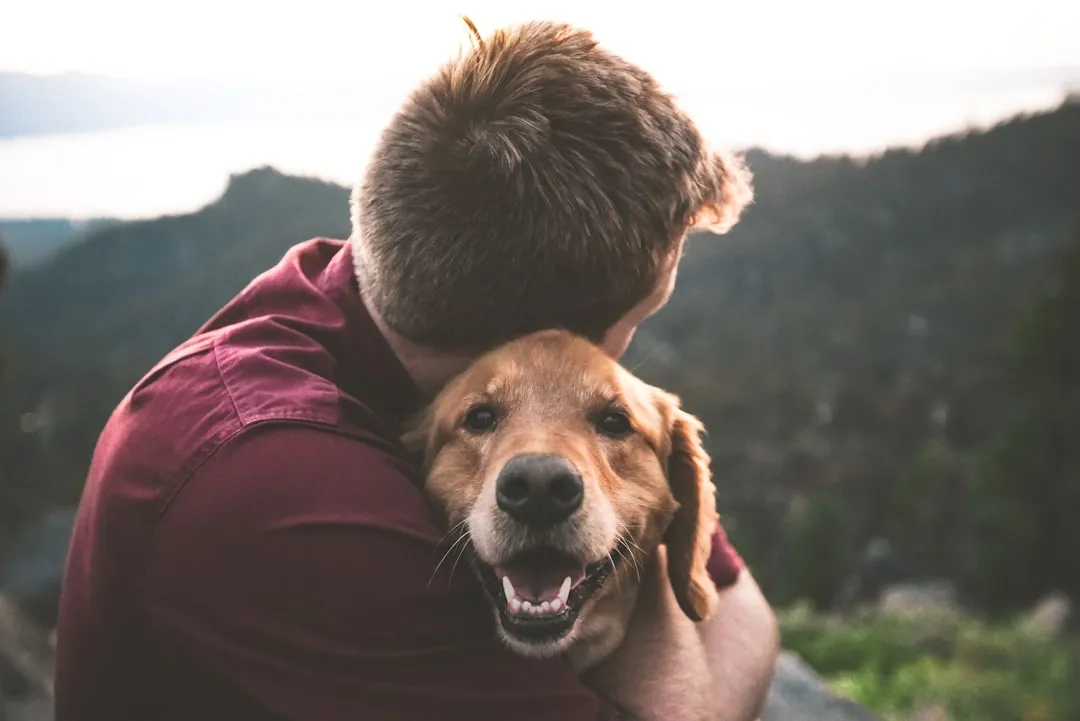
Most people don’t realize how intensely dogs track our emotional state, even at the end. A dying dog is often hypersensitive to your breathing, voice, and body tension. Studies using heart-rate monitors show that dogs mirror their humans’ stress levels.
When you’re sobbing, clenching your jaw, or pacing, your dog often shifts, pants more, or looks away – classic signs of anxiety. They don’t understand “I’m crying because I love you.” They only feel that something is wrong.
Fast Facts
- Dogs can pick up on human stress through scent, tone, and posture within seconds.
- Research on cortisol levels has found stress hormones can sync between dogs and their owners.
- Common signs a dog is absorbing your anxiety include panting, pacing, and averted eye contact.
- A slower voice and stiller body language can lower a dog’s stress response almost immediately.
This doesn’t mean you must be a stone. You’re allowed to cry. But around your dog, aim for:
- A soft, steady voice instead of a shaky, high-pitched one.
- Slow, intentional movements: sit, exhale, touch, pause.
Some people find it helpful to step out of the room for the big breakdowns, then return when they can breathe more evenly. It’s not about hiding pain; it’s about not handing it to a dying animal who can’t process it.
Ironically, the greatest emotional gift you can give is quiet steadiness, not visible devastation.
But that’s nothing compared to what we found about #13…
#13 – Pain Relief, Even When It Shortens Time Together
🔥 Would you like to save this?
We'll email this post to you, so you can come back to it later!
Many owners secretly prioritize “a few more days” over aggressive pain control, hoping to stretch out the time they have left. Veterinarians overwhelmingly say dogs don’t value extra days the way humans do. They value how those days feel.
Untreated or under-treated pain sends stress hormones skyrocketing, which worsens inflammation, appetite, sleep, and organ function. The dog’s last chapter becomes a fog of hurt and nausea instead of soft, restful connection.
Here’s the hard truth: sometimes the medications that control pain best also cause sedation or a shorter lifespan. For a human, that can feel like “losing” time. For a dog, it can be the difference between hours of suffering and hours of peaceful dozing in your lap.
Ask your vet specific questions like:
- “If this were your dog, would you increase the dose?”
- “Are we controlling suffering, or just controlling symptoms?”
Choosing comfort-first is not “giving up.” In most cases, it’s the exact comfort your dog would choose for themselves, if they could speak.
But that’s nothing compared to what we found about #12…
#12 – Familiar Scents and “Their” Stuff, Not Brand-New Gifts

🔥 Would you like to save this?
We'll email this post to you, so you can come back to it later!
Humans love last-minute gifts: new beds, new toys, a special collar. Dying dogs usually don’t care about new things at all. Their senses are changing – vision can fade, hearing dulls – but scent stays powerful almost to the end.
When everything hurts or feels off, the smell of “home” and “you” anchors them more than any fancy new accessory ever could. Instead of new gear, lean into what already smells like your life together:
- Their old blanket or bed, even if it’s worn and ugly.
- Your unwashed shirt tucked where they sleep.
- Keeping their usual sleeping spot if it’s still physically possible.
The last thing many elderly or terminally ill dogs want is to be moved into a sterile “hospital corner” of the house, surrounded by brand-new items that don’t smell like memories. If you must change bedding for hygiene, layer something on top that still smells like them.
To a dying dog, the perfume of their own fur, your skin, and your shared life is more comforting than anything you could buy.
But that’s nothing compared to what we found about #11…
#11 – Gentle Touch Where It Feels Good (And Freedom Where It Hurts)

🔥 Would you like to save this?
We'll email this post to you, so you can come back to it later!
Most people assume “more cuddles” automatically means “more love.” In reality, a dying dog’s body can be sore, arthritic, or hypersensitive. Petting that used to feel amazing may now feel irritating, even painful.
Dogs are notoriously polite about this. They may just lick their lips, yawn, or slowly turn away – subtle stress signals most humans miss entirely. They rarely “snap” to tell you it hurts unless they’re truly desperate.
Worth Knowing
- Lip licking, yawning, and turning away are classic quiet stress signals in dogs.
- Chest and shoulder areas are generally safer “go-to” zones for touch than joints or belly.
- A dog leaning into your hand is inviting more contact; pulling away means back off.
- Letting a dog initiate contact respects both their pain level and their remaining control.
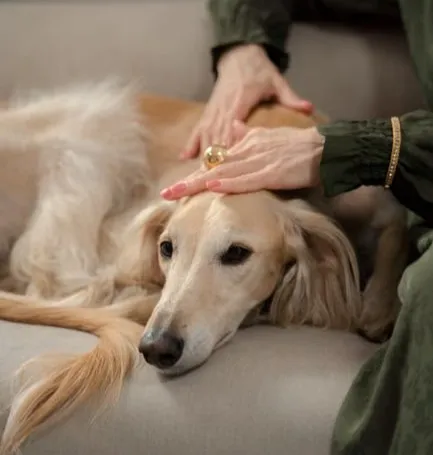
You can give better comfort by watching carefully where they lean in versus where they pull away, favoring slow, flat-palmed strokes along familiar “safe zones” like the chest or shoulders, and avoiding pressure on joints, belly, or spine unless they clearly seek it.
Some dogs, especially those in real decline, actually want you close but not on top of them. Lying on the floor beside them, with your hand resting nearby so they can choose contact, can be far more respectful than constant hugging. This is the stage where you stop assuming and start letting your dog “vote” with their body.
But that’s nothing compared to what we found about #10…
#10 – Help With Dignity: Bathroom Support and Clean, Dry Fur
🔥 Would you like to save this?
We'll email this post to you, so you can come back to it later!
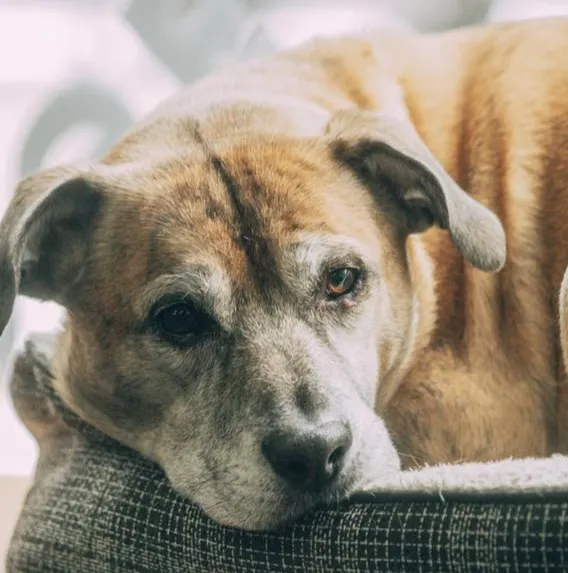
Humans underestimate how much dignity matters to dogs. Many elderly or terminal dogs lose bladder or bowel control, or simply can’t stand long enough to get outside in time. They may slip, soil themselves, or end up lying in damp fur.
They don’t have human-style shame, but they do have strong instincts about cleanliness and territory. A dog that has “accidents” often looks away, licks excessively, or tries to drag themselves away from the mess.
The comfort they want most from you here is quiet, matter-of-fact help, not disgust or visible frustration. That looks like:
- Using a sling or towel under the belly to help them walk.
- Lining their favorite spot with washable pads or towels.
- Gently cleaning their fur with warm, damp cloths, then drying well.
Talk to them while you help. Keep your tone casual. You’re not “cleaning up a problem” – you’re caring for someone who would have done the exact same for you, without a second thought.
But that’s nothing compared to what we found about #9…
#9 – Food That Brings Joy, Not Just “What’s Healthy”

🔥 Would you like to save this?
We'll email this post to you, so you can come back to it later!
Vets and nutrition experts agree that earlier in life, food quality is critical. At the end, appetite itself matters more than perfection.
Many dying dogs lose interest in their regular kibble or prescription diet because of pain, nausea, or altered taste. For some guardians, deviating from the “approved” food feels like breaking the rules. In the last chapter, the rules quietly change.
Quick Compare
- Strict prescription diet: nutritionally balanced, but often refused when appetite fades.
- Warm, high-value foods: may break “the rules,” but often restore interest in eating.
- Full bowl, once a day: can feel overwhelming to a nauseated dog.
- Small, hand-fed bites: easier to manage and often more enjoyable in the final weeks.
The real question becomes: what will tempt them to eat at all, and bring even a flash of genuine pleasure? With your vet’s blessing, that can mean:
- Warmed, smelly options like boiled chicken, scrambled eggs, or canned food.
- Small hand-fed pieces instead of a full bowl.
- Accepting that some days they may only want a few licks of something tasty.
Most palliative-care vets would rather see a dog eat “imperfect” food with clear enjoyment than refuse a pristine medical diet. And if they turn away, don’t force it. Pushing food on a body that’s shutting down can cause discomfort, not comfort. Offer generously, never insist.
But that’s nothing compared to what we found about #8…
#8 – Freedom From “Forced Positivity” When They’re Just Tired

🔥 Would you like to save this?
We'll email this post to you, so you can come back to it later!
A dying dog does not need you to pretend everything is fine. Well-meaning people sometimes amp up the cheerfulness: baby talk, forced play, toys the dog can no longer enjoy. They’re trying to keep spirits high.
But many terminal dogs would rather you accept their fatigue and sit quietly than constantly coax them to be who they were at three years old. Watch for the signs your dog is done “performing”:
- Turning their head away from toys or treats.
- Sighing and closing their eyes when you talk excitedly.
- Moving to a quieter corner when visitors arrive.
Offering them the comfort of honesty means softening your voice, acknowledging that they’re tired, and letting go of the old games. You don’t have to manufacture joy; you just have to be present.
Paradoxically, when you stop pushing “happy,” the dog often relaxes more deeply. They no longer have to respond to your energy – they can just be with you, which may be all they actually want.
But that’s nothing compared to what we found about #7…
#7 – The Option to Retreat (Not Be Smothered 24/7)
🔥 Would you like to save this?
We'll email this post to you, so you can come back to it later!
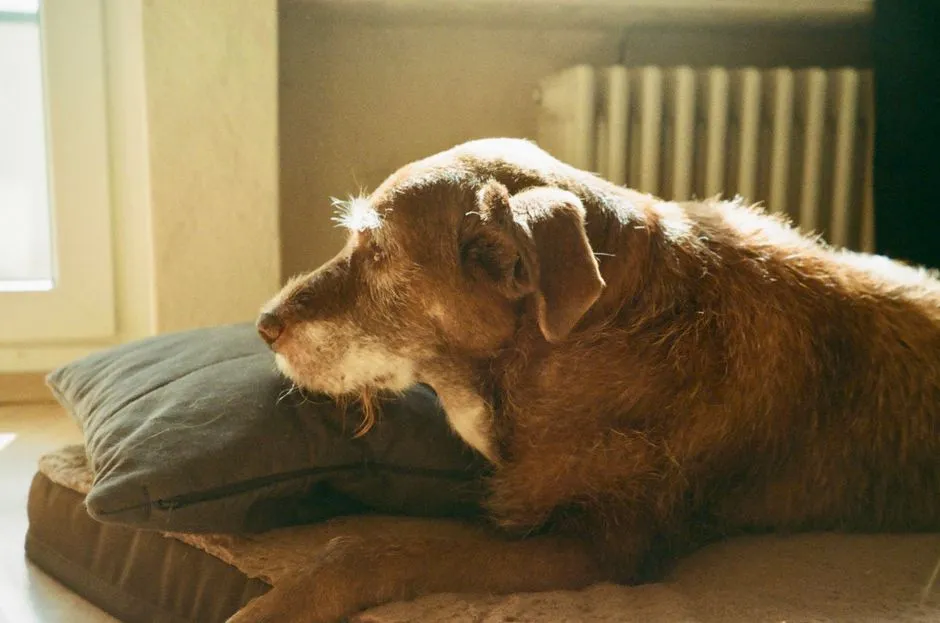
Most people think never leaving a dying dog alone is the ultimate proof of love. Constant togetherness sounds loving, but some dogs – especially independent or historically confident ones – actually appreciate periodic solitude.
In advanced illness, they may seek cooler floors, darker rooms, or quieter spaces. Following them from room to room, hovering, or repeatedly waking them with touch can accidentally rob them of the one thing their body craves most: deep rest.
Offer a better version of comfort instead:
- Creating one or two “retreat zones” where they can sleep undisturbed.
- Letting them choose whether to follow you or stay put.
- Checking quietly from the doorway instead of rushing in each time they shift.
It can be emotionally hard not to wake them just to feel them respond. But remember: sleep is a powerful form of comfort and pain control. Letting them drift, even when you wish they’d open their eyes and look at you, is an act of respect, not abandonment.
But that’s nothing compared to what we found about #6…
#6 – Clear, Steady Routines Around Medication and Vet Visits
🔥 Would you like to save this?
We'll email this post to you, so you can come back to it later!
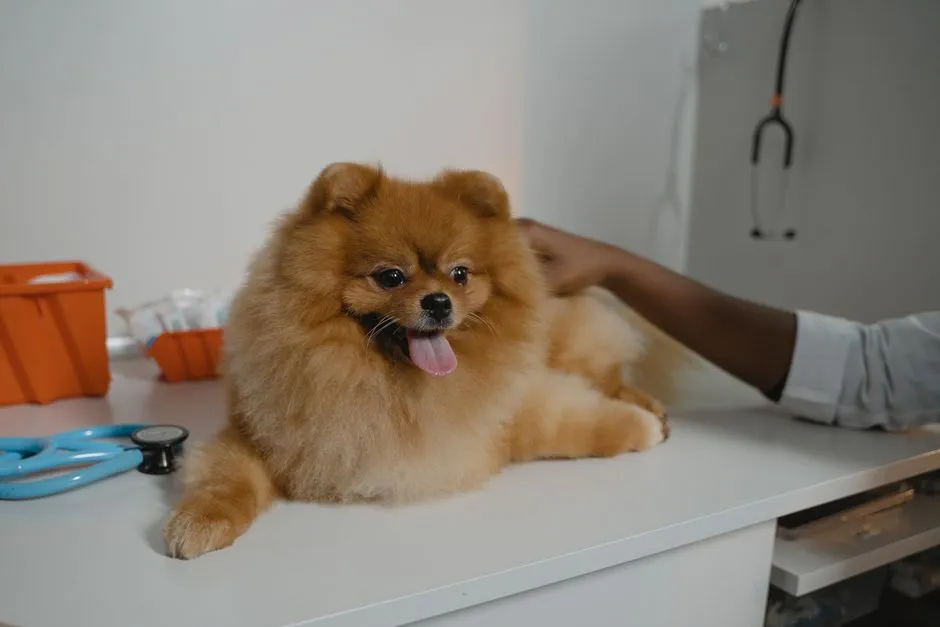
Toward the end, a dog’s days can become a dizzying blur of pills, subcutaneous fluids, injections, and emergency appointments. Your dog doesn’t understand “lab results” or “new protocol.” They only feel: do I trust what’s happening right now?
One of the deepest comforts you can offer is consistency in how you give meds or handle vet trips. Dogs learn patterns rapidly, and a calm, predictable routine lowers their anxiety so much that their body often handles procedures better. That might include:
- Giving meds the same way every time – same place, tone, and sequence.
- Pairing stressful things like fluids or injections with a specific phrase and a favorite treat afterward.
- Keeping vet visits as low-drama as possible, talking to the dog the whole time.
Worth Knowing
- Dogs often anticipate routines within days, which is why consistency lowers anxiety fast.
- Subtle stress cues before a treatment can include lip licking, freezing, or tucked ears.
- Pairing an unpleasant step with a trusted phrase and treat can build quick positive association.
- Vets can often adjust timing or technique if a specific step is clearly distressing.
If a treatment clearly causes intense stress with minimal benefit, this is where honest conversations with your vet matter most. Sometimes, the kindest choice is to stop chasing one more test and simplify instead. To your dog, fewer scary events and more quiet afternoons with you may be the better trade.
But that’s nothing compared to what we found about #5…
#5 – Honest Choices About Euthanasia, Not Delaying for Your Grief
🔥 Would you like to save this?
We'll email this post to you, so you can come back to it later!
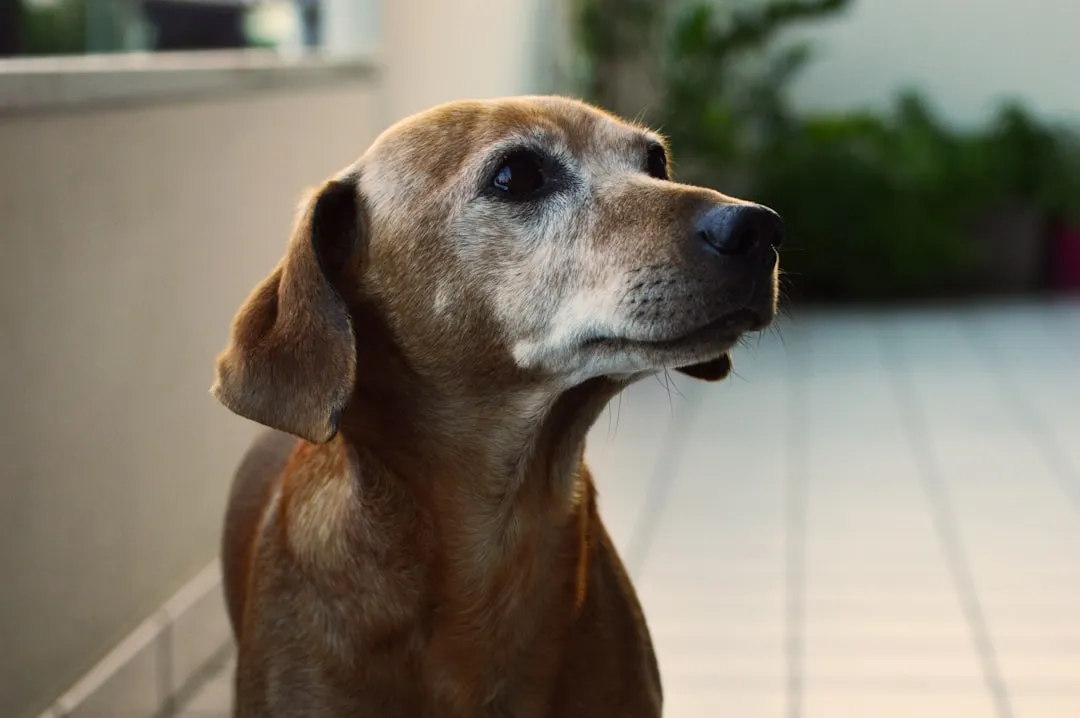
This is the comfort humans struggle with most. Many guardians quietly delay euthanasia because they “aren’t ready,” even as their dog’s bad days start to outnumber the good ones.
From a medical and behavioral standpoint, dogs don’t cling to life the way humans fear death. They live intensely in the immediate experience: Are they hungry? Hurting? Resting comfortably? Scared?
Most palliative-care vets agree that when pain, breathlessness, or distress become daily realities that medication can’t truly control, choosing euthanasia isn’t “killing too soon.” It’s preventing more suffering your dog cannot understand or explain to you. Concrete signs it might be time include:
- More days of hiding, whining, or refusing to move than days of interest.
- Struggling to breathe, even at rest.
- No longer enjoying previously loved things, even at reduced intensity.
Your dog wants you to make the hard call they can’t make for themselves. They chose you to be brave for them, not to keep them alive at any cost. The comfort here isn’t prolongation. It’s protection.
But that’s nothing compared to what we found about #4…
#4 – Staying With Them During Euthanasia (If You Can Handle It)
🔥 Would you like to save this?
We'll email this post to you, so you can come back to it later!
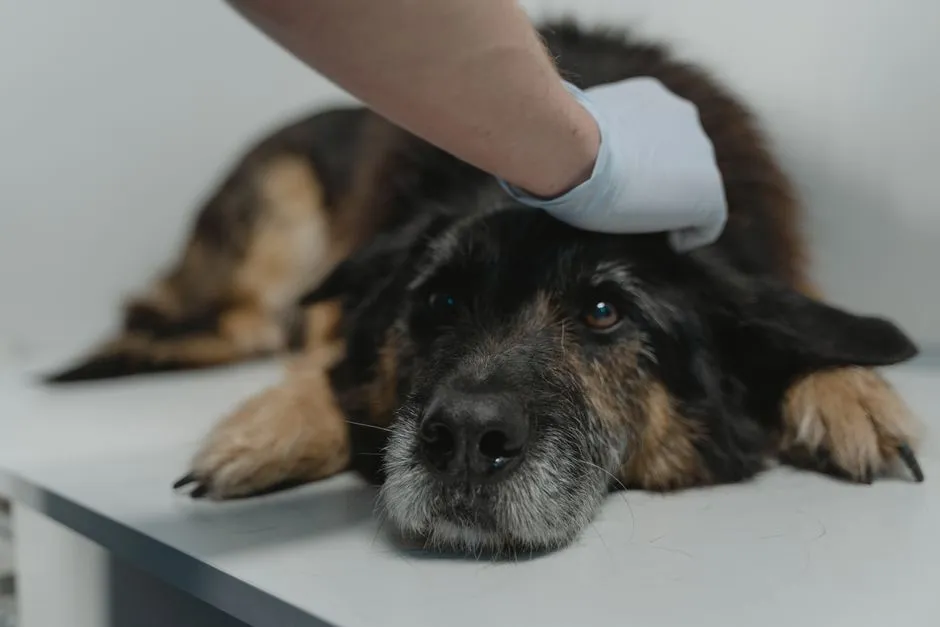
Some clinics still quietly suggest it’s “easier” on staff if owners step out during euthanasia. From the dog’s perspective, being taken to a back room with strangers for their final moments can be confusing at best, terrifying at worst.
Their entire life, you were their anchor in new environments. In their last minutes, your presence, your scent, your hand on their fur are the most powerful calmers you possess.
If you truly can’t remain for the injection, that doesn’t make you a bad person. Not everyone can handle it. But if you’re physically able and just emotionally borderline, most behavior-savvy vets gently encourage staying, because:
- Your voice is familiar even through sedation.
- Your touch gives their brain a “this is safe” signal.
- You’ll never wonder if they were looking for you at the end.
Ask the clinic to let you be there from the sedative to the final injection, and to give you time with your dog’s body afterward if you want it. To a dog, dying with their person’s smell in their nose is a vastly different experience than dying alone in a metal exam room.
But that’s nothing compared to what we found about #3…
#3 – Permission to Let Go, Spoken Out Loud
🔥 Would you like to save this?
We'll email this post to you, so you can come back to it later!
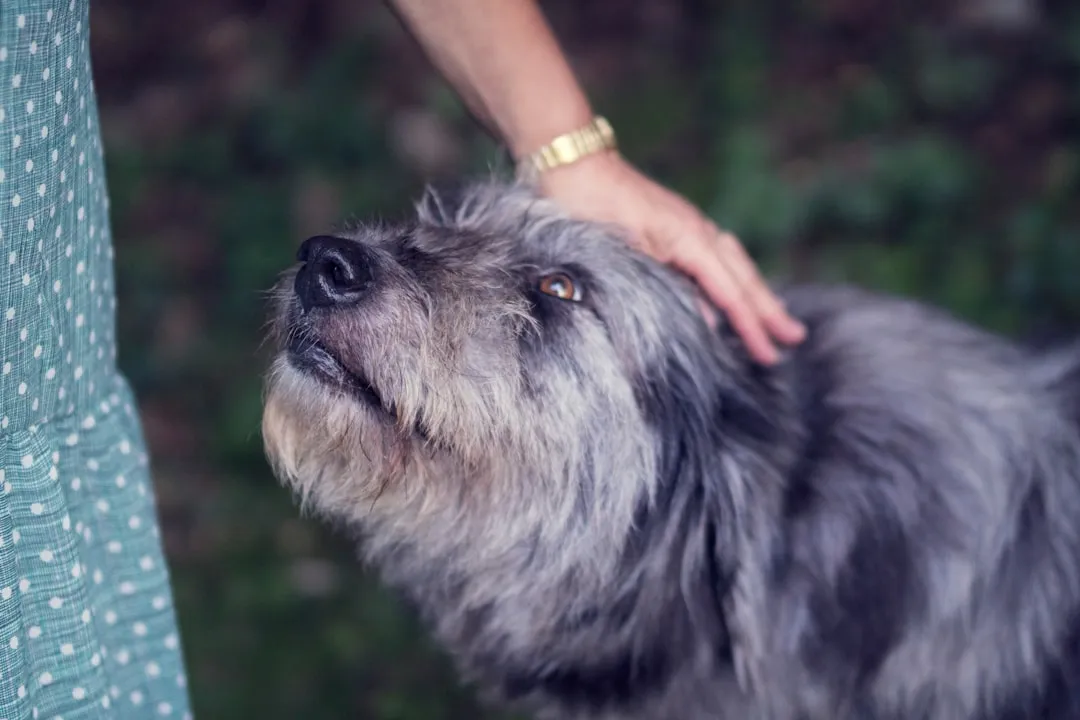
This one sounds a little unscientific, but behaviorally, it often changes things. Many owners notice that when they finally say, clearly and calmly, “You can go. I’ve got this,” the dog’s restlessness eases.
We can’t prove dogs understand every word. But they absolutely understand tone, cadence, and your emotional release. When you stop clinging with your whole body, they often relax with theirs. What this “permission” sounds like:
- “You’ve done enough. You were the best dog. I’ll be okay.”
- “Thank you for choosing me. You don’t have to stay and protect me anymore.”
You’re not sending them away. You’re telling them their job is finished. For an animal wired to protect and accompany you, that message matters – it shifts the energy from “don’t you dare leave me” to “you are allowed to rest.”
Even if they don’t pass immediately, you’ve given one of the deepest comforts there is: you’ve removed the invisible job they’ve carried since the day they bonded to you.
But that’s nothing compared to what we found about #2…
#2 – Hearing the Story of Their Life, One More Time
🔥 Would you like to save this?
We'll email this post to you, so you can come back to it later!
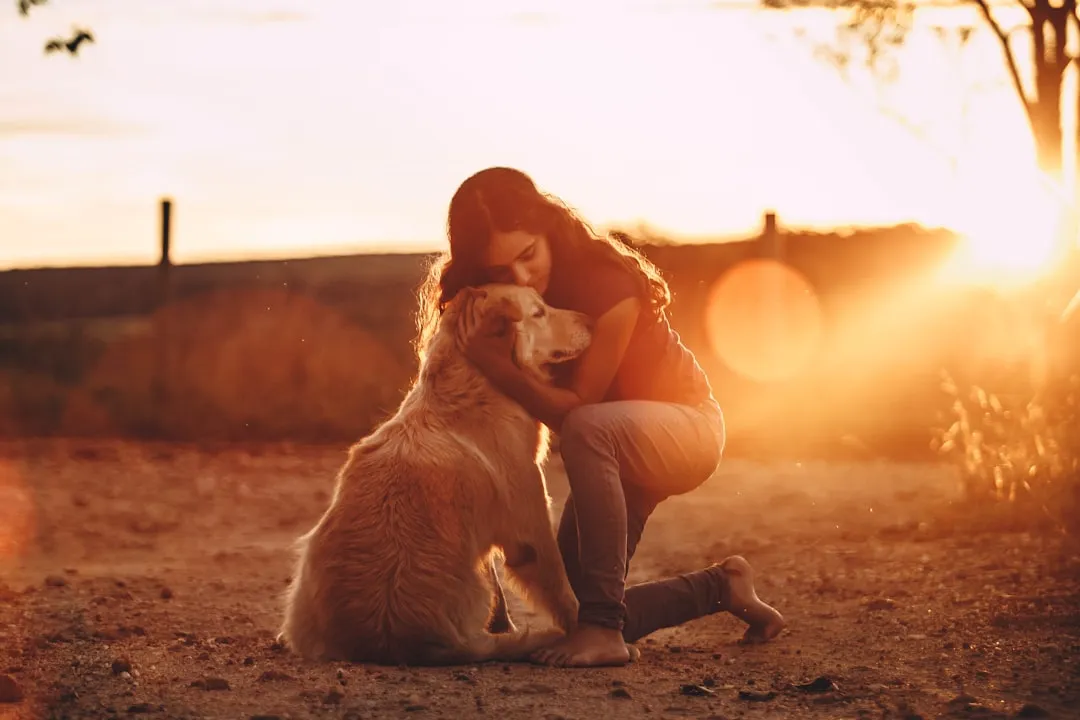
Most people underestimate how grounding your voice is when you’re telling a story. Dogs might not follow narrative detail, but they respond powerfully to tone shifts, familiar names, and emotional warmth.
When you quietly tell the story of “their” life – how you met, their ridiculous puppy habits, the time they stole a sandwich off the counter – you’re doing more than reminiscing. You’re sending a wave of calm, rhythmic sound that often lulls them into deeper relaxation.
Try this: sit where they’re resting, with gentle contact if they want it. Speak slowly, like you’re reading a bedtime story, and include their name often, along with the names of favorite people or pets.
Physiologically, your own breathing deepens as you move into storytelling mode, and heart-rate research suggests that as you calm, they calm too. Telling their story out loud is as much a comfort for your nervous system as it is for theirs. Many owners later say these story sessions are the moments they treasure most – the last time the dog’s eyes softened at the sound of their name in “that” voice.
But that’s nothing compared to what we found about #1…
#1 – Knowing, in Their Body, That You Were There Until the Very End
🔥 Would you like to save this?
We'll email this post to you, so you can come back to it later!
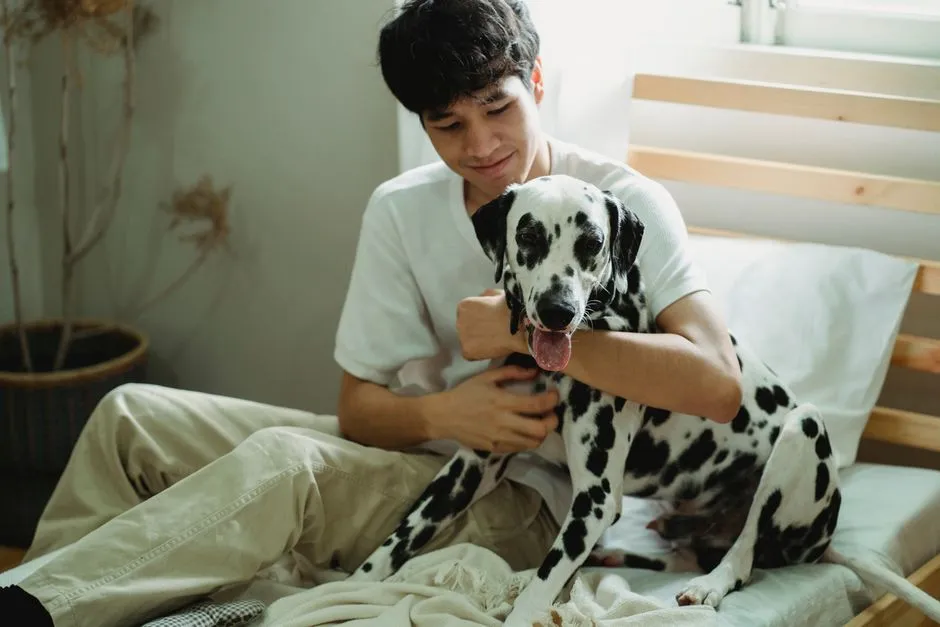
Underneath every detail – the meds, the bed, the food, the whispers – lies one core comfort. What a dying dog wants most from the person it chose is continued, embodied presence.
Not perfect medical decisions. Not flawless timing. Not a tearless performance. Just you: there, attentive, imperfect, and unwilling to abandon them to confusion or pain.
To a dog, love is physical and immediate:
- You still show up, even when they smell different or can’t get up.
- You stroke their fur even when it’s thin or matted from illness.
- You speak their name with affection, not pity or irritation.
They don’t sit there wondering, “Will she regret this protocol?” They feel something much simpler: “Is my person here? Does the world still make sense because their hand is on me?”
If your dog crosses that threshold with your scent in their nose and your voice in their ear, you have already given the comfort they cared about most. Everything else – every doubt, every what-if – is human.
The Bottom Line

🔥 Would you like to save this?
We'll email this post to you, so you can come back to it later!
The quiet truth is brutal and strangely freeing: your dying dog does not need you to be a perfect medical advocate, an unbreakable hero, or a Zen master. They need you to be the same person you’ve always been – just slower, softer, and more willing to put their comfort above your fear of loss.
The science on pain, stress, and animal bonding backs this up. Predictable routines, effective pain relief, familiar scents, and your calm presence matter far more than dramatic last-minute gestures.
At a Glance
- Predictable routines matter more than dramatic gestures.
- Pain control and comfort should outweigh chasing extra time.
- Familiar scents and your calm presence soothe more than new toys or forced cheer.
- Your steady voice and touch, especially at the very end, are the comfort dogs remember most.
You will make mistakes. You will wish you had known things sooner. But dogs don’t keep score the way we do. If you stayed, paid attention, and chose relief over prolonged suffering, you gave them exactly what they wanted most – and honestly, that’s more than most people manage to give anyone, human or animal.
Do you agree with these comforts, or is there something even more important a dying dog wants from their person? Did we miss one that your dog clearly asked for, in their own way? Share it, honestly, in the comments.

- 23 Warm Corners an Elderly Cat Keeps Returning To All Winter - October 29, 2026
- 16 Behaviours Showing a Cat Considers a House Permanent Now - October 29, 2026
- 15 Wildlife Programmes a Lifetime Pass Holder Over 62 Can Join Free - October 29, 2026