

Everyone treats El Niño like a punchline about mild winters and bare ski slopes. In reality, it’s one of the most disruptive forces in the animal kingdom, and it never stops at the coastline to ask permission. When Pacific surface waters warm and the nutrient-rich upwelling underneath collapses, the shockwave travels through fish, birds, mammals, insects, and even the ticks waiting quietly in your lawn.
Scientists who track these patterns say the changes aren’t subtle once you know where to look – they’re some of the most measurable, most repeated wildlife shifts in modern ecology. Some of what happens next sounds like nature adapting on the fly. Some of it sounds like nature simply losing. Here’s what a strong El Niño winter actually does to the animals living closer to you than you’d think – starting with the ones you might already be watching from your kitchen window.
#1 – Your Backyard Birds Start Behaving Like Tourists
🔥 Would you like to save this?
We'll email this post to you, so you can come back to it later!
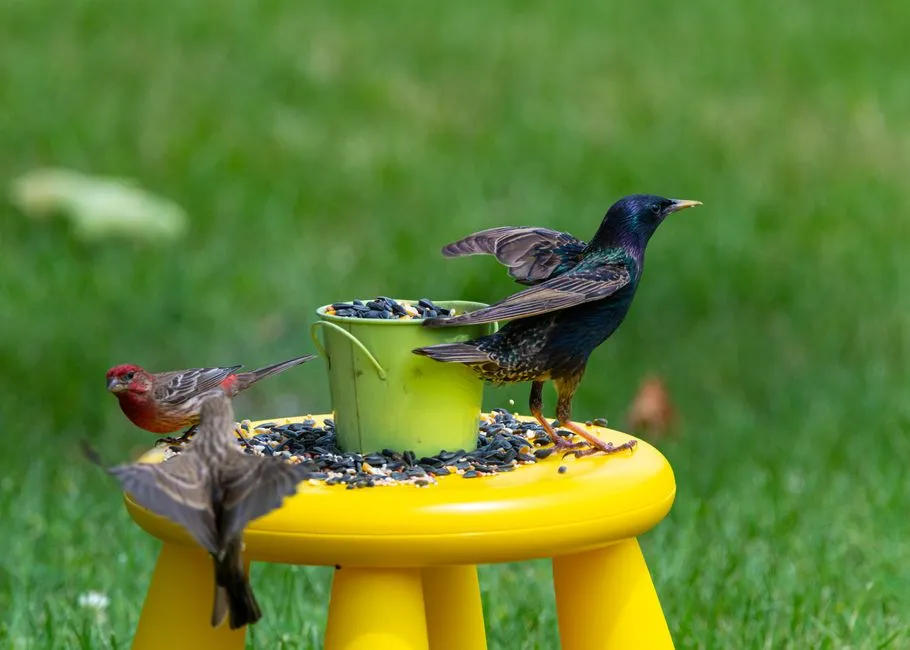
A warm-water event happening thousands of miles away in the Pacific can quietly decide which birds show up at your feeder this winter – and which ones simply don’t. Shifts in ocean temperature ripple into atmospheric patterns, and those patterns rewrite migration timing, wintering behavior, and food availability everywhere from Alaska to your patio. In wetter regions like California, extra rain can even boost plant growth and temporarily flood backyards with more insects and seeds than usual.
That sounds like a win, but it’s really a trade. While some species enjoy a short-term food boom, others get shoved completely off script when warm water spreads east and offshore nutrients collapse. Birds forced out of their usual feeding grounds scatter – some push north into cooler water, others wander far outside their normal range chasing scarce prey. So the next time your neighbor swears they spotted a “rare” bird this winter, it might not be rare at all. It might just be lost and hungry.
#2 – Coastal Seabirds Quietly Abandon Their Nests
🔥 Would you like to save this?
We'll email this post to you, so you can come back to it later!
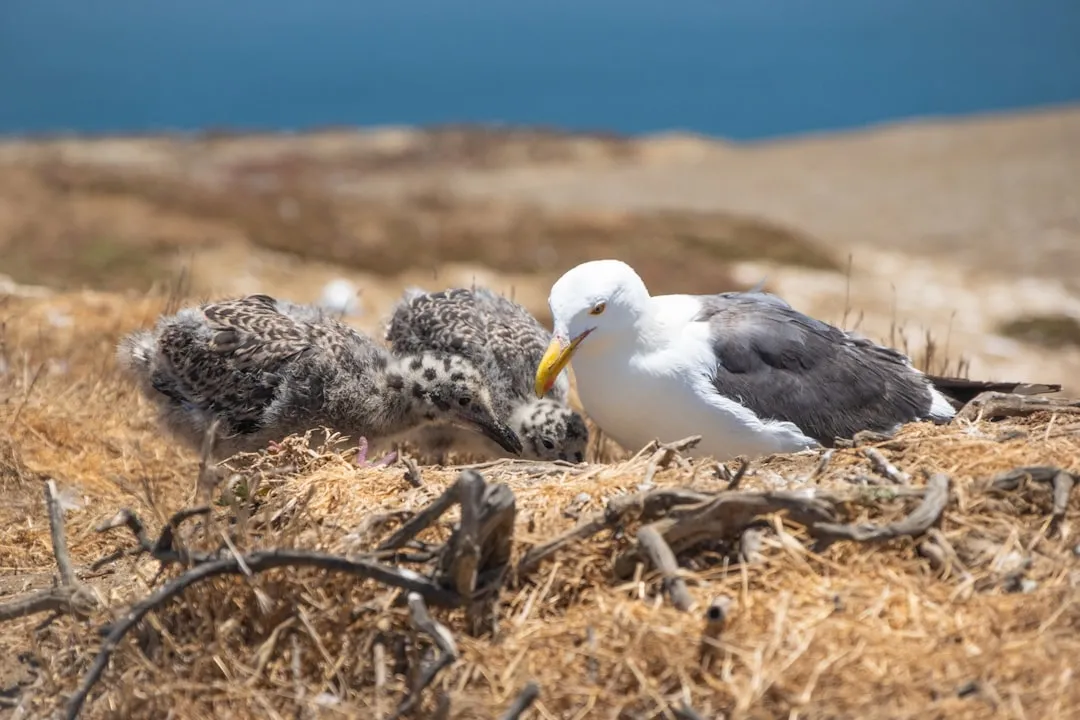
While songbirds reroute, seabirds face something far harsher: entire colonies can walk away from breeding season altogether. When the ocean stops delivering food, parents can’t feed both themselves and their chicks, so some skip nesting entirely, some abandon colonies mid-season, and some scatter hundreds or even thousands of miles in search of fish.
This isn’t rare bad luck – it’s tied directly to ocean chemistry. Warmer water in the central and eastern Pacific carries far fewer nutrients, starving the food chain that seabirds and marine mammals depend on to breed successfully. For birders, that means unpredictable sightings pop up along coastlines in one year while familiar nesting colonies fall completely silent. It looks random from the beach. It isn’t.
#3 – Sea Lions Wash Ashore by the Hundreds
🔥 Would you like to save this?
We'll email this post to you, so you can come back to it later!
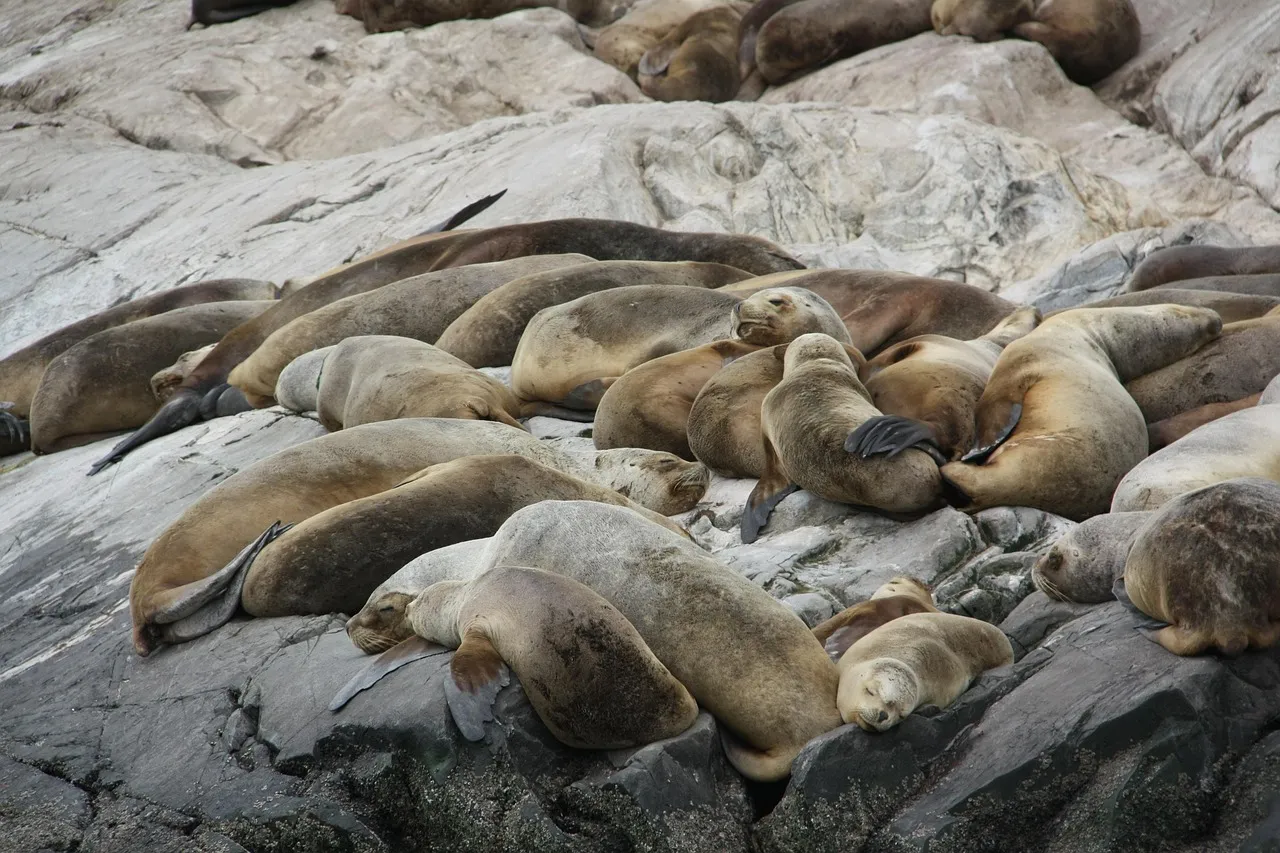
If you live anywhere near the coast, this is the effect you’re most likely to witness with your own eyes. During strong El Niño events, marine mammal rescue centers have reported stranding numbers running roughly twenty times higher than a typical year – skinny, dehydrated pups washing up alone, looking for help their mothers can no longer provide.
The mechanism is brutally simple. Mother sea lions can’t find enough fish close to shore to keep nursing, so pups end up abandoned or wandering off in search of food themselves. Researchers studying fur seals and sea lions during past strong events documented pup body mass dropping sharply compared to normal years, forcing adults into longer, riskier foraging trips at sea just to survive. That’s not a one-time headline – it’s a repeatable pattern that plays out almost every strong El Niño year.
Fast Facts
- Strandings can climb to roughly 20 times normal levels during strong events
- Pups often wash ashore dehydrated, underweight, and alone
- Mothers are pushed into longer, riskier foraging trips far from shore
- Rescue centers see their biggest surges during the warmest, strongest El Niño years
#4 – Warm-Water Sharks and Sea Turtles Show Up Where They “Shouldn’t”
🔥 Would you like to save this?
We'll email this post to you, so you can come back to it later!
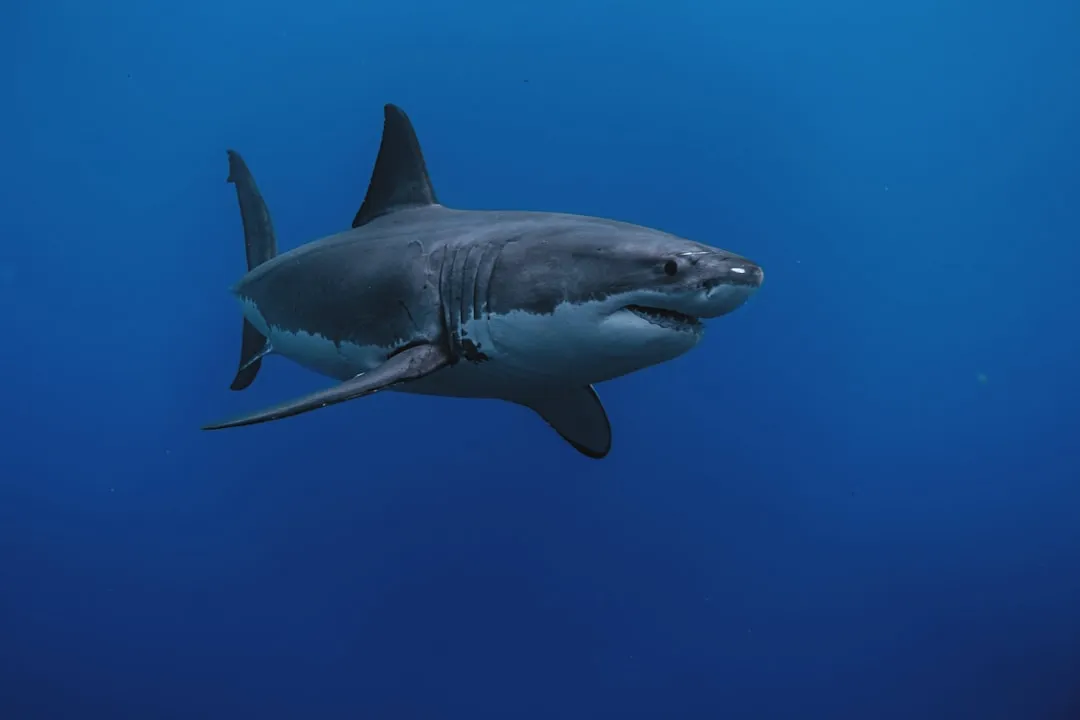
Species that haven’t been seen in certain coastal waters for decades suddenly reappear like they never left. Hammerhead sharks, green sea turtles, and even a venomous yellow-bellied sea snake not spotted in Southern California since the powerful El Niño of the early 1980s have all resurfaced during recent strong events.
It’s tempting to treat this as a fun trivia fact, but marine biologists treat it as a warning sign instead. Record-warm coastal water can trigger what some researchers call a “sharky summer,” pushing all sorts of animals to shift their range and behavior in search of livable temperatures and food. Locals tend to see these sightings as exciting curiosities. The uncomfortable truth is they usually mean native species nearby are losing their food source in the same water.
#5 – Humpback Whales Relocate Their Entire Breeding Grounds
🔥 Would you like to save this?
We'll email this post to you, so you can come back to it later!
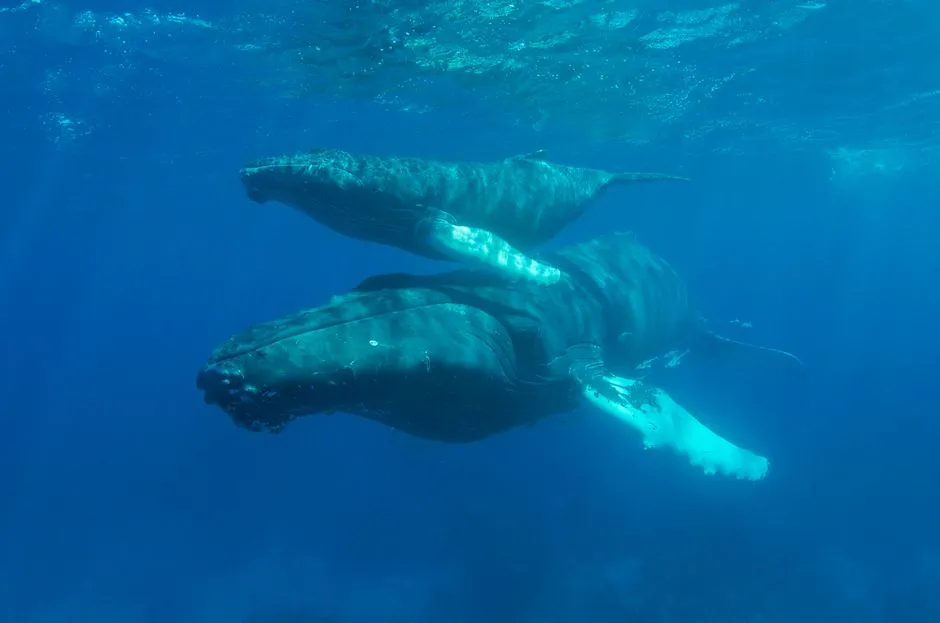
Whales are supposed to be creatures of habit – same migration routes, same breeding lagoons, year after year. A strong El Niño can break that habit completely. During major events, humpback populations have been documented shifting their breeding grounds entirely in search of water temperatures that better support calves.
That matters more than it sounds like it should. Breeding grounds aren’t chosen at random – they’re picked for calf safety, warmth, and reliable food access for nursing mothers. When a population relocates mid-cycle, it can mean weaker calves, longer travel distances, and years of scrambled tracking data for scientists trying to protect the species. It doesn’t make headlines the way stranded sea lions do, but it’s one of the clearest signs that ocean-wide warming reaches even the largest animals on the planet.
#6 – Coyotes, Foxes, and Bobcats Get an Unexpected Buffet
🔥 Would you like to save this?
We'll email this post to you, so you can come back to it later!
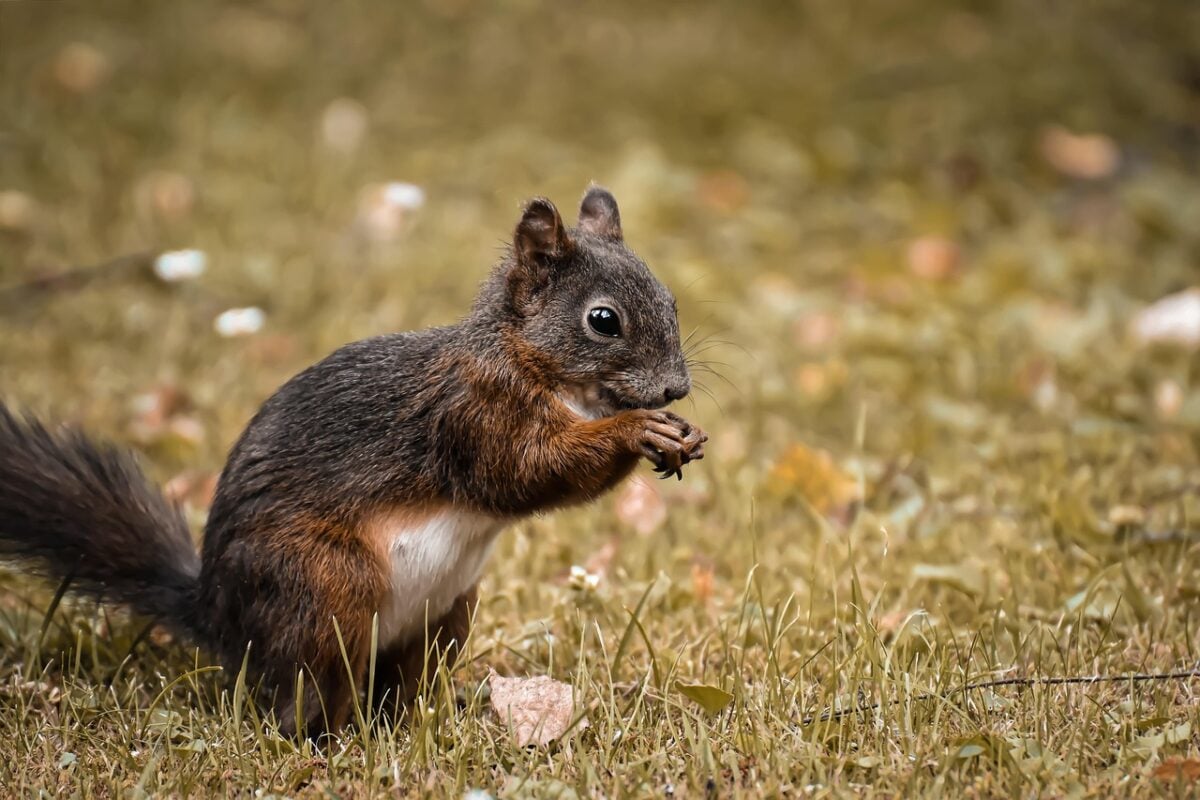
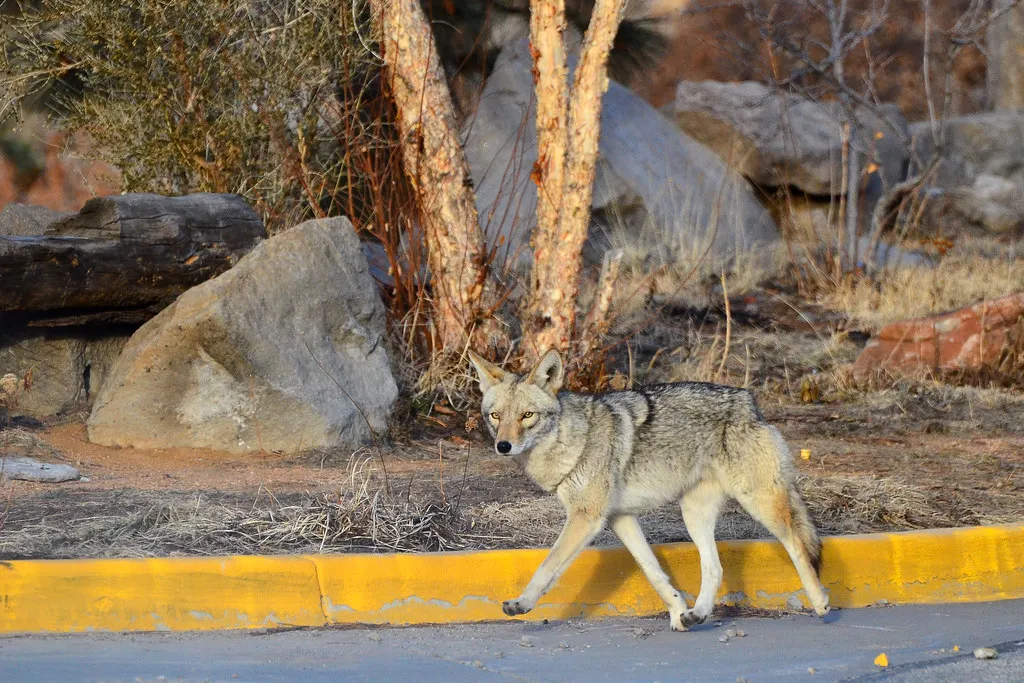
Not every animal loses during a strong El Niño winter – some flat-out thrive. The extra rainfall that devastates seabirds and sea lions offshore does the opposite on land: it grows more vegetation, which feeds more small mammals, which in turn feeds more predators.
Coyotes, gray foxes, and bobcats living near neighborhoods find easier meals during these population booms, and well-fed mothers raise healthier litters that survive into adulthood. So if you’ve noticed more coyotes trotting through your neighborhood lately, it’s not a coincidence. It’s a food-chain reaction that started with rain clouds forming over the Pacific months earlier.
#7 – Mice and Rodents Quietly Multiply in Your Walls
🔥 Would you like to save this?
We'll email this post to you, so you can come back to it later!
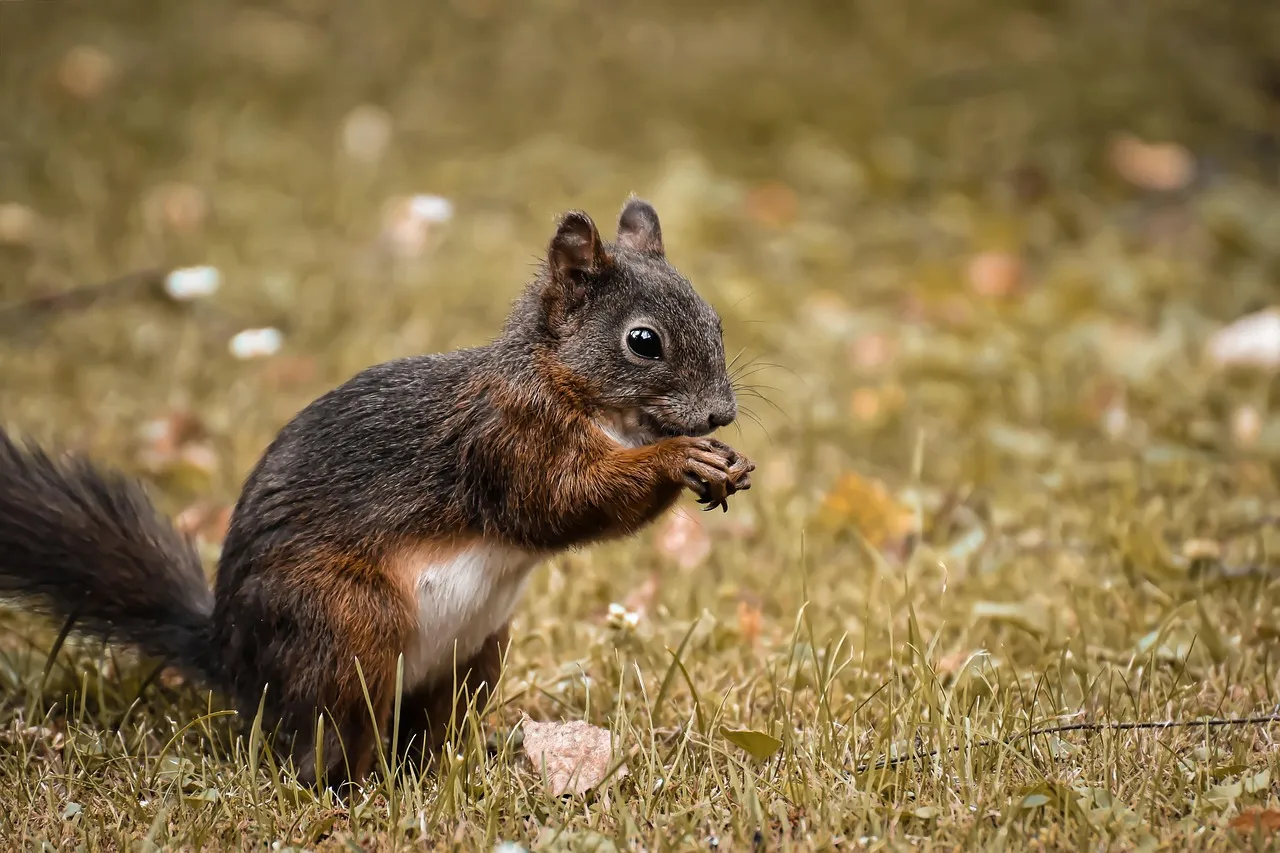
A milder, wetter El Niño winter doesn’t just fail to kill off rodent populations – it actively helps them multiply. Warmer, wetter conditions help overwintering rodents (and mosquitoes) survive and expand, which can raise the risk of illnesses like hantavirus once temperatures climb again.
Normally, a hard freeze acts as nature’s pest control, thinning out weak or exposed rodents before spring even arrives. Remove that cold snap, and you remove the natural ceiling that usually keeps their numbers in check. Pest control companies see this play out every time – more droppings, more nesting activity, and a wave of spring calls from homeowners who assumed winter had handled the problem for them.
#8 – Ticks Wake Up Weeks Ahead of Schedule
🔥 Would you like to save this?
We'll email this post to you, so you can come back to it later!
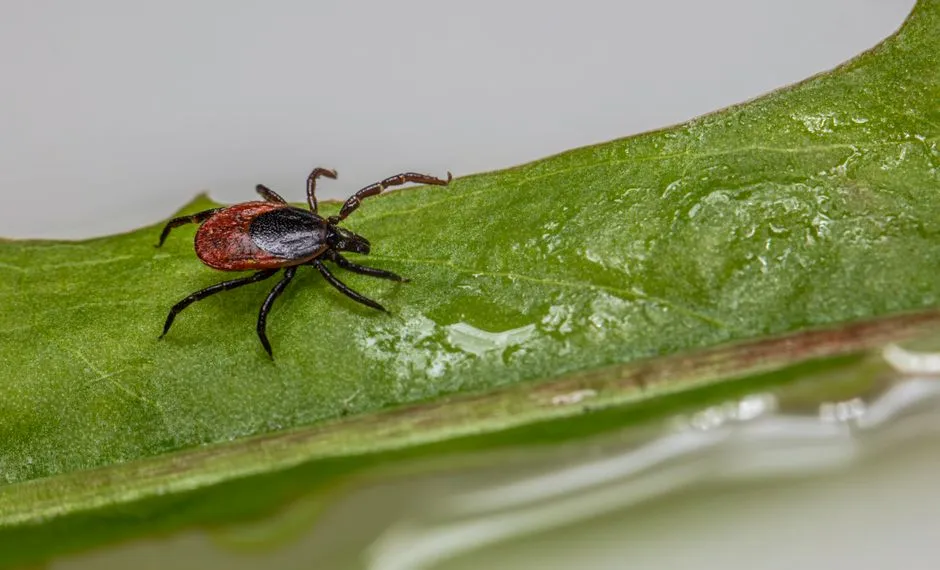
Ticks that should still be dormant in February are already active and biting during strong El Niño winters. Mild winters across much of the U.S. mean ticks emerge early, often attaching to pets and people well before anyone thinks to start checking for them.
This isn’t a minor inconvenience – ticks carry Lyme disease, babesiosis, and other serious illnesses, and their emergence is normally a mid-spring event. In typically brutal-winter states like Minnesota, deer ticks have been reported active in early February during warm El Niño years. Most people don’t start doing tick checks until May, and that gap is exactly why bite numbers climb early during these winters.
Worth Knowing
- Ticks can transmit Lyme disease, babesiosis, and other serious illnesses
- Deer ticks have turned up active in early February in cold-winter states like Minnesota
- Most people don’t begin tick checks until May, missing weeks of exposure
- Pets often need protection earlier than owners expect in these winters
#9 – Mosquitoes Get an Extended Breeding Season
🔥 Would you like to save this?
We'll email this post to you, so you can come back to it later!
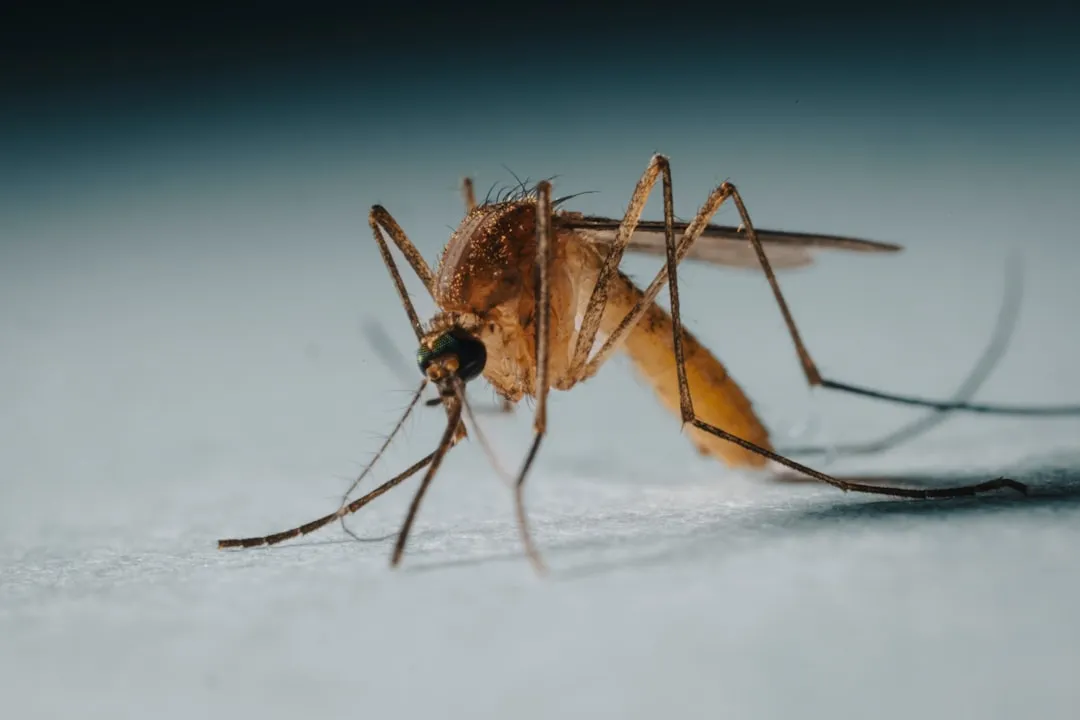
A warmer winter can hand mosquitoes several extra weeks of active breeding time they wouldn’t normally get. Warmer conditions heading into spring wake insects up earlier, and when conditions stay favorable, some mosquito species get more opportunities to reproduce across the entire year.
The mechanism is easy to overlook but simple to understand: mosquitoes need standing water to breed, and El Niño’s altered rainfall patterns often provide exactly that at unusual times of year. Early snowmelt combined with a longer warm season means more mosquito generations packed into a single year – precisely the pattern disease trackers watch for when they’re worried about outbreaks like West Nile virus.
#10 – Snowshoe Hares Get Caught Wearing the Wrong Coat
🔥 Would you like to save this?
We'll email this post to you, so you can come back to it later!
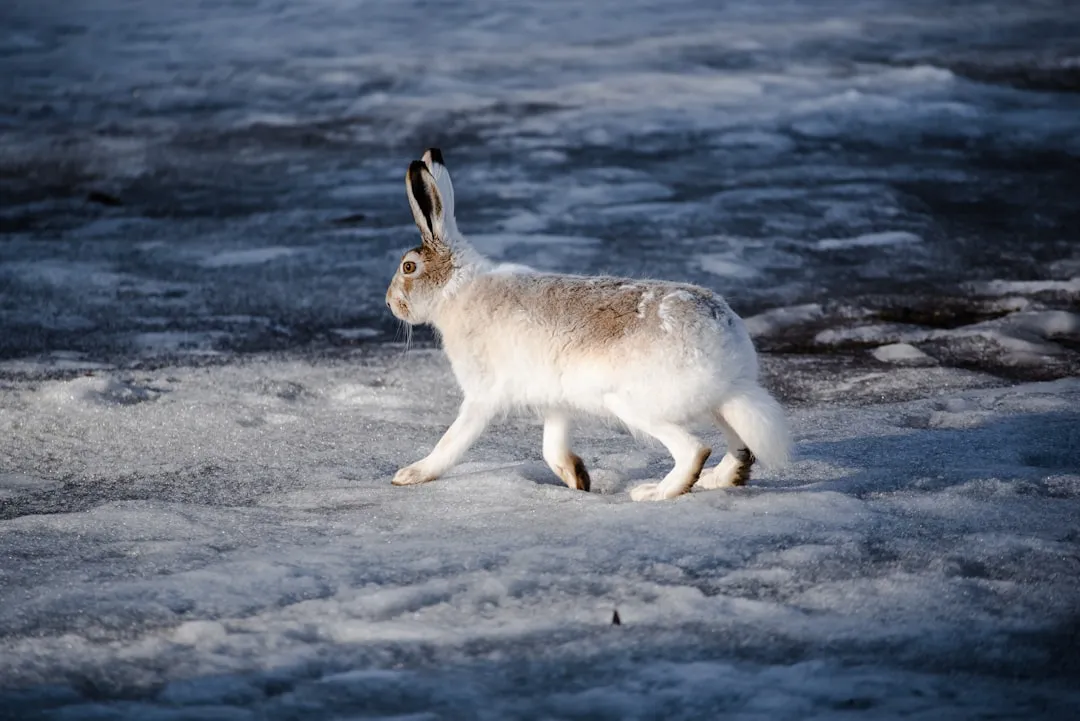
Some animals literally can’t keep up with how fast the season is changing. Snowshoe hares switch from brown fur in summer to white fur in winter to stay hidden from predators, but that shift is triggered mainly by day length, not by actual snow on the ground.
So when snow arrives late or melts early during an El Niño winter, hares can end up stark white on bare brown dirt – camouflage working in exact reverse. Picture a snow-white hare sitting out in the open on dead leaves: that’s not protection, that’s a dinner bell for every hawk and fox in the area. Wildlife biologists consider this color mismatch one of the clearest, most photographed warning signs of an unstable winter for vulnerable prey species.
#11 – Wood Frogs Get Stressed Out Underground
🔥 Would you like to save this?
We'll email this post to you, so you can come back to it later!
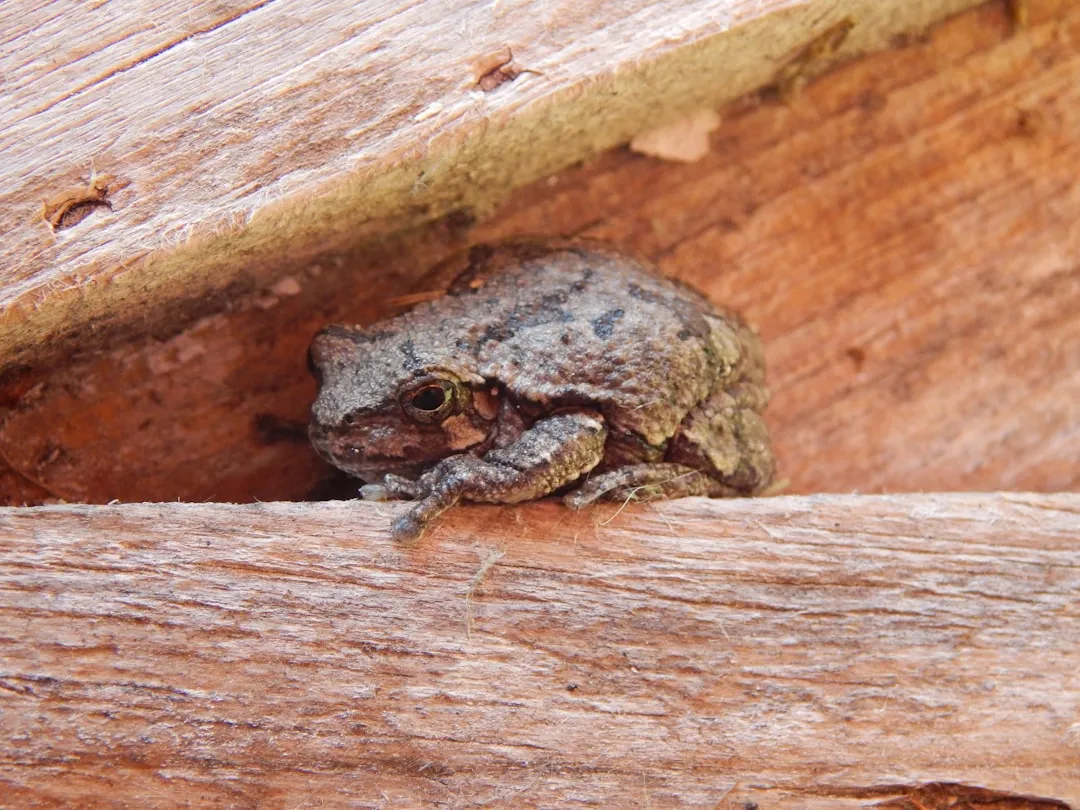
While hares struggle above the snowline, wood frogs face a completely different threat hidden beneath it. These frogs survive winter by freezing their entire bodies solid – a genuinely remarkable adaptation – but it only works reliably if snow cover stays consistent through the season.
An El Niño winter rarely offers that consistency. Wood frogs stay sensitive to temperature swings even while frozen, and when snow cover comes and goes unpredictably, that physiological stress can lower their odds of surviving until spring. It’s a quiet crisis playing out entirely out of sight underground, but scientists tracking amphibian populations say these freeze-thaw disruptions are one of the most reliable signs of a rough El Niño year for cold-adapted species.
#12 – Backyard Pest Insects Get an Extra Generation
🔥 Would you like to save this?
We'll email this post to you, so you can come back to it later!
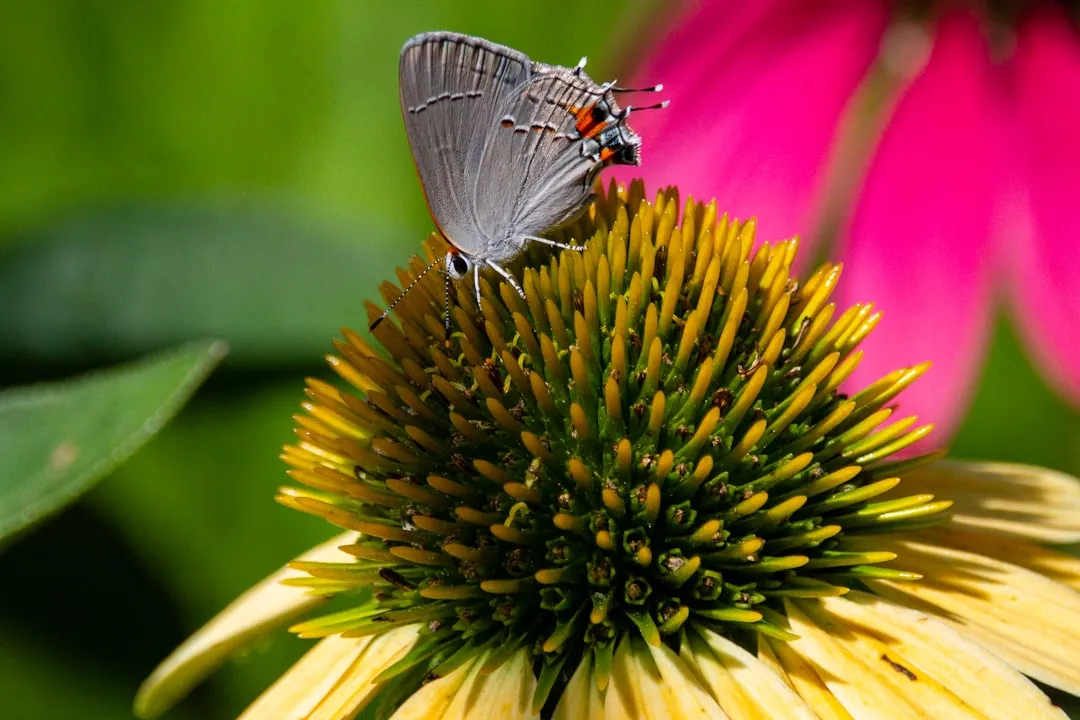
Winter is supposed to be nature’s pest control – a strong El Niño winter effectively cancels that system. Warm temperatures lingering later into fall and arriving earlier in spring stretch out the breeding season for many pest insects, delaying hibernation and letting new generations emerge sooner than usual.
The compounding effect is what really surprises people. More insects survive the winter months, meaning a bigger starting population heads into the next breeding cycle – and when you stack that on top of a longer breeding window, populations of wasps, midges, ticks, and mice can grow at a pace that feels exponential. That’s not a minor seasonal shift. That’s an entire extra wave of pests your yard never had to deal with before.
#13 – Deer, Mice, and Chipmunks Become Unwitting Tick Taxis
🔥 Would you like to save this?
We'll email this post to you, so you can come back to it later!
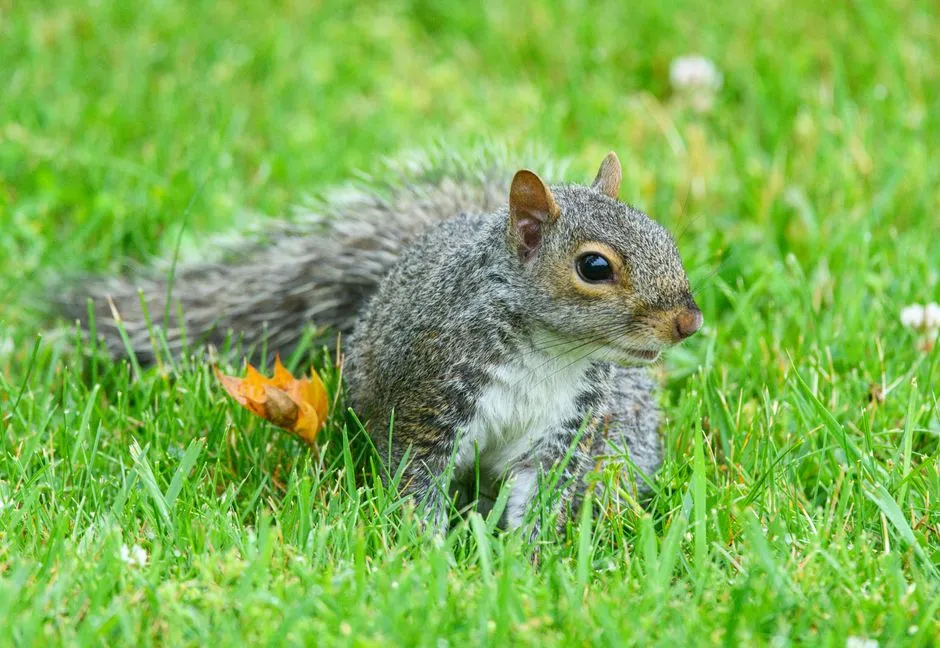
The same mild winter that helps ticks survive also helps their favorite hosts survive – creating a perfect storm. In a mild winter, more tick larvae and adults make it through to spring, and more of the small mammals they feed on – mice, squirrels, chipmunks – survive right alongside them.
That sturdy, overlapping food supply matters enormously for disease spread, because it keeps ticks alive long enough to encounter and infect the next host they bite. Most people picture ticks and rodents as two separate nuisances. During a strong El Niño winter, they’re really one interconnected chain reaction, and your dog, your kids, and you are standing right at the end of it.
Quick Compare
- Harsh cold winter: fewer surviving ticks, fewer surviving rodent hosts, lower disease risk
- Mild El Niño winter: more surviving ticks, more surviving rodent hosts, higher disease risk
- Net effect: mild winters can stretch tick season longer and wider into the following year
#14 – Elephants and Large Wildlife Get Pushed Toward Farms
🔥 Would you like to save this?
We'll email this post to you, so you can come back to it later!
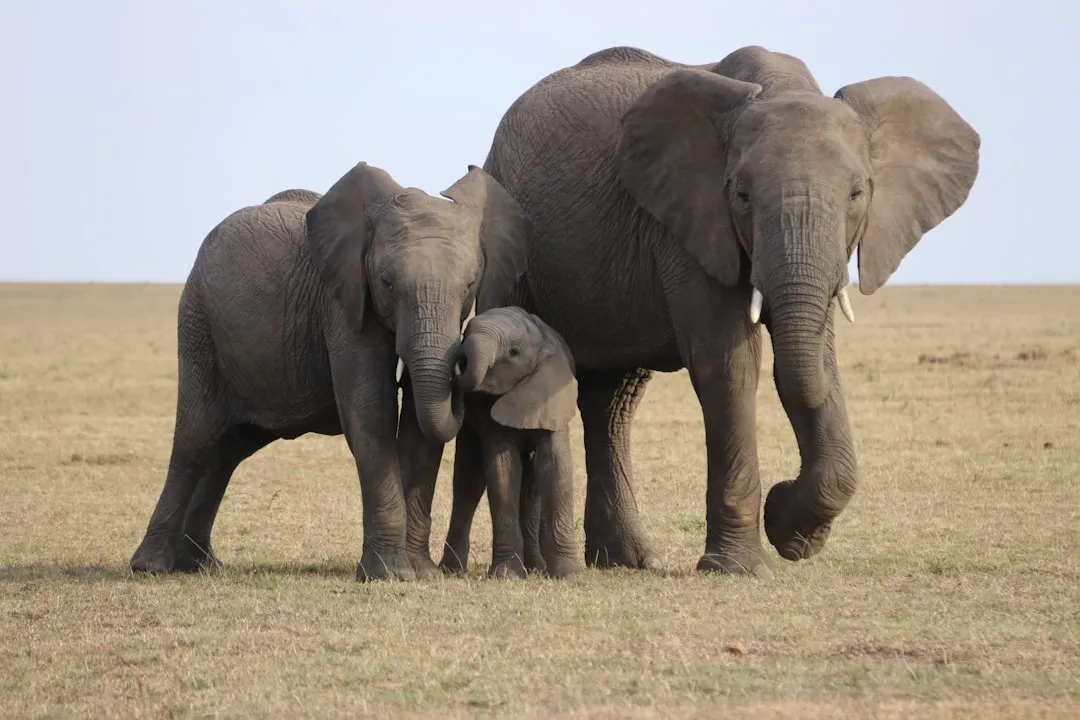
Not every El Niño impact involves too much rain – in many regions, it’s the opposite: brutal, prolonged drought. When water disappears across the landscape, even massive animals like elephants abandon their normal territory and head straight toward human settlements looking for anything to drink.
In places like Zambia’s Luangwa River Basin, El Niño-linked drought has reduced food and water for people, livestock, and wildlife at the same time, pushing elephants and other large animals closer to farms, homes, and shared water points. This isn’t a freak occurrence – wildlife officials in drought-prone regions now treat it as an expected seasonal risk during strong El Niño years, something they plan for months in advance rather than react to in a panic.
#15 – Migratory Songbirds Arrive Running on Empty
🔥 Would you like to save this?
We'll email this post to you, so you can come back to it later!
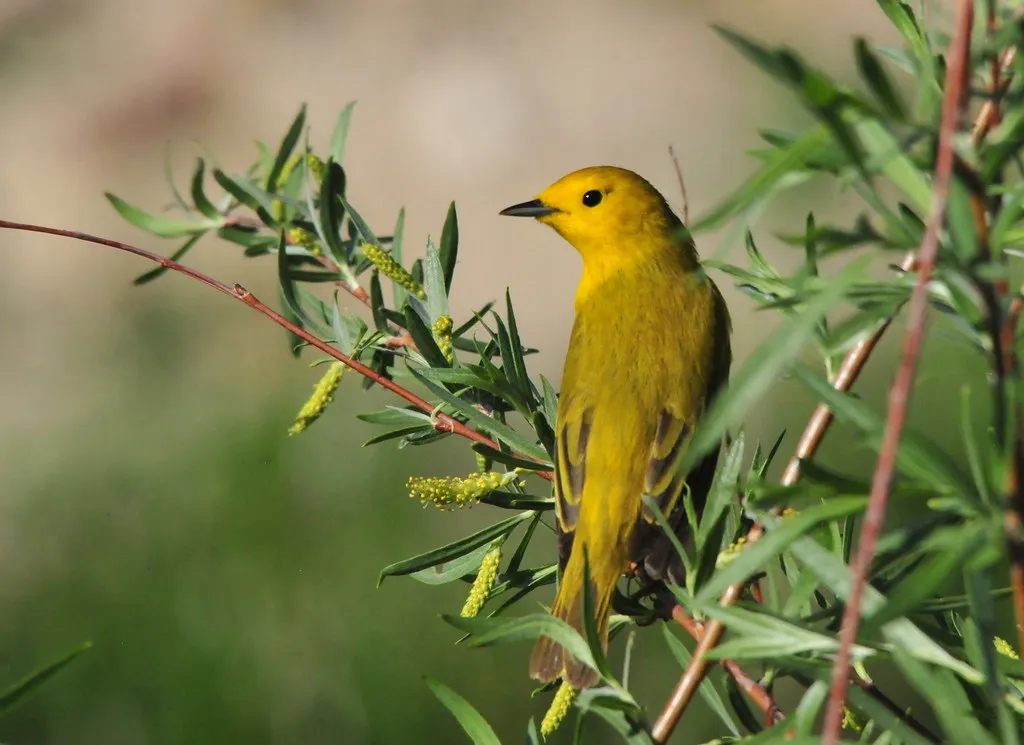
Long before a migratory bird ever reaches its breeding ground, El Niño may have already sabotaged the trip. Birds wintering in South America during El Niño years face noticeably drier habitats, with less vegetation and less food available to fuel their journey north.
The result shows up hundreds of miles later at rest stops along the Gulf Coast, where researchers have found these birds arriving in visibly weaker condition during El Niño springs. A bird that lands exhausted and underweight has far less energy left for breeding, which researchers link directly to lower reproductive success that season. It’s a domino effect that starts with dry vegetation thousands of miles south and ends with fewer chicks in a nest near you.
#16 – Galápagos Penguins Face Their Toughest Test
🔥 Would you like to save this?
We'll email this post to you, so you can come back to it later!
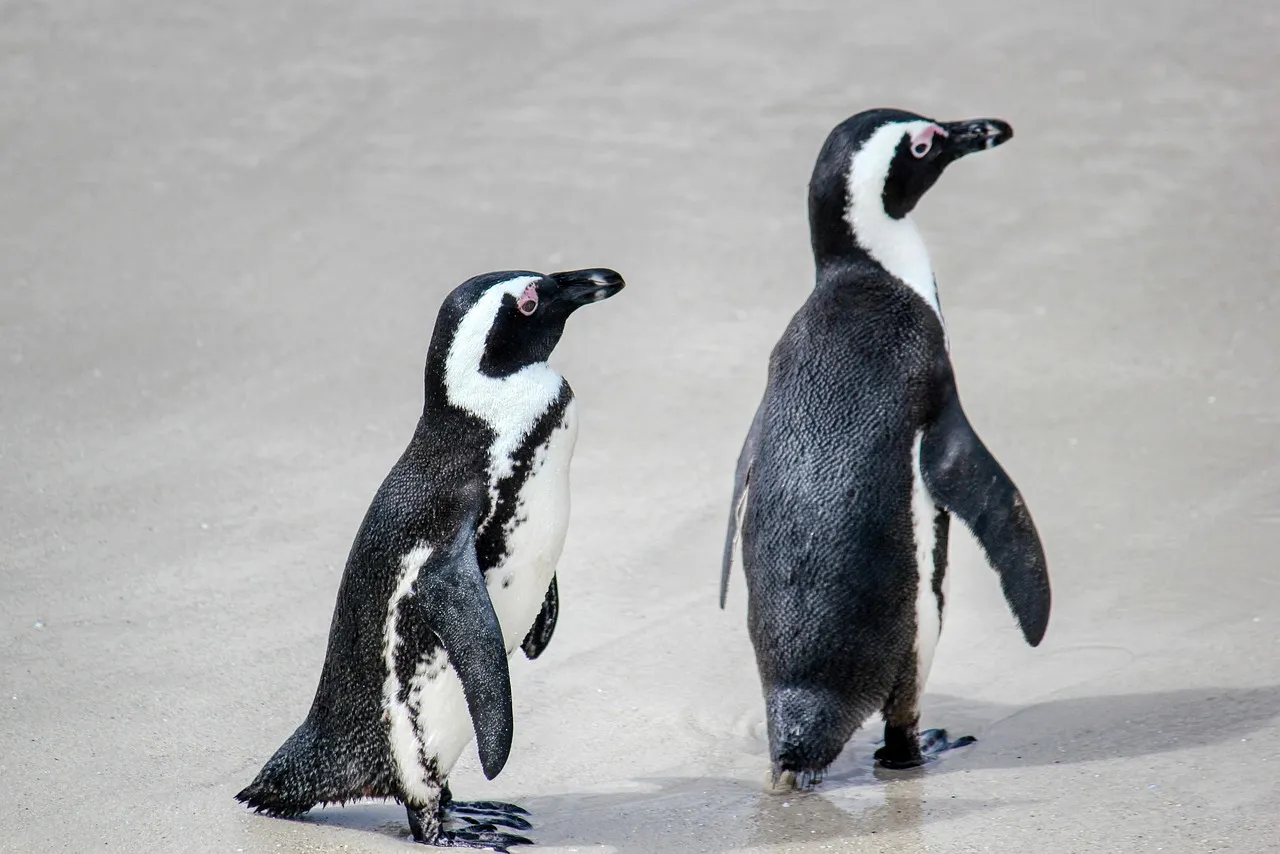
Some species have nowhere to run when El Niño hits, and that’s exactly what makes this next impact so severe. Unlike wide-ranging seabirds that can fly hundreds of miles to find food, Galápagos penguins and flightless cormorants are tied to one small stretch of coastline with nowhere else to feed.
When warm, nutrient-poor water settles in during a strong event, it can trigger widespread breeding failure and even adult die-offs across these resident populations. Some conservationists argue these two species face the highest overall risk from El Niño of any animals on Earth, precisely because the escape valve every other species on this list relies on – simply moving somewhere better – isn’t an option for them.
At a Glance
- Galápagos penguins and flightless cormorants can’t relocate to escape warm water
- Strong events can trigger widespread breeding failure and adult die-offs
- Conservationists consider both species among the most El Niño-vulnerable on the planet
#17 – Invasive Fire Ants and Tree Frogs Get a Free Pass
🔥 Would you like to save this?
We'll email this post to you, so you can come back to it later!
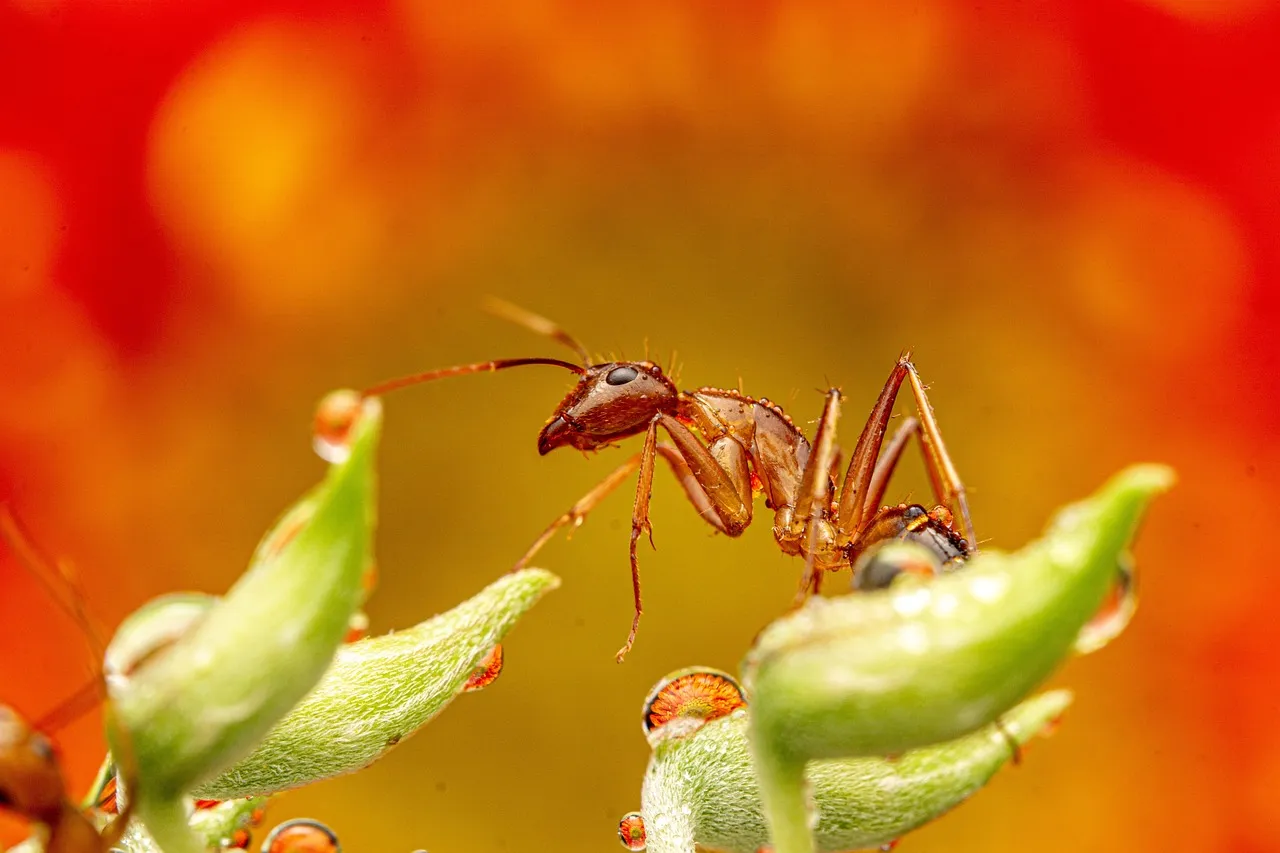
While native Galápagos species struggle to survive, a completely different group is quietly thriving. The extra rainfall that starves native seabirds is the exact same rainfall that helps invasive fire ants and tree frogs explode in number across the islands.
It’s an uncomfortable irony conservationists rarely get to say out loud: the same climate event devastating penguins is simultaneously rolling out a welcome mat for species that don’t belong there at all. Fire ants outcompete native insects for food, while tree frogs multiply rapidly in the sudden abundance of standing water – and both problems tend to stick around long after the El Niño event itself has ended. It’s one of the clearest examples anywhere of a single climate pattern creating winners and losers inside the very same ecosystem.
#18 – Coral Reefs Collapse, and the Damage Climbs the Food Chain
🔥 Would you like to save this?
We'll email this post to you, so you can come back to it later!
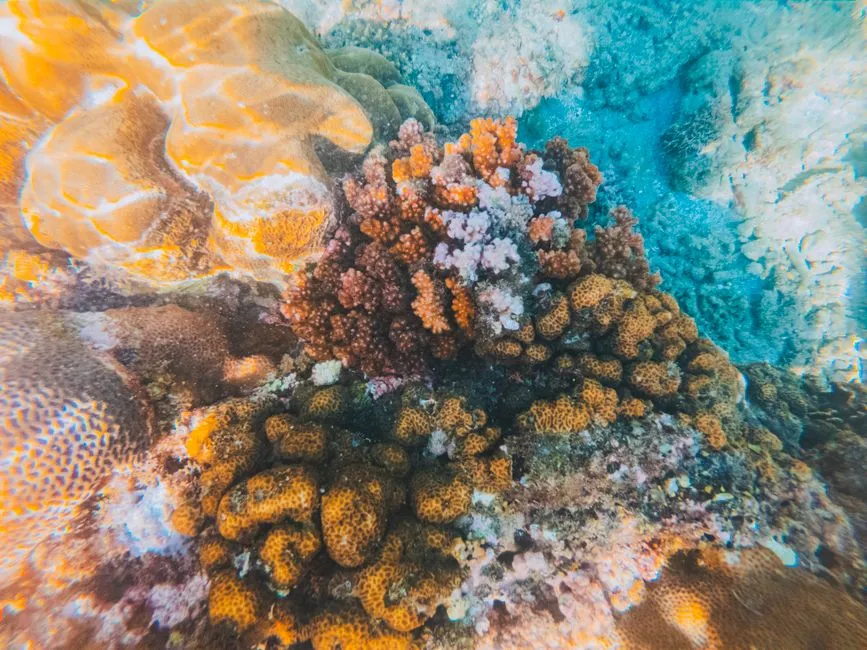
This is the deepest, slowest, and arguably most consequential impact on the entire list. During marine heatwaves, coral reefs expel the symbiotic algae that provide most of their energy, triggering bleaching, disease, and eventually death across entire reef systems.
As live coral disappears, reefs lose the physical structure that fish, invertebrates, and countless other species depend on for shelter, feeding, and reproduction. Every animal further up the chain – the fish, the seabirds, the seals, the sharks from earlier on this list – ultimately depends on that structure staying intact. When it collapses, the damage doesn’t stay on the ocean floor; it climbs upward into every stranded sea lion, every malnourished chick, and every shark forced to hunt in unfamiliar water closer to shore.
The Bottom Line
🔥 Would you like to save this?
We'll email this post to you, so you can come back to it later!
A strong El Niño winter isn’t a single weather event – it’s a chain reaction that touches nearly every animal on the planet, including the ones sharing your own backyard. From stranded sea lions and early-emerging ticks to coyotes getting an easy meal and penguins with nowhere left to hide, the pattern repeats itself: warmer water and shifted rainfall rearrange who eats, who breeds, and who survives the season.
Some species – foxes, rodents, invasive fire ants – quietly come out ahead. Others, like Galápagos penguins and long-distance migratory songbirds, pay a steep and sometimes lasting price. Either way, the ripple reaches a lot farther than most people ever realize – probably farther than your own front yard.

- 14 Wildlife Permits Waived for Americans the Year They Turn 62 - November 5, 2026
- Machu Picchu’s Engineering Feats Were Far Ahead of Its Time - November 5, 2026
- 12 Most Beautiful American Cities To See Before You Die - November 4, 2026