

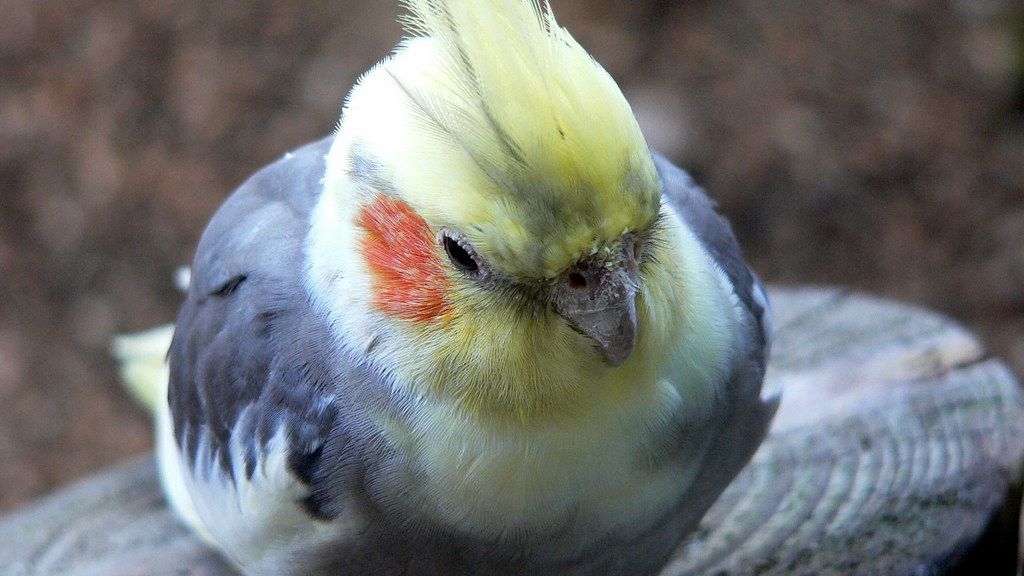
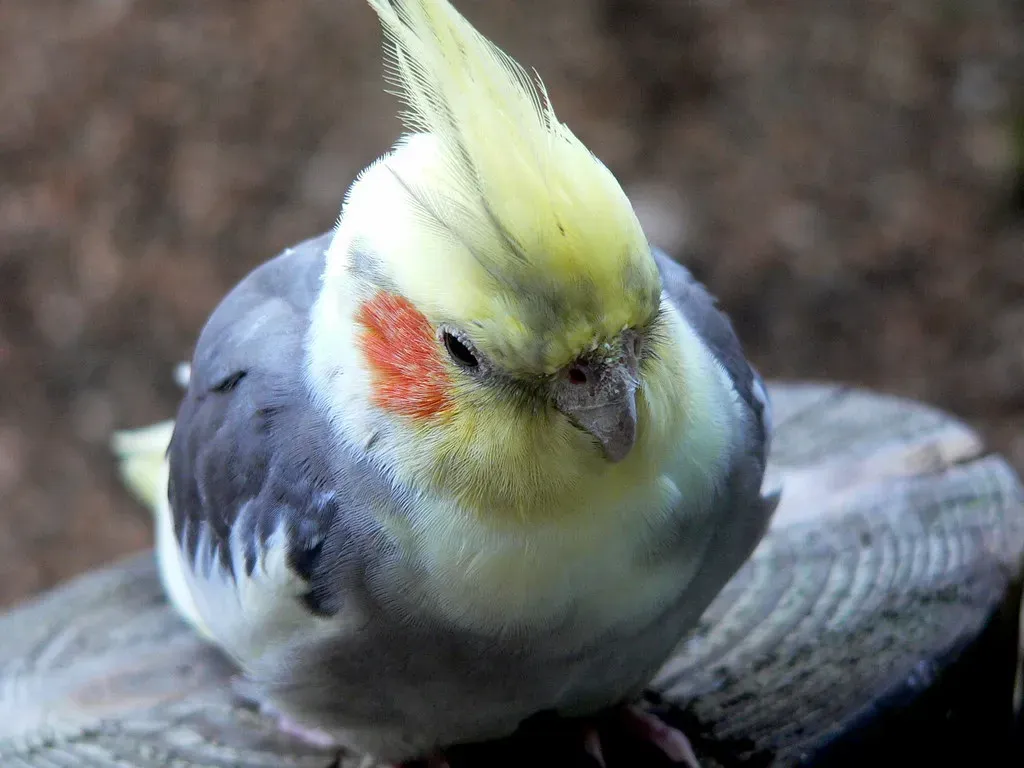
A 16-year-old cockatiel named Zugda has found an unlikely source of comfort in a simple ceramic mug, demanding his owner Kate hold it around the clock. This heartwarming routine, now exploding across social media, showcases the profound emotional needs of senior birds. Kate, who hand-raised Zugda from just four weeks old, has fully embraced the role of constant mug provider to keep her companion at ease.
What elevates this story beyond a cute quirk is how it mirrors the deepening bonds that form over years of companionship. As Zugda approaches his 17th birthday in August, his insistence highlights the vulnerabilities of aging in flock-oriented species like cockatiels. Let’s dive into the details of this feathered friendship that’s reminding everyone of the joys and challenges of pet parenting.
Zugda’s Unbreakable Attachment to His Special Mug
Zugda refuses any other perch, growing agitated and chirping relentlessly without his favored mug in place. The smooth interior and snug fit create an enclosed space reminiscent of a nest, offering the security he craves in his senior years. Kate describes it as his absolute “happy place,” a sanctuary where he tucks in his feathers and fully relaxes.
This 24/7 ritual has reshaped Kate’s daily life, from meals to chores, all while cradling the vessel. Cockatiels, hailing from Australia’s arid outback, thrive on such stability, especially as they enter their later lifespan stages. Zugda’s preference underscores how familiarity combats the stresses of age for these vibrant little parrots.
Owners of similar birds often notice these attachments intensify over time, turning ordinary items into emotional lifelines. In Zugda’s case, the mug’s warmth and containment provide unmatched reassurance, far surpassing traditional perches or toys.
The Roots of This Peculiar Comfort Ritual
Kate first noticed Zugda’s fixation when the mug accidentally became his go-to spot during a casual moment. Its perfect size and ceramic texture quickly won him over, evolving from a perch to an obsession. She shared that no substitute works, as the mug uniquely mimics the enclosed feel he needs.
At 16 years old, Zugda sits squarely in cockatiel seniority, where such behaviors emerge as coping mechanisms for physical changes. Experts observe that aging birds often latch onto specific objects, much like humans do with cherished blankets. This displacement helps manage anxiety from declining mobility or environmental shifts.
Kate’s hand-rearing from infancy likely deepened this trust, making her the center of his world. The mug now extends that security, allowing him to stay close even during her busiest hours. Such stories reveal the nuanced emotional lives of birds, often underestimated by casual observers.
Navigating Senior Cockatiel Care in Depth
Cockatiels typically enjoy 15 to 20 years in captivity, with exceptional cases reaching into the 30s under ideal conditions. Senior birds like Zugda demand heightened attention to comfort, diet, and stimulation to maintain vitality. Behavioral shifts, including item fixations, signal a need for more flock-like reassurance from their human families.
Veterinarians recommend enclosed spaces to lower stress hormones, promoting longer, healthier lives. Zugda’s mug serves this purpose perfectly, reducing separation anxiety common in social species. Regular checkups help rule out health issues fueling these habits, ensuring quirks don’t mask underlying problems.
Owners benefit from observing subtle cues, adapting environments proactively. For cockatiels, this means prioritizing stability over novelty as feathers gray and energy wanes. Zugda’s tale proves that thoughtful tweaks can transform potential distress into daily contentment.
Kate’s Devotion: A Model of Pet Parenthood
Balancing Zugda’s needs has turned Kate into a multitasking pro, mug in hand through every routine. Her commitment stems from 16 years of nurturing, viewing the ritual as a badge of their unbreakable bond. Exhaustion mixes with fulfillment, as Zugda’s peace directly boosts her own.
This level of care inspires fellow avian enthusiasts sharing tips online for senior pet accommodations. Kate embraces the quirk as a sign of deep trust, not a hassle. Her story spotlights the emotional labor in long-term pet ownership, blending sacrifice with immeasurable rewards.
By prioritizing Zugda’s whims, she exemplifies how flexibility sustains joy in aging companionships. Pet communities rally around such examples, swapping strategies for similar avian demands.
Viral Fame and Lessons for Bird Lovers
Zugda’s mug saga has ignited social media, earning Kate the playful title “Mug Mom” amid memes and shares. Thousands recount their pets’ comfort quirks, amplifying calls for senior bird adoptions. Amid feel-good content surges, this stands out for humanizing avian emotions.
Animal groups leverage the buzz to highlight overlooked older cockatiels in rescues. Discussions now swirl around tailored products like custom security perches. The phenomenon challenges views of birds as easy keepers, stressing preparation for behavioral evolutions.
Prospective owners gain vital insights: watch closely, adapt swiftly, introduce comforts early. Kate urges embracing these traits as trust markers, fostering creative care solutions.
Final Thought
Zugda’s mug dependency proves love in the pet world thrives in unexpected forms, demanding patience and heart. It reminds us that true companionship adapts to every phase, quirks included. What quirky comfort keeps your pet happiest? Share in the comments below.
Source: Original YouTube Video

- Urban Coyotes Show Remarkable Adaptability, Learning to Thrive in City Environments - July 22, 2026
- Beavers Are Nature’s Engineers, Creating Vital Habitats for Other Wildlife Species - July 21, 2026
- The Recovery of the California Condor Offers Hope for Other Critically Endangered Birds - July 21, 2026