


Nature has always been full of surprises. From the deepest oceans to the highest mountains, animals have evolved remarkable adaptations and behaviors that often defy our expectations. Some animal facts are so extraordinary that they seem like they must be made up—yet they’re completely genuine. In this fascinating exploration, we’ll uncover 20 mind-boggling animal facts that sound fake but are 100% true, scientifically verified, and absolutely astonishing. Prepare to be amazed by Mother Nature’s creativity and the incredible diversity of animal life on our planet!
Octopuses Have Three Hearts and Blue Blood
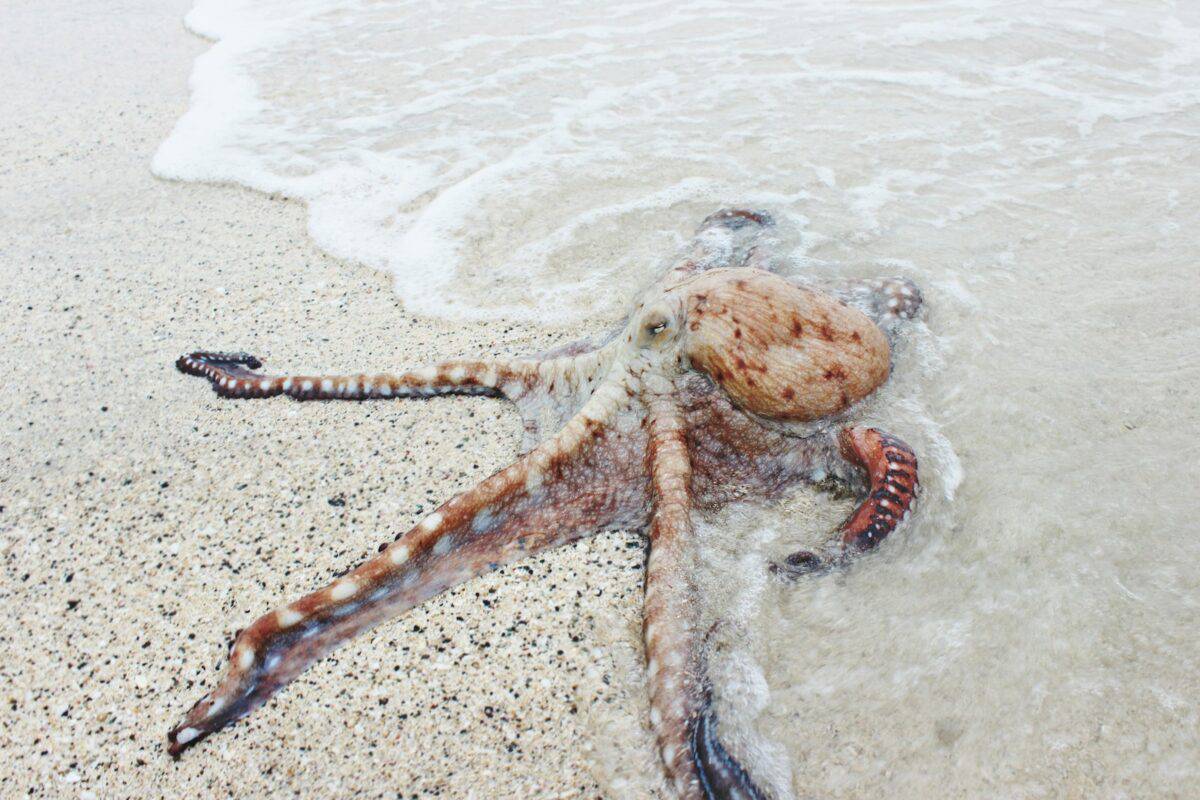
Octopuses are among the most alien-like creatures on Earth, and their cardiovascular system proves it. These intelligent cephalopods have not one, but three hearts: two pump blood through the gills, while the third circulates it to the rest of the body. Even more surprising is the color of their blood—it’s blue! Unlike humans who have iron-based hemoglobin that gives our blood its red color, octopuses use a copper-based protein called hemocyanin to transport oxygen. This copper compound turns blue when oxygenated, giving octopus blood its distinctive azure hue. This unique adaptation helps them survive in the deep, cold waters where oxygen can be scarce.
Mantis Shrimp Have the Most Complex Eyes in the Animal Kingdom

The unassuming mantis shrimp packs a visual punch that’s hard to believe. These crustaceans possess the most complex eyes ever discovered, containing up to 16 types of color-receptive cones (compared to humans’ mere three). This potentially allows them to see colors we can’t even imagine. Additionally, mantis shrimp can perceive both polarized light and circular polarized light, a feat matched by no other animal. Their extraordinary vision helps them detect prey, recognize predators, and communicate with other mantis shrimp in ways that are invisible to most other creatures. Scientists are studying these remarkable eyes to develop better cameras and optical devices inspired by their natural design.
Koalas Have Fingerprints Nearly Identical to Humans

If a koala were to commit a crime and leave fingerprints at the scene, they might confuse forensic investigators. These Australian marsupials have fingerprints that are virtually indistinguishable from human prints, even under electron microscopes. The ridges, whorls, and loops found on koala fingerprints are so similar to ours that experts sometimes have difficulty telling them apart. This remarkable similarity is an example of convergent evolution, where unrelated species independently evolve similar traits due to similar environmental pressures. Koalas developed these prints to help them grip tree branches and eucalyptus leaves, while humans evolved them for improved dexterity and tactile sensitivity. Despite sharing a common ancestor over 70 million years ago, we’ve somehow ended up with nearly identical fingerprints.
Wombats Produce Cube-Shaped Poop
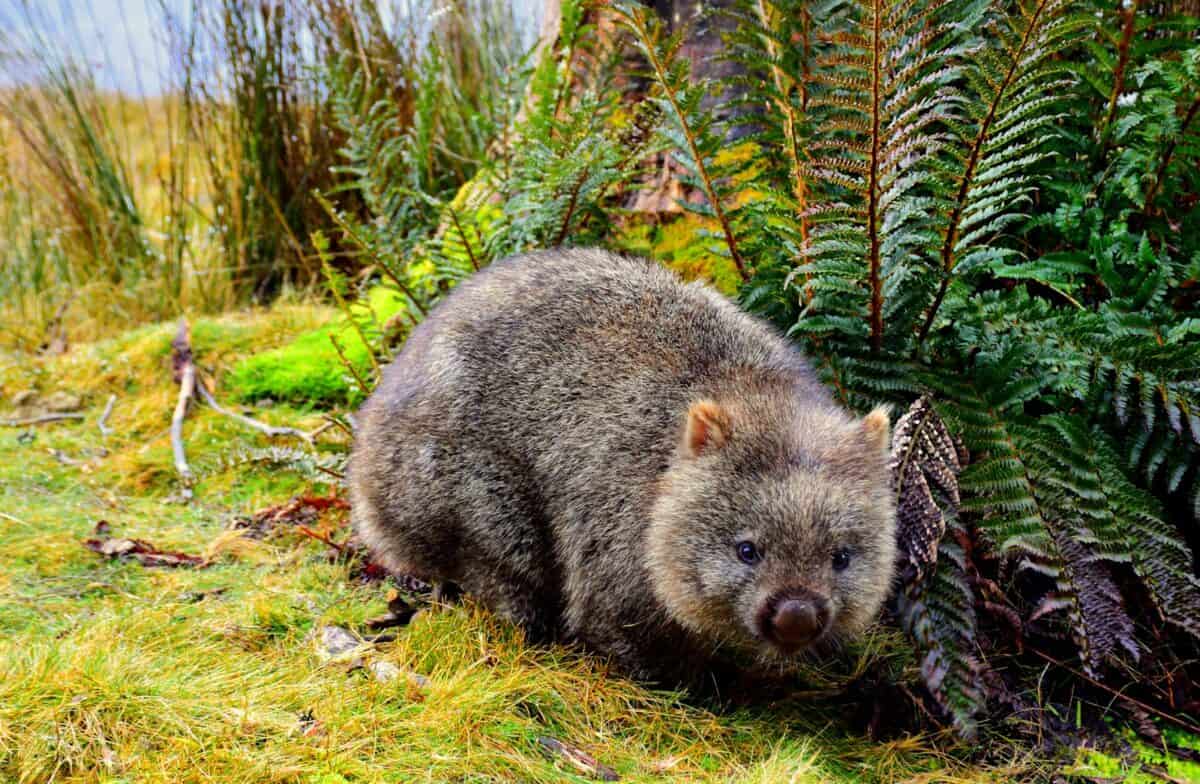
In the world of animal excrement, wombats stand alone with their geometrically perfect, cube-shaped droppings. These Australian marsupials are the only known creatures to produce cubic feces, with nearly perfect 90-degree angles. For years, scientists were puzzled by this peculiar adaptation, but recent research has revealed the answer: wombats have unique, irregularly elastic intestines that shape their waste into cubes just before excretion. This cubic shape serves an important purpose—wombats use their droppings as territorial markers, and the cube shape prevents the droppings from rolling off rocks and logs where they’re strategically placed. With up to 100 cubes produced nightly, wombats are nature’s most efficient producers of geometric waste.
Flamingos Can Only Eat With Their Heads Upside Down

The iconic pink flamingo with its distinctive curved bill has a feeding method that seems completely backward—literally. These birds must turn their heads upside down to feed effectively. Their specialized bills work like filtering pumps, but only when positioned upside down in the water. The flamingo’s lower bill is actually the larger, more movable one (unlike most birds), and their tongues work as pistons to suck in and expel water while trapping tiny food particles like algae, small crustaceans, and other aquatic invertebrates. This unique feeding adaptation allows flamingos to thrive in harsh, alkaline environments where few other large animals can survive. The pigments in their diet—particularly beta-carotene—are what give flamingos their signature pink coloration.
Sharks Are Older Than Trees

When we think of ancient creatures, dinosaurs often come to mind, but sharks make them look like newcomers. Sharks have been swimming in Earth’s oceans for approximately 450 million years, predating not only dinosaurs but even trees. The first trees as we would recognize them today didn’t appear until around 350 million years ago, meaning sharks had already been evolving for 100 million years before the first forests formed on our planet. These incredible predators have survived five mass extinction events, including the one that wiped out the dinosaurs 65 million years ago. Their evolutionary success story is a testament to their perfectly adapted design—sharks have remained largely unchanged for millions of years because their biology was already remarkably efficient.
Crows Can Recognize Human Faces and Hold Grudges
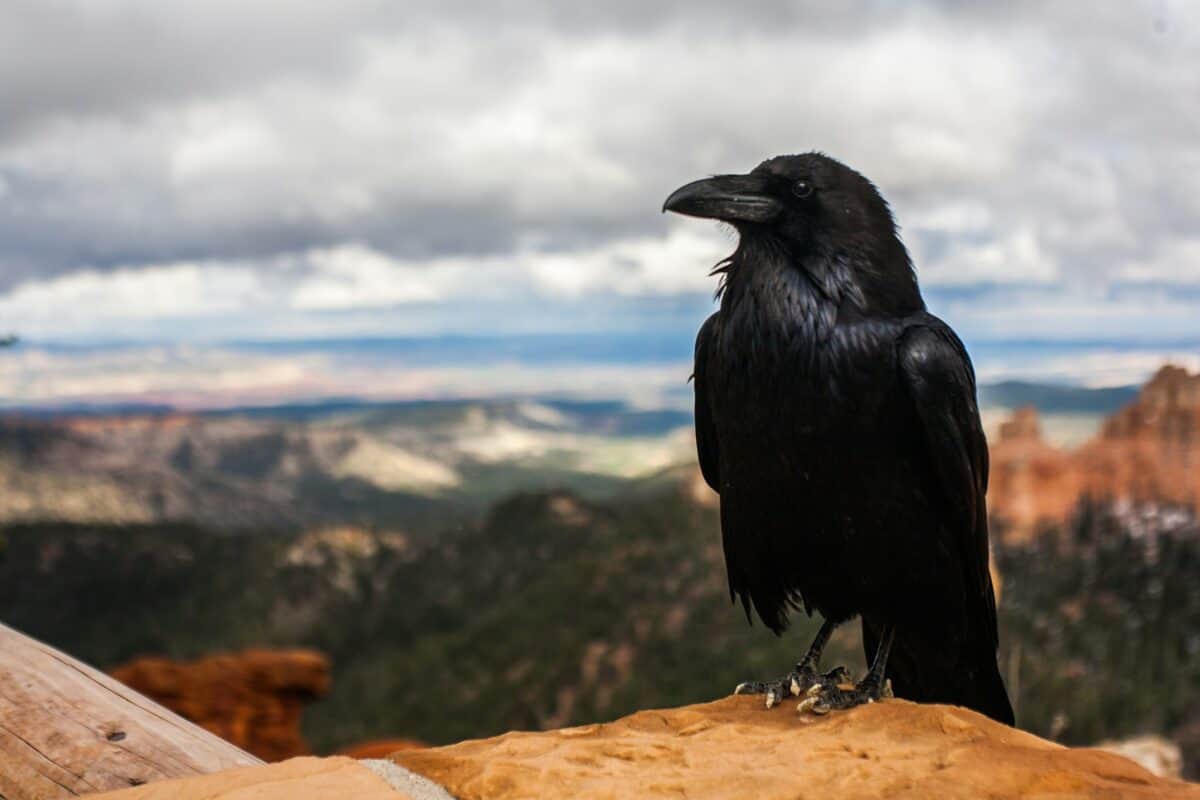
Crows aren’t just intelligent—they have an uncanny ability to recognize specific human faces and remember people who have threatened or harmed them, sometimes for years. In a fascinating study at the University of Washington, researchers wore masks while capturing and banding crows. Even years later, when anyone wore those same masks on campus, the crows would mob, dive-bomb, and scold the mask-wearers, even if they had never seen those particular humans before. Even more impressive, crows teach their young which humans to be wary of, passing this knowledge across generations. This facial recognition ability is comparable to primates, despite crows having very different brain structures. Their intelligence extends to tool use, problem-solving, and even understanding basic physics—making them among the smartest animals on the planet.
Pistol Shrimp Can Create Underwater Sonic Booms

The pistol shrimp, despite its small size (typically under two inches long), packs one of the most powerful weapons in nature. One of its claws has evolved into a specialized appendage that can snap shut with such speed and force that it creates a cavitation bubble that reaches temperatures nearly as hot as the surface of the sun—around 8,000 degrees Fahrenheit. When this bubble collapses, it produces a sonic blast that can reach 218 decibels—louder than a gunshot and strong enough to stun or kill small prey. The snap happens in less than 1 millisecond and creates a flash of light through a process called sonoluminescence. These tiny underwater snipers are so loud that colonies of pistol shrimp can interfere with submarine sonar and underwater communications. Despite their incredible power, they pose no danger to humans, as the effect is extremely localized.
Tardigrades Can Survive in Outer Space

Tardigrades, affectionately known as water bears or moss piglets, are microscopic creatures that might be the toughest animals on Earth—and beyond. These tiny invertebrates (typically less than 1mm long) can survive conditions that would be fatal to nearly all other life forms. Scientists have exposed tardigrades to the vacuum of space, solar radiation, temperatures near absolute zero (-458°F), temperatures as high as 300°F, pressures six times greater than those in the deepest ocean trenches, and doses of radiation hundreds of times higher than would kill a human. Their secret lies in their ability to enter a state called cryptobiosis, where they expel almost all water from their bodies, lower their metabolic rate to near zero, and produce special protective proteins. When favorable conditions return, even decades later, they can rehydrate and continue their lives as if nothing happened. This extraordinary durability has made tardigrades the focus of research into protecting biological material, including human cells and tissues.
Honey Never Spoils

While not an animal itself, honey is the only food produced by insects that humans regularly consume, and it has an astonishing property: it never spoils. Archaeologists have discovered honey in ancient Egyptian tombs that is over 3,000 years old and still perfectly edible. This extraordinary shelf life is due to bees’ remarkable chemistry. When bees process nectar into honey, they add an enzyme called glucose oxidase, which produces hydrogen peroxide as a byproduct. This, combined with honey’s low moisture content and high acidity, creates an environment where bacteria and fungi cannot survive. The sugar concentration is so high that it creates a hypertonic environment that dehydrates microorganisms. Honey’s antimicrobial properties are so effective that it was used as a wound dressing before modern antibiotics. Different honey varieties have varying levels of these properties, with Manuka honey being particularly potent.
Woodpeckers’ Tongues Wrap Around Their Skulls
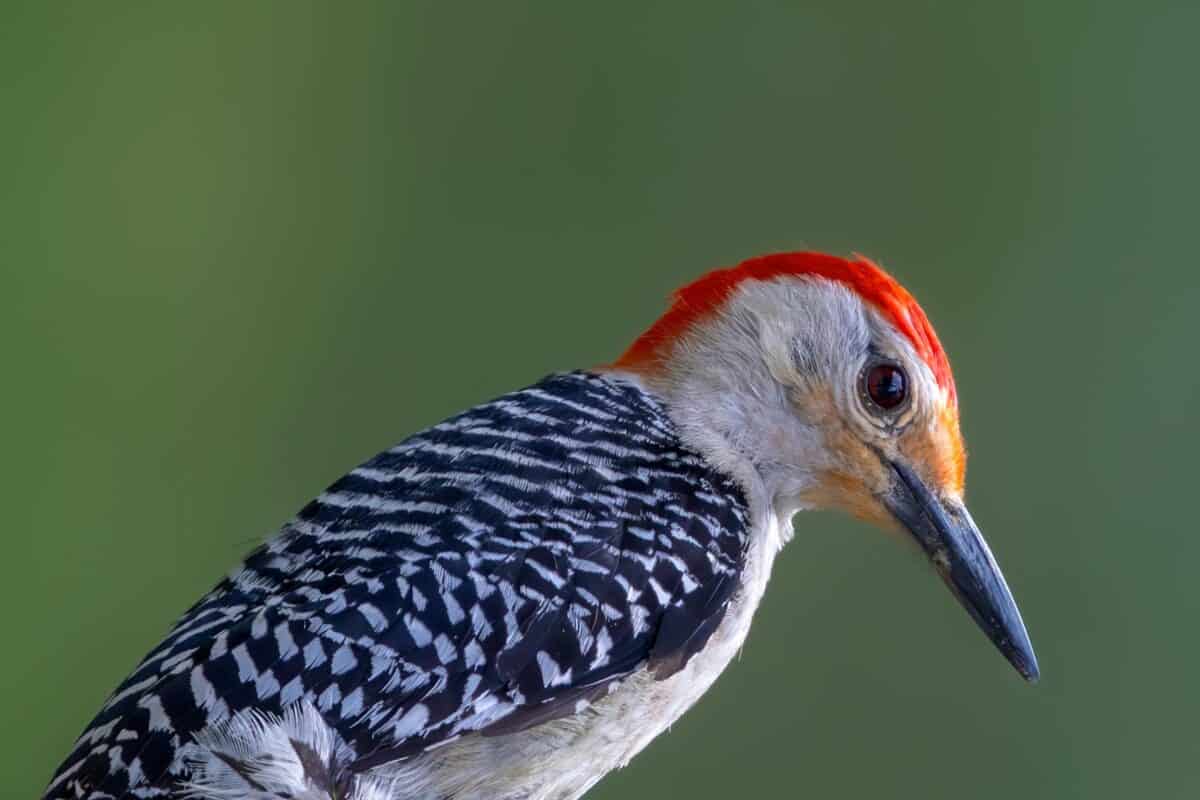
Woodpeckers have one of the strangest anatomical adaptations in the bird world: their tongues are so long that they wrap around their brains when retracted. These specialized tongues can extend up to four inches beyond the tip of the bill in some species and are used to extract insects from deep within tree trunks and crevices. When not in use, the tongue retracts and wraps around the skull between the skin and bone, entering through the right nostril and curling around the right eye socket before storing behind the skull. This bizarre adaptation provides storage for the exceptionally long tongue without interfering with the bird’s ability to fly or hammer into wood. Additionally, woodpeckers’ tongues are coated with sticky saliva and have backward-facing barbs to help spear and extract prey from tight spaces. Combined with their shock-absorbing skulls that prevent brain damage during pecking, woodpeckers represent one of nature’s most specialized evolutionary designs.
Platypuses Glow Under UV Light

The platypus was already considered one of the strangest mammals on Earth—with its duck-like bill, beaver-like tail, otter-like feet, and ability to lay eggs despite being a mammal. In 2020, scientists discovered yet another bizarre trait: platypus fur glows a bluish-green color when exposed to ultraviolet light. This biofluorescence, where the animal absorbs UV light and re-emits it as visible light, was previously unknown in mammals of this kind. Researchers aren’t entirely sure why platypuses have developed this trait, but they speculate it might help with camouflage, predator avoidance, or recognition among their species, particularly since platypuses are most active at dawn and dusk when UV light is prevalent. As nocturnal animals with closed eyes underwater, platypuses navigate primarily through electroreception, detecting electrical impulses from prey’s muscle movements, making them one of the few mammals with this additional sensory capability.
Puffins Use Tools

Puffins, the charismatic seabirds known for their colorful beaks, have surprised scientists by joining the exclusive club of tool-using animals. In 2019, researchers documented puffins in both Iceland and Wales using sticks to scratch their bodies—specifically, using small twigs and sticks to dislodge parasites or relieve itches that would be difficult to reach with their beaks. This discovery is significant because tool use was once thought to be limited to primates and a few particularly intelligent bird species like crows and parrots. The behavior demonstrates a level of problem-solving intelligence previously unrecognized in these birds. What makes this discovery even more remarkable is that the behavior was observed in two geographically distant puffin populations, suggesting the behavior might be widespread rather than an isolated innovation. This finding forces scientists to reconsider the cognitive abilities of seabirds and expands our understanding of animal intelligence.
Some Ants Farm Fungi and Raise Aphids as Livestock

Ants were practicing agriculture millions of years before humans developed farming. Leafcutter ants, found in tropical regions of the Americas, cut pieces of leaves and carry them back to their colonies—not to eat them directly, but to feed fungi they cultivate in special chambers. These ants have been growing fungi for an estimated 50 million years and have developed sophisticated techniques to keep their fungal gardens healthy, including using antibiotic-producing bacteria to protect the fungi from disease. In a different form of agriculture, many ant species “farm” aphids, small sap-sucking insects that produce a sweet substance called honeydew. The ants protect aphids from predators, move them to better feeding locations, and even stroke them with their antennae to stimulate honeydew production. Some ant species go further, collecting aphid eggs in autumn, storing them safely through winter in their nests, and then placing the hatched aphids on plants in spring—a complete livestock management system. These complex behaviors demonstrate remarkable evolutionary adaptations that mirror human agricultural developments.
Male Seahorses Give Birth
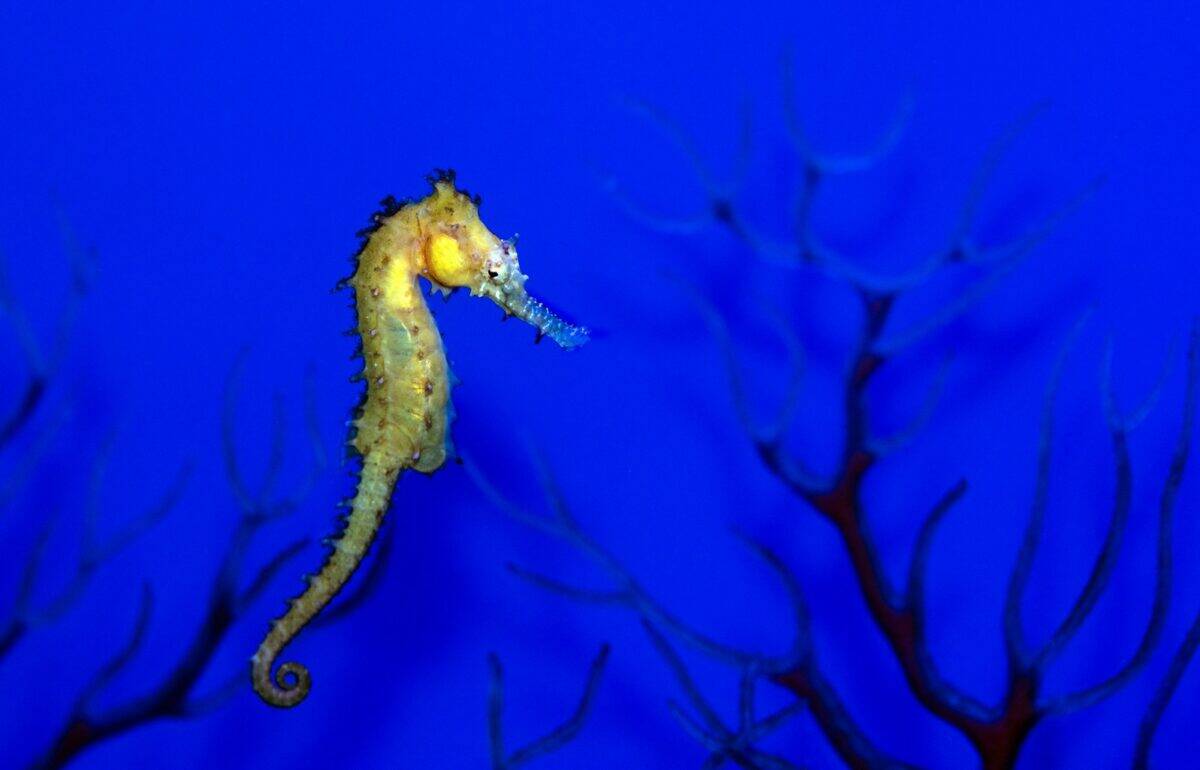
In the world of seahorses, traditional gender roles are reversed. Female seahorses produce eggs, but it’s the males who become pregnant and give birth. During mating, the female uses a specialized ovipositor to deposit her eggs into the male’s specialized pouch, where he fertilizes them internally. The male’s pouch is lined with tissue similar to the human placenta, providing oxygen and nutrients to the developing embryos while removing waste products. After a pregnancy lasting between two to four weeks (depending on the species), the male experiences contractions and actively gives birth to fully-formed baby seahorses, sometimes hundreds at once. This extraordinary reversal of reproductive roles is extremely rare in the animal kingdom. Scientists believe this unique arrangement evolved because it allows females to produce new eggs immediately after transferring the previous batch to the male, dramatically increasing the species’ reproductive efficiency. The male’s investment in pregnancy also ensures his genetic offspring receive optimal care.
Spiders Can Balloon Through the Air for Hundreds of Miles
Spiders have a remarkable method of travel that seems like something from a fantasy novel: they can fly through the air using silk balloons, sometimes traveling hundreds of miles and reaching altitudes of up to 2.5 miles above Earth’s surface. This process, called ballooning, involves the spider climbing to a high point, raising its abdomen, and releasing strands of silk into the air. When enough silk has been released, the electrical repulsion between the negatively charged silk strands and the similarly charged Earth’s surface generates enough lift for the spider to become airborne. Previously, scientists thought spiders relied solely on wind for this technique, but recent research has shown they can sense and utilize the planet’s electrical field to generate lift even in completely still air. Ballooning allows spiders to be among the first colonizers of new or disturbed habitats, including volcanic islands that have recently formed. Amazingly, ballooning spiders have been found in ship logs from the middle of oceans and have been collected in atmospheric samples miles above the Earth.
Japanese Macaques Make Snowballs for Fun

Japanese macaques, also known as snow monkeys, are the northernmost living non-human primates, surviving winters in the mountains of Japan where temperatures regularly drop below freezing. These remarkably adaptable monkeys have developed a cultural behavior that appears to be done purely for enjoyment: they make and play with snowballs. Scientists have observed these monkeys carefully crafting balls of snow, rolling them along the ground to make them larger, and sometimes even carrying them up trees. Unlike other tool use or food-gathering behaviors, this activity serves no obvious survival purpose—the monkeys appear to be playing for entertainment. This behavior is culturally transmitted, with young monkeys learning it by watching adults and peers. Along with their famous habit of bathing in natural hot springs to stay warm in winter, snow play demonstrates these primates’ remarkable behavioral flexibility and suggests that recreational activities might be more widespread in the animal kingdom than previously thought. These behaviors add to growing evidence that many animals engage in activities that can only be described as “fun.”
Conclusion:

From shrimp that snap sonic booms to glowing platypuses and cube-shaped wombat poop, the animal kingdom never fails to astonish. These 20 animal facts may sound like tall tales, but they’re all backed by science—and they challenge our assumptions about what’s possible in nature. Whether it’s intelligence, resilience, or bizarre biology, animals continue to evolve in ways that push the boundaries of imagination. Next time you encounter a strange animal story, remember: reality in the natural world is often far more fascinating than fiction.

As a little kid, I fell in love with nature, wildlife, and animals. Living in the USA, South Africa, Italy, China and Germany gave me the opportunity to discover the world's Wildlife. My favorite animals are Mountain Gorillas, Siberian Tigers, and Great White Sharks.
I'm a certified PADI Open Water Diver, went to Everest Base Camp and Trekked Gorillas in Uganda. I hold a Master of Science in Economics and Finance.
Please send any feedback to feedback@animalsaroundtheglobe.com
- 13 Cat Breeds That Get Along with Dogs - July 20, 2026
- The 12 Largest Dog Breeds That Still Love to Cuddle - July 20, 2026
- 12 Pet Habits That Secretly Mean They Love You - July 20, 2026