

The game of fetch is perhaps the most iconic interaction between humans and dogs. That simple act of throwing a ball, stick, or toy, only to have your furry companion eagerly retrieve it and bring it back for another round, captures the special bond we share with our canine friends. But while fetch might seem like a universal canine passion, the reality is that not all dogs are equally enthusiastic about the game. Breed tendencies, individual personality, and even physical attributes can all influence whether a dog lives to chase after thrown objects or would rather watch from the sidelines. In this article, we’ll explore 13 dog breeds known for their fetch-loving tendencies and 3 that might just give you a puzzled look when you throw that tennis ball.
The Science Behind Dogs and Fetch

The instinct to chase and retrieve objects is deeply rooted in canine DNA. Many dogs were selectively bred over centuries to retrieve game during hunts, making fetch not just a fun activity but an expression of their ancestral purpose. This retrieving behavior activates the reward centers in a dog’s brain, releasing dopamine—the same neurotransmitter associated with pleasure and satisfaction in humans. For fetch-loving dogs, the entire sequence—the chase, the capture, and the return—creates a rewarding cycle that they’re eager to repeat.
Research conducted by animal behaviorists suggests that playing fetch also satisfies several key psychological needs for dogs: physical exercise, mental stimulation, bonding with their owner, and for many breeds, fulfilling their inherent purpose. Dogs bred for retrieving game, herding livestock, or other working roles often display the strongest fetch drive, as the activity mirrors the tasks they were developed to perform. Understanding this connection between genetics and behavior helps explain why certain breeds are natural fetchers while others show minimal interest.
Labrador Retrievers The Fetch Champions

If there were a competition for the ultimate fetch enthusiast, Labrador Retrievers would likely take the gold medal every time. Originally bred to retrieve waterfowl for hunters, Labs have an exceptionally strong retrieving instinct hardwired into their genetics. Their name itself contains a clue to their favorite activity! With their water-resistant double coat, webbed paws, and strong swimming ability, Labs were designed to retrieve game from water, making them natural athletes when it comes to chasing balls and bringing them back.
Labs are known for their tireless enthusiasm for fetch, sometimes playing until they’re completely exhausted if their owners don’t call an end to the game first. Their soft mouths—developed to retrieve birds without damaging them—make them gentle with toys as well. Many Lab owners report that their dogs will drop balls at their feet unprompted, essentially requesting a game of fetch even when the humans haven’t initiated play. This persistent love of retrieving, combined with their friendly temperament and trainability, makes Labs both excellent family companions and champions at the park’s informal fetch competitions.
Golden Retrievers Fetch with a Smile

Like their Labrador cousins, Golden Retrievers were bred specifically for retrieving, particularly waterfowl for hunters in the Scottish Highlands. This heritage translates into an almost insatiable drive to chase and retrieve objects. What sets Goldens apart is the particular joy they seem to take in the activity—they don’t just play fetch, they play it with unmistakable enthusiasm, often sporting what appears to be a smile throughout the entire game. Their lustrous golden coats may get muddy or wet during enthusiastic play, but their determination rarely wavers.
Golden Retrievers combine their natural retrieving abilities with an eager-to-please attitude, making them not only willing fetchers but also keen on bringing the ball all the way back and dropping it at their owner’s feet—a courtesy not all fetch-loving breeds reliably provide. They excel at learning fetch variations too, such as retrieving specific toys by name or navigating obstacles to reach thrown objects. For families looking for a dog that will tire of fetch only when the humans do (and sometimes not even then), the Golden Retriever represents an ideal choice, bringing both athletic ability and joyful companionship to playtime.
Border Collies Fetch with Precision

Border Collies approach fetch not just as a game but almost as a career. Renowned as the most intelligent dog breed by many measures, these herding dogs bring intensity and focus to everything they do—fetch included. Originally bred to herd sheep with remarkable precision, Border Collies have transferred these skills to recreational activities, calculating trajectories and distances with an almost mathematical precision as they race after flying discs or bouncing balls. Their characteristic “eye”—the intense stare used when herding—is often visible when they’re tracking a thrown object.
What makes Border Collies particularly impressive fetch players is their ability to learn complex variations of the game. They can be taught to retrieve specific items by name from a pile of toys, run complex patterns before or after retrieving, or even modify their retrieval style based on subtle hand signals. Many Border Collie owners note that their dogs seem to strategize during fetch, positioning themselves optimally for the next throw or anticipating the ball’s path before it’s even released. Their combination of athleticism, intelligence, and work ethic makes fetch not just play but a satisfying job for these high-energy herders.
Australian Shepherds The Multi-Tasking Fetchers

Australian Shepherds bring a special flair to fetch games, often incorporating their herding instincts into play. These energetic, intelligent dogs don’t just run straight for the ball—they might circle it, pounce on it, or even try to “herd” it back to their owners. With their remarkable agility and endurance, Aussies can play fetch for hours, viewing it as both physical exercise and mental stimulation. Their multicolored coats—often in blue merle, red merle, black, or red, frequently with striking eye colors—flash through the air as they leap and twist to catch toys.
What makes Australian Shepherds particularly entertaining fetch partners is their creativity. They may develop their own rules or variations to the game, such as insisting the ball be thrown in a particular direction or incorporating jumps and spins into their retrievals. Their high energy levels and need for regular mental challenges make fetch an ideal activity, especially when combined with obedience elements or agility movements. For owners willing to engage in active, inventive play sessions, Australian Shepherds offer enthusiastic and intelligent companionship, turning a simple game of fetch into an impressive display of canine athleticism and problem-solving.
Springer Spaniels Enthusiastic Retrievers
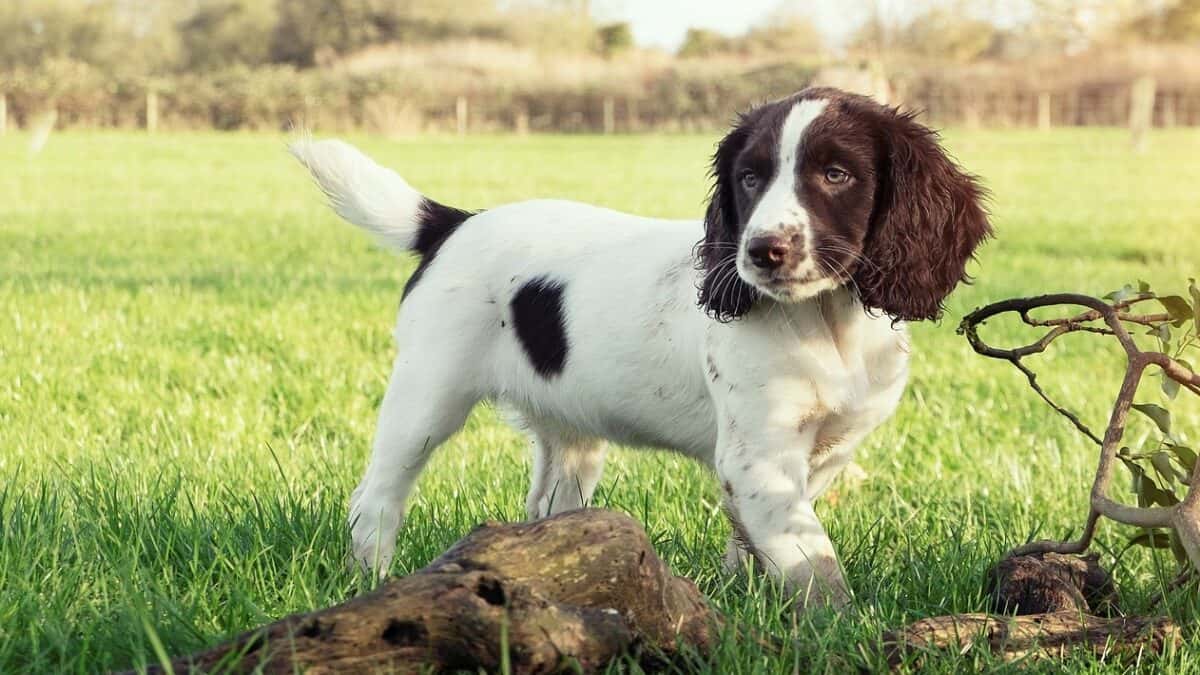
English Springer Spaniels were bred specifically for flushing and retrieving game, and this heritage is evident in their passionate approach to fetch. The name “Springer” itself refers to their hunting technique of “springing” game from cover, and this explosive energy transfers perfectly to fetch games. With their medium-length, water-resistant coats and athletic builds, Springers are built for action across various terrains. They particularly excel at fetch in water, diving in without hesitation and using their strong swimming abilities to retrieve floating toys.
Springer Spaniels bring an infectious enthusiasm to fetch that can entertain for hours. Their expressive eyes and constantly wagging tails communicate their joy in the activity. Unlike some retrievers who maintain a businesslike approach to the game, Springers often incorporate playful bounds and spins into their retrievals, making the journey back with the ball almost as entertaining as the chase itself. Their combination of high energy, trainability, and natural retrieving instincts makes them excellent candidates for more formal retrieving sports like dock diving or hunt tests, but they’re equally content with casual backyard fetch sessions as long as they’re with their beloved humans.
Jack Russell Terriers Small Dogs with Big Fetch Drive
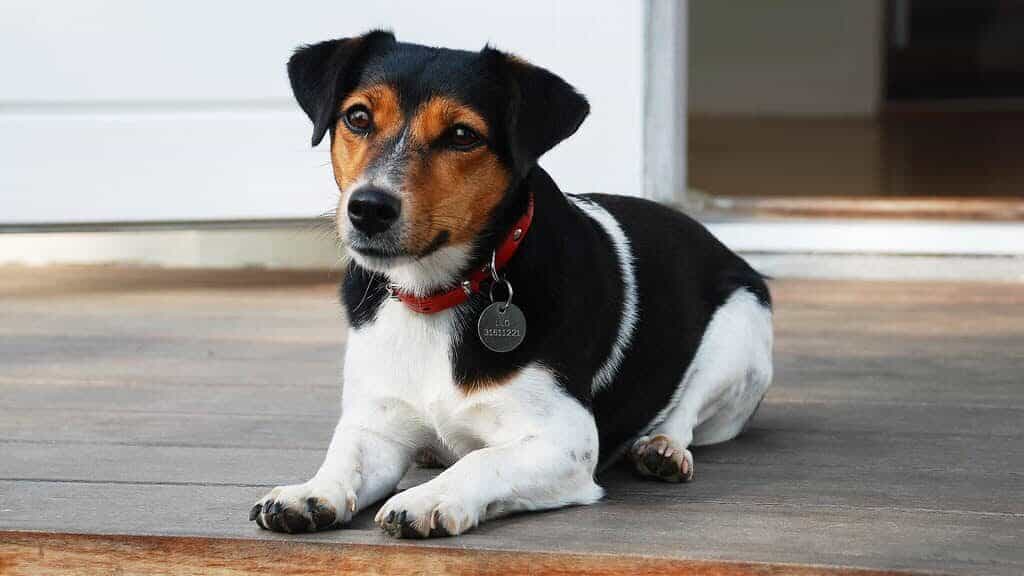
Jack Russell Terriers prove that fetch enthusiasm isn’t proportional to size. These compact, muscular terriers bring an intensity to fetch that rivals much larger sporting breeds. Originally bred for fox hunting, Jack Russells possess remarkable stamina, speed, and determination—all qualities that translate perfectly to fetch games. What they lack in size they make up for in spirit, often outrunning and outlasting larger dogs at the park when tennis balls are flying. Their small stature allows them to accelerate quickly and change direction on a dime, making them surprisingly adept at catching even erratically bouncing balls.
Jack Russells approach fetch with the tenacity characteristic of the terrier group. Once engaged in the game, they play with single-minded focus and seemingly inexhaustible energy. Their intelligent, sometimes stubborn nature means they may occasionally decide to initiate a game of “keep away” rather than reliably returning the ball, adding an element of unpredictability to fetch sessions. For apartment dwellers or those with limited yard space, Jack Russells offer the advantage of being able to play satisfying fetch games in smaller areas while still burning off their considerable energy. Their combination of athletic ability, intelligence, and spunk makes them entertaining fetch companions who can transform a quick play session into an impressive display of canine athleticism.
Vizslas The Velcro Dogs That Fetch
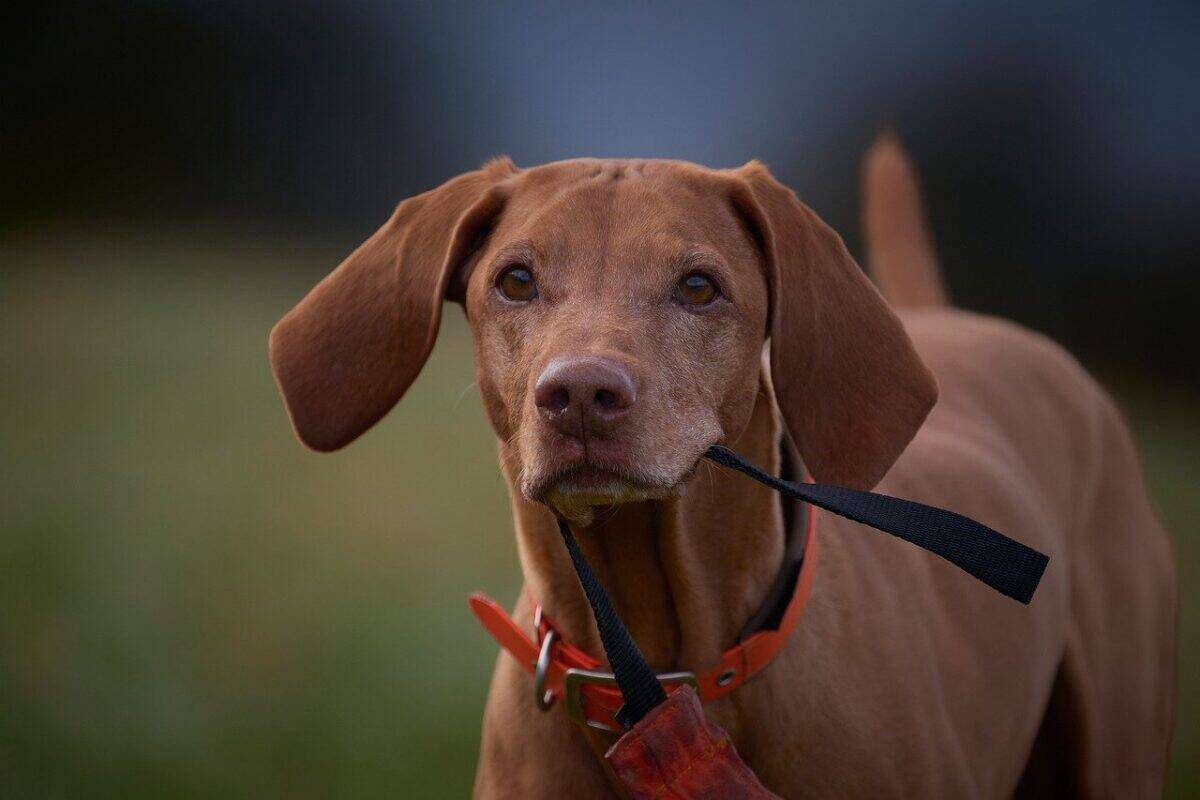
Hungarian Vizslas combine their natural retrieving instincts with an intense desire to please their owners, making them exceptional fetch partners. These elegant, rust-colored hunting dogs were bred to work closely with hunters, pointing and retrieving game while staying within close range of their handlers—earning them the nickname “Velcro dogs” for their attachement to their people. This same close bond translates to their fetch style; Vizslas not only chase and retrieve with enthusiasm but also maintain constant awareness of their owner’s position and reactions throughout the game.
Vizslas bring a graceful athleticism to fetch, with their lean, muscular bodies enabling impressive speed and agility. Their short coats showcase their rippling muscles as they sprint after balls, making them a study in canine athletic beauty. Unlike some breeds that might lose interest after retrieving the same object repeatedly, Vizslas often maintain their enthusiasm throughout extended play sessions, driven both by their sporting heritage and their desire for continued interaction with their beloved humans. Their combination of retrieving instinct, people-focused temperament, and exceptional endurance makes them ideal partners for active owners looking for a devoted fetch companion who will gladly return for “just one more throw” until the sun goes down.
Poodles The Sophisticated Fetchers
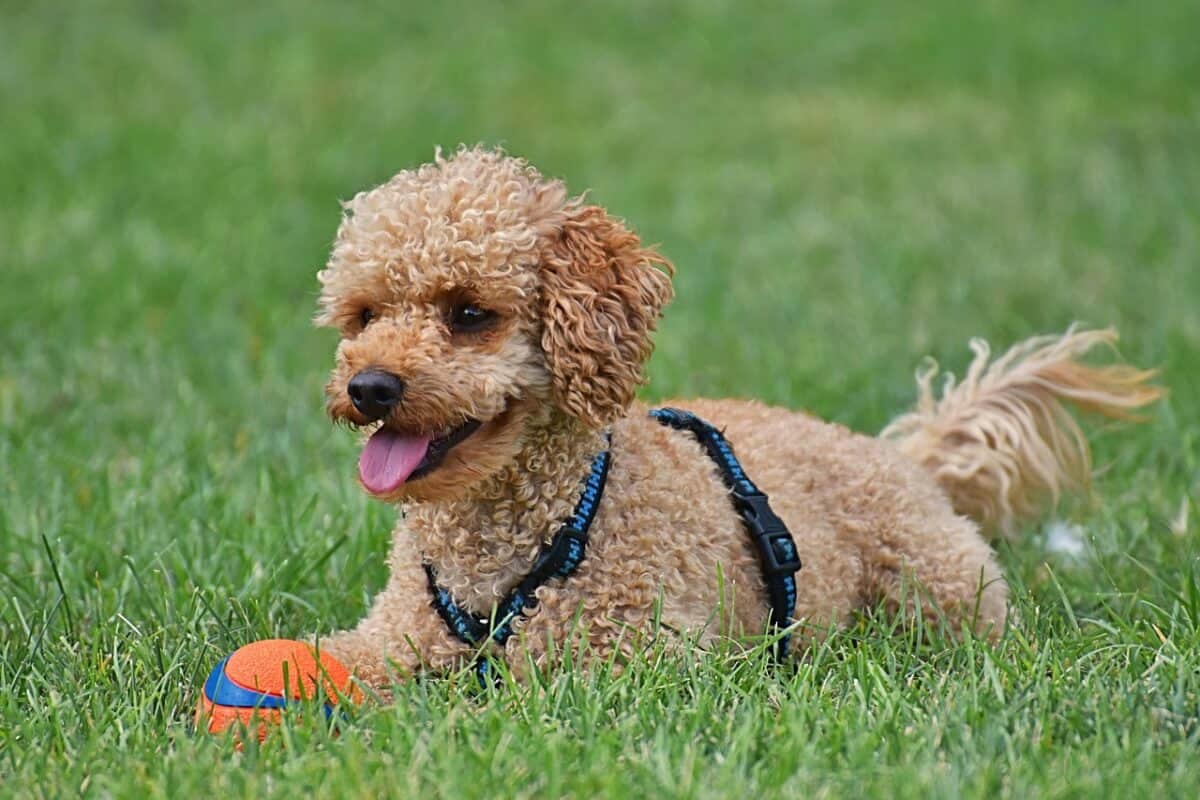
Despite their elegant appearance and sometimes unfair reputation for prissiness, Poodles of all sizes—Standard, Miniature, and Toy—are actually exceptional fetchers with strong retrieving instincts. Originally bred as water retrievers (the name “Poodle” derives from the German word “pudel,” meaning “to splash in water”), these intelligent dogs excel at both land and water retrievals. Their distinctive curly coats were developed to protect them while retrieving in cold water, and beneath those sophisticated exteriors beats the heart of a true sporting dog with natural retrieving abilities.
What makes Poodles particularly noteworthy fetch players is their combination of athletic ability and problem-solving intelligence. They quickly learn to anticipate throwing patterns, adjust their retrieval strategy based on terrain, and even understand complex fetch variations involving multiple toys or specific retrieval sequences. Standard Poodles, with their larger size and longer legs, can cover ground quickly, while the smaller varieties compensate with surprising speed and agility for their size. All sizes share the breed’s characteristic trainability, making them reliable returners who quickly learn fetch etiquette. For those seeking a hypoallergenic dog with fetch drive comparable to traditional retrieving breeds, Poodles offer an ideal combination of sporty ability wrapped in a sophisticated, low-shedding package.
German Shepherds The Strategic Fetchers

German Shepherds bring intelligence and methodical thinking to fetch games that sets them apart from more exuberant but less strategic breeds. Originally developed as herding dogs but later adapted for police and military work, German Shepherds approach fetch with the same focused intensity they bring to working tasks. Their powerful bodies, featuring strong hindquarters and an athletic build, allow them to cover ground efficiently and make impressive leaps to catch airborne toys. Unlike some breeds that chase with abandon, German Shepherds often watch the trajectory of thrown objects carefully before pursuing, calculating the most efficient path.
What distinguishes German Shepherds’ fetch style is their problem-solving approach. If a ball rolls under furniture or into dense brush, they’ll methodically work out how to retrieve it rather than giving up. Their natural protective instincts sometimes appear during fetch, with some shepherds “guarding” the retrieved item momentarily before deciding to return it. Their intelligence also makes them excellent at learning fetch variations and rules—they quickly understand boundaries, taking turns with other dogs, or retrieving specific objects by name. For owners looking for a fetch partner that combines athletic ability with thoughtful gameplay, German Shepherds offer the perfect blend of physical capacity and mental engagement, making each fetch session both physically and intellectually stimulating.
Belgian Malinois The High-Drive Fetchers
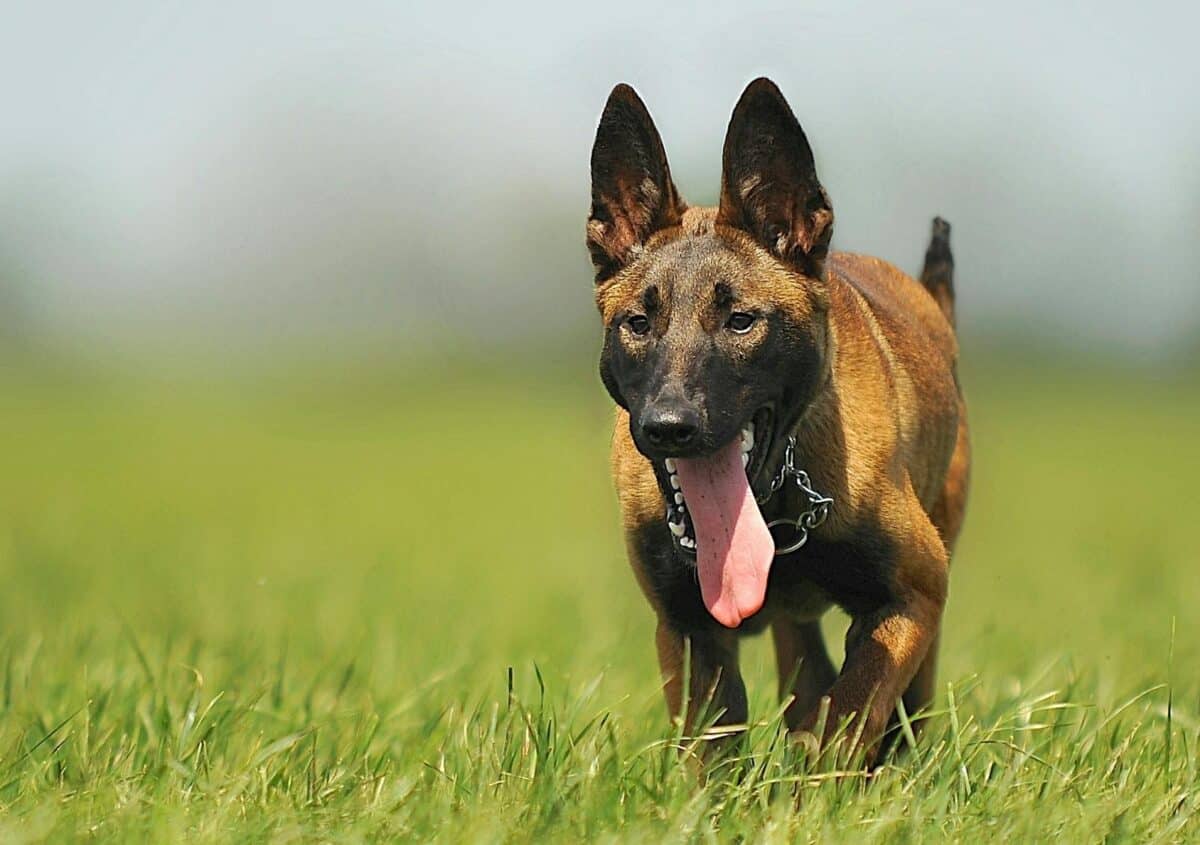
Belgian Malinois approach fetch with the same intense focus and drive they bring to police and military work. These working dogs, often mistaken for smaller German Shepherds but distinct in their lighter build and more intense work ethic, view fetch not as mere play but as a mission to be accomplished with maximum efficiency. Their combination of lightning-fast reflexes, explosive speed, and seemingly boundless energy makes them exceptional at covering ground quickly when chasing thrown objects. The Malinois’ highly muscled, lean physique enables them to reach remarkable speeds and make spectacular mid-air catches that showcase their athletic abilities.
What distinguishes the Malinois’ fetch style is the sheer intensity they bring to the game. Their focus on the ball or toy can be almost laser-like, and many Malinois owners report that fetch becomes an obsession rather than a casual activity for these high-drive dogs. This intensity can be channeled constructively by incorporating obedience elements into fetch games or using fetch as a reward during training sessions. Their combination of physical capabilities and work-oriented mindset makes the Malinois ideal candidates for competitive retrieving sports, but even casual backyard fetch sessions can help satisfy their need for physical exertion and focused activity. For active owners prepared to match their energy, the Malinois offers an unparalleled fetch experience defined by athleticism, determination, and unwavering focus.
Weimaraners The Persistent Fetchers
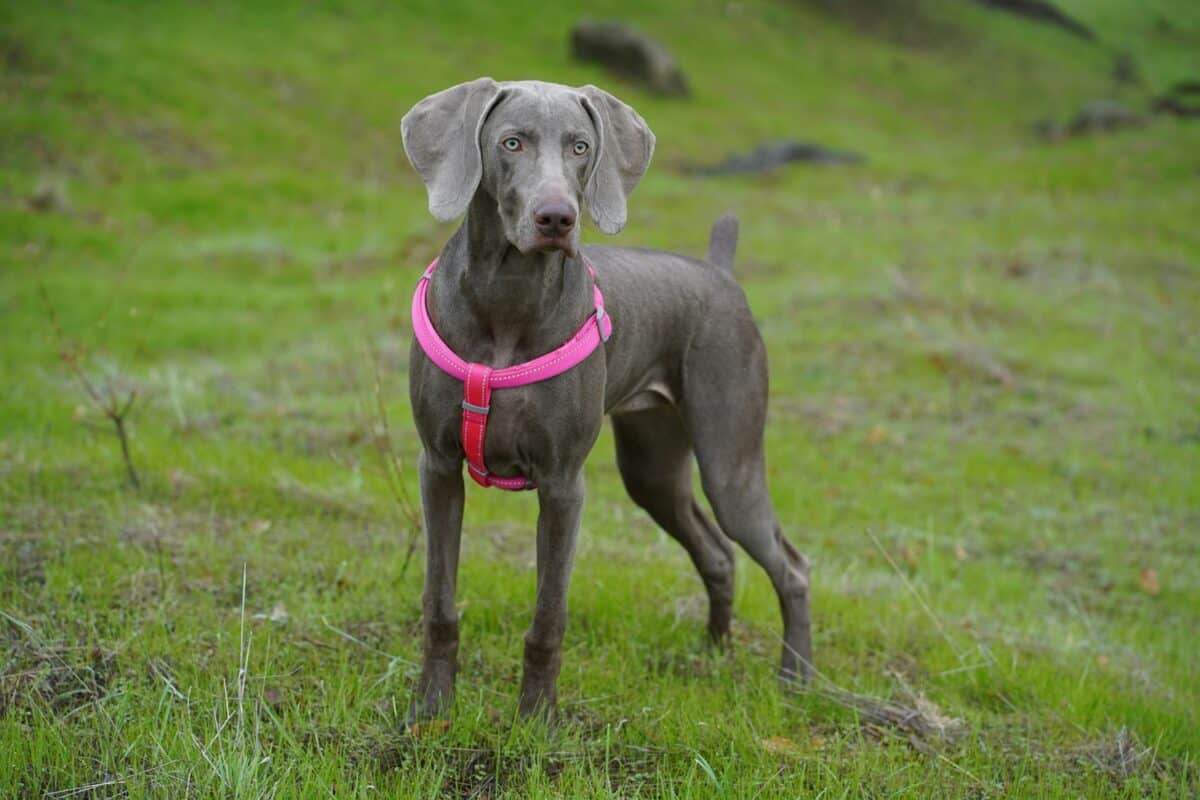
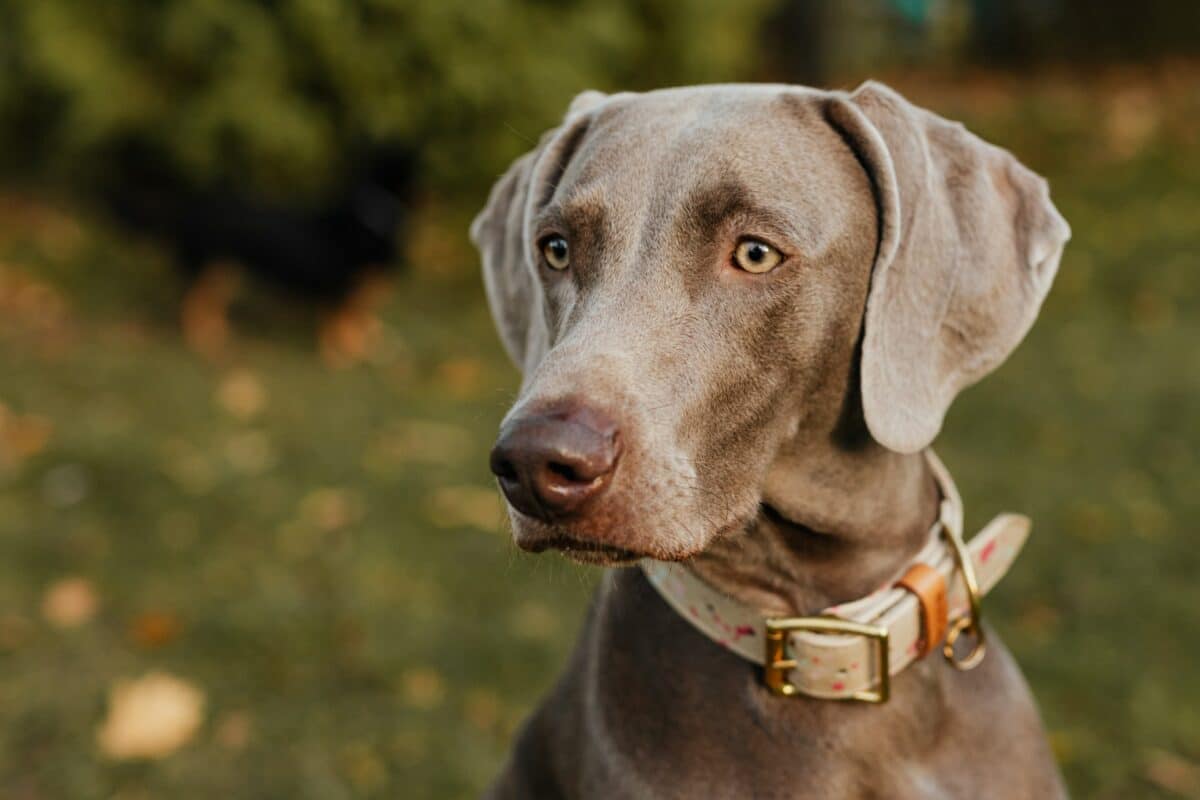
Weimaraners, with their distinctive silver-gray coats and striking amber or blue eyes, bring both beauty and persistence to fetch games. Bred as versatile hunting dogs in Germany, these athletic “Gray Ghosts” were developed to track and retrieve game all day long—endurance that translates directly to their fetch style. Weimaraners approach fetch with a single-minded determination, often showing remarkable stamina that outlasts their owners’ throwing arms. Their sleek, muscular bodies allow them to reach impressive speeds, and their natural retrieving instincts mean they typically return with the ball rather than playing keep-away.
What makes Weimaraners particularly noteworthy fetch partners is their combination of physical capabilities and psychological need for the activity. For many Weims, fetch isn’t just fun—it’s an essential outlet for their considerable mental and physical energy. Their intelligence allows them to learn fetch variations quickly, while their people-focused nature means they genuinely enjoy the cooperative aspect of the game. Many Weimaraner owners find that regular fetch sessions help prevent the destructive behaviors that can result from this breed’s boredom or excess energy. Their drive for retrieving can be so strong that some Weimaraners will drop balls in their sleeping owners’ laps or persistently nudge tennis balls toward visitors, making their fetch preference abundantly clear to anyone they encounter.
Flat-Coated Retrievers The Eternally Playful Fetchers
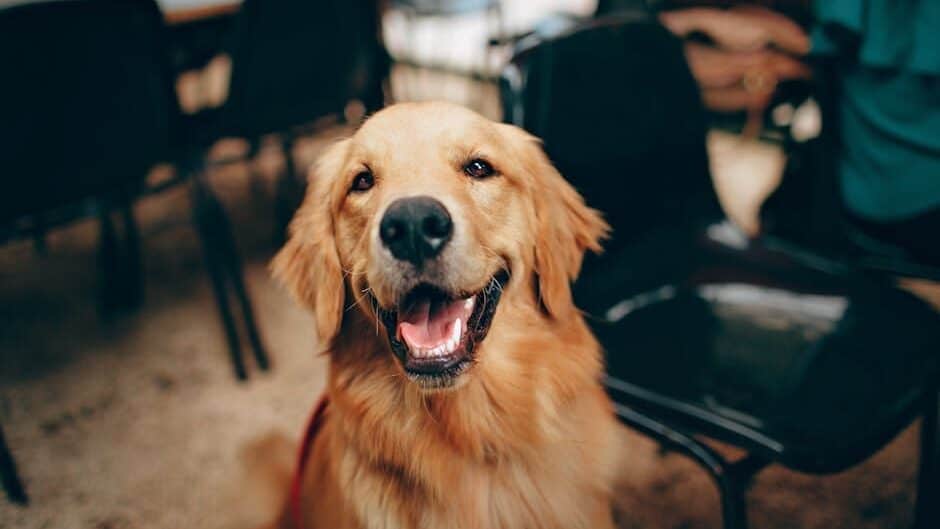
Flat-Coated Retrievers approach fetch with an enthusiasm that perfectly matches their reputation as the “Peter Pan” of dog breeds. These glossy-coated retrievers, with their perpetually happy expressions and wagging tails, bring a palpable joy to fetch that makes the game as much about shared happiness as it is about physical exercise. Developed in the mid-1800s as retrievers for both land and water, these dogs combine their innate retrieving abilities with a playful spirit that keeps them youthful well into adulthood. Their silky black or liver-colored coats gleam as they race after balls, showcasing the athletic build that lies beneath their elegant appearance.
3. English Bulldog

English Bulldogs are famous for their calm demeanor and stocky, muscular build — which makes chasing a ball feel more like an unnecessary workout than fun. These dogs are lovers of leisure, preferring short walks and long naps over bursts of activity. While their appearance may give them a tough look, they’re actually gentle, affectionate companions who enjoy staying close to their humans.
Throw a ball, and a Bulldog might glance at it, grunt softly, and go back to lying down. It’s not that they’re being stubborn — their body type and low energy levels just aren’t built for high-speed games. If you’re looking for a couch buddy rather than a fetch partner, a Bulldog might be the perfect match.
2. Basset Hound
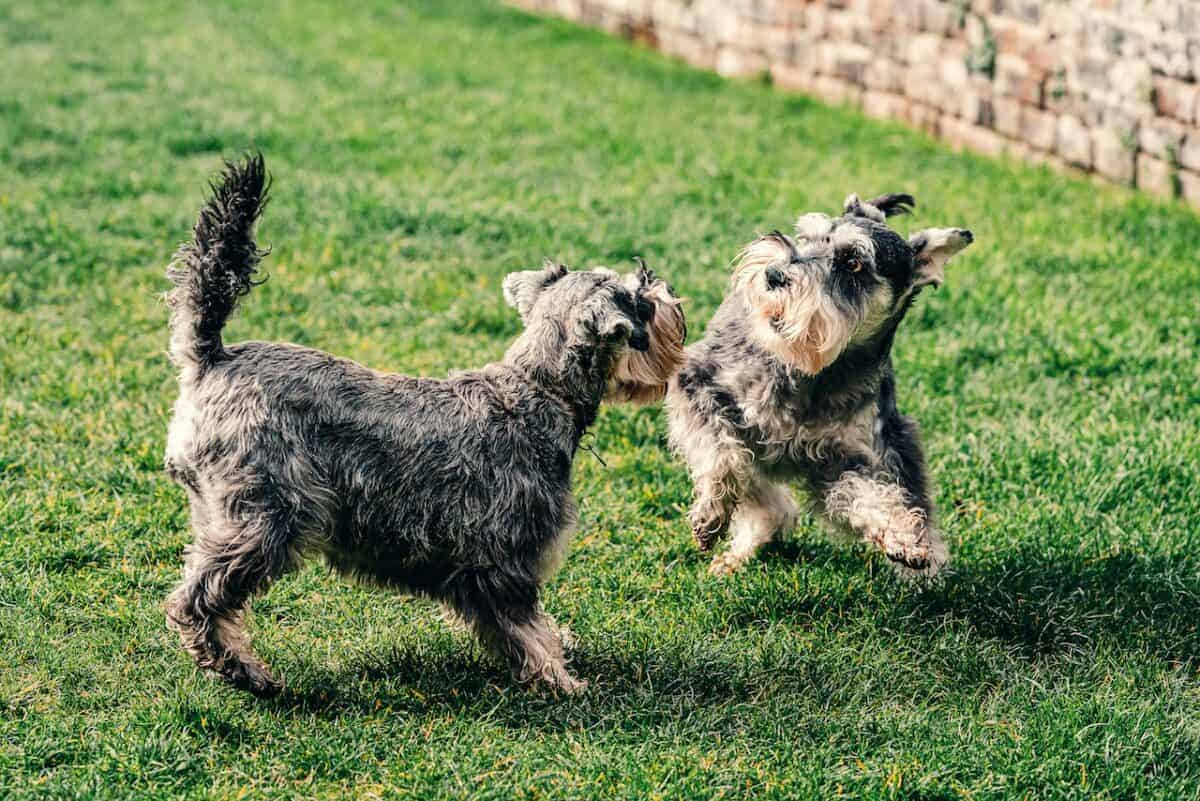
With their droopy ears, soulful eyes, and powerful noses, Basset Hounds are built for sniffing trails — not chasing tennis balls. Their long, low bodies aren’t suited for speed or agility, and their attention is almost always focused on scents rather than toys. When you toss a ball, don’t be surprised if a Basset Hound wanders off in the opposite direction to investigate a fascinating smell in the grass.
Fetch simply doesn’t spark their interest the way a good scent trail does. These laid-back hounds are happy to go at their own pace and explore the world with their nose leading the way. If you want a companion with a deep sense of smell and a mellow personality, the Basset Hound is a scent-tracking sweetheart — just not a ball chaser.
1. Shih Tzu

Shih Tzus were bred as royal lapdogs, and they still carry themselves with an air of calm dignity. They crave human attention and love snuggling on laps or being pampered, but when it comes to running after a ball? They’d much rather pass. A game of fetch doesn’t quite fit their laid-back lifestyle or their petite frame.
Toss a toy, and your Shih Tzu might briefly glance at it, then look back at you with a sweet but unimpressed expression. It’s not defiance — just a preference for affection over action. These adorable companions thrive in quiet settings and cozy environments, where the closest they’ll come to playing fetch is watching you do all the work.
Conclusion:
Fetch is more than just a game—it taps into a dog’s natural instincts, encourages physical exercise, and strengthens the bond between dogs and their humans. The 13 breeds that adore fetch tend to be energetic, intelligent, and eager to please, making them naturals at chasing down tennis balls and flying discs with enthusiasm. Whether it’s a Border Collie’s laser-like focus or a Labrador Retriever’s unshakable joy, these dogs thrive when given a job to do, especially if it involves running, retrieving, and earning praise.
On the other hand, not every dog is wired for fetch. The three breeds that prefer to simply watch the ball often have independent streaks, lower energy levels, or just different preferences when it comes to playtime. That doesn’t make them any less lovable—it simply means they express their personalities in quieter ways. Whether your pup is a fetch fanatic or a dignified bystander, the key is recognizing and celebrating the unique traits that make each

- 14 Signs a Dog Near the Rainbow Bridge Is at Peace With Its Person - July 21, 2026
- 15 Ways a Shelter Animal Tells You It Was Always Meant to Be Yours - July 21, 2026
- 14 Ways a Dog Shows You Are the Center of Its Whole World - July 21, 2026