
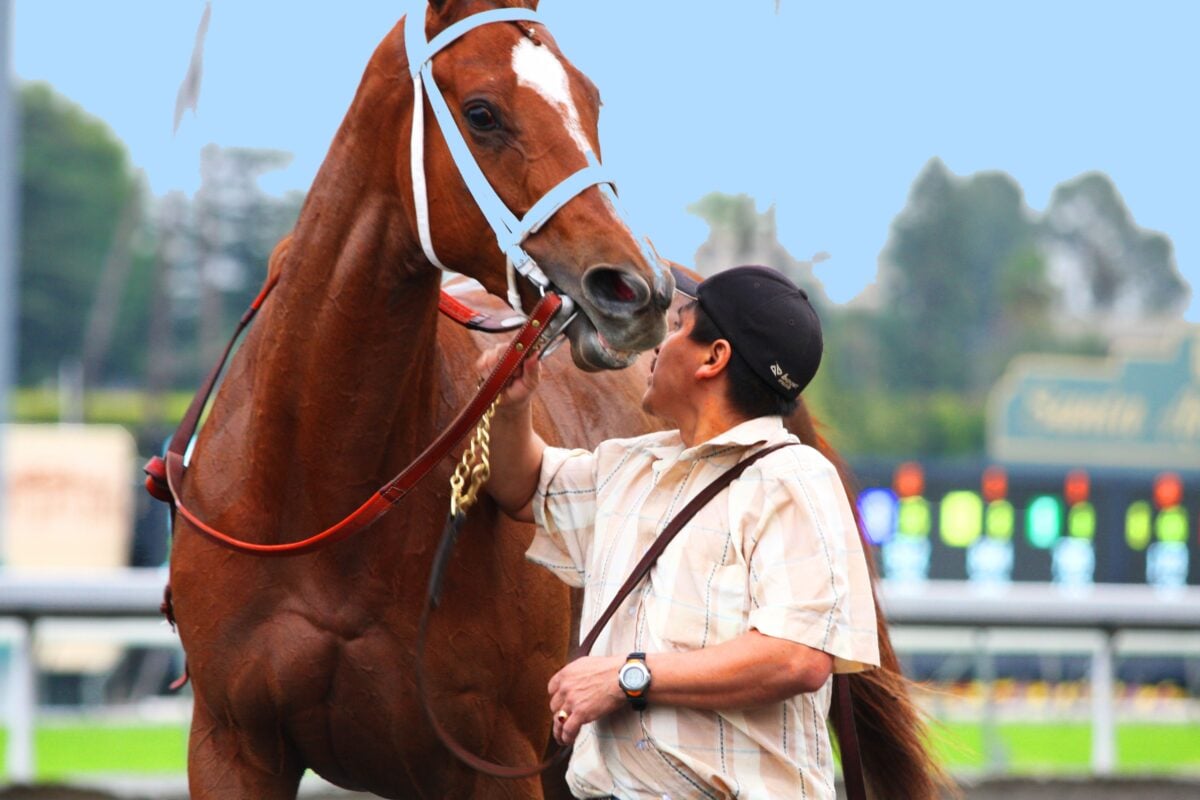
Ask most people what makes an equine surgeon’s stomach drop, and they’ll guess the obvious: a racehorse down at the rail, a horse tangled in wire, a freak trailer wreck at 2 a.m. Those cases are terrifying, sure. But they’re not what actually makes a seasoned surgeon exhale slowly when they check the caller ID.
Talk to enough specialists off the record and a very different pattern emerges – certain breeds and types that quietly spike everyone’s blood pressure the second the name comes up on the referral sheet. It’s not that these horses are bad patients. It’s a specific, ugly combination of size, temperament, genetics, and owner expectations that turns a routine surgery into a coin flip. Some push anesthesia to its absolute limit. Others have legs so fragile that a bad step ends careers. Here’s the countdown surgeons don’t usually say out loud – and the last one might surprise you more than any named breed.
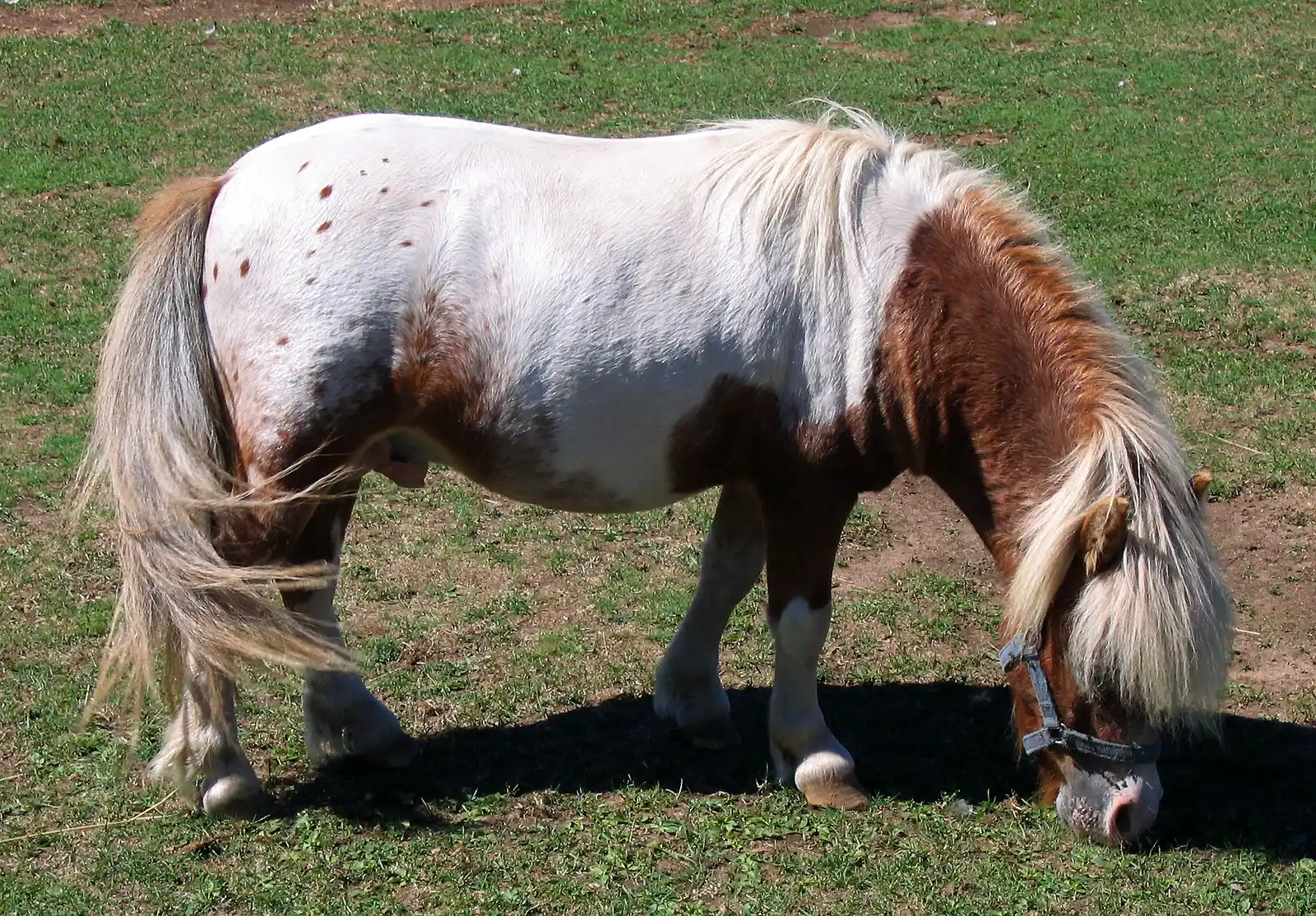
#17 – American Miniature Horse
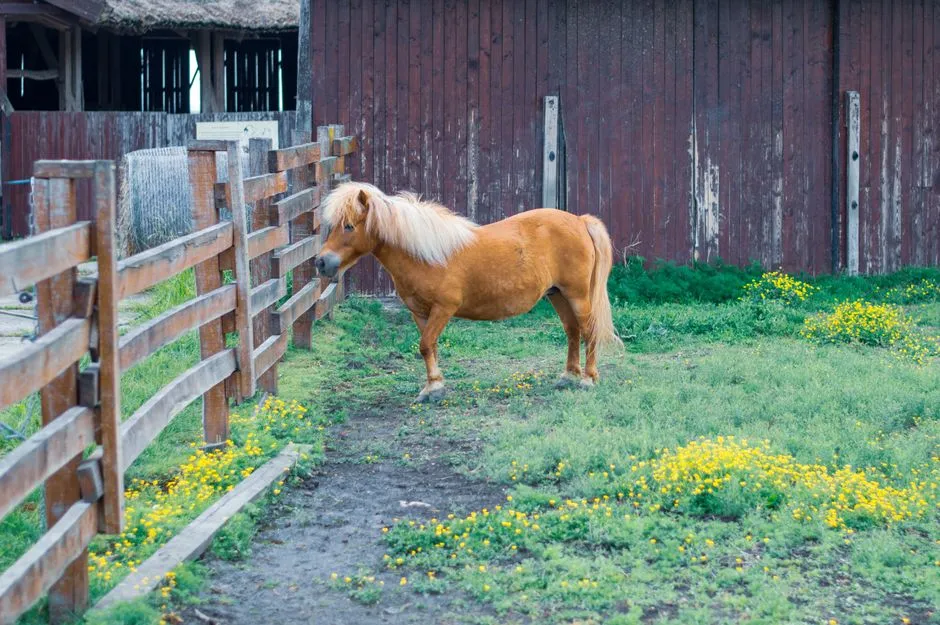
Surgeons don’t just dread giants. The very smallest breed on this list is just as nerve-wracking, for the opposite reason. American Miniature Horses are adorable, tiny, and deceptively high-risk the moment they’re on the table.
Their size makes every milliliter of drug a precision problem. A dose a full-size gelding would shrug off can send a mini into a dangerous anesthetic spiral. They’re also over-represented in colic and obstruction cases tied to dental issues and feed management – problems that are often preventable but show up late anyway.
Minis frequently arrive as beloved family pets, which raises the emotional stakes fast. Owners see them almost like dogs with hooves, so any complication feels devastating, and surgeons have to explain that “small” absolutely does not mean “simple” – or cheap.
#16 – Belgian Draft
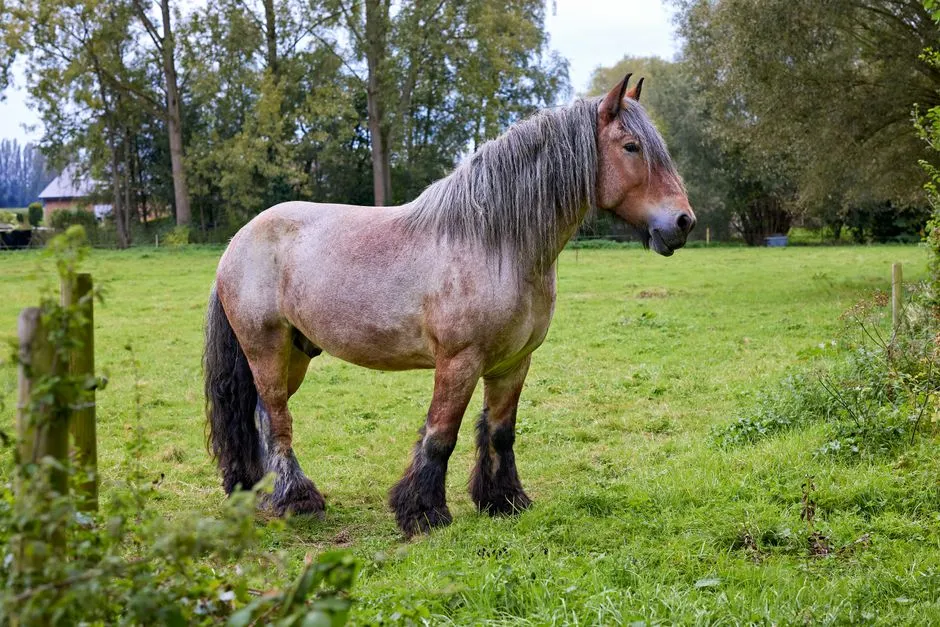
When a Belgian Draft rolls into the clinic, every surgeon starts doing risk math in their head. These horses often weigh over a ton, and that single fact turns any anesthetic or orthopedic procedure into a logistical minefield.
Getting them safely down is one thing. Getting them back up afterward is where things get genuinely terrifying – post-anesthetic myopathy or nerve injury from their own body weight can turn a technically flawless surgery into tragedy in minutes.
Their sheer size magnifies even small problems. A hoof abscess that’s a minor nuisance on a riding horse can become career-ending on a Belgian, simply because of the forces involved. Specialized stocks, lifts, slings, and reinforced recovery stalls aren’t optional here – and when something goes wrong, nobody can just manually reposition a full-grown draft horse.
Fast Facts
- Mature Belgian Drafts commonly weigh 1,800 to 2,200 pounds and stand 16 to 18 hands tall.
- They’re among the most popular draft breeds in North America today.
- Originally bred for farm and logging work, they were selected for calm, steady strength.
- Their size means anesthetic doses and recovery equipment must be scaled far beyond standard protocols.
#15 – Saddlebred
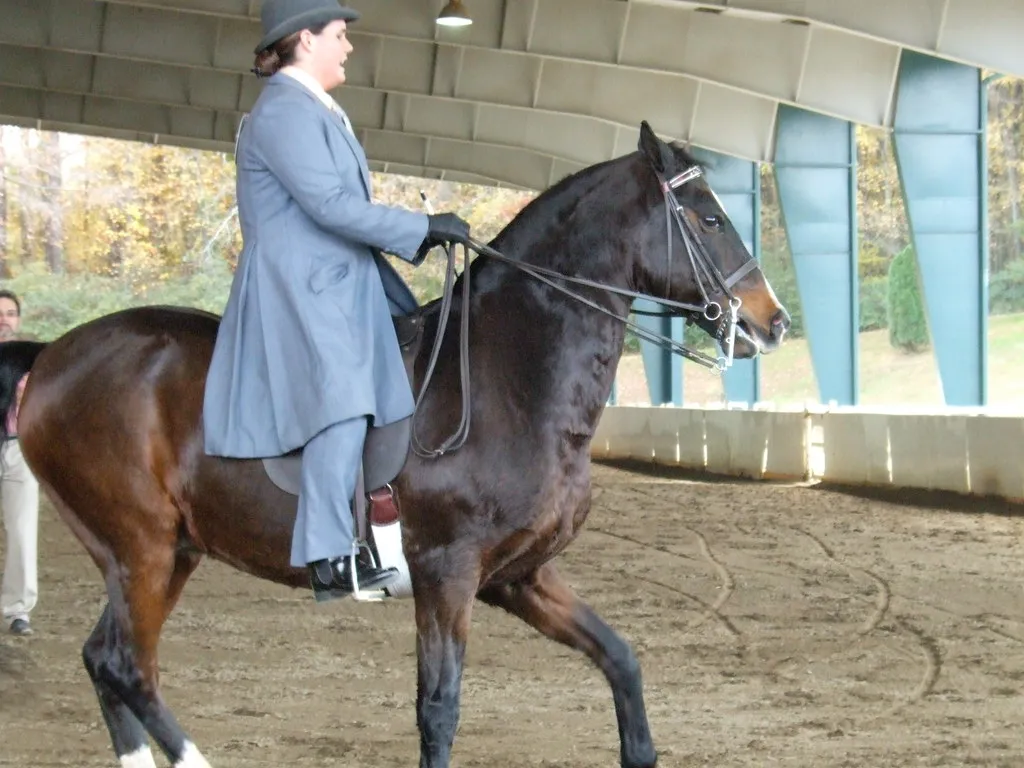
American Saddlebreds often arrive with a lifetime of extreme shoeing, long toes, and hard performance demands already baked into their legs and feet. That history makes even a straightforward-looking case complicated fast.
Surgeons frequently uncover chronic suspensory issues, laminitis, or coffin joint arthritis that aren’t a one-and-done fix. These are often high-dollar show horses, so owners expect miracles and minimal downtime – expectations that reality rarely cooperates with.
Temperament adds another layer of difficulty. Many Saddlebreds are intelligent, sensitive, and explosively reactive, which makes stall rest and post-op discipline nearly impossible for some individuals. Surgeons dread being the one who has to say: “We can fix the structure. We can’t fix the brain.”
#14 – Andalusian & PRE (Pura Raza Española)
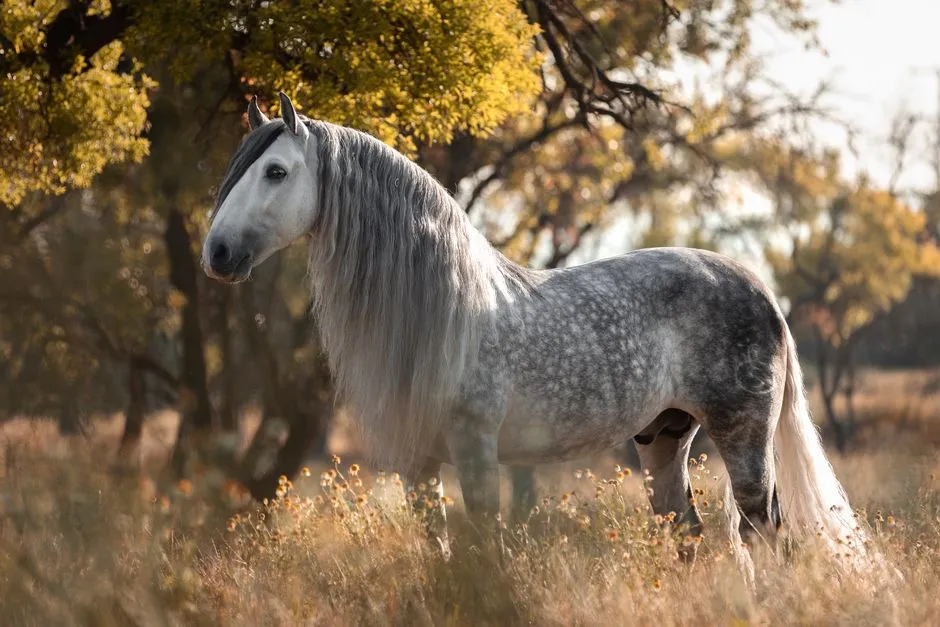
The baroque beauty comes with baroque problems. Andalusians and PREs carry a distinct build – strong necks, round bodies, upright shoulders, powerful movement – that predisposes them to specific orthopedic issues, especially behind and in the neck.
Cervical problems, kissing spines, and unusual hind-limb gait abnormalities show up more often in certain lines, and when surgery is needed, it’s rarely routine. These horses are also incredibly expressive and often dramatic about pain, which makes reading a real complication versus theatrical sensitivity genuinely tricky.
Under anesthesia, their heavy necks and deep chests complicate airway management and positioning. Add owners who view these horses as almost sacred, with sky-high expectations for a return to upper-level dressage, and any imperfect outcome can feel personal.
#13 – Morgan
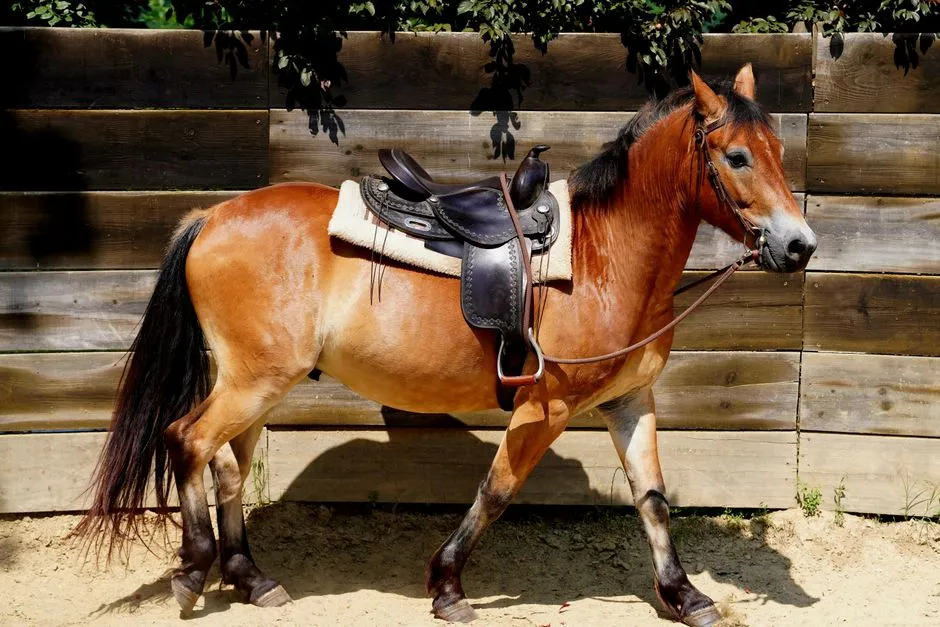
On paper, Morgans are sturdy, versatile, easy-keeper horses. In the surgery world, that easy-keeper reputation is exactly the problem – they’re at higher risk of insulin dysregulation and laminitis, especially when overfed and under-worked.
Laminitis cases, acute or chronic, are some of the most heartbreaking situations a surgeon faces, and Morgans show up in that mix often. Procedures like deep digital flexor tenotomy are never a guaranteed fix, and owners sometimes arrive expecting a clean solution instead of a long conversation about weight, turnout, and lifelong hoof care.
Morgans can also be strong-willed patients who decide, on their own timeline, that they’re finished with stall rest. Surgeons dread being called only after months of low-grade laminitis have quietly turned into catastrophic hoof failure – a point where medicine can only do so much.
#12 – Off-Track Thoroughbred (OTT)
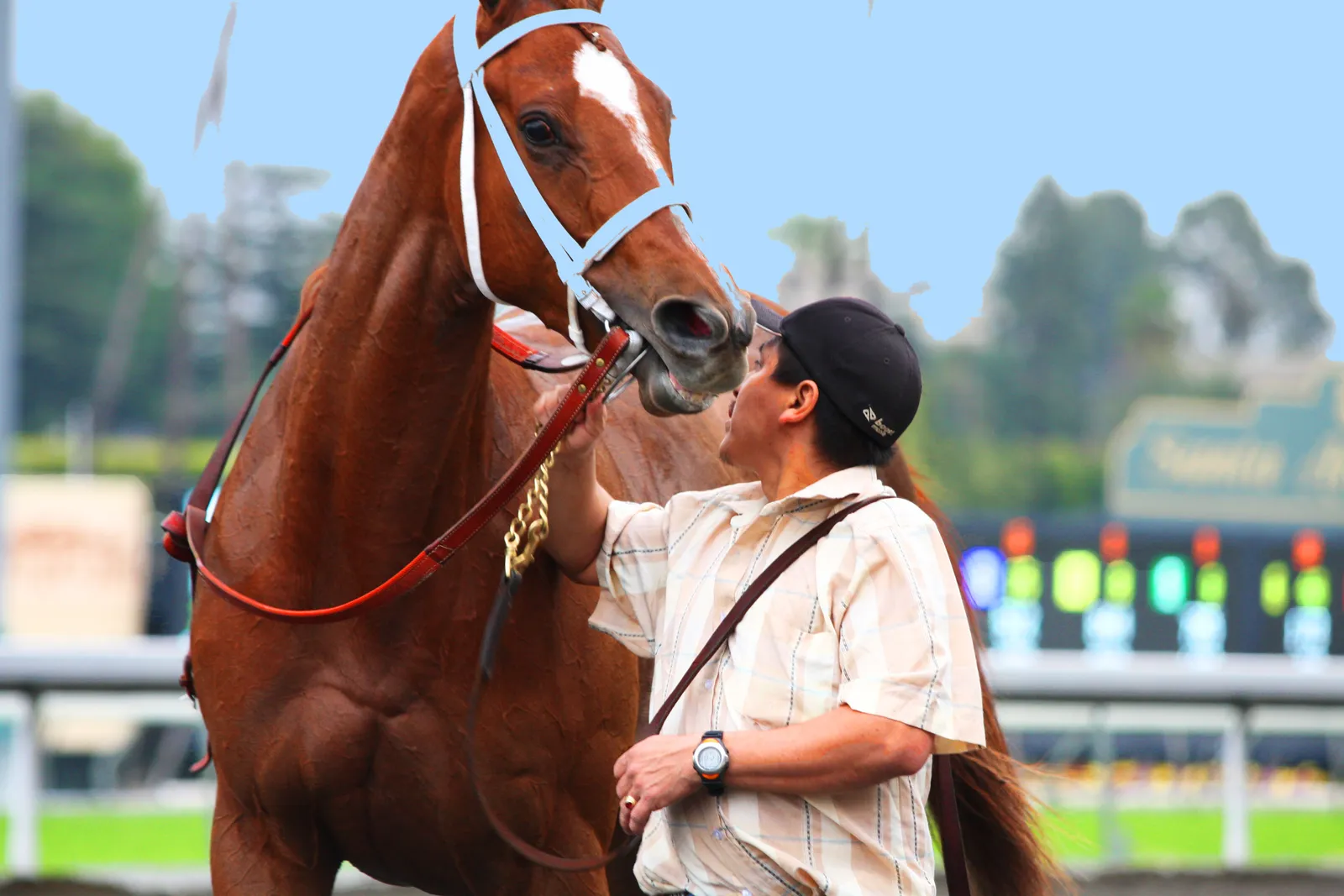
No breed screams high-risk orthopedic nightmare like the off-track Thoroughbred. These horses arrive with racing miles, old fractures, chips, and tendon injuries that may never have been fully resolved in the first place.
Surgeons frequently uncover a history far messier than the referral note suggests – hidden bone chips, chronic joint changes, or bowed tendons layered over each other. Fixing one problem often reveals two more underneath it.
The real dread, though, is the recovery stall. These are fit, hot-blooded athletes with serious cardiovascular output, and an OTT coming out of anesthesia can wake in full flight mode, thrashing and endangering itself even after a technically perfect surgery. Owners often dream of turning a bargain ex-racer into a sound sport horse overnight; surgeons know it’s triage and compromise, not a clean slate.
Worth Knowing
- Most Thoroughbreds leave the track between ages three and six, often with unresolved wear and tear.
- Many transition into second careers as sport or trail horses once cleared by a vet.
- Old racing injuries can resurface years later under new types of work.
- Aftercare and retraining programs across the country rehome thousands of ex-racers annually.
#11 – Arabian
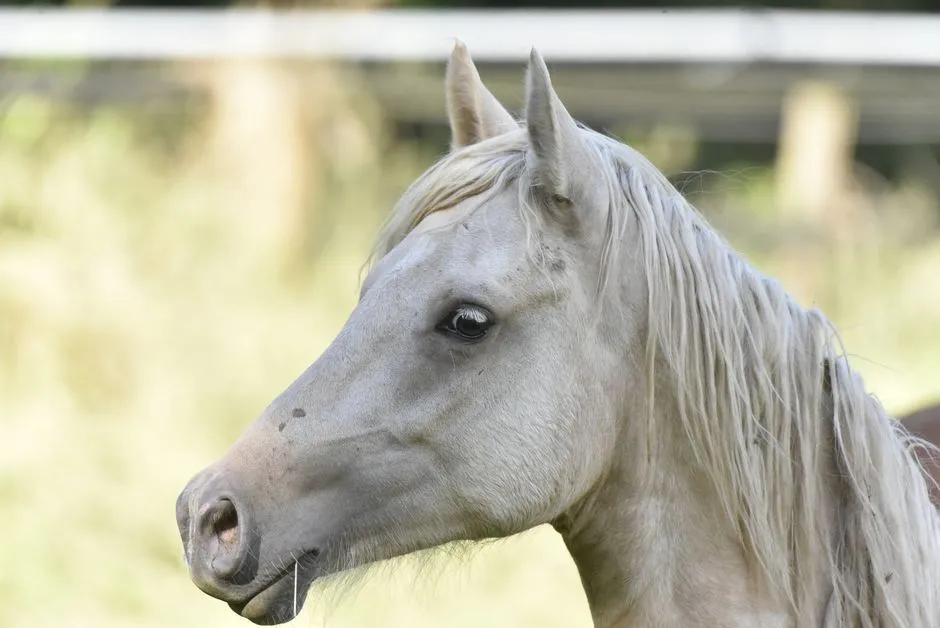
Arabians split veterinary staff like few other breeds. Some adore their sensitivity and intelligence; others quietly groan when one shows up on the emergency colic list.
Arabians are over-represented in certain colic types, including impactions and displacements, and they frequently show dramatic pain signs even with moderate lesions. That makes timing the decision to operate a genuine strategic puzzle – is this horse as sick as it’s acting, or is it just an Arabian being an Arabian?
They’re famously reactive, sometimes waking quickly and explosively under anesthesia, which complicates recovery. Add owners who see the horse as family rather than livestock, and surgeons dread the 2 a.m. conversation about risky colic surgery on a horse that seems, in their words, “too pretty to be this sick.”
#10 – Warmblood Dressage Horse
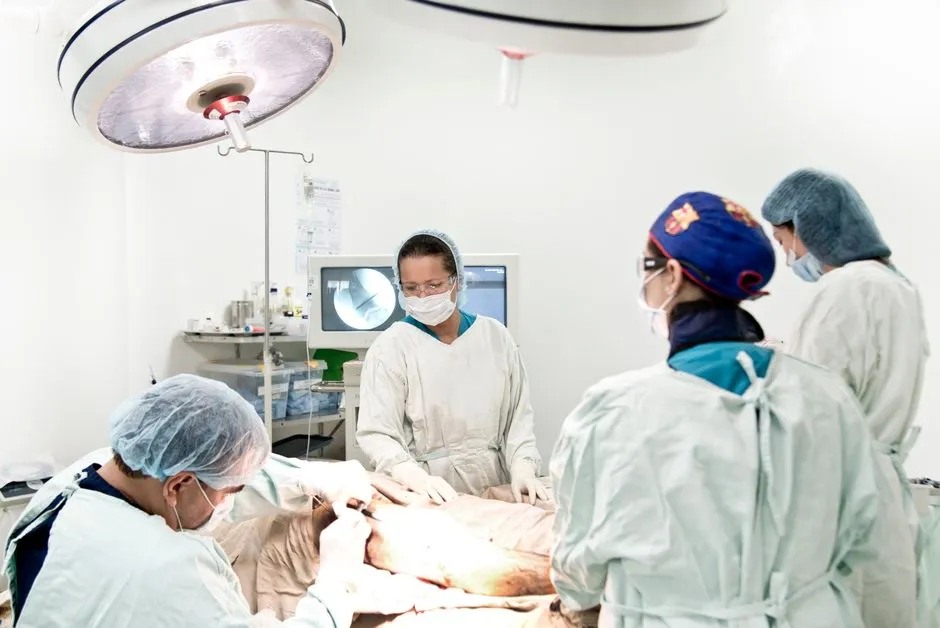
Top-level warmbloods aren’t just horses – they’re six-figure investments, and that fact alone raises the temperature in the operating room. Bred for elastic, expressive movement, they often carry long backs and powerful hindquarters that predispose them to kissing spines, sacroiliac issues, and complex hind-limb lameness.
Because the financial and competitive stakes are so high, owners and trainers push hard for cutting-edge procedures – arthroscopy on tiny lesions, neck surgeries, back interventions where the science is still evolving. Surgeons must balance what’s technically possible against what’s actually in the horse’s long-term interest.
Post-op, these horses are often terrible patients: fit, strong, easily bored, and prone to undoing weeks of healing with one explosion on day ten of “strict rest.” The dread isn’t just the operation itself – it’s knowing compliance at home might be shaky at best.
At a Glance
- Popular dressage warmblood lines include Hanoverian, Dutch Warmblood, and Oldenburg.
- These horses are purpose-bred for elastic, expressive gaits rather than raw speed.
- Top competition prospects can be valued well into six figures.
- Long backs and powerful hindquarters raise the risk of spinal and hind-limb complications.
#9 – Quarter Horse “Halter Type”
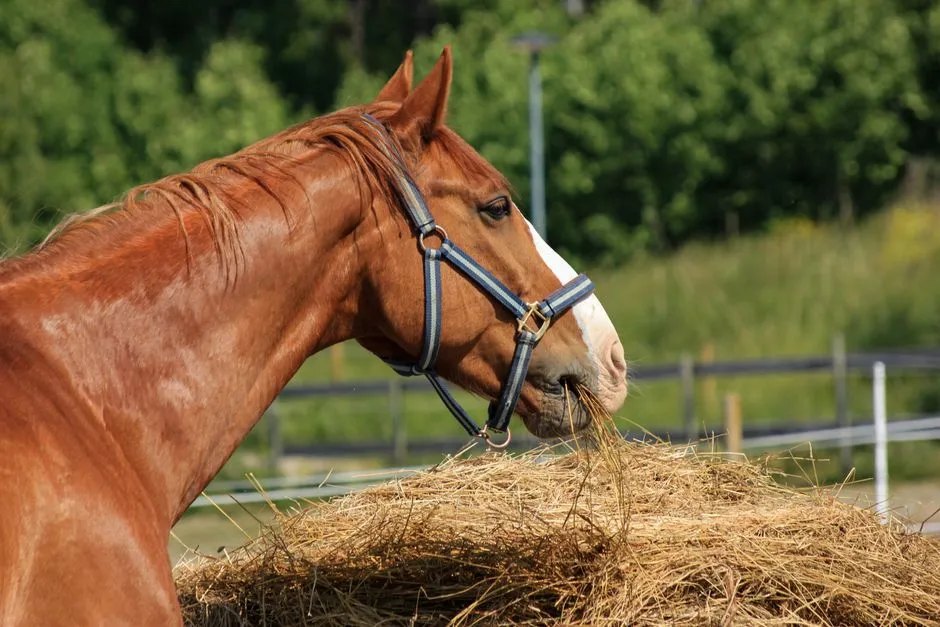
Not all Quarter Horses worry surgeons, but the extreme halter-bred types often do. Decades of selective breeding for massive muscling on relatively fine legs creates serious structural stress, and that mismatch between frame and forces makes routine procedures anything but routine.
There are also respiratory concerns tied to extreme throatlatch and neck muscling in some individuals, which can complicate airway management under anesthesia. Some halter horses arrive already on high-calorie diets with minimal exercise – a recipe for difficult recoveries and post-op laminitis.
Owners are understandably passionate about the look they’ve bred for, but many don’t grasp how precarious the biomechanics really are. Surgeons dread being asked to fix the inevitable breakdown that comes from conformation choices, knowing biology always eventually collects the bill.
#8 – Standardbred Racehorse
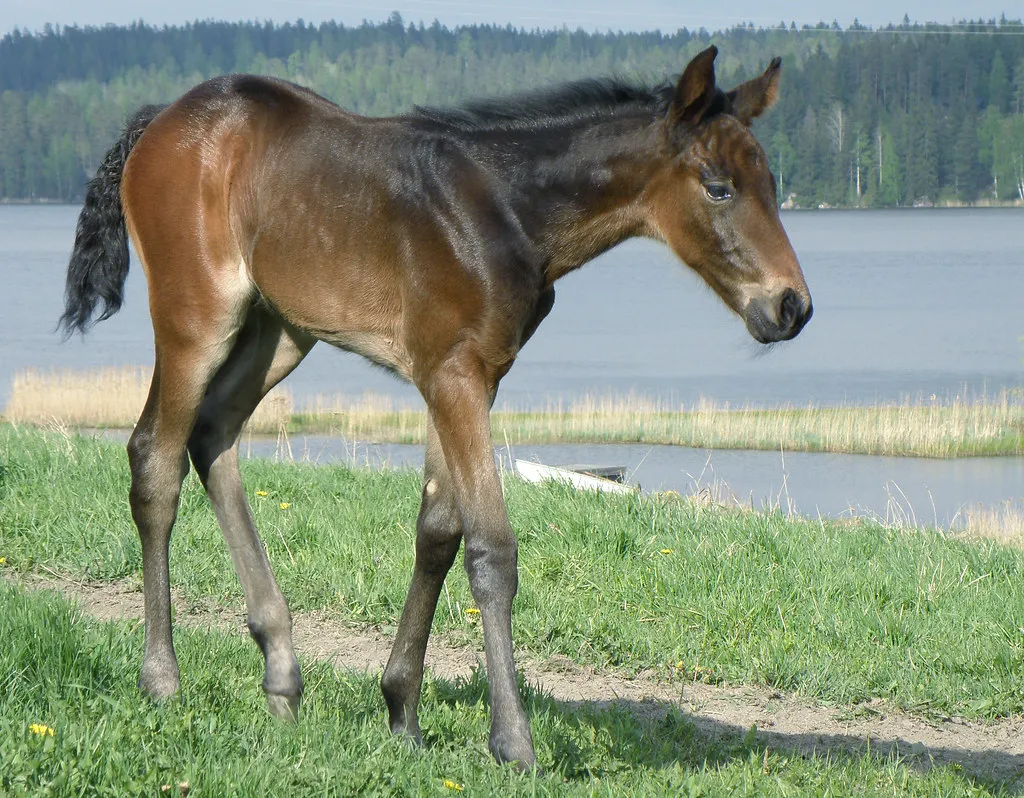
Standardbreds don’t get the mainstream attention Thoroughbreds do, but in surgical circles they’re a steady, complicated clientele. Years of harness racing mean repetitive strain on joints, tendons, and the back, and these horses are frequent flyers for chip removal, joint surgery, and suspensory work on legs already injected and managed hard for seasons.
What quietly stresses surgeons out is the business model surrounding them. Many are expected back in training on a tight schedule, with owners pushing aggressive rehab timelines that don’t align with how tissue actually heals.
These horses are also stoic, often masking pain until a lesion is already advanced – meaning surgery sometimes happens when the prognosis is already guarded at best. Saying “no” to a fast return to work can put a vet on a collision course with the whole racing team.
#7 – Friesian

If there’s a breed with a reputation for being heartbreakingly fragile underneath the beauty, it’s the Friesian. Along with the flowing hair and presence come breed-linked issues like megaesophagus, aortic rupture in some lines, and a higher incidence of certain orthopedic and skin problems.
Their unique body type – heavy front ends, relatively light hind limbs, and a distinctive way of moving – challenges both the surgery and the recovery. Anesthesia on a big, deeply chested Friesian is never taken lightly, since positioning errors risk nerve damage or post-anesthetic myopathy.
Some research suggests altered connective tissue quality in the breed, which may influence wound healing and surgical outcomes – one more variable surgeons have to plan around before they even pick up a scalpel.
Findings referenced in equine veterinary literature on Friesian-specific health conditions
Owners often arrive in total shock that their fairy-tale horse has a potentially breed-related, life-threatening condition. Surgeons dread delivering that news, especially when hard prognosis data is still evolving and options remain limited.
#6 – Paint Horse (Performance Lines)
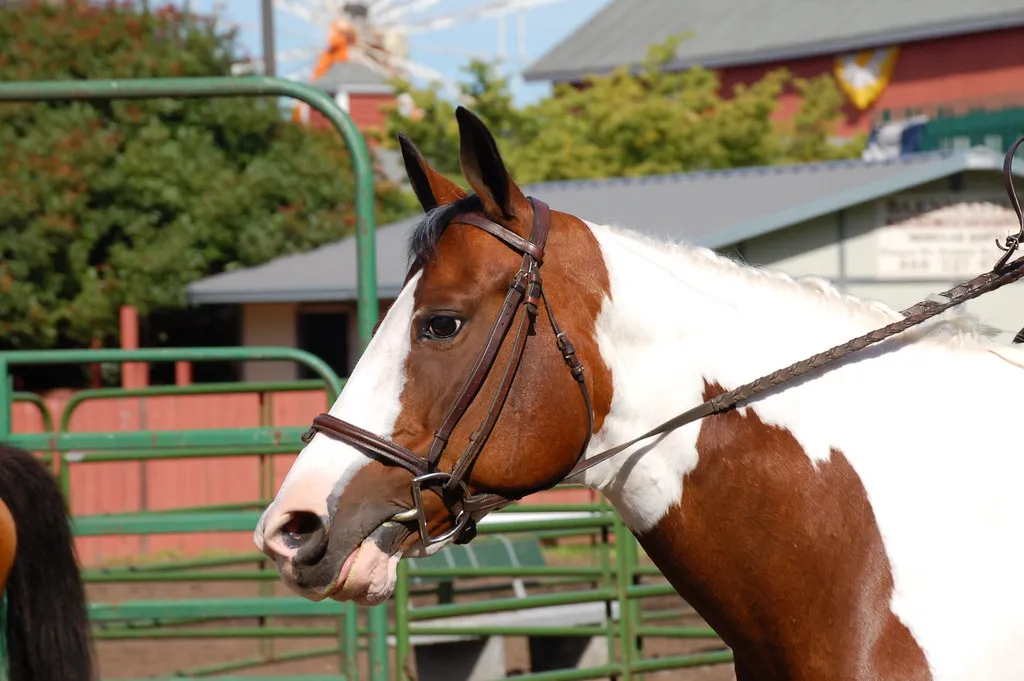
Paints themselves aren’t cursed, but performance-bred Paints that share close genetics with certain Quarter Horse lines sometimes carry hidden risk. Some lines carry a genetic time bomb – conditions like lethal white foal syndrome, linked to the frame overo pattern, and muscle disorders that parallel issues seen in Quarter Horse bloodlines.
Performance Paints can also carry the same musculoskeletal vulnerabilities as cutting and reining Quarter Horses: hock issues, stifle injuries, and front-end lameness from intense stop-and-turn work. Surgical repair is only half the battle – getting back to that level of performance is another story entirely.
Many families choose a flashy Paint as an all-around family mount, then get blindsided by complex vet bills and genetic counseling conversations they never saw coming. Surgeons dread the mix of color-breeding, performance pressure, and unrealistic expectations about what can actually be repaired.
#5 – Gaited Show Horse (Saddlebred-Type & Tennessee Walking Horse Lines)
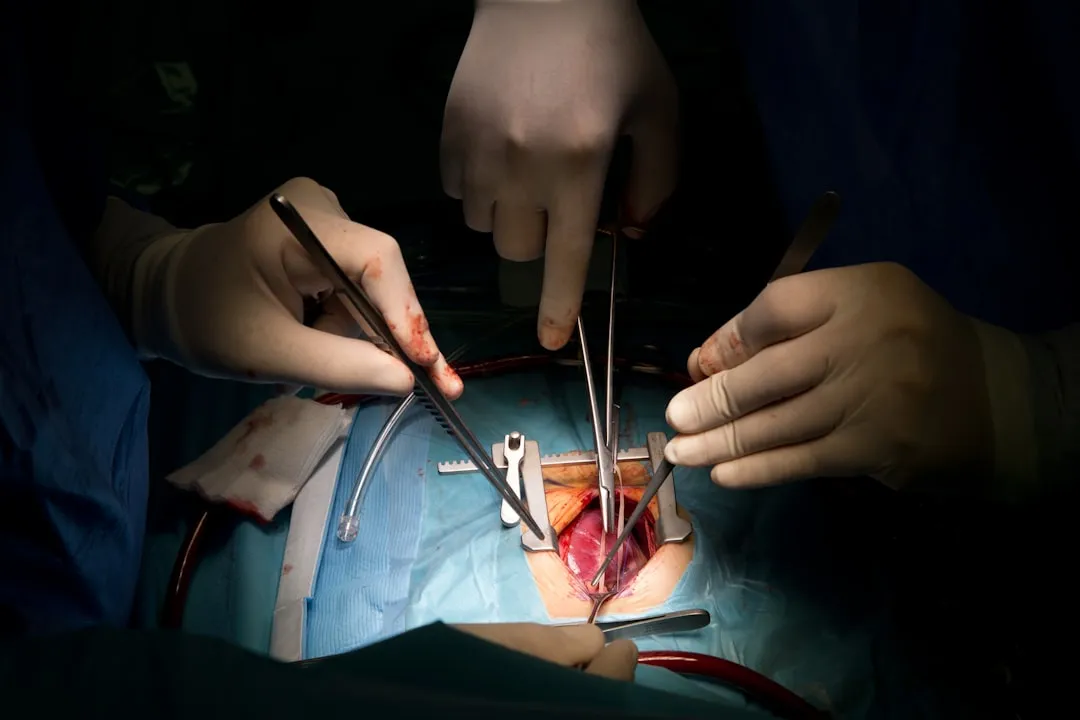
Gaited show horses often arrive with a long history already stacked against them – specific shoeing packages, long toes, heavy pads or stacks in some disciplines, and intense training practices. Those mechanical and management factors contribute to chronic suspensory lesions and foot pain far more complicated than a simple sprain.
By the time surgery enters the picture, the underlying soft tissue has often been pushed past a reasonable limit. Some segments of gaited show culture have faced real criticism for practices that stress legs and feet, and when a horse finally breaks down, everyone suddenly looks to the surgeon for a structural miracle.
Even a perfect surgery can’t reverse years of mechanical overload. Rehab compliance is another sticking point – these horses are used to moving and going, not months of controlled exercise, leaving surgeons caught between what science says is possible and what the show world demands for next season.
#4 – Young Sport Pony & Crossbreds
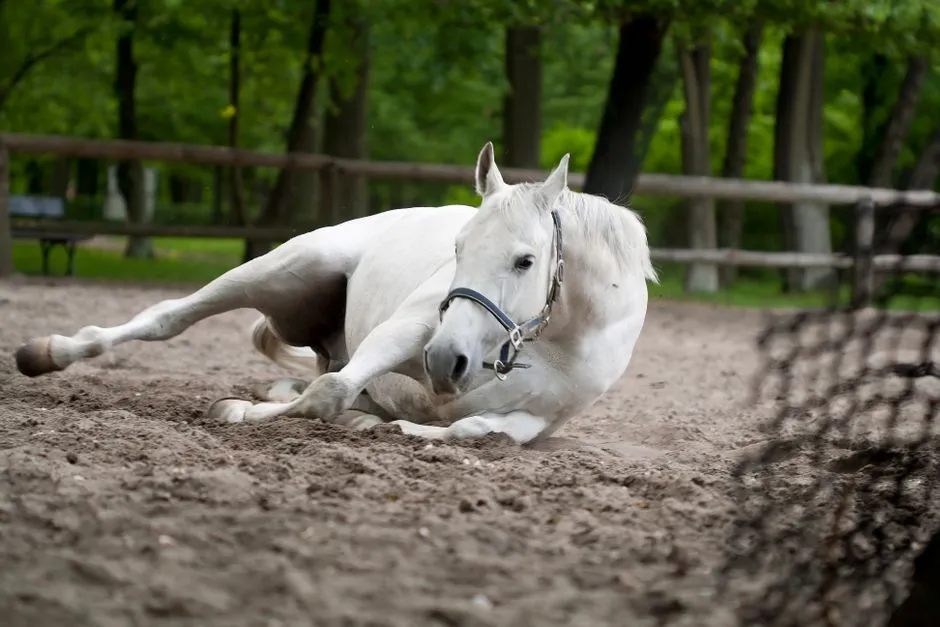
People assume ponies are hardy and low-maintenance, but high-end sport ponies and pony crosses can be surgical landmines. Breeders often blend athletic warmblood, Arab, or Thoroughbred blood into pony-sized bodies, creating compact powerhouses that concentrate serious orthopedic stress into smaller joints and growth plates.
That combination leads to developmental orthopedic disease, joint OCD lesions, and tendon injuries surprisingly early, often just as training starts to get serious. The emotional weight here is enormous, since these are frequently children’s mounts.
Discussing surgical risk or future career limitations with parents is brutal, especially when the child expects to get “their” pony back exactly as before. Surgeons dread the moment a kid looks them in the eye and asks if their best friend is going to be okay – when the honest answer is “maybe.”
#3 – High-Level Eventer (Any Breed)
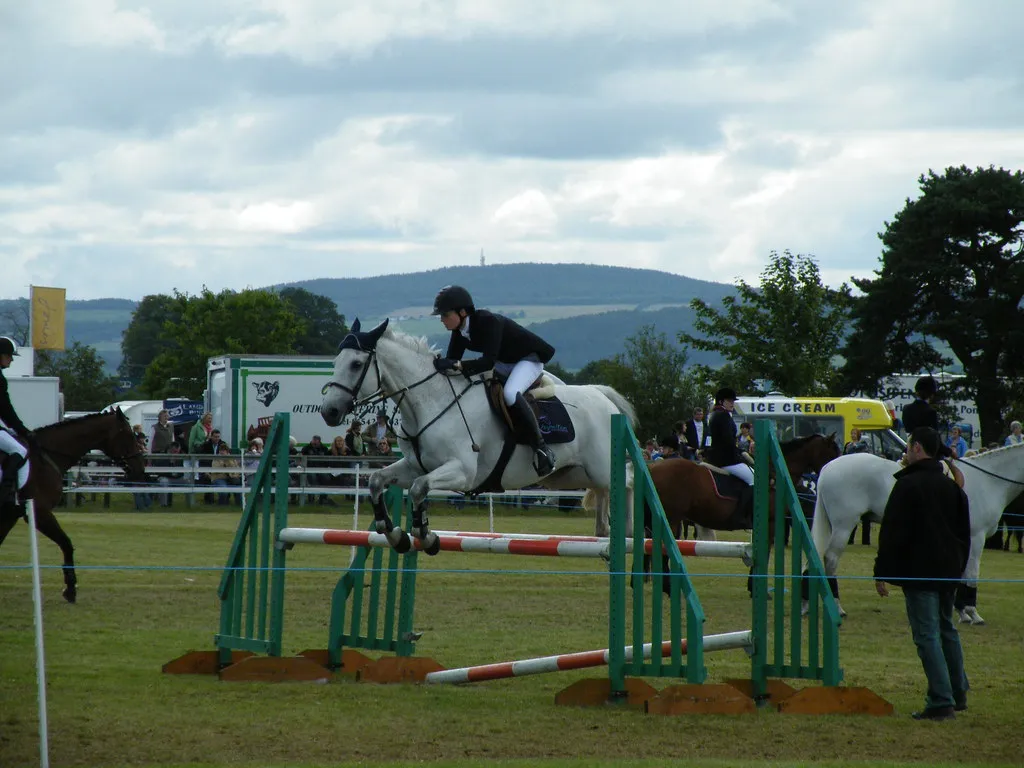
Ask equine surgeons which horses keep them up at night, and upper-level eventers are always on the short list. Cross-country at speed over solid fences is inherently dangerous, producing catastrophic fractures, complex tendon ruptures, and multi-limb injuries that push the edge of what surgery can realistically fix.
The decision between aggressive surgical salvage and humane euthanasia is a constant, heavy presence in these cases. Even a routine-looking suspensory lesion or chip fracture isn’t simple, since the goal is often a full return to top-level competition, not just soundness for light hacking.
Owners and riders may understandably push for every possible option, including expensive experimental therapies. Surgeons dread being cast as the villain when they recommend against heroic measures that will likely only prolong suffering, all while cameras, sponsors, and public opinion hover in the background.
Quick Compare
- Dressage phase: precision and control, lowest injury risk of the three.
- Cross-country phase: solid, unforgiving obstacles taken at speed – the source of most catastrophic injuries.
- Show jumping phase: fences fall if hit, reducing (but not eliminating) risk compared to cross-country.
- Elite event horses often represent years of specialized training, raising the emotional and financial stakes of any injury.
#2 – Geriatric “Heart Horse” of Any Breed
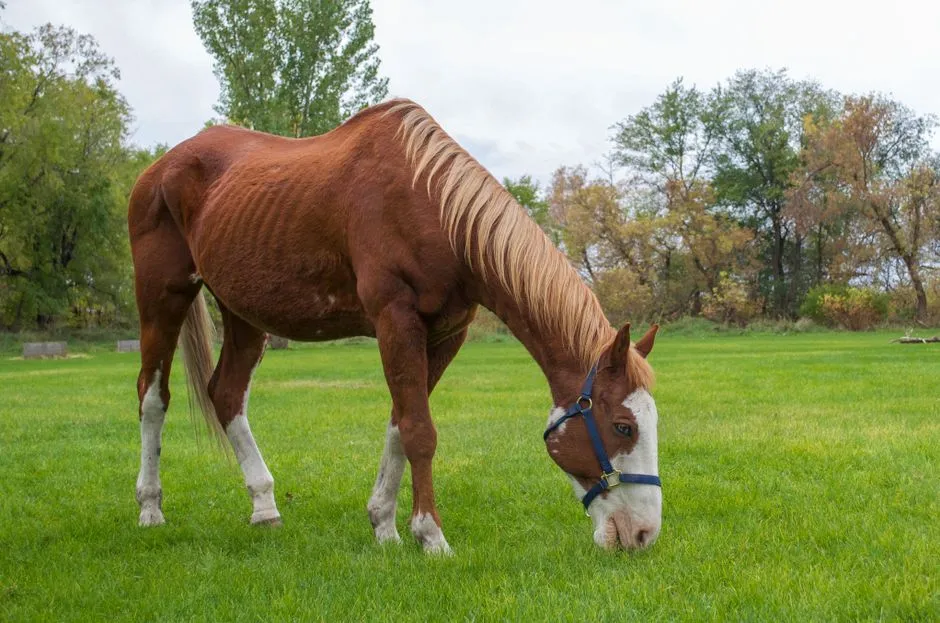
Ask an equine surgeon what truly spikes their blood pressure, and many won’t name a famous breed at all. They’ll say: the old, beloved backyard horse.
Geriatric horses in their late teens, twenties, and beyond have reduced organ reserves, higher anesthesia risks, and slower healing, no matter how young they act. Yet they’re often the horses owners are most emotionally attached to and most desperate to save at any cost.
Common emergencies like strangulating lipomas causing surgical colic are more frequent in older horses, and even a smooth surgery can be followed by ileus, infection, or laminitis. Explaining a guarded prognosis and a five-figure bill to someone sobbing over a 26-year-old gelding they’ve owned since childhood turns surgeons into an impossible mix of accountant and grief counselor.
#1 – The Morbidly Obese, Unhandled Backyard Horse
If there’s one type equine surgeons secretly dread more than any named breed on this list, it’s this one: the morbidly obese, barely handled backyard horse of any genetic background. It isn’t glamorous. It’s just brutally real, and every specialist has a story about it.
Extreme obesity multiplies surgical risk across the board – higher anesthesia complications, breathing issues, metabolic instability, and a dramatically increased chance of laminitis after surgery. Add zero training in basic handling, and even getting vitals or placing an IV catheter can turn into a full-team wrestling match.
These horses often arrive already in crisis – advanced colic, severe laminitis, or neglected wounds that have festered for weeks – meaning the window for a good outcome is nearly closed before surgery is even considered. Owners are frequently blindsided that ordinary neglect, too much grain, too little movement, no farrier, has quietly built into a life-or-death decision with a devastating bill attached.
The Bottom Line
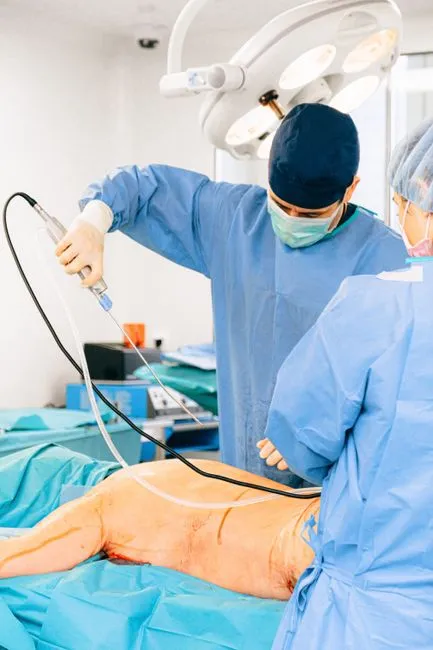
The breeds and types surgeons quietly dread aren’t “bad horses.” They’re the ones where biology, conformation, management, and human expectations collide in the ugliest ways possible.
Heavy drafts, fragile Friesians, high-octane OTTs, extreme halter horses, gaited show stars, and obese backyard pets all carry built-in risk multipliers that no amount of surgical skill can fully erase. What insiders will tell you, if you catch them off duty, is blunt: by the time the knife comes out, the real damage was usually done months or years earlier – in breeding decisions, feeding choices, or training shortcuts.
If that makes you a little uncomfortable, good. It should. Which of these do you think falls squarely on the owners, not the horses? Make your case in the comments.

- 17 Horse Breeds Equine Surgeons Secretly Dread Being Called Out To - July 30, 2026
- 11 Things Shelter Workers Secretly Wish Every Adopter Knew Before Signing - July 30, 2026
- 13 Quiet Signs an Old Dog Is Gently Saying Goodbye - July 30, 2026